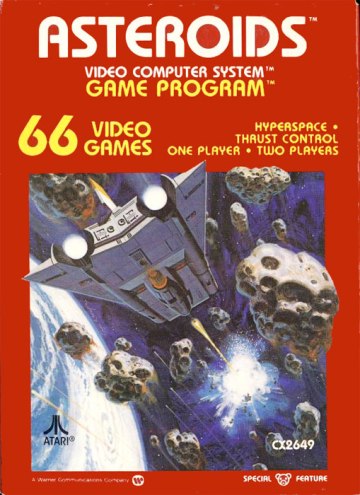

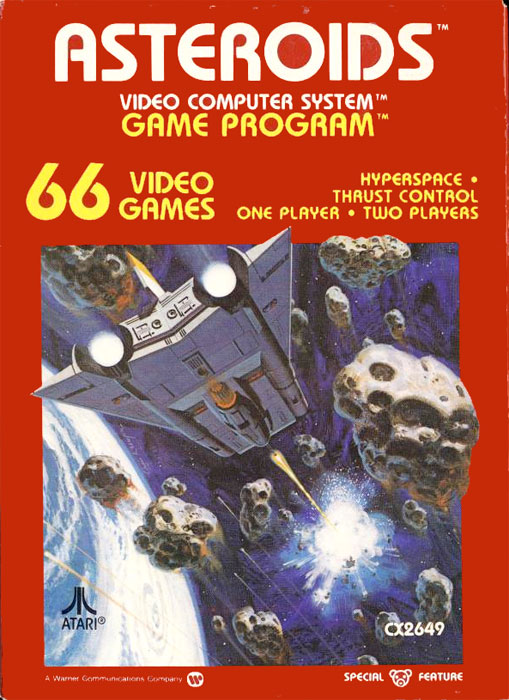
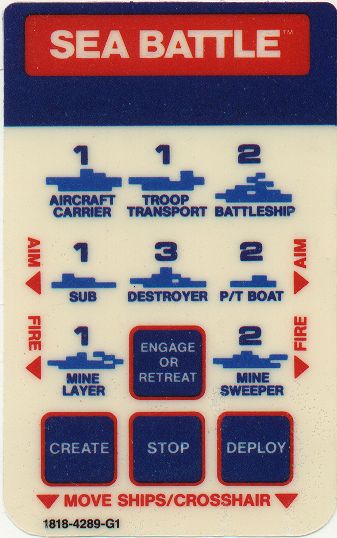
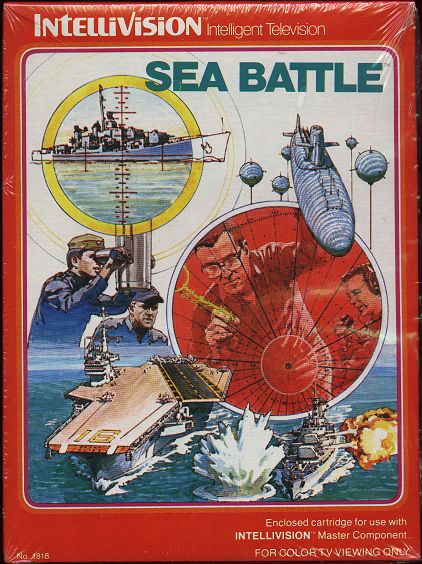
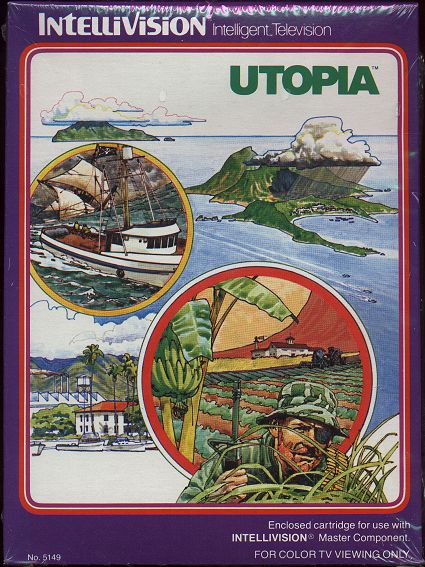
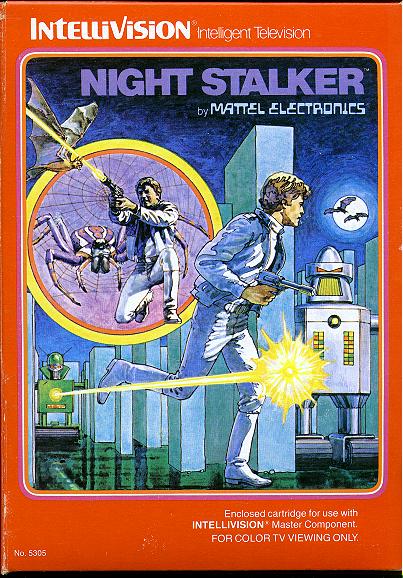
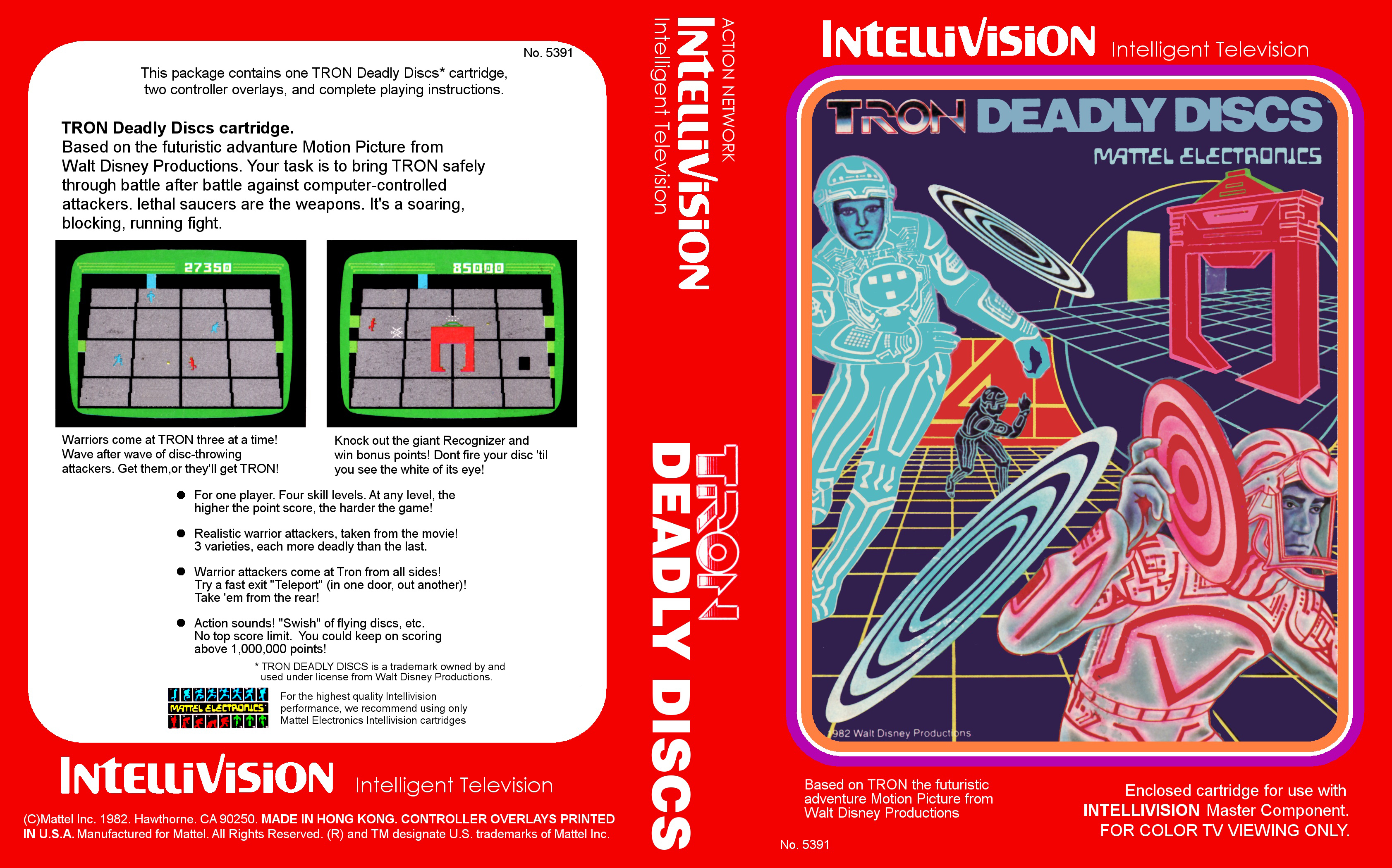
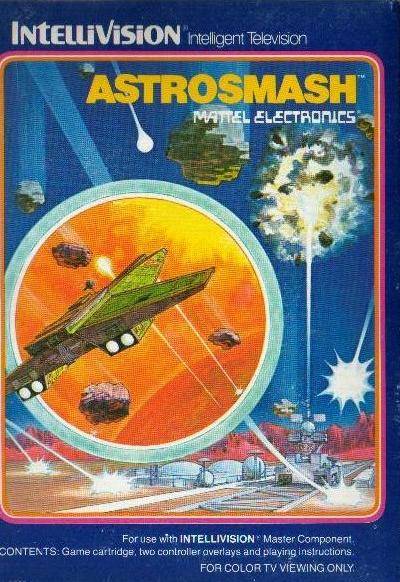
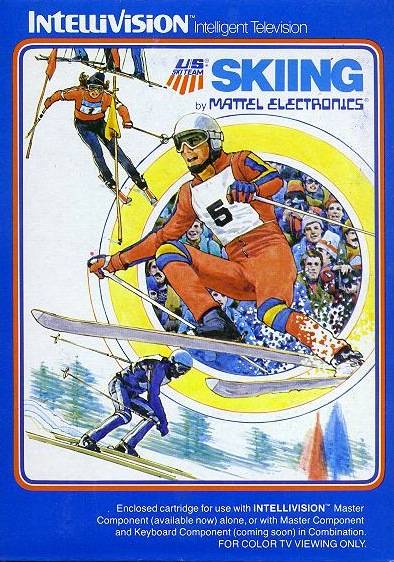
LeftyLimbo made a good point on my Intellivision post about the box art on all these old games being so much more awesome than the actual game play. There’s nothing new about the importance of cover art in marketing, especially when marketing to kids (think of fantasy and sci-fi pulps, comics, RPG modules, toys, etc.), but I thought it would be interesting to make a comparison. Above is the cover of Asteroids for the Atari 2600 and a screenshot of the game:
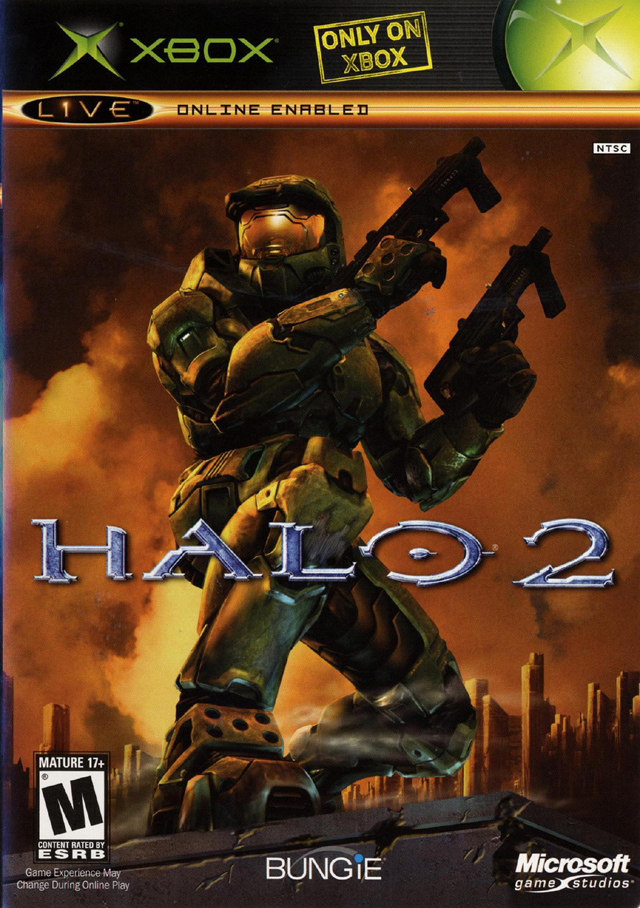
Now here’s the cover to Halo 2 and a screenshot.
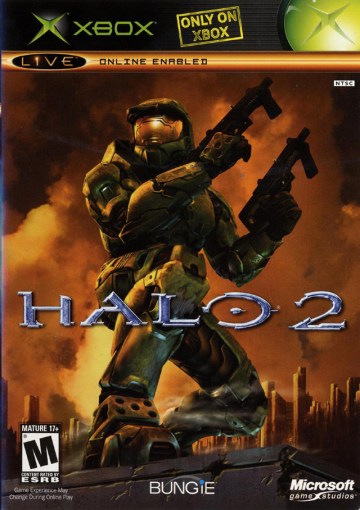
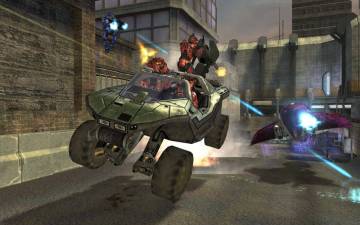
The in-game graphics have caught up to the box art, have surpassed the box art, even. There’s no longer a need to use the imagination to fill in the gaps left by all those 8-bit games. It’s all about emulating reality now, or rather emulating the perception of a reality in which we’re protected by magic armor and moving at hyperspeed.
I’m not saying the old games are superior (we would have literally died of ecstasy if we’d seen and played Halo 2 in ’82, even ’90), though many of them are much more challenging as games. You can’t save your progress in Donkey Kong or Super Zaxxon. When your little men are gone, that’s it; you start from scratch. That’s why the high score meant so much.
The gaming industry, now and then, is in the escape business. It does what it has to do to get us to put more coins in the escape machines. The difference is that the escape is much more pervasive today. The time I spent in the arcades or on my Atari 800 simply doesn’t compare with the hours kids and adults today spend on World of Warcraft and StarCraft.
Another thing: adults didn’t used to play, at least not the way they play now. Parents would occasionally indulge, but they were usually embarrassed; they had “something more important to do.” I’m not sure that any activity post-internet is more important than keeping and staying entertained. Escapism in moderation is a good thing, but gamers tend to have a different idea of moderation than non-gamers and dabblers.
 This son of a bitch was heavier than a Bantha and about as slow, but couldn’t carry nearly as many sand people. I got a later edition as a gift from someone who worked in a video store. Or maybe I gave him a gift by taking it. I think I had to roll the thing into the house on a couple of skateboards and rig a pulley system to get it onto my desk (or whatever the hell I ended up putting it on). I recall watching one of those terrible ’80s ninja movies on it, but mostly it just sat there daring me to remove it from the premises, taunting me with its uselessness.





 2 Warps to Neptune