Archive for March, 2013

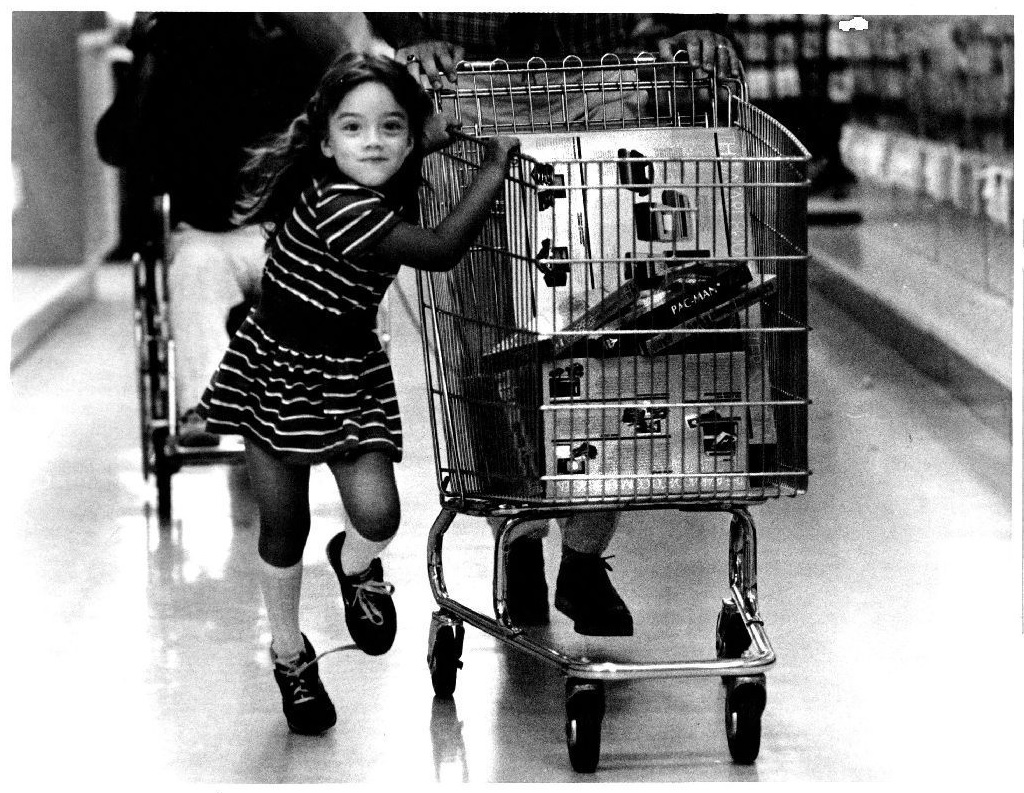
Toy Aisle Zen (1983): Atari

shopping spree 1983

Toys “R” Us, Miami, 1983. I don’t have any background, but the young lady is obviously the winner of a shopping spree, and she is damn well making the most of it. If you look on the right side of the top box, you’ll see that it’s an Atari 800 home computer system. I think the bottom box is an Atari 400. The look on her face tells all: this is the dream of every kid who has ever been in a toy store.

(Photo via the Seattle Washington Archive/eBay)

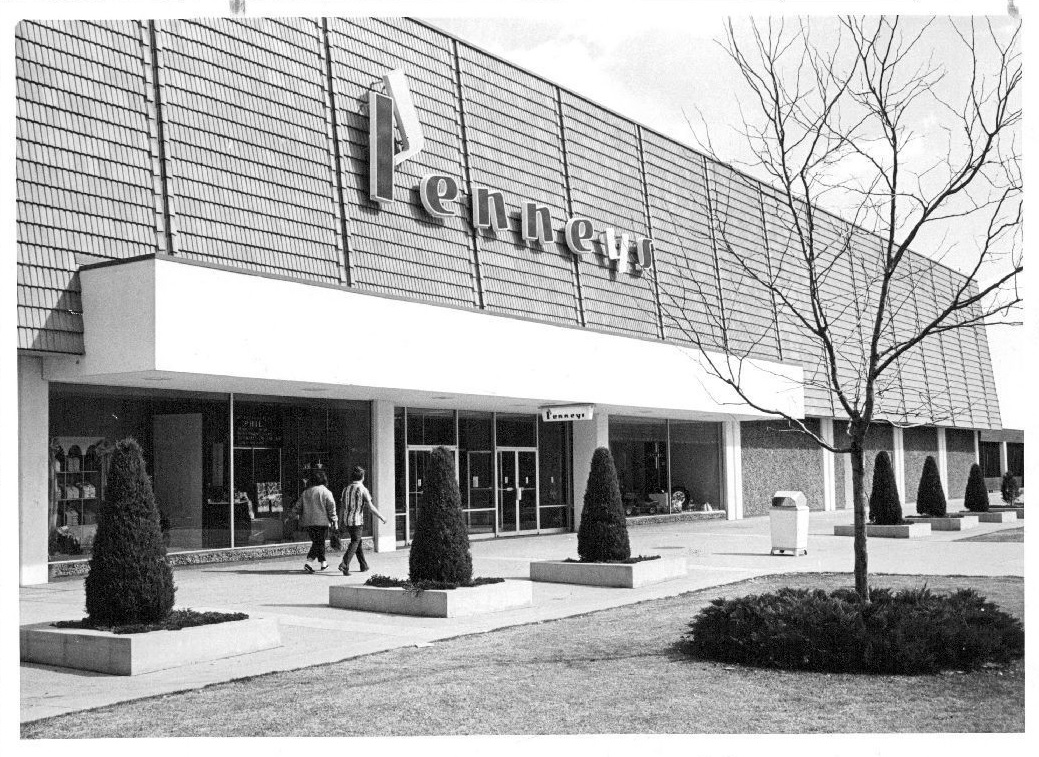
Northglenn Mall, 1971

northglenn mall 1971

Northglenn Mall, Colorado, March, 1971. (Photo: Denver Post)

Partial caption:

Mall Offers Easy Access to Stores. Shoppers can walk right into stores at the air-conditioned Northglenn Mall.

As opposed to traveling through a wormhole?

northglenn mall 1971-2

Northglenn Mall, Colorado, March, 1971. (Photo: Denver Post)

Caption:

Pedestrians Also Get Break at Mall. A pedestrian walkway at the Northglenn Mall is separated from the huge parking lot. This gives customers a chance to walk by stores with ease and in quiet surroundings.

Parking lots very quickly assumed priority over pedestrians and “quiet surroundings,” as the suburbs and tract housing sprawled. Today’s aseptic strip malls are the result.

One of These Search Terms Doesn’t Quite Belong

search terms

See if you can spot it.

More Intellivision Overlays and Boxes

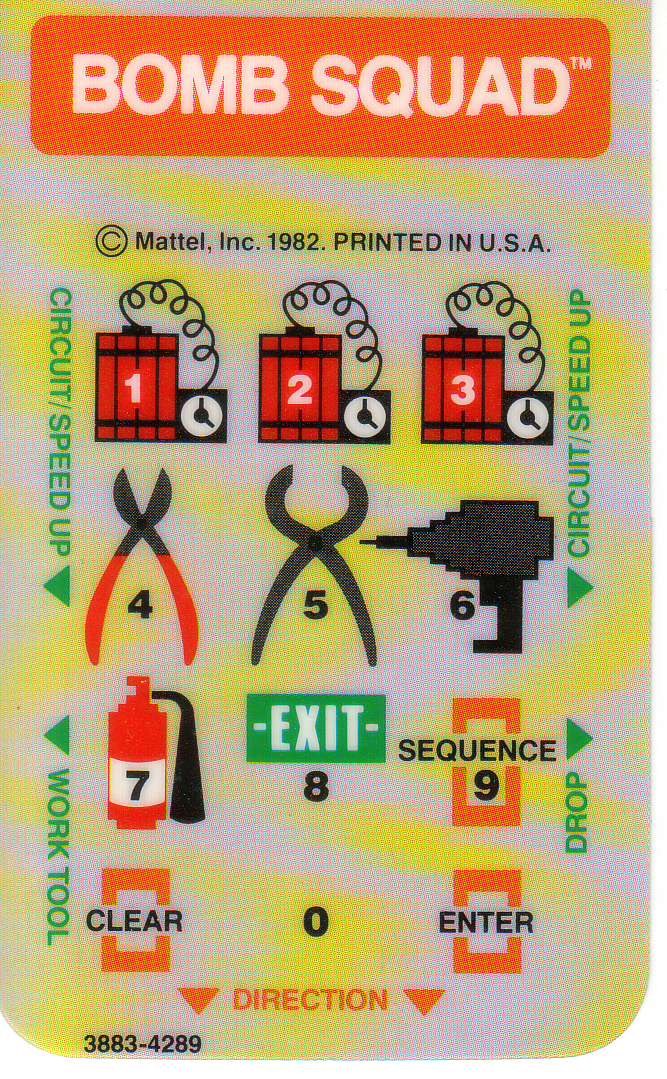
intellivision bomb squad

Bomb Squad

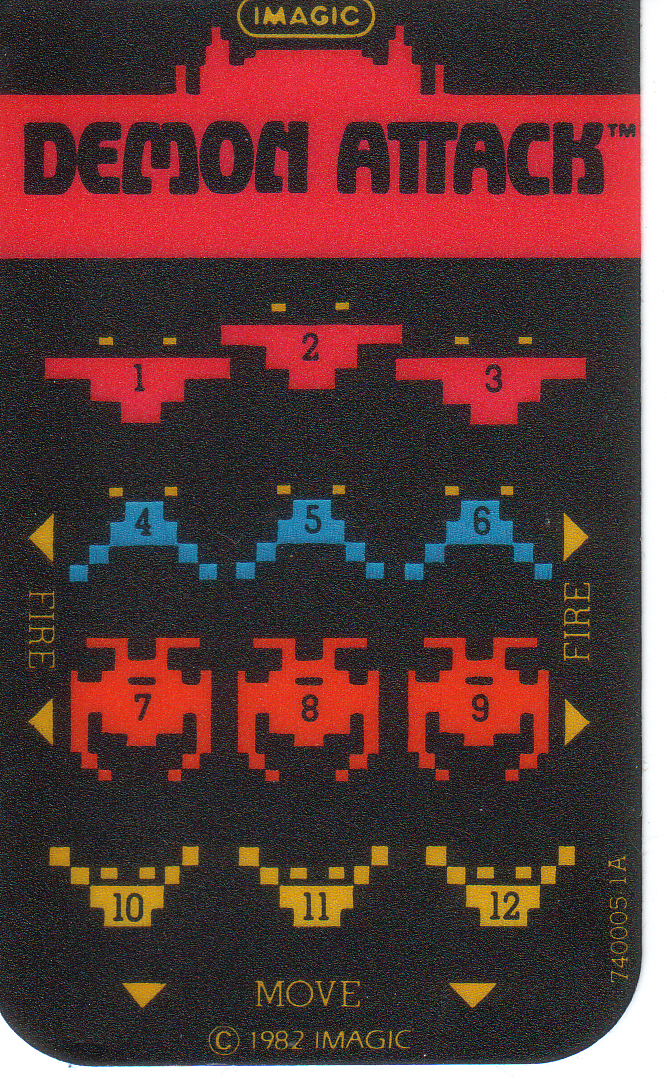
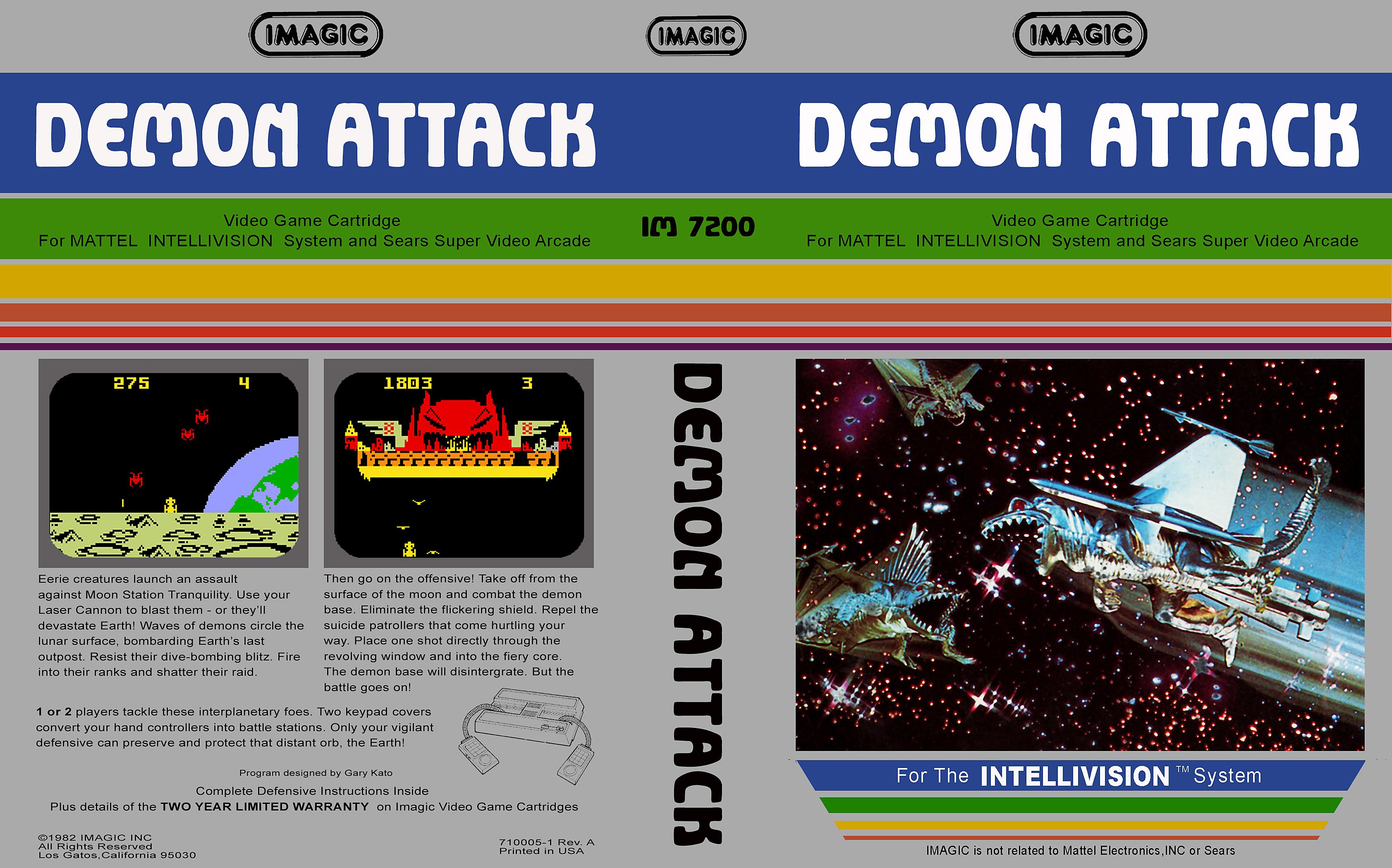
intellivision demon attack

Demon Attack

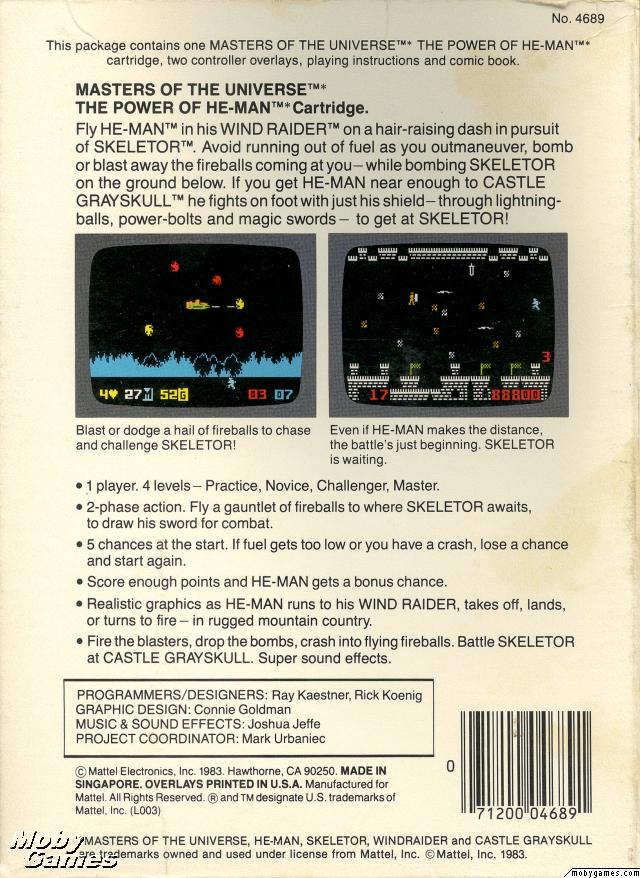
intellivision motu

motu intellivision

motu intellivision-2

intellivision space hawk

Space Hawk

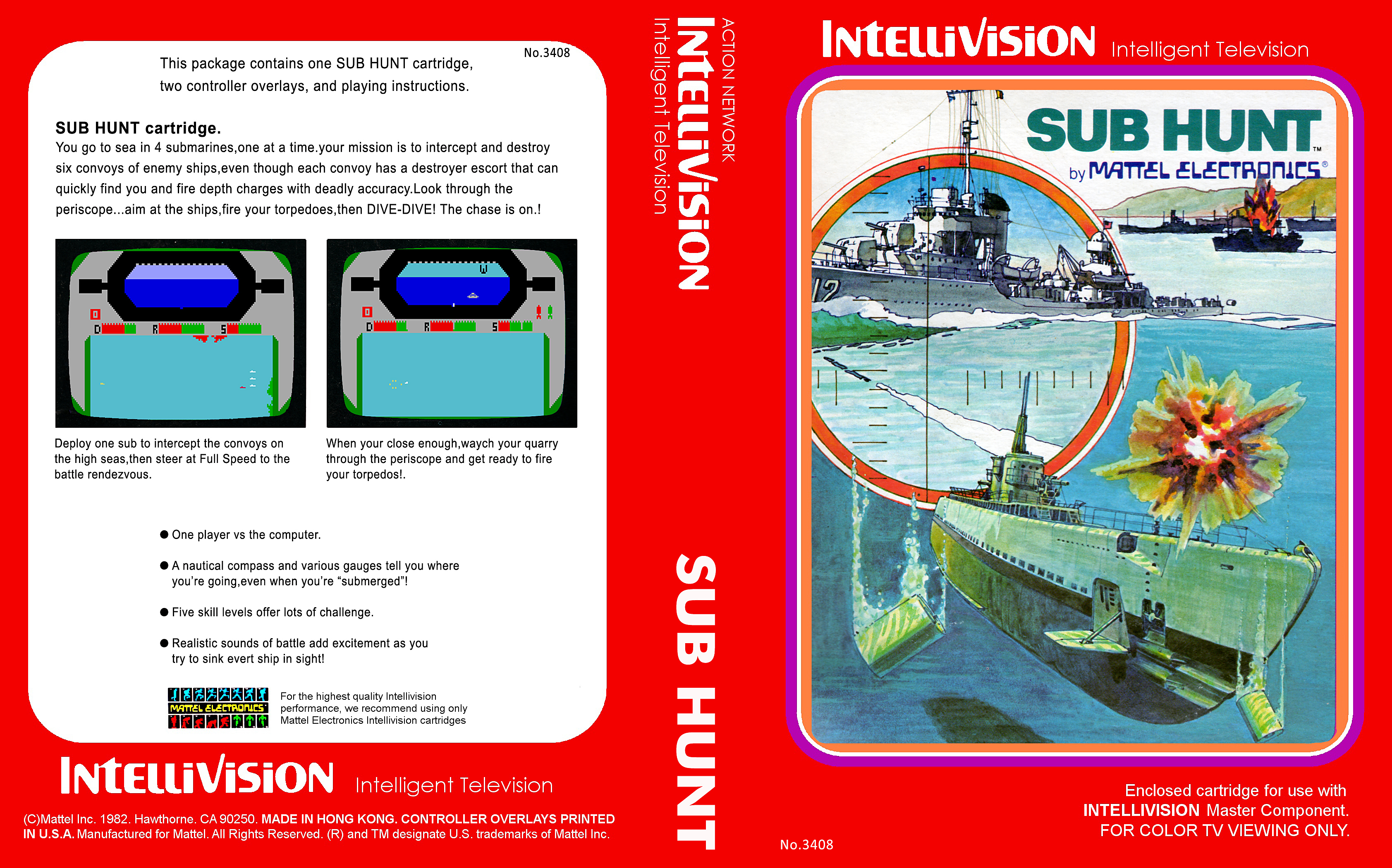
intellivision sub hunt

Sub Hunt

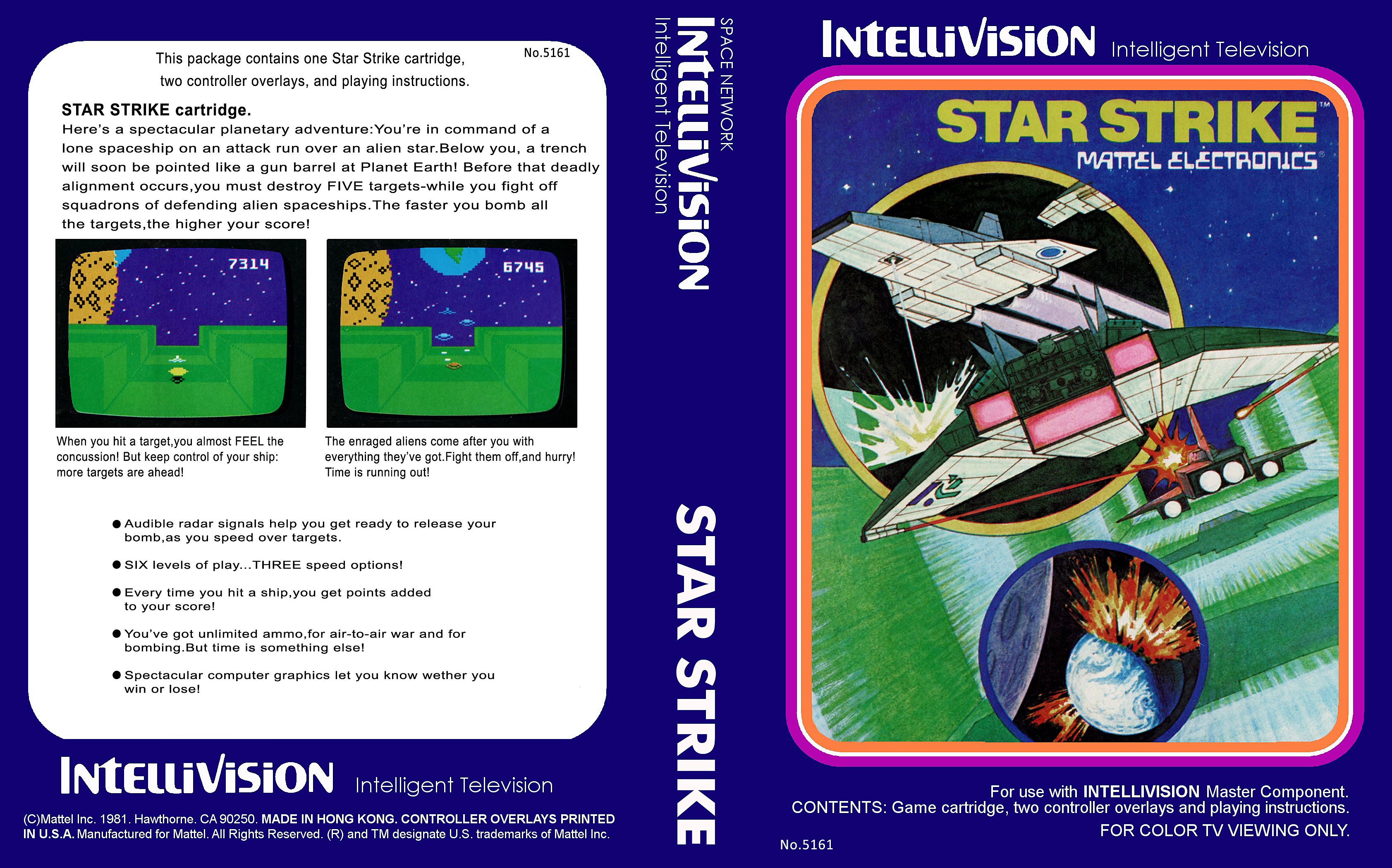
intellivision star strike

Star Strike

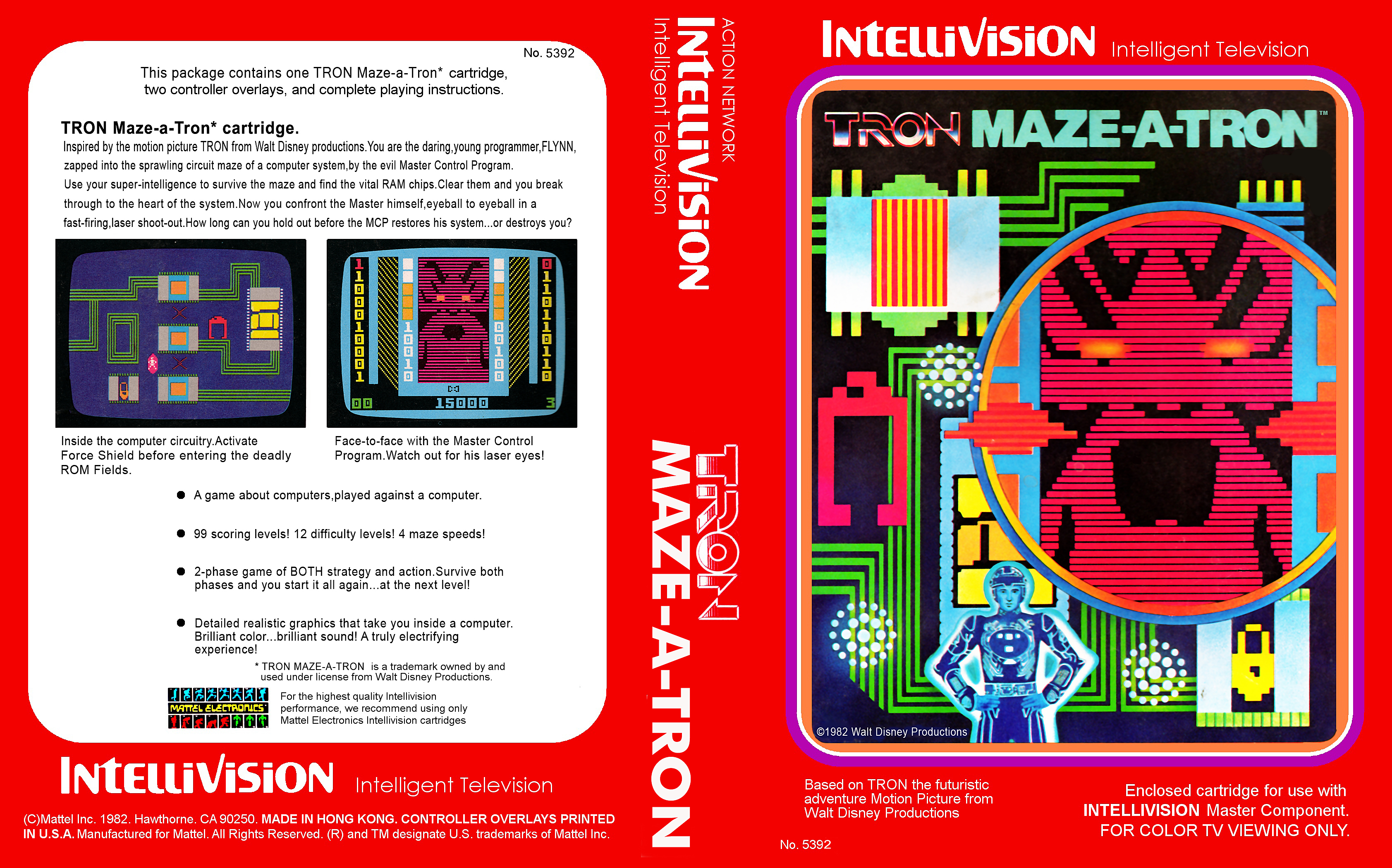
intellivision tron maze

Tron - Maze-A-Tron

The tasty overlay images are from our friend WEBmikey’s Flickr. (You might remember Mikey from this killer shot.) The tasty box images are from The Old Computer, with the exception of Masters of the Universe, which I got from Moby Games.

I had no idea that Intellivision developed the very first MOTU video game. It came out in 1983 and was released in the 2600 format as well. See a demo here.

Intellivision released three Tron games in 1982: Tron: Deadly Discs, Tron: Maze-a-Tron, and Tron: Solar Sailor. Only Deadly Discs was adapted for the 2600, and it’s the only one I’ve played.

My first installment on overlays/boxes is here.

Street Scene, 1971

street scene 1971

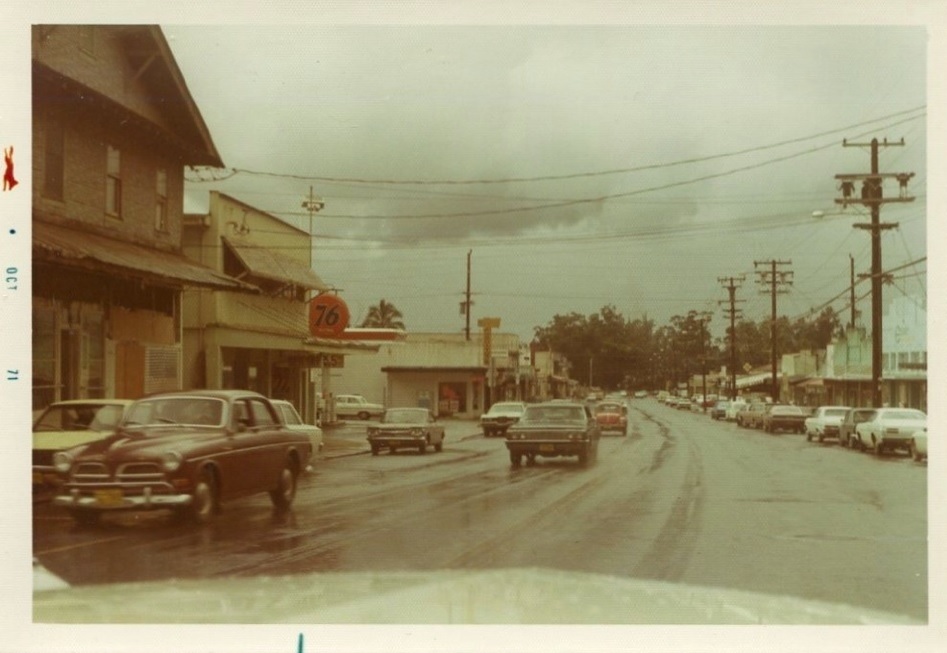
(Photo via Dad’s Vintage Store/eBay)

Groovy Wall Graphics, 1976

striped wall 1976

striped wall 1976-2

rainbow wall 1976

wall stripes 70s

The black and whites are from 1976. The last photo is from a contemporary, retro-ized apartment in Singapore. My dad painted something almost exactly like those stripes, right down to the color scheme, in the first place I remember living, a tiny condo in the San Gabriel Valley.

(Images via Big Ole Photos/eBay, Boston Mass Archive/eBay, and Pagazzi)

Robots, Lasers & Galaxies: Avatar, Exceller, Exnon, and Radon (Imperial, 1984)

imperial toys robot warrior

imperial toys robot warrior-2

imperial toy avatar

imperial toy exnon

imperial toy robots

Radon is a radioactive element, so that’s kind of scary and cool, but Exceller? Nobody likes an overachiever. I wonder if Exnon comes from Xenon, another element. Switching the ‘x’ and the ‘e’ gives it a crunchier sound, and it’s easier for kids to say. I can just see some guy in a cheap suit looking at his kid’s chemistry textbook and rattling off names for his company’s knockoff robots.

Then again, Avatar is a pretty Hindu word meaning a god who comes to Earth and assumes human form. Too bad Jim Cameron’s shitty movie ruined it forever.

The art on the cards is smart and polished. The robots themselves are not, but they didn’t have to be. Notice the line at the bottom: “Scaled to play with all fantasy figures”. The kids could figure that out from one look at the package, but the parents (and grandparents, etc.) couldn’t. And knockoffs were what the parents brought home either (1) thinking they were the real deal, or more likely (2) as a stop gap measure to keep us from pestering them for the real deal, which was either too expensive, perpetually out of stock, or both.

There was a “battle beast” line in this series as well. I’m keeping an eye out.

Super Star Heroes #11 (January, 1980): Meteor and American International Pictures

super star heroes #11 FC

super star heroes #11 IFC

super star heroes #11 TOC

super star heroes #11 IBC

super star heroes #11 BC

super star heroes #11 pg. 40

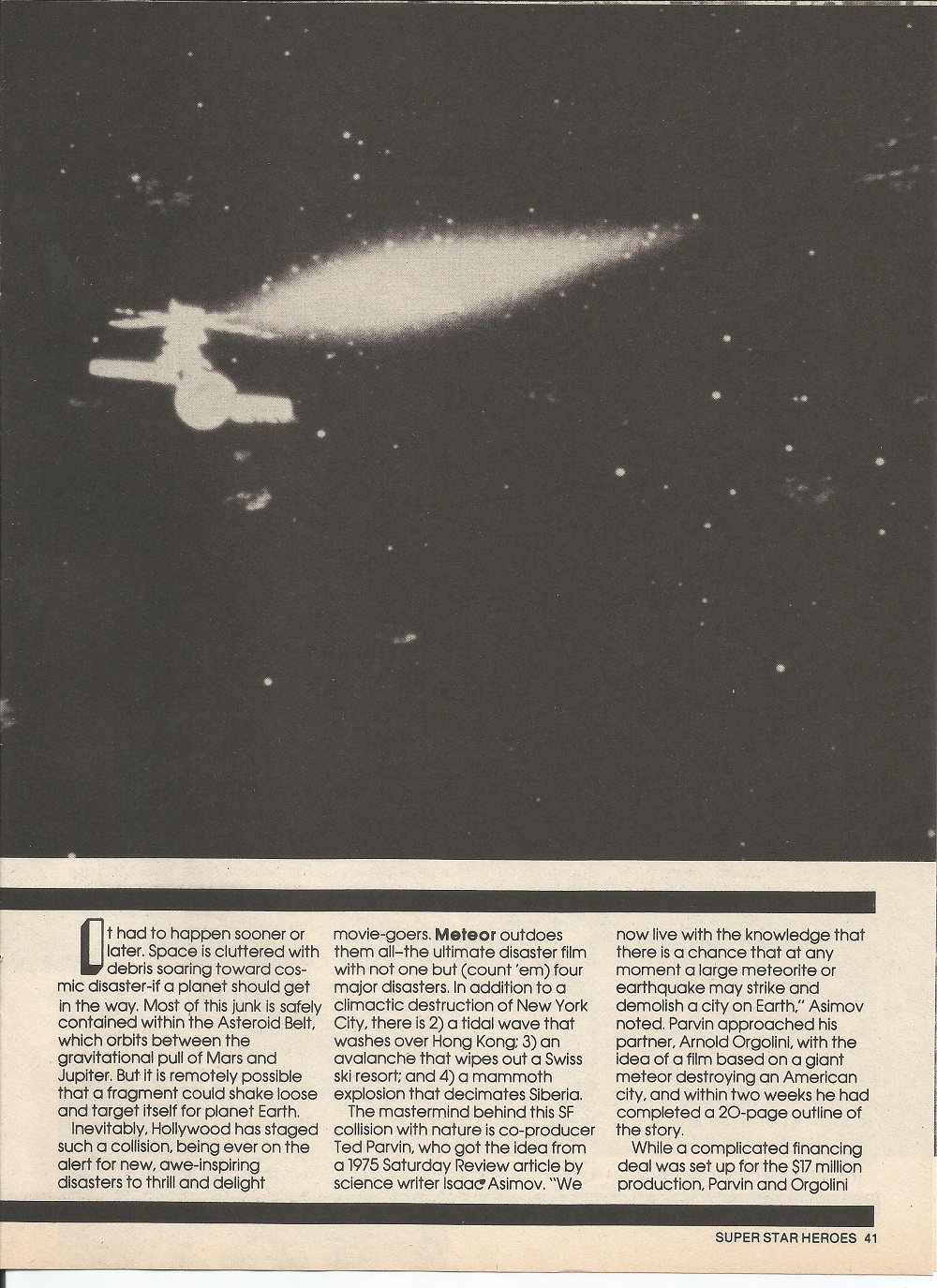
super star heroes #11 pg. 41

super star heroes #11 pg. 42

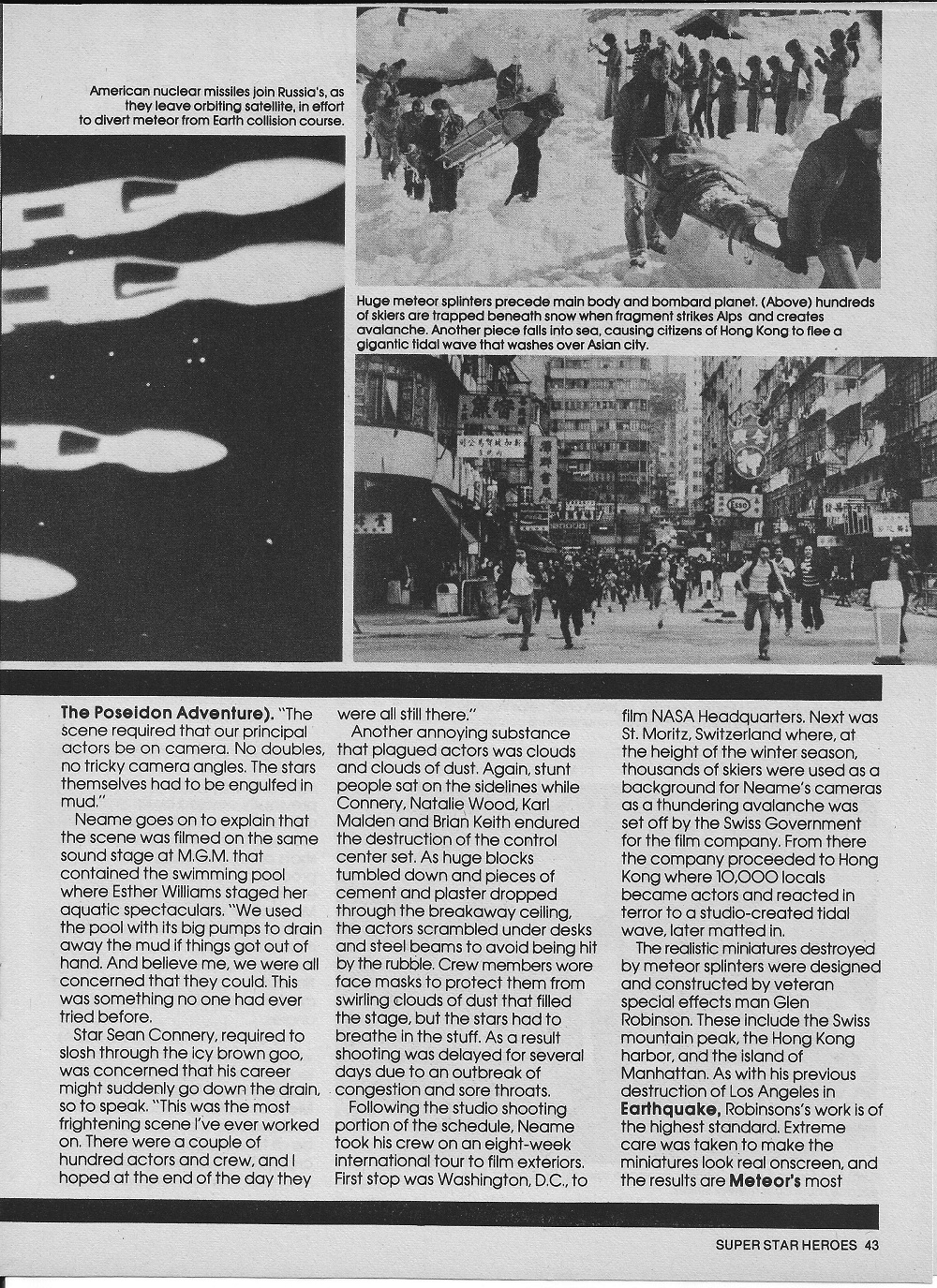
super star heroes #11 pg. 43

super star heroes #11 pg. 44

super star heroes #11 pg. 45

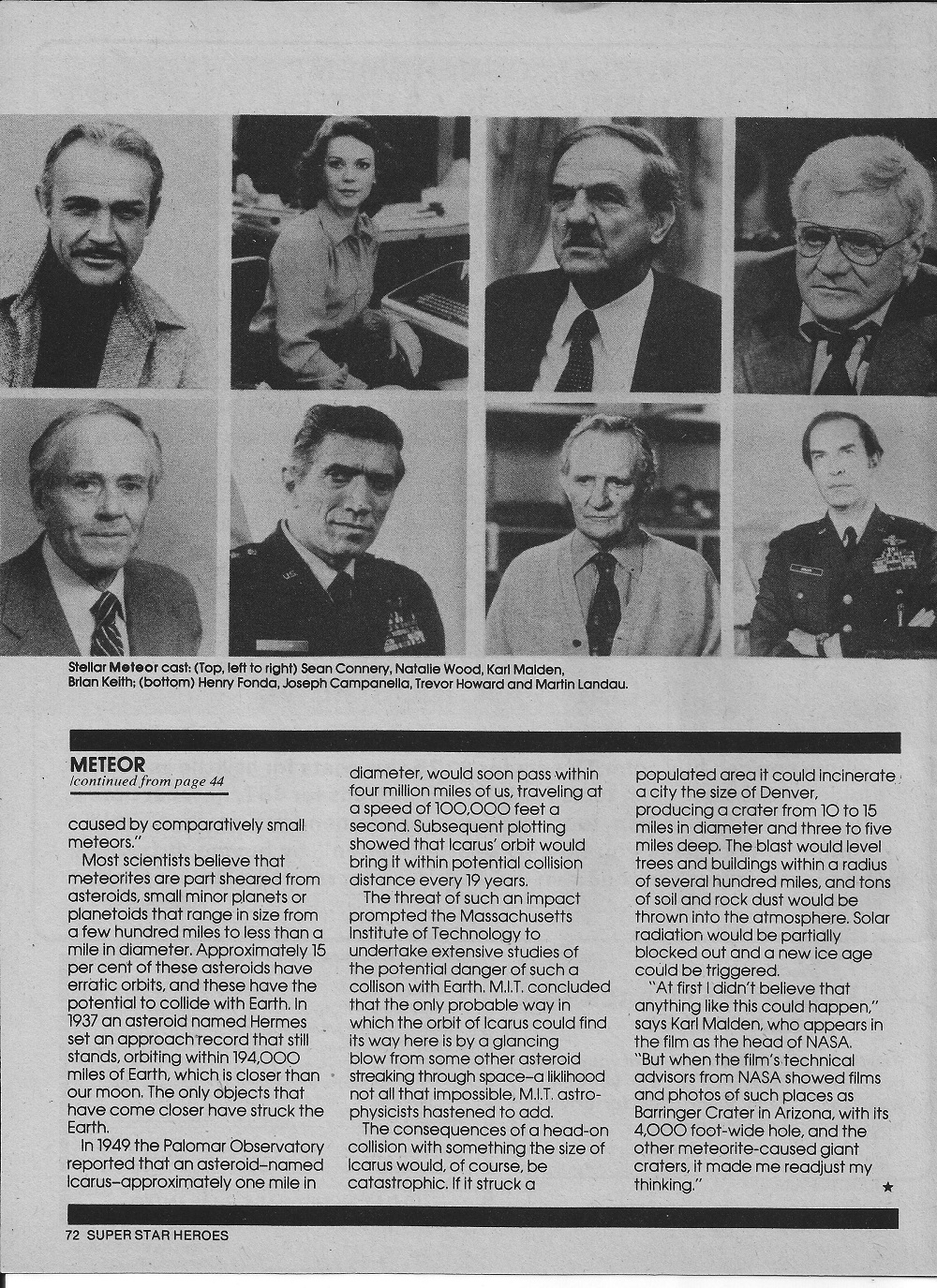
super star heroes #11 pg. 72

super star heroes #11 pg. 14super star heroes #11 pg. 15

super star heroes #11 pg. 16

super star heroes #11 pg. 17

super star heroes #11 pg. 18

super star heroes #11 pg. 19

super star heroes #11 pg. 20

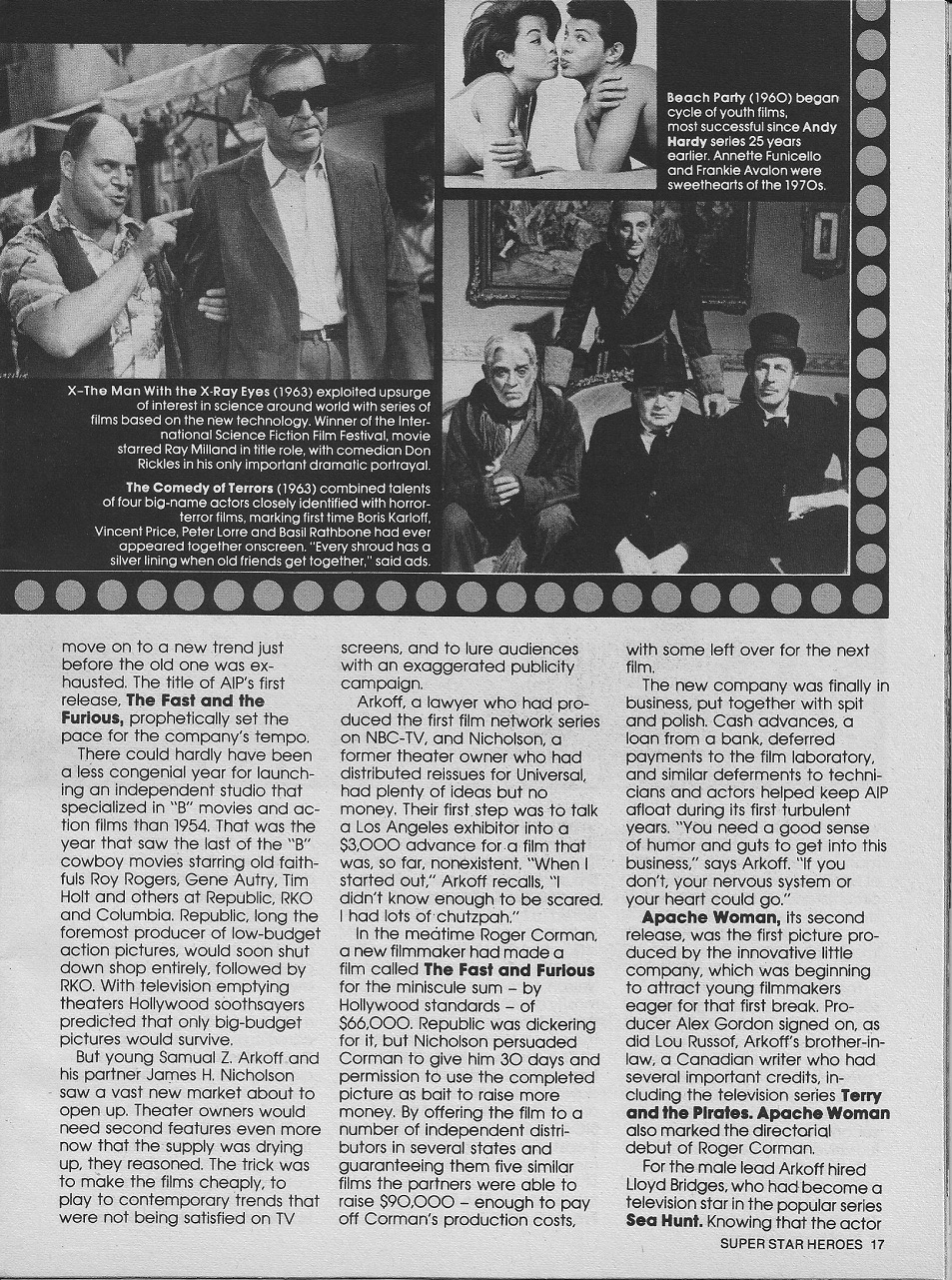
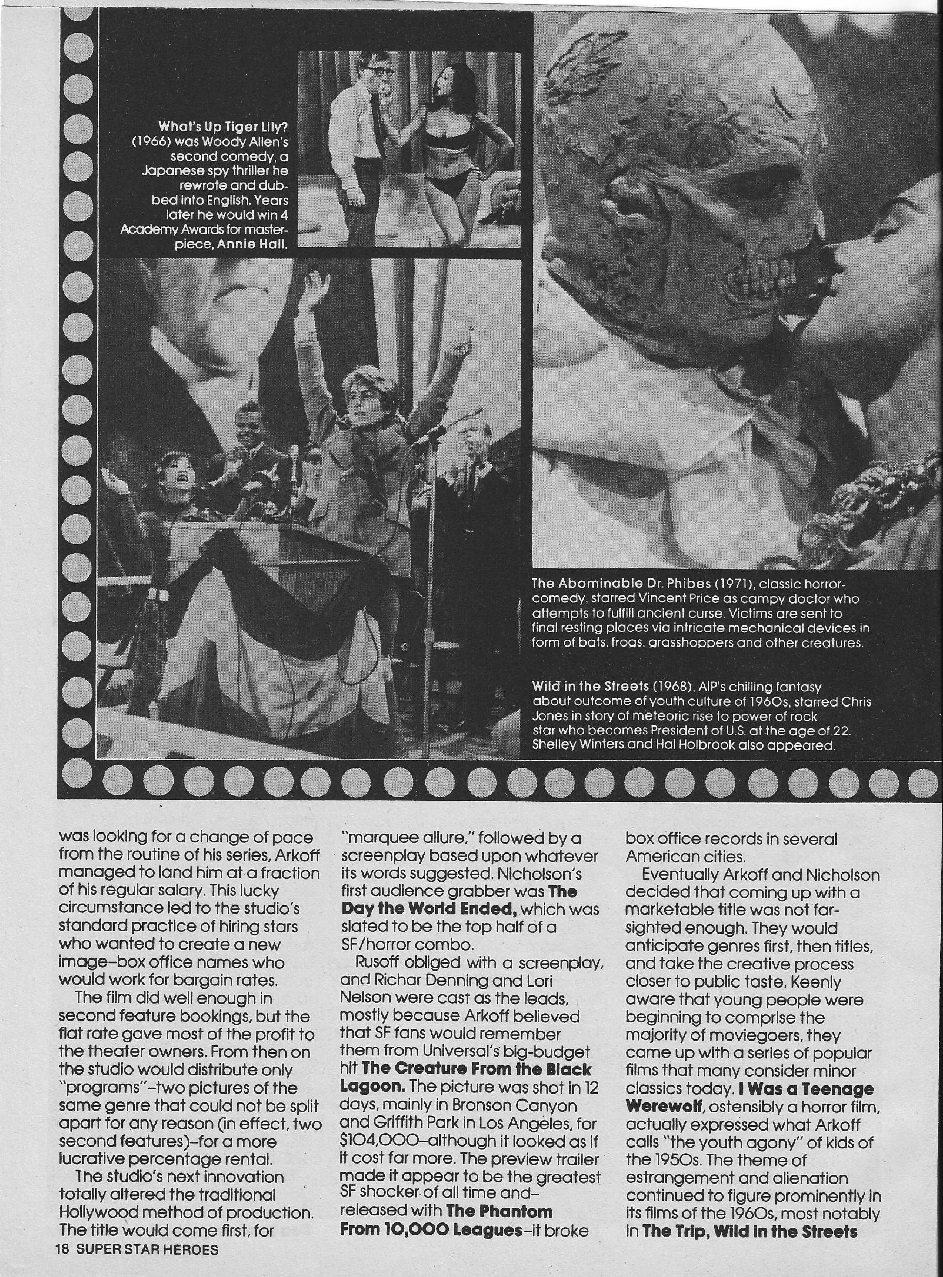
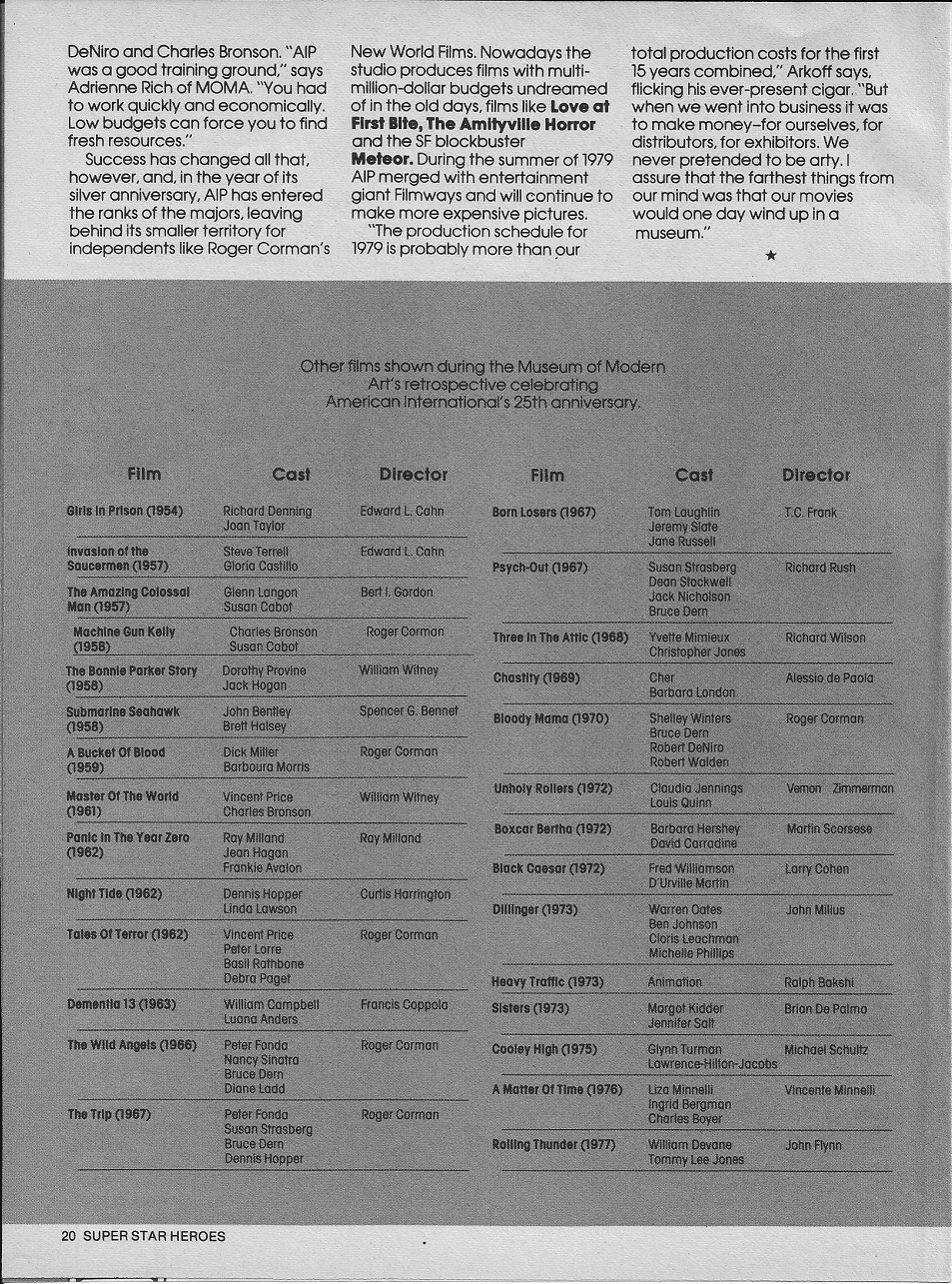
All I know about Super Star Heroes magazine right now is that there are at least 11 issues, and this one is pretty cool. According to my recently established formula, I’ve posted the front cover, inside front cover, table of contents, inside back cover, back cover, and a couple of full articles. (Click pages to enlarge.)

I have a strange fondness for Meteor (1979), a Cold War relic that tried to capitalize on the post-Star Wars sci-fi craze within the disaster picture formula. I find Connery and Wood charming, the script has some moments, and I love the eerie, bombastic music that plays every time the meteor is shown hurtling towards Earth. The special effects sequences by Glen Robinson (Logan’s Run) are abysmal, especially the destruction of Manhattan, but I do like the space nuke miniatures.

American International Pictures (AIP), my favorite studio of all time, produced and distributed the film, and studio head Sam Arkoff was determined to make “the most expensive, most sensational disaster picture of all time.” The budget was $17 million, $10 million more than the 1974 blockbuster Earthquake. Compare that to 1998’s un-dynamic duo, Deep Impact ($75 million) and Armageddon ($140 million).

The AIP article gives a short history of the studio, which at the time was an improbable recipient of a retrospective at New York’s Museum of Modern Art.

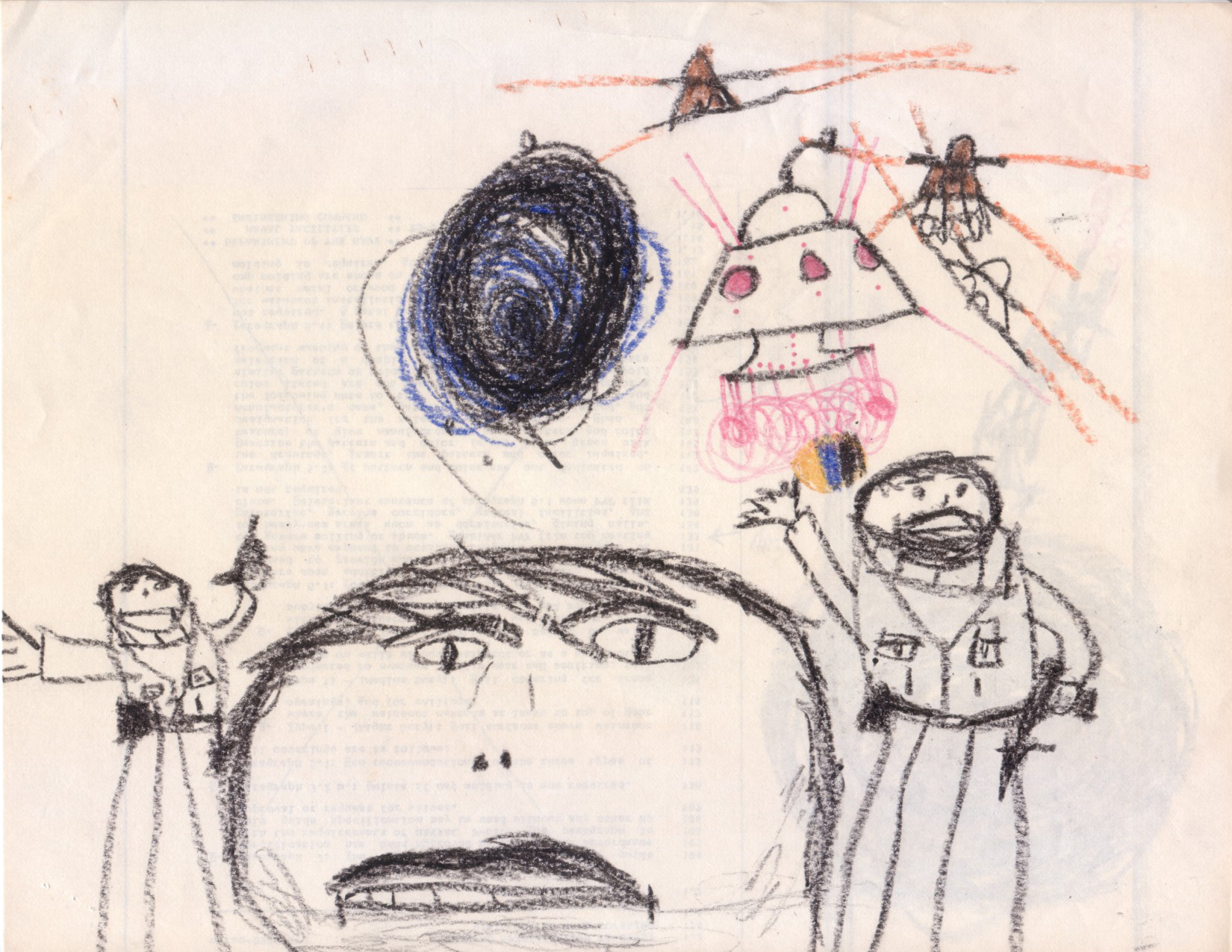
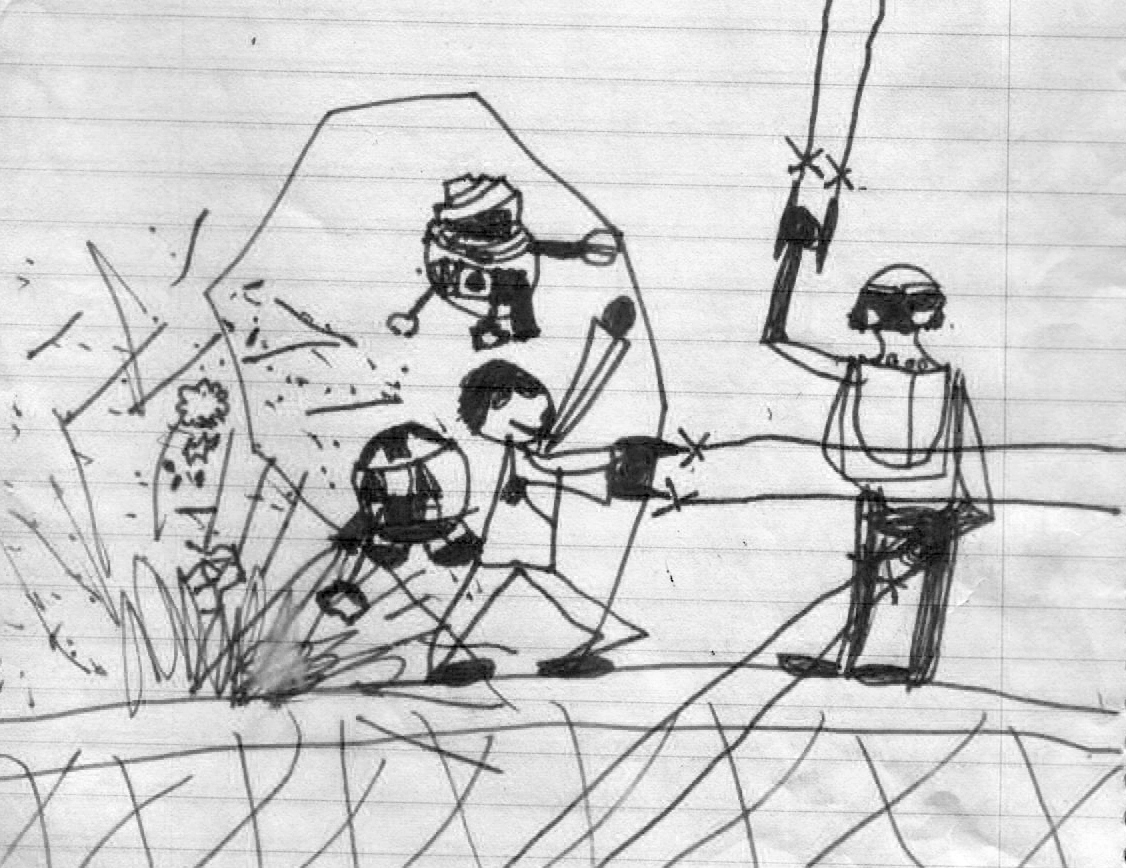
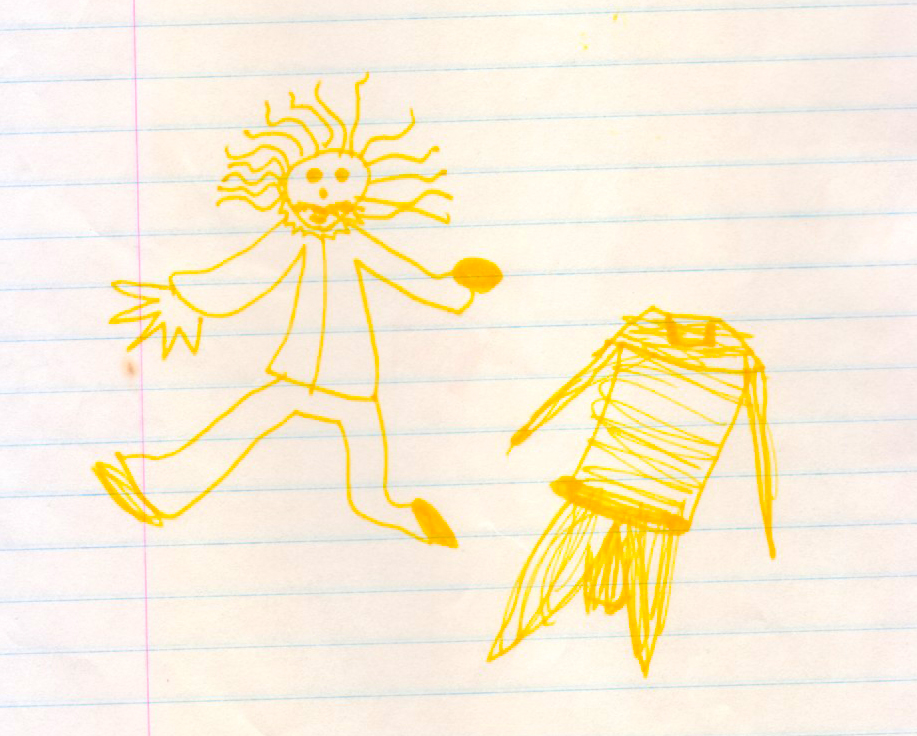
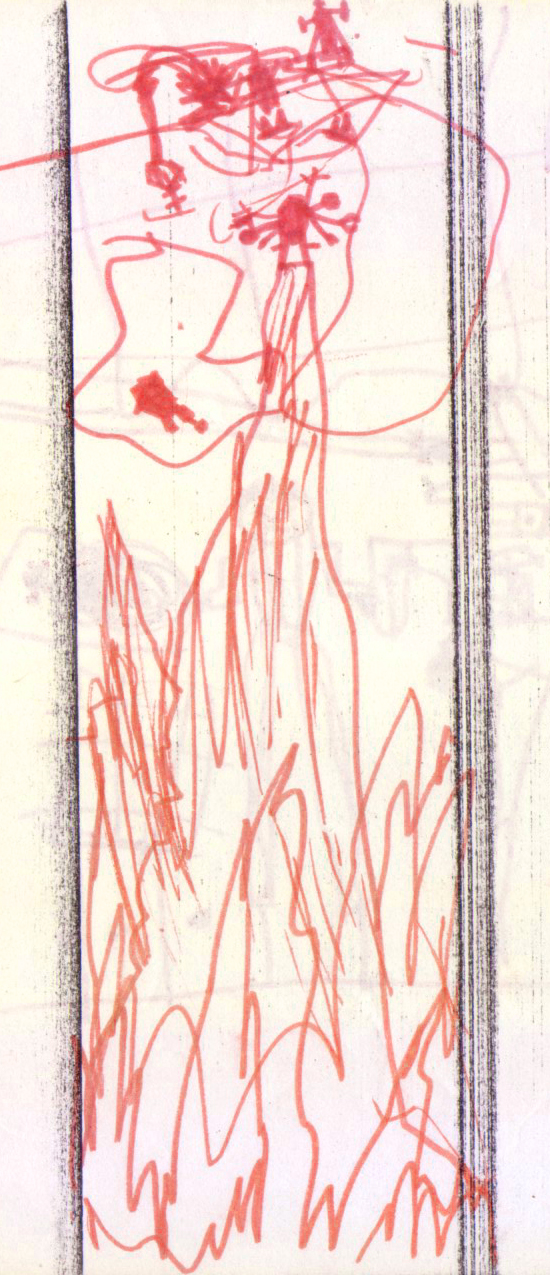
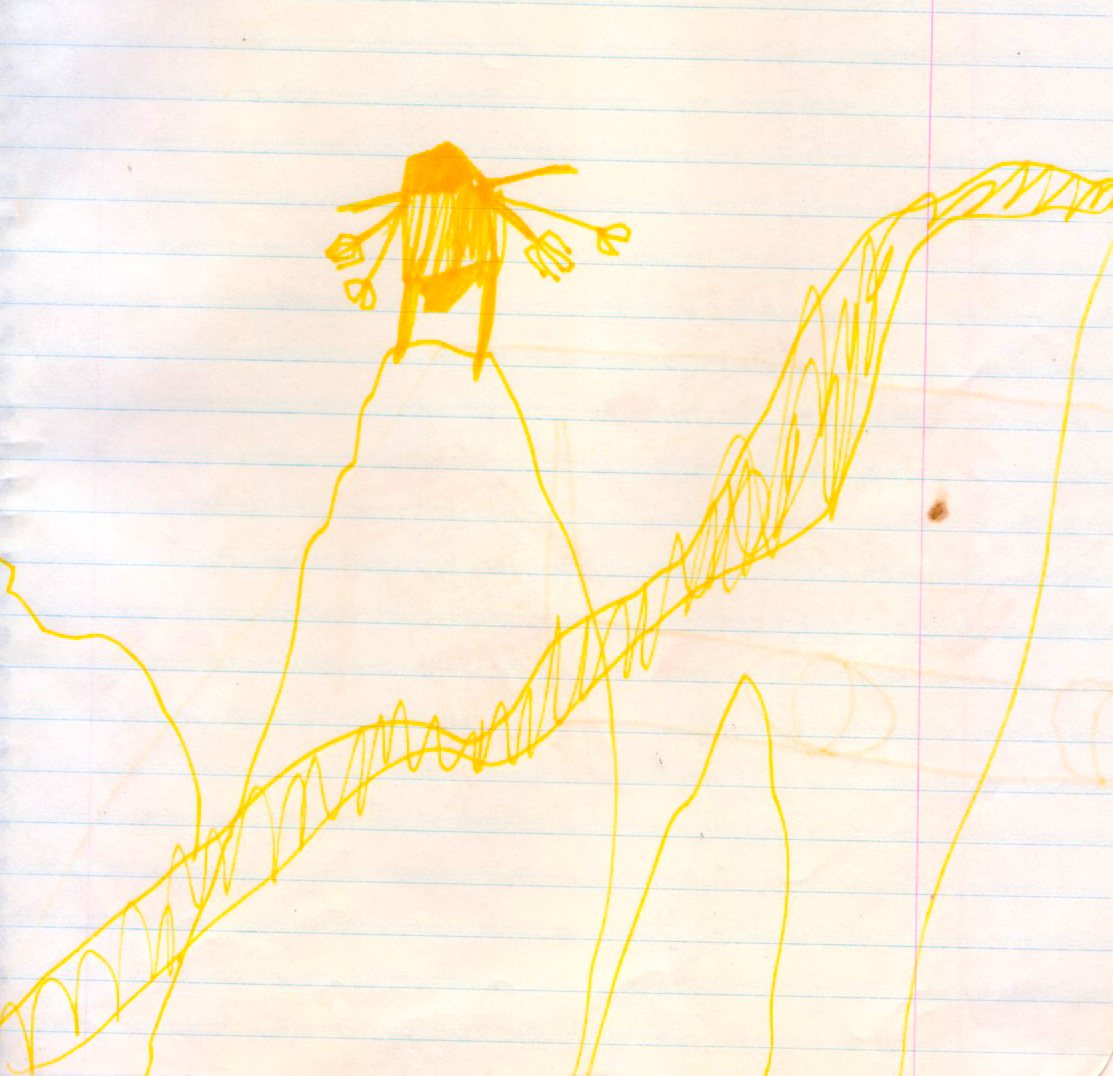
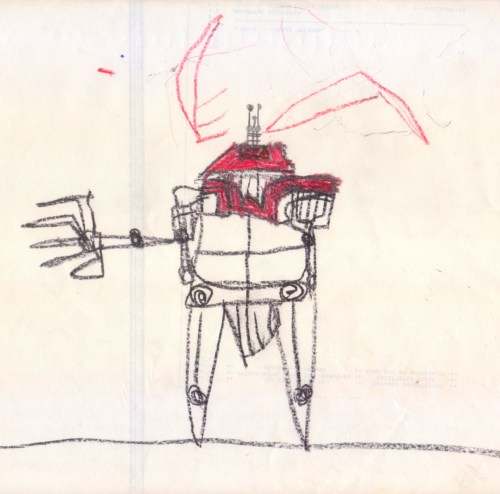
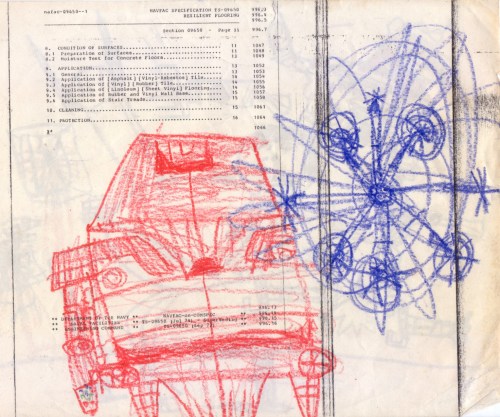
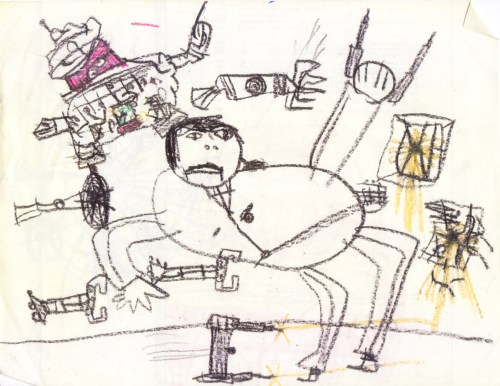
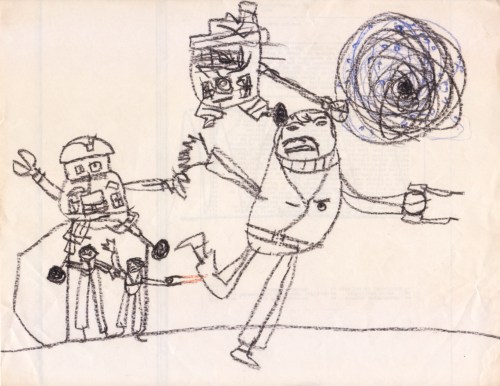
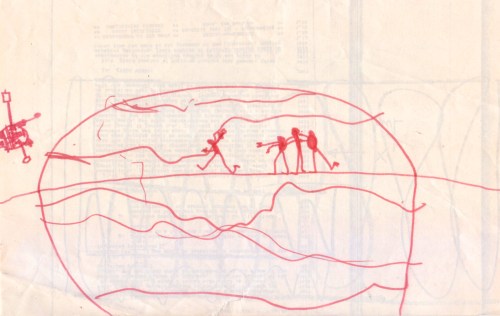
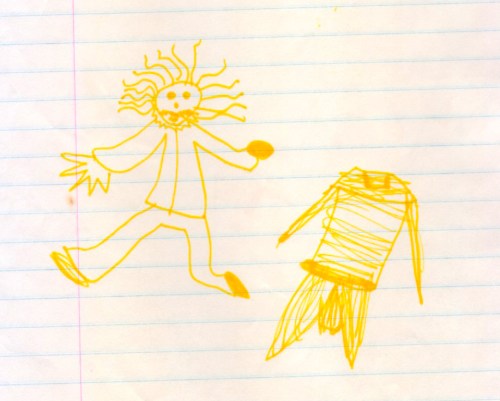
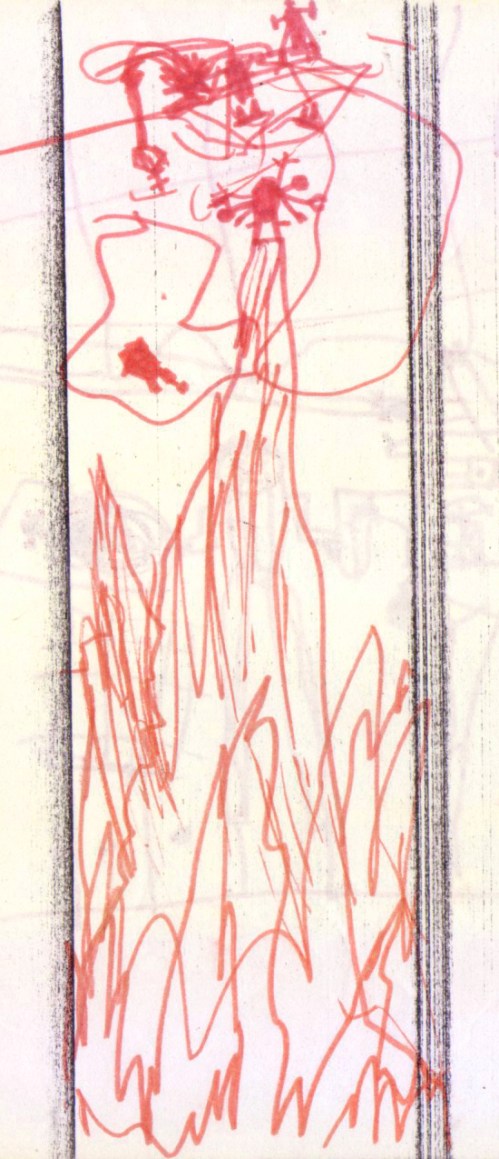
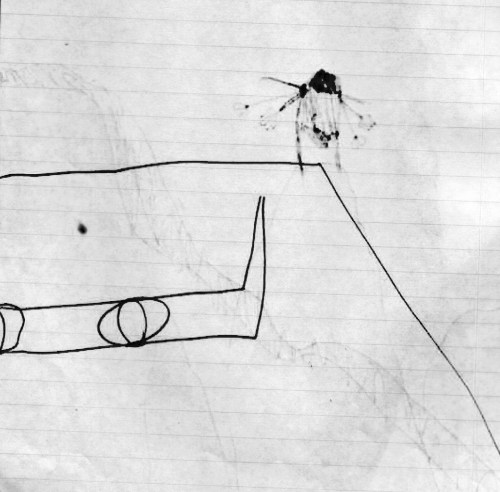
The Story of The Black Hole Told through the Childhood Drawings of Ryan and Ginger Orvis

black hole orvis 1

black hole orvis 2

black hole orvis 3

black hole orvis 4

black hole orvis 5

black hole orvis 6

black hole orvis 7

black hole orvis 8

black hole orvis 9

black hole orvis 10

black hole orvis 11

black hole orvis 12

black hole orvis 13

black hole orvis 14

black hole orvis 15

black hole orvis 16

black hole orvis 17

black hole orvis 18

black hole orvis 19

black hole orvis 20

black hole orvis 21

black hole orvis 22

black hole orvis 23

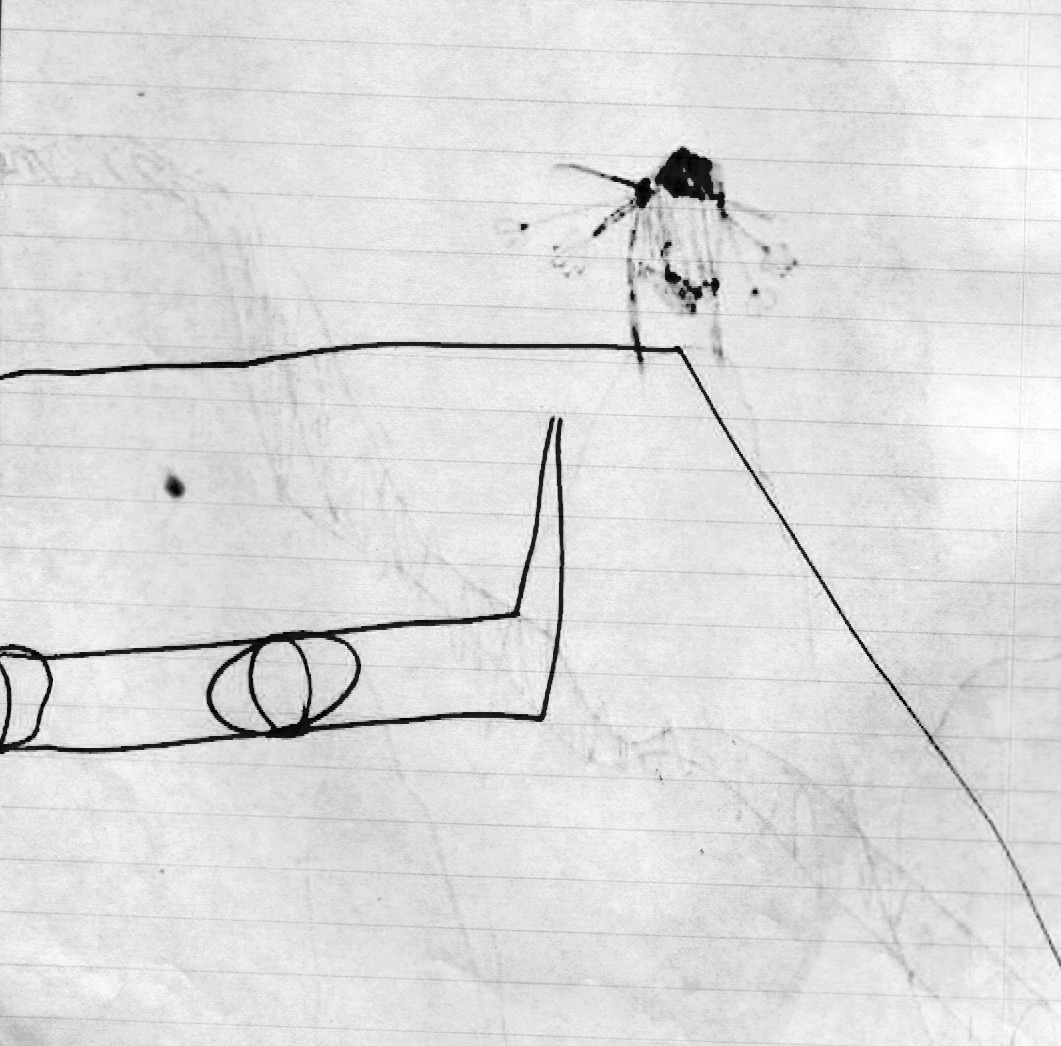
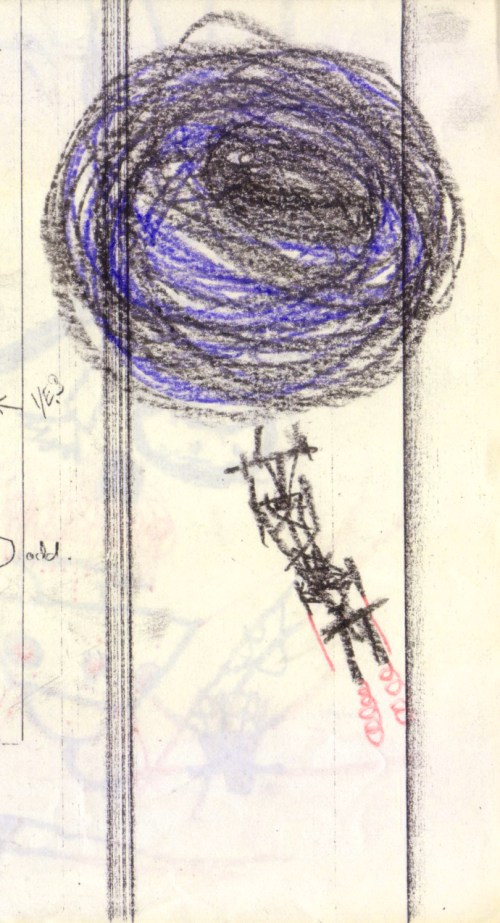
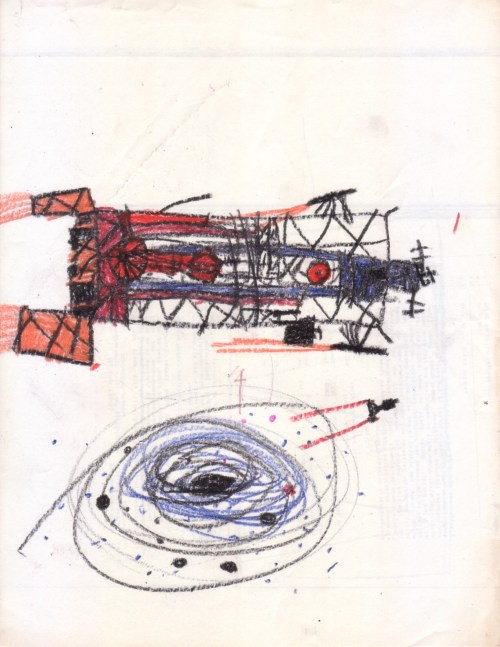
This might be the best thing I’ve ever found on the internet. Ryan Orvis, a musician and pop culture hound, presents these treasures from his (and our) youth on his blog, Blanked as Ordered.

Ryan says of the film and the drawings,

Like many kids, my sister and I went to see the film during its opening week. We returned from the theater in tears. I couldn’t process whether I liked the movie or not. All I knew was that I was upset, but couldn’t stop thinking about it. Eventually we stopped crying, and began the cathartic mission of drawing all the memorable scenes from the film.

I recently found, organized and scanned all the Black Hole drawings we made as kids. I’m not sure how many days we worked on them, but they were created on several different types of paper, using a combination of crayons and ink pens. Amazingly, they pretty much explain the plot of the movie, although it comes across as much more violent and action-packed than it really is.

Then, just as I’m getting all sentimental about how we actually did things like this, and why we did things like this, the drawings take on a significance I can’t even describe.

Sadly, my sister Ginger passed away a few years later, so I am unable to get her thoughts on the experience. I also am not 100% sure how many of these drawings were hers. I think the majority were mine, because even at that age I was a pretty big nerd, and it’s the sort of thing I would do.

Ryan has written about the pictures, pithily and hilariously, in three parts. Go read them. And, according to this post, he has saved all of his and Ginger’s drawings from the days when kid culture inspired this kind of passion, dedication, and attention to detail. (The resemblance of some of the depictions above to their corresponding scenes in the film is un-fucking-canny.)

All of the art posted here is, needless to say, © Ryan Orvis.
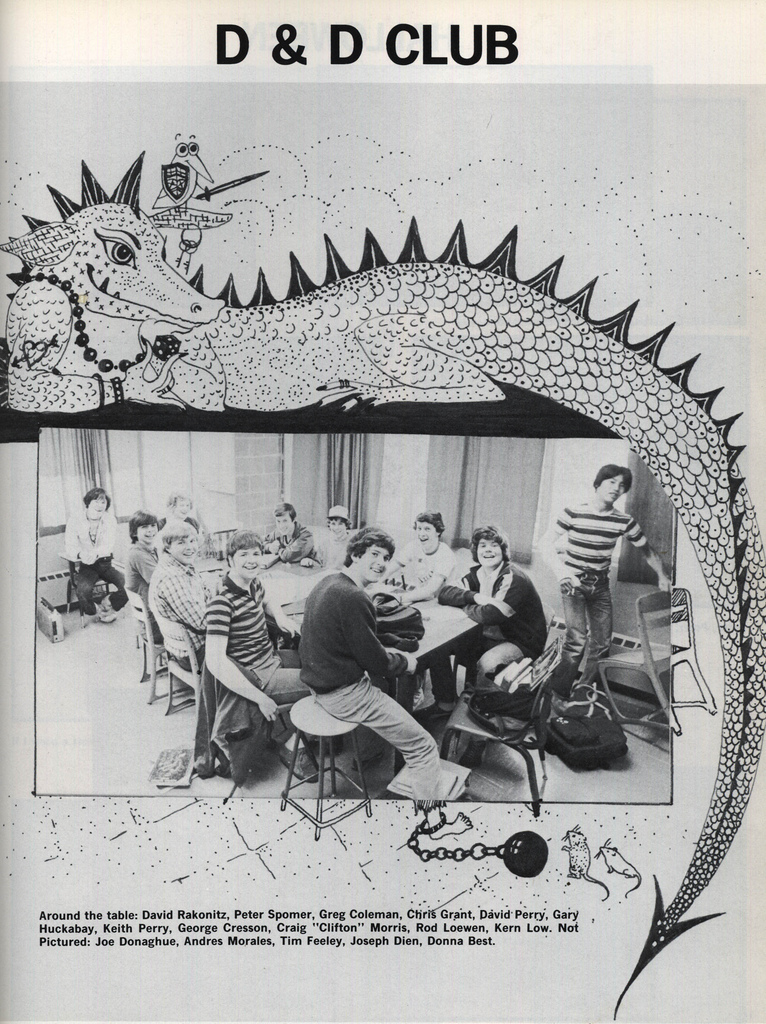
Dungeons & Dragons Club, 1983

1983 Dungeons and Dragons club

Presumably this shot comes from the Menlo School Yearbook of 1983. Menlo is a middle and high school in Atherton, California. I love the dragon, but shouldn’t he be holding a polyhedral die?

What do we think is playing on that boombox (top left)? Thriller?

(Photo via Menlo Photo Bank/Flickr)


Pages

Archives

Categories

Donate Button

Join 1,118 other subscribers