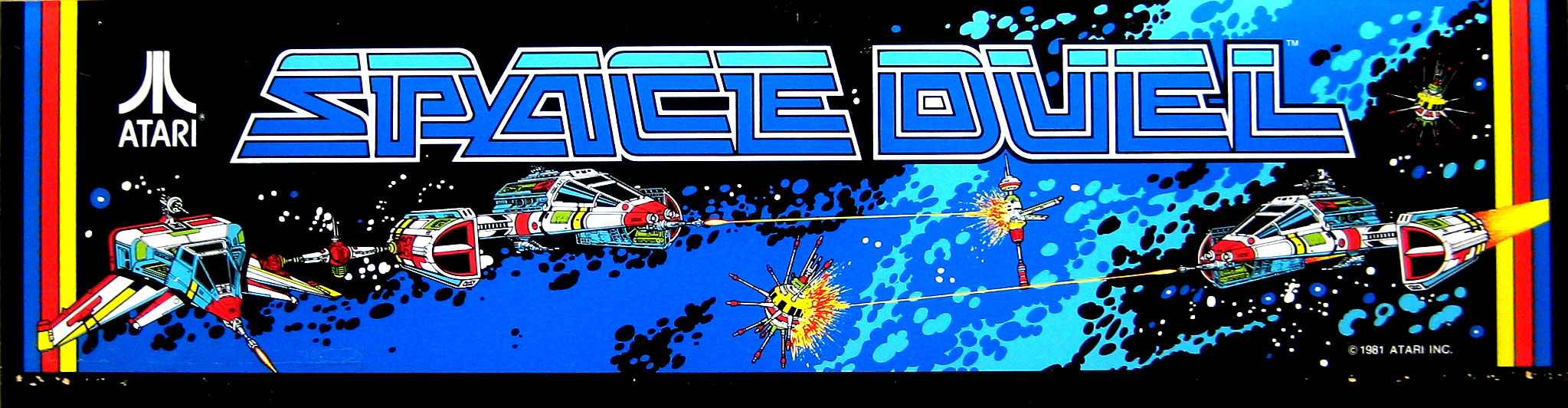

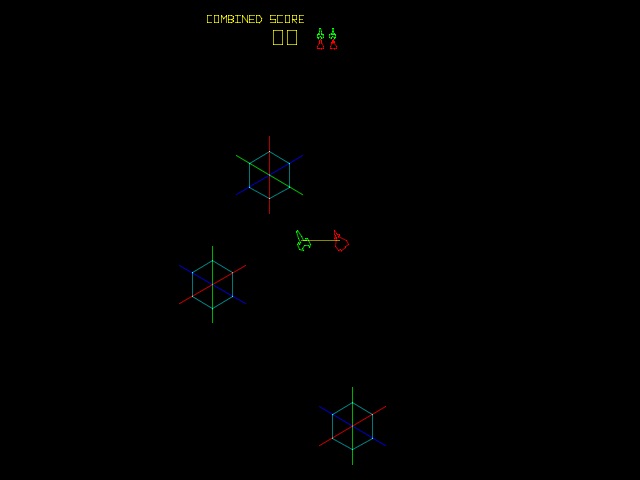
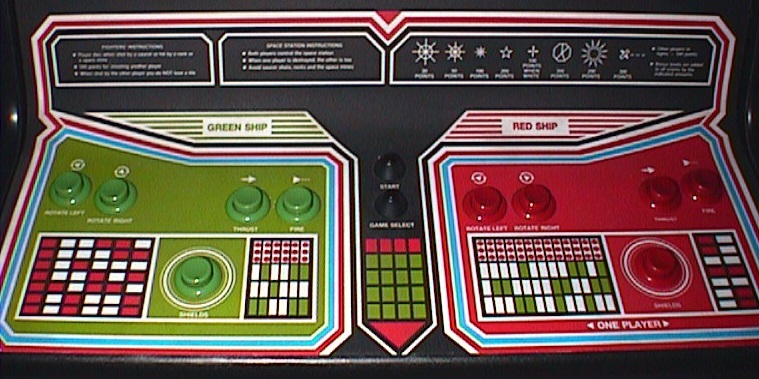

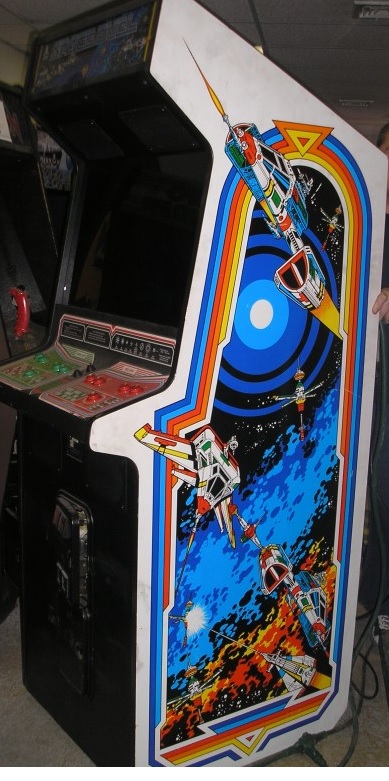
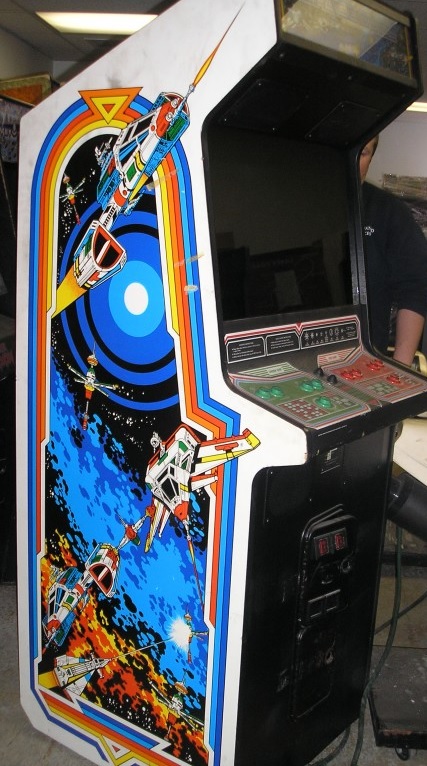

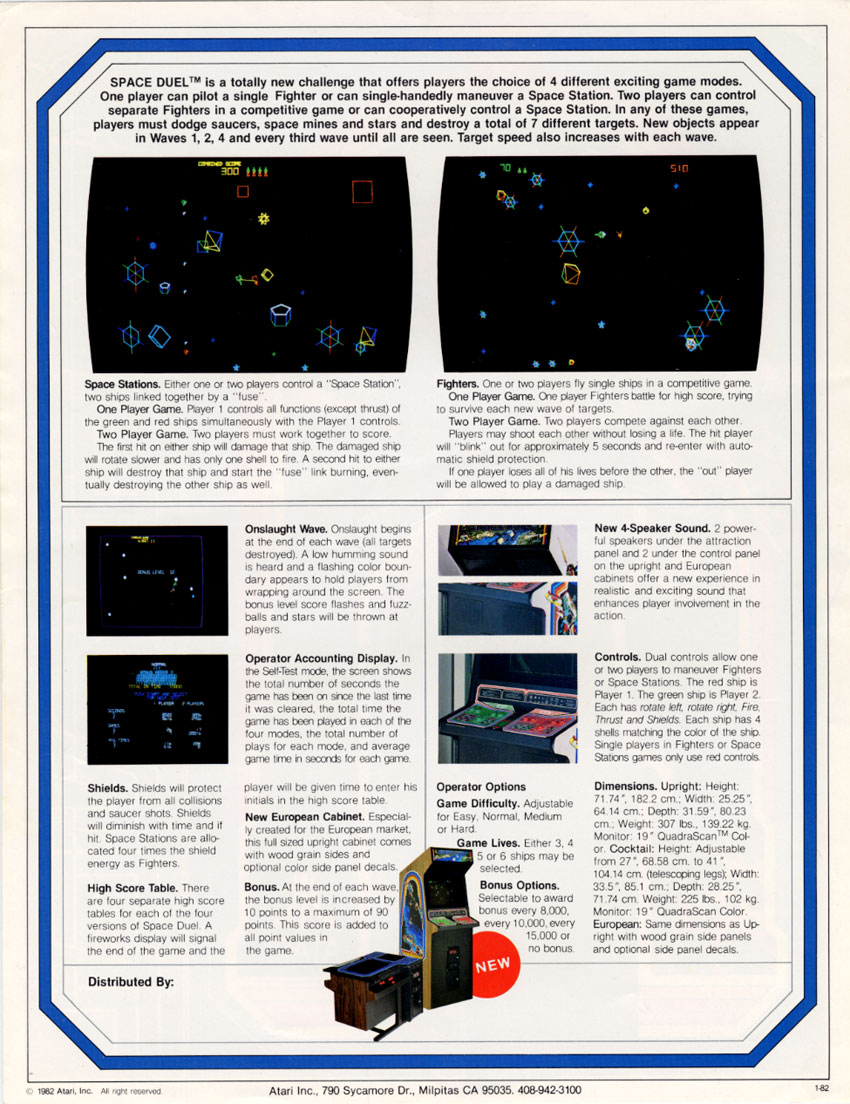
(Images via Arcade Game Marquees Page, Emu Paradise, Arcade History, Crafty Geek, Basement Arcade, eBay, The Arcade Flyer Archive)
Surveying the Gen X landscape and the origins of geek
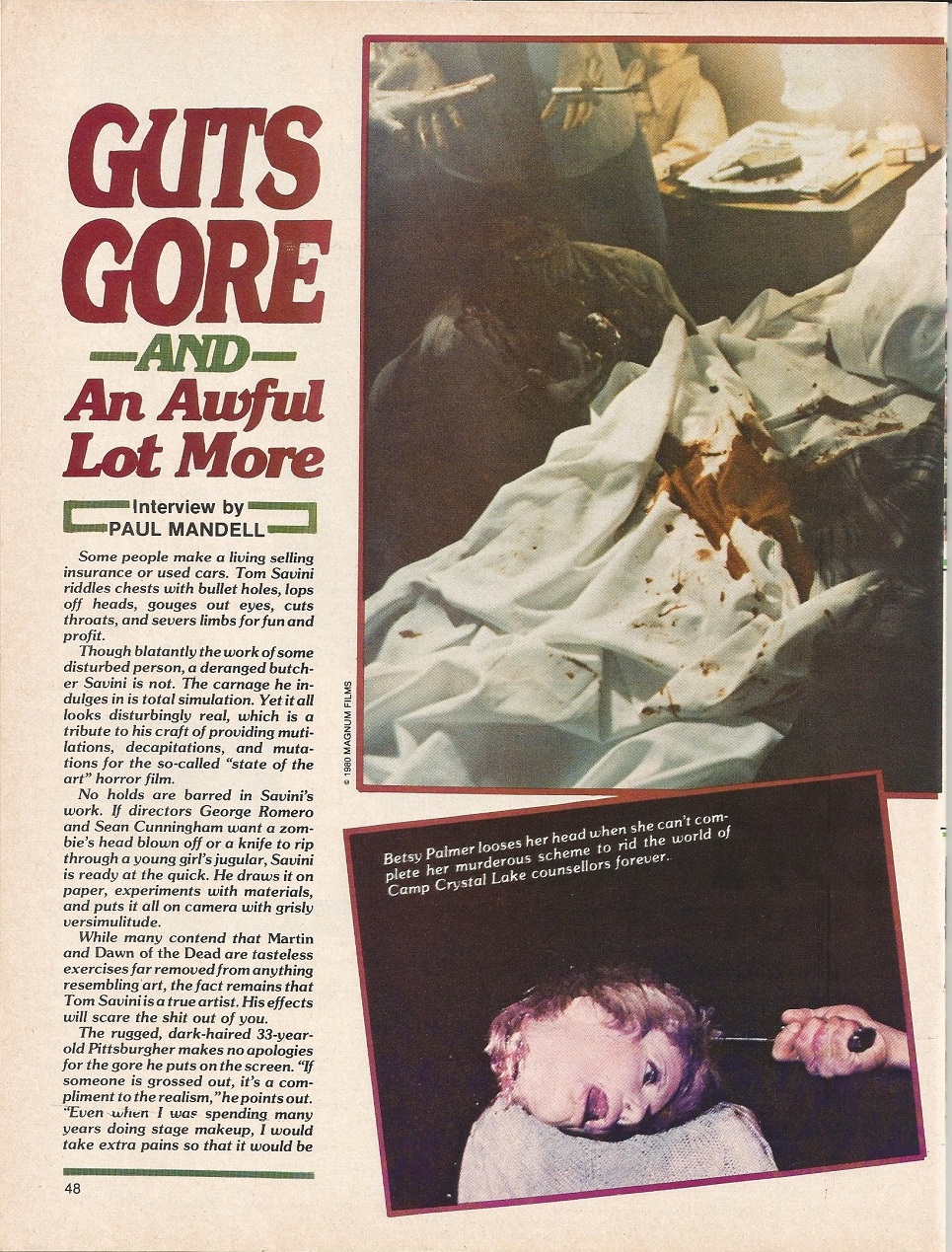
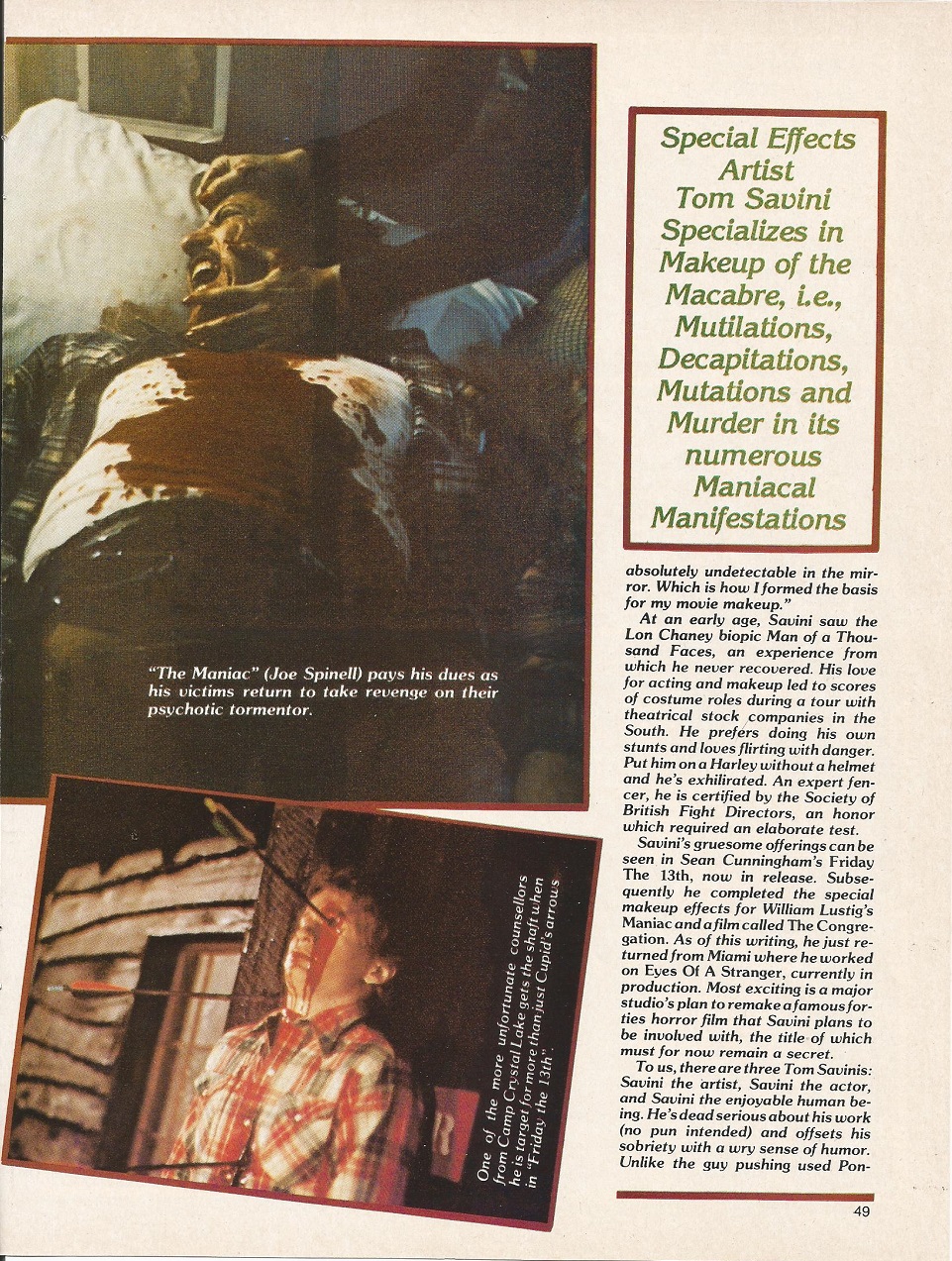
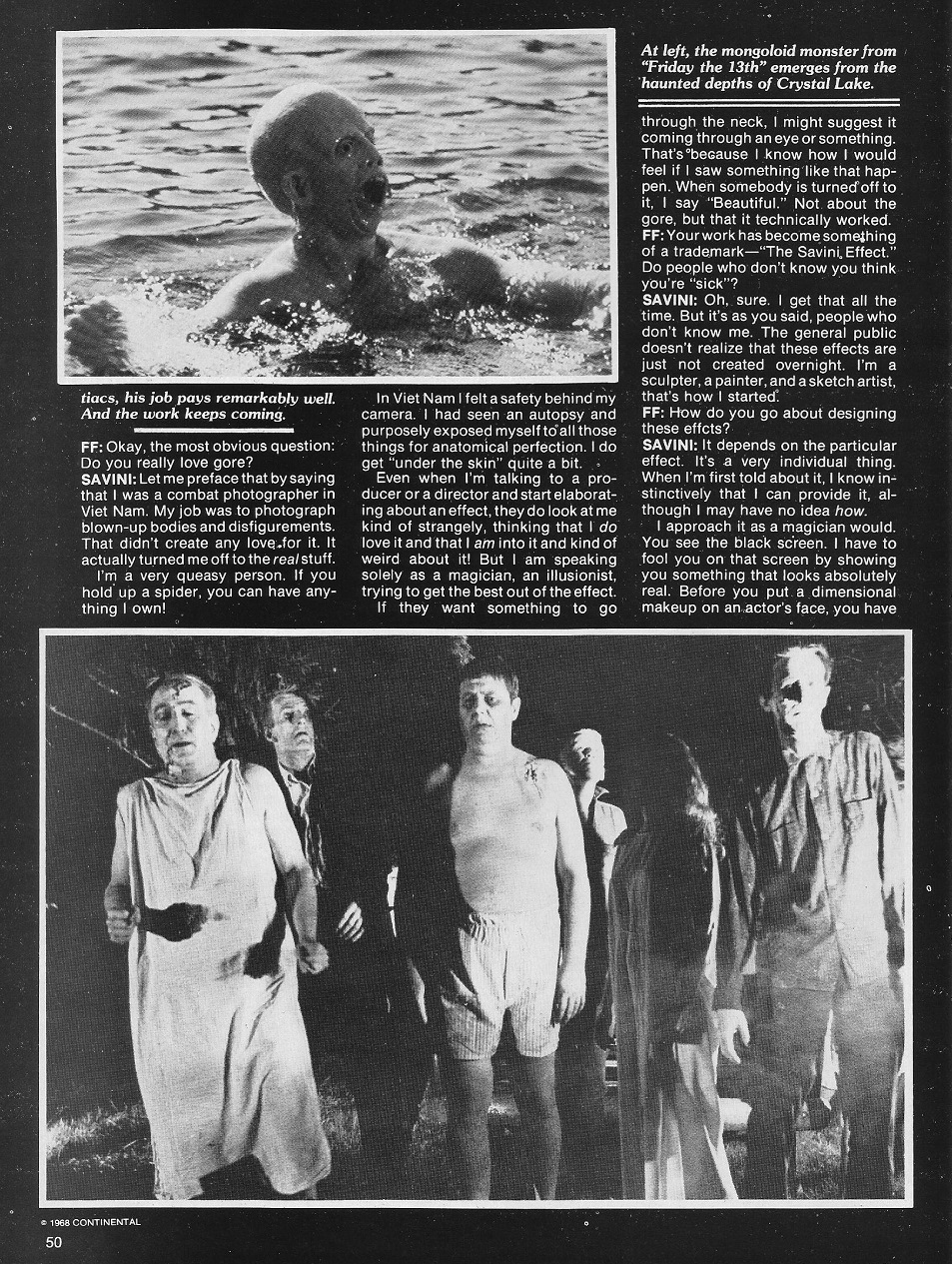

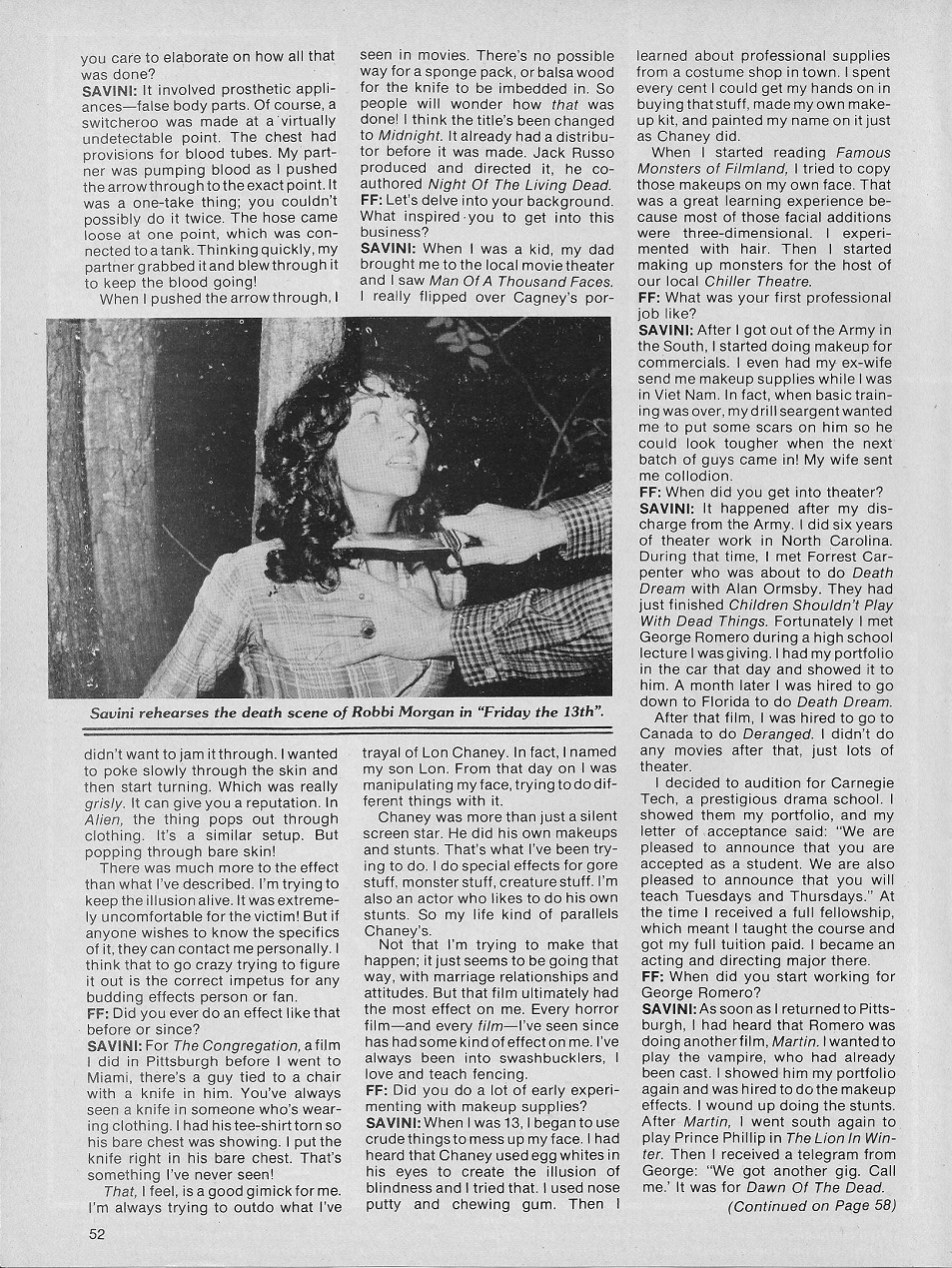


Tom Savini’s first makeup effects job, at the recommendation of George Romero, was Deathdream (a.k.a. Dead of Night), a brilliant 1972 film about a G.I. in Vietnam who dies in the war but returns to life—and comes home—as a vampire. After that, Savini did makeup for 1974’s Deranged (written by Alan Ormsby, who also wrote Deathdream), loosely based on the grisly career of Ed Gein. Martin (1976), another outstanding vampire film (kind of) written and directed by Romero, was next. Savini, already a theater veteran, wanted to play the lead. He did makeup and stunts instead.
After Martin, Savini returned to the theater, taking the part of King Philip in a production of The Lion in Winter. When that wrapped, Romero called him in to do effects for Dawn of the Dead (1978), the greatest zombie movie ever made, and easily in the all-time horror top 10. On to Friday the 13th (1980), whose realistic effects sent the American slasher film into the mainstream. (Bob Clark, who directed Deathdream, also directed the first true American slasher: 1974’s underrated Black Christmas. Clark is best know today as the director of A Christmas Story.)
No one in the makeup effects business did more to define the modern horror genre than Savini, not even Rick Baker or Stan Winston. His experience as a combat photographer in Vietnam gave him a unique (and terrible, I would think) insight into death.
Not at all the grisly brooder or the “deranged butcher” people expect, Savini emanates an easygoing affability in interviews. It’s clear that he loves life, and he’s giddily dedicated to his craft. All of that comes through when FF asks him if he had fun on Friday the 13th:
Oh, it was one of the greatest times I’ve ever had. The weeks in the Poconos, riding around without a helmet, taking my time and doing really elaborate things, and having a fortune to spend. Toward the end, I received a Dear John phone call from my girlfriend, which at the time seemed to destroy the whole experience. But as I look back on it, it didn’t at all. I just had a terrific time.
Despite his genius for illusion, Savini saw himself as an actor first. Romero finally gave him his chance in Knightriders (1981), a misunderstood movie about a jousting motorcycle troupe that’s also an elegy on the decline of the ’60s counterculture. Savini plays one of the leads, opposite a 30-year-old Ed Harris, and more than holds his own.
(The first and second installments of Fantastic Films #20 are here and here, respectively.)

Coolest toy ever that you’ve never heard of. It makes all kinds of space sounds (lasers, explosions, warp drive, alarms), spaceships flash on the view screen, and it swivels around when you turn the control handles, just like when I used to bull’s-eye womp rats in my T-16 back home. Check out a demo here. Listen to the trippy sci-fi sounds here.
The photo is from 1979, and I’m pretty sure that’s when the Star Rider came out. Here it is in the 1979 Sears Wishbook. I found zip in the ’78 catalogs.

And here are a couple of newspaper ads from November, 1979 (Toledo Blade) and December, 1980 (Deseret News). It cost more in 1980 because that’s when Empire came out.


Empire was the problem, though. All the space-crazy kids wanted the new Kenner toys—especially the pricey AT-AT—so the Star Rider collected dust on the shelves. Also, the epic Playskool toy had a built-in demographic: it was for smaller kids only (ages 3 to 9, according to the ads).
(Images via Look-Around Lounge Photos, Wishbook Web, and Google News)
1981
1982
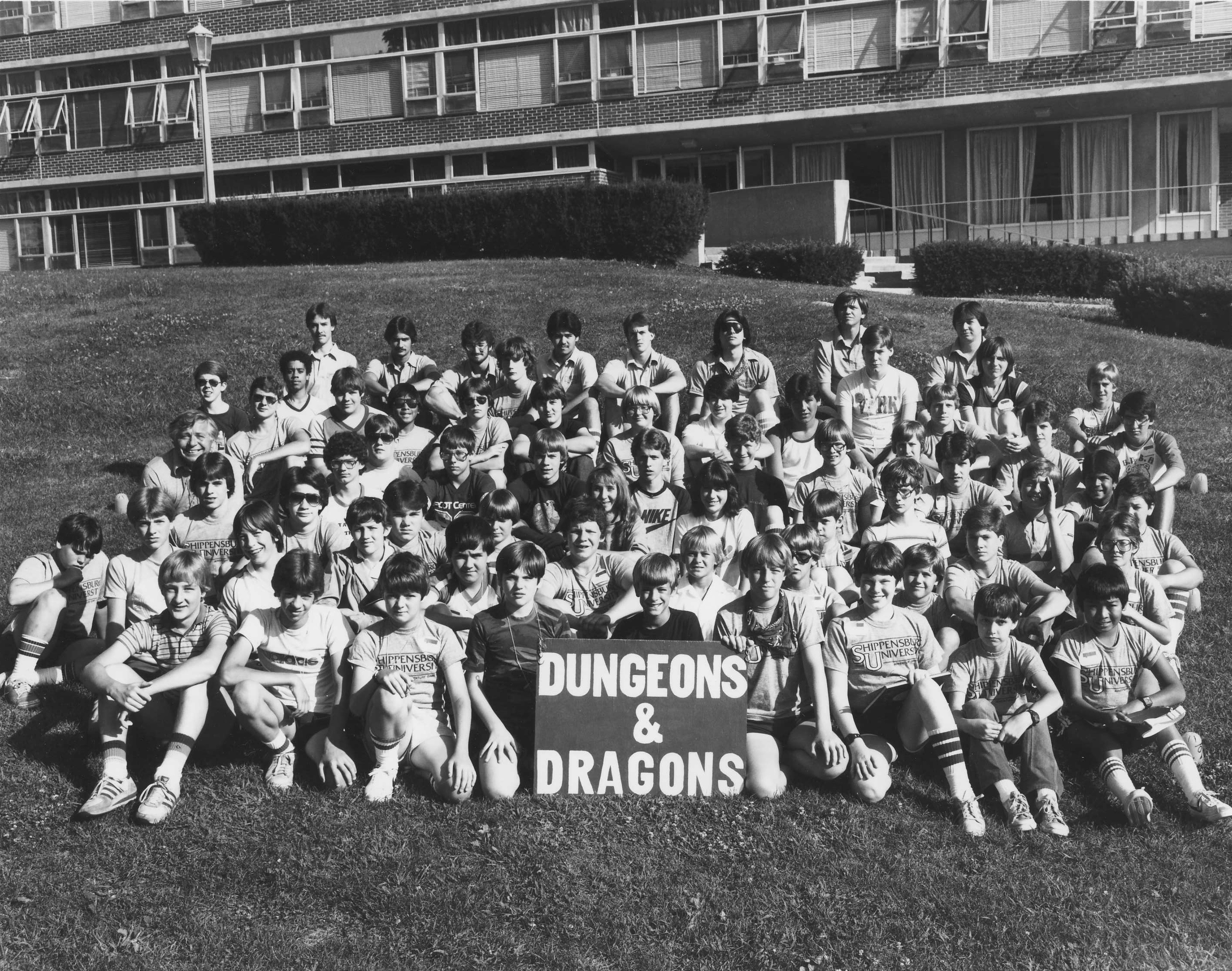
1983
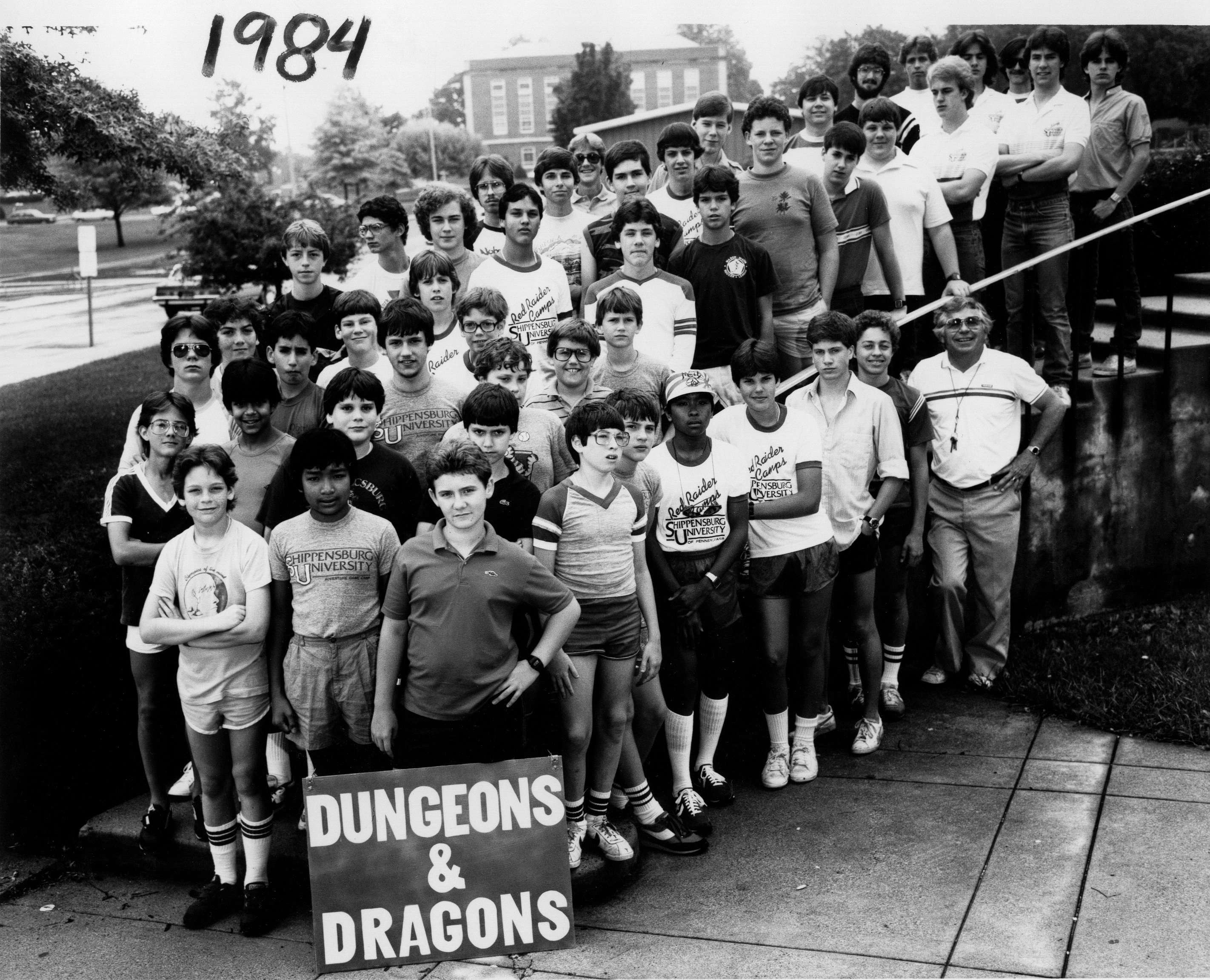
1984
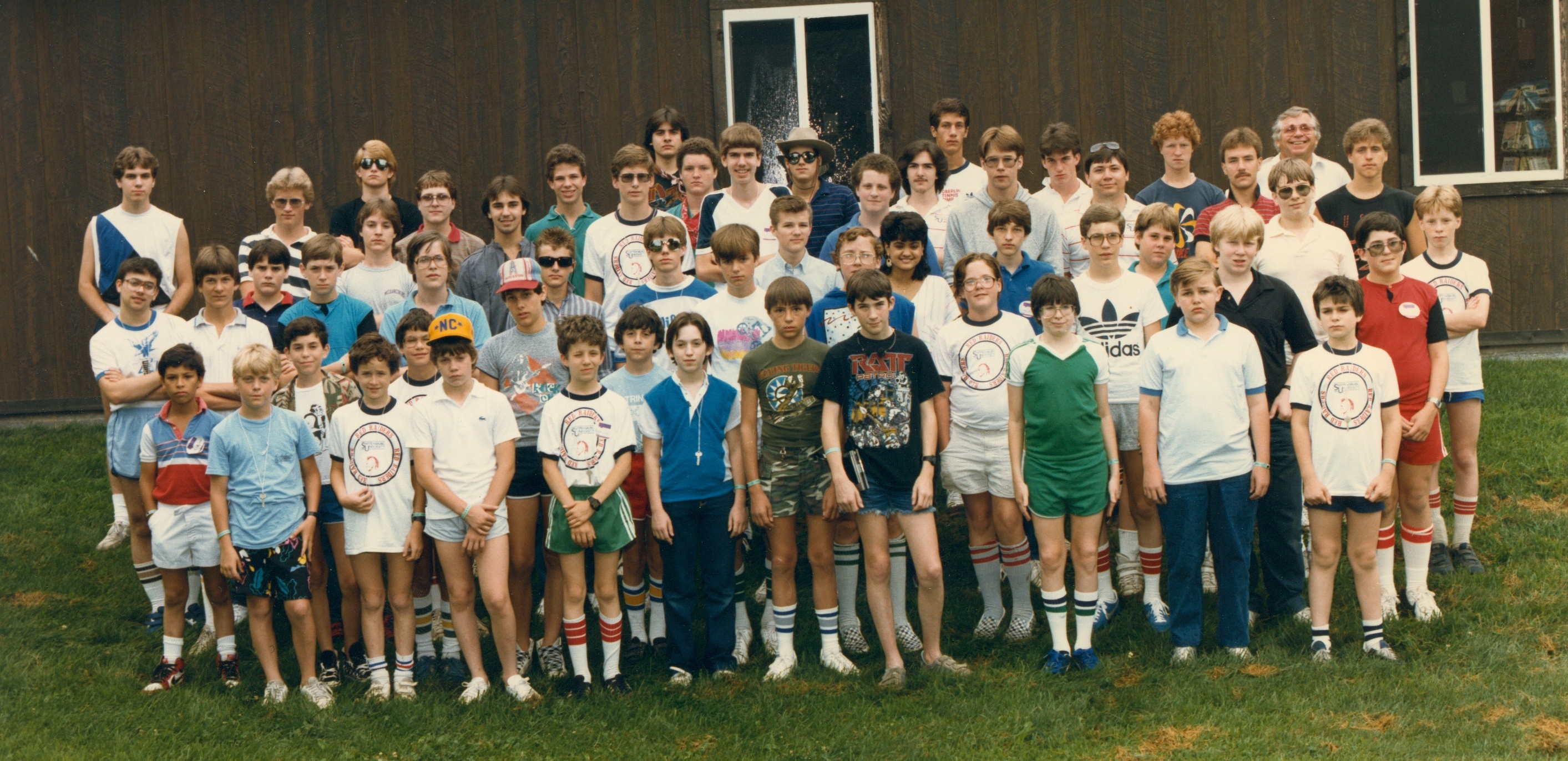
1985

1985
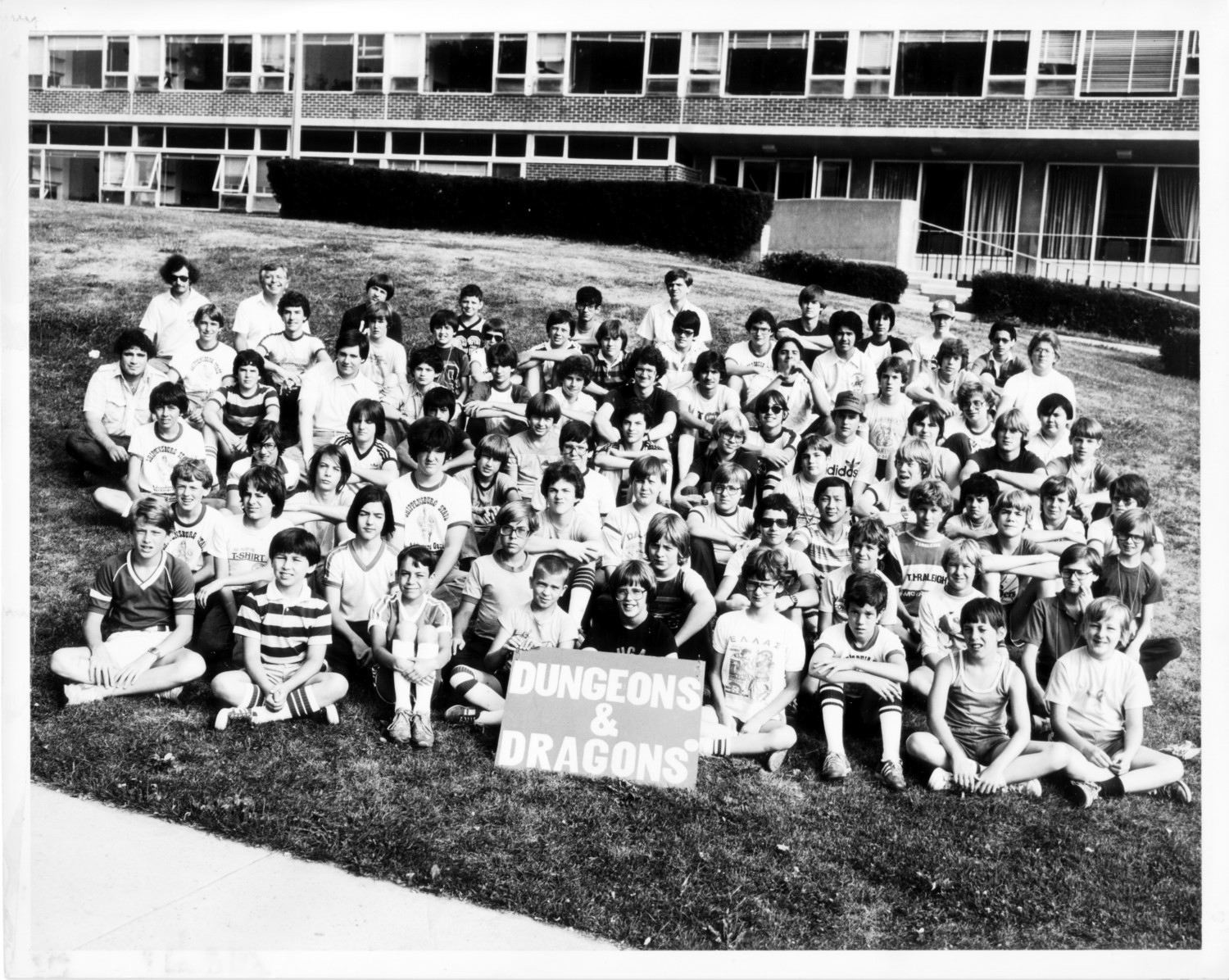
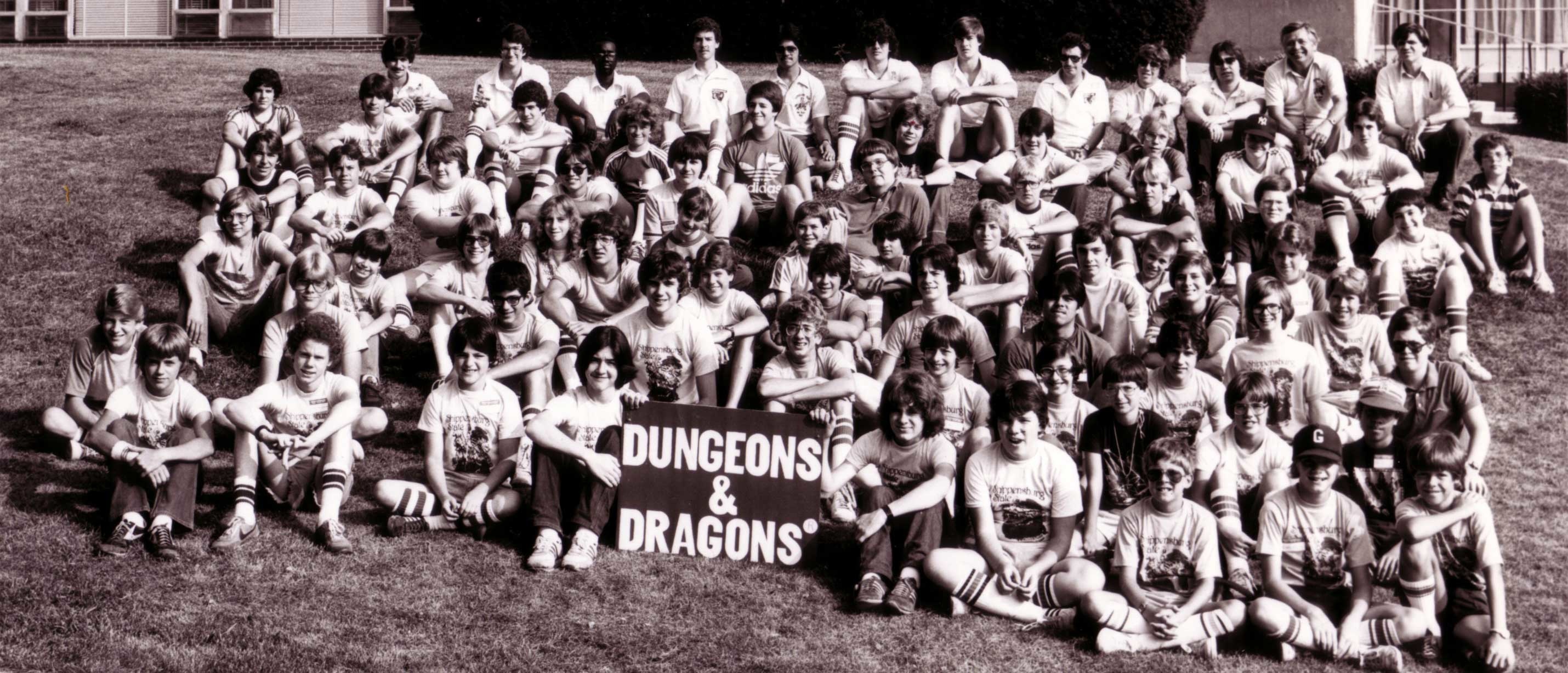
Shippensburg Adventure Game Camp really existed. It was held during the summer at the Shippensburg College campus in southern Pennsylvania. Ben Robbins, who is currently developing an RPG called Kingdom, attended all five years. The photos come from his Flickr set, at this point an indispensable historical document.
In a must-read interview at Gaming Brouhaha, he boils down the experience: “Take the normal magic of summer camp and then ratchet it up a few notches for sharing a rare and misunderstood subculture.” I can only imagine.
He explains the structure of the camp and how the groups were broken up, talks about the campaigns, tells stories (for instance: going to see Clash of the Titans with all the geeks in the group). Every morning there were lectures on gaming, he says:
One of the best sections (back each year by popular demand) was audience suggestions for improv roleplaying. The councilors would all act as players, and the audience would come up with situations and characters for them and they’d roleplay it out. There wasn’t any fighting or rules — if the situation started to devolve into combat they stopped and moved to a new one. It may seem unimpressive now, but demonstrating roleplaying as a game in itself was a powerful example back in the early 80′s.
This recalls Dirk Malcolm on the “leap of faith“ it took in the early days “to move from Monopoly to playing mind-games with dice.”
The first 1985 photo is my favorite. The Ratt t-shirt is a classic (what’s he holding?). I also see Rush and Dio shirts. Houston Oilers hat and check Vans in the second row (are those guys twins?). All the studs in their shades and feathered back hair. Sad kid sighting: front row, second from the right. Girl sighting: smack in the middle of the pile.
The camp was cruelly canceled before the 1986 season. I posted the letter last year.
Thanks, Ben.

Jr. Pac-Man came out in 1983. It was the 8th of 10 sequels. The maze was longer in Jr., and the screen scrolled to the left and right as you moved across it. That’s the edge of Super Pac-Man (1982, 3rd sequel) on the left.
The original Pac-Man (1980) revolutionized the industry because it was designed to appeal to all ages and sexes. Donkey Kong (1981) completed the democratization process, at least in terms of game play—the “story” was pure male fantasy, then and now the modus operandi of the gaming industry. Kangaroo (1982) is one of the many descendants of Donkey Kong.
The young lady here appears to be afflicted with that arcade-specific malady known as being out of quarters. I’d guess that only about 50% of my time in arcades was spent playing.
(Photo via eBay)
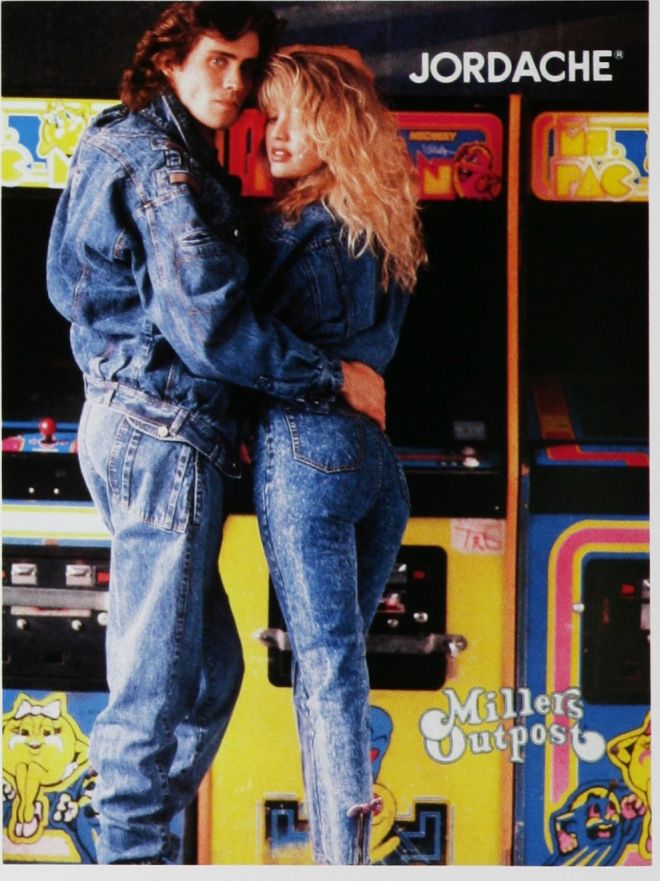
Despite the Pac-Man machines, I put the ad at around ’86 or ’87, when acid wash/stone wash and zippers hit it big with the sort of yuppies-in-training who wore Jordache.
The arcade background is curious, at first glance. Pac-Man (1980) and Ms. Pac-Man (1981) were old news by this time, and the rich kids hung out at arcades only to be seen by other rich kids. They didn’t want to get their hands dirty playing the games, and when they did stoop to put in a quarter, some arcade rat would smack his coin into the corner of the marquee and talk smack until the screen said `Game Over’.
Ultimately, the ad defines the arcade environment as a social advancement opportunity instead of a place of amusement and competition, and to this end it features a video game Jordache’s non-gaming clients would recognize. That game was, and still is, Pac-Man.
Miller’s Outpost would virtually abandon designer jeans shortly after this to concentrate on its home brand, Anchor Blue, and Levi’s.
(Image via The Man in the Gray Flannel Suit)

I envy Devlin Thompson, who writes of his 11th birthday:
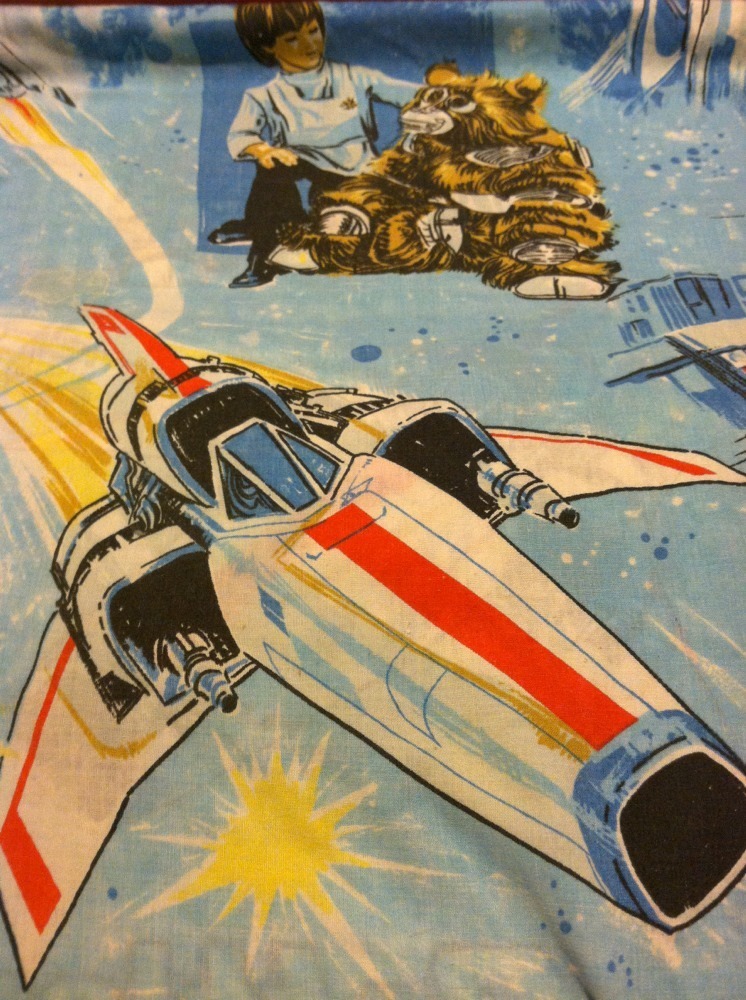
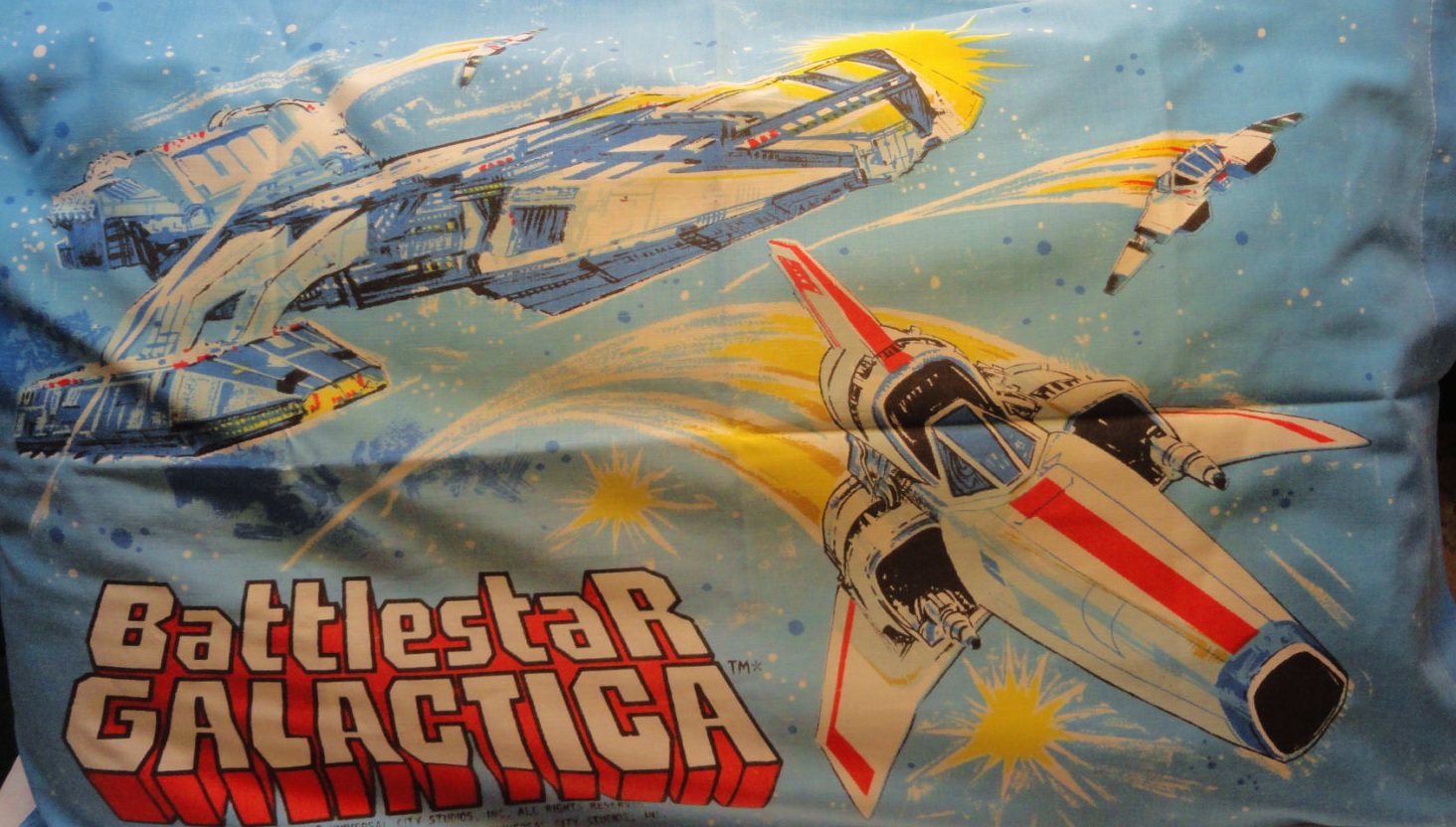
My father… made the game out of white and mustard-yellow poster board (do they even make that color anymore?), and did a bang-up job of it, if I do say so myself. There was also a cake with a Colonial Viper airbrushed on top, and I seem to remember loaning the baker one of the toys as a reference, though it may have just been a comic book or an issue of Starlog.
It was a hell of a thing when the Cylons attacked Caprica and Boxey’s daggit Muffie got killed. I guess all those people dying was sad too, but seeing Muffie’s little paw sticking out of the rubble was the worst.
It was pretty awesome when Boxey got a robot daggit for a replacement, though. I wish my cat made rad robotic daggit noises.

Lest we forget what babies they were then. Ford was the oldest at 34, Hamill was 25, and Fisher was 20. Their director was 32.
(Photo via Super Seventies via antidepresser)


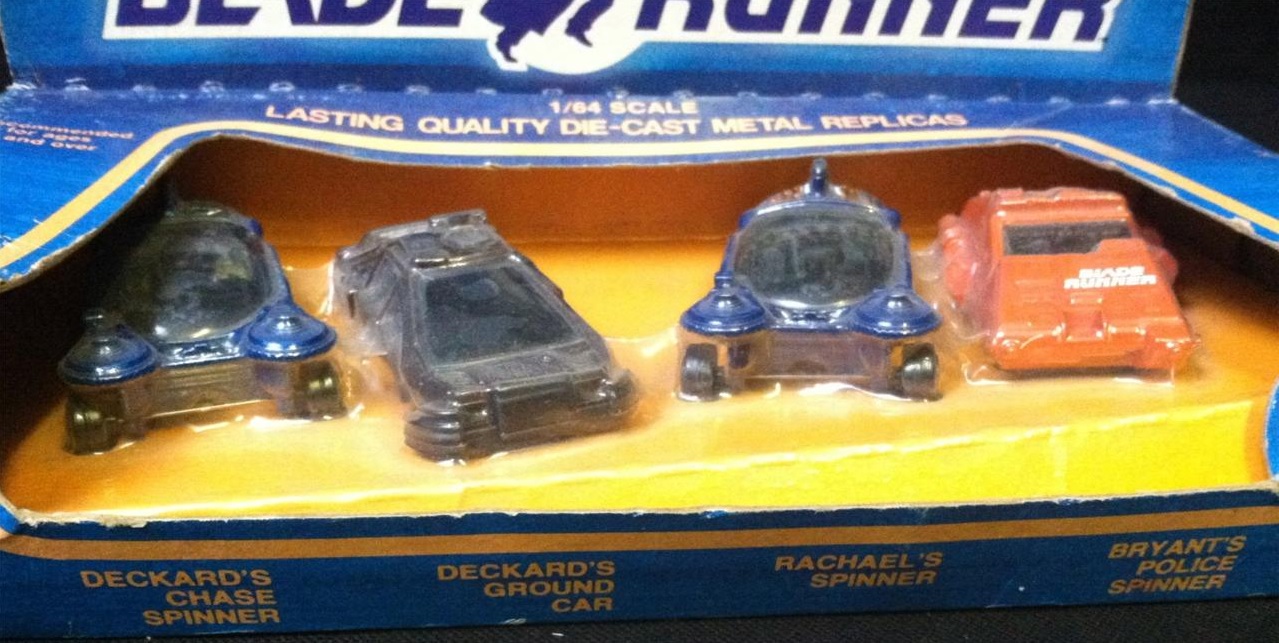

My mom took me to see Blade Runner at the theater because I convinced her that it was a Star Wars sequel. I was 10. After Leon shot Holden in the first five minutes (“My mother? Let me tell you about my mother…“), she tried to forcibly remove me, but I wouldn’t budge. I was totally mesmerized by Ridley Scott’s haunting, desperate, Promethean vision of the future. I still am.
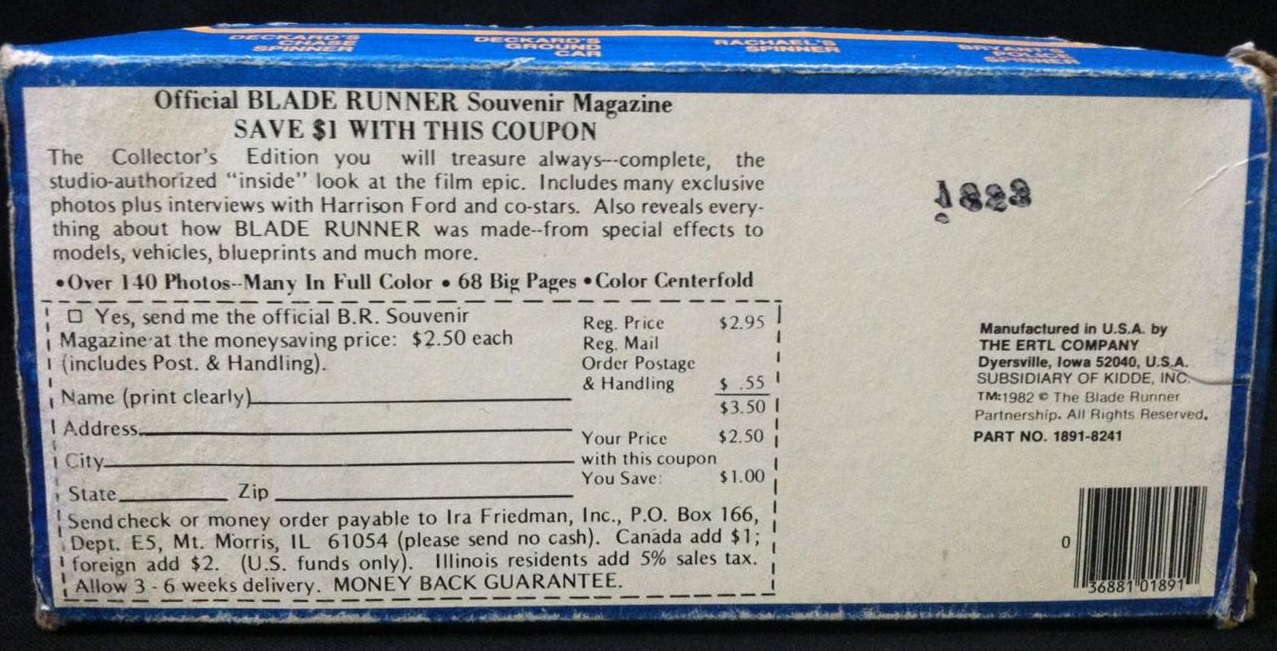
I’d forgotten about the toy cars, but they really did exist, and that makes me happy. Kids would have seen the “spinners” (designed by conceptual artist Syd Mead) prominently featured in the trailer, but most wouldn’t have been lucky enough (or duplicitous enough) to get a peek at the movie. It was a brilliant try by Ertl, anyway.
Toys and other kid-marketed merchandise were almost always designed to extend the experience of the production they were based on. (I’ve talked about this before.) In the case of Blade Runner and other R-rated features, that merchandise was meant to replace the experience of the film. Think of all the Alien stuff from ’79: Target Set, Movie Viewer, Board Game, Trading Cards, Kenner’s wicked 18″ action figure.
We’d seen the previews, we gleaned what we could from the adults willing to talk to us, but that’s it. Like Ridley Scott, we had to invent a world and a story for those spinners and that alien to inhabit.
UPDATE (5/8/15): David Augustyn spotted a mistake on the four-pack. Rachael’s Spinner is labeled as Bryant’s Police Spinner and vice versa. The Spinner second from right is clearly a cop car and even has “Police” written on the side.
(Images via eBay)

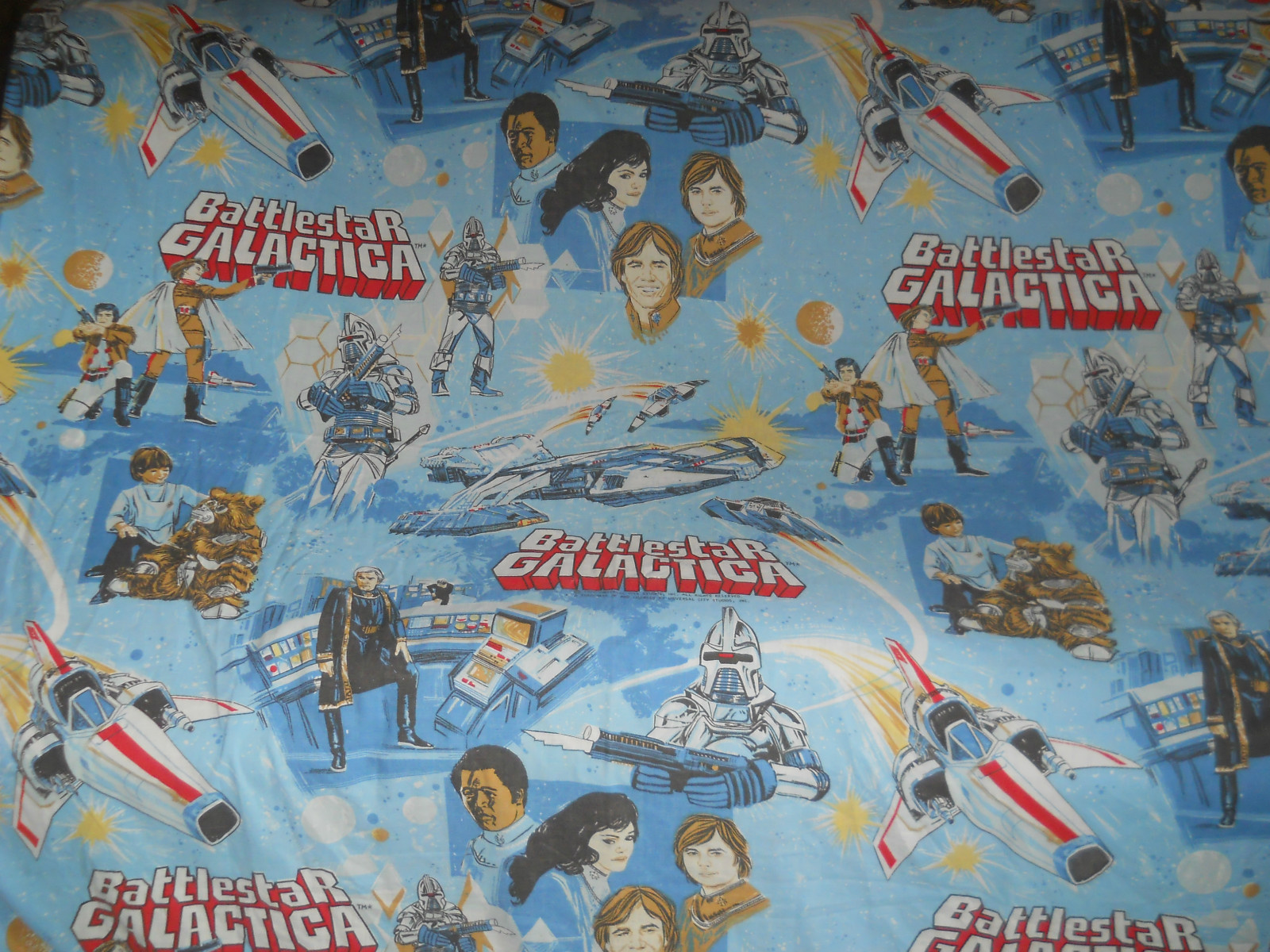
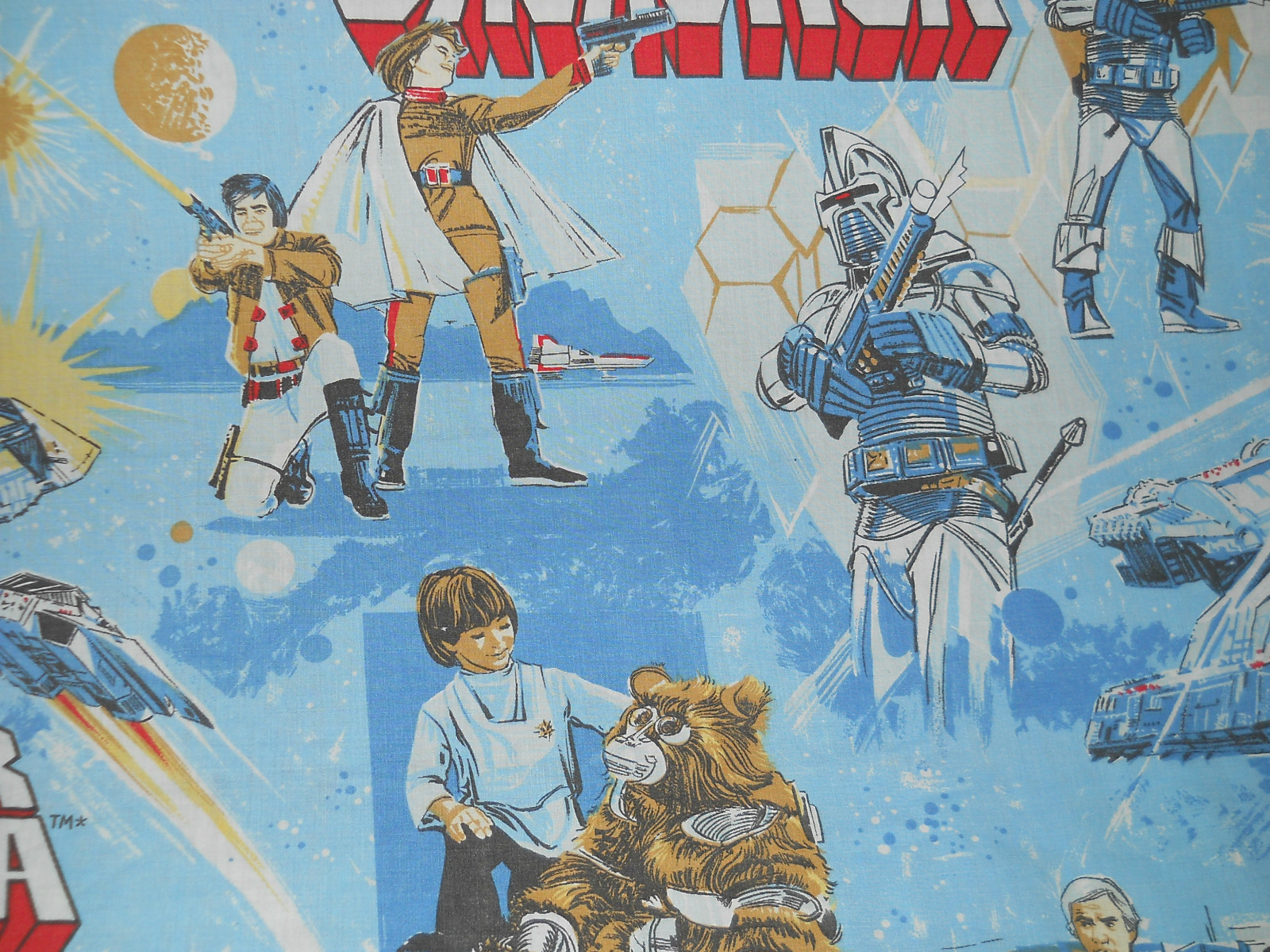


 2 Warps to Neptune