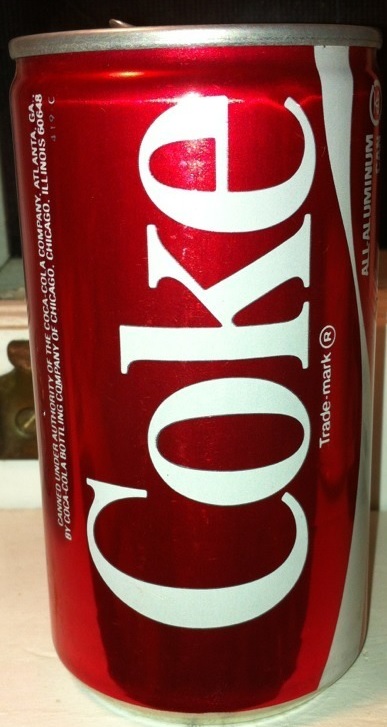
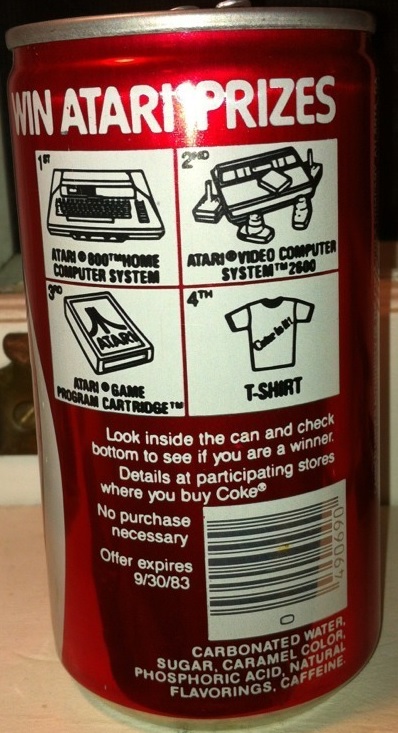
I don’t remember if it was this particular contest, but I sure as hell remember peering into Coke cans on numerous occasions to see if I’d won anything. The light had to hit it just right.
Coke is it!
Surveying the Gen X landscape and the origins of geek
I don’t remember if it was this particular contest, but I sure as hell remember peering into Coke cans on numerous occasions to see if I’d won anything. The light had to hit it just right.
Coke is it!
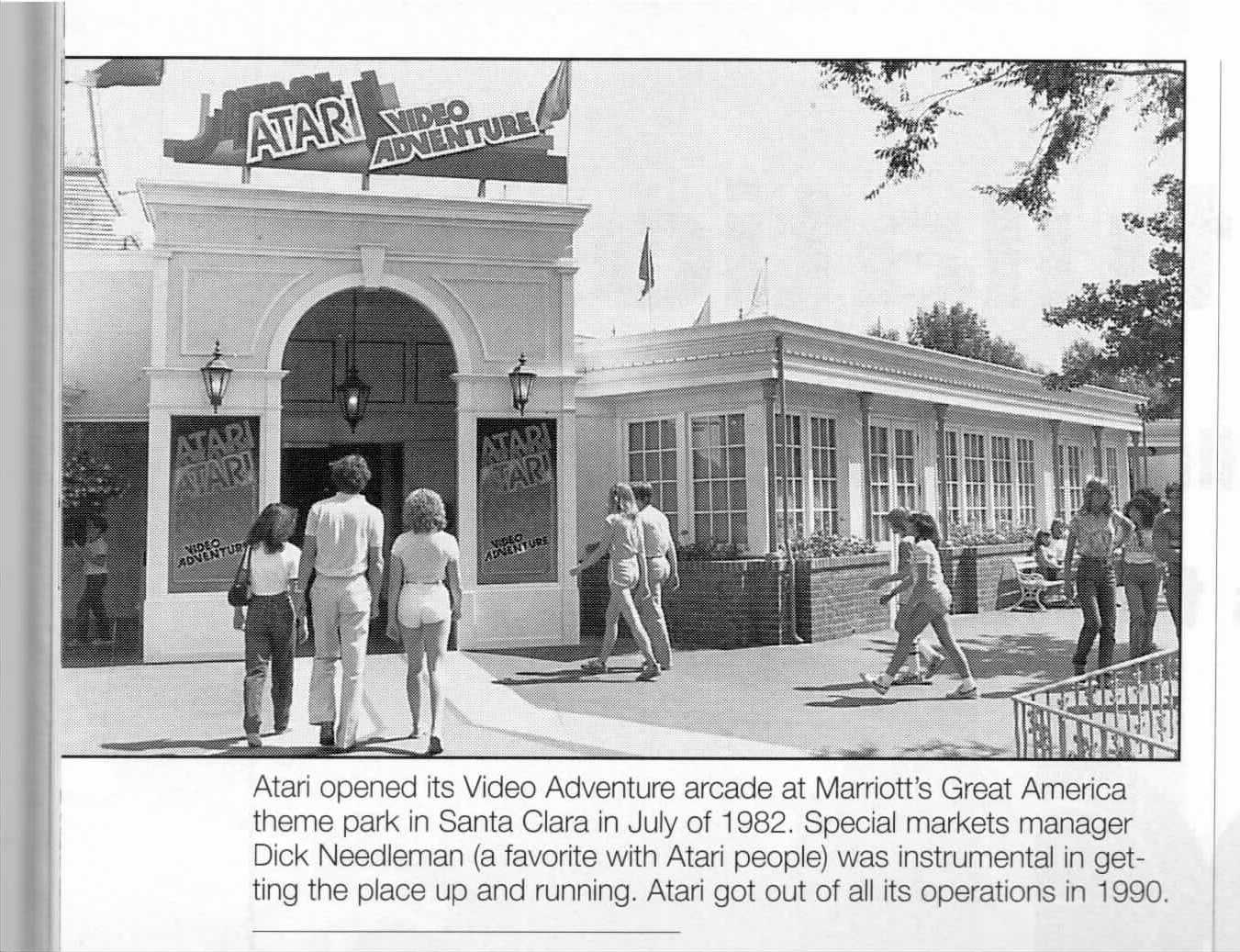
Atari Video Adventure, “the premier showcase for the newest innovations in computer learning and video excitement,” was a multi-stage attraction at Marriott’s Great America amusement park in Santa Clara, California. It opened in July 1982 and was completed in 1983. The photo is from a 1997 RePlay Magazine scan provided by Michael Current. (Current’s site is the most comprehensive web-based historical resource on Atari.) Here’s a description and walk-through, also via Current.
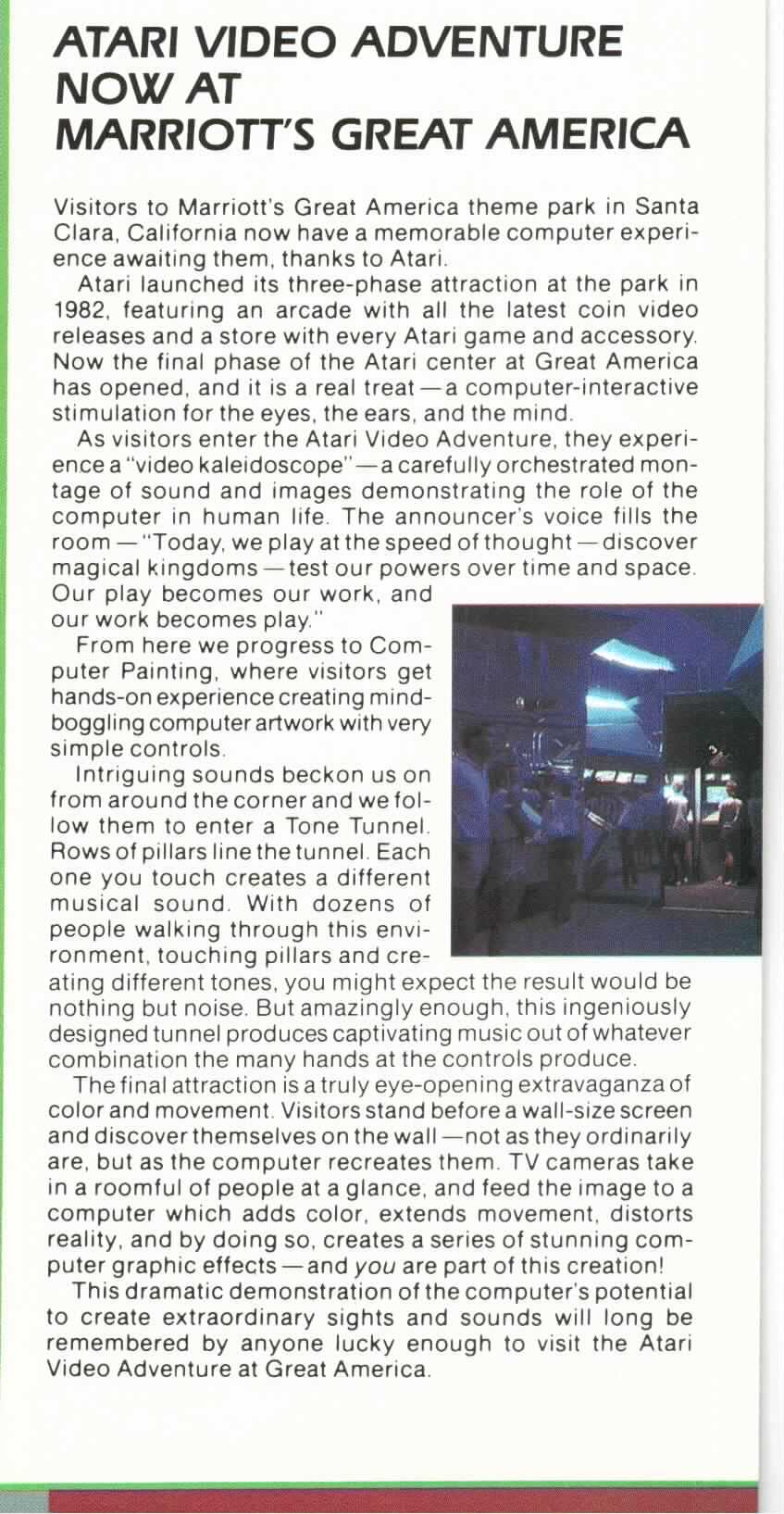
And here are some illustrations, probably concept art, from the Atari Museum.
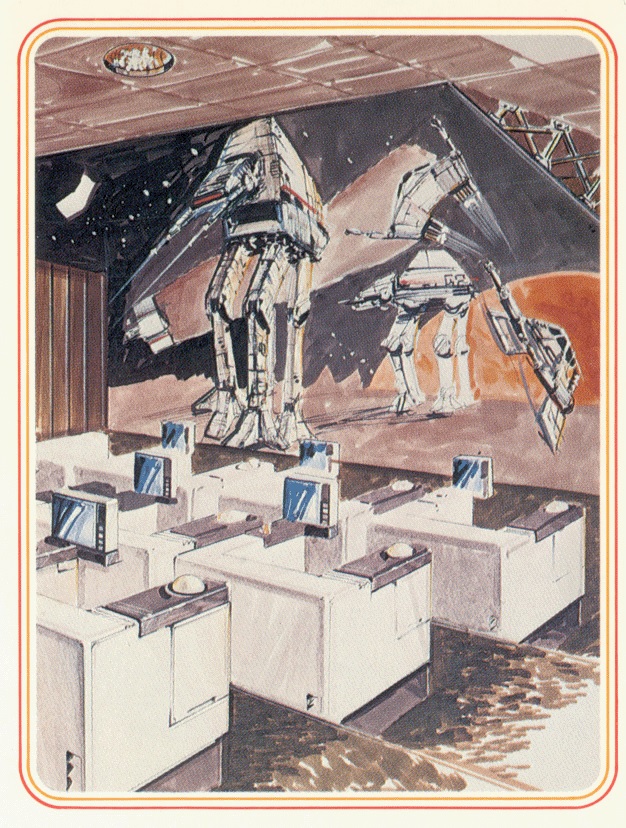
I’m guessing the Hoth mural/scene is in the Computer Painting room. That looks like a trakball on the arm of the chair.
Atari Video Adventure was the first of several similar locations that opened across the U.S. in 1983. The others were called simply Atari Adventure. I’ll post some photos later this week.

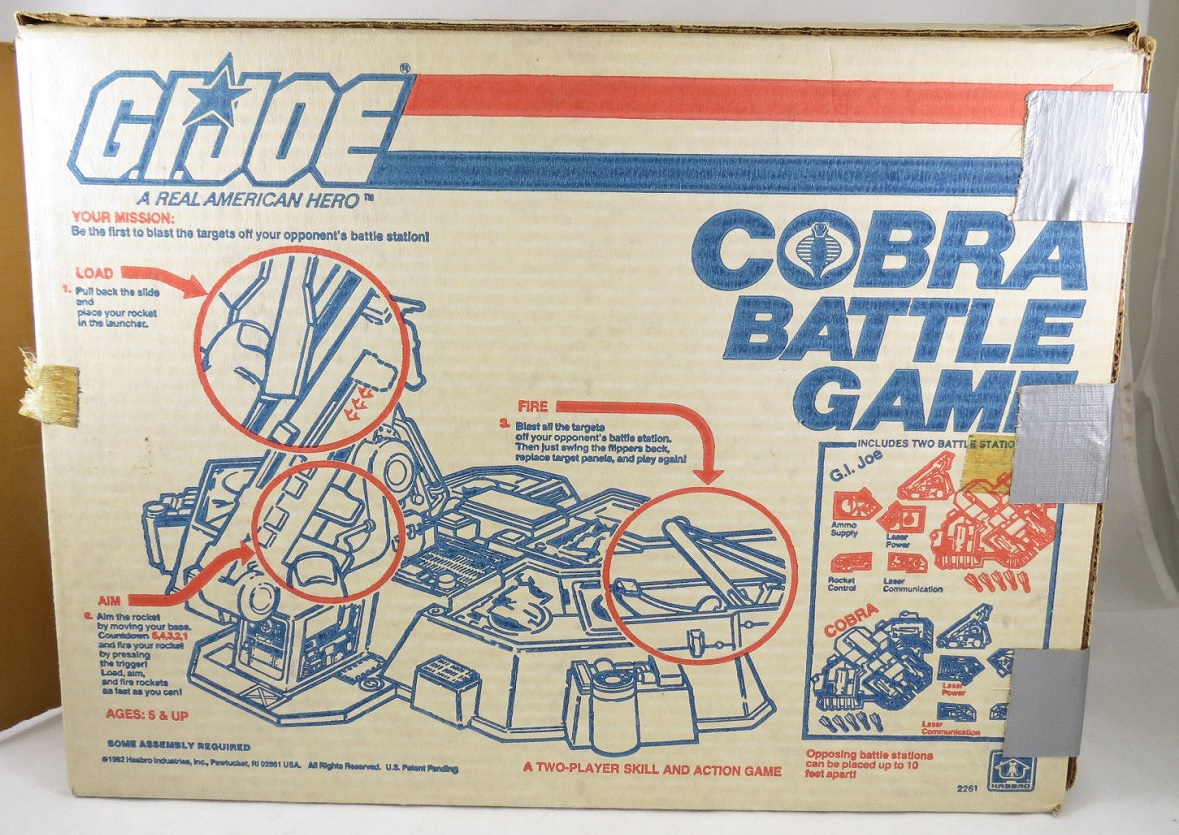

The Cobra Battle Game is one of four G.I. Joe board games that came out in the ’80s. It ain’t brain surgery, although it seems to me like it would take forever to win. Players try to pop off all the panels on their opponent’s “battle station.” Interestingly, Cobra Battle appeared a year before Crossbows and Catapults, the mother of all flying projectile games.
(Images via eBay; video via DigThatBoxTOYS/YouTube)
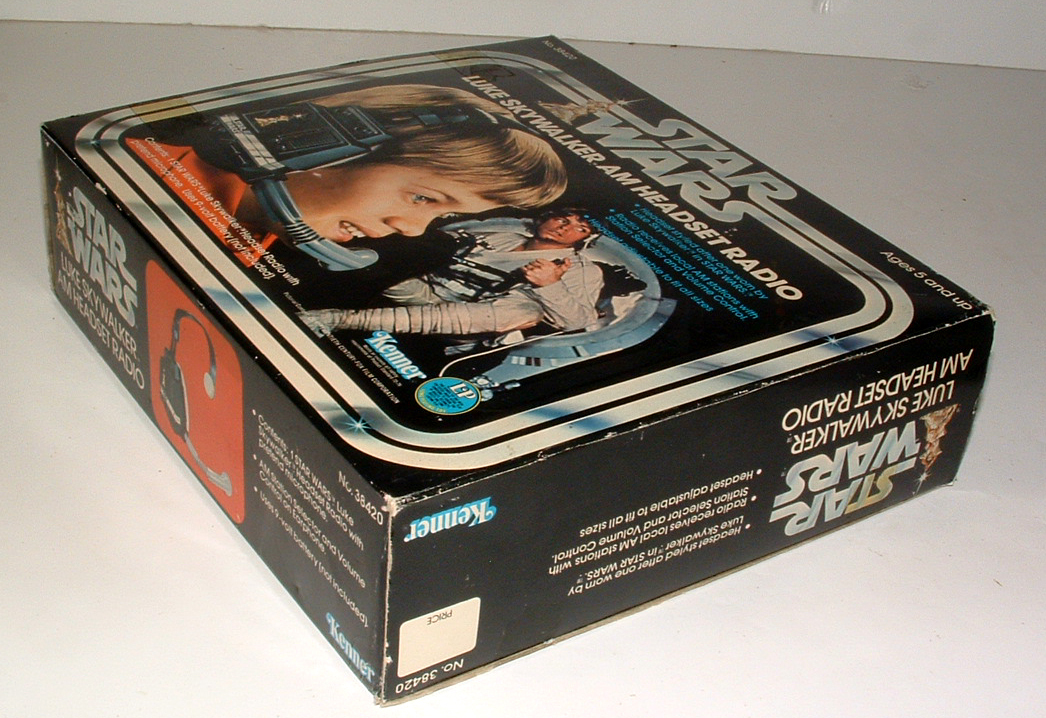
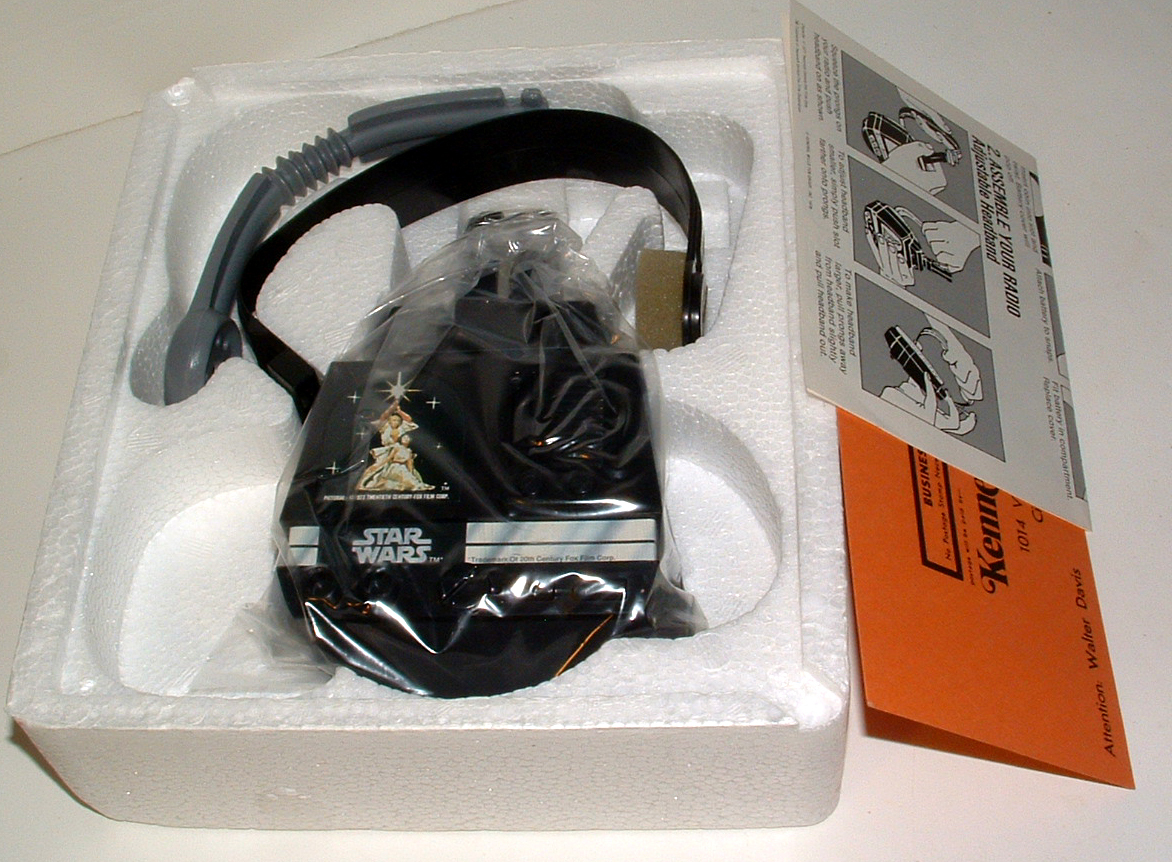
We looked like idiots. You must realize.
TSR’s Star Frontiers commercial is up first. The animation is impressive for 1983, and the concept is clever. As the doors to the hobby shop open, you can see the 1983 D&D Basic Set update (red box, revised by Frank Mentzer) and Fantasy Forest on display to the right. You can download the Alpha Dawn rulebook (the art is exquisite throughout), modules, character sheets, and other cool stuff at starfrontiers.com.
My original objective was to post all the available TSR commercials here, but the Mr. T spot that starts at 1:03 lured me off course. Won’t you sing along?
Mr. T! He’s got legs that move, he’s twelve inches high-igh.
Mr. T! He’s got a real cool haircut and a mean, mean look in his eye-eye.
He’s got arms that move and a fistful of rings…
You can pretend that Mr. T is real tough and mean.
Mr. T!
Mr. T!
I’m currently speechless, so I’ll leave the comments to you.
(Video via Genius7277/YouTube)

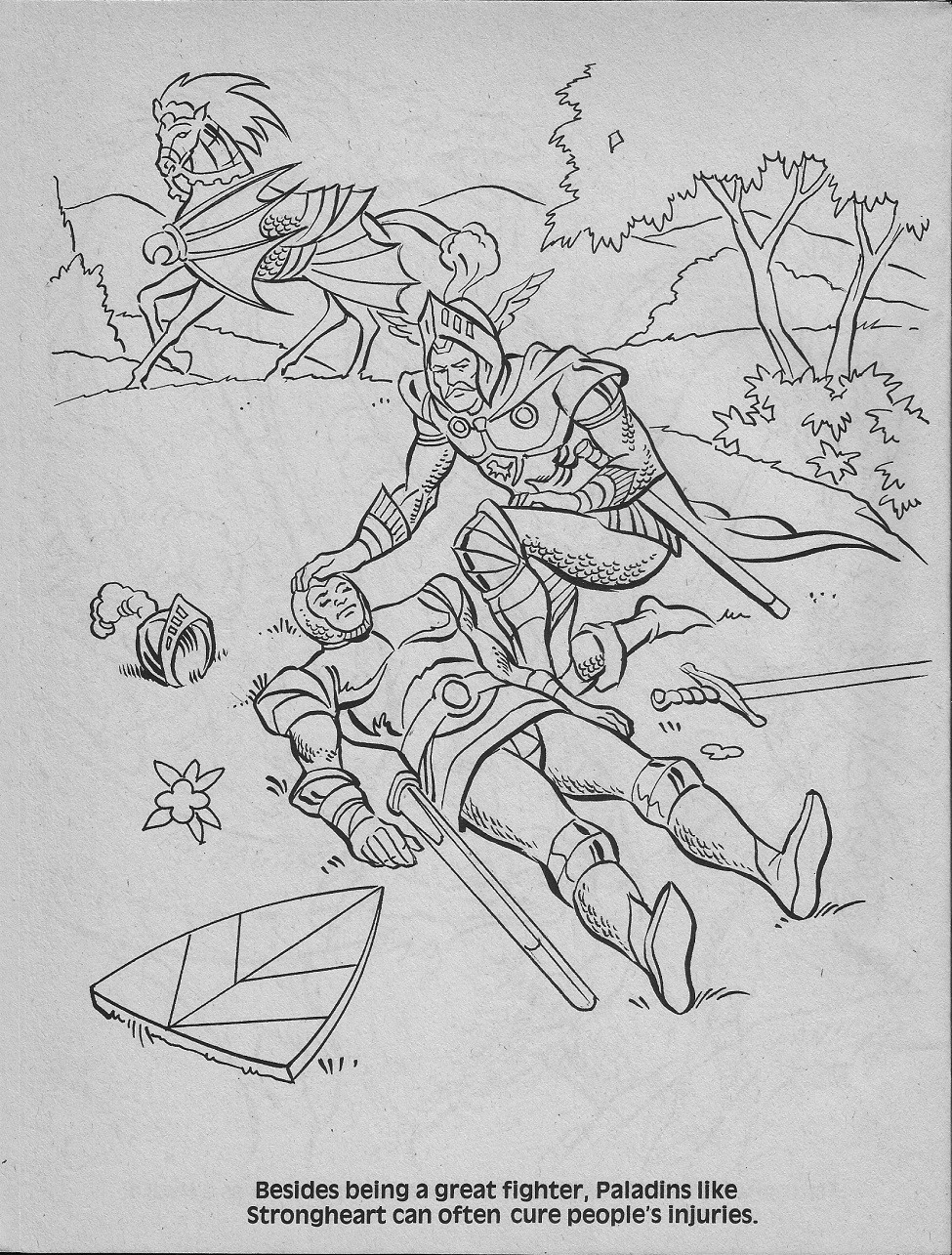


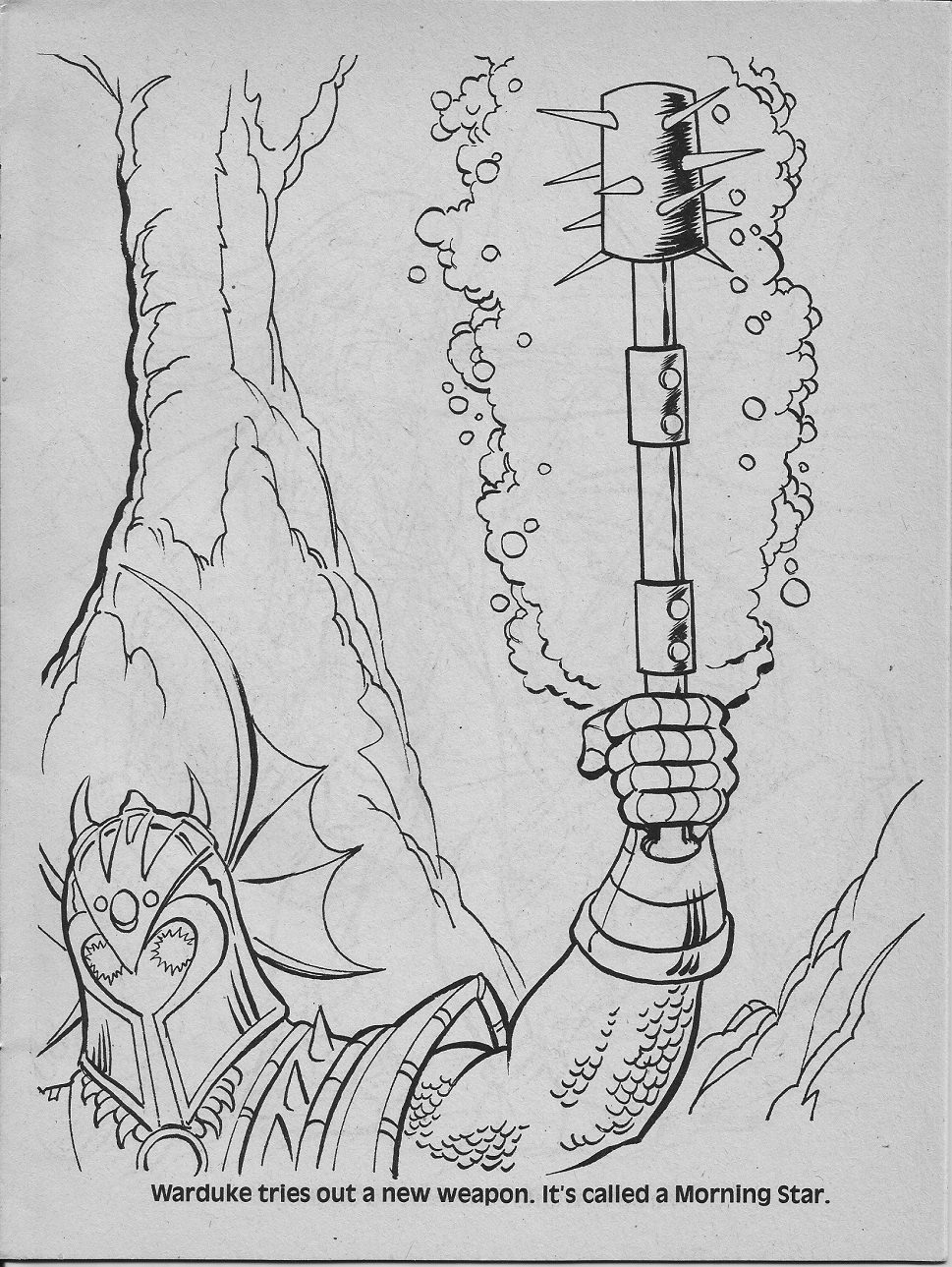
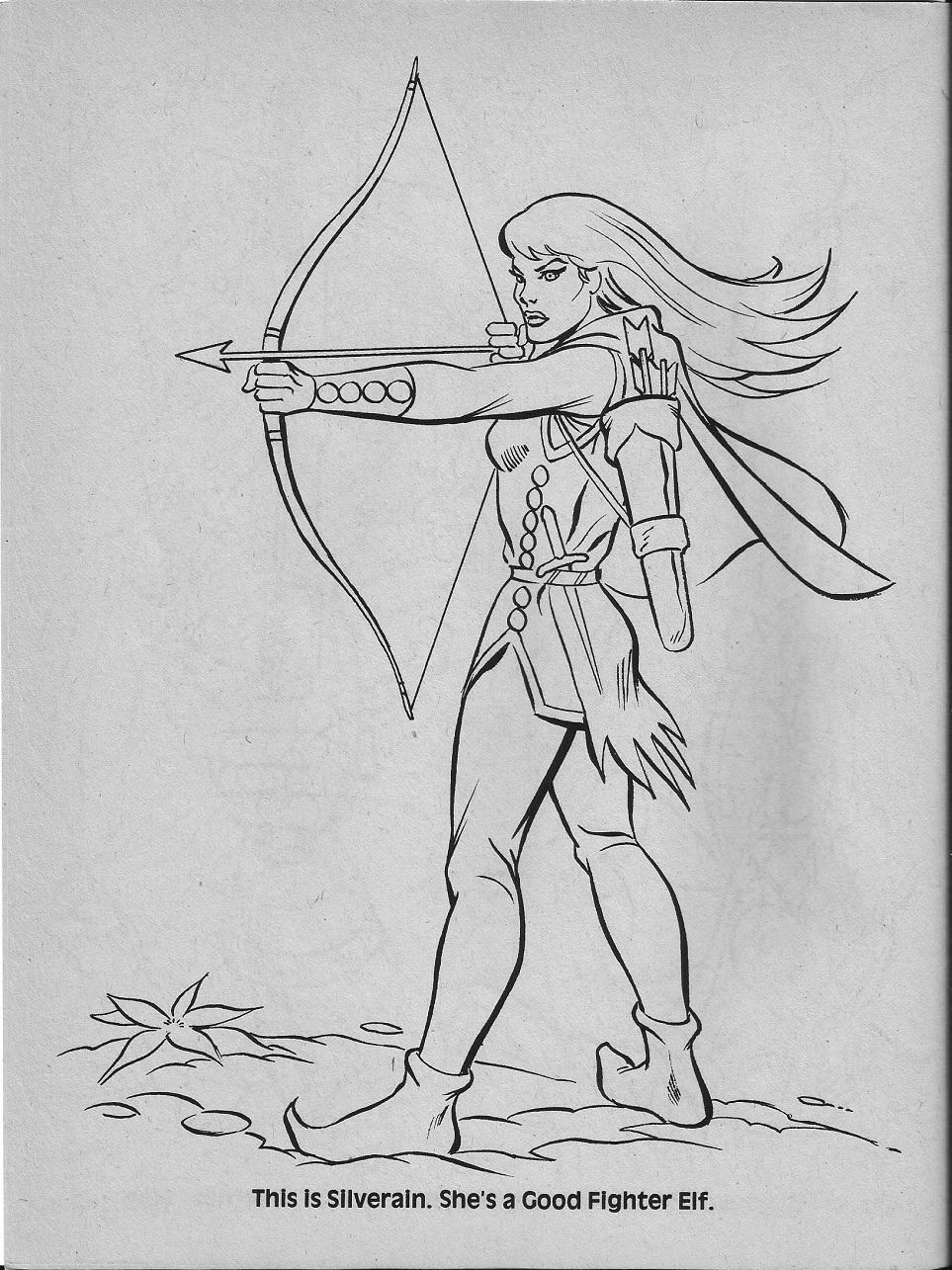
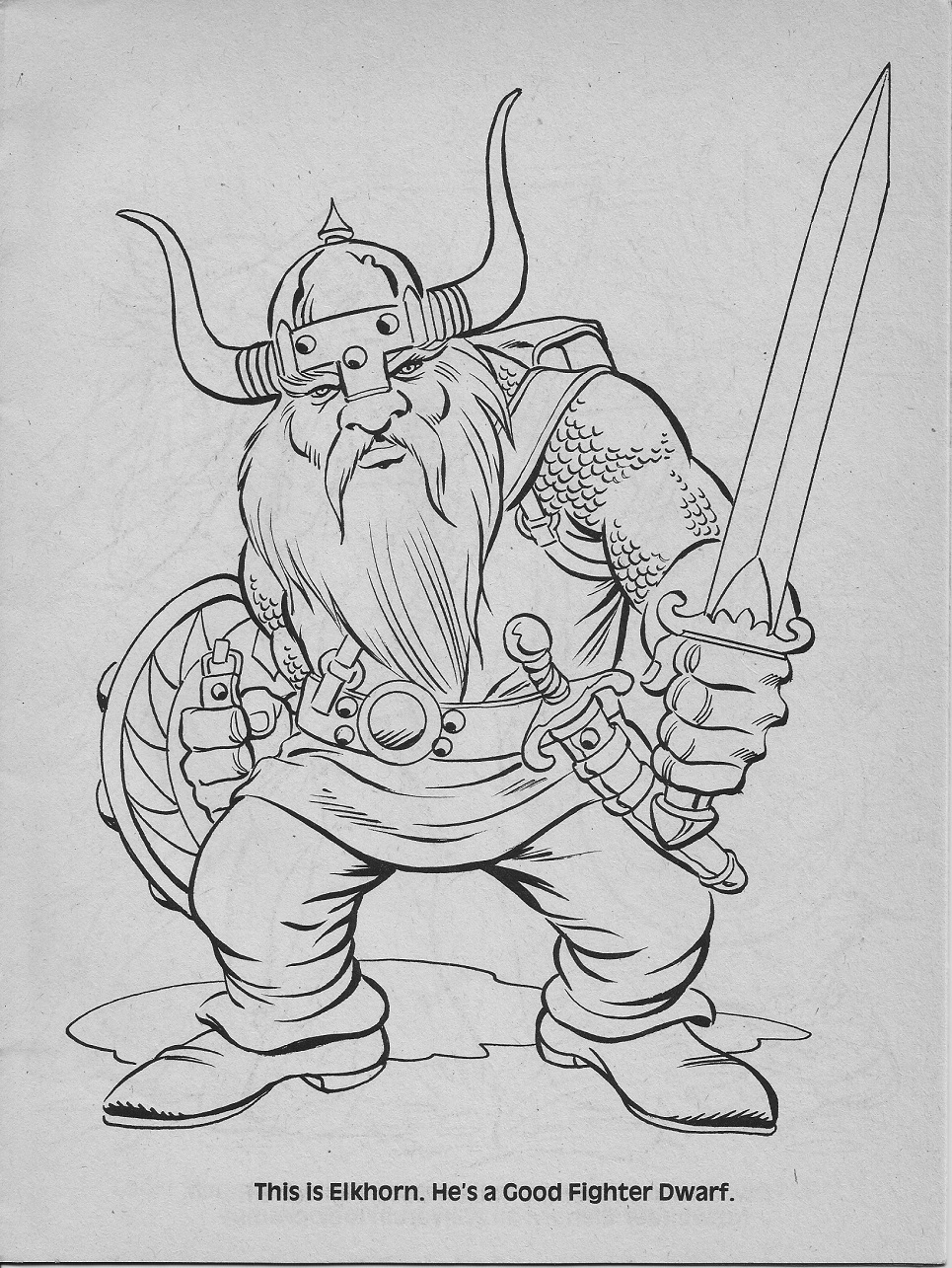
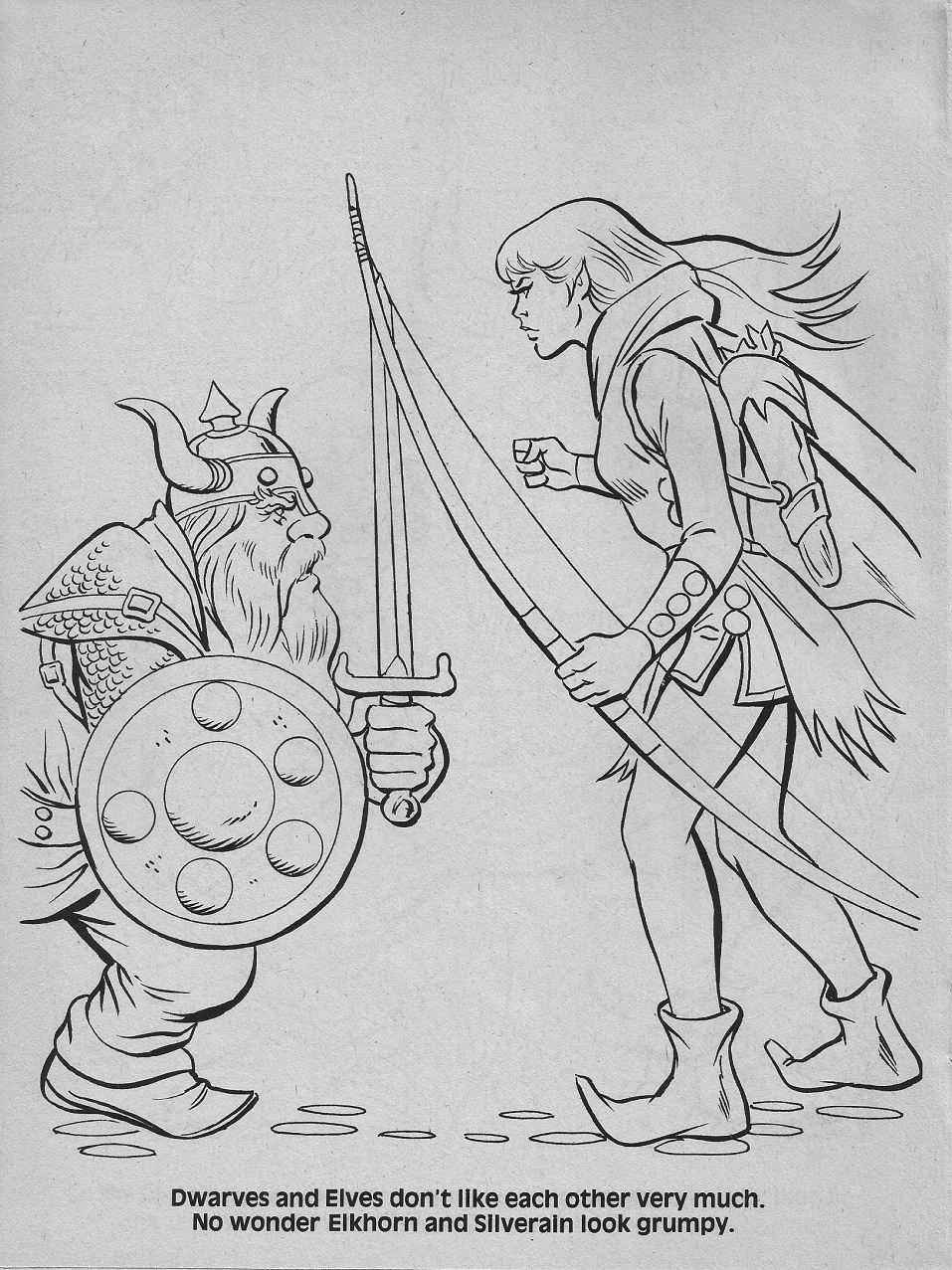
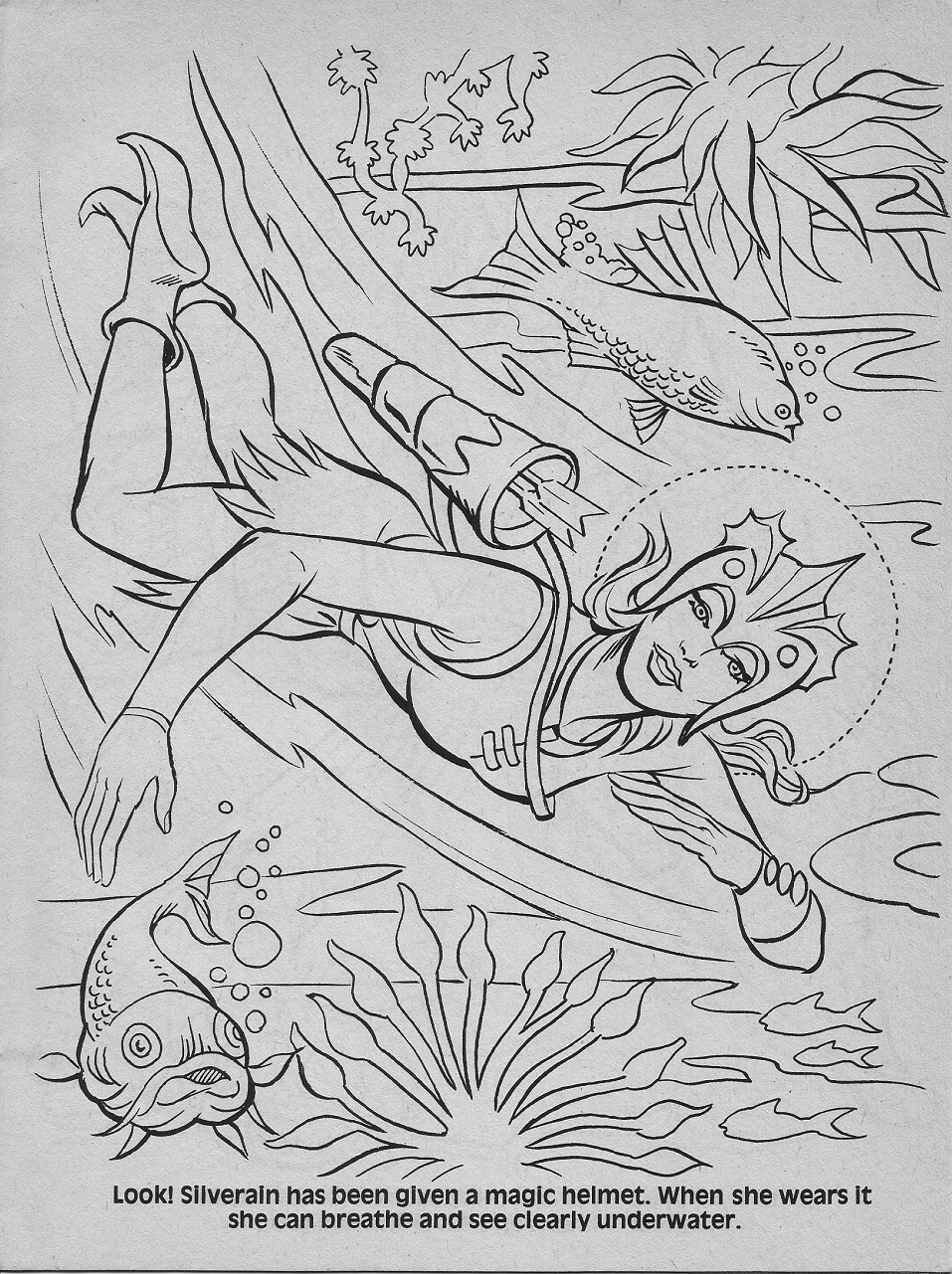

The action picks up in part two. We’ve got a five-headed hydra, the paladin’s Lay on Hands ability, lots of Warduke, the historic dwarf/elf antagonism (from Tolkien), and a helm of water breathing (my favorite page—those fish are flummoxed!).
On the last page, the evil cleric Zargash is charming a snake, but I don’t think clerics have access to the Charm Animal or Charm Monster spells. Maybe I’m wrong.
Part one of the Characters Coloring Book is here.
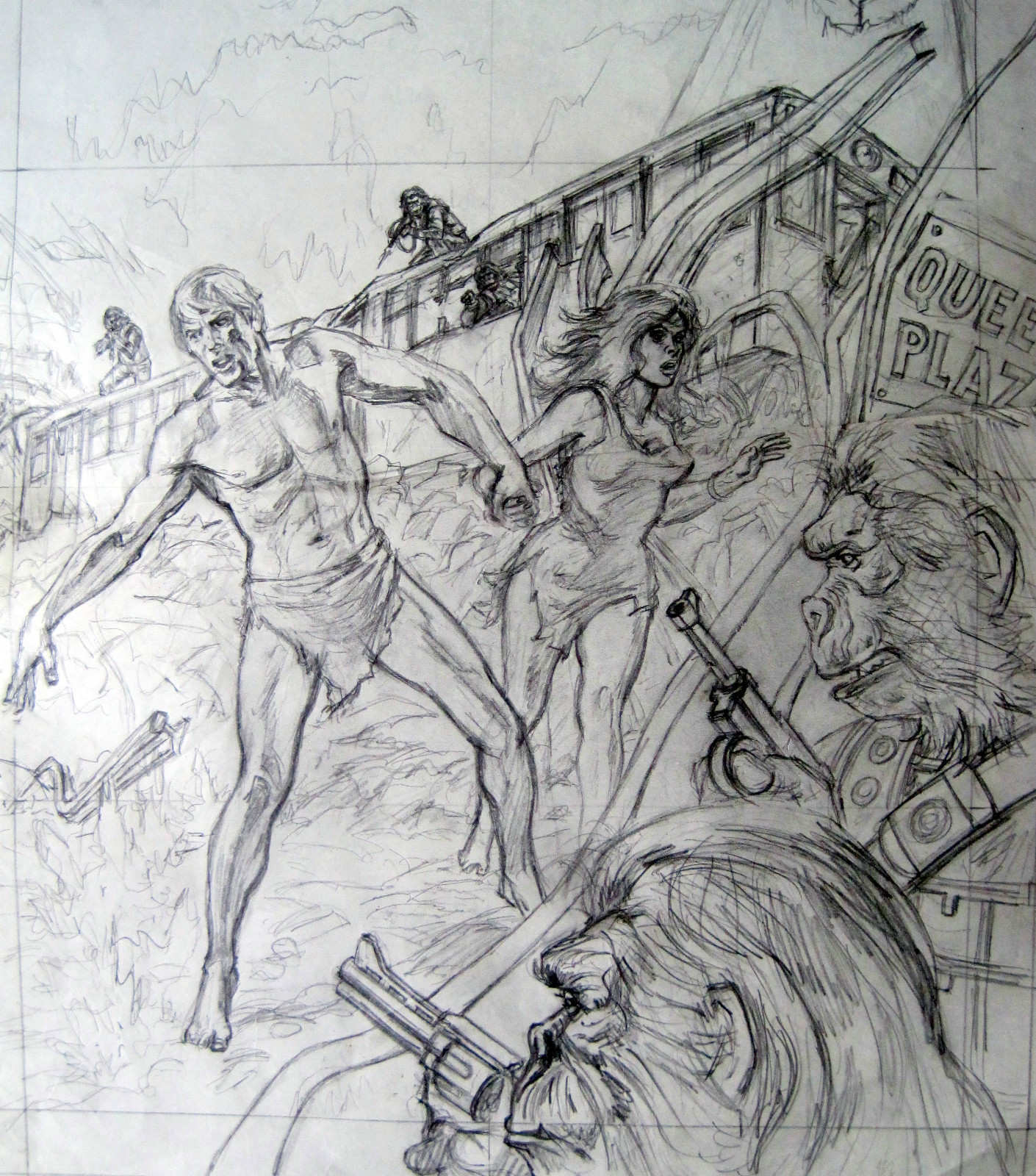
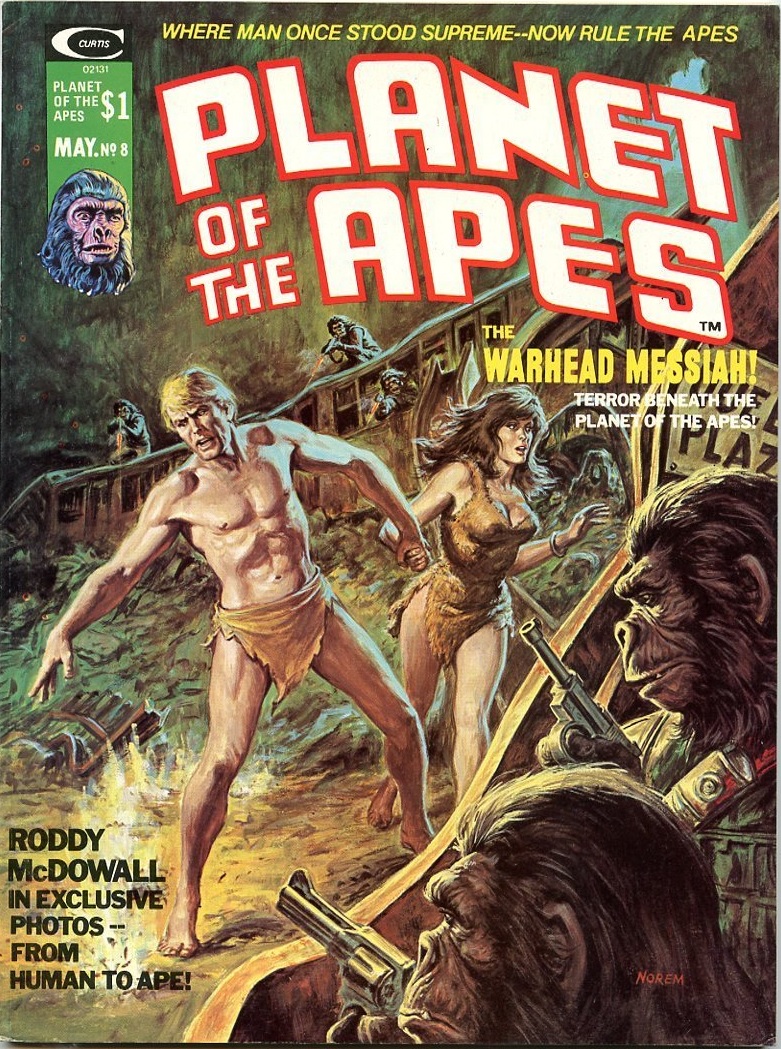
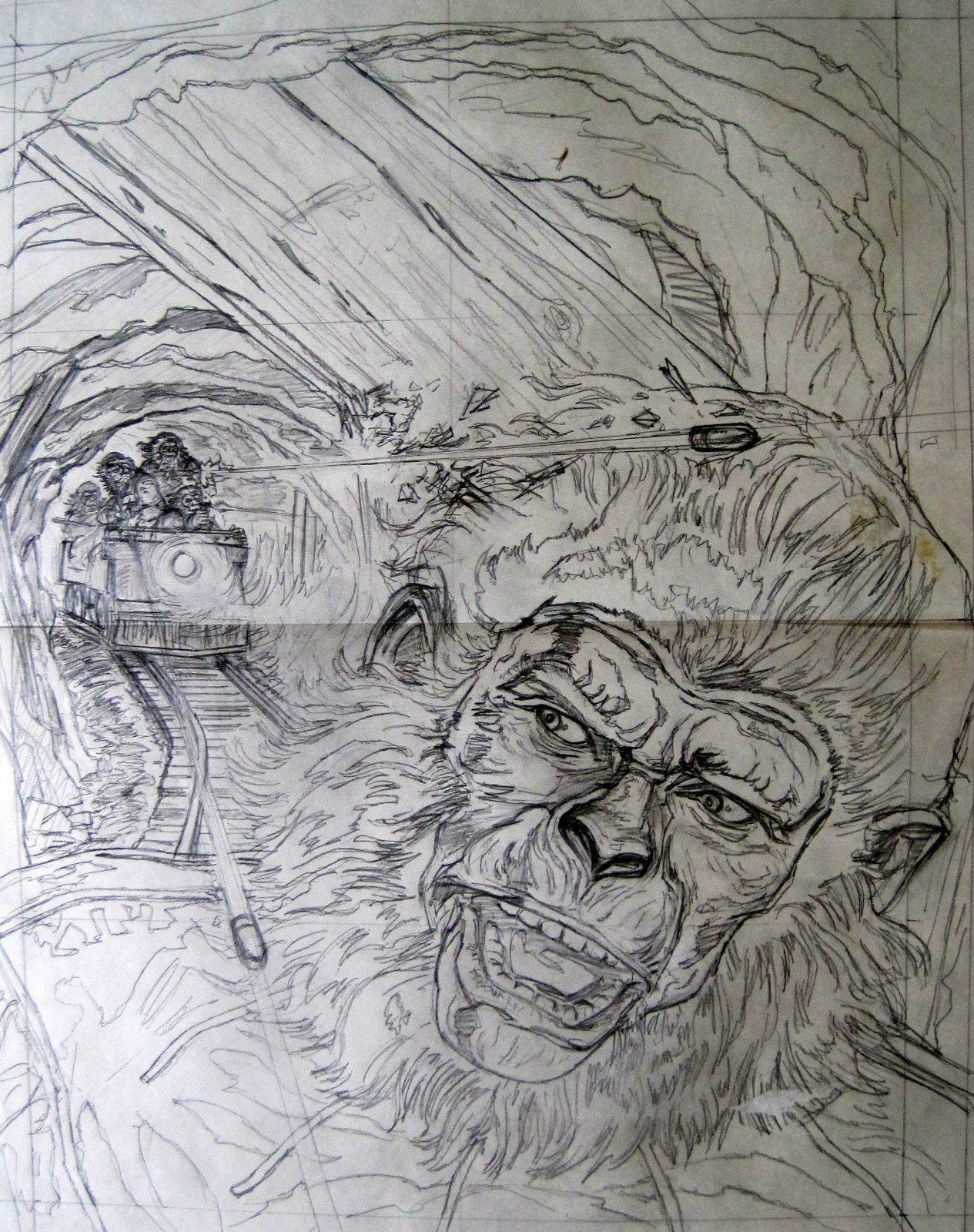
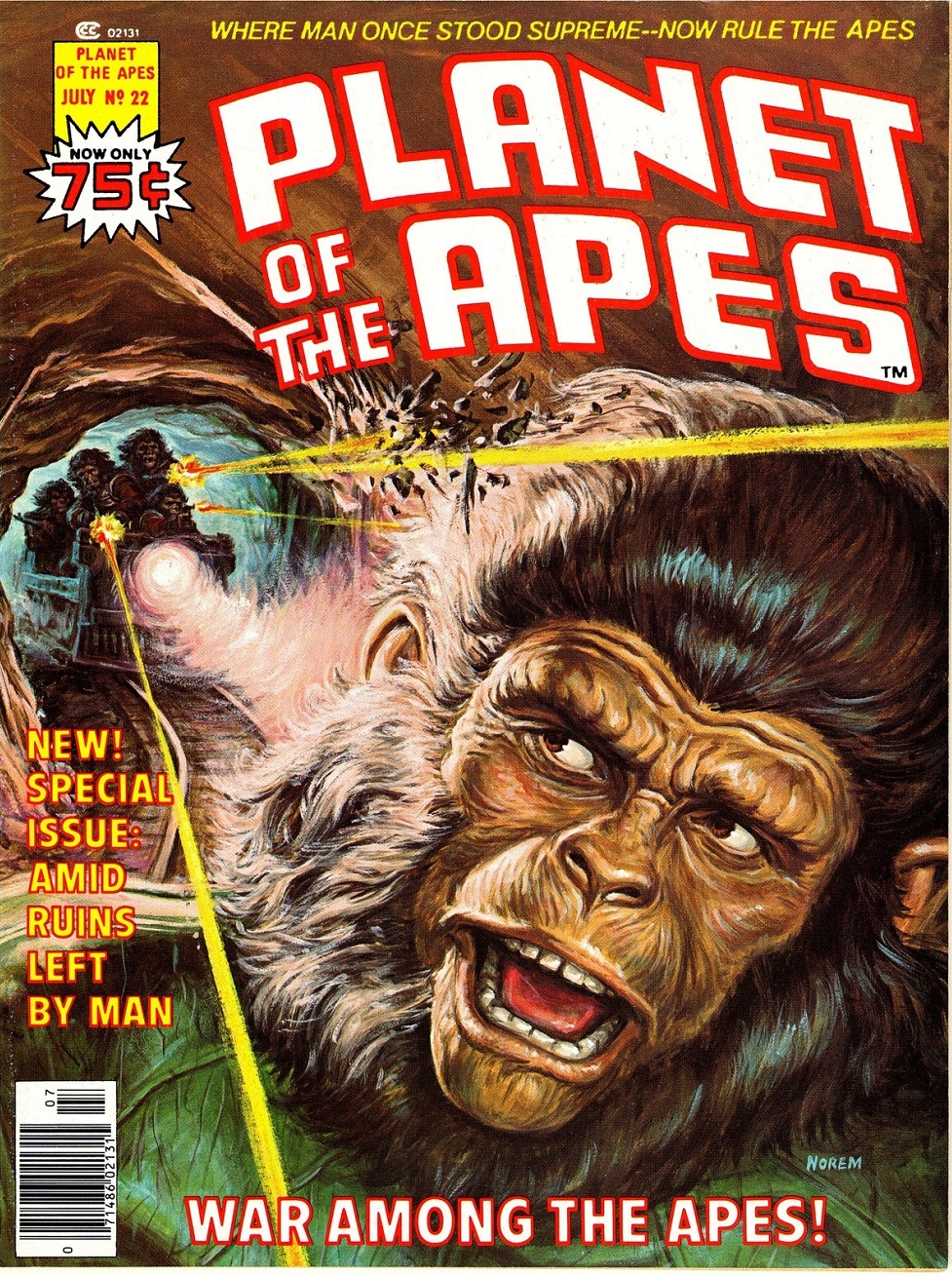
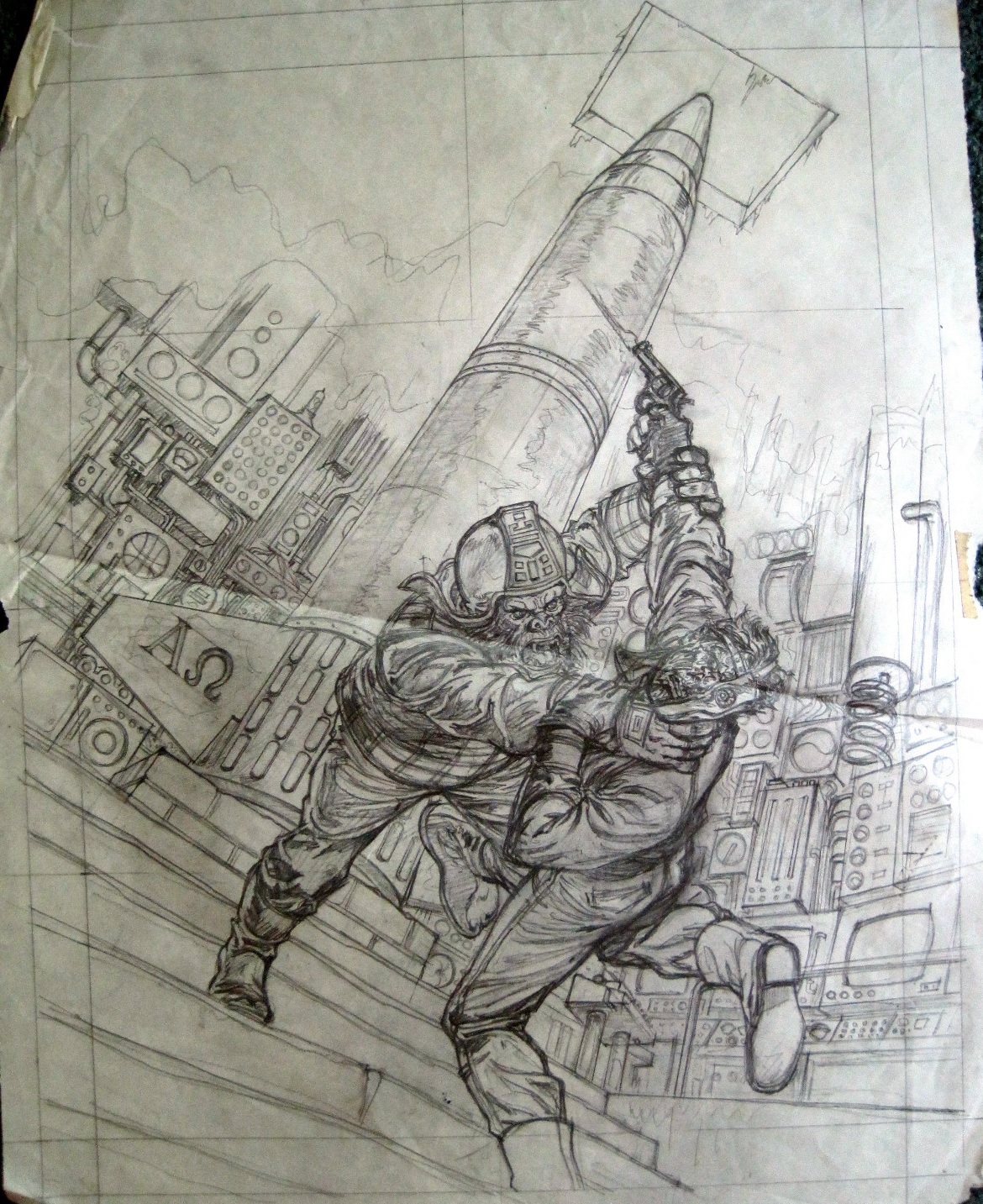
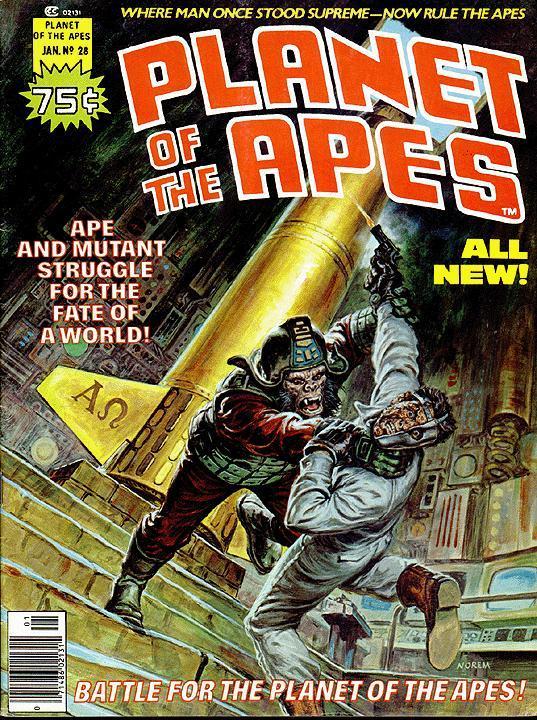
Many of Earl Norem’s original pencils and paintings, from the ’60s through the ’90s, are popping up on eBay. (The original pencils for Planet of the Apes #28 went for over $1000.) A lot of it is in pretty rough shape—multiple folds, tattering, yellowing. Illustration was a tough gig, and artists had to crank out page after page of quality work to make a living. Even for Norem, who was well established by this point, there was no time for sentimentality. It was all business.
The more I see from Norem, the more I realize how much he contributed to the vision of almost every major kid’s property from the late ’70s through the late ’80s, including Conan, The Six Million Dollar Man, Indiana Jones, Planet of the Apes, Buck Rogers, Masters of the Universe, D&D, Marvel Comics (superhero and horror), G.I. Joe, and the Transformers.
The amount of detail he squeezes into his cover paintings is staggering. See the control panels in #28, the chimp’s hair in #22, and the dense, layered colors he uses to fill the big spaces in #8.
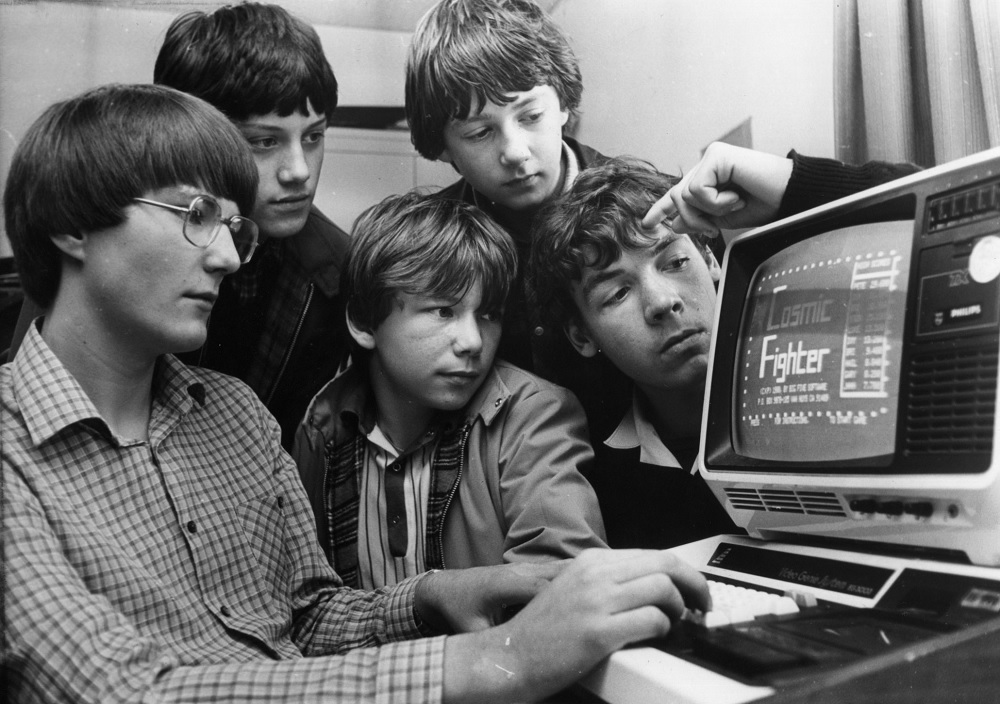
Slatyford Comprehensive School, 1981. Photo: The Mirror
All of the photos shown here are from The Mirror/Daily Mirror archives and collected by Us Vs Th3m. Click the link to see more.
The first one shows the lads on a Video Genie, known as the Dick Smith (of Dick Smith Electronics) System 80 in Australia and New Zealand, where it was important as an alternative to the scarce and largely unaffordable TRS-80. It appeared briefly in North America as the PMC-80.
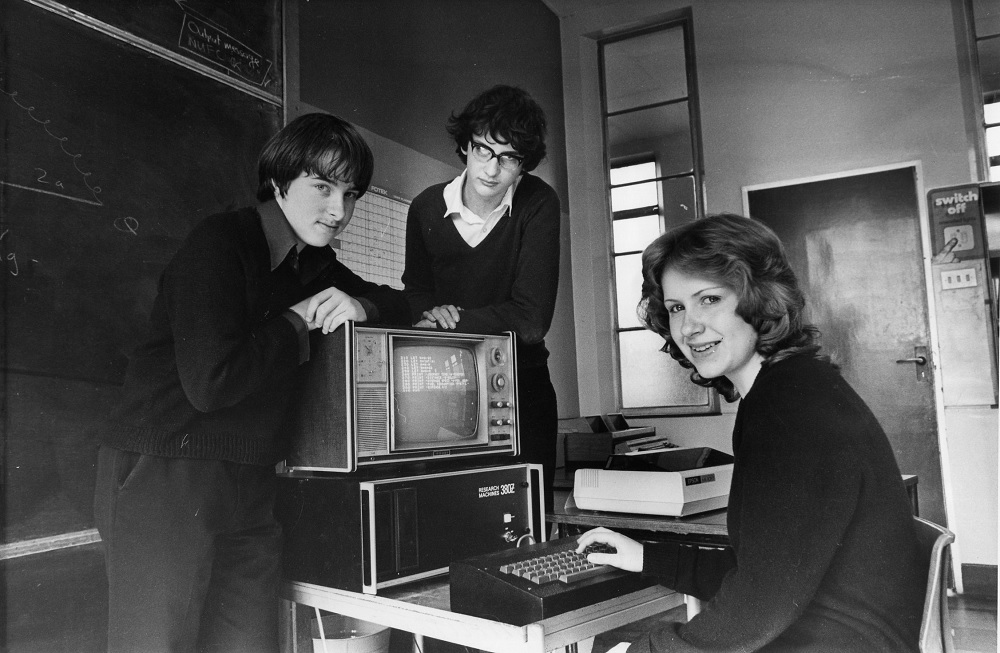
Longbenton High School, Newcastle, 1981. Photo: The Mirror
The Research Machines 380Z was developed and produced in Oxford for the education market starting in 1977. It was succeeded in 1981 by the Link 480Z, although the 380Z continued to be produced until 1985.
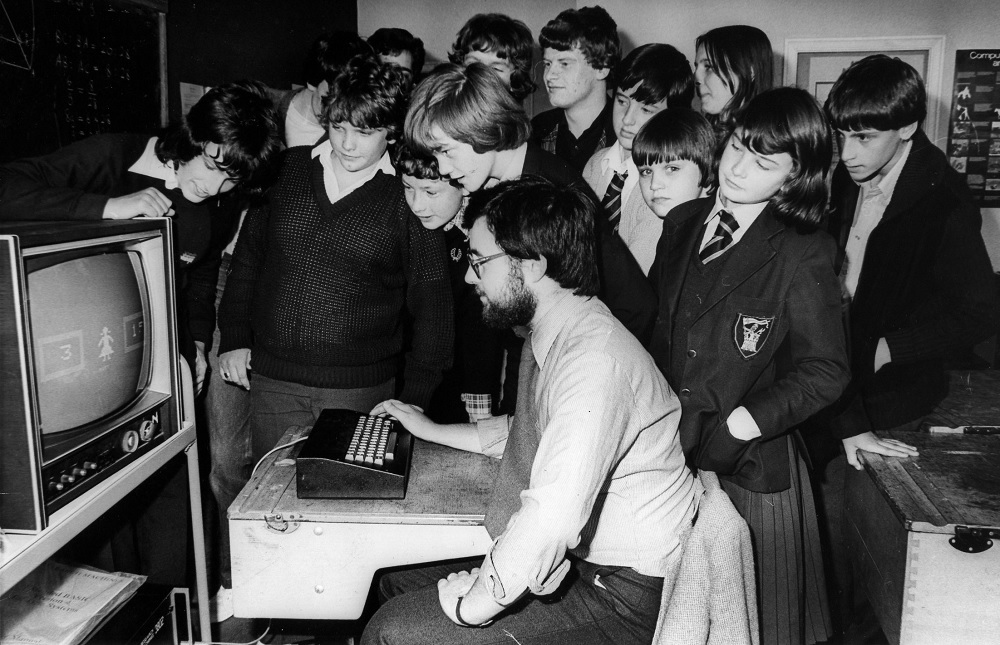
Benfield Road High School, 1980. Photo: The Mirror
Another 380Z (the CPU is under the TV). The aloof pose of the young lady on the right reminds me of the young lady in this photo. Not everyone found the new technology thrilling, or even interesting.
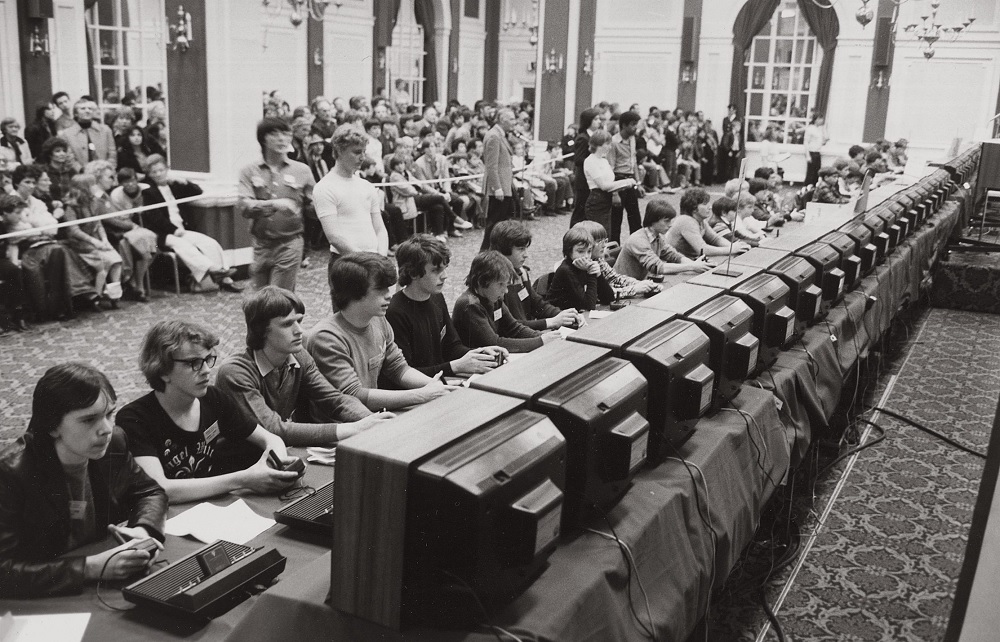
Space Invaders World Championship, 1981. Photo: The Mirror
Okay, so the kids aren’t really “computing,” but it’s a beautiful shot. The description identifies the scene as the “National Space Invaders Championship” of 1981, but that event, probably the most famous video game tournament in history, took place in late 1980, and it was exclusive to the U.S. (The Golden Age Arcade Historian talks about it here.) The Space Invaders World Championship was held in 1981.













 2 Warps to Neptune