Archive for April, 2014

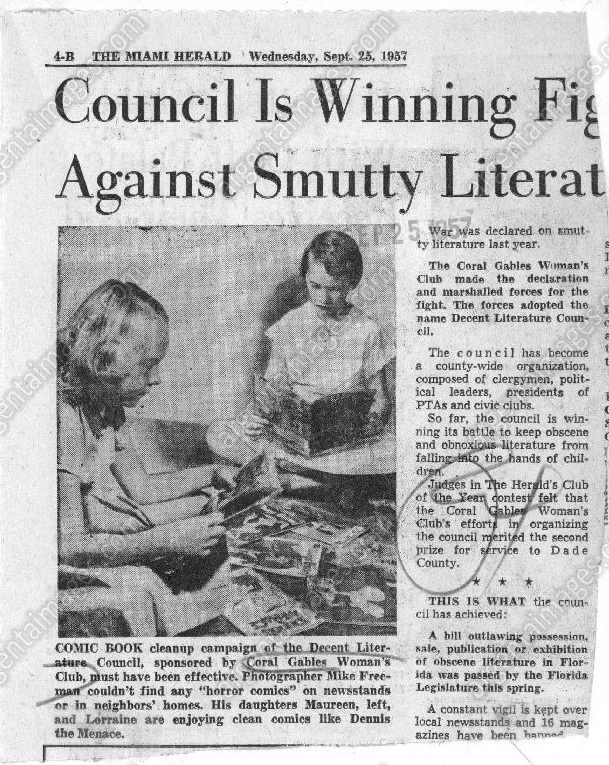
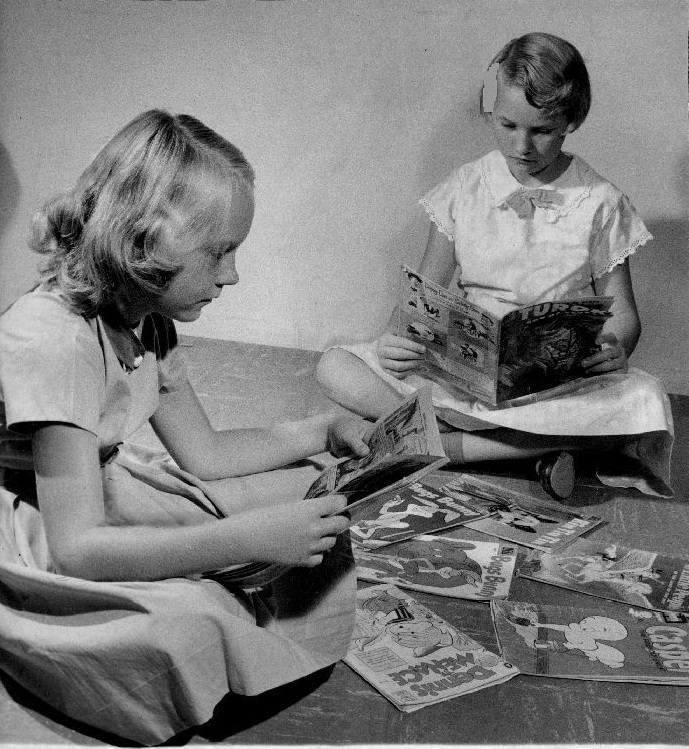
Girls Reading Comic Books, 1957

Girls Reading Comics 1957

September 25, 1957. (Photo: Miami Herald)

Girls Reading Comics 1957-2

The Decent Literature Council, established in 1956, was active well into the 1960s. Its mission was “to protect youth from obscenity and pornography.” Here’s one of the directors, from a 1961 Miami News story:

We have found from resource reading… that pornographic literature becomes like a drug. As a child reads, he requires stronger doses, and it finally becomes destructive.

And here’s Charles Keating, Chairman of Citizens for Decent Literature (est. 1958), speaking to the Decent Literature Council in 1964:

The material constitutes a detailed course of instruction in perversion…

These sex-mad magazines are creating criminals faster than we can build jails to house them.

The publications provide youngsters with an entry to the world of lesbians, homosexuals, sadists, and other deviates whose names and actions are unknown to most decent people of this country.

If Keating’s name sounds familiar, it’s because he was at the center of the Savings and Loan Crisis of the late 1980s. He was convicted of fraud, racketeering, and conspiracy, and went to jail. (Luckily, we still had one to house him.)

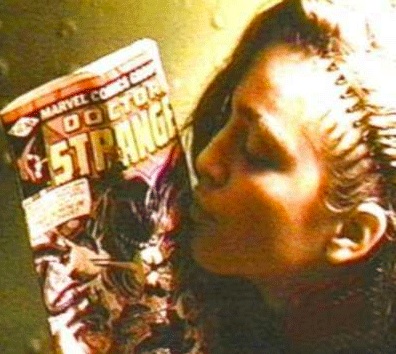
Madonna Kissing Dr. Strange #45, Circa 1981

Madonna Strange

So says Rob Kelly, author of a book I would like to read called Hey Kids, Comics!: True Life Tales from the Spinner Rack.

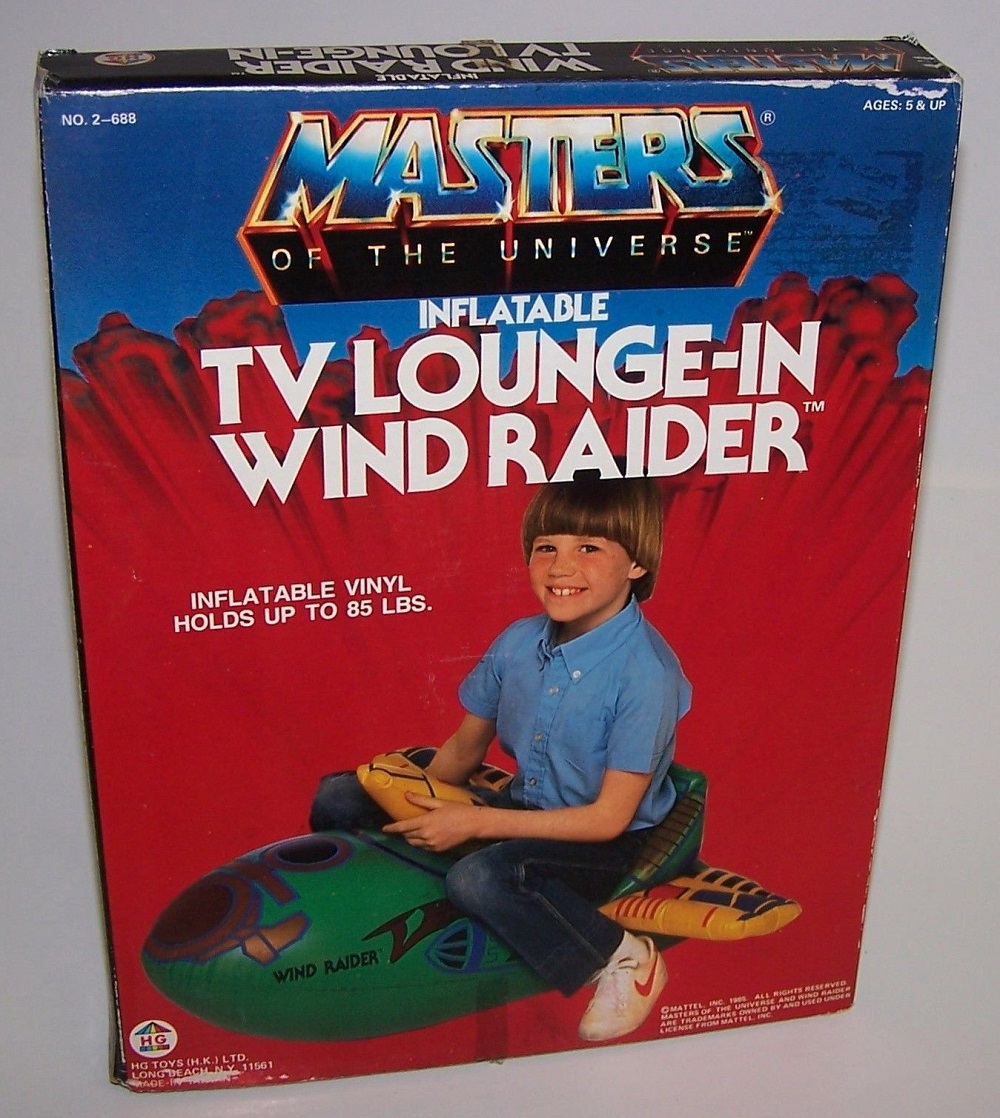
HG Toys: Masters of the Universe Inflatable Wind Raider (1985)

MOTU Wind Raider 1985

MOTU Wind Raider 1985-2

You guys are on your own. I’m all out of clever this morning.

(Images via Toyhelper/eBay)

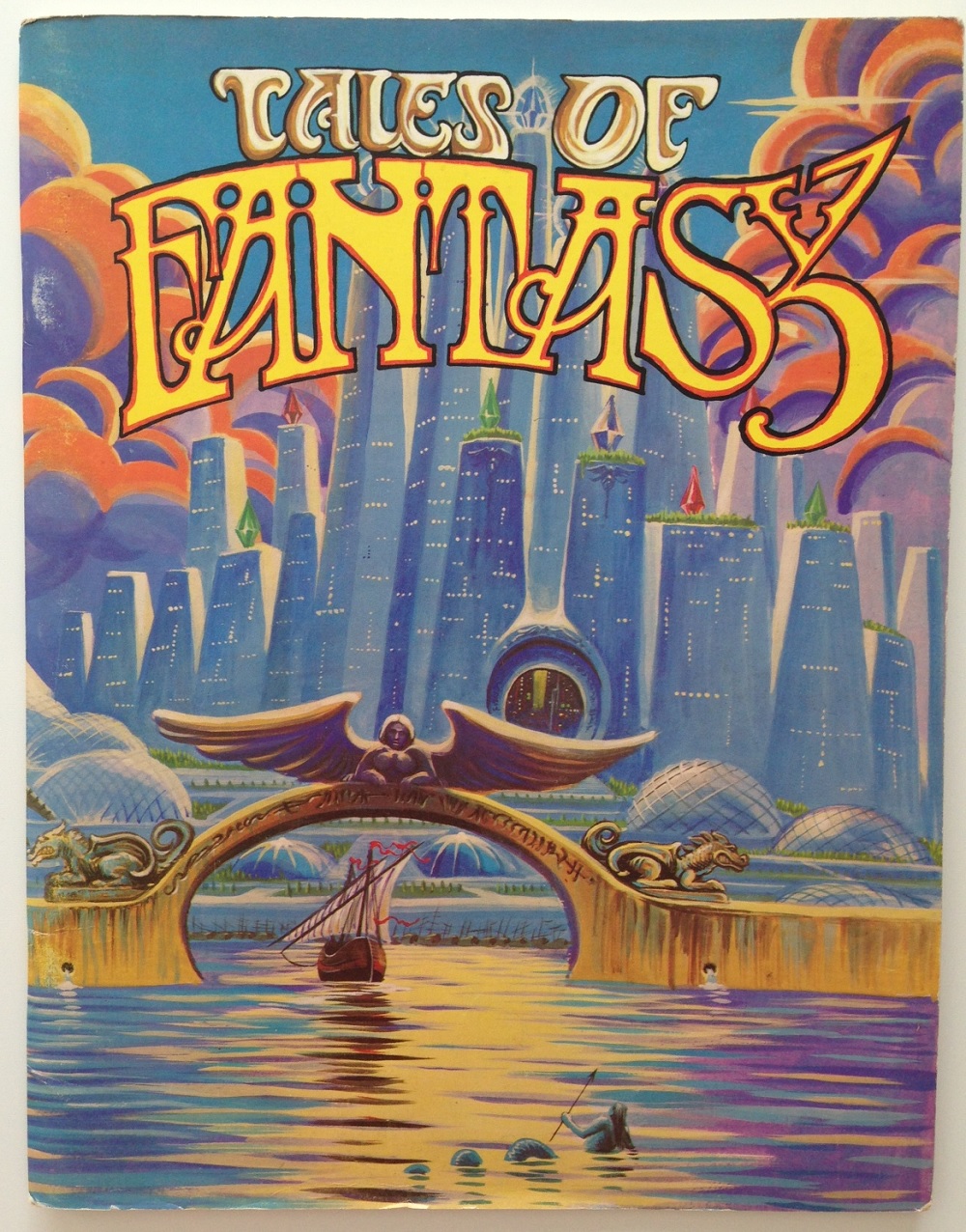
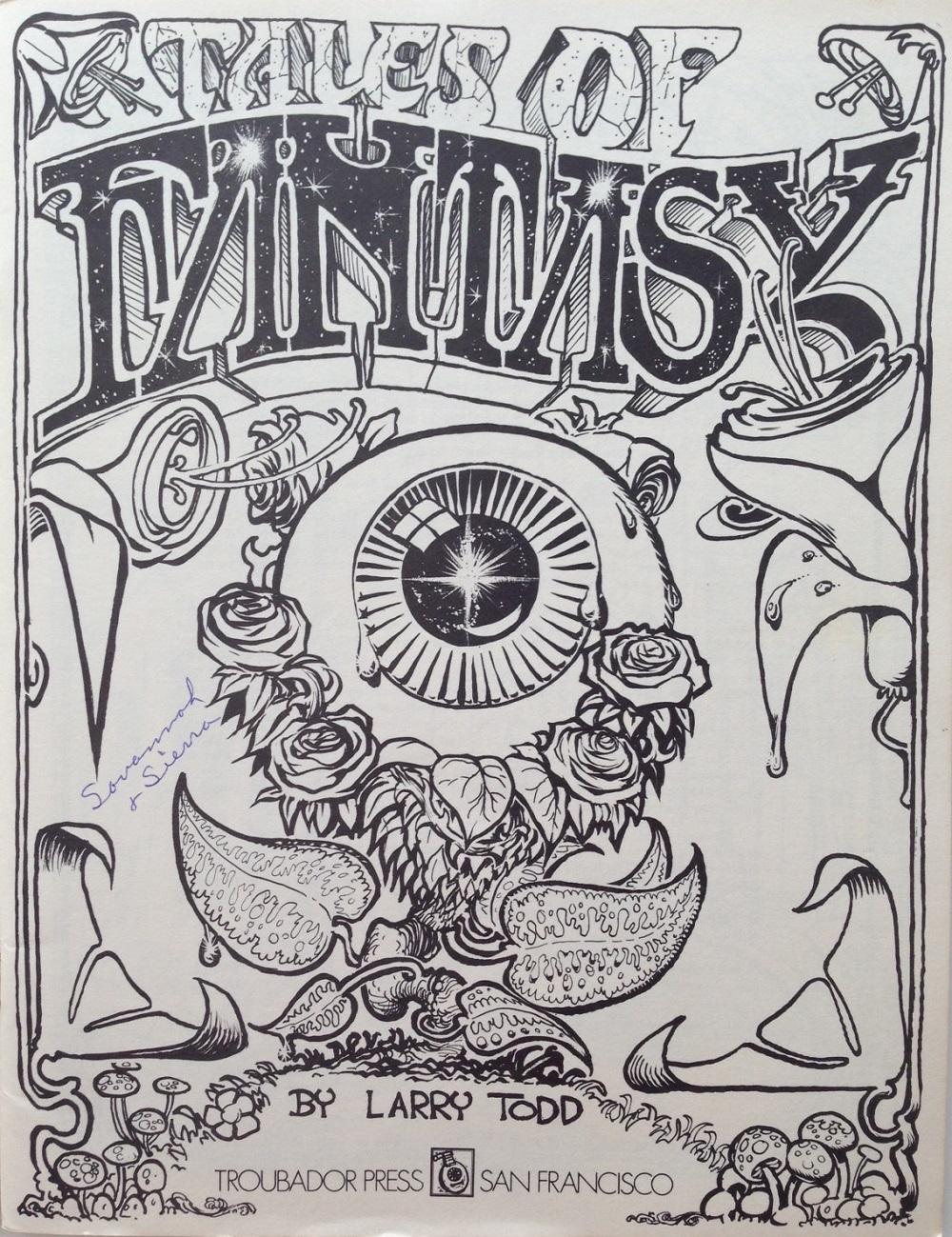
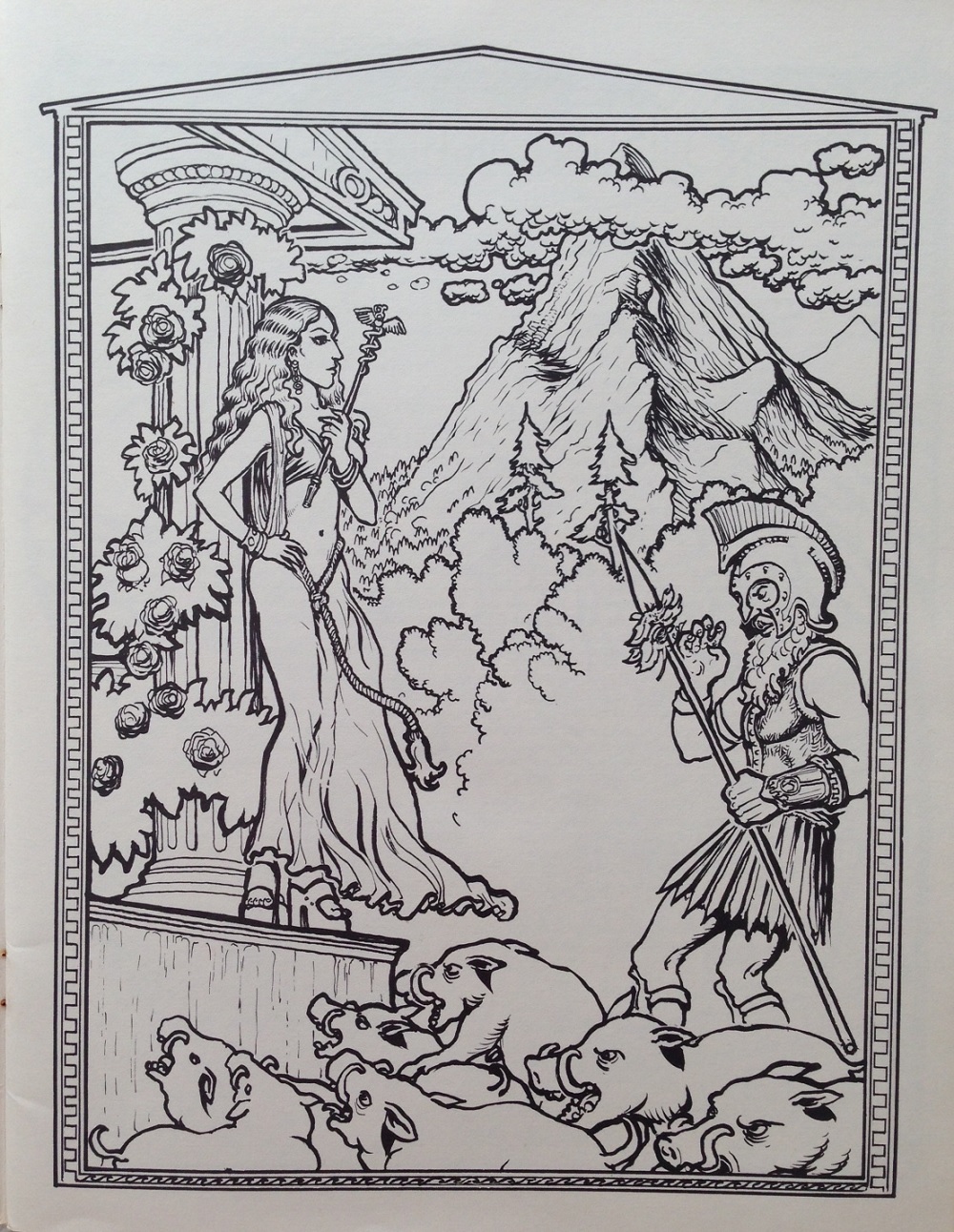
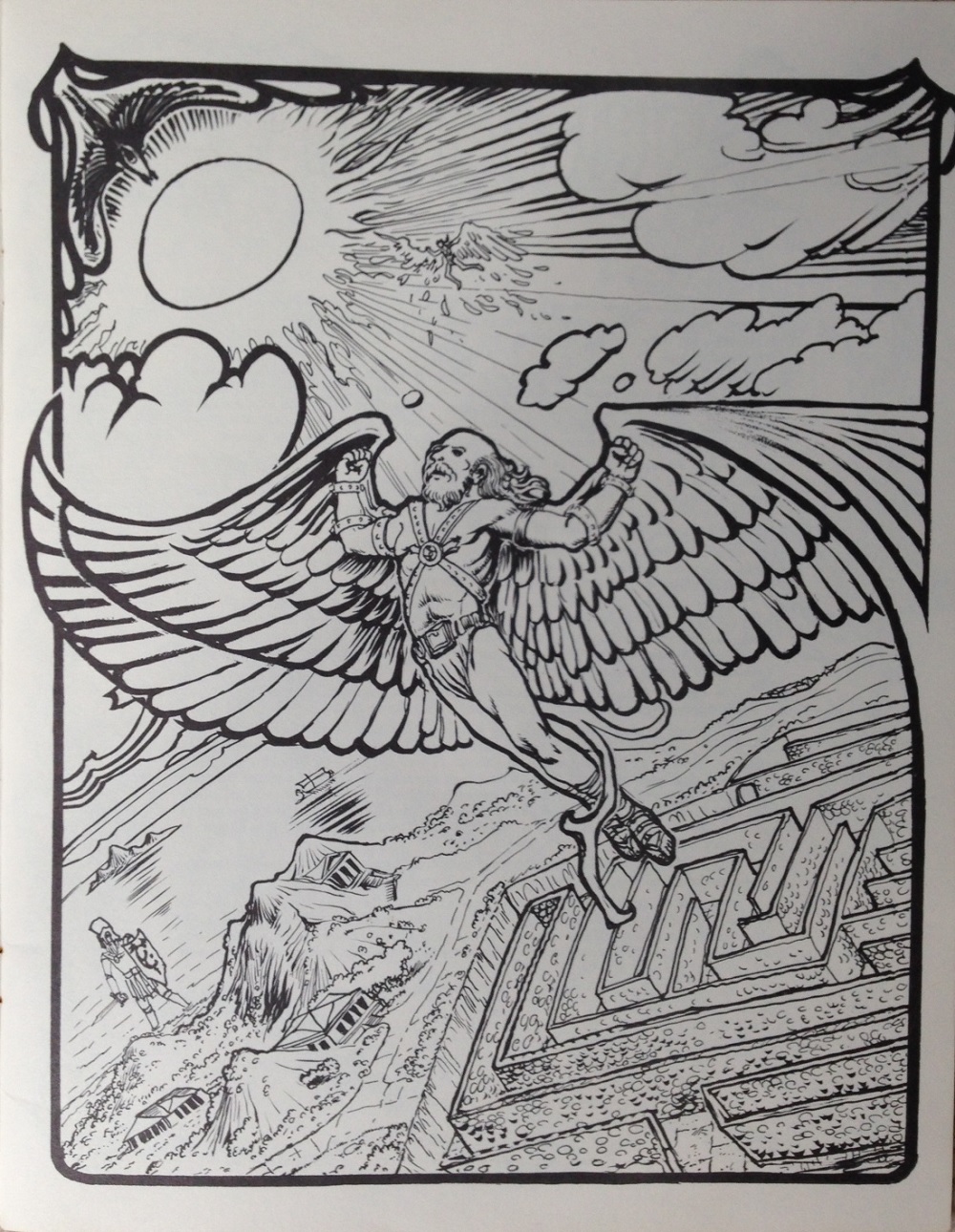
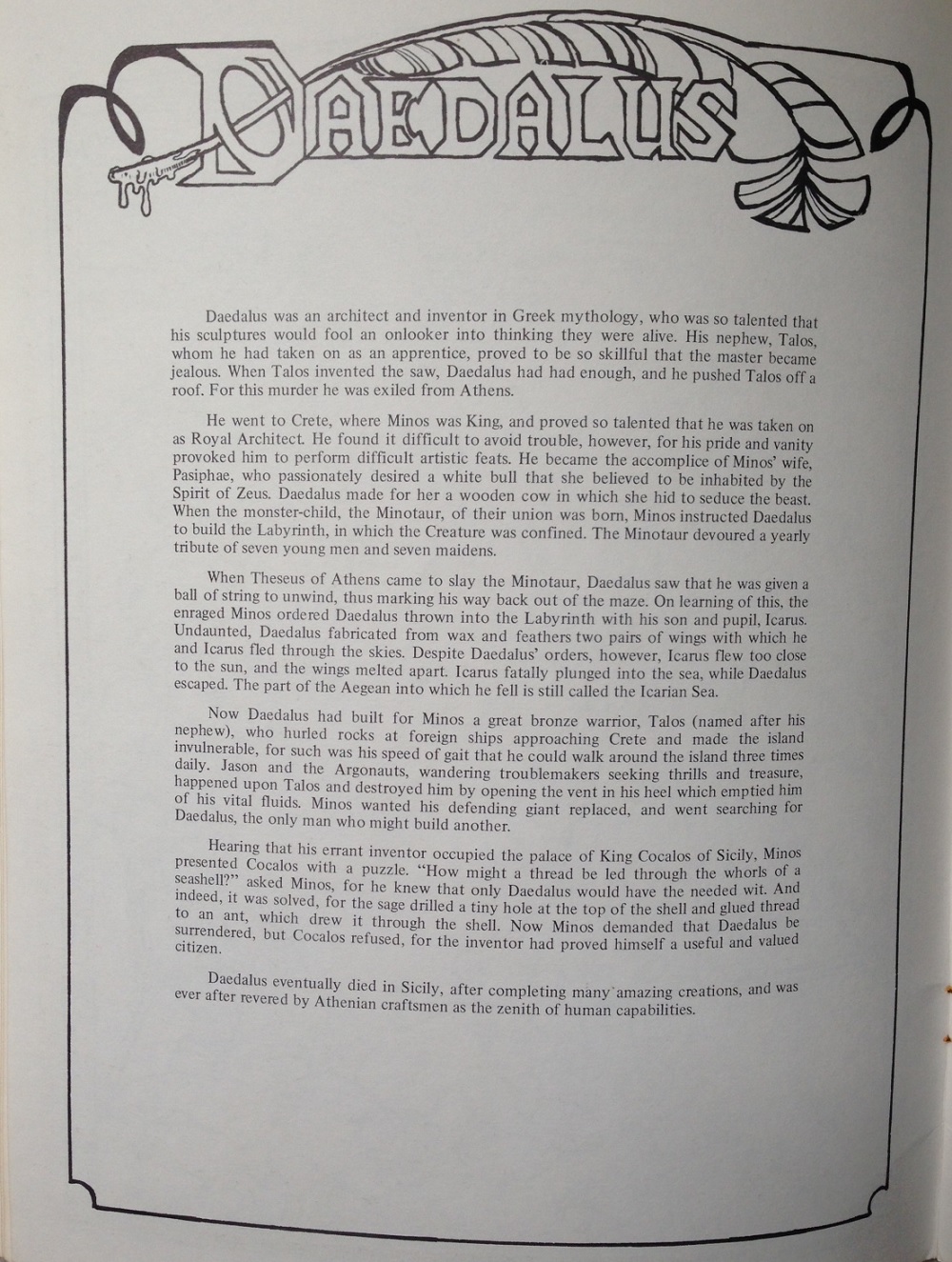
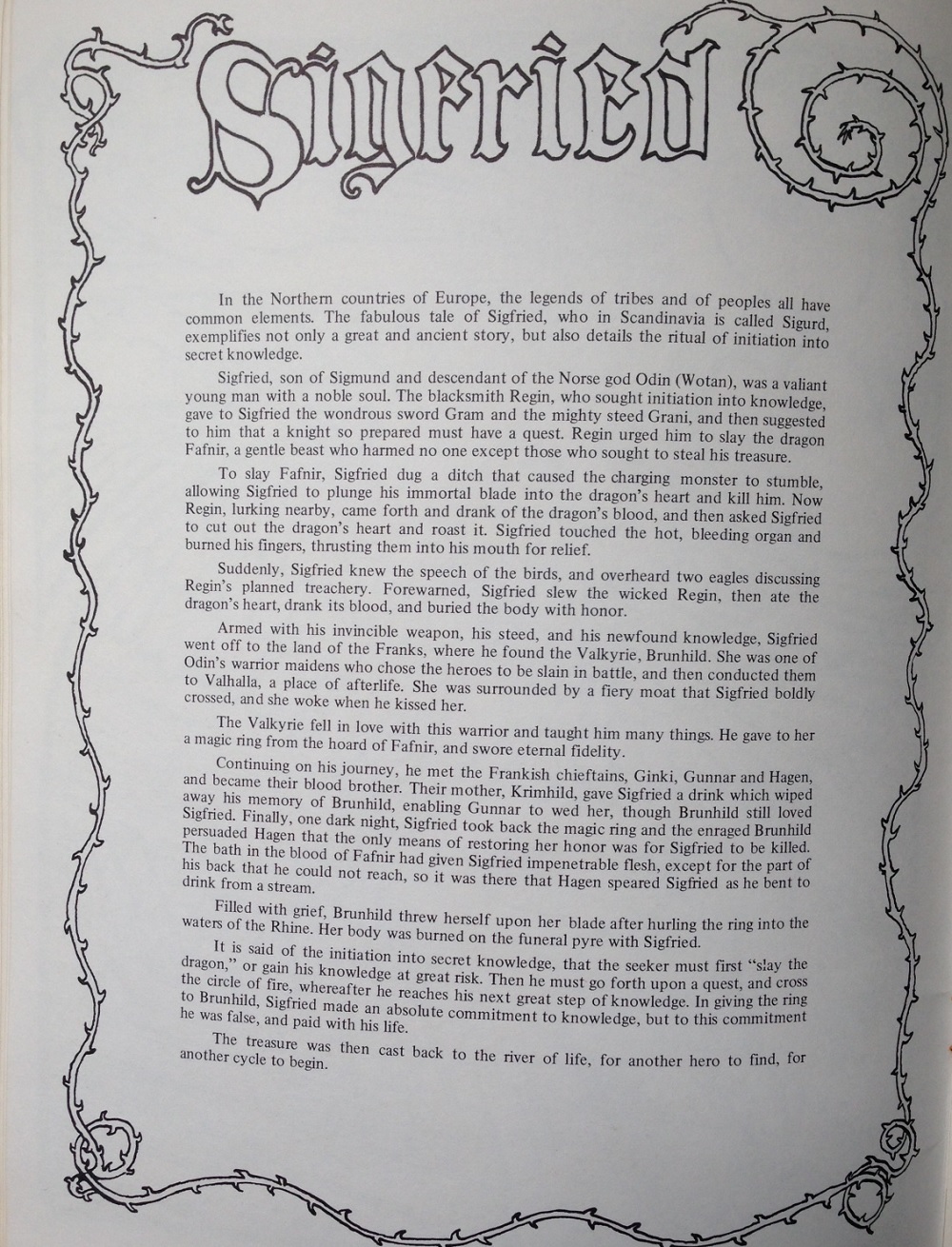
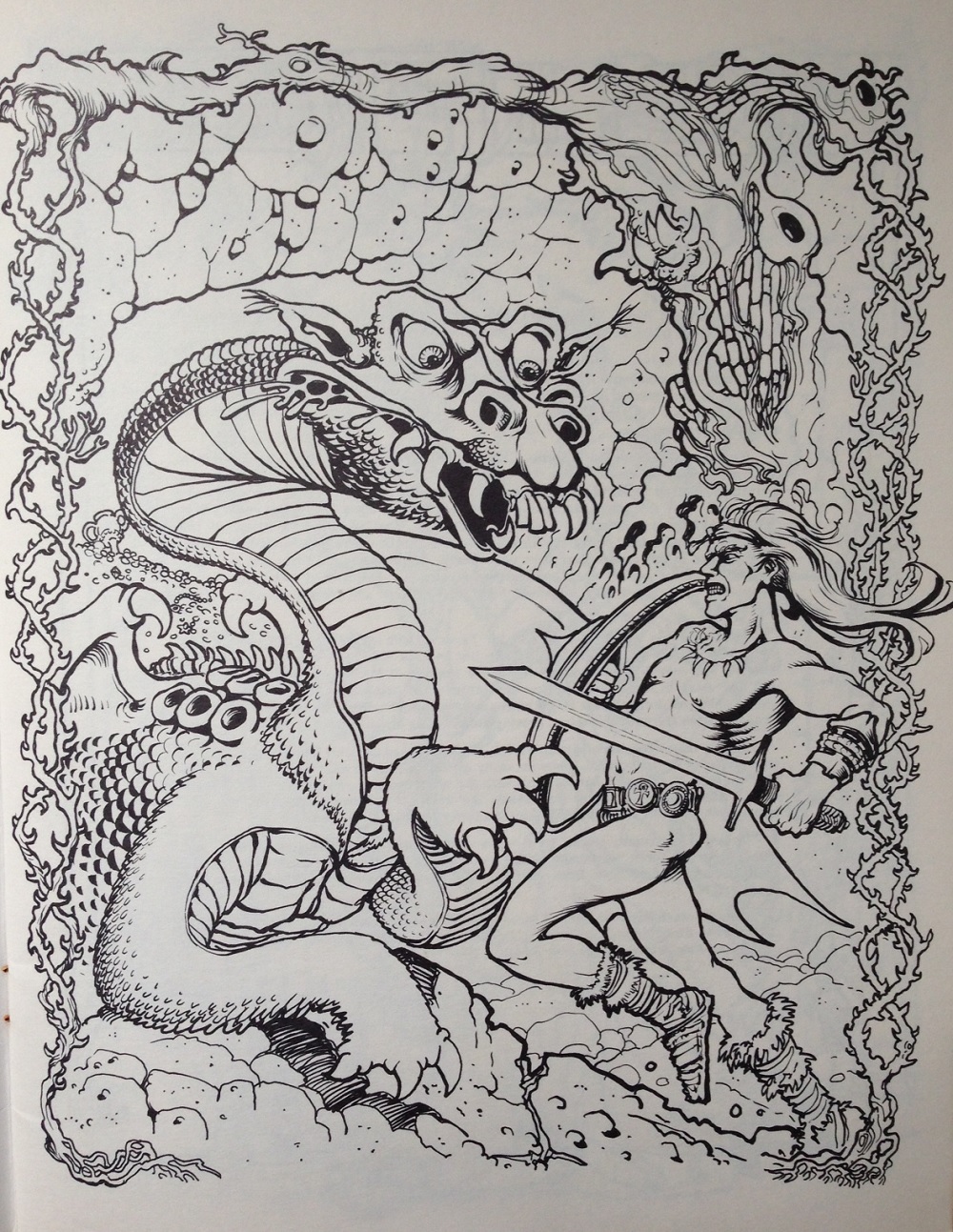
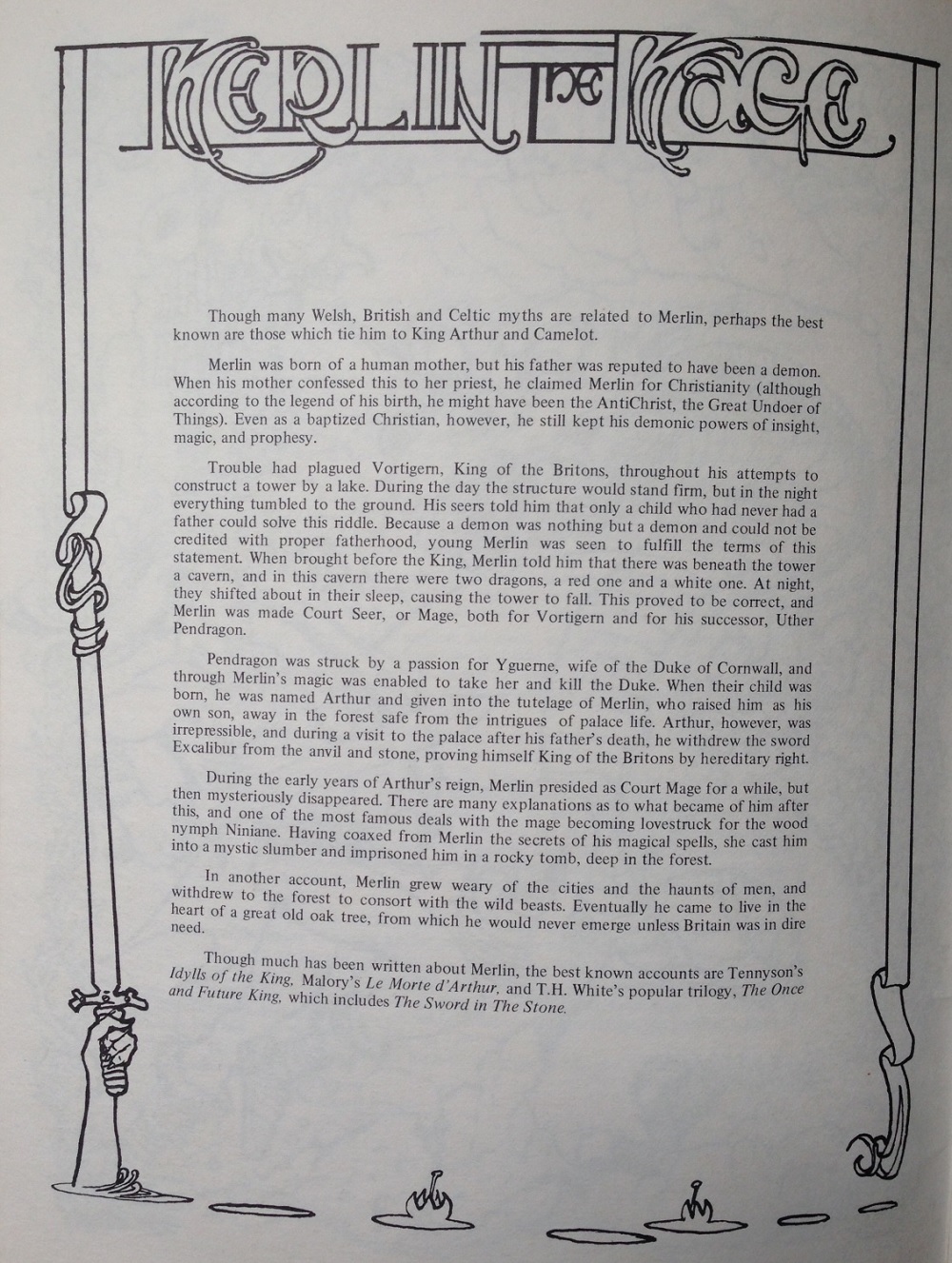
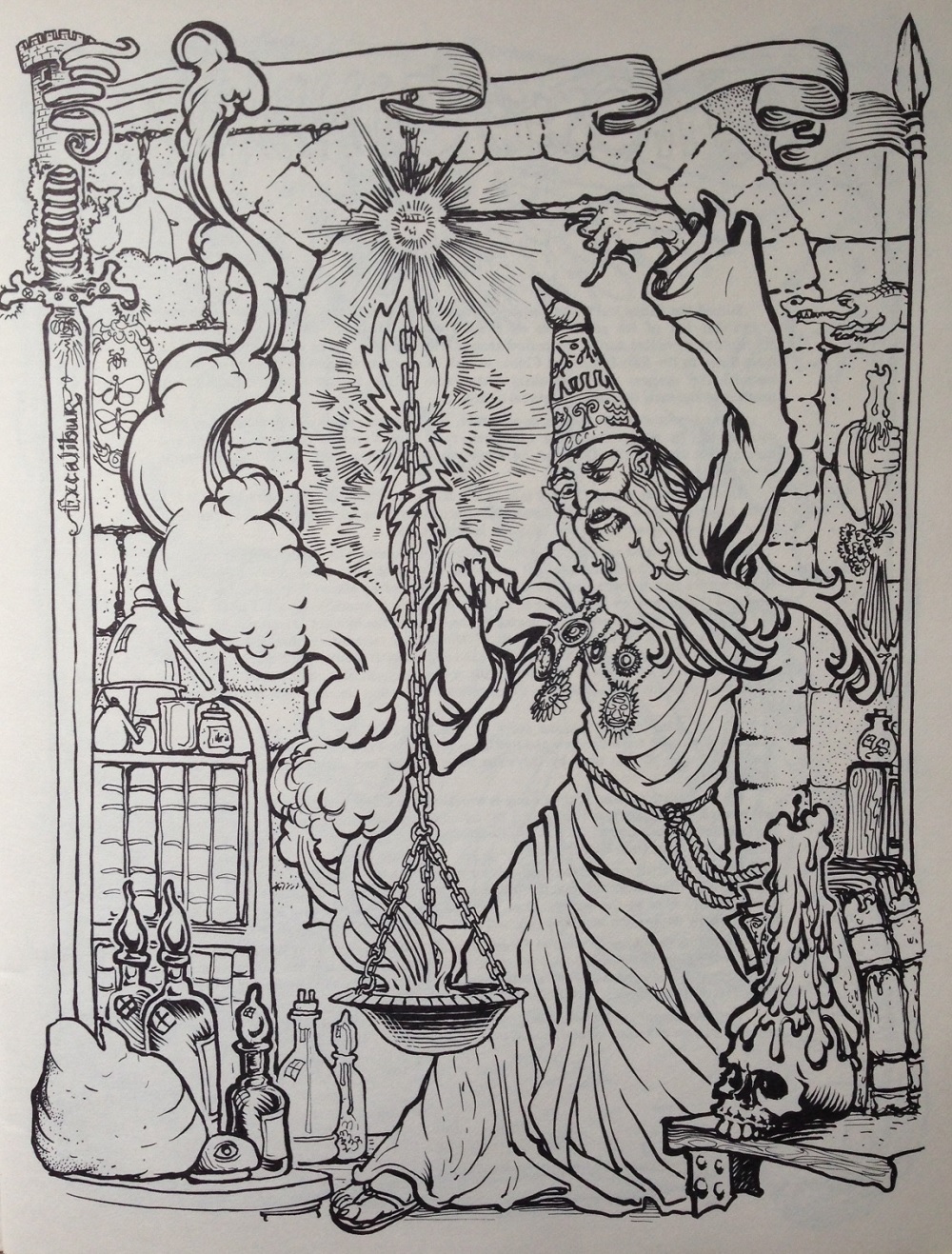
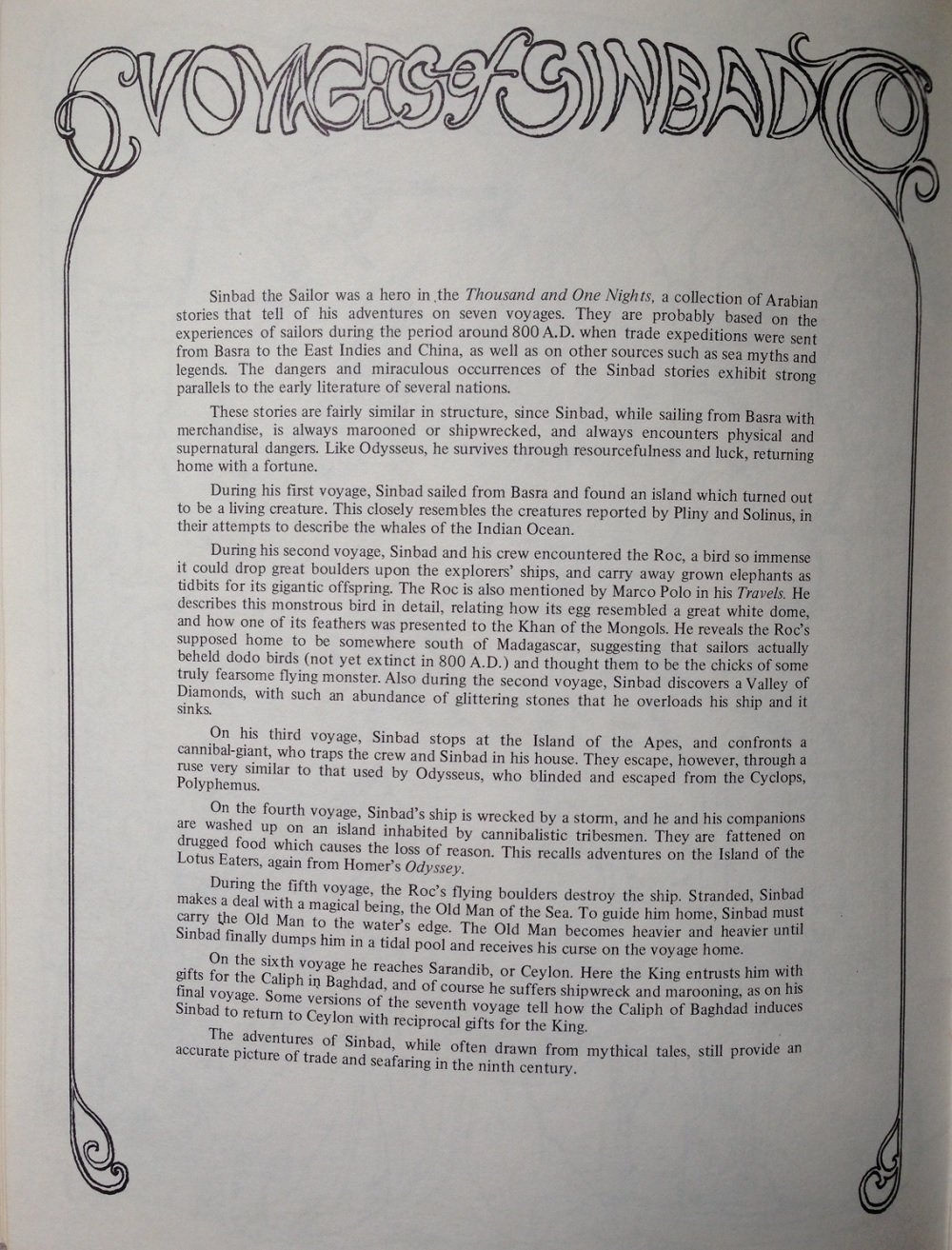
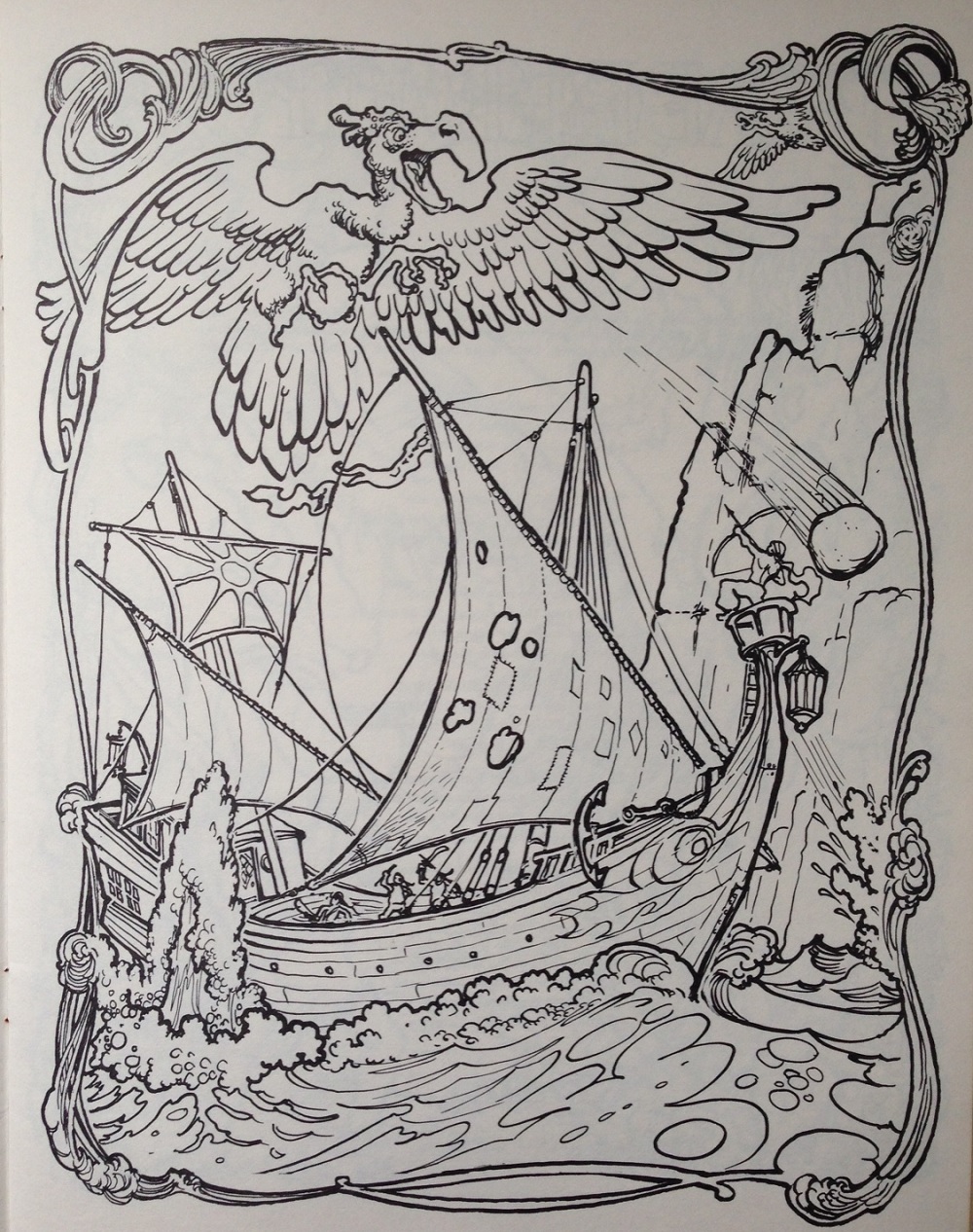
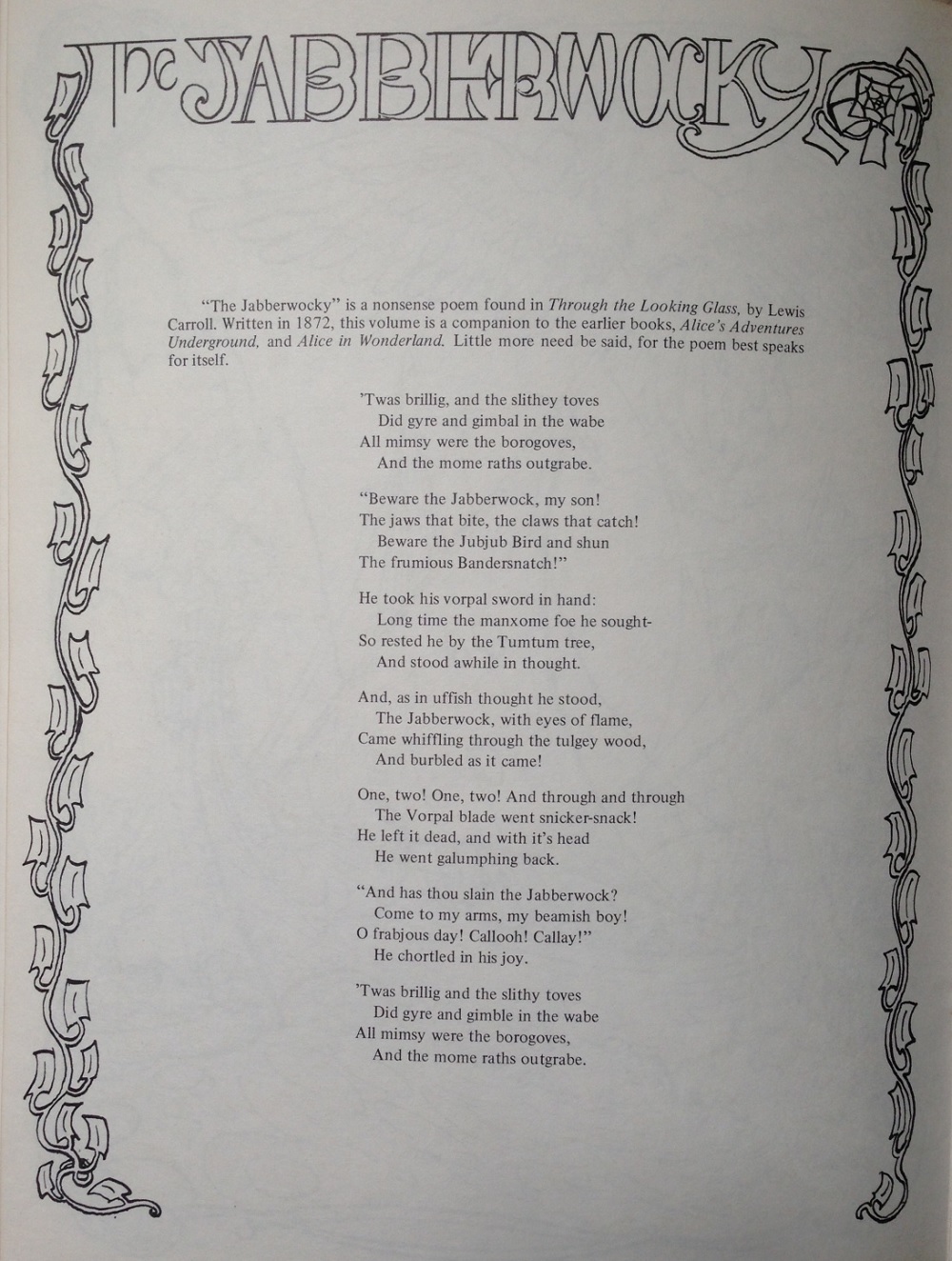
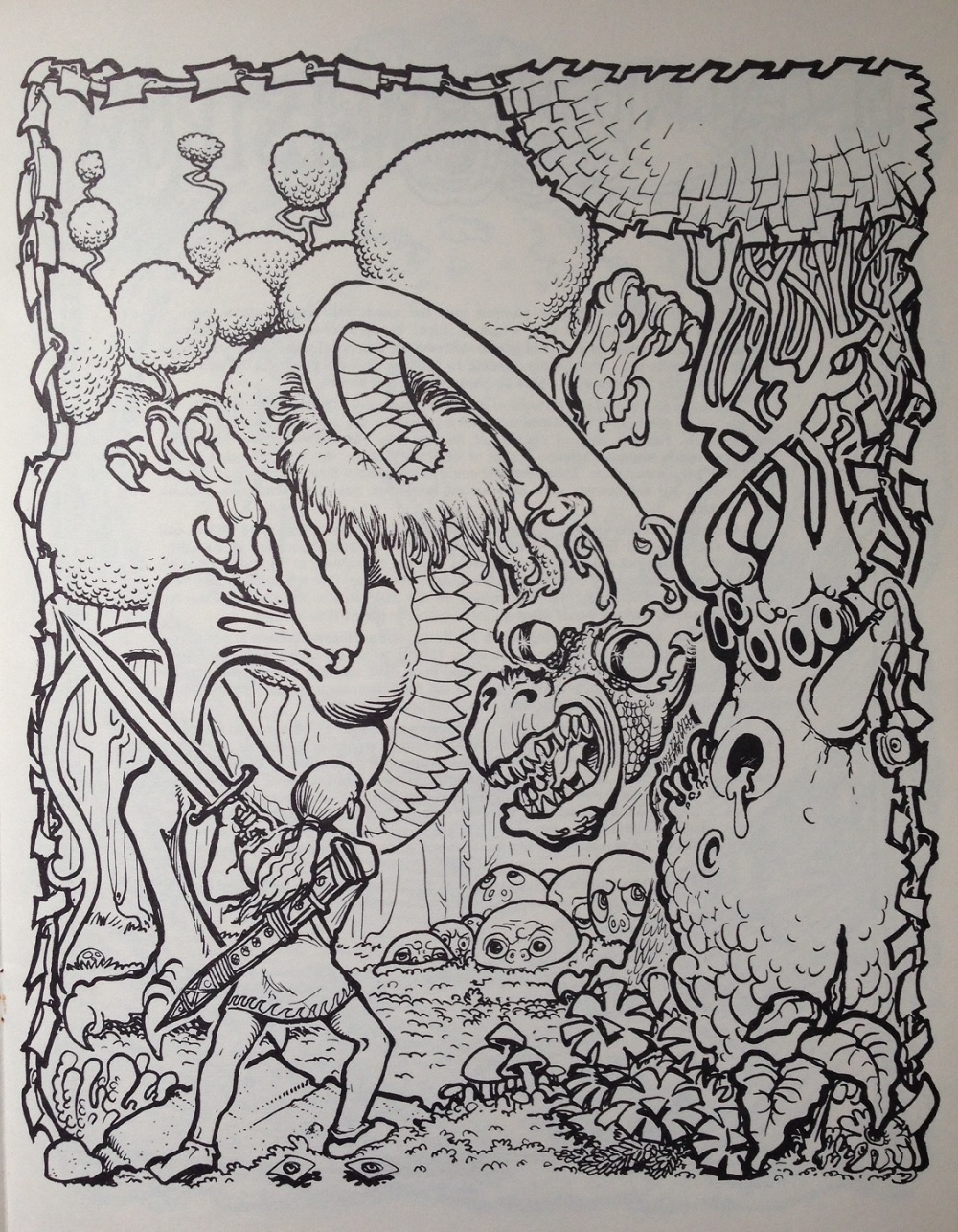
Tales of Fantasy by Larry Todd (Troubador Press, 1975) (Part One)

TOF FC 1975

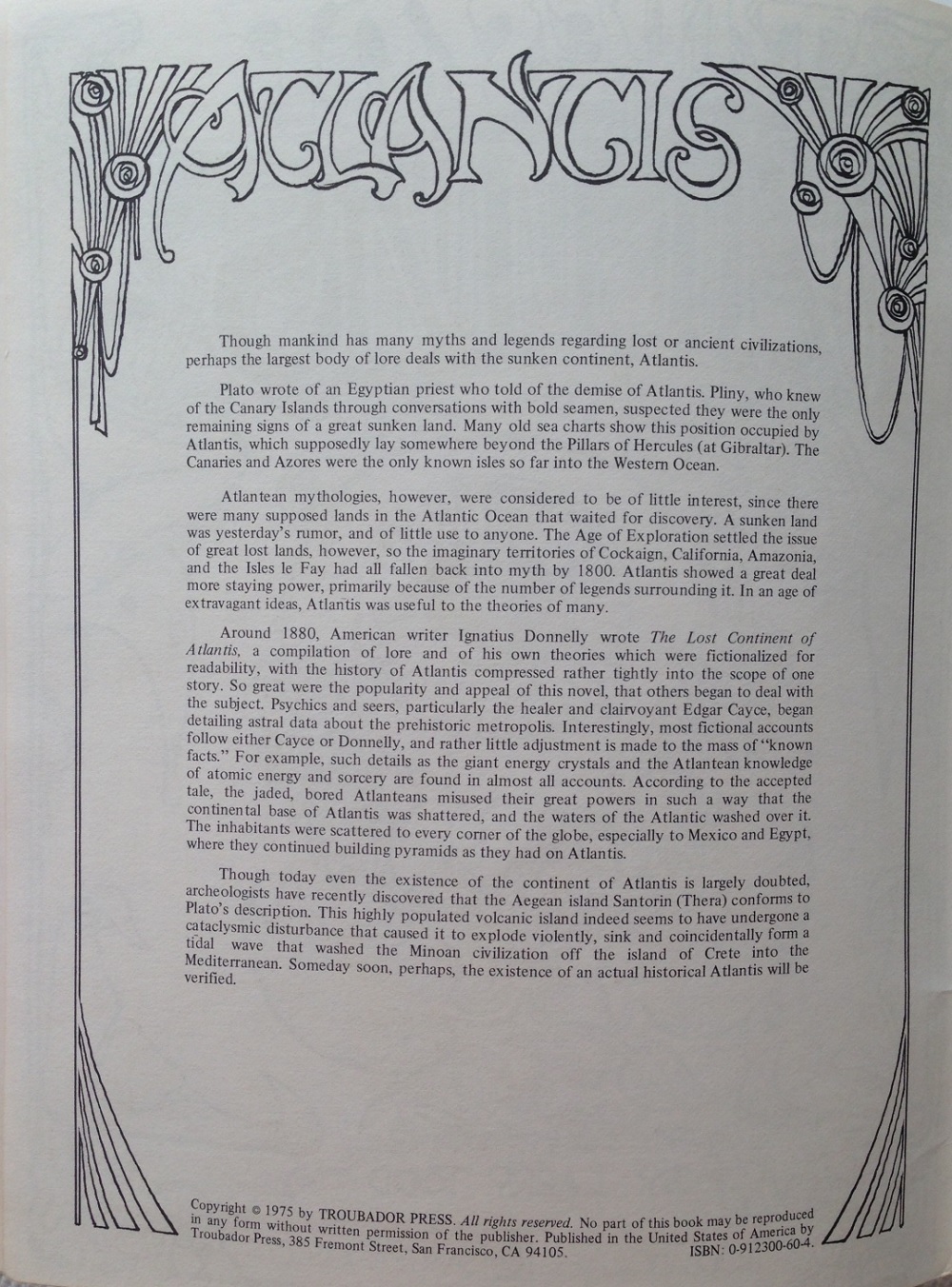
TOF TP 1975

TOF-1TOF-2

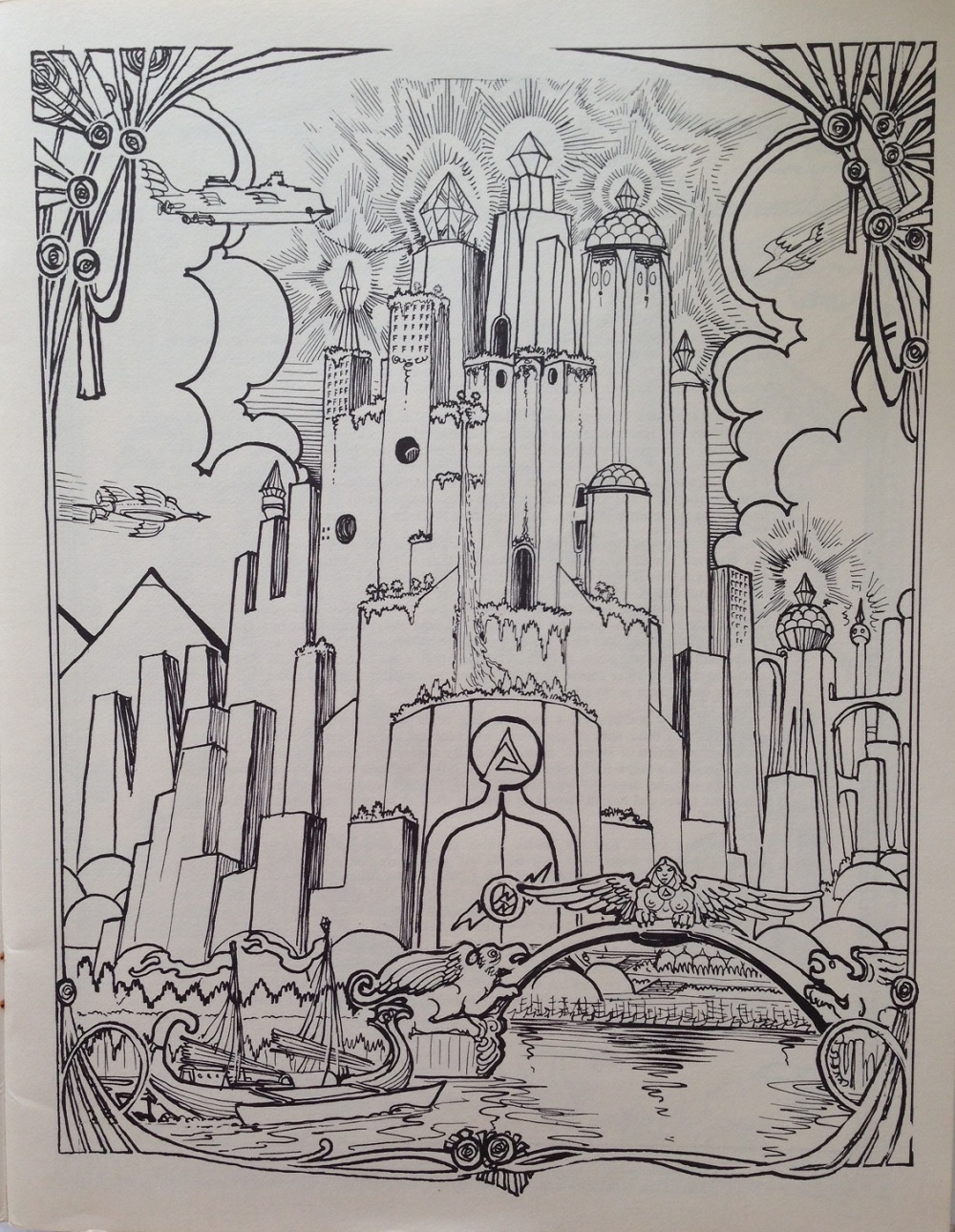
TOF-3

TOF-4

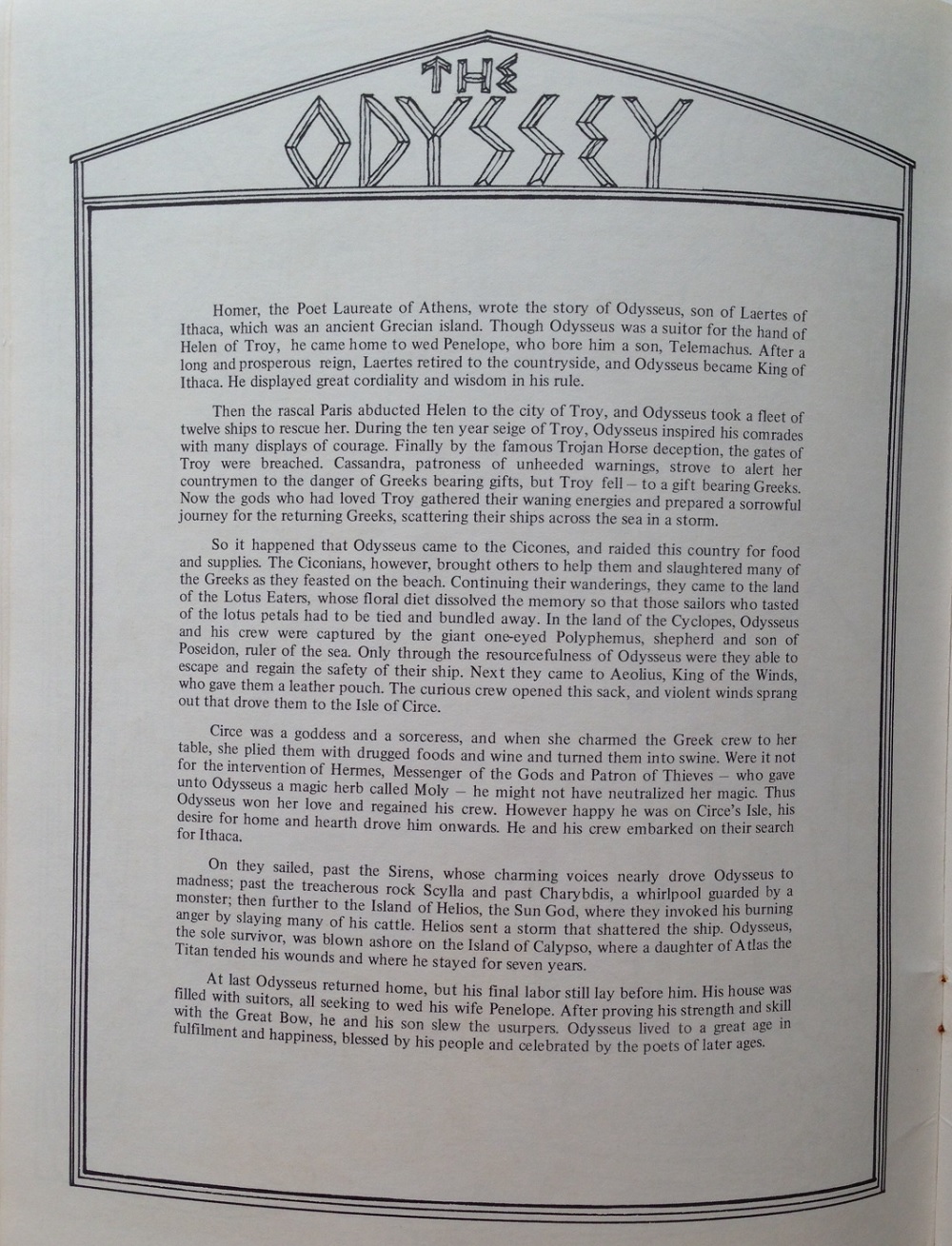
TOF-5TOF-6

TOF-7

TOF-8

TOF-9TOF-10

TOF-11TOF-12

TOF-13

TOF-14

I’ve briefly talked about Tales of Fantasy before. It’s one of the formative books of my youth, and I was very fortunate to find a copy in good condition. I asked Malcolm Whyte, founder and longtime director of Troubador Press, whose idea it was and how the project came together, and here’s what he said:

Tales of Fantasy was my idea. I wanted to round out a trilogy—a fantasy trilogy—that started with Monster Gallery (1973) and included Science Fiction Anthology (1974). All three books were then marketed as a set: if someone had one of the books, he must have the other two. I was also interested in having some of the underground cartoonists illustrate Troubador books. I knew of Larry Todd’s interest in science fiction from the underground comix he wrote for and especially his wonderful Dr. Atomic character, and signed him up for Tales of Fantasy.

As we were discussing which tales to include in the book, I was astounded by Larry’s depth of knowledge of great fantasy authors and realized that he had to write the book as well as illustrate it. Tales of Fantasy has more text than most of the other Troubador coloring albums.

Larry is a sweet, engaging, literate, post-hippy eccentric… Last I knew he was one of the few of a dying breed of hand-done sign painters.

Troubador’s `fantasy trilogy’ marks a high point not only in coloring books (fine art coloring albums, actually), but in the kind of intelligent entertainment publishers and culture creators once offered young people. Todd’s descriptions of the various tales are exciting and comprehensive, and his art is as enthralling today as it was then.

Fantasy became a genre proper when the young people of the 1960s embraced and popularized The Lord of the Rings. In fact, there’s an important passage about Tolkien’s influence in Theodore Roszak’s definitive analysis of the `youth opposition’, The Making of a Counter Culture (1969):

The hippy, real or as imagined, now seems to stand as one of the few images toward which the very young can grow without having to give up the childish sense of enchantment and playfulness, perhaps because the hippy keeps one foot in his childhood. Hippies who may be pushing thirty wear buttons that read “Frodo Lives” and decorate their pads with maps of Middle Earth (which happens to be the name of one of London’s current rock clubs). Is it any wonder that the best and brightest youngsters at Berkeley High School… are already coming to class barefoot, with flowers in their hair, and ringing with cowbells?

The allure of fantasy literature was (and still is, to many) that it offers a vision of “the days when the world was uncrowded and unregulated and ‘natural’ man flourished.” Emulating Middle Earth and its intrepid adventurers—even channeling the Cthulhu mythos of H.P. Lovecraft—was a form of protest against the crass industrial establishment, which Roczak called the ‘technocracy’.

Most of the territory geeks claim today was inherited from literate post-hippies like Larry Todd, thanks in part to literate, daring publishers like Malcolm Whyte.

Destroy All Computer Generated Monsters (Part Four): Mikey Walters’ Top Five ‘Guilty Pleasure’ Kaiju Films

1. King Kong Escapes (1967)
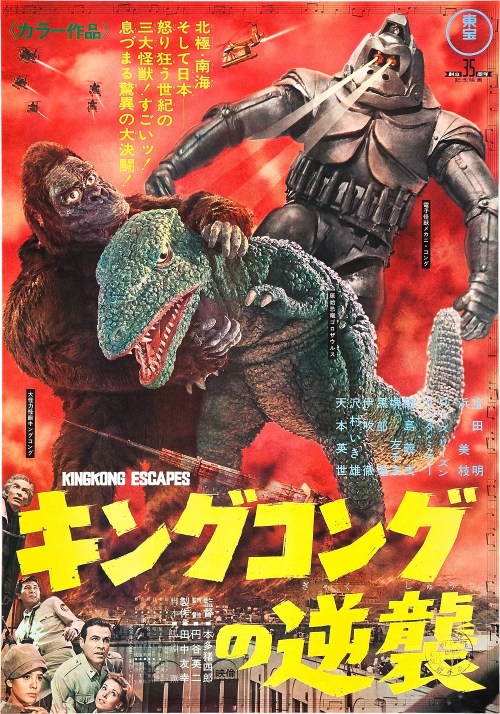
King Kong 1967

Japanese theatrical poster

What It’s About: An evil genius has trouble getting his giant mechanical ape to dig for Element X, so he decides to capture the real King Kong to do the job.

Why It’s Unique: I can’t help it, Mechani-Kong is just fantastic.

Favorite Scene: Kong’s battle with Gorosaurus is fun, but I also like the effective Tokyo Tower close-ups of girders crushing as Kong and Mechani-Kong climb and fight.

Watch the English trailer here.

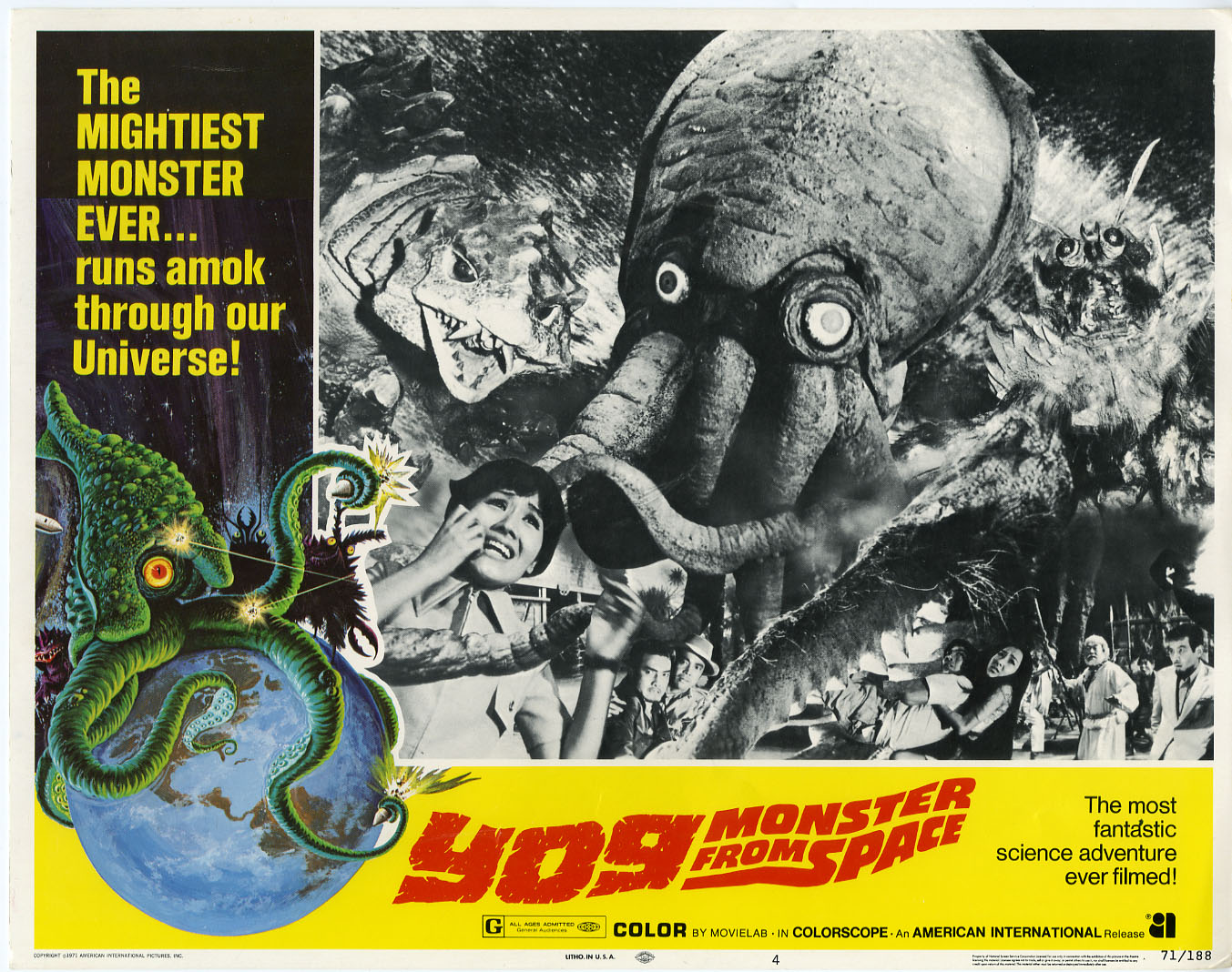
2. Space Amoeba (1970)

Yog Lobby 1971

American lobby card, 1971

What It’s About: An extraterrestrial amoeba inhabits various Earth creatures and mutates them into kaiju.

Why It’s Unique: This is a super fun triple kaiju (giant squid, giant crab, and giant turtle) film, and just thinking about it makes me wish I had a toy Gezora.

Favorite Scene: Gezora’s huge eyes and floppy tentacles are so much fun to watch moving upright on land!

Watch the original trailer here.

3. Latitude Zero (1969)

Latitude 1969

American theatrical poster illustrated by Jack Thurston

What It’s About: Rival super-scientists pit their super-submarines against one another over a super-utopia at the intersection of the Equator and the International Date Line.

Why It’s Unique: Truthfully, this is more of a straight tokusatsu film than a kaiju movie, but at least there’s a giant flying lion, and everyone needs to see Cesar Romero’s performance.

Favorite Scene: Malic (Romero) is deliciously insane as he uses a rotating saw and a hand drill to perform a human-lion brain transplant.

Watch the English trailer here.

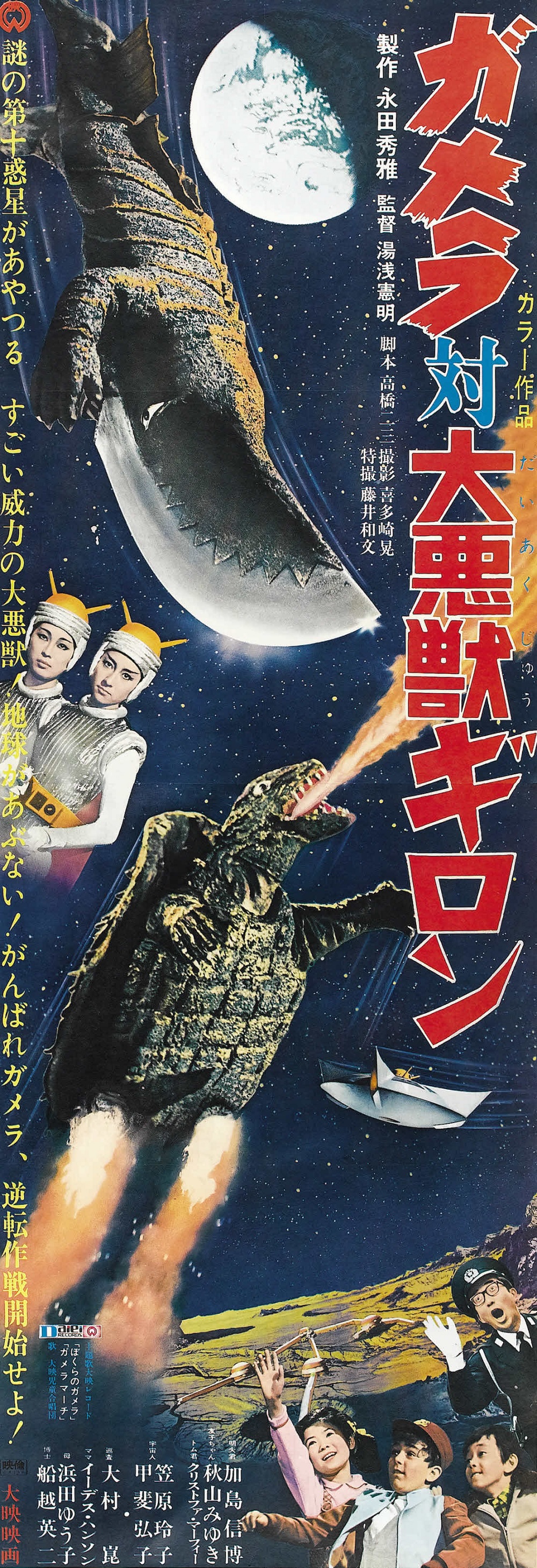
4. Gamera vs. Guiron (1969)

Gamera Guiron 1969

Japanese theatrical poster

What It’s About: Gamera saves children from alien cannibals on another planet.

Why It’s Unique: Guiron is a giant knife who slices up his enemies, and he also shoots throwing stars out of the side of his head just for fun.

Favorite Scene: Guiron is introduced by defeating a Space Gyaos, and after the battle he proceeds to sushi-fy the dead creature!

Watch the original trailer here.

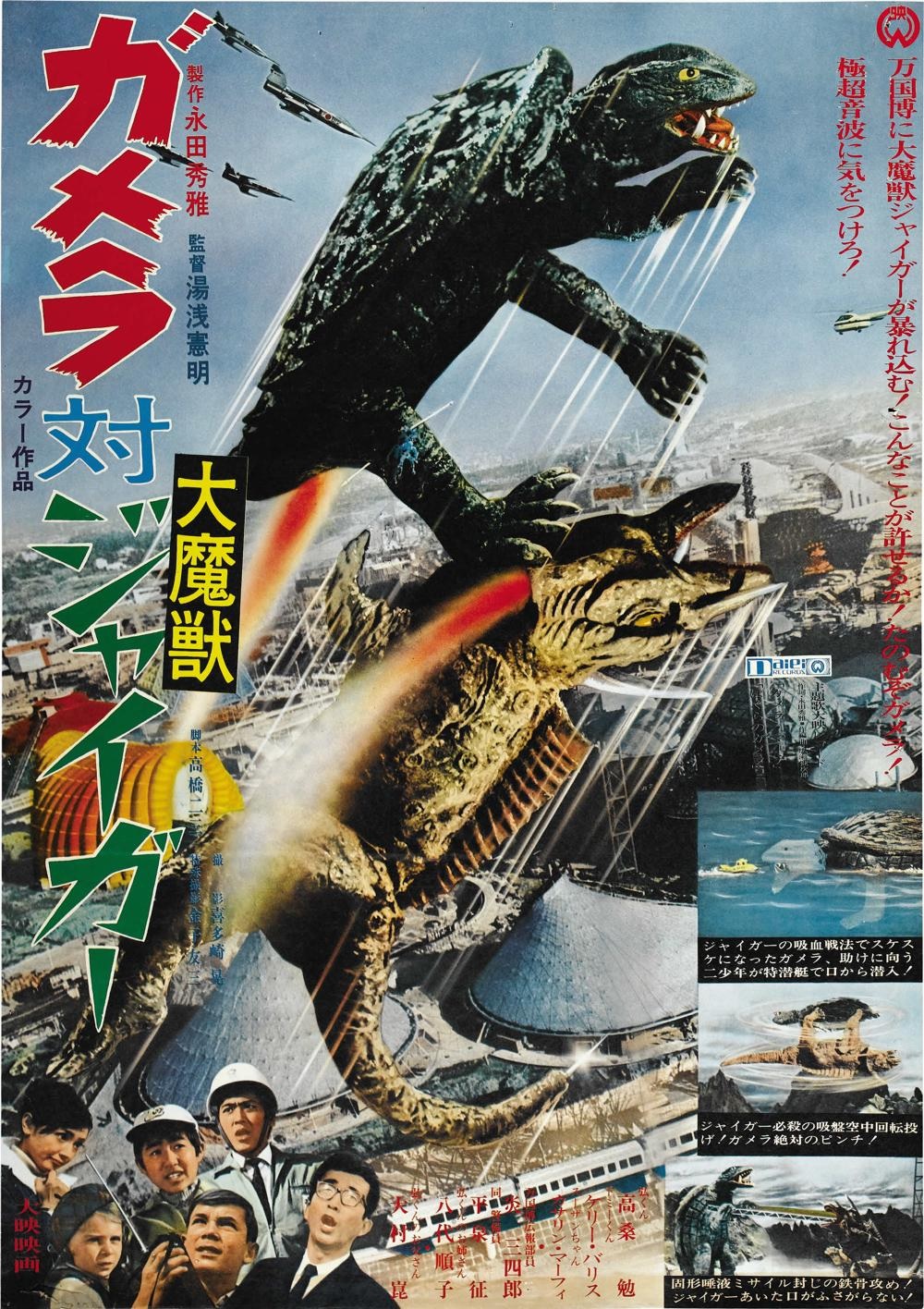
5. Gamera vs. Jiger (1970)
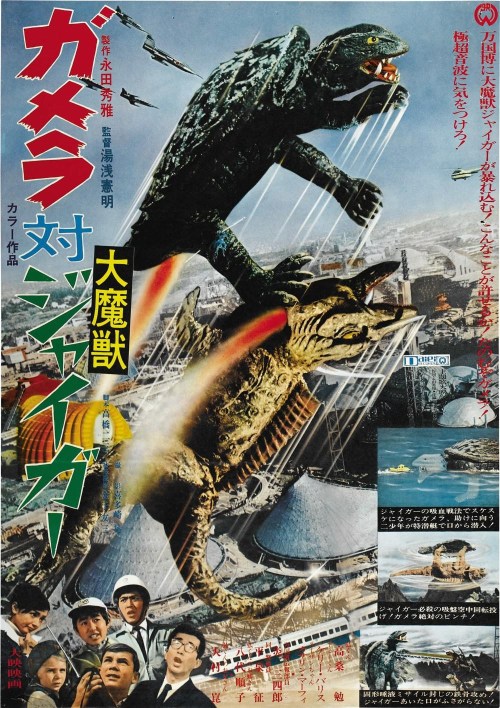
Gamera Jiger 1970

Japanese theatrical poster

What It’s About: Gamera meets Fantastic Voyage as kids pilot a small sub into the giant turtle’s body to save him from a baby kaiju.

Why It’s Unique: Jiger essential lays an egg inside Gamera, a pretty unique method of attack!

Favorite Scene: Pre-teen boys show absolutely no fear entering Gamera’s huge mouth. “Wow, a big tonsil!”

Watch the trailer here.

___________________________________

Parts one through three of Destroy All Computer Generated Monsters are here, here, and here, respectively.

Movie poster image credits: Wrong Side of the Art (x3), Lost Video Archive, and Godzilla Wikia
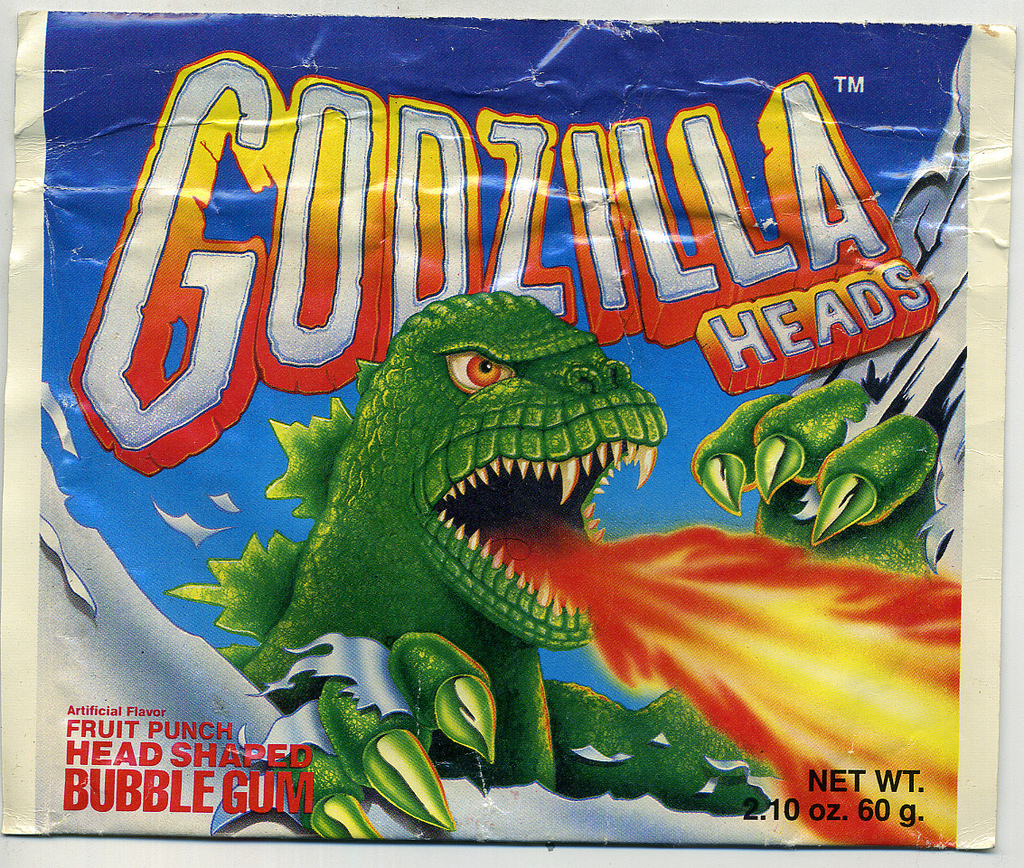
Godzilla Heads Bubble Gum (1988)

Godzilla Heads 1988

Godzilla Heads 1988-2

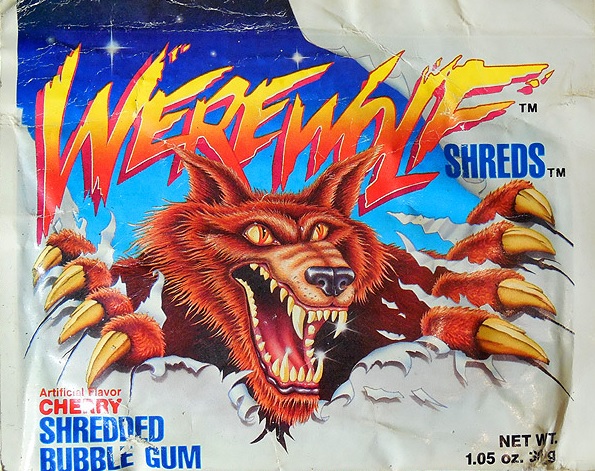
Pieces of bubble gum in the shape of Godzilla’s head? Yes, please. There were at least three monsters in the “Heads” series: King Kong and Werewolf were the other two. It seems a bit curious for 1988, but I have no doubt kids literally ate it up. Such is the power of sensational illustration. All three monsters also came in a “Shreds” variety, similar to Big League Chew, probably the best bubble gum experience any of us will ever have.

Below are the other package images I found.

King Kong Heads 1988

King Kong Shreds 1988

Werewolf 1988

(Images via Dan Goodsell/Flickr and Dinosaur Dracula)
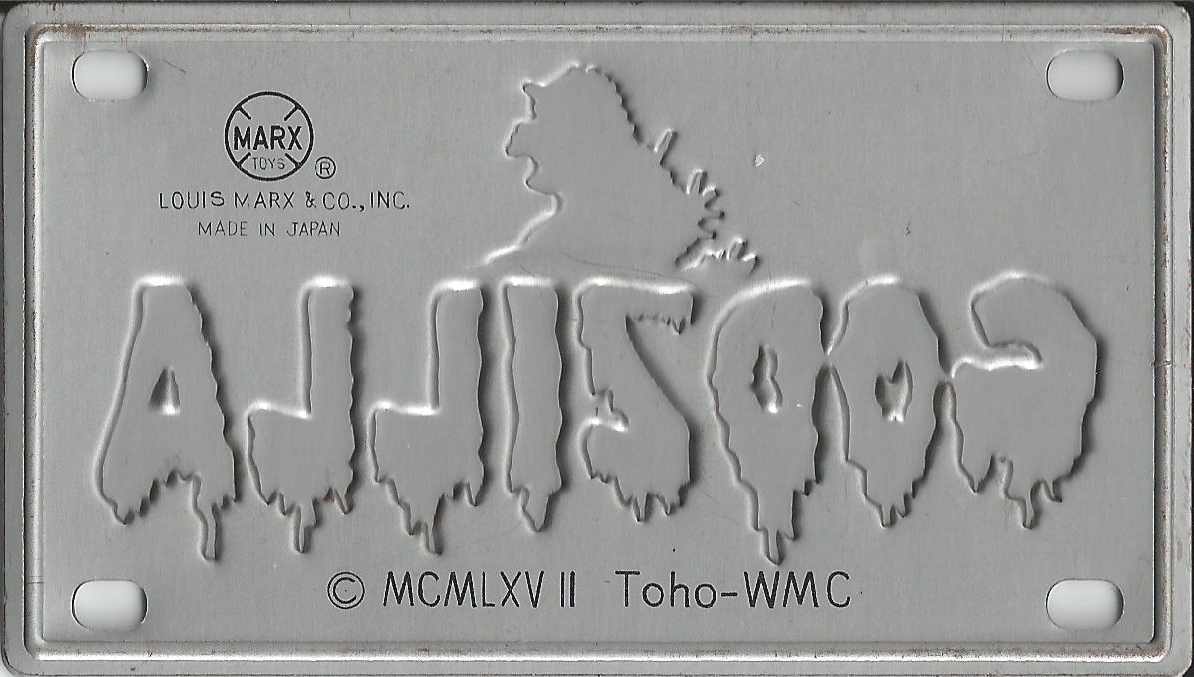
Marx Toys: Godzilla Bicycle License Plate (1967)
Godzilla Marx 1967

Godzilla Marx 1967-2

Incredible find by The Sphinx. Marx produced many plates in the 1960s featuring Spider-Man, Batman, Disney characters, and so on, but I had no idea they licensed and distributed one featuring the big guy.

Also, check out Sphinx’s ongoing checklist of Godzilla merchandise available in America up to 1985, with in-depth coverage of each item. Very cool.

Dungeons & Dragons Club, 1984

D&D Club 1984

You can’t hide from me, Greyhawk Grognard! Every time a portrait of old school D&D geeks appears on the internets, a little alarm goes off on my aging laptop and I spring into action (i.e. I click on my Google homepage and type in a couple of keywords).

All hail the Pingry School Dungeons and Dragons Club of 1984! They can’t beat you on the football field, but they will, if you cross them, destroy you and your cheerleading lapdogs with various applications of black magic, telekinesis, and Lankhmarian-made rapiers.

How many polo animal mascots can you spot?

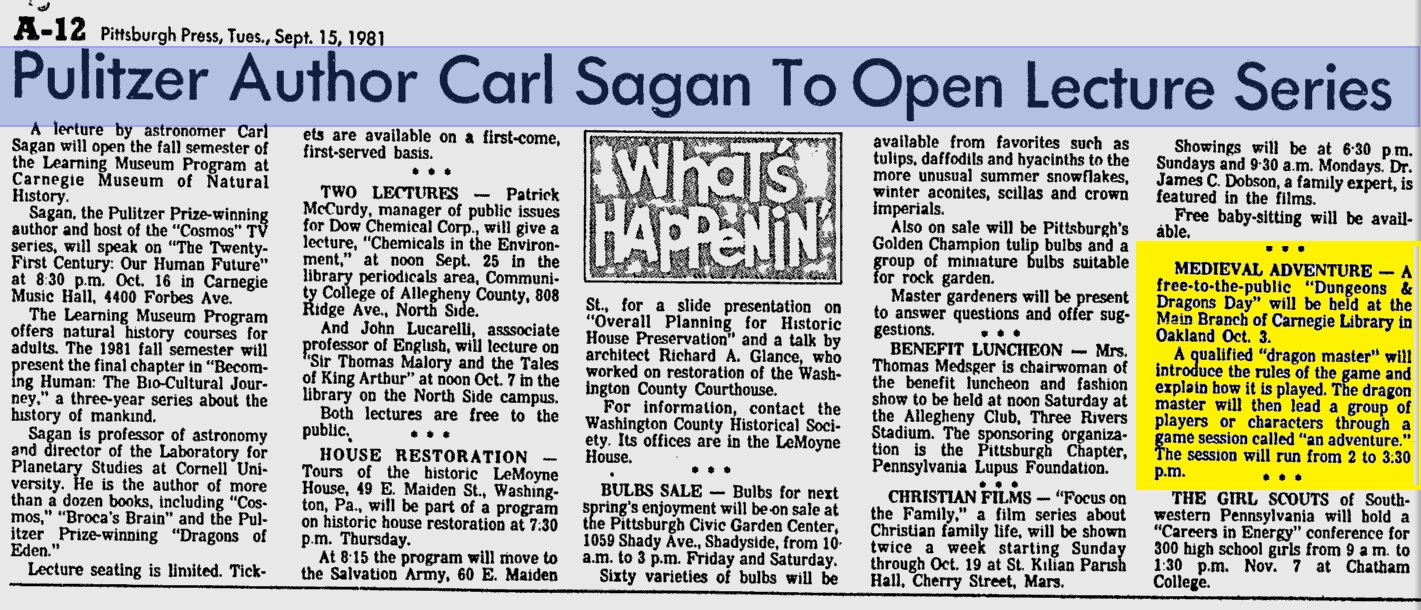
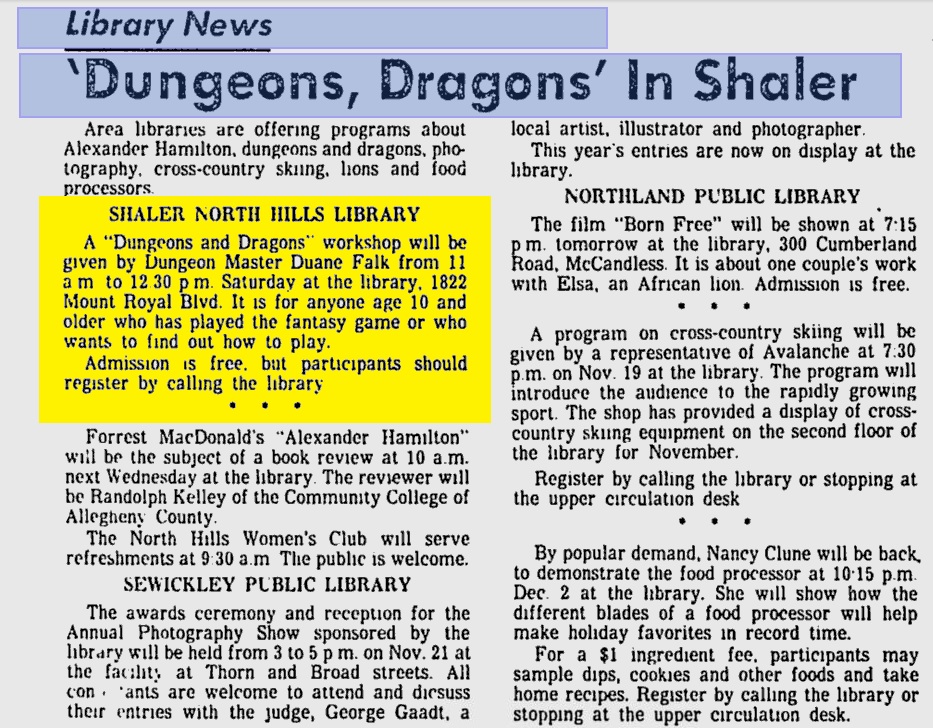
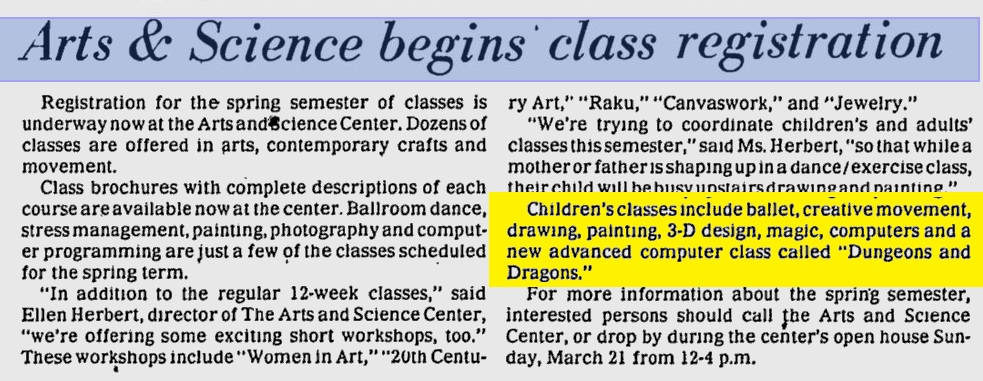
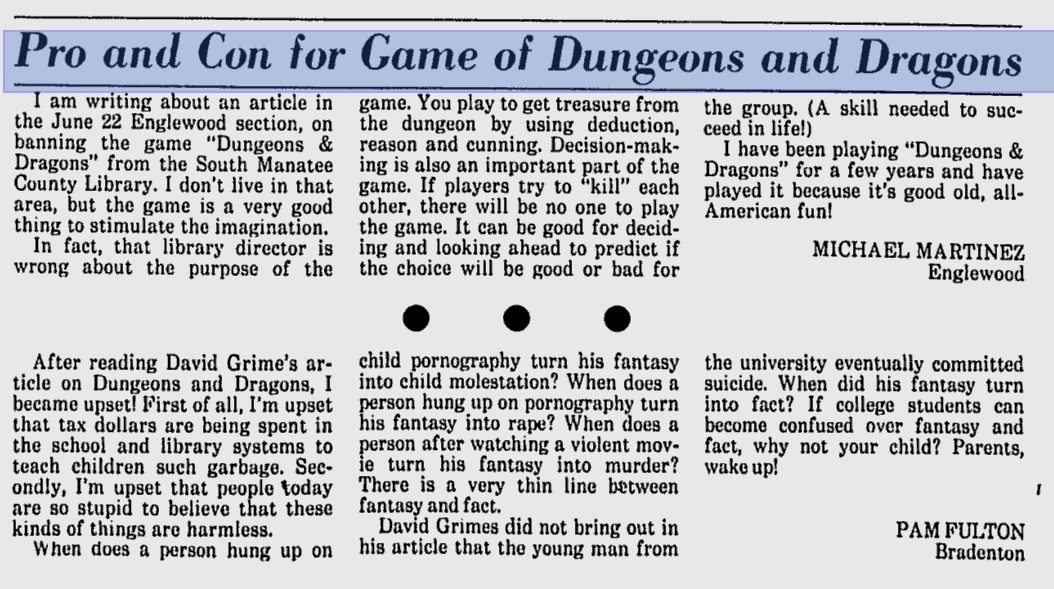
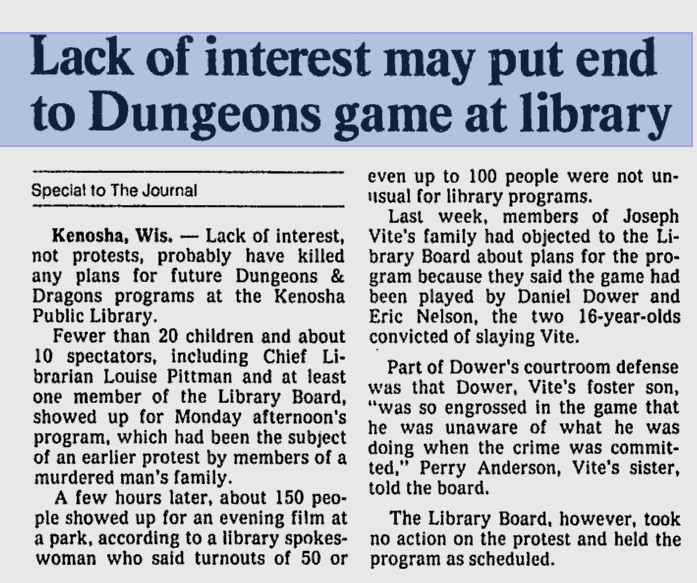
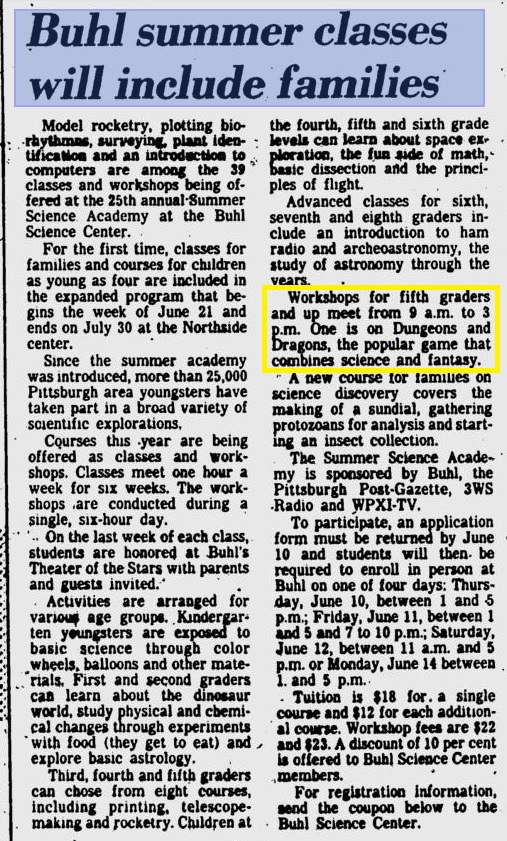
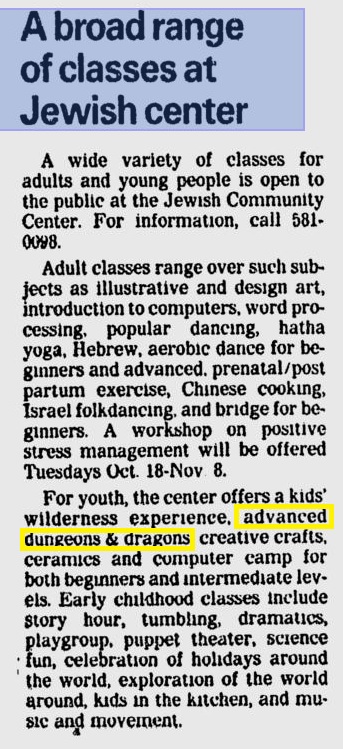
`Dungeons & Dragons Day’ at the Public Library, 1981 – 1985

D&D 9-15-81

D&D 11-10-81

D&D 3-12-82

D&D 5-15-82

D&D 9-29-83

D&D 7-1-84

D&D 7-16-85

The clippings are from (top to bottom) The Pittsburgh Press (9/15/81), The Pittsburgh Press (11/10/81), New Hampshire’s Nashua Telegraph (3/12/82), Pittsburgh Post-Gazette (5/15/82), Utah’s Deseret News (9/29/83), Florida’s Sarasota Herald-Tribune (7/1/84), and The Milwaukee Journal (7/16/85).

Certainly not an exhaustive list of ongoing D&D events sponsored by public institutions, but the narrative told in just these few cases is interesting enough. (I’ve mentioned D&D in science museums here and here). In the midst of all the nonsense spouted about the game, most adults managed to keep an even head about it. My parents didn’t understand how it worked or why I found it so enthralling, but they trusted me enough to let me play, and, if I felt it was necessary, to stop playing.

That’s what’s changed. It wasn’t the Religious Right that killed all the quality, kid-friendly events and institutions of the ’70s and ’80s (arcades, youth centers, public playgrounds, roller rinks, summer camp, etc.), it was helicopter parents and their distrust (overprotection is a form of distrust) of their own children. If kids aren’t allowed to hang out by themselves with other kids, then all the fun places for kids get shut down, and they’re left thinking Angry Birds and Facebook are as good as it gets.

We need more places—more physical spaces—for kids to inhabit so that they can develop their own communities, languages, ideas, and rules. Otherwise, they’re never going to grow up. And they’re never going to understand what fun really is.


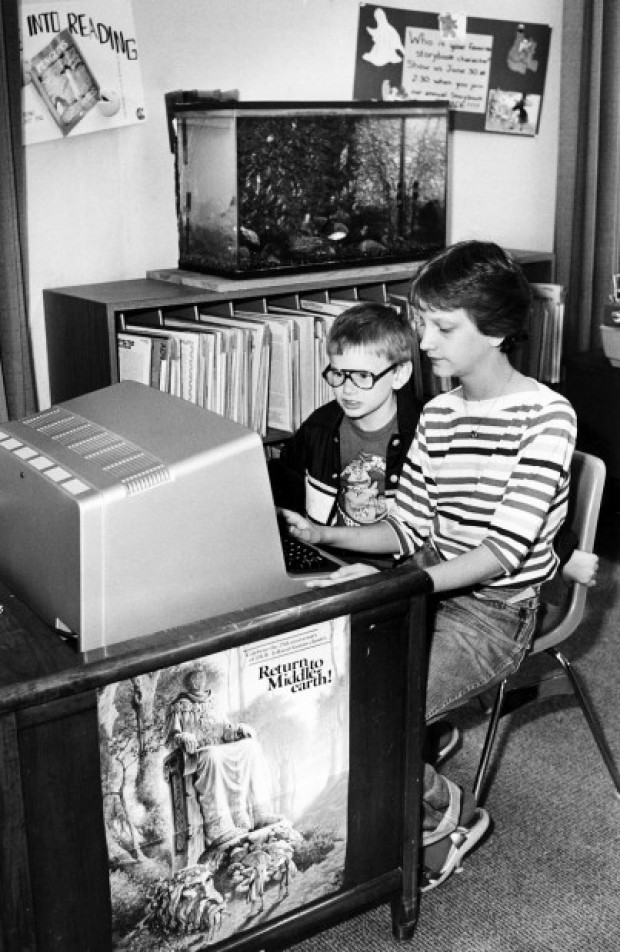
Kids Using Library Computer, 1982

Library 1982

Caption, from JournalStar.com: Bennett Martin Public Library volunteer Laura McKee, age 12, shows her cousin David Nolan, 7, how to use the computer in 1982.

The Bennett Martin Public Library is in Lincoln, Nebraska. Dig that Lord of the Rings poster! It’s the Darrell Sweet cover for Ballantine’s Silver Jubilee Edition of The Two Towers (1981).

My mom took me to the local library once a week. I was that kid.


Pages

Archives

Categories

Donate Button

Join 1,117 other subscribers