Archive for April, 2015


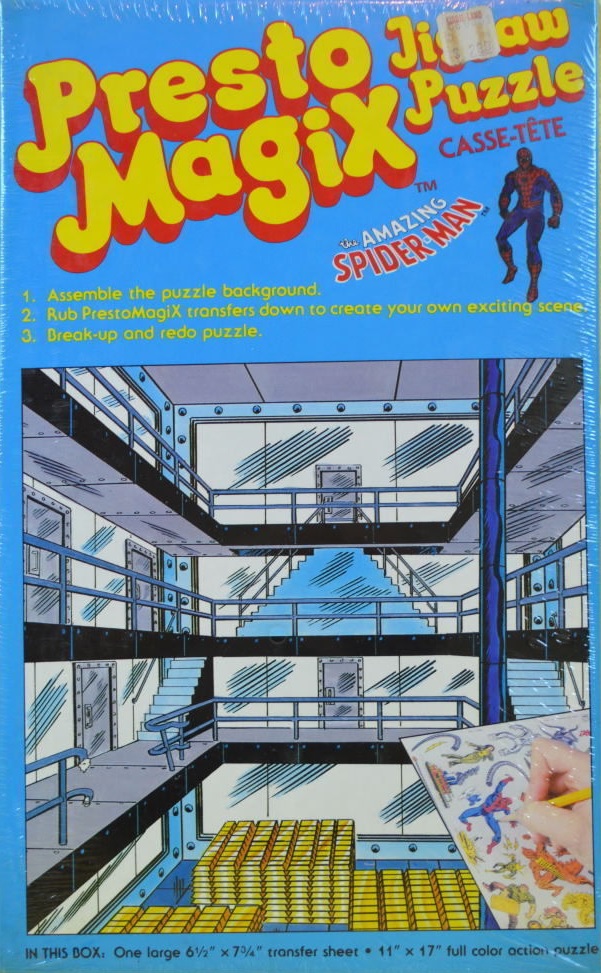
Presto Magix Jigsaw Puzzle: The Amazing Spider-Man (Circa 1980)

Presto Spidey 1980

Awesome in retrospect, but probably annoying in action. If I want to do a puzzle, I’ll do a puzzle. I don’t want my Presto Magix action scene constrained by unnecessary borders.

The back of the box is blank. There was a hulk set as well.

(Image via eBay)

Kid Sitting on Spider-Man’s Lap, 1980

Spidey 1980

That “kid” is way too big to be sitting on Spidey’s lap. The boy on deck wearing the Spidey shirt looks profoundly bored. The kids deeper in line may be playing with a Spidey Mego doll.

Not sure what the Superman “head in the hole” is all about, but it’s sad-looking. The web I like.

The location is East Towne Mall in Madison, Wisconsin.

(Photo via Chuck Patch/Flickr)

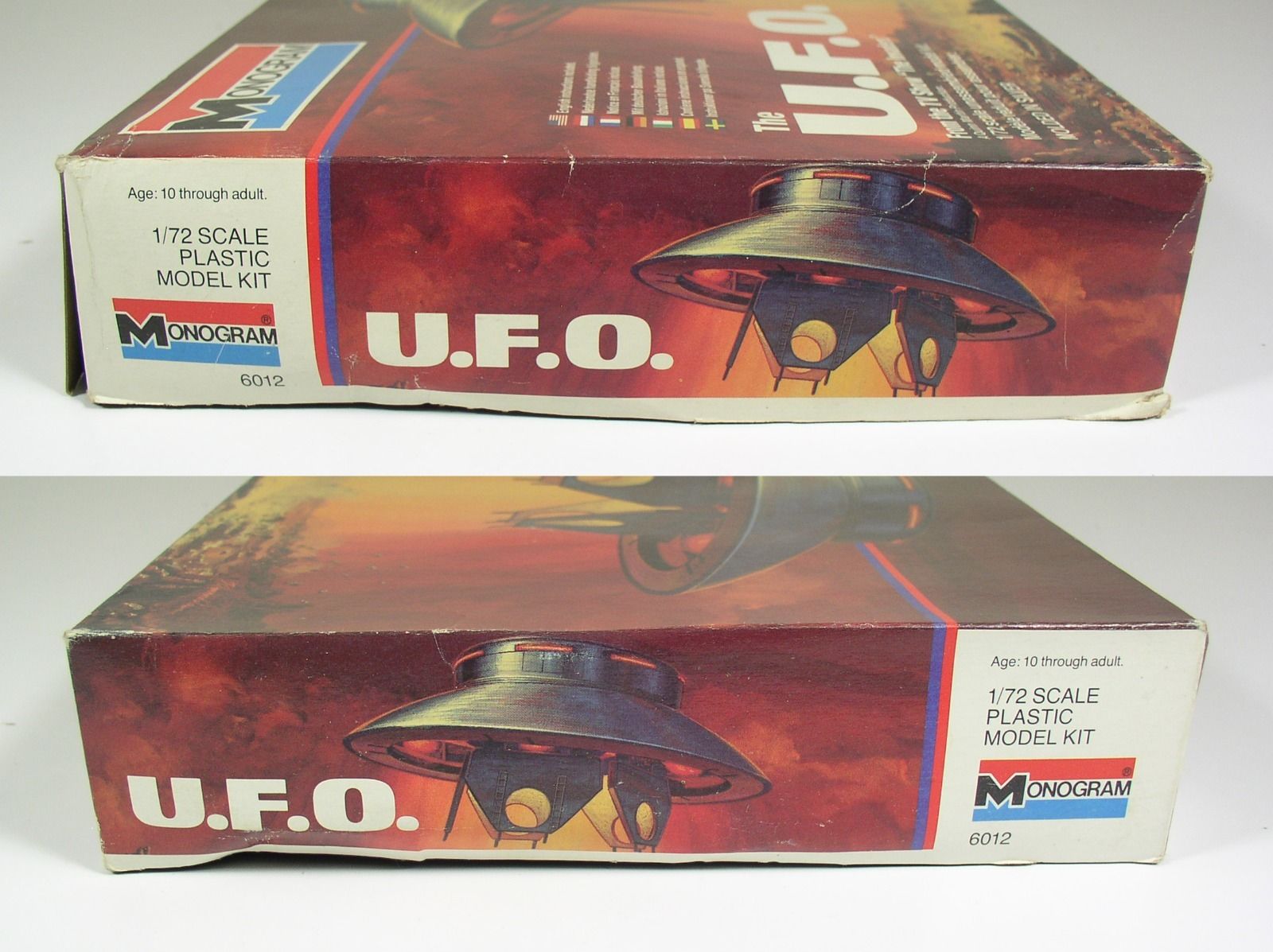
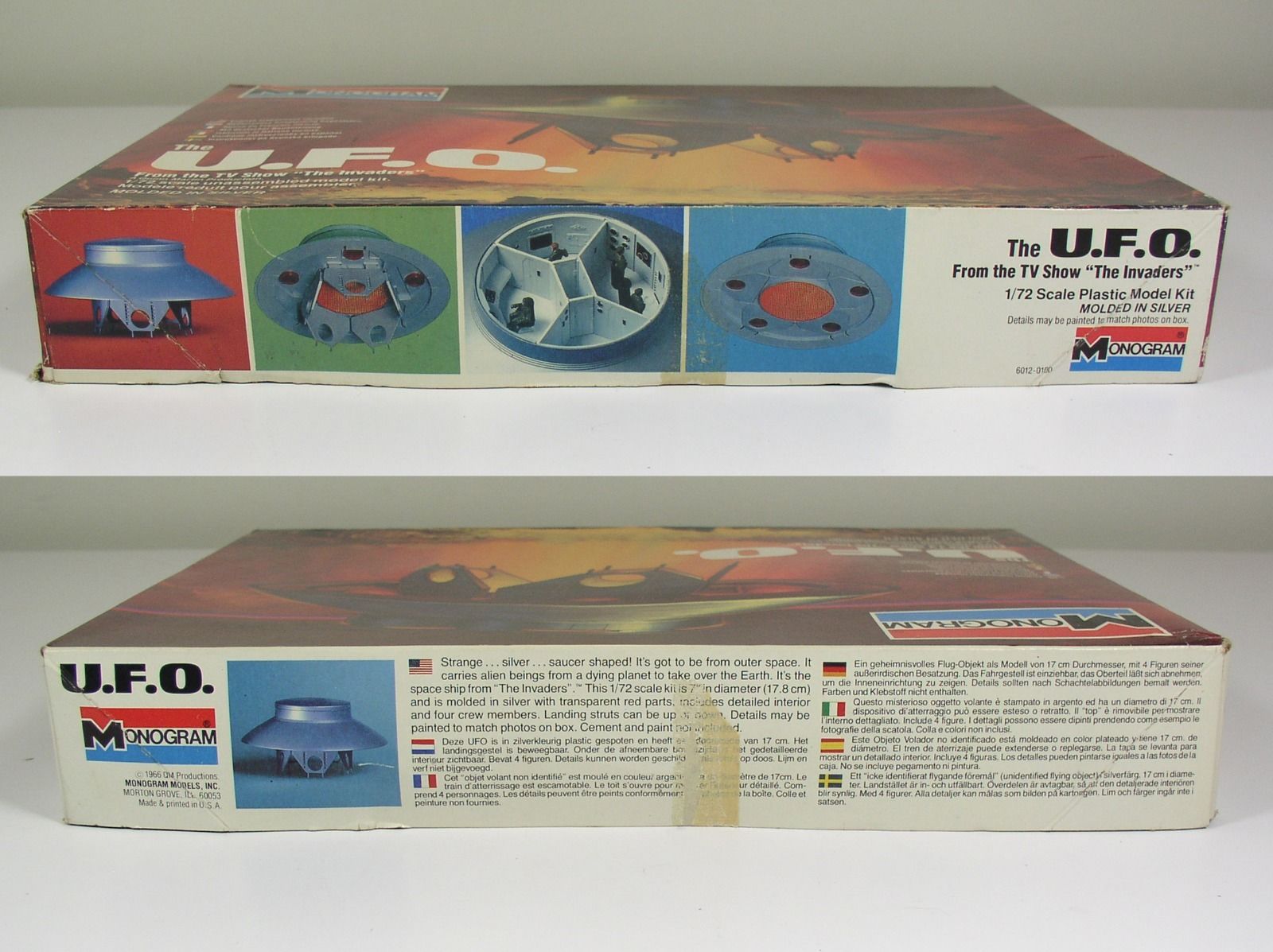
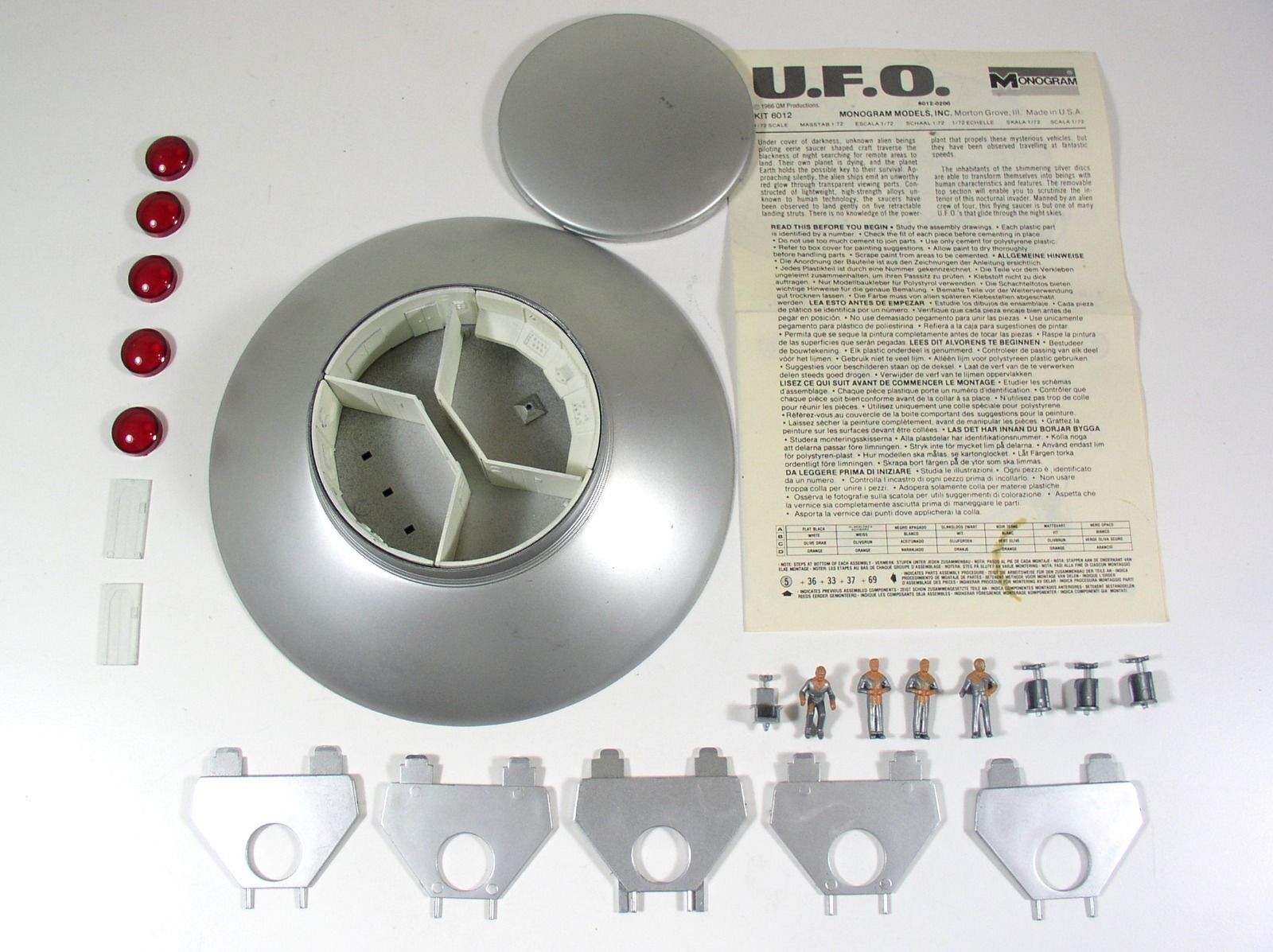
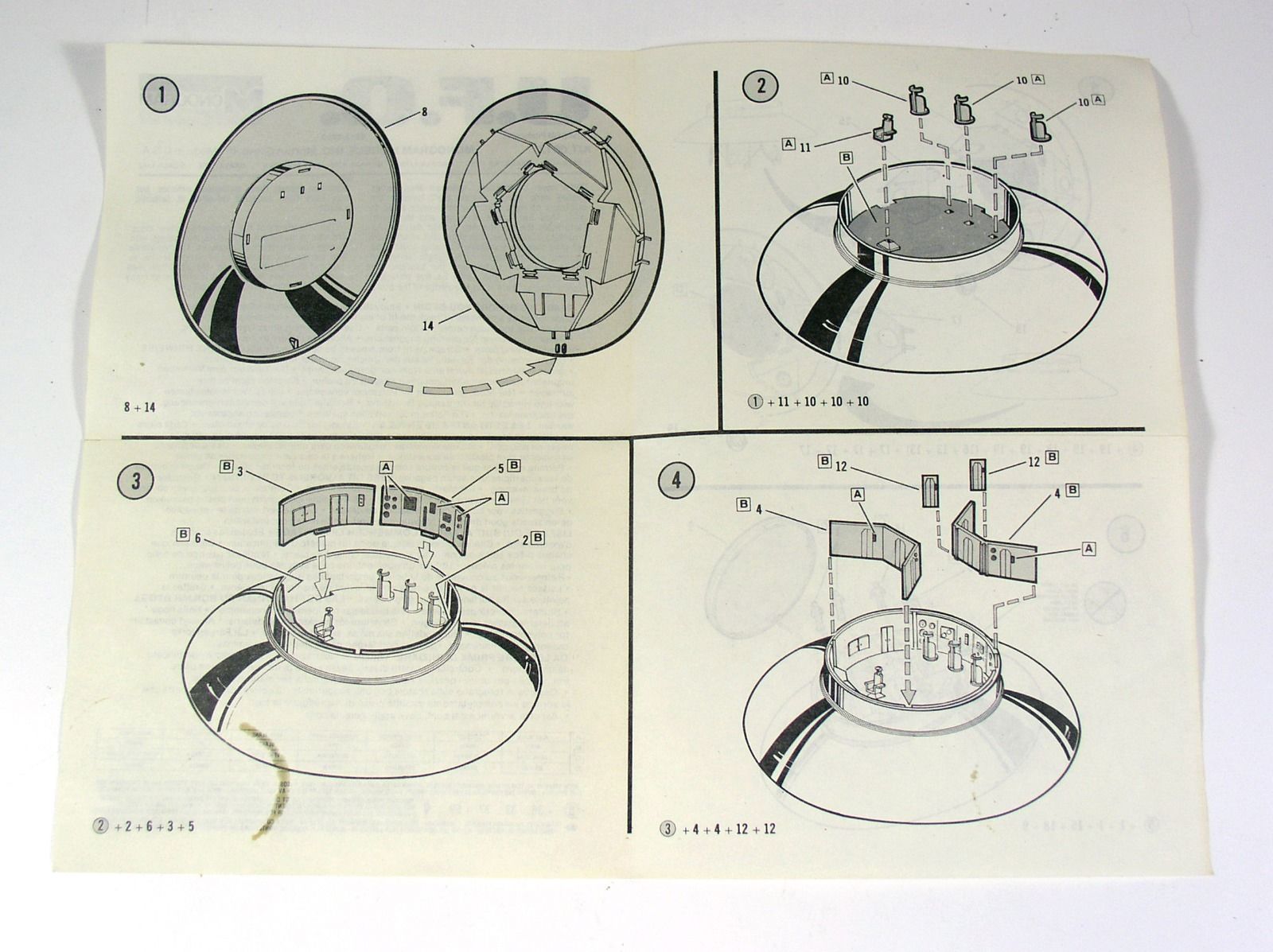
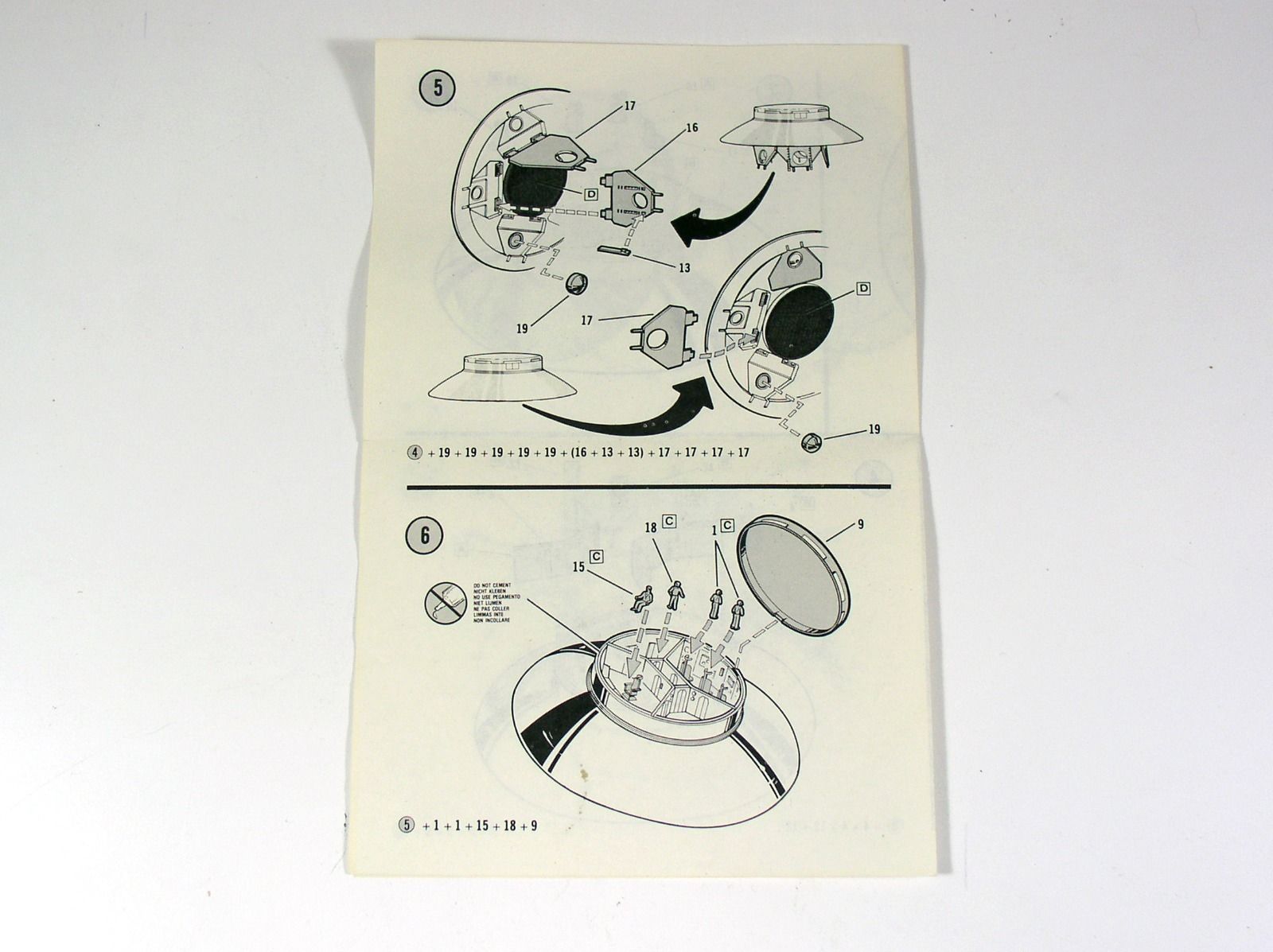
Model Kits: The U.F.O. from The Invaders (Monogram, 1979)

Monogram 1966-1

Monogram 1966-6

Monogram 1966-5

Monogram 1966-2

Monogram 1966-3

Monogram 1966-4

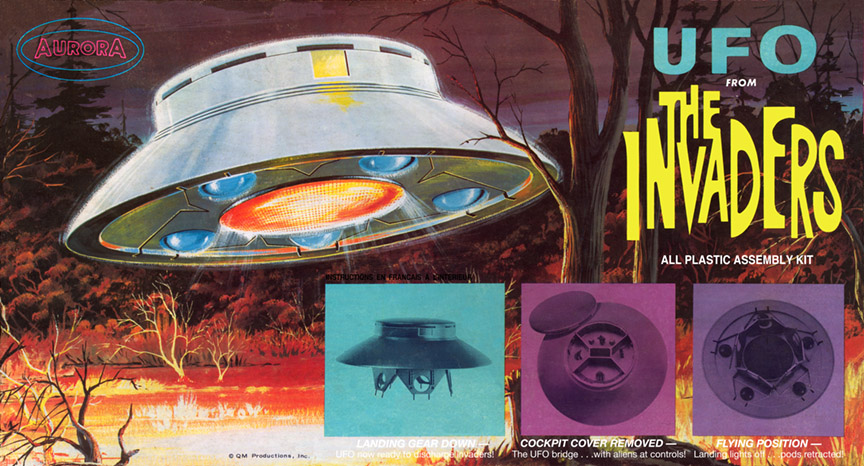
The original model (seen below) was released by Aurora in 1968 and has a long history that you can read here. The Invaders is an influential sci-fi TV show about an alien invasion and one man’s attempt to stop it (think Invasion of the Body Snatchers meets The Fugitive).

The original Aurora model—apparently based on the notorious George Adamski photo taken in 1952—makes an appearance on the box of UFO: Game of Close Encounters.

UFO 1968

E.T. Fun Art Set (Placo, 1982)

ET Poster Art 1982-1

ET Poster Art 1982-2

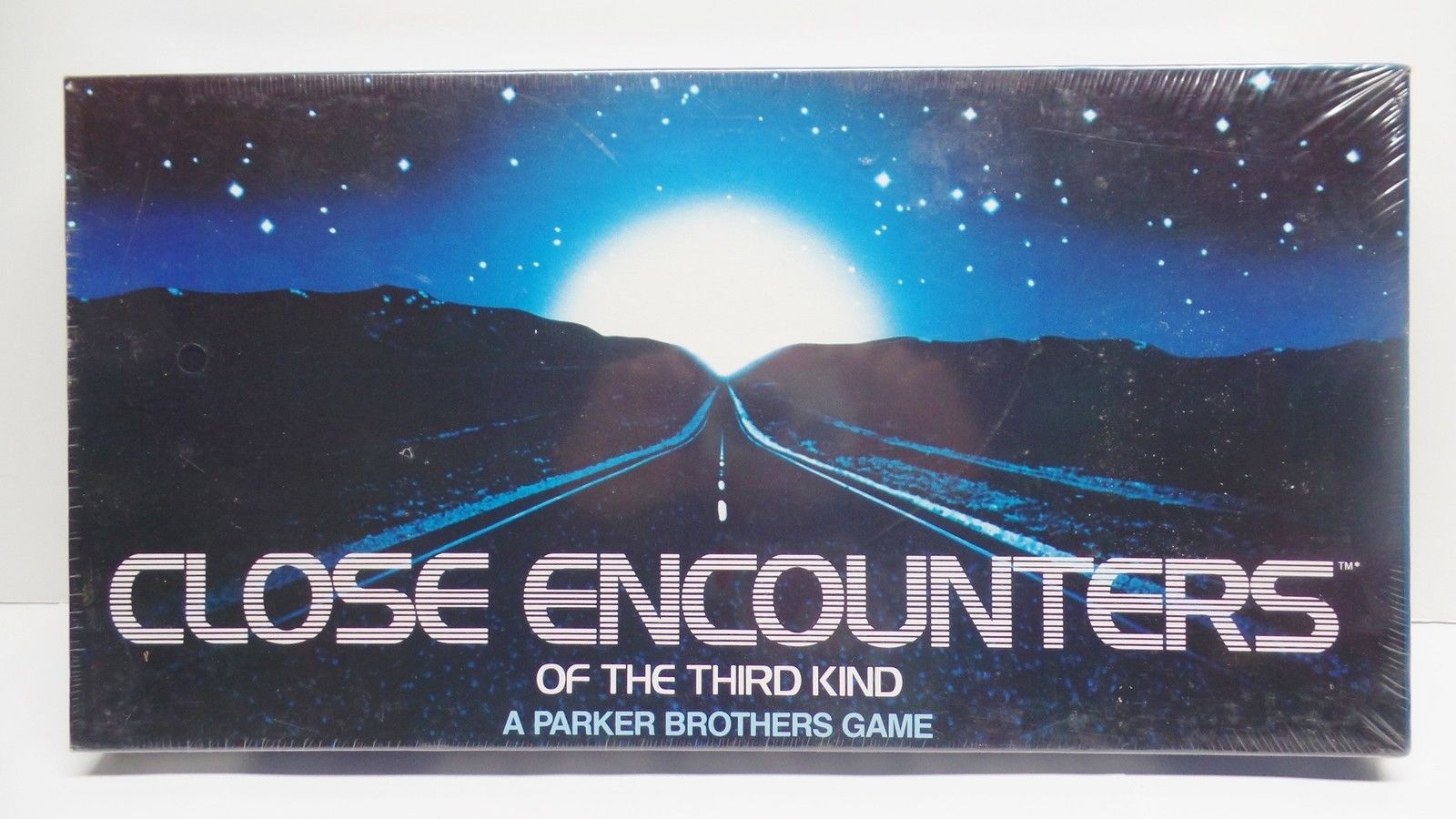
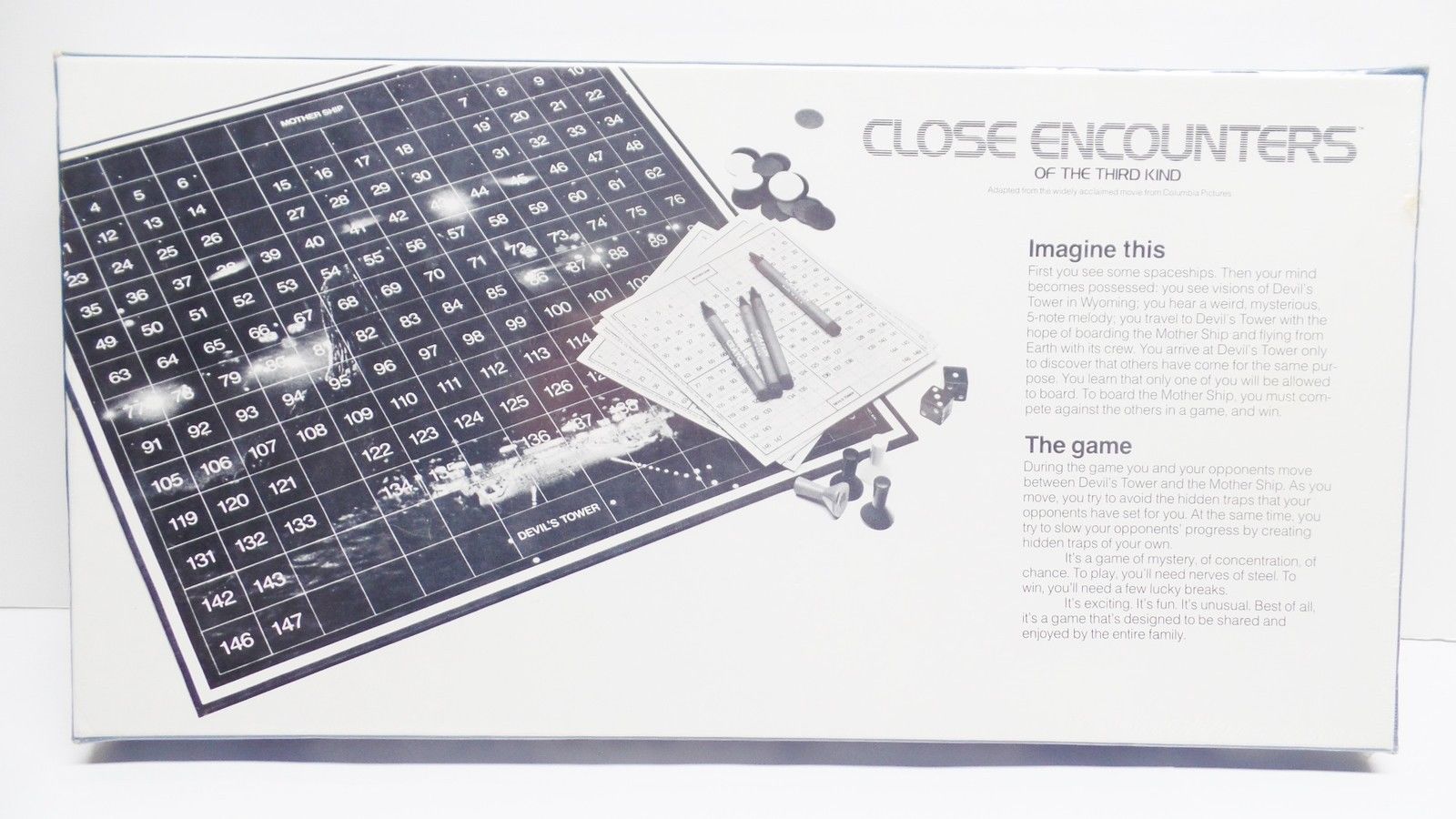
Board Games: Close Encounters of the Third Kind (Parker Brothers, 1978)

CE 1978-1

CE 1978-2

CE 1978-3

The game doesn’t look terribly different than Avalon Hill’s UFO: Game of Close Encounters from the same year. The first board game named after and featuring UFOs may be Flying Saucers, published in 1968 by Funland.

E.T. Shoes (Buster Brown, 1983)

E.T. Shoes 1982

They’re “Extra-Terrific”! Good luck getting that jingle out of your head.

(Image via DeFY New York)

TV Guide Ads for TV Movies: Satan’s Triangle (1975)

ST 1975

Every genre movie of the ’70s starring Doug McClure (The Land That Time Forgot, The People That Time Forgot) is a classic, including this one. If you don’t believe me, read Kindertrauma’s glowing review. Unkle Lancifer calls it “the main inspiration and catalyst for this site (and perhaps my love of horror)!” As of now, you can watch it here.

Satan’s Triangle is the first movie based on and explicitly referencing the Bermuda Triangle, following Charles Berlitz’s lurid 1974 bestseller on the subject. Another TV movie, Beyond the Bermuda Triangle, starring Fred MacMurray and Donna Mills, would follow later that year.

The Bermuda Depths (1978) is another popular TV movie on the same theme (thanks for the reminder, Christopher S.).

(Image via eBay)

Flash Force 2000: Dark Seeker Battle Van (Matchbox, 1984)

FF 3000 1984-1

FF 3000 1984-2

Not to be confused with Matchbox’s earlier Adventure 2000 line. The caps were a bad idea, but the design is pretty smooth. Seems to me that Kenner’s M.A.S.K. franchise owes something to Flash Force.

See more pics at Parry Game Preserve. Like M.A.S.K., some of the toys came with a Flash Force comic (published by DC).

(Images via Etsy)

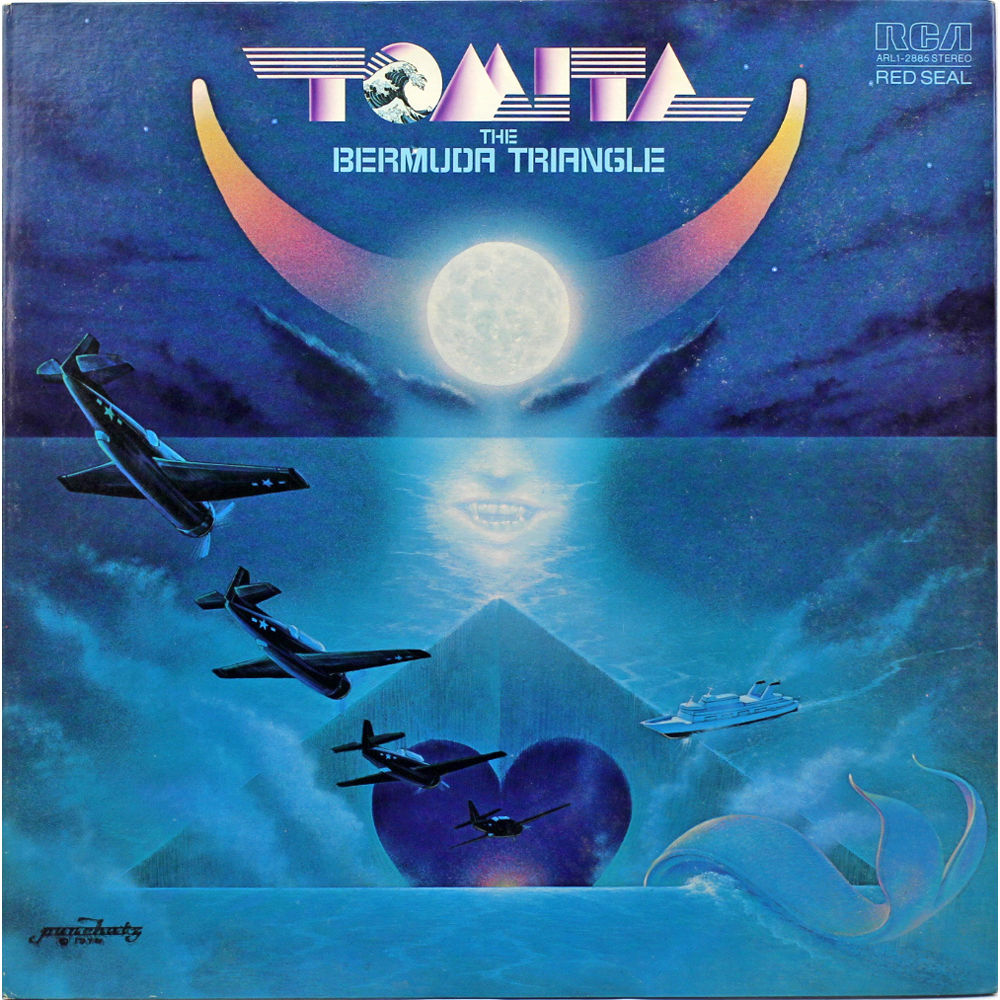
The Bermuda Triangle by Isao Tomita (RCA, 1978)

Tomita BT-1

Tomita BT-2

https://www.youtube.com/watch?v=aBUmUKC01l4&list=PLpszlaVYHIX5icowcy3R-GJQdVqHPFFum

Tomita’s The Bermuda Triangle is essential electronica from one of the genre’s pioneers. Moog music hit the mainstream when Wendy Carlos’ Switched-On Bach (Columbia, 1968), a note-by-note rendition of various compositions by the beloved composer, landed on the Billboard top 10. Tomita, heavily influenced by Carlos, here mixes classical phrases and original music to contribute his own quirky version of the Triangle myth, at one point quoting the famous contact music from Close Encounters of the Third Kind.

Like Bigfoot and all manner of strange beasts, ancient aliens, and lost worlds, interest in the Bermuda Triangle had been building for more than a decade. The area’s supposed supernatural origins became entrenched in the popular imagination thanks mainly to three books: Invisible Horizons (1965) by Vincent Gaddis (who coined the phrase “Bermuda Triangle” in an earlier Argosy article), Limbo of the Lost (1969) by John Wallace Spencer, and The Bermuda Triangle (1974) by Charles Berlitz. (A “documentary” based on Berlitz’s “non-fiction” book was released in 1979.)

The cover art for the American release of Tomita’s The Bermuda Triangle is by Don Punchatz (1936-2009), who made a name for himself with cover art for new editions of Asimov’s Foundation trilogy published by Avon Books in 1966. He had a distinguished career in a golden age of commercial illustration—Ray Bradbury called his work “endlessly stunning”—and is probably best known for his cover and logo art on id’s Doom (1993), one of the more iconic pieces of video game art in creation.

State of the Arts: Q&A with Illustrator Luca Carey

Robot Totentanz Carey

Robot Totentanz, 2014. © Luca Carey

`State of the Arts’ spotlights contemporary artists who I think are pretty fucking amazing and deserve your attention.

Luca Carey is a New York City-based illustrator and comic artist who graduated from the Savannah College of Art and Design in 2013. His website is Rainbots, and he’s on Facebook and Tumblr. You can request a commission here, and you can donate here (donations of $50 or more come with an original sketch of your choosing).

2W2N: What’s your preferred medium?

CAREY: Photoshop, all day every day.

2W2N: Your work has a definite otherwordly, psychedelic flavor. Was that there from the beginning?

CAREY: It’s a little hard to say what the beginning was, but I guess I would say yes. From as far back as I can remember, I’ve been trying to make stuff that’s visually appealing while also pointing towards something shocking or transcendent.

Untitled Carey 2014-2

Reverie, 2014. © Luca Carey

2W2N: Who are some artists you admire, visual or otherwise?

CAREY: Beksinski, Moebius, and Ashley Wood are probably my favorite artists. Music is possibly the most important thing, though, as it’s next to impossible for me to do anything without it. I especially admire artists like Susumu Hirasawa and Helium Vola because their sound captures the perfect mix of chaos and harmony.

2W2N: You did the outstanding cover art for the new Dan Terminus album The Wrath of Code (Blood Music, 2015), which is how I found you. What other projects do you have coming up?

CAREY: I’m working on a couple of other album covers, actually; one for a new synthwave project called Virtua Cult. I’m in the very slow process of writing a book, also, that I will eventually illustrate. As I like to remind myself, it’s pretty small at the moment, but not small enough to quit or forget about.

2W2N: What kind of commissions will you consider? Can we buy prints of your work?

CAREY: I’ll consider anything that pays well, is interesting, and isn’t closely associated with any kind of deeply illegal or immoral enterprise! I’m actually quite fortunate to have a style that gives me a lot of freedom; no one is writing me to commission stock illustrations, for example. I take print orders from my Facebook page at the moment, and I plan on setting up a little store on my website at some point, but first I have to get my printer fixed.

Untitled Carey 2014

Hyperbolic Exchange of Telekinetic Body Fluids From Our Friends on Planet Solaris, 2014. © Luca Carey

Pages

Archives

Categories

Donate Button

Join 1,117 other subscribers