
Archive for the 'Cover Art' Category


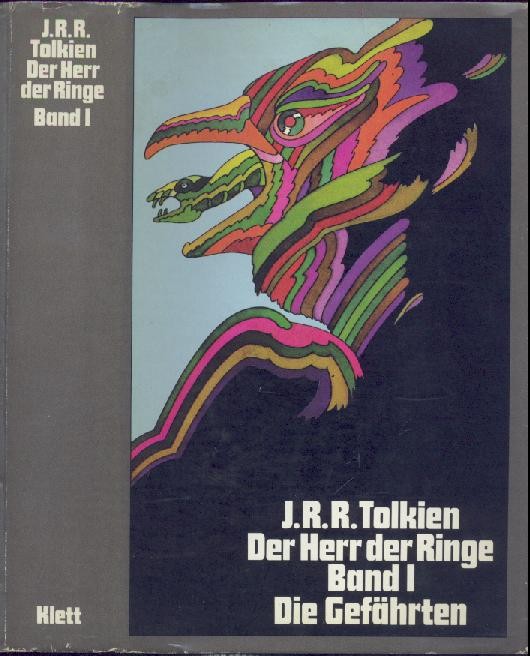
Heinz Edelmann Cover Art for The Lord of the Rings (Klett-Cotta, 1969/1970)

LOTR GER-1

LOTR GER-3

LOTR GER-2

LOTR GER-5

LOTR GER-4

Heinz Edelmann (1934-2009) is most famous for his distinctive design and art direction on the Beatles-inspired Yellow Submarine (1968), but his Lord of the Rings covers—for the first German edition, translated by Margaret Carroux with help from Ebba-Margareta von Freymann—are a very close second. (Unfortunately, I could only find a larger scan of the Fellowship of the Rings cover.) There was nearly a Lord of the Rings movie starring the Beatles, if you remember.

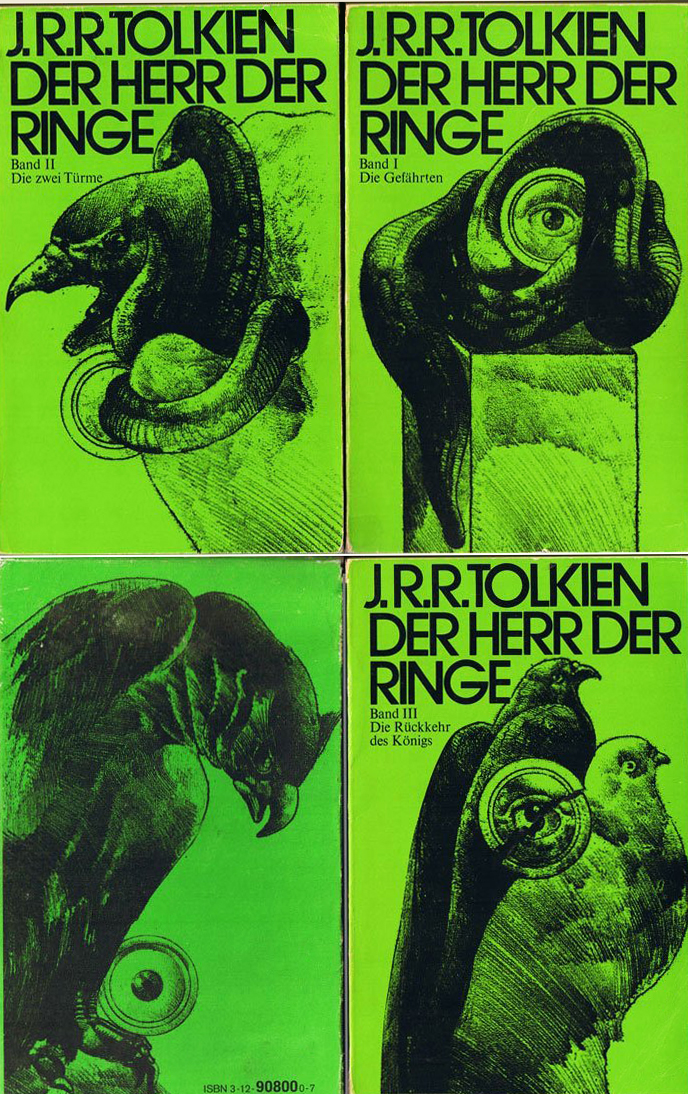
A German paperback edition of The Lord of the Rings was also published by Klett-Cotta featuring new, equally mesmerizing cover art by Edelmann, as seen below, but I’m not sure about the year: Amazon Germany has it at 1977. The books came in a slipcase featuring additional art. You can see more of the case here. Note the shifting position and condition of the ring—is that the Eye of Sauron inside?—in this edition, .

LOTR GER-6

(Images via Tolkien Collection, Sci-fi-o-Rama, and Design is Fine)

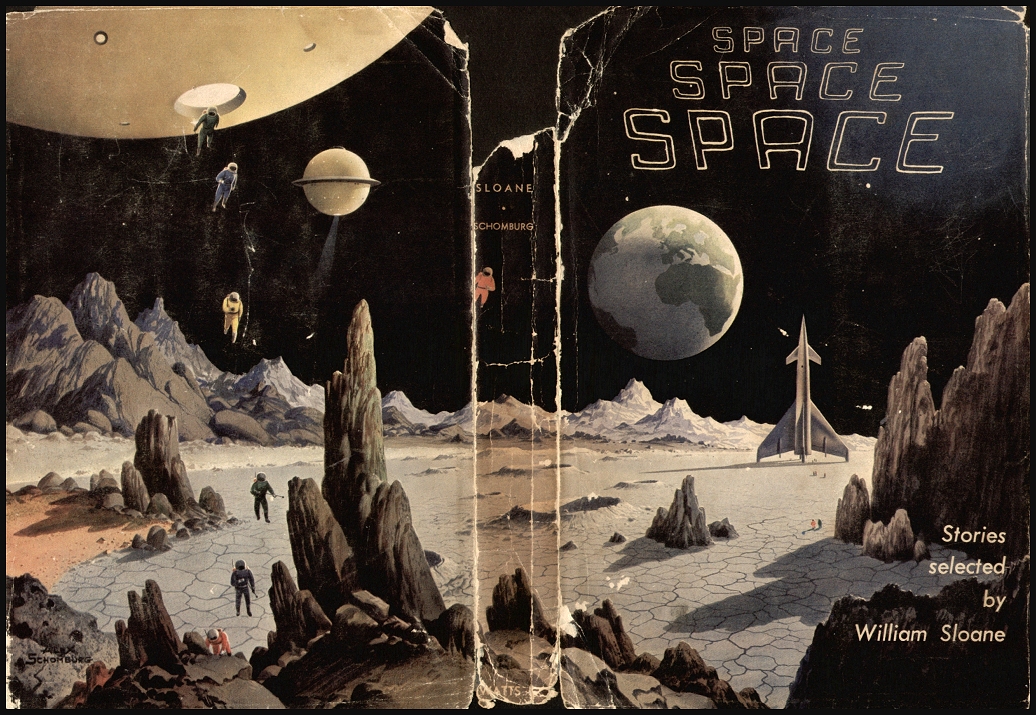
Alex Schomburg Cover Art for Space, Space, Space (Franklin Watts, 1953)

Space 1953

Schomburg is one of the defining illustrators of both the comic book and sci-fi golden ages, and you can see a partial list of his extensive work at ISFDB. You can see a list of the stories in this volume—the book’s subtitle is Stories About the Time When Men Will Be Adventuring to the Starshere.

(Image via The Golden Age)

Bob Pepper Cover Art for Harlan Ellison’s The Beast That Shouted Love at the Heart of the World (Signet, 1974)

Beast Ellison 1974

Pepper is a mad genius who painted art on the heart of the world.

(Image via Øyvind/Flickr)

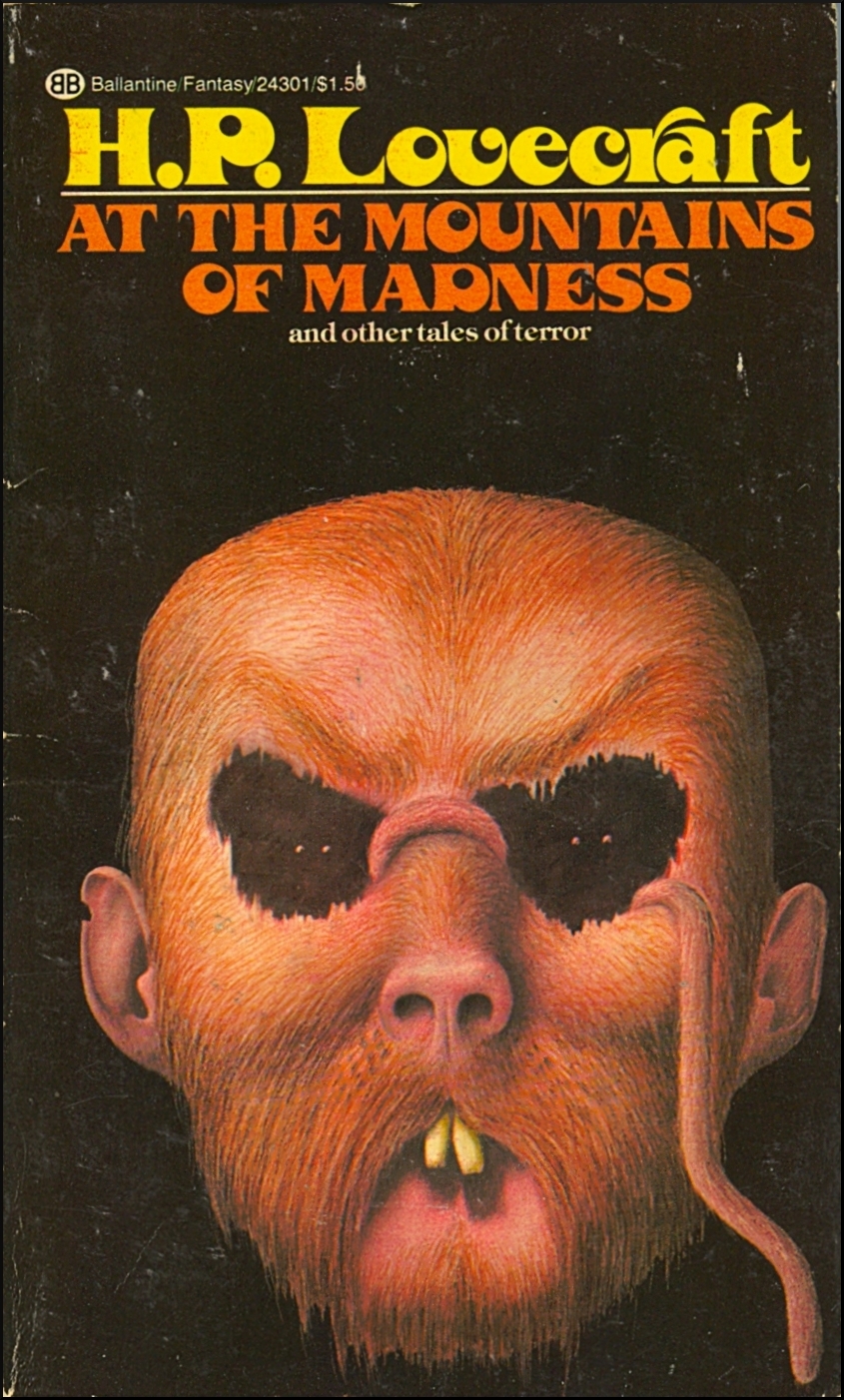
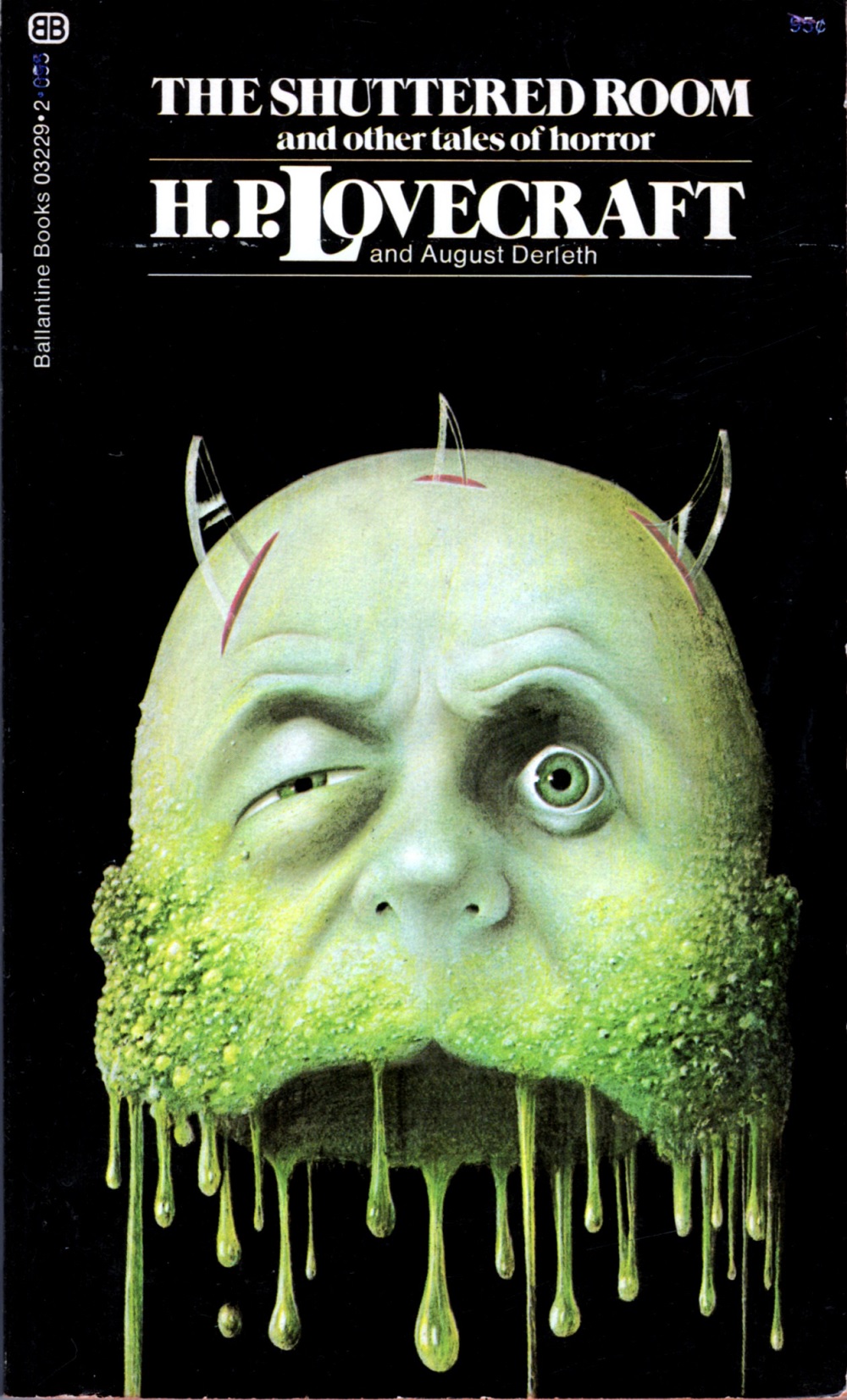
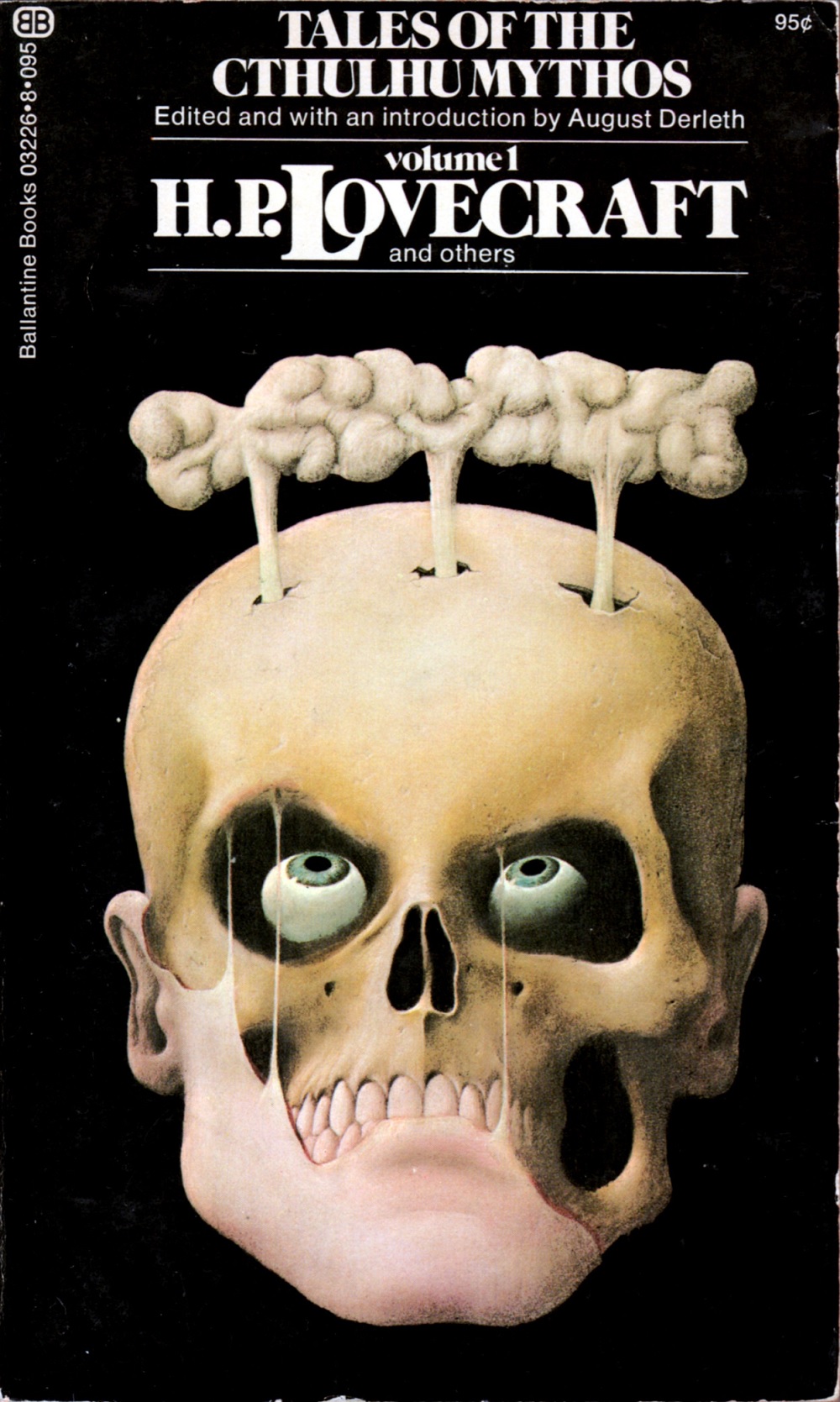
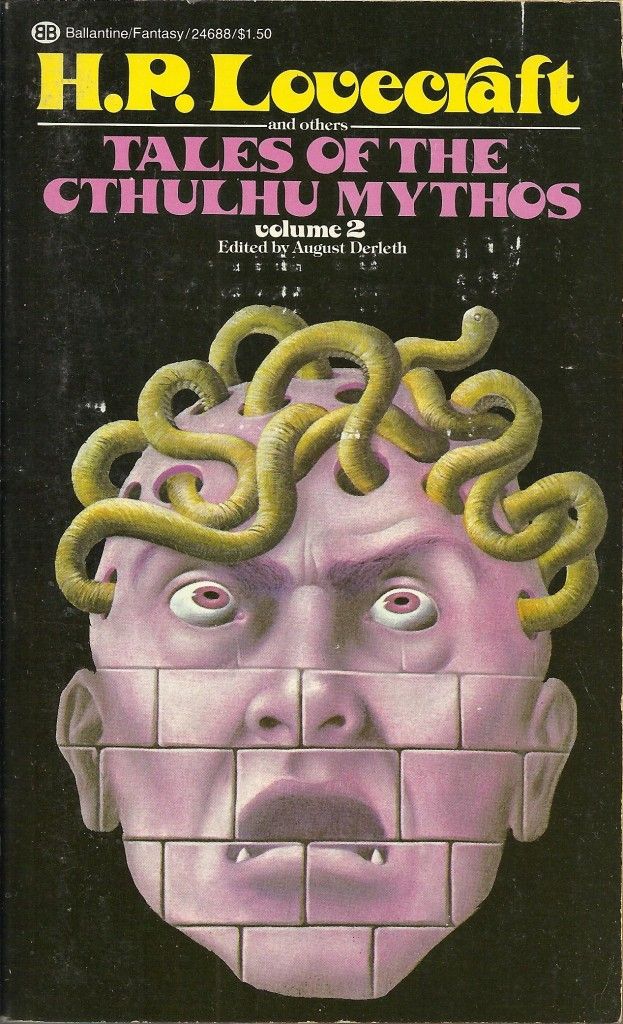
John Holmes’ H.P. Lovecraft Cover Art (Ballantine, 1973 – 1974)

Lovecraft Lurking Fear-2

Lovecraft Mountains

Lovecraft Shuttered Room

Lovecraft Tales Vol 1

Lovecraft Tales Vol 2

Lovecraft Tomb

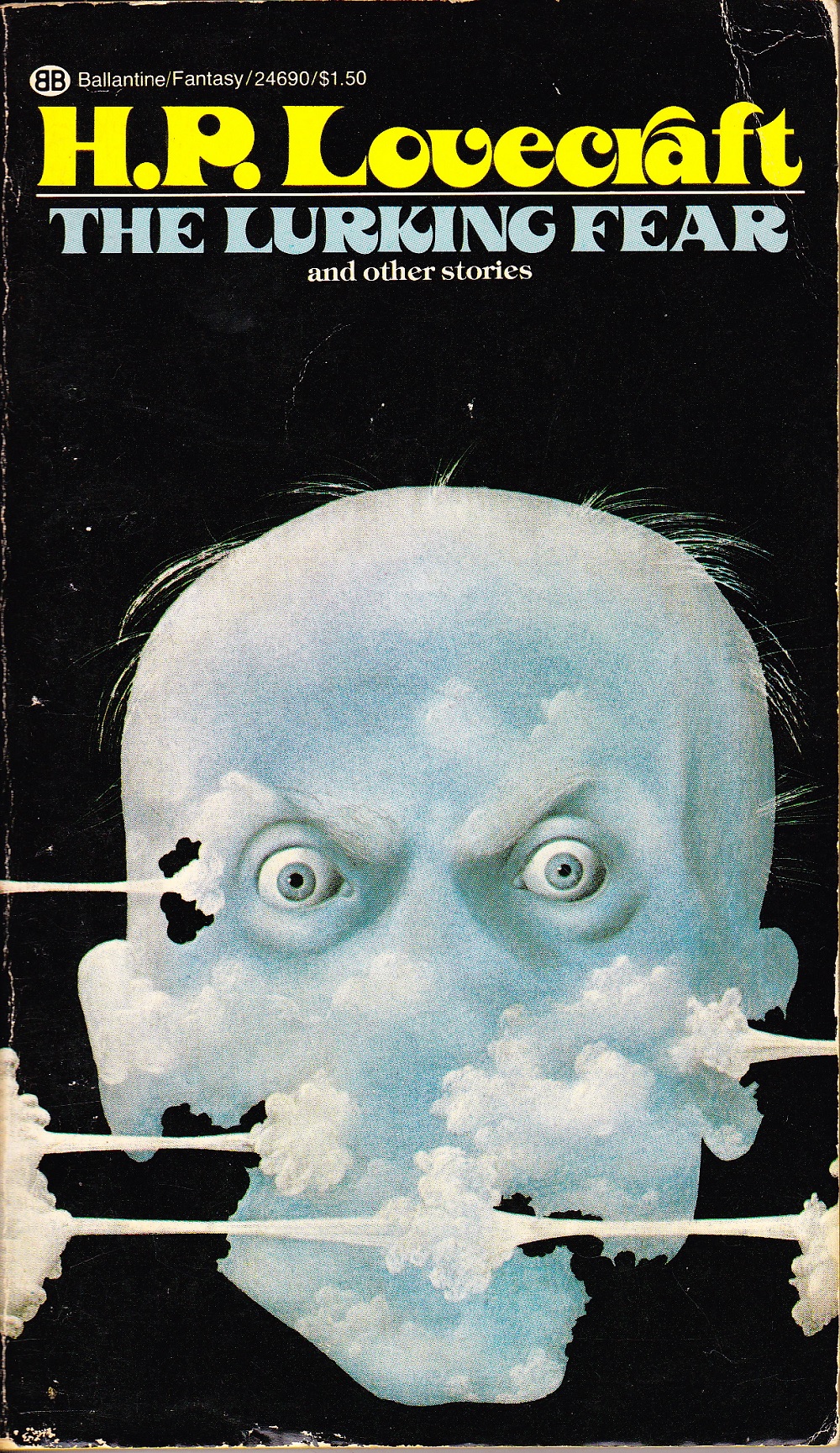
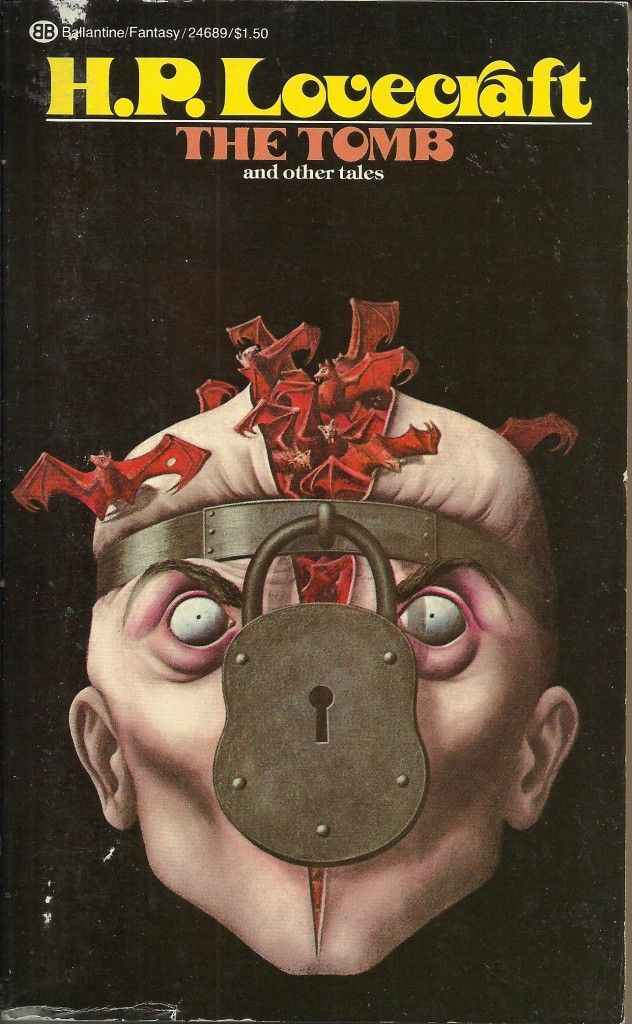
John Holmes (1935 – 2011) was a British artist known for his minimalist, surrealistic book covers focusing on the human body, especially the face. The Lovecraft editions seen here—edited by August Derleth—directly succeeded Ballantine’s Adult Fantasy editions, which were edited by Lin Carter with covers by Gervasio Gallardo. The first printing of the Derleth/Holmes editions shows the titles in white lettering and volumes were priced at 95¢/apiece. The second printing, at $1.50/apiece, matches the much more engaging title design with the color of Holmes’ respective faces, with HPL’s name in bold yellow.

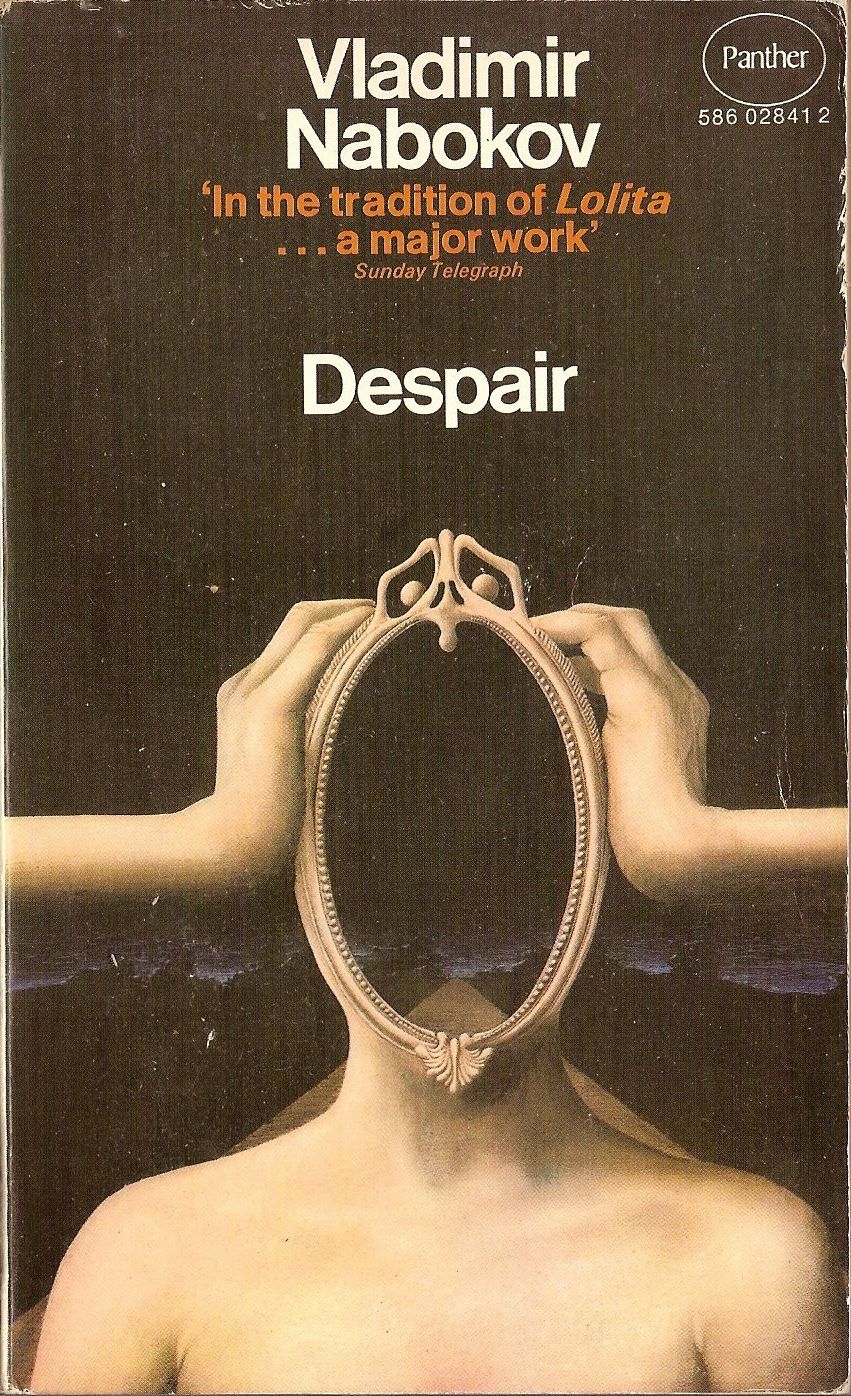
As an aside: as much as I like Holmes’ work in the fantasy and sci-fi genres, my favorite work of his is the 1969 Panther edition of Vladimir Nabokov’s Despair. The novel is about a Russian businessman who believes a vagabond he meets in Prague is his doppelganger. He murders the man in pursuit of the perfect crime, but it turns out the man actually looks nothing like him, and the police quickly catch the imperfect criminal. The cover painting is a slippery, postmodern homage to Edvard Munch’s The Scream (1893).

Nabokov Despair 1969

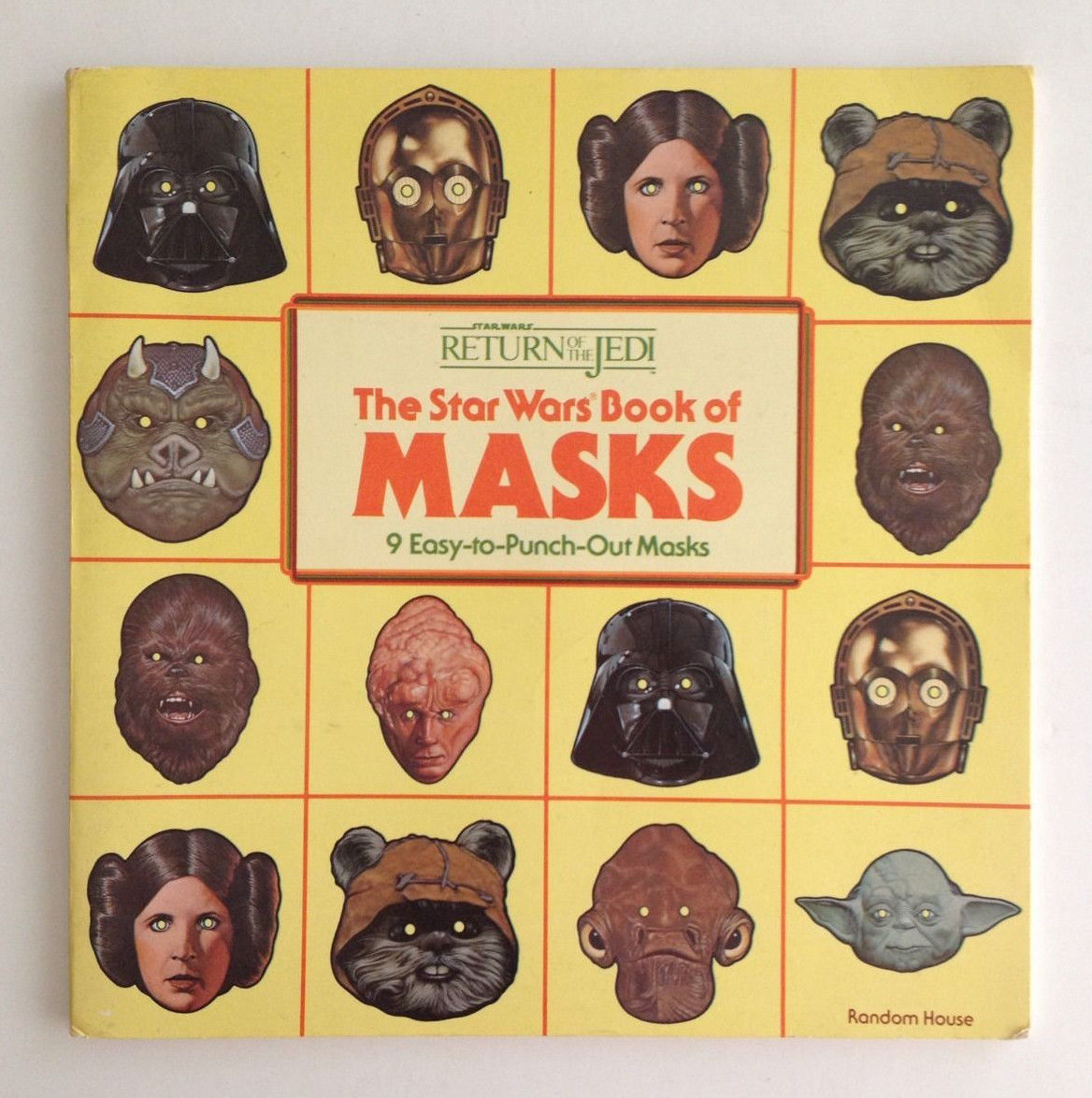
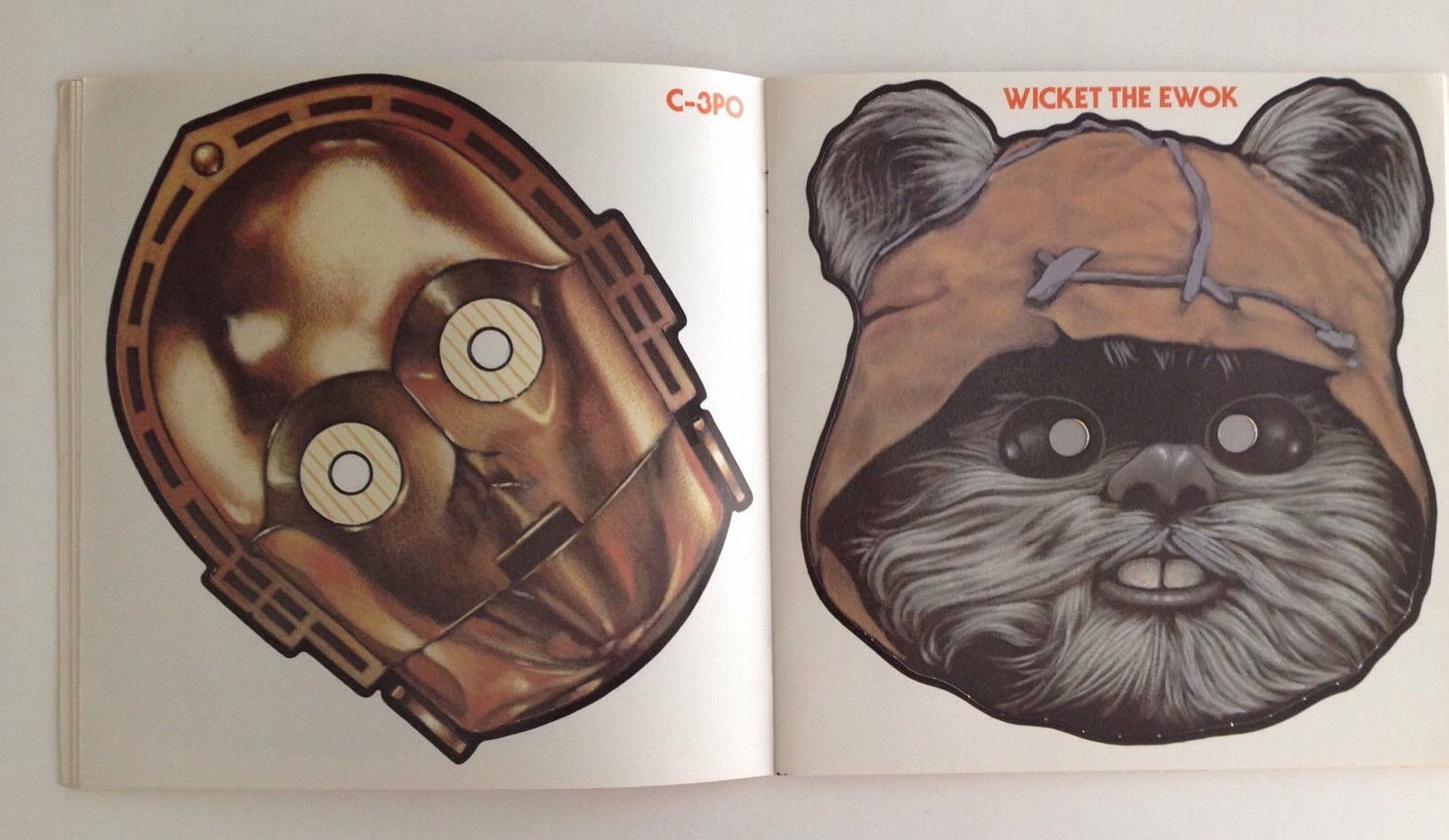
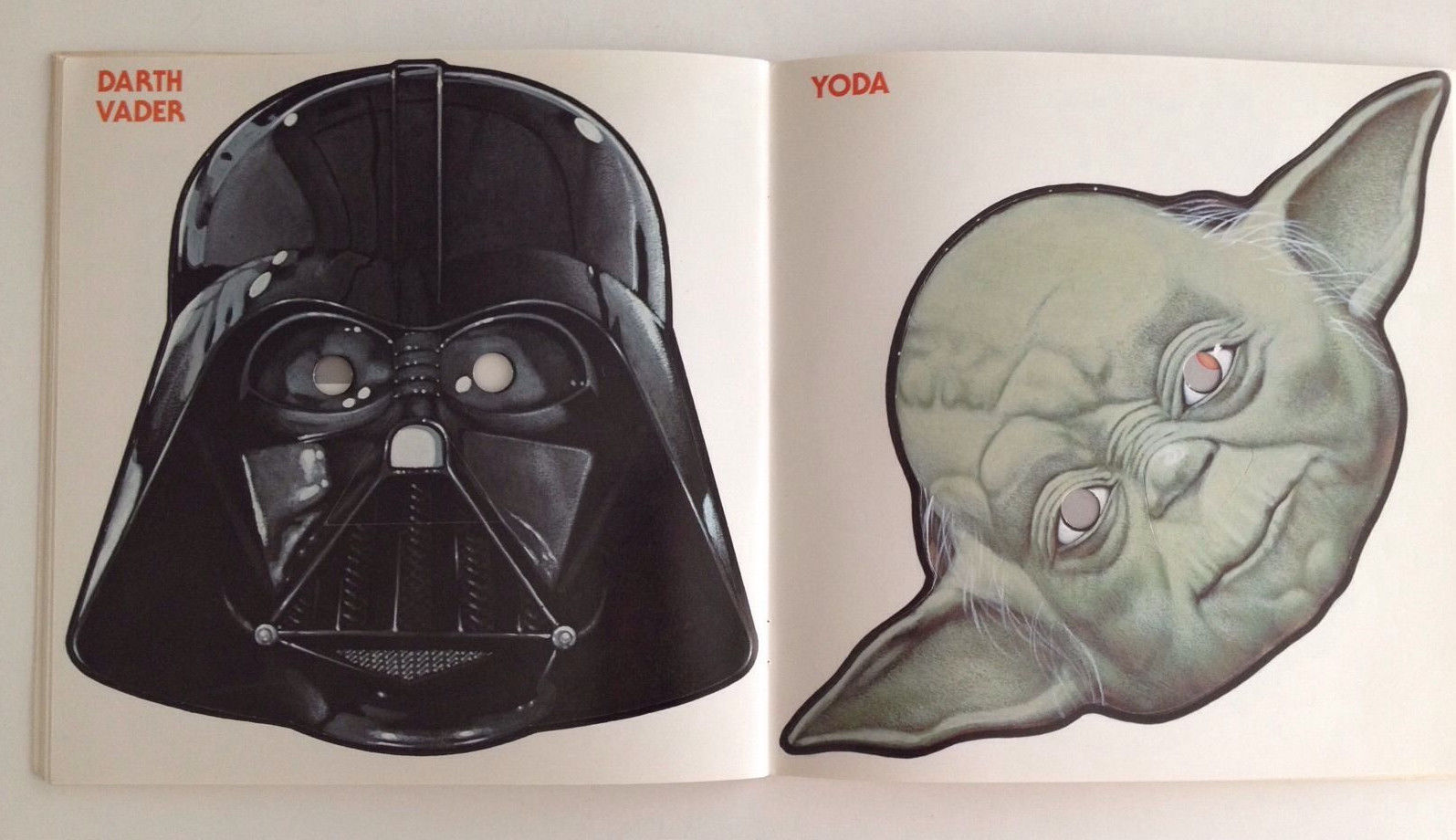
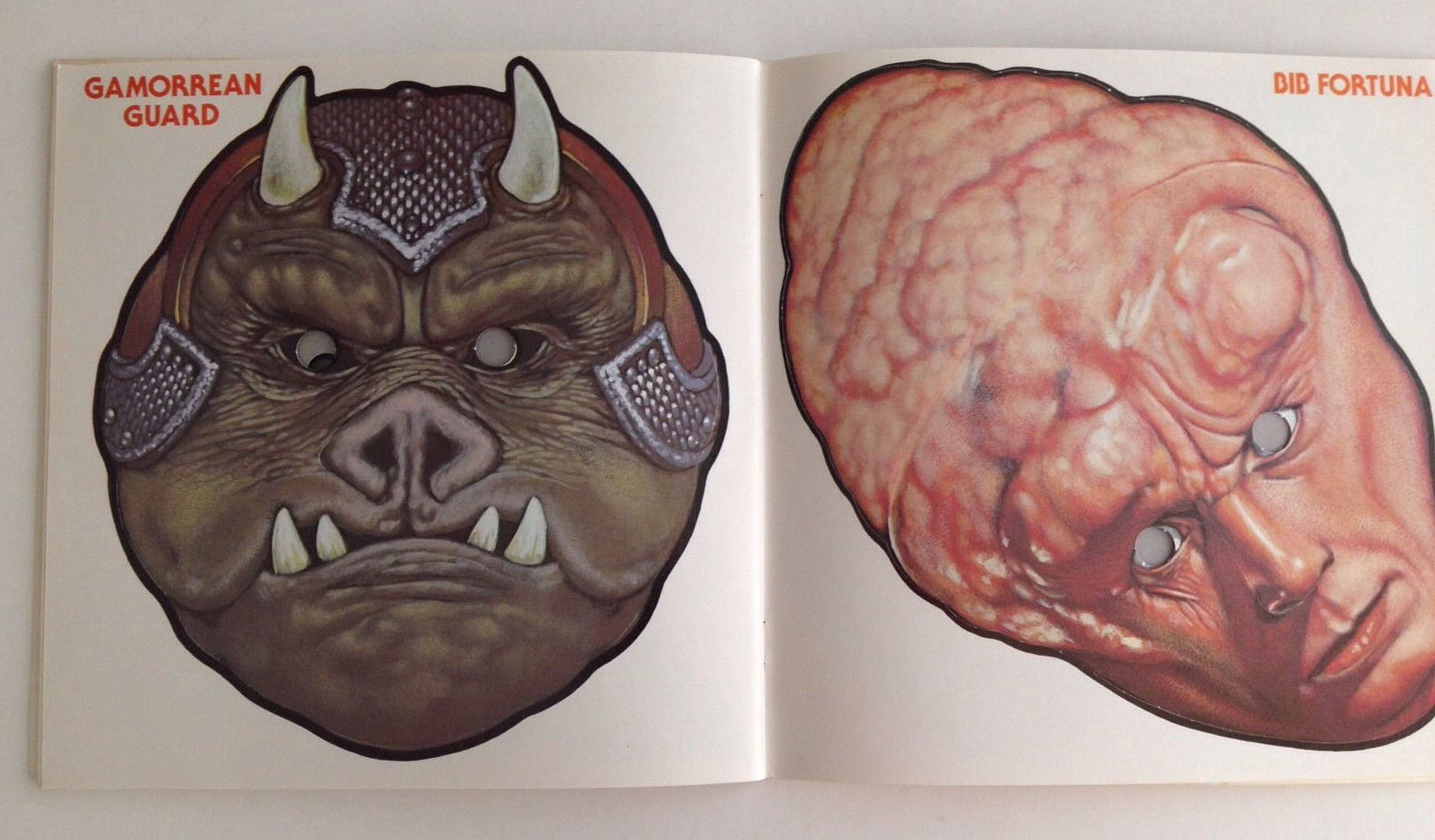
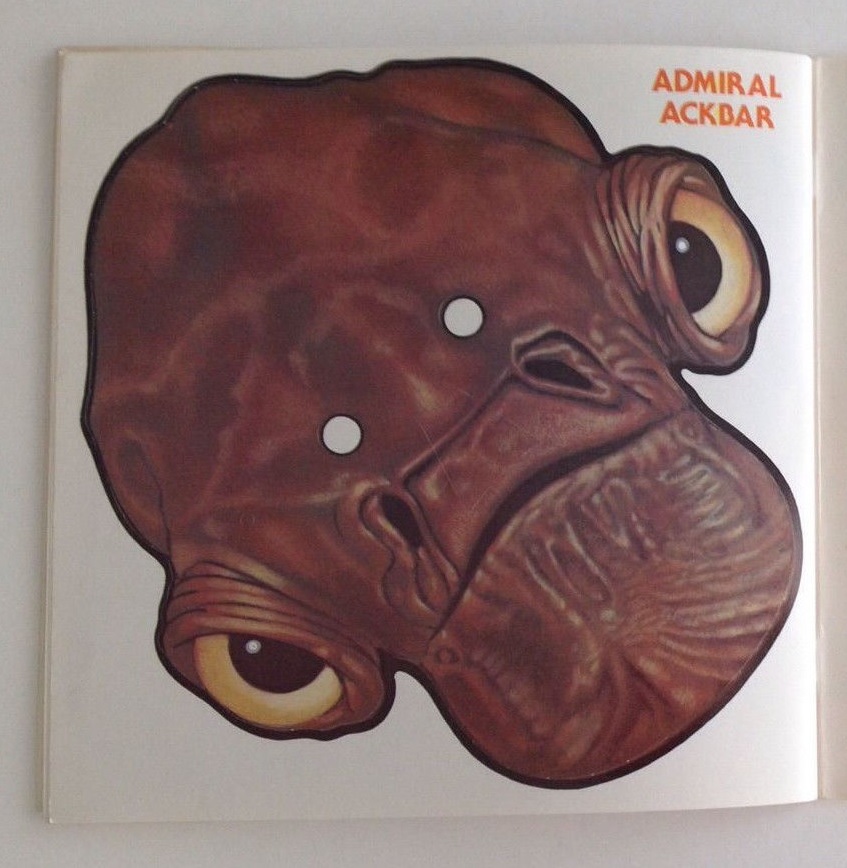
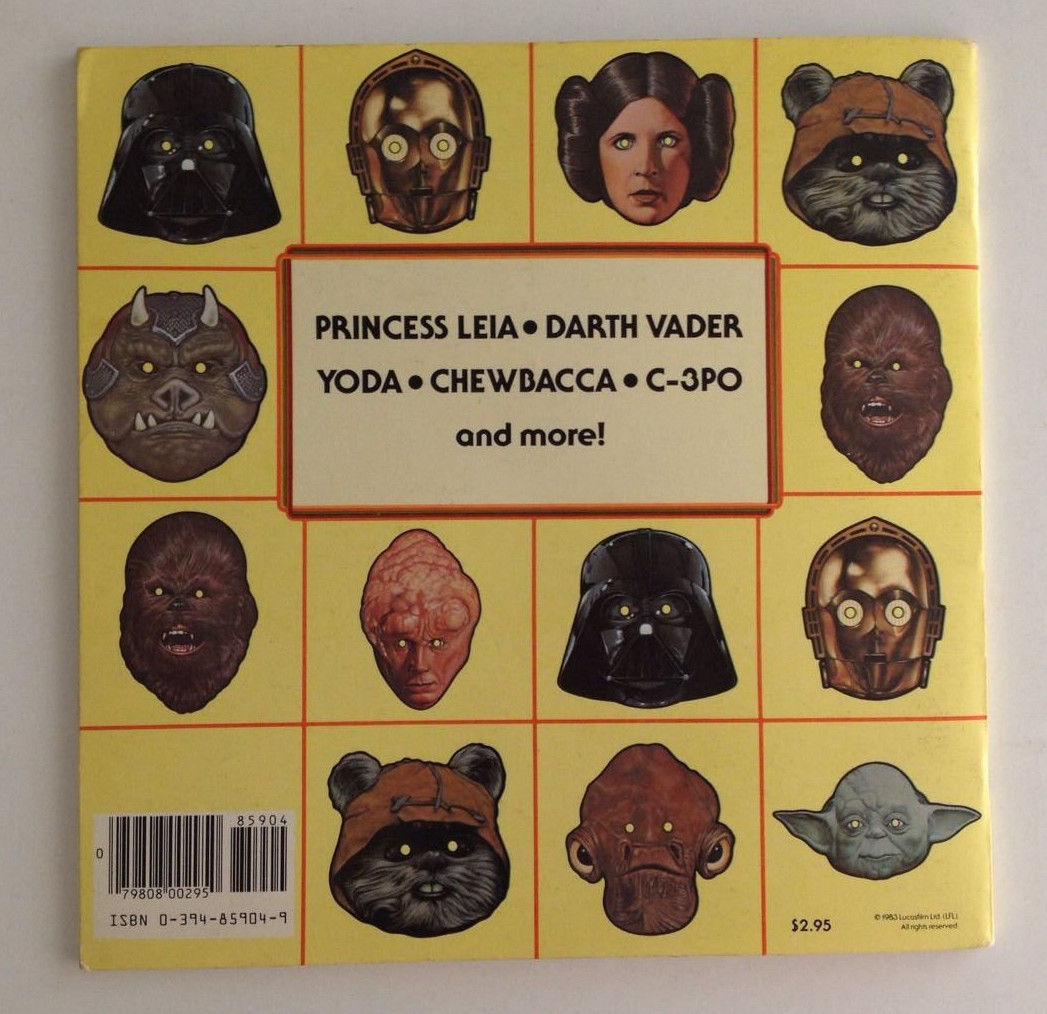
The Star Wars Book of Masks (Random House, 1983)

SW Book 1983-1

SW Book 1983-2

SW Book 1983-3

SW Book 1983-4

SW Book 1983-5

SW Book 1983-6

SW Book 1983-7

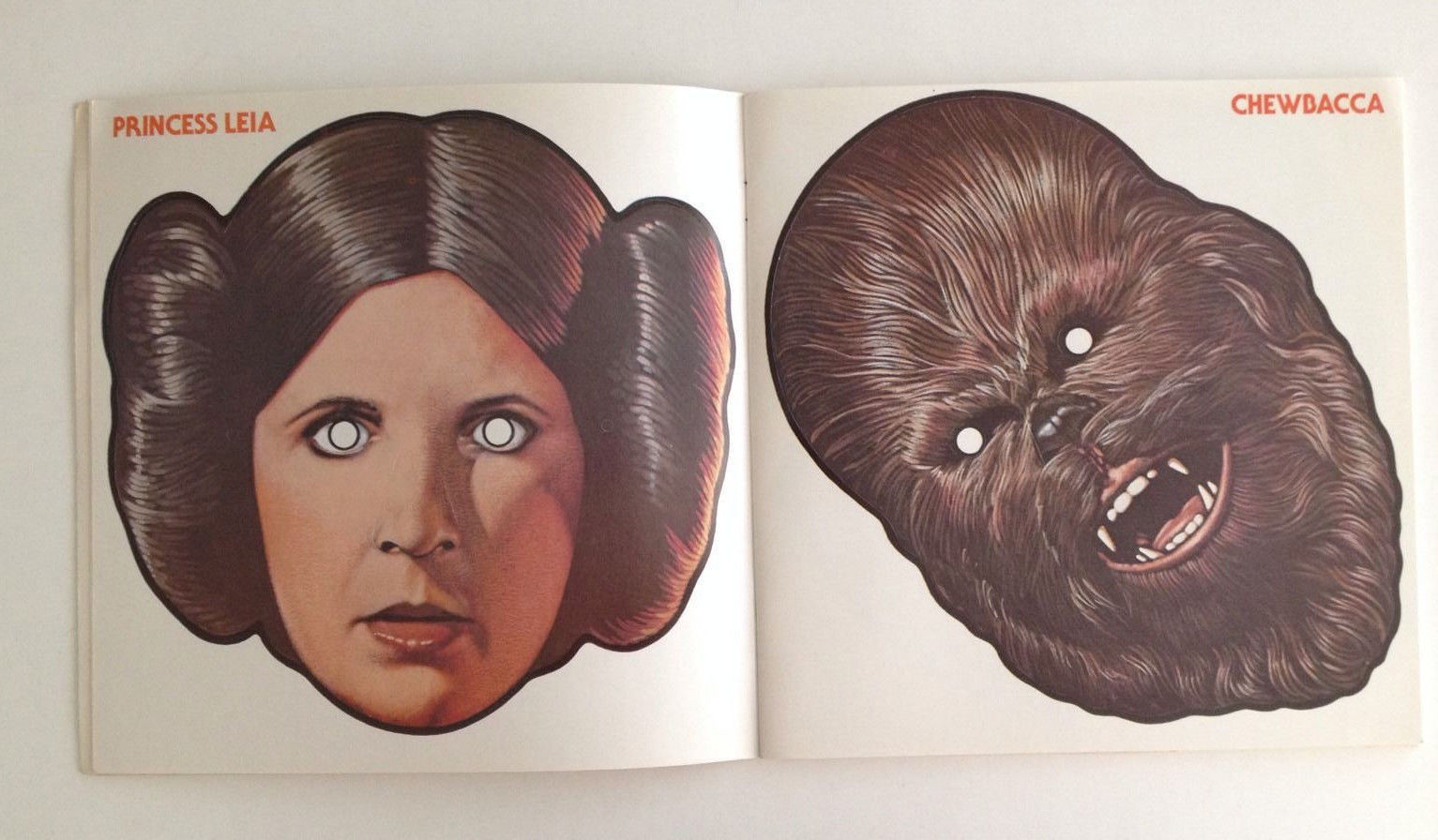
Beautiful illustrations by Walter Velez, a fantasy cover artist who worked on many Star Wars publications of the time. He also did some work for TSR in the ’90s. His cover for Robert Asprin’s Thieves’ World (1979) influenced a slew of gamers.

Anyway, it’s Halloween and you can only wear one mask. Which one do you choose? I choose Ackbar.

(Images via eBay)

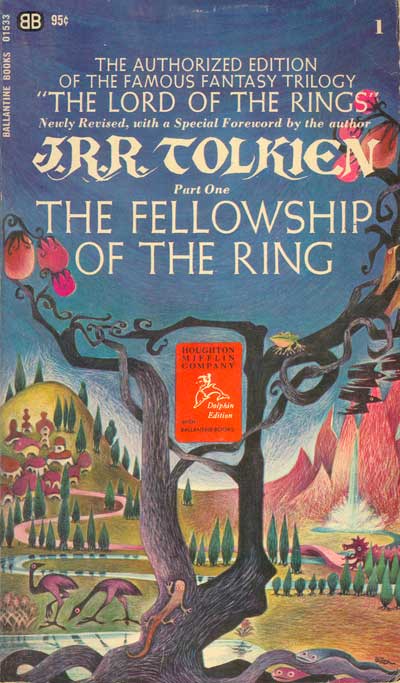
The First Authorized Paperback Edition of The Lord of the Rings (Ballantine, 1965)

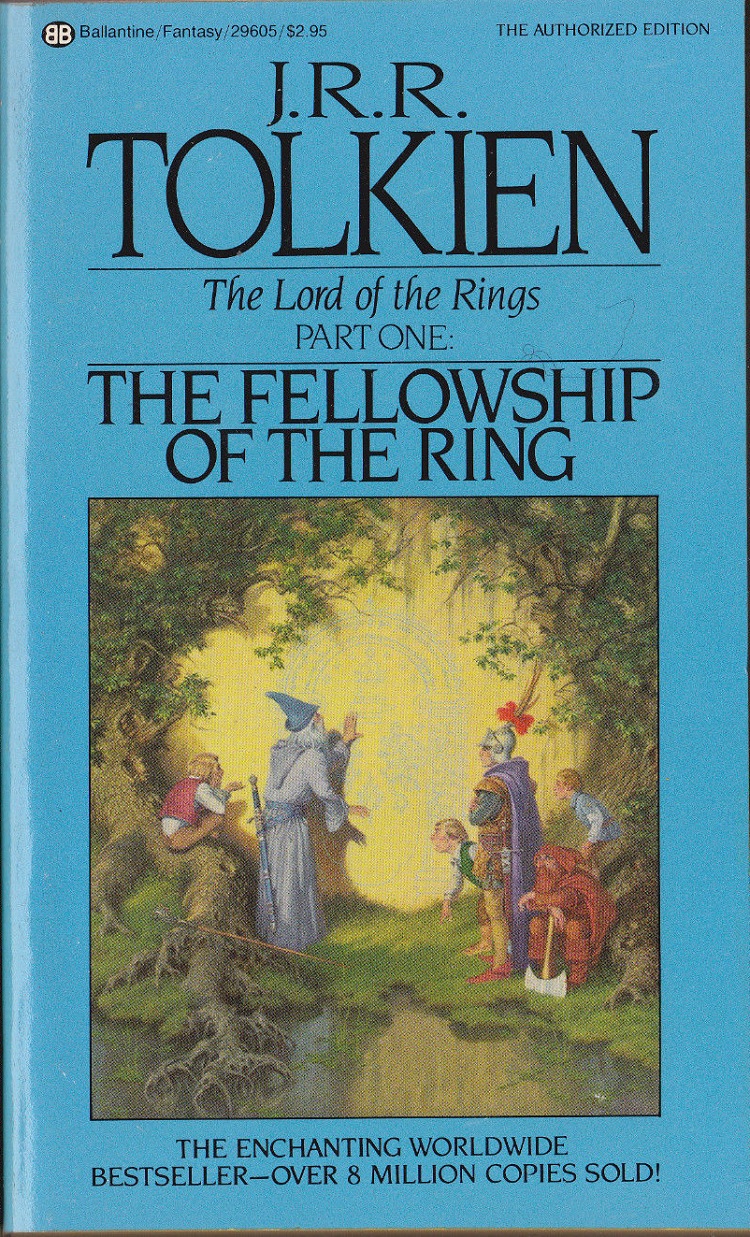
Fellowship 1965

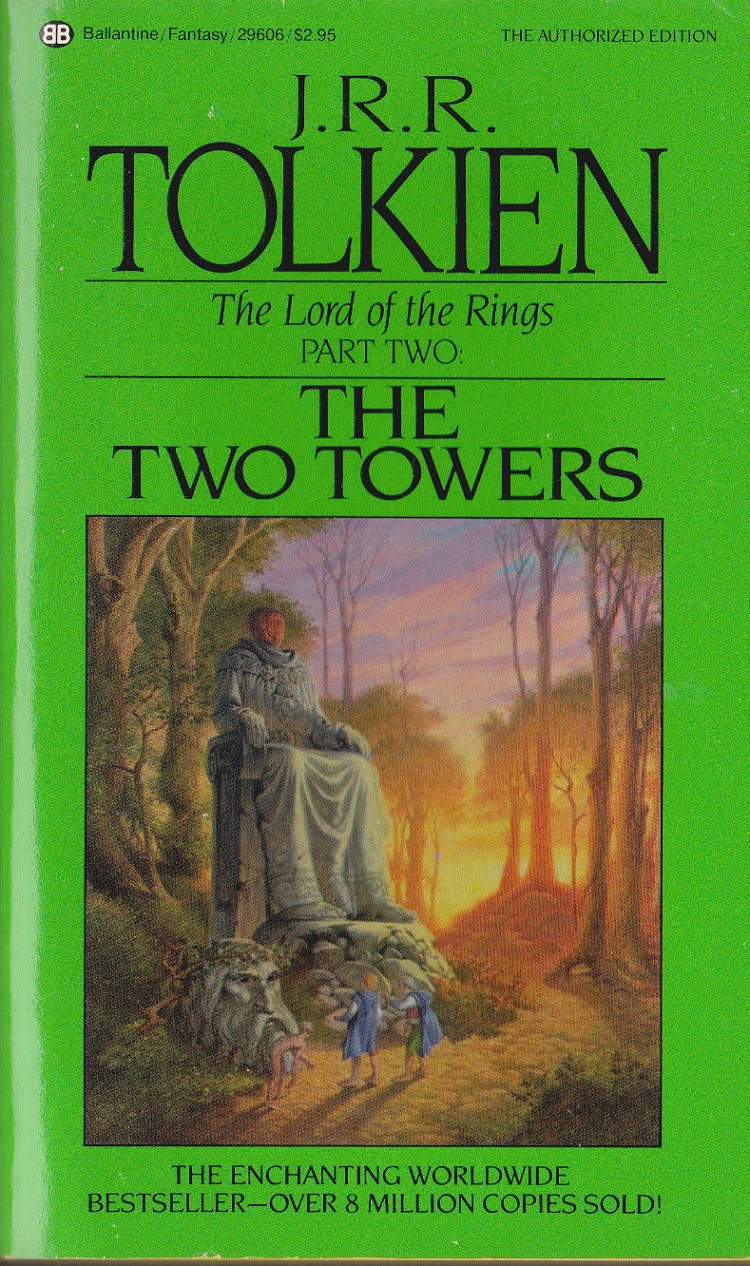
Towers 1965

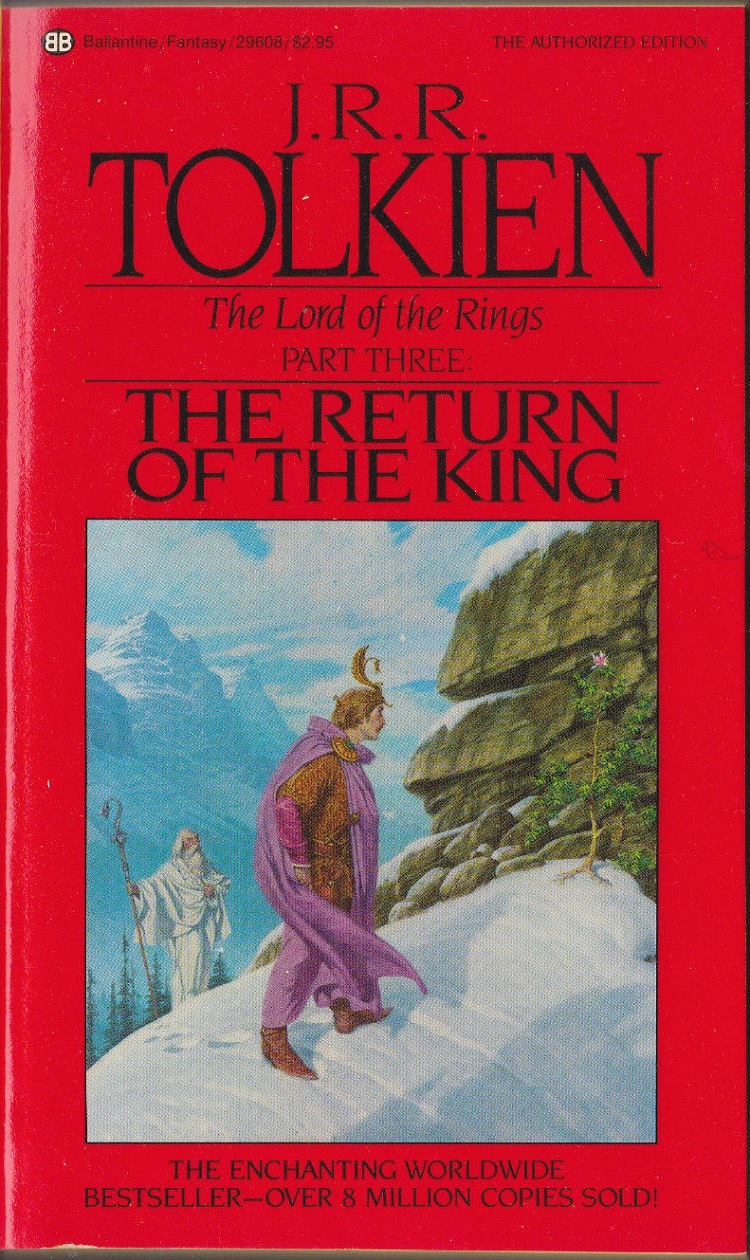
Return 1965

Tolkien did not initially want his trilogy to appear in so “degenerate a form” as the paperback book. What happened is that Donald Wollheim, then editor-in-chief of Ace Books, released an unauthorized edition of LOTR in 1965, believing, or claiming to believe, that the soon-to-be literary phenomenon was in the public domain. The Ace edition, being affordable at 75¢/book, sold extremely well, and Tolkien immediately came to terms with the vulgar paperback medium. Ballantine’s revised and authorized edition, priced at 95¢/book, appeared in October, 1965 (The Fellowship of the Ring and The Two Towers) and November, 1966 (The Return of the King). Said Tolkien to his son in October of 1965:

Campaign in U.S.A. has gone well. ‘Ace Books’ are in quite a spot, and many institutions have banned all their products. They are selling their pirate edition quite well, but it is being discovered to be very badly and erroneously printed; and I am getting such an advt. from the rumpus that I expect my ‘authorized’ paper-back will in fact sell more copies than it would, if there had been no trouble or competition.

Wollheim’s unscrupulous maneuver—he was eventually forced to pay Tolkien the royalties he deserved—was the single most important event in the popularization of the fantasy genre and the birth of geek culture.

You can see the spines and back covers of the original Ballantine editions at Tolkien Collector’s Guide, where I found the images above. The cover artist is Barbara Remington.

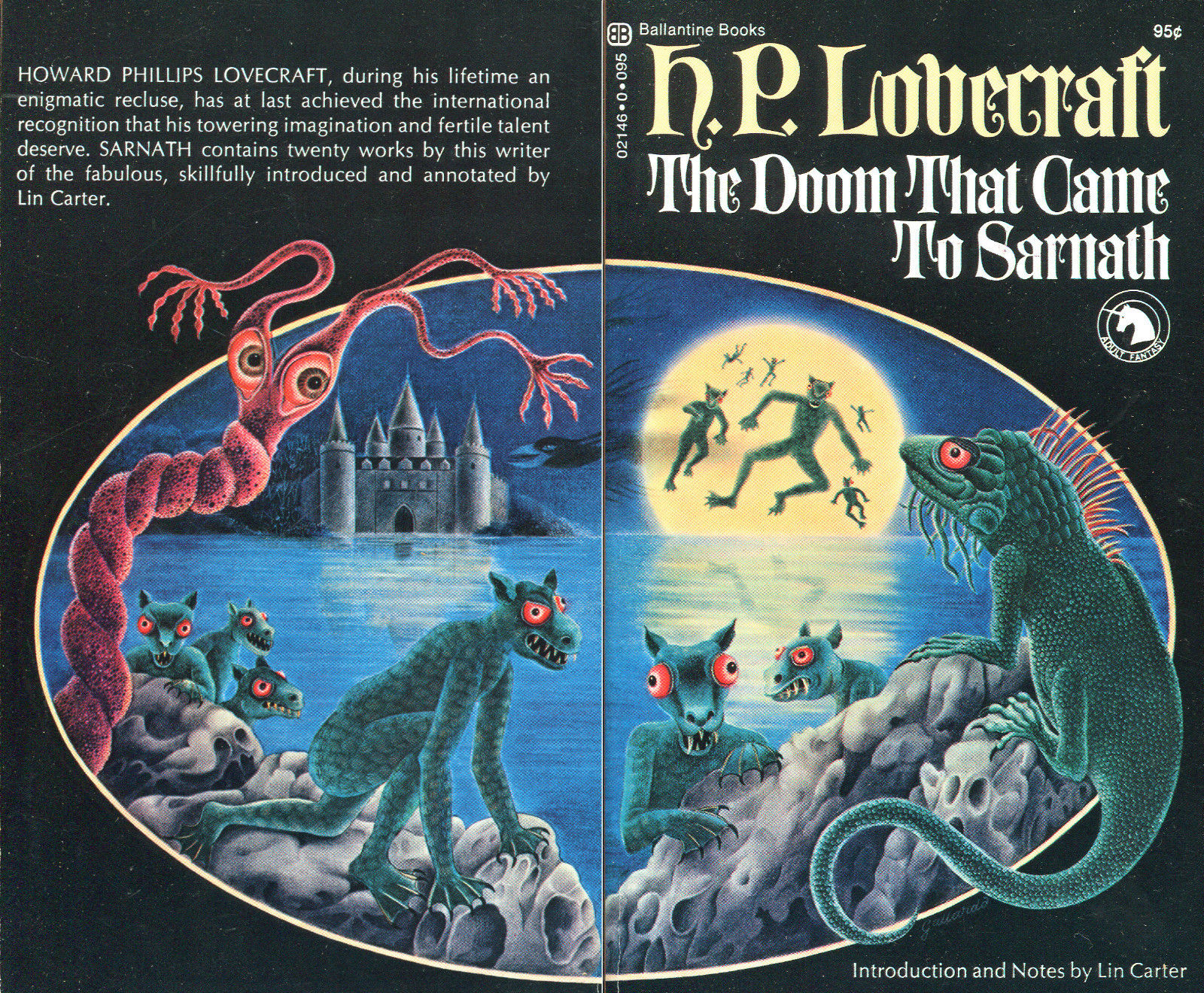
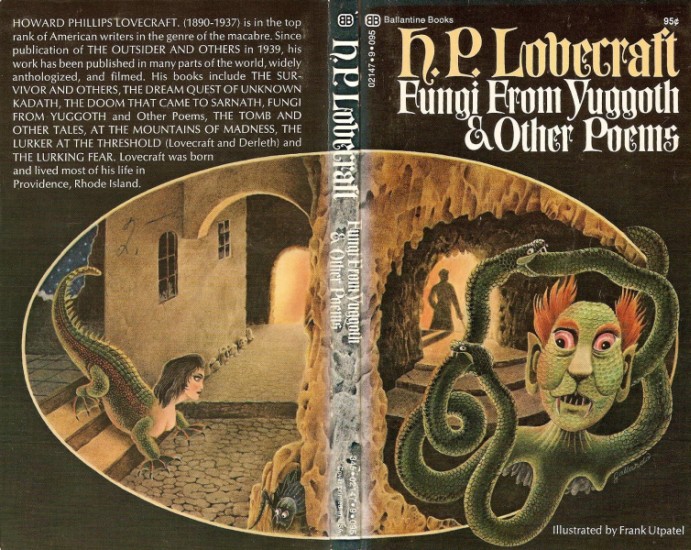
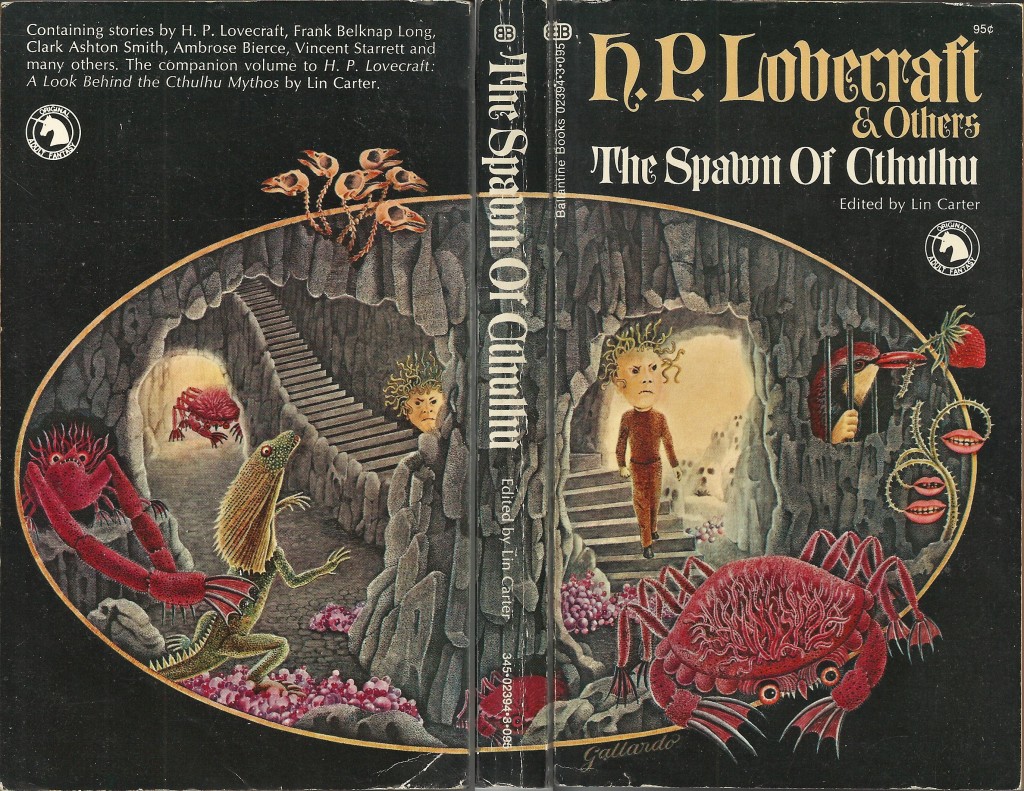
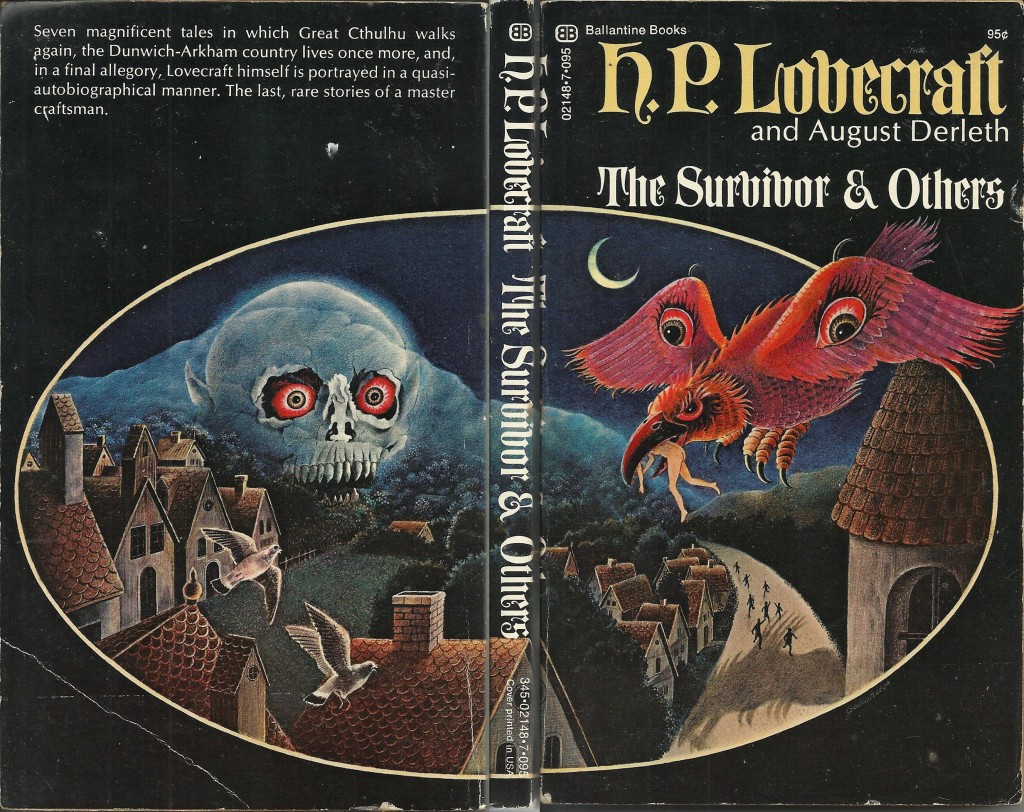
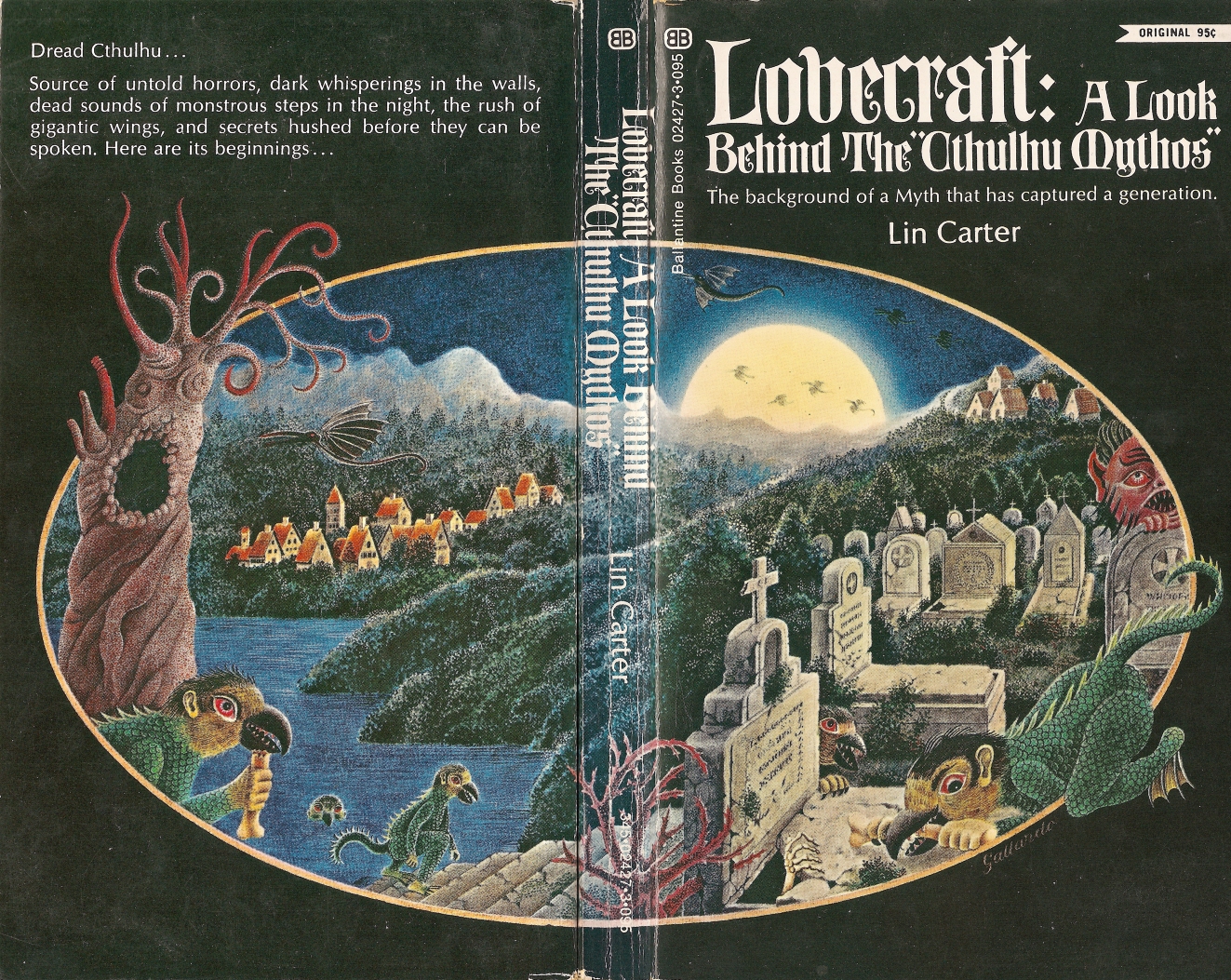
Gervasio Gallardo’s H.P. Lovecraft Cover Art (Ballantine, 1970 – 1973)

Gallardo Kadath 1970

Gallardo Sarnath 1971

Gallardo Fungi 1971

Gallardo Spawn 1971

Gallardo Survivor 1971

Gallardo Mythos 1972

Gallardo Imaginary 1973

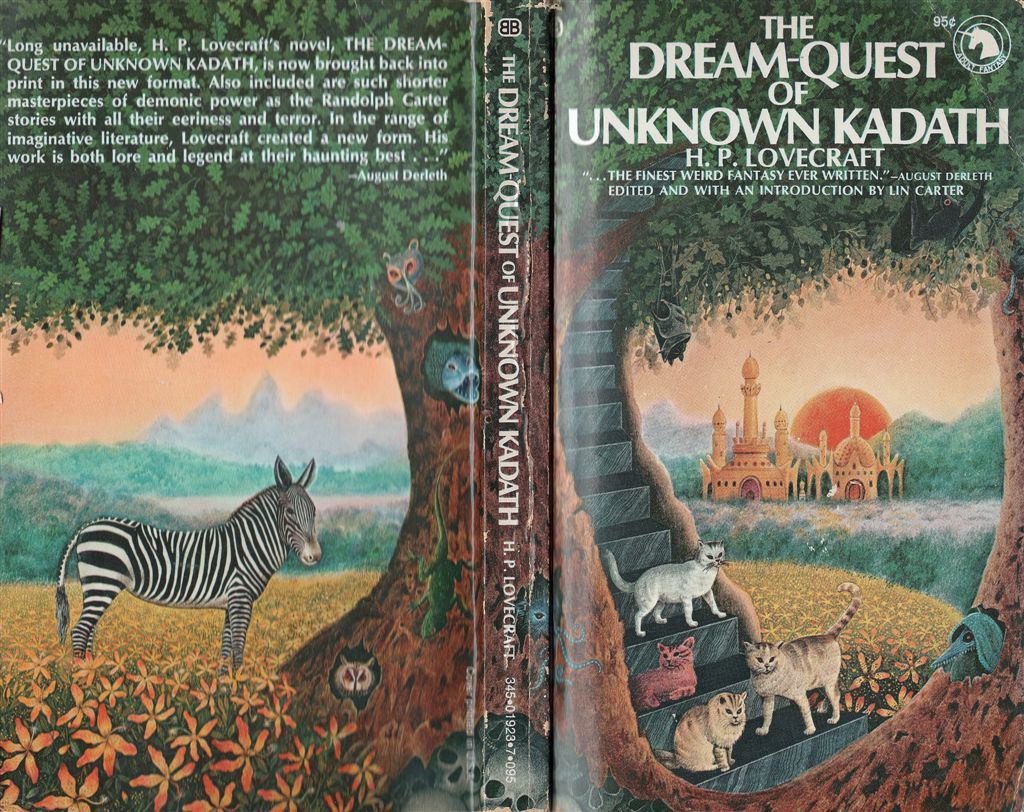
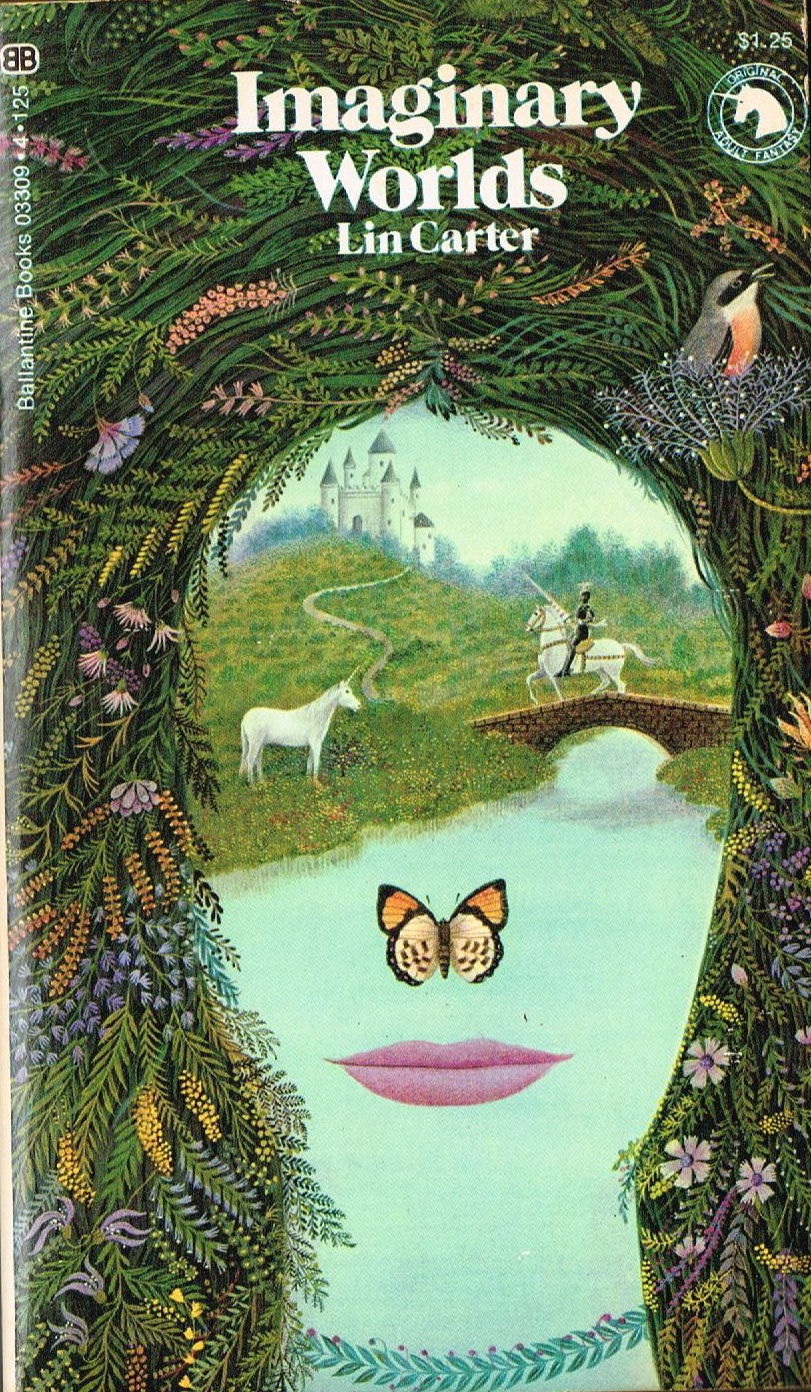
Spanish-born illustrator Gervasio Gallardo did a number of striking covers for the highly influential Ballantine Adult Fantasy series (1969 – 1974), edited by writer and fantasy literature historian Lin Carter. All of the Lovecraft volumes are featured above—I threw in Imaginary Worlds, the last volume of Carter’s non-fiction “look behind” trilogy exploring the origins of the fantasy genre. Lovecraft: A Look Behind the Cthulhu Mythos is the second volume, and Tolkien: A Look Behind ‘The Lord of the Rings’ is the first.

Bob Pepper was another notable illustrator for the same series.

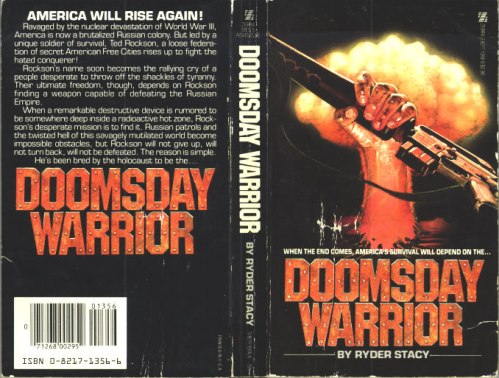
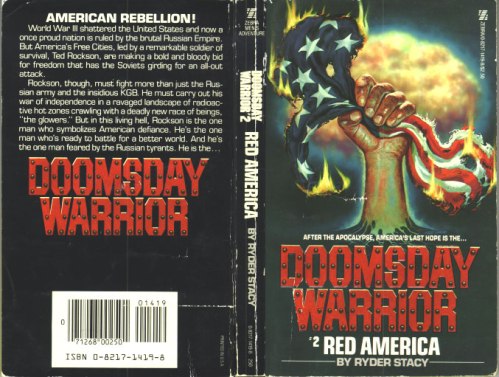
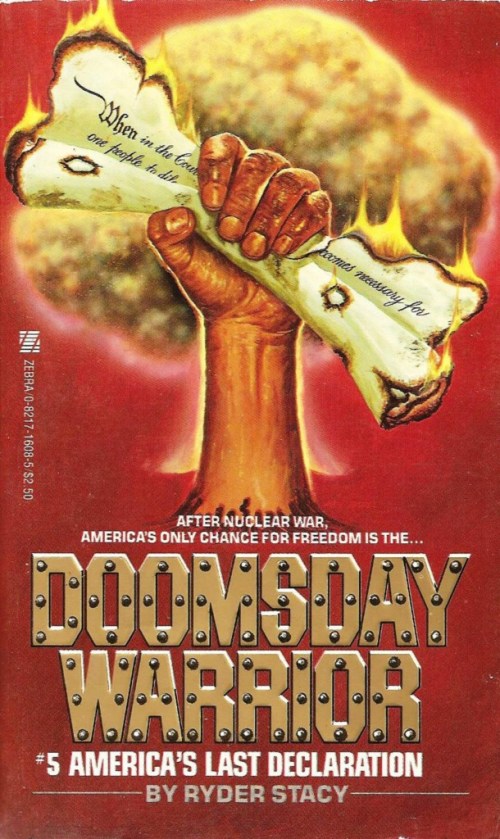
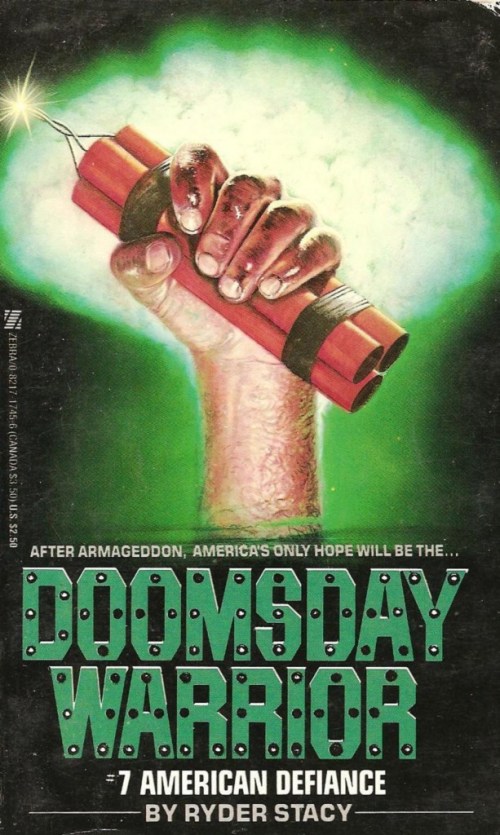
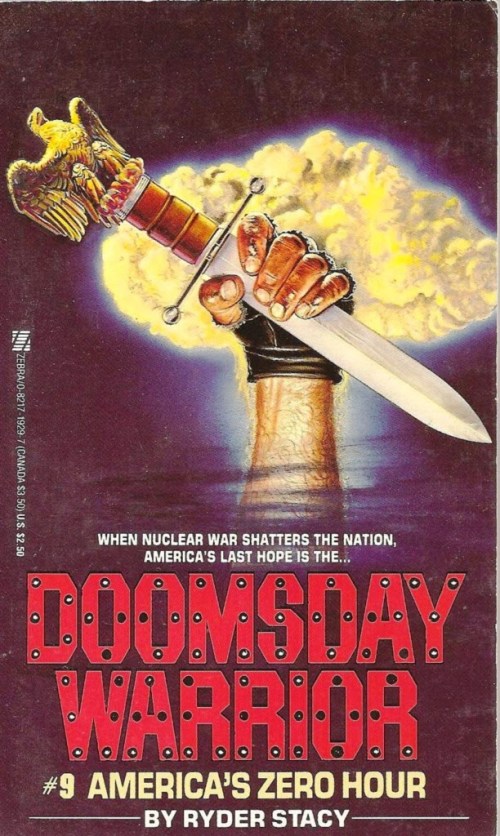
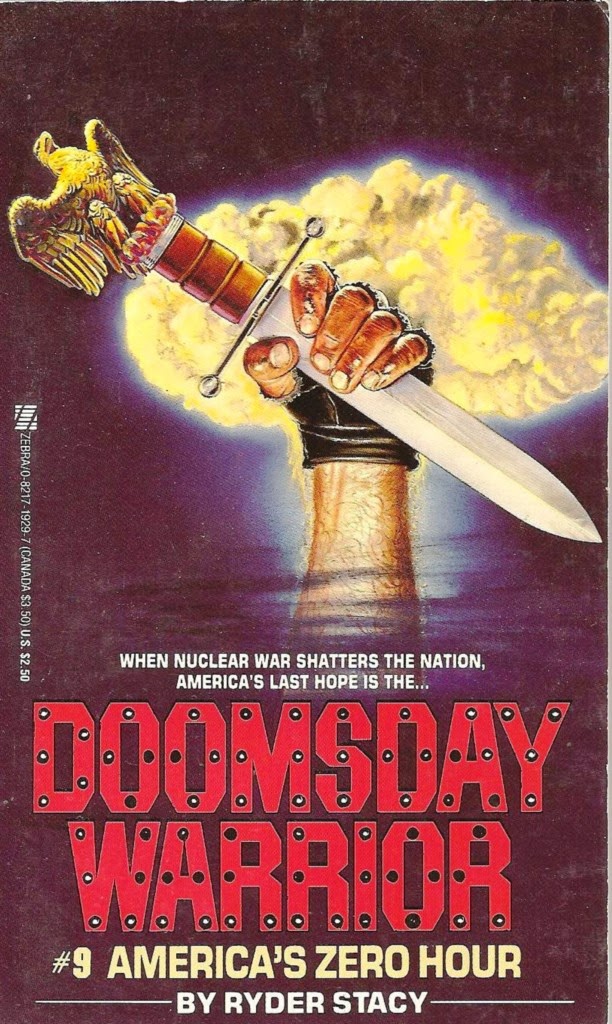
Post-Apocalypse Now: Ryder Stacy’s Doomsday Warrior Series (1984 – 1991)

DW #1

DW #2

DW #5

DW #6

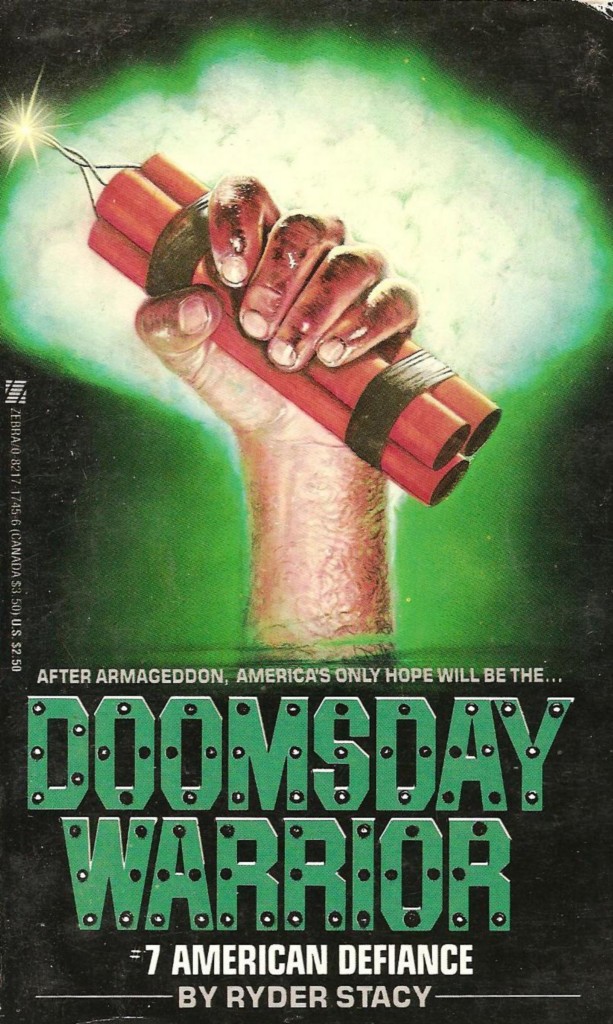
DW #7

DW #9

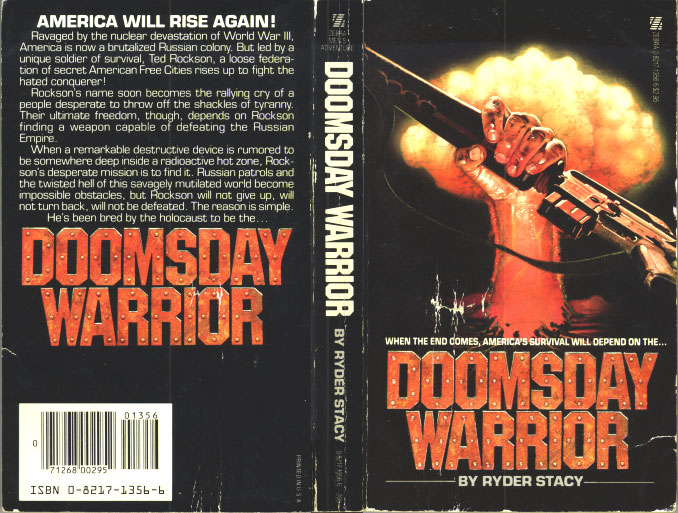
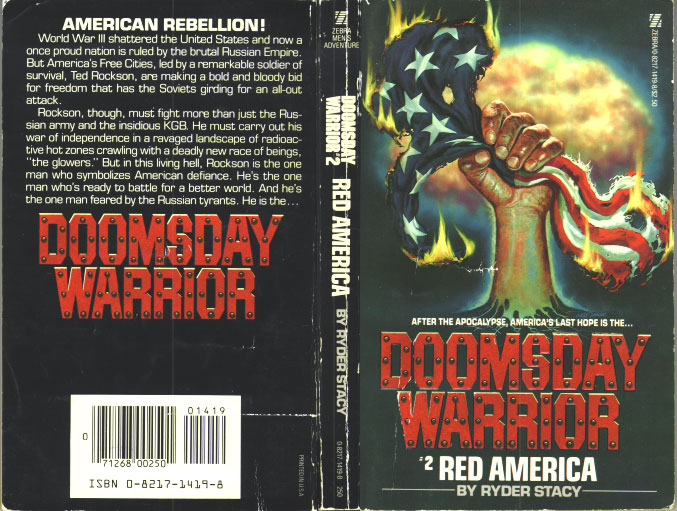
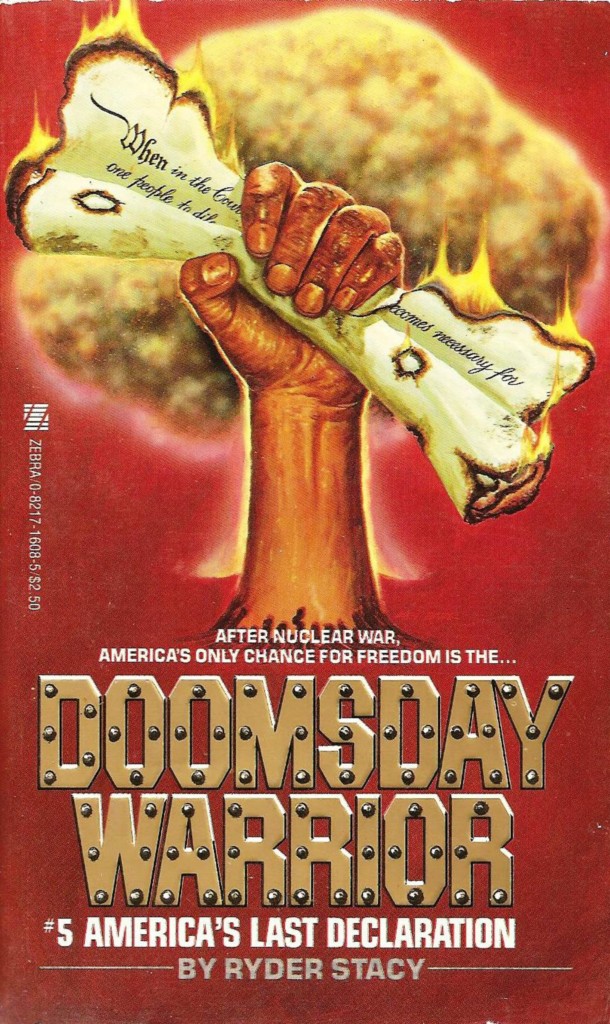
A combination of The Survivalist, The Executioner, and 2000 AD, the Doomsday Warrior series follows the exploits of Ted Rockson (“Rockhard” would’ve been better) and “his high-tech guerilla army of Freefighters” as they try to wrest America from Russian occupation while battling radioactive “glowers,” cultists, and all manner of post-nuke nasties.

Ryder Stacy is actually Ryder Syvertsen and Jan Stacy, both of whom wrote various men’s action-adventure fiction throughout the 1980s. Doomsday Warrior was the most successful, running to 19 volumes. There were an incredible amount of post-apocalyptic books and book series written during the Reagan era, including popular young adult novels like Gloria Miklowitz’s After the Bomb. The Hunger Games is nothing new, and it’s tame by comparison.

Fictional accounts of Russians taking over the U.S. date back to the Red Scare. Conelrad Adjacent, a treasure trove of Cold War ephemera, posted an early example from 1942, a comic book called Is This Tomorrow: America Under Communism.

The cover design of the Doomsday series—with the defiant fist and forearm doubling as the stem of the mushroom cloud that ended the old ways—is magnificent. The writing is not. From #7, American Defiance:

The whole Russian fort was coming to life and there was only one chance to escape. Gripping the long wooden pole in his hands, Rockson ran toward the sixteen-foot-high barbed wire fence and without breaking stride planted the pole in the dirt. With every ounce of strength he kicked off with his piston legs and climbed up in the air in a perfect arc.

A spotlight suddenly caught Rockson dead on, and a stream of Red slugs headed toward him like a swarm of man-eating locusts. The top of the fence was coming and Rock made it over—barely. The very upper strands of barbed wire ripped across his right calf, slicing open a three-inch-long gash that oozed a stream of blood. Then he was arcing down to the ground, curling as he made contact, rolling over and over into the blackness where the circle of searchlights ended.

This particular bunch of Reds wasn’t going to get the Doomsday Warrior. Not tonight.

The cover images come from two great blogs: The Post-Apocalyptic Book List, an exhaustive list and description of genre titles, and Glorious Trash, a pulp review site heavy on 1980s survivalism and action-adventure, Doomsday Warrior included.

Darrell K. Sweet Cover Art for The Hobbit and The Lord of the Rings (1981)

Hobbit DKS 1981

Fellowship DKS 1981

Towers DKS 1981

King DKS 1981

Ballantine’s Silver Jubilee Edition of The Hobbit and The Lord of the Rings was the first paperback edition to appear after the 1978 animated feature, and the first edition I read. I have very strong memories of reading Fellowship every morning as my dad drove me to school, and, later, ignoring my mom’s calls to dinner as I sat in my room, transfixed by Boromir’s death in The Two Towers.
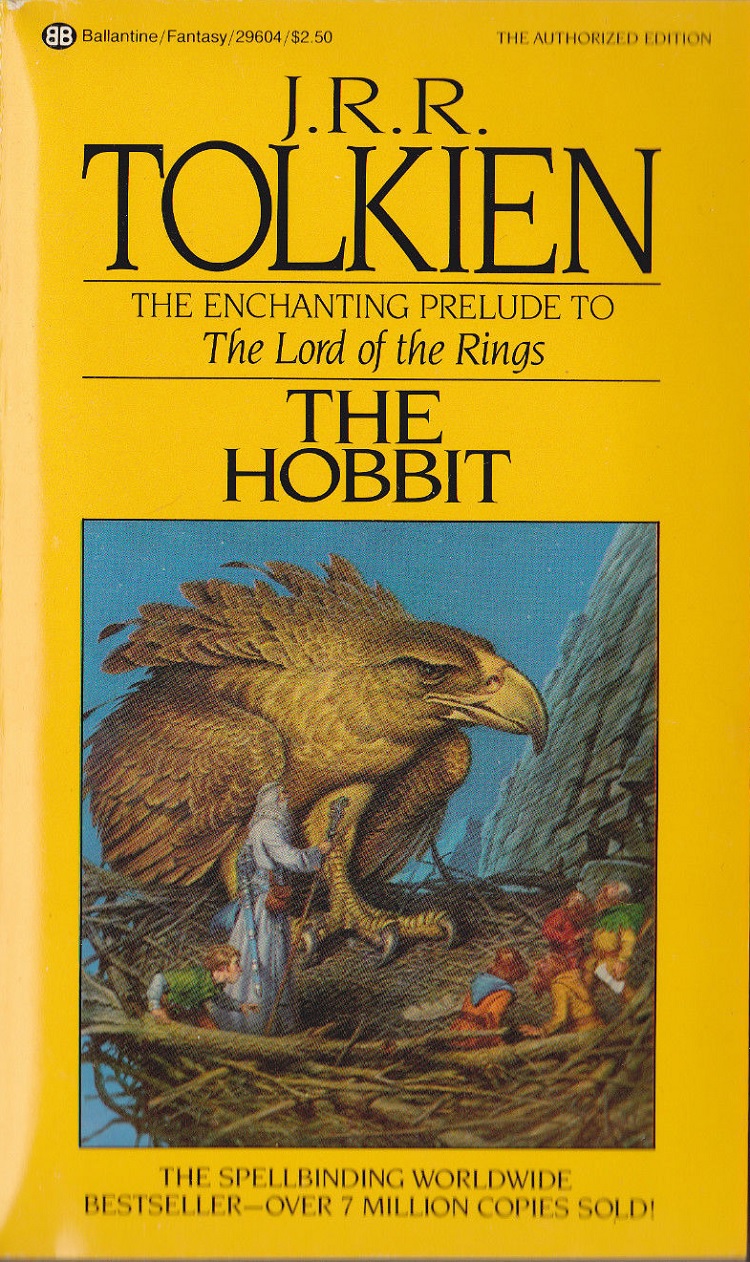
Sweet’s art was taken from the 1982 LOTR calendar. You can see all the images in high resolution at The One Ring. The Fall of Numenor was used for the cover of Ballantine’s 1982 edition of The Silmarillion. These are still the definitive covers for me, and I think his Fellowship painting is particularly brilliant.

Sweet painted all the covers but one for Robert Jordan’s inexcusably long Wheel of Time series. He passed away in 2011 before he could finish the final piece. Irene Gallo gave him a fine eulogy, featuring some of his outstanding work, at Tor.


Pages

Archives

Categories

Donate Button

Join 1,117 other subscribers