Archive for the 'Books' Category


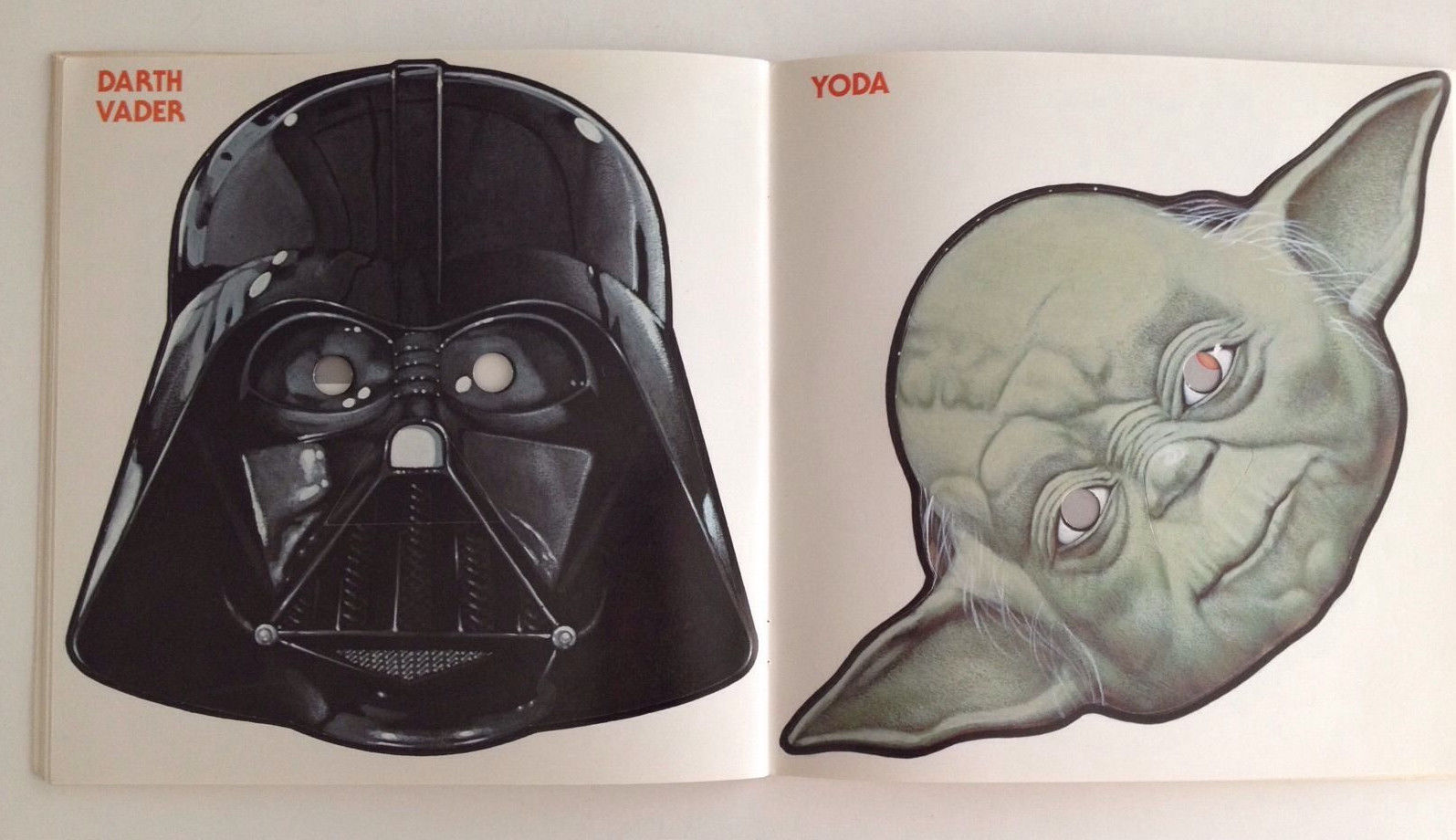
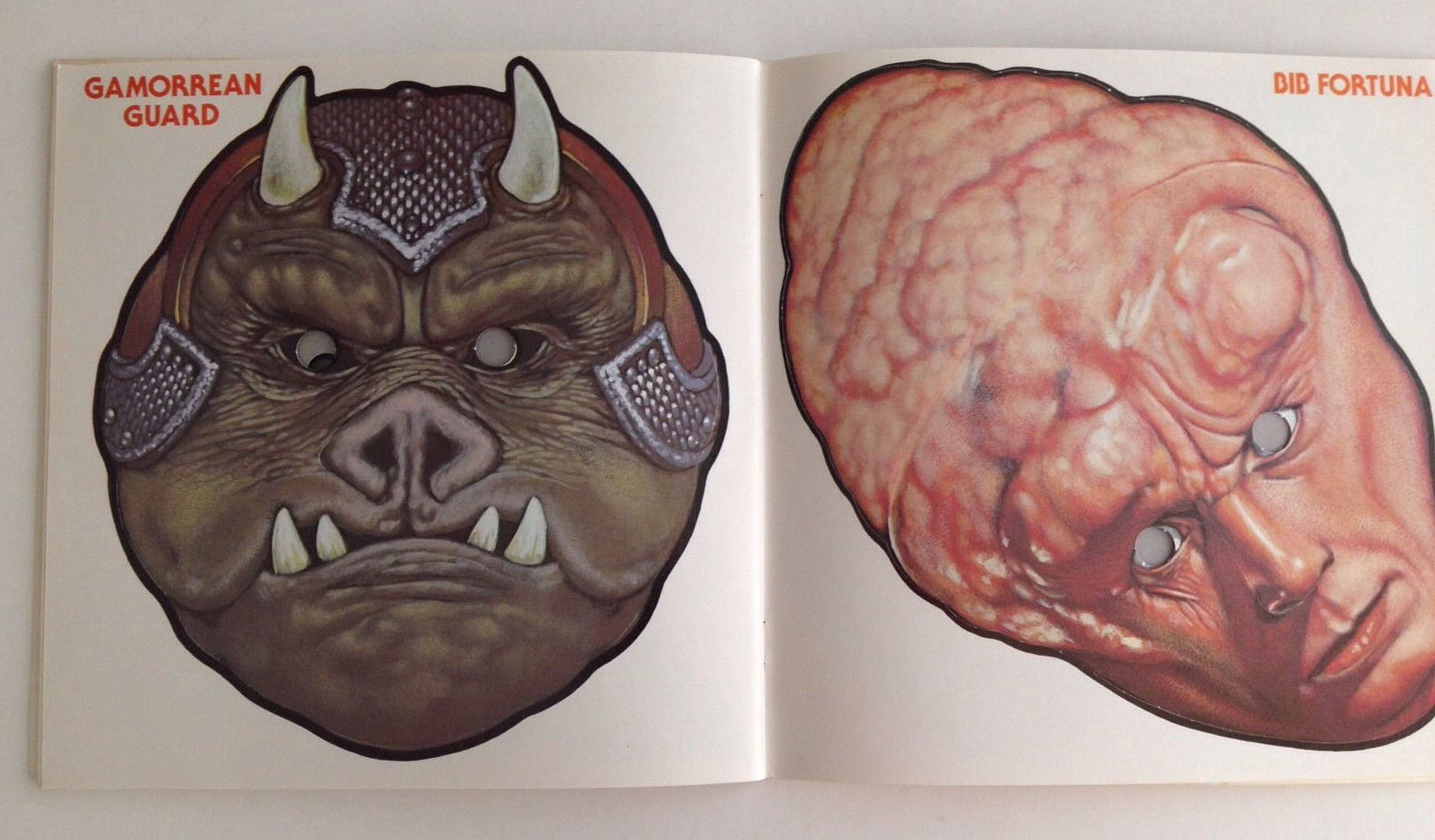
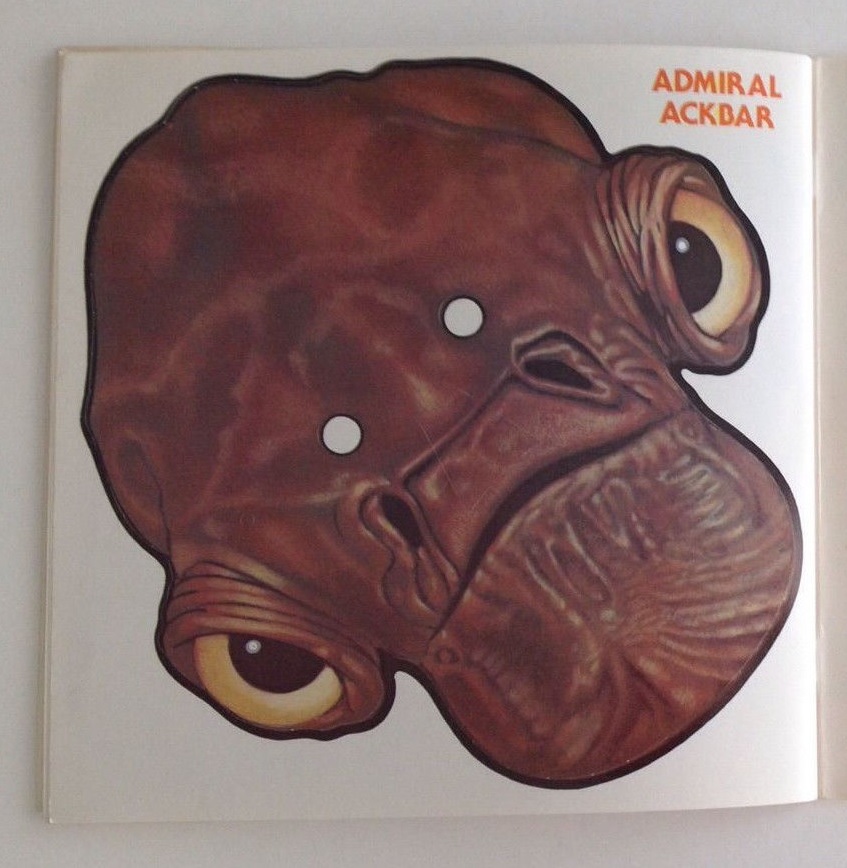
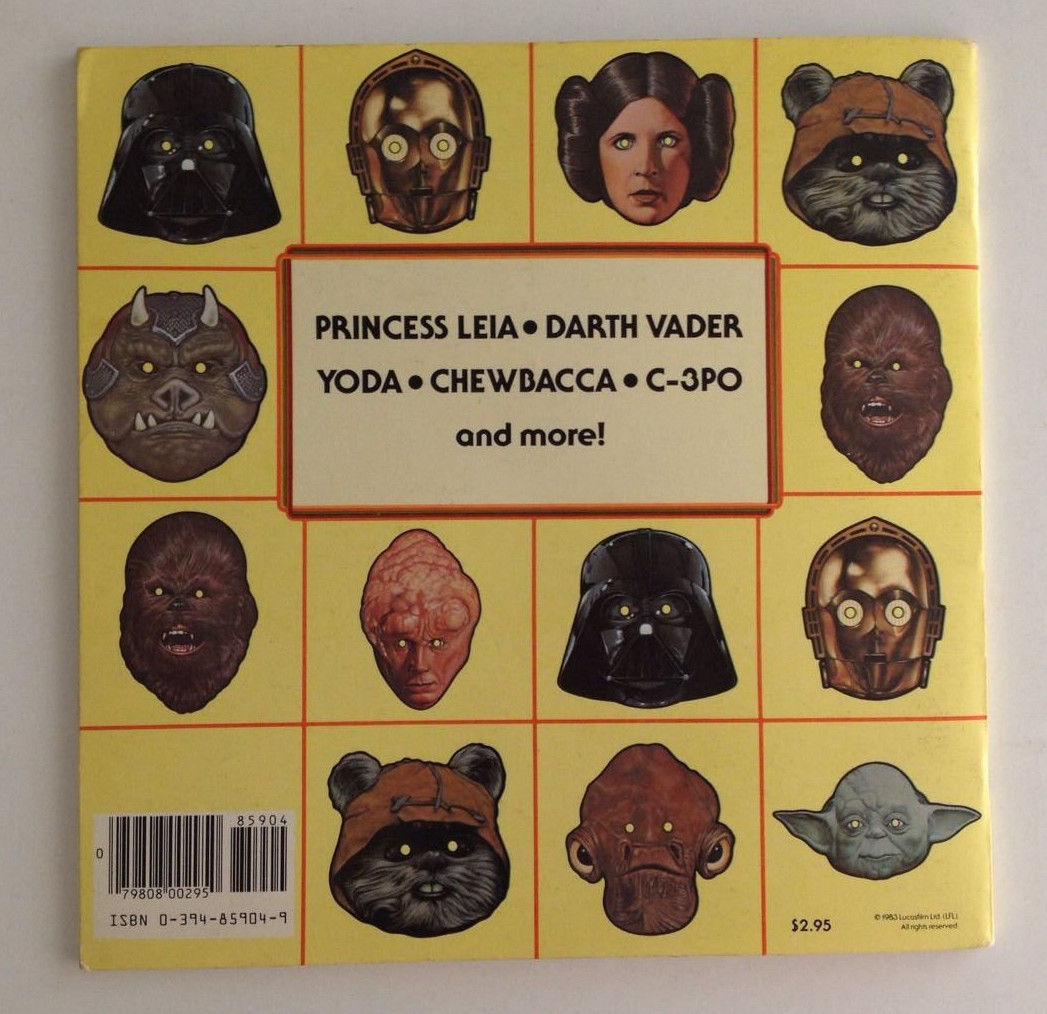
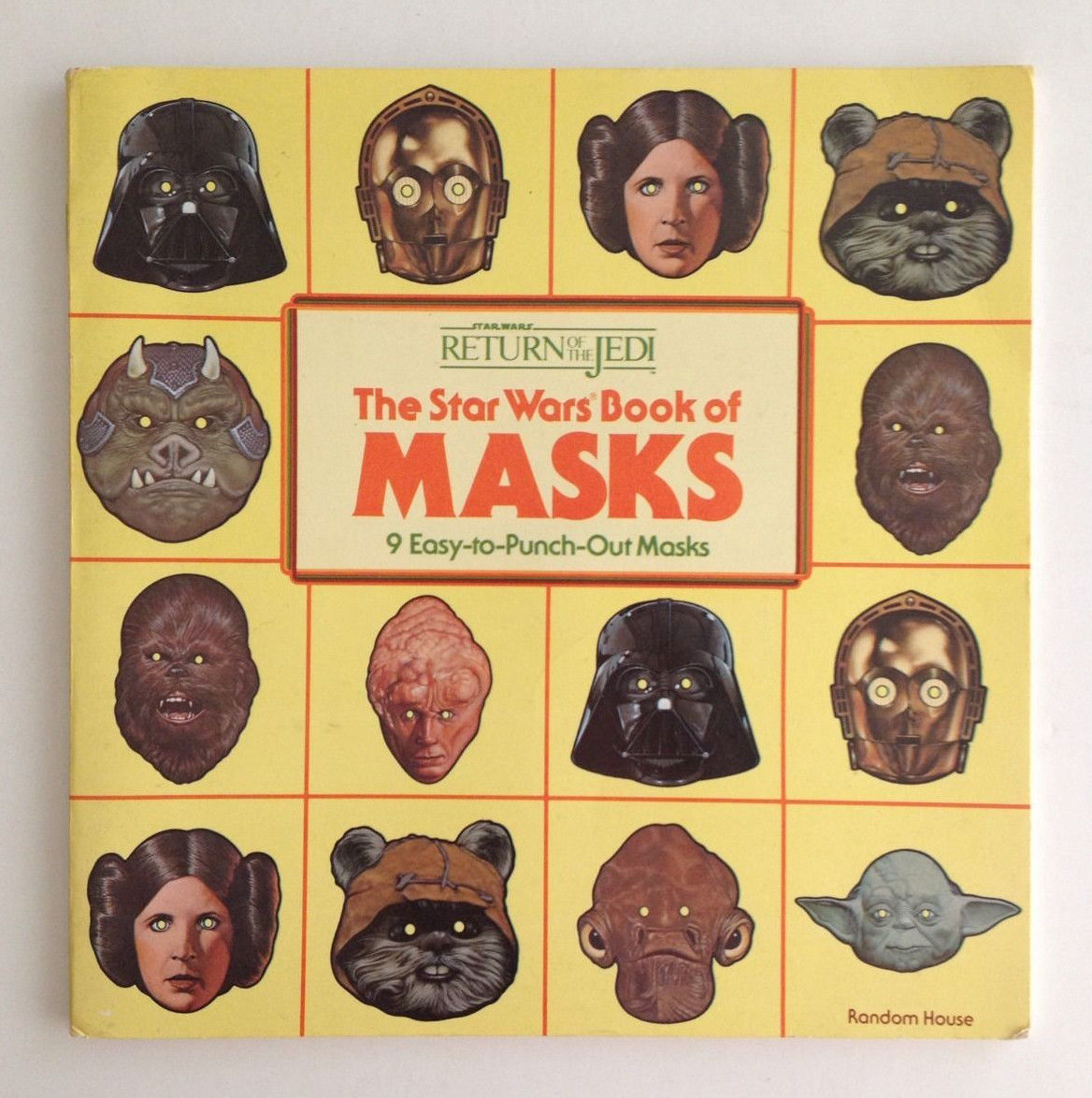
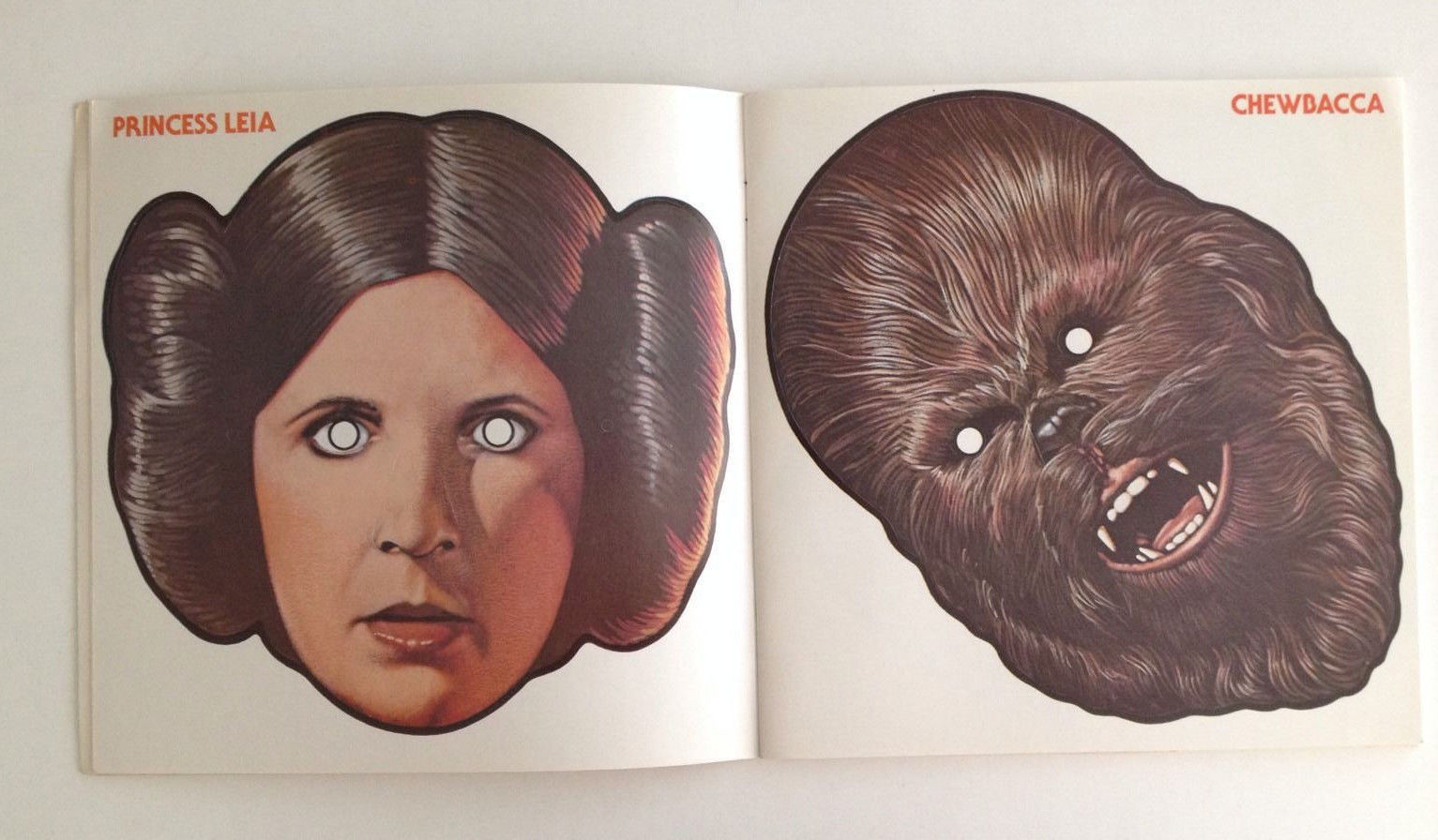
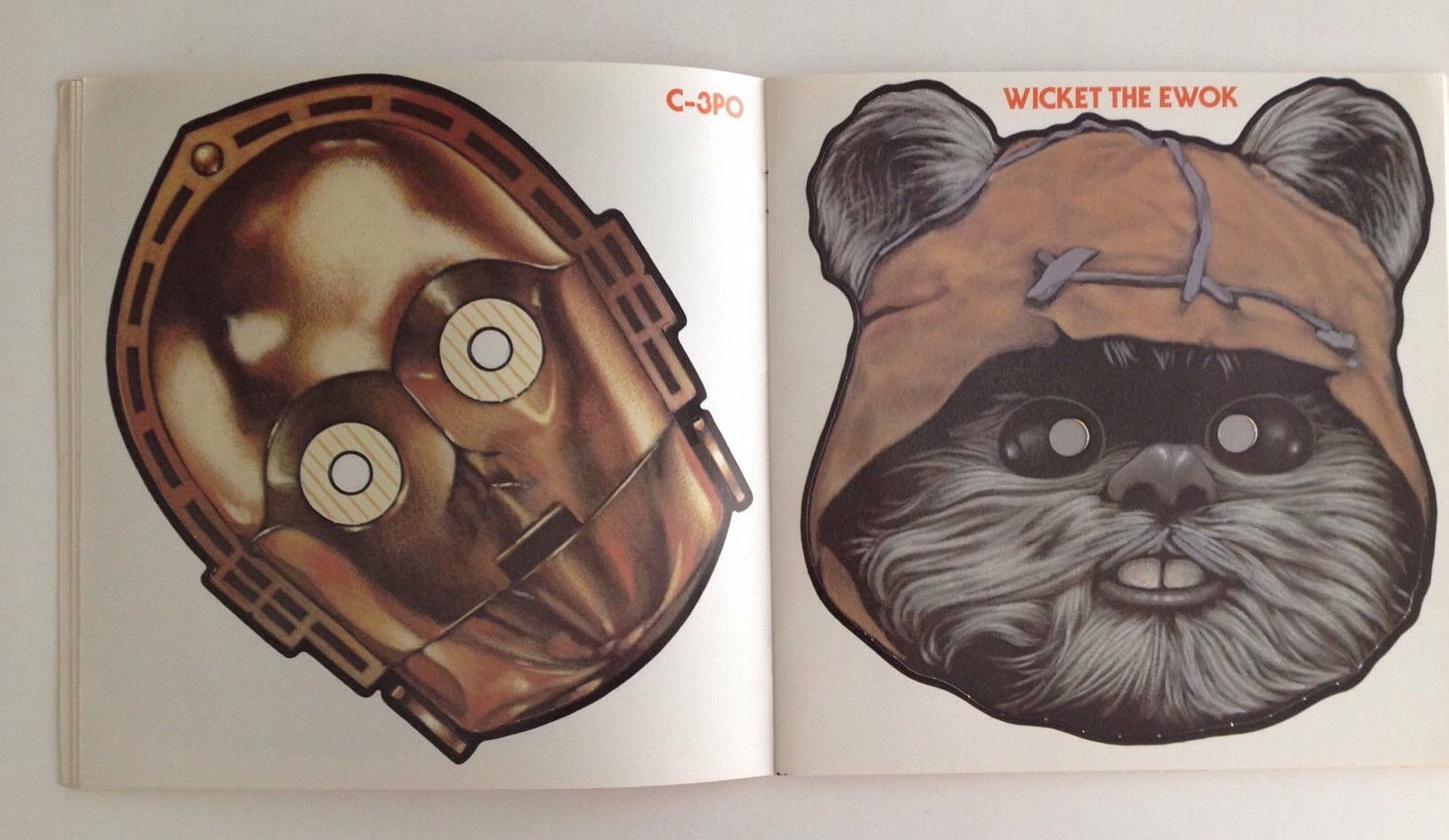
The Star Wars Book of Masks (Random House, 1983)

SW Book 1983-1

SW Book 1983-2

SW Book 1983-3

SW Book 1983-4

SW Book 1983-5

SW Book 1983-6

SW Book 1983-7

Beautiful illustrations by Walter Velez, a fantasy cover artist who worked on many Star Wars publications of the time. He also did some work for TSR in the ’90s. His cover for Robert Asprin’s Thieves’ World (1979) influenced a slew of gamers.

Anyway, it’s Halloween and you can only wear one mask. Which one do you choose? I choose Ackbar.

(Images via eBay)

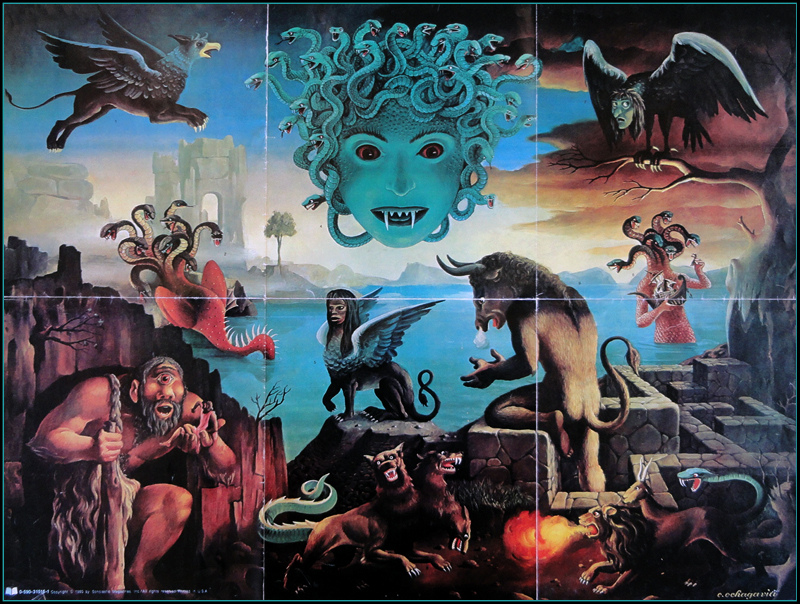
Monsters of the Greek Myths Poster (Scholastic Books, 1980)

Greek Myths 1980

From WesternOutlaw, who writes:

When I was a kid, I loved ordering books from the Scholastic book club. In addition to some exciting books, purchases over a specific amount would result in a free poster. This poster from 1980 is one of my personal favorites that I hung in my bedroom for some time. I was surprised to find it in an old stack of papers in the garage. On the backside is a description of the 10 mythical creatures pictured. What a great poster for a kid interested in Greek Mythology!

In doing a little research on the artist, I discovered the artwork is by Carlos Victor Ochagavia who created the original covers of the Illuminatus paperback books.

Can anyone name the 10 mythical creatures pictured?

All three novels in The Illuminatus! Trilogy came out in 1975. See Ochagavia’s striking covers here.

The Things We Have Lost (Part One)

Marquee Hanover Theater Penn

Borders Closing 2011

(Photos via Classic Horror Film Board and Reddit)

Challenger Storm: The Curse of Poseidon by Don Gates (Airship 27 Productions, 2014)

Storm-1

The pulps are making a comeback. From grand adventure in the tradition of The Shadow and Doc Savage to weird fiction inspired by H.P. Lovecraft, the “thrills and chills” genre is getting a rewrite by a new generation of authors for a new generation of readers. I haven’t had a lot of reading time lately (three-year-old + three-month-old), but Don Gates’ Challenger Storm novels are at the top of my list. I dig what I’ve read so far, and illustration legend Michael Kaluta—who, with writer Dennis O’Neil, delivered a canonical comic book adaptation of The Shadow in the 1970s—provided cover and interior art. Yes, please.

Here’s an excerpt from the press release:

When several cargo ships begin disappearing on the waters of the Aegean Sea rumors begin to spread about black-armored demons rising up out of the deep. For Challenger Storm and his MARDL team, these events hold no particular interest until one of Storm’s troubleshooters, Diana St. Clair, informs him that her former lover, and one-time MARDL scientist, Herbert Chambers is among the missing. Later, a freakish wave wipes out a small Greek fishing village leaving only a handful of survivors.  Is it possible someone has learned how to control the seas to do their bidding? When Storm and his companions arrive at a mid-ocean refueling station, they are attacked by saboteurs wielding bizarre rifles that fire sea-water.

Who is the mysterious figure calling himself Poseidon and what is the secret of his ability to create monstrous tidal waves?  Can Challenger Storm find his underwater base in time to stop this mad genius before he rains down more watery destruction upon unsuspecting coastal populations?  Is mankind doomed to be ruled by a new King of the Seas?

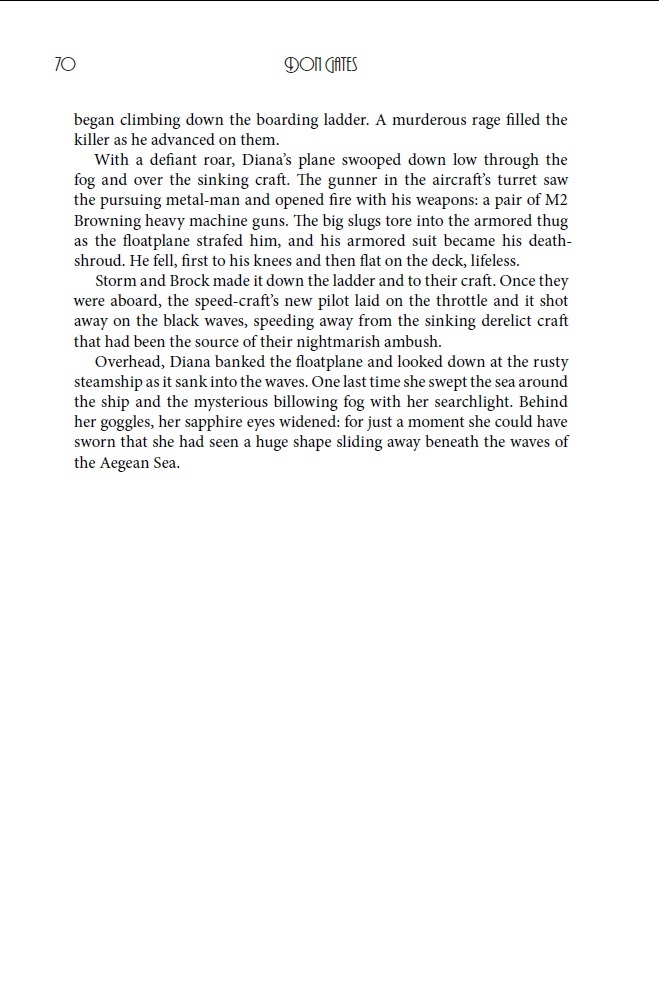
Read a few pages of Challenger Storm: The Curse of Poseidon below. You’ll also find a couple of Kaluta’s illustrations. The book is available at Amazon in Kindle and paperback formats.

Storm-4

Storm-5

Storm-6

Storm-2

Storm-3

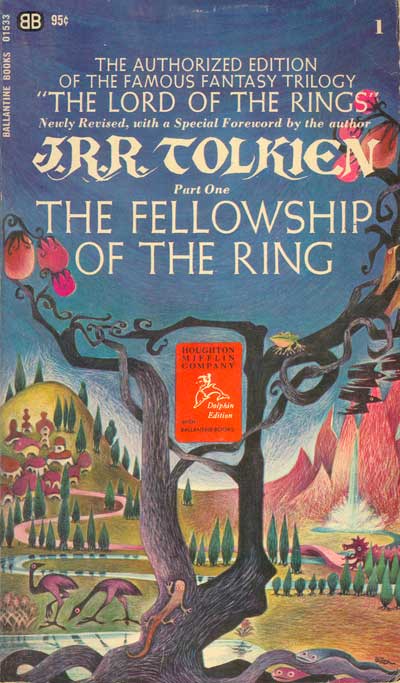
The First Authorized Paperback Edition of The Lord of the Rings (Ballantine, 1965)

Fellowship 1965

Towers 1965

Return 1965

Tolkien did not initially want his trilogy to appear in so “degenerate a form” as the paperback book. What happened is that Donald Wollheim, then editor-in-chief of Ace Books, released an unauthorized edition of LOTR in 1965, believing, or claiming to believe, that the soon-to-be literary phenomenon was in the public domain. The Ace edition, being affordable at 75¢/book, sold extremely well, and Tolkien immediately came to terms with the vulgar paperback medium. Ballantine’s revised and authorized edition, priced at 95¢/book, appeared in October, 1965 (The Fellowship of the Ring and The Two Towers) and November, 1966 (The Return of the King). Said Tolkien to his son in October of 1965:

Campaign in U.S.A. has gone well. ‘Ace Books’ are in quite a spot, and many institutions have banned all their products. They are selling their pirate edition quite well, but it is being discovered to be very badly and erroneously printed; and I am getting such an advt. from the rumpus that I expect my ‘authorized’ paper-back will in fact sell more copies than it would, if there had been no trouble or competition.

Wollheim’s unscrupulous maneuver—he was eventually forced to pay Tolkien the royalties he deserved—was the single most important event in the popularization of the fantasy genre and the birth of geek culture.

You can see the spines and back covers of the original Ballantine editions at Tolkien Collector’s Guide, where I found the images above. The cover artist is Barbara Remington.

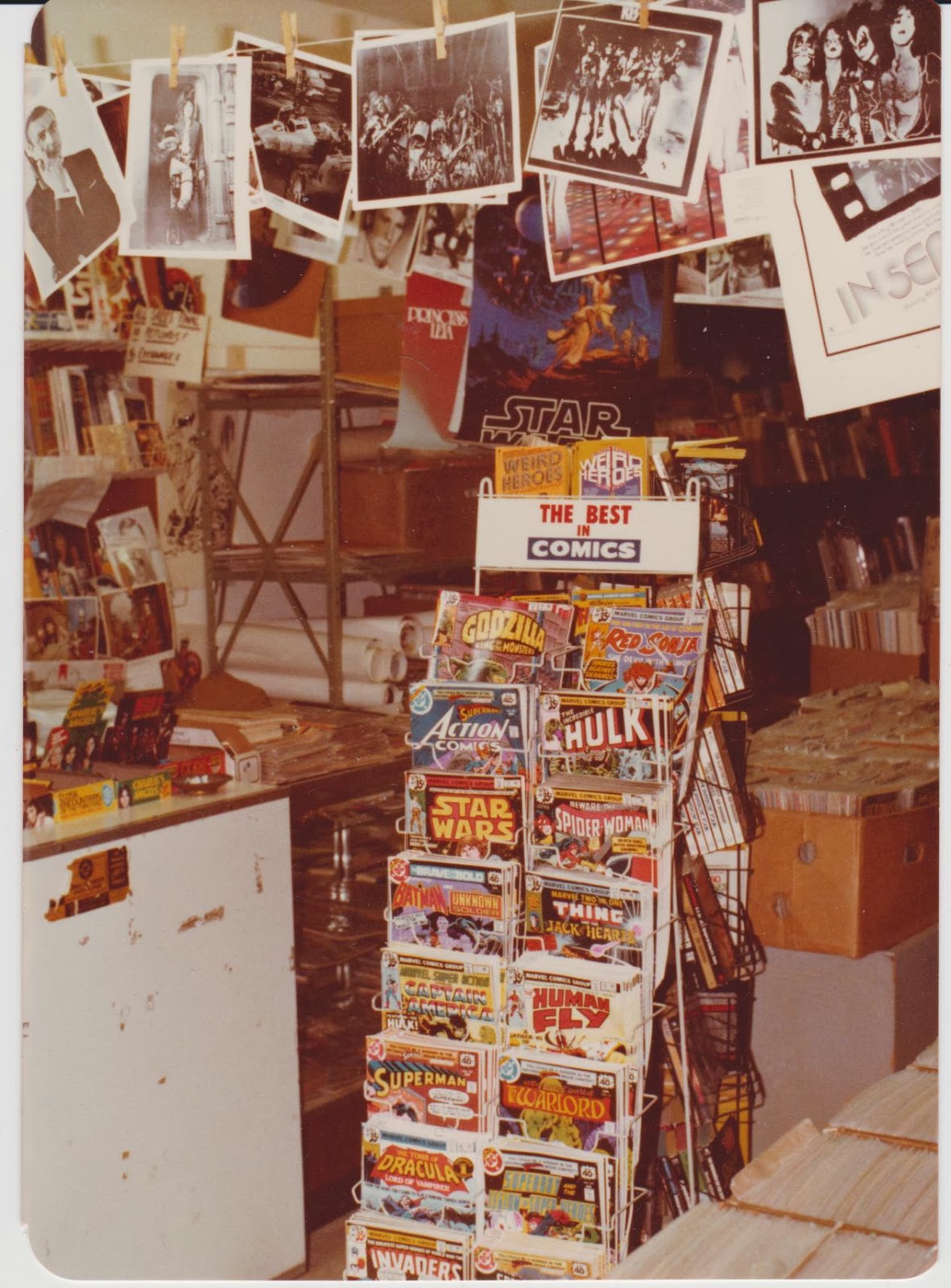
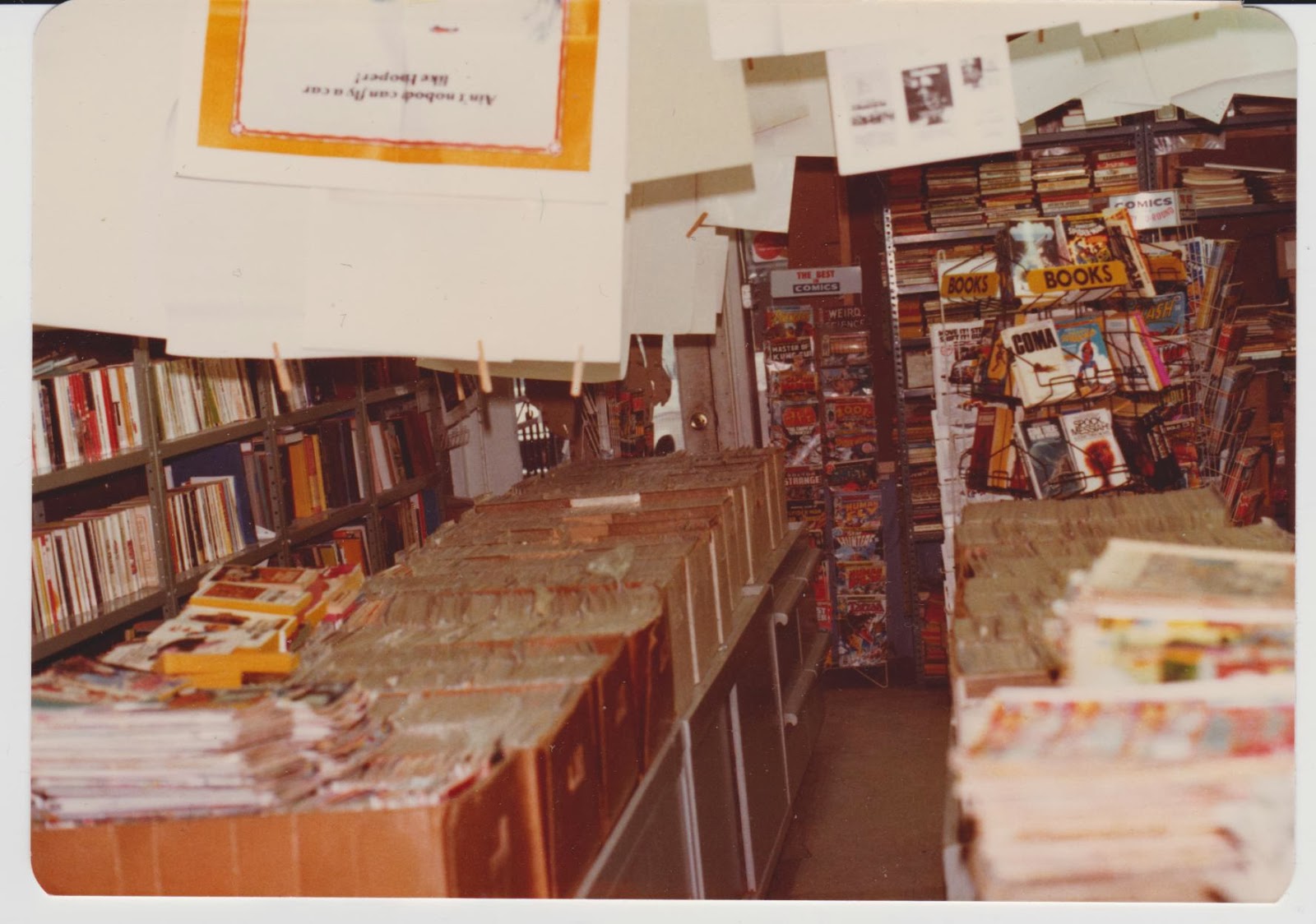
A&M Comics and Books, 1978

A&M 1978

A&M 1978-2

A&M 1978-3

Among the many ruined institutions of post-internet life lies the pulp book shop, where deviant human beings of all ages, nauseated by the mundane modern world and its small-minded minions, once went to find comfort and adventure. My dream is to open one and slowly go broke as three or four or five of us roam the aisles, sifting through and savoring all the accumulating treasure.

A&M stands for owners Arnold and Maxine Square. Pat at Destination Nightmare worked there in the late ’70s and tells the story here.

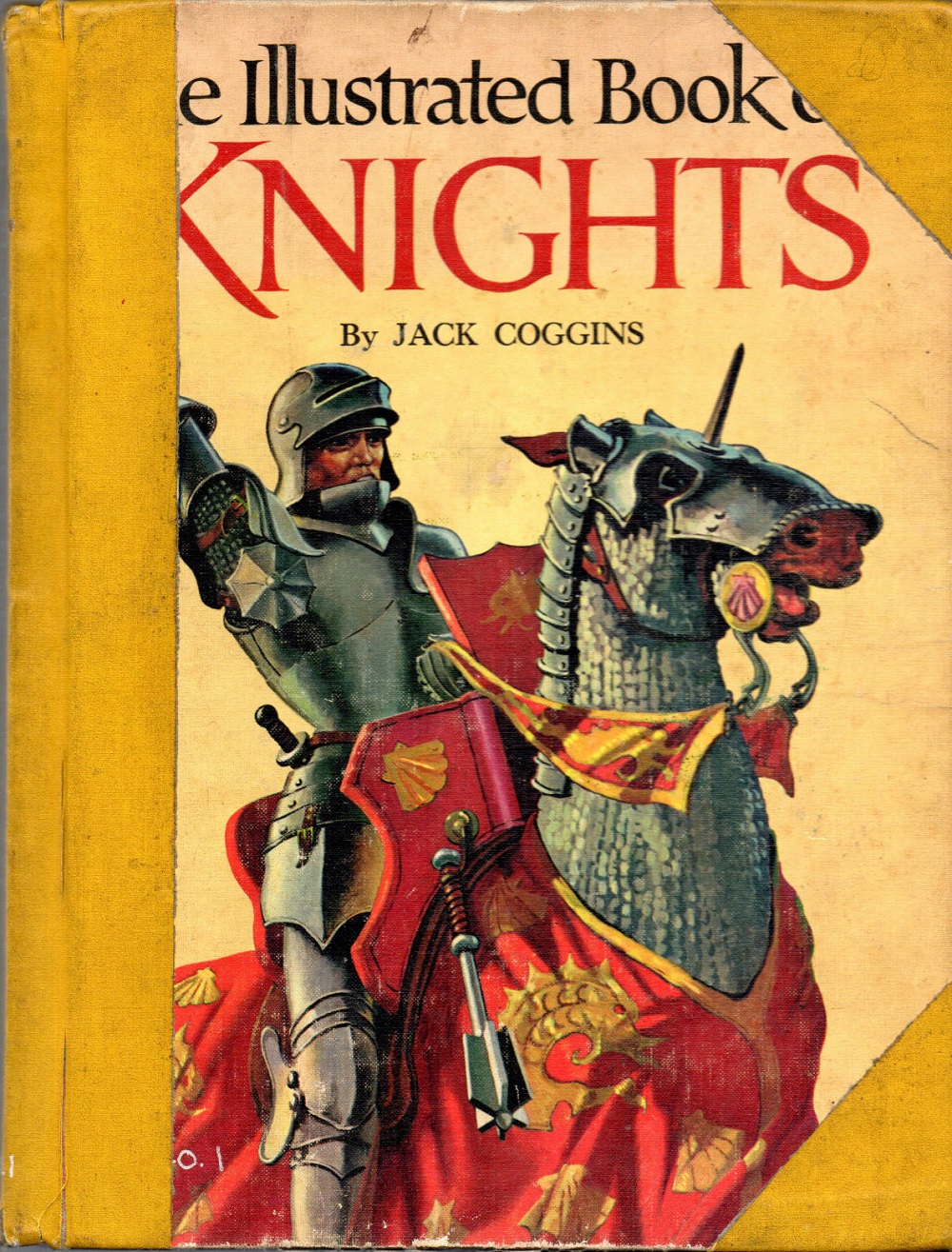
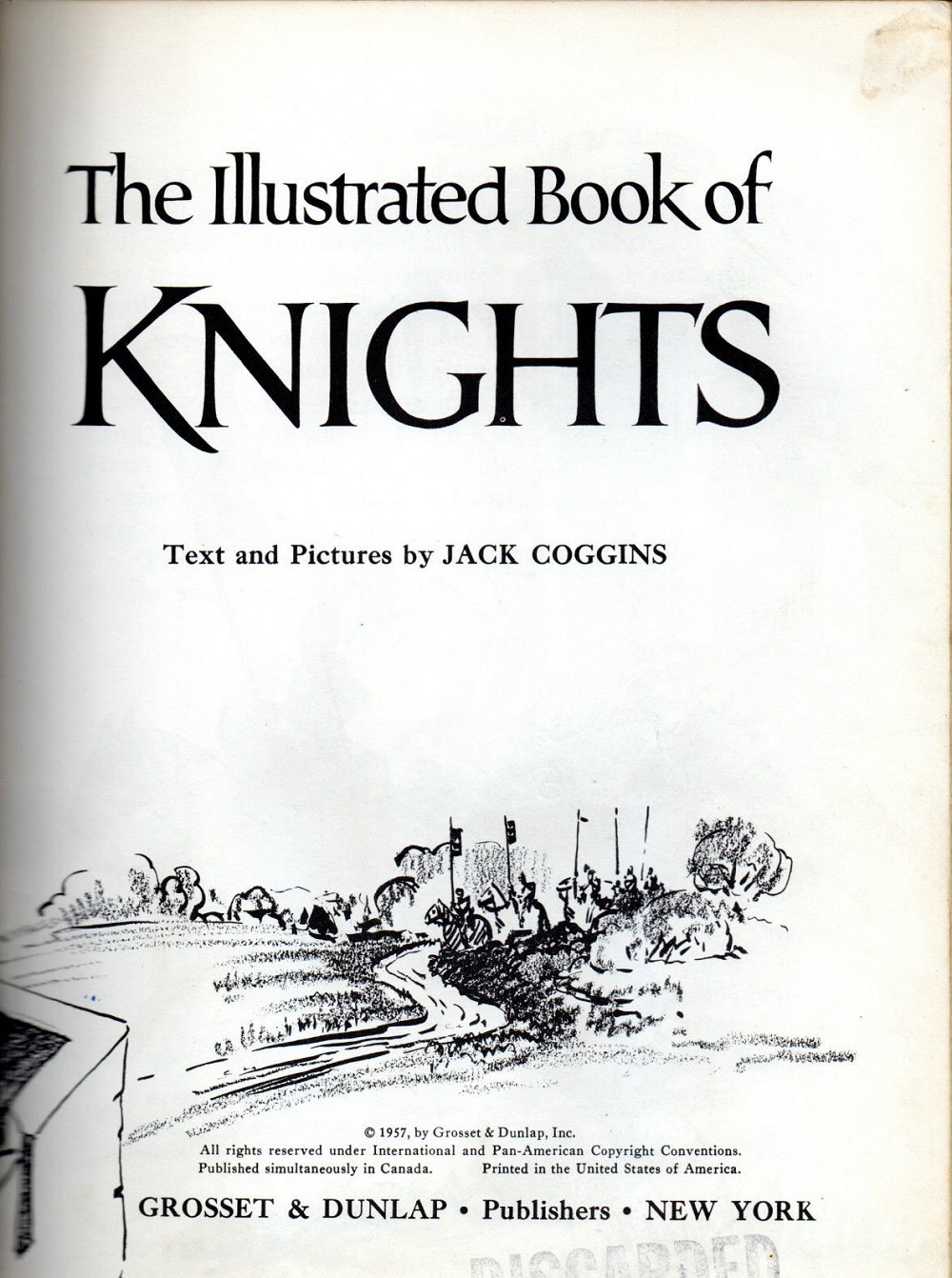
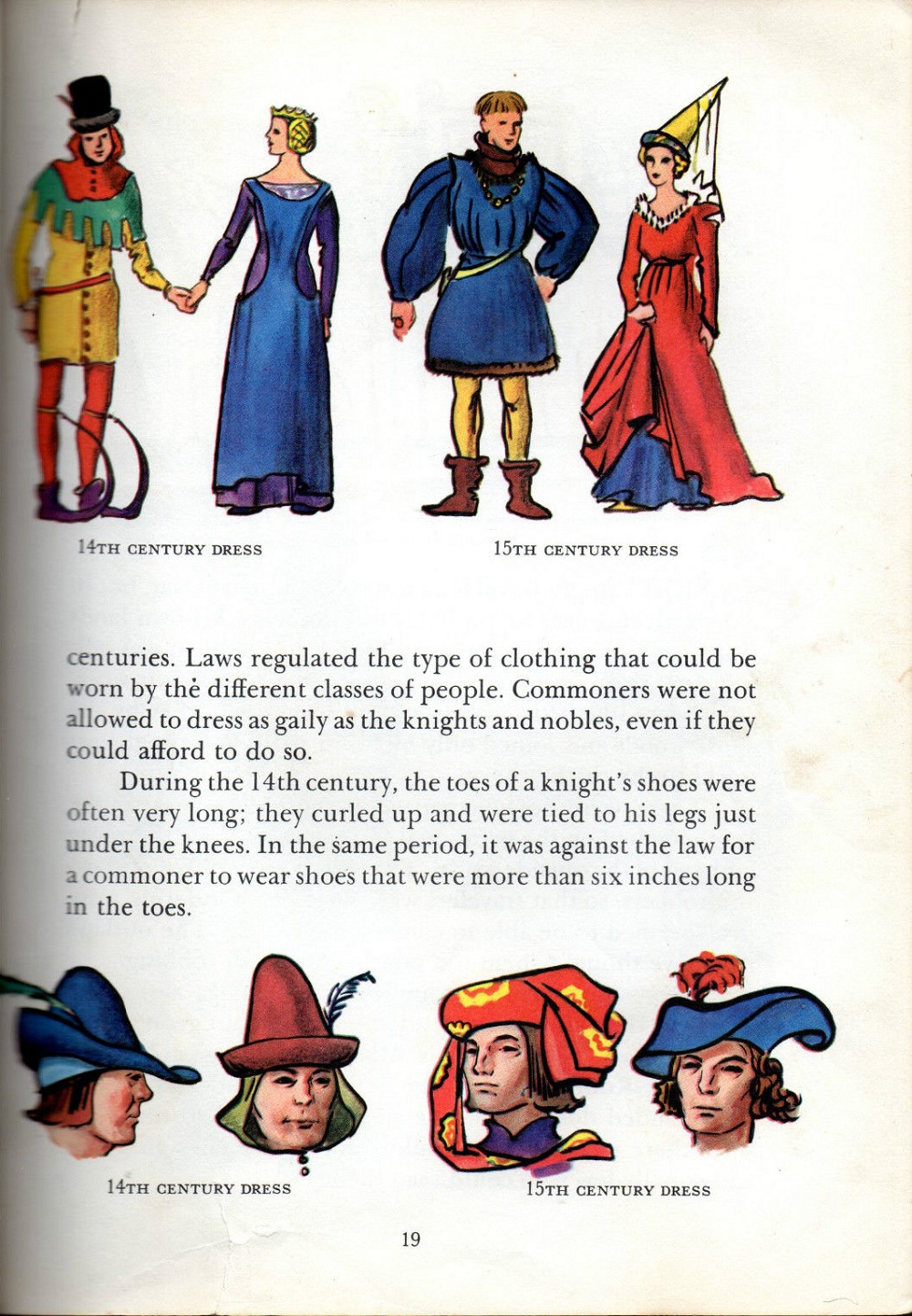
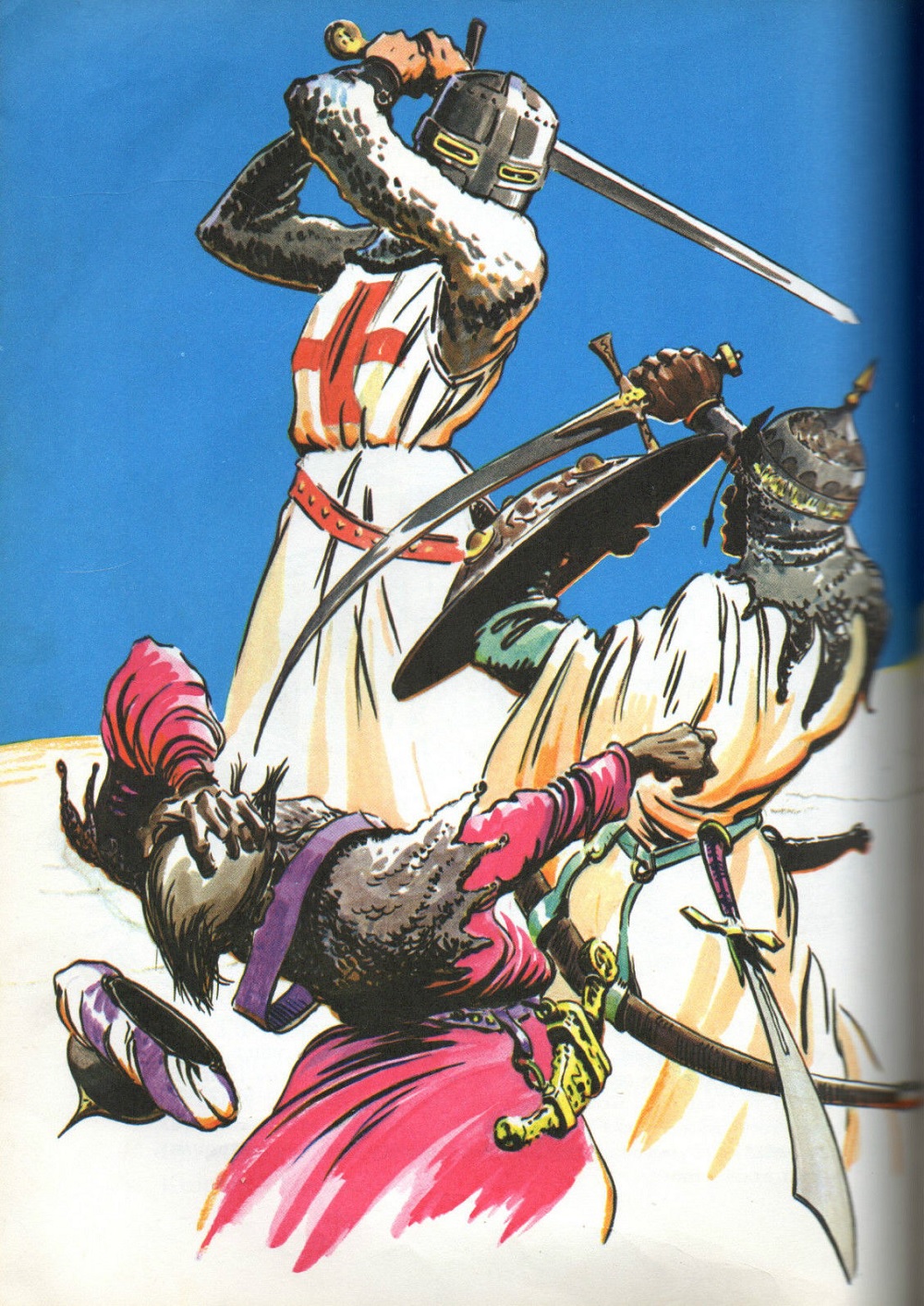
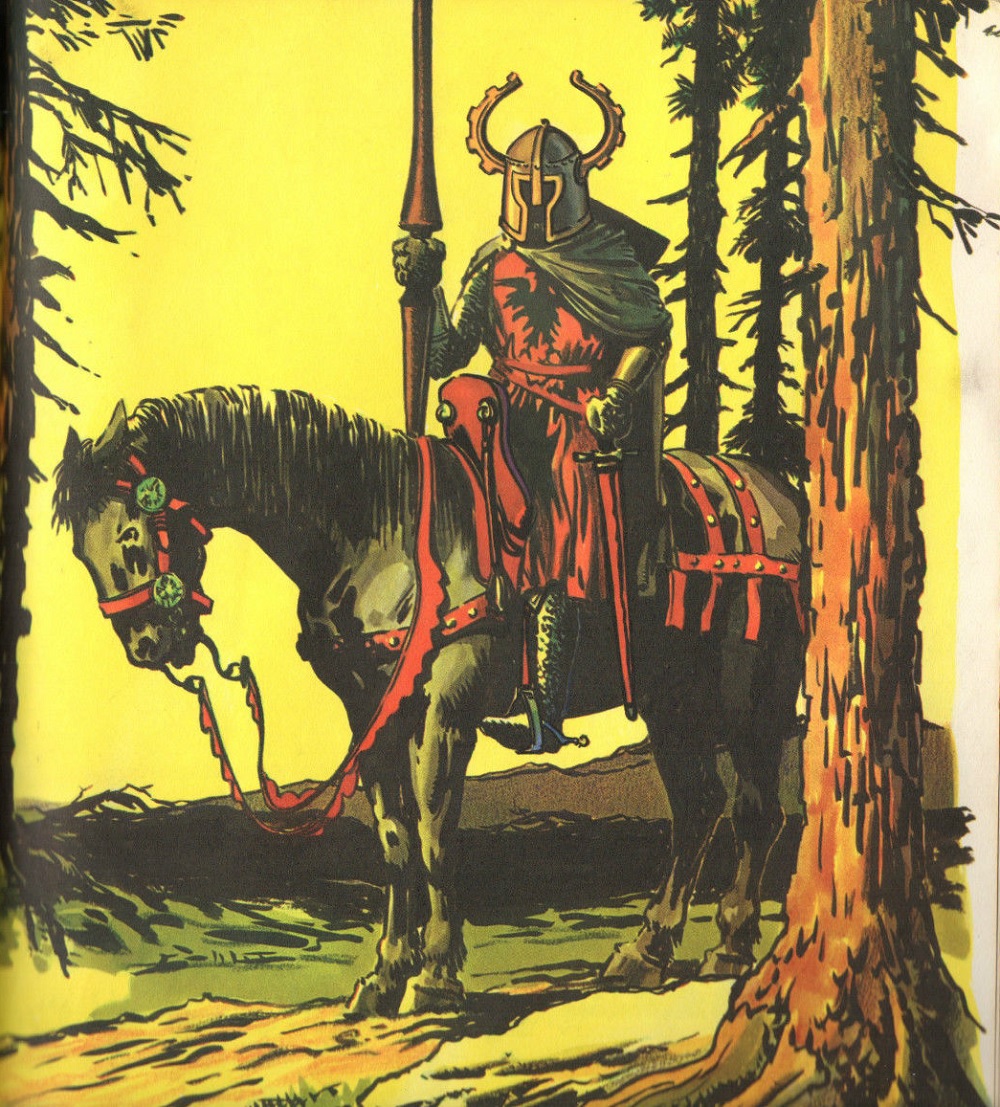
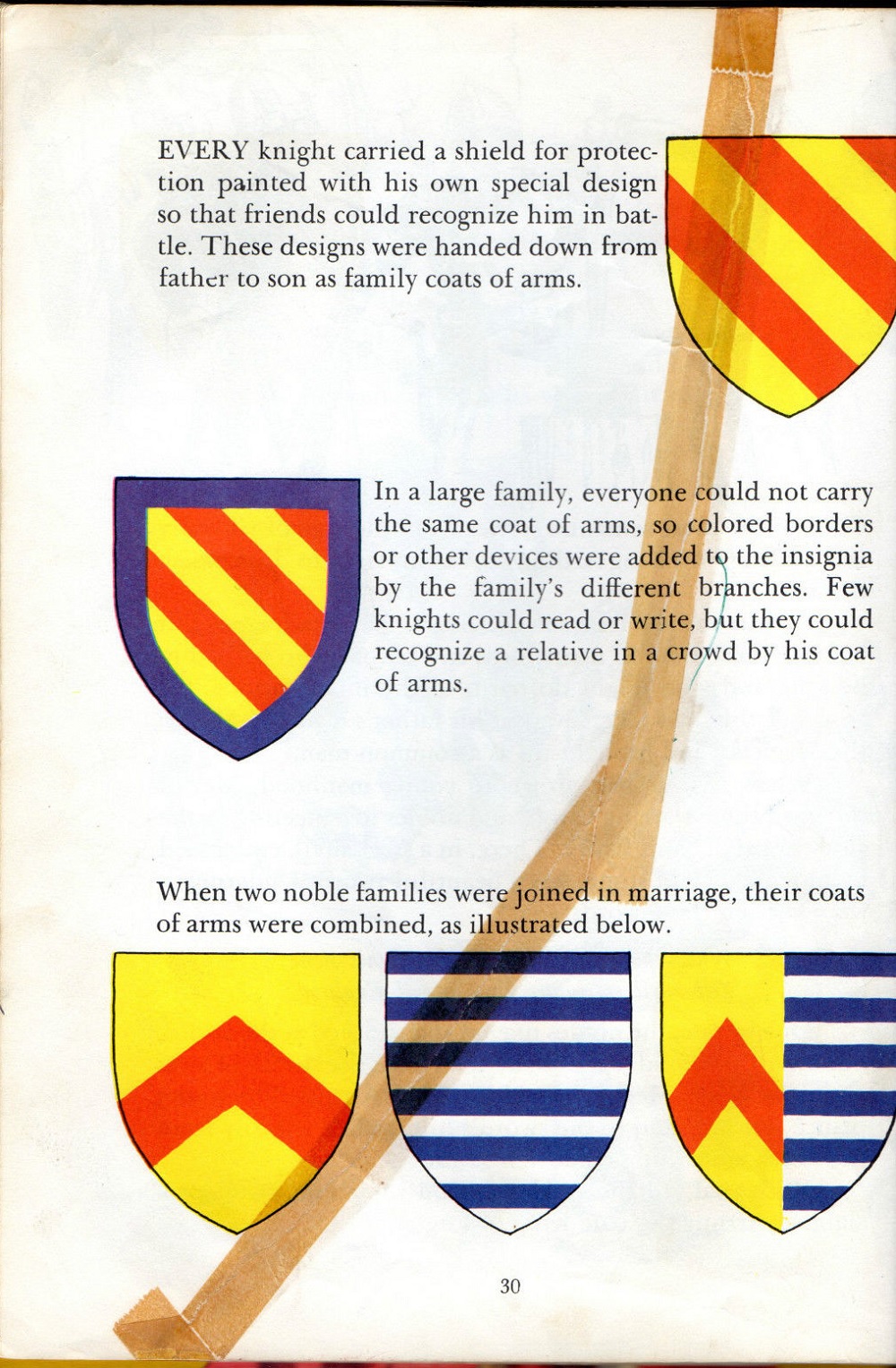
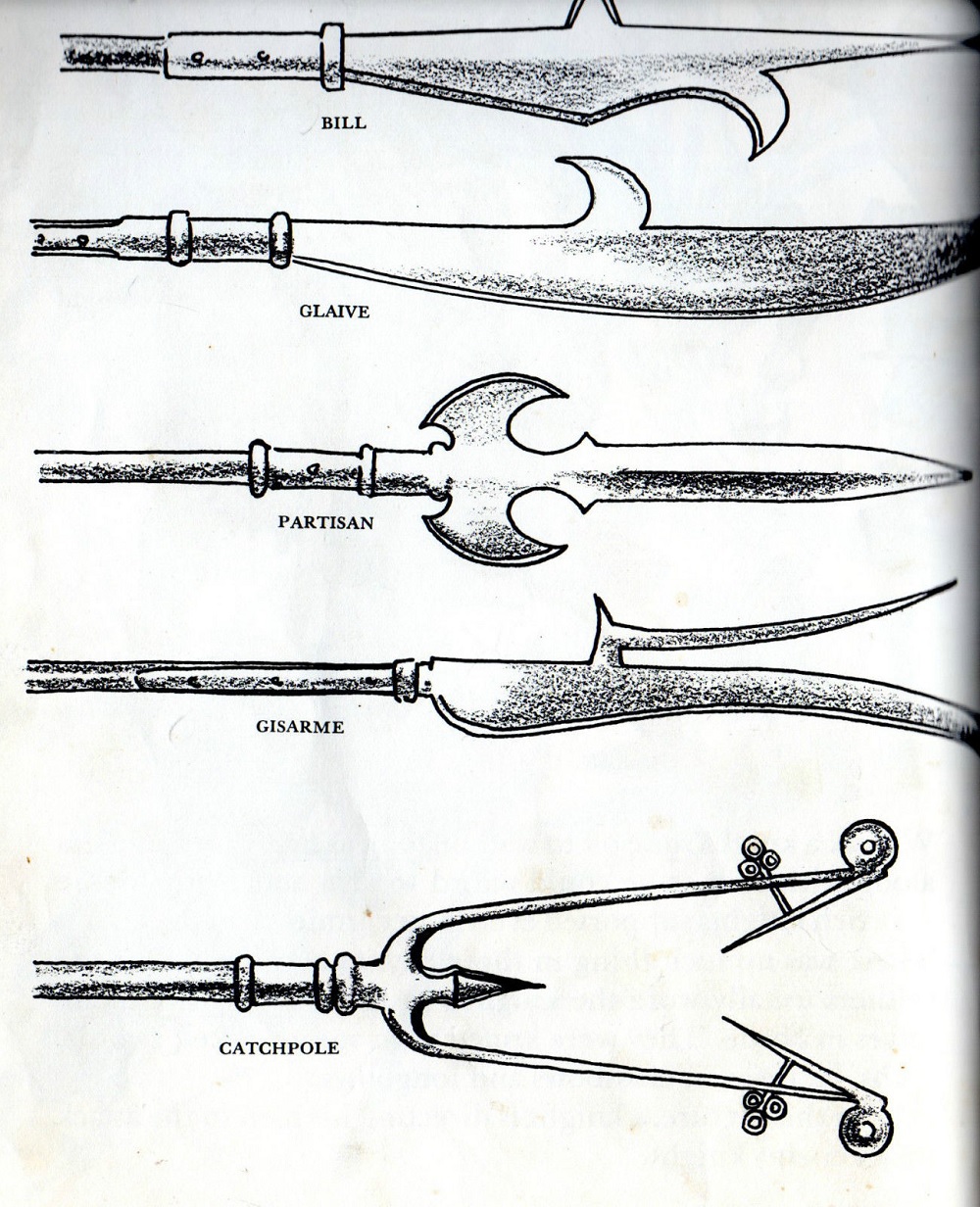
The Illustrated Book of Knights by Jack Coggins (1957)

Knights 1957

Knights 1957-2

Knights 1957-3Knights 1957-4


Knights 1957-5

Knights 1957-6Knights 1957-7


Knights 1957-8

I spent a lot of my childhood in the library looking at books like this one. Knights and the Middle Ages were a popular subject in the triumphant, post-war 1950s. The shiny idealism of films like Knights of the Round Table (1953) and TV series like The Adventures of Robin Hood (1955 – 1959) gave way in the late ’60s to the grimmer, if equally Romantic, sword and sorcery genre spurred by the younger generation’s discovery of Tolkien and Robert E. Howard. The knight-errant pictured in the fifth photo has always been an important figure in Western pop culture, from Robin Hood and the Lone Ranger to Batman and the Jedi (and Han Solo, for that matter).

Jack Coggins (1911 – 2006) wrote and/or illustrated 44 books, many of them focusing on space travel, between 1941 and 1983. He was also a prolific oil painter and magazine illustrator.

UPDATE: Jordan Harris alerted me to the fact that Coggins’ work had a direct influence on Gary Gygax—not surprising, but something I didn’t really consider. As it turns out, the cover illustration of Chainmail (1971) is a direct copy of a Coggins illustration from his book The Fighting Man: An Illustrated History of the World’s Great Fighting Forces through the Ages (1966), as noted by Jon Peterson (author of Playing at the World) and Zach at Zenopus Archives.

(Images via designbydecade/eBay)

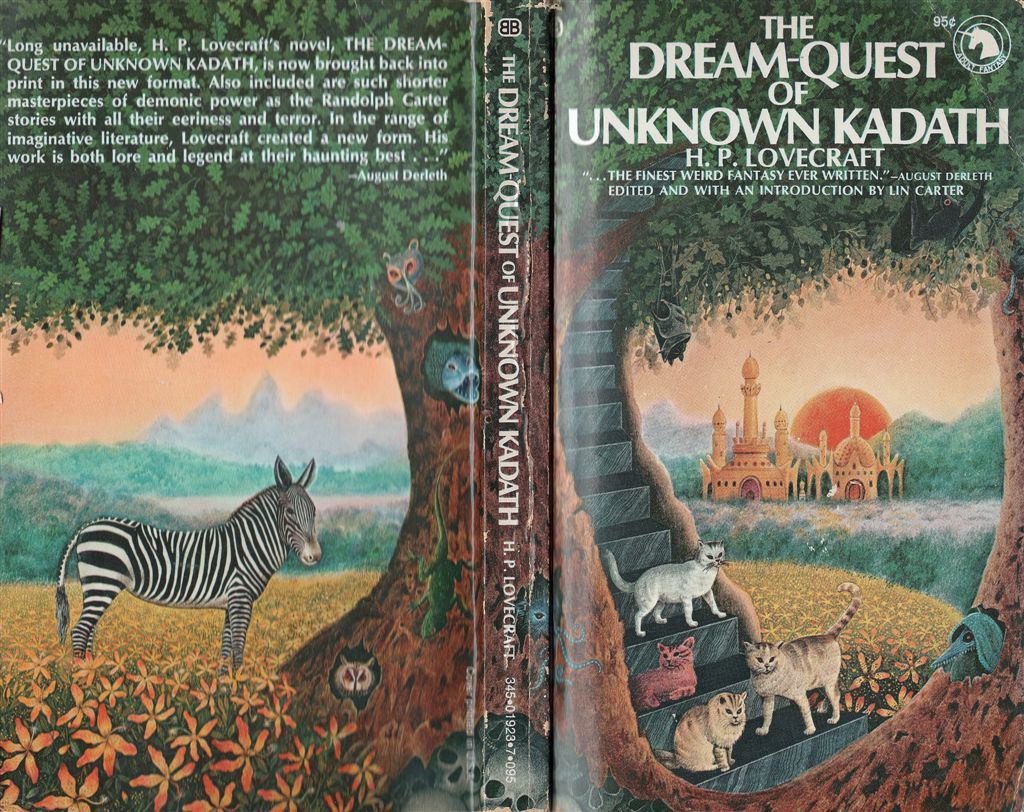
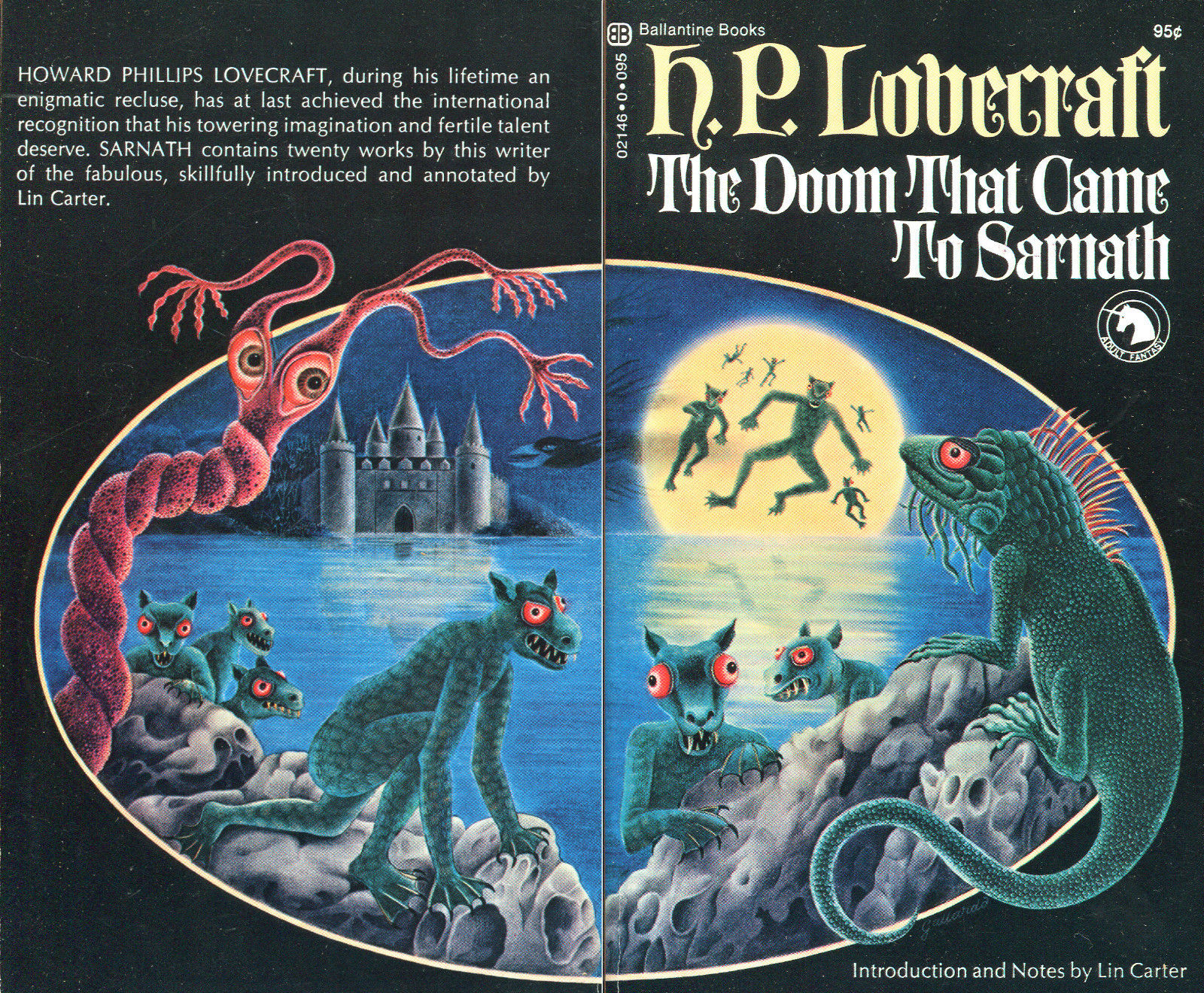
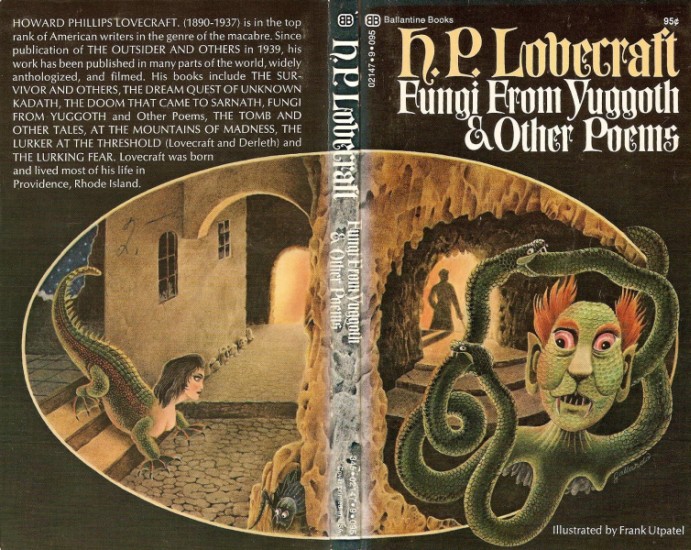
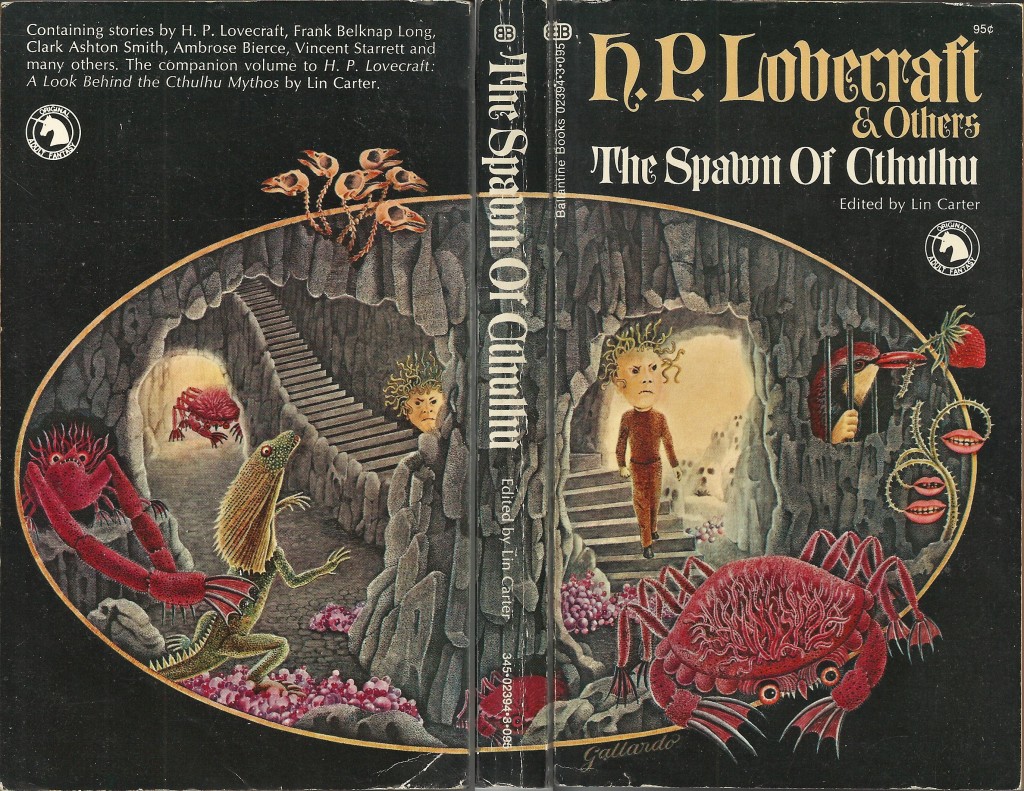
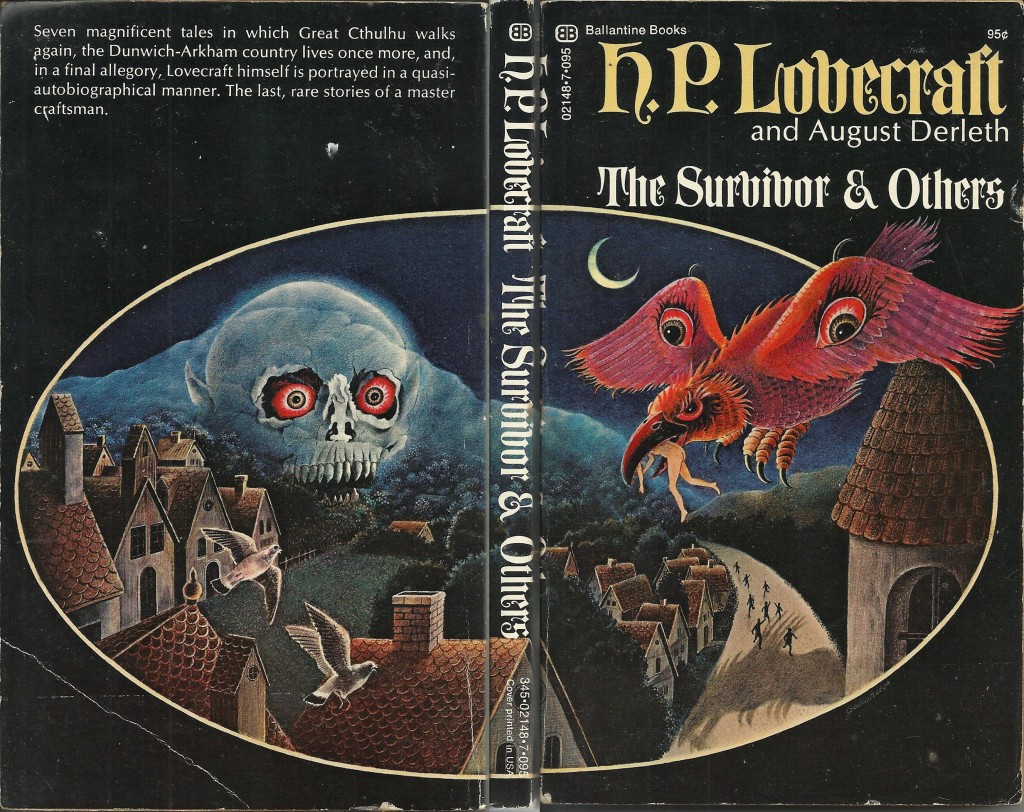
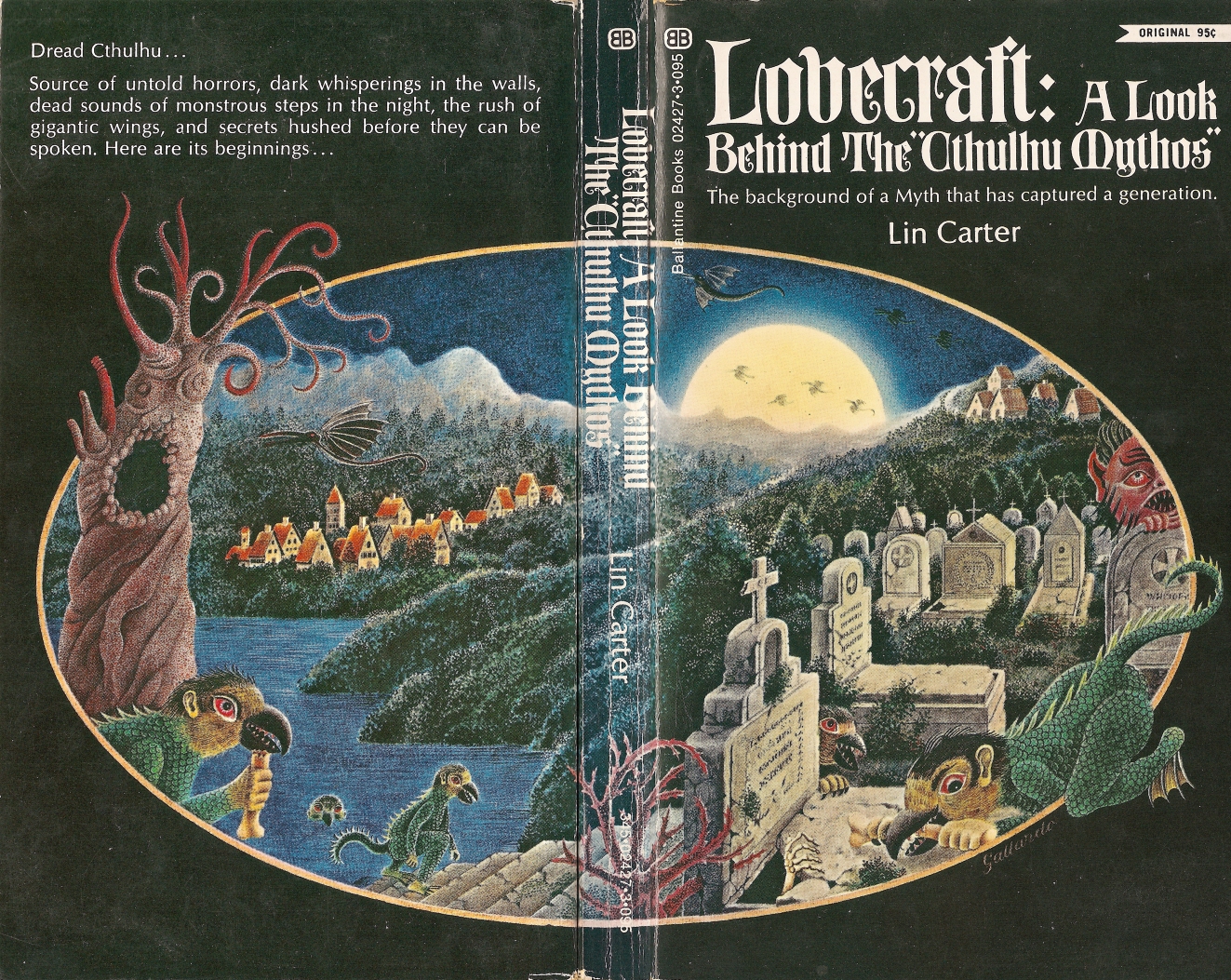
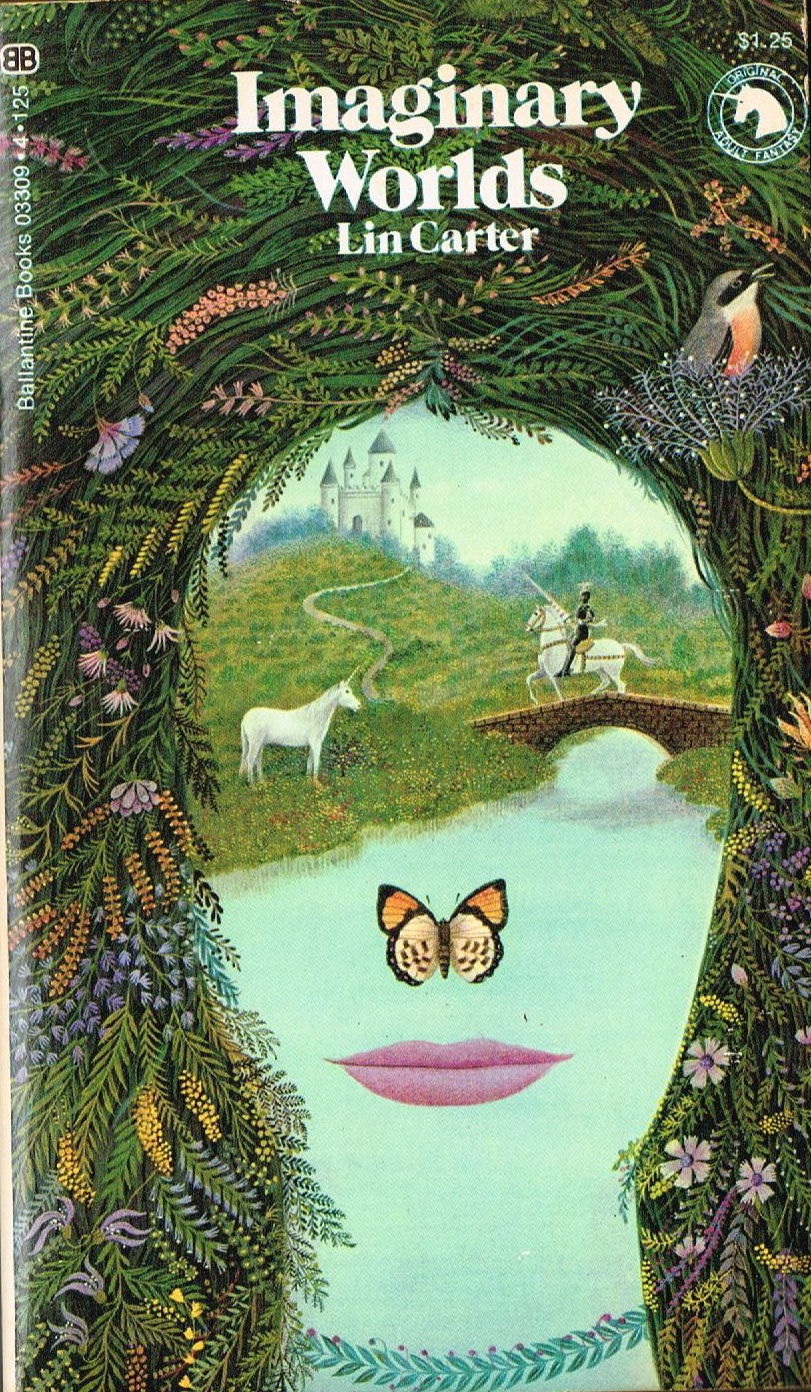
Gervasio Gallardo’s H.P. Lovecraft Cover Art (Ballantine, 1970 – 1973)

Gallardo Kadath 1970

Gallardo Sarnath 1971

Gallardo Fungi 1971

Gallardo Spawn 1971

Gallardo Survivor 1971

Gallardo Mythos 1972

Gallardo Imaginary 1973

Spanish-born illustrator Gervasio Gallardo did a number of striking covers for the highly influential Ballantine Adult Fantasy series (1969 – 1974), edited by writer and fantasy literature historian Lin Carter. All of the Lovecraft volumes are featured above—I threw in Imaginary Worlds, the last volume of Carter’s non-fiction “look behind” trilogy exploring the origins of the fantasy genre. Lovecraft: A Look Behind the Cthulhu Mythos is the second volume, and Tolkien: A Look Behind ‘The Lord of the Rings’ is the first.

Bob Pepper was another notable illustrator for the same series.

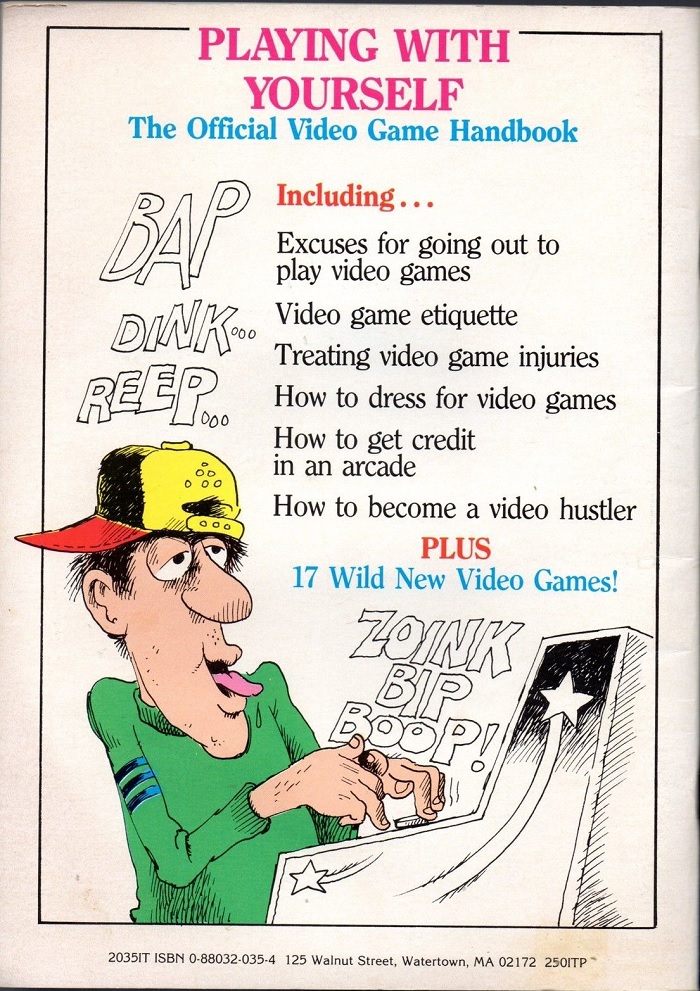
Playing with Yourself: The Official Video Game Handbook (1982)

Playing 1982

Playing 1982-2

Playing 1982-3

Playing 1982-4

Playing 1982-5

Playing 1982-6

Author Ira Alterman also wrote Games You Can Play With Your Pussy: And Lots of Other Stuff Cat Owners Should Know (1985). In case you were interested.

(Images via Design by Decade/eBay)

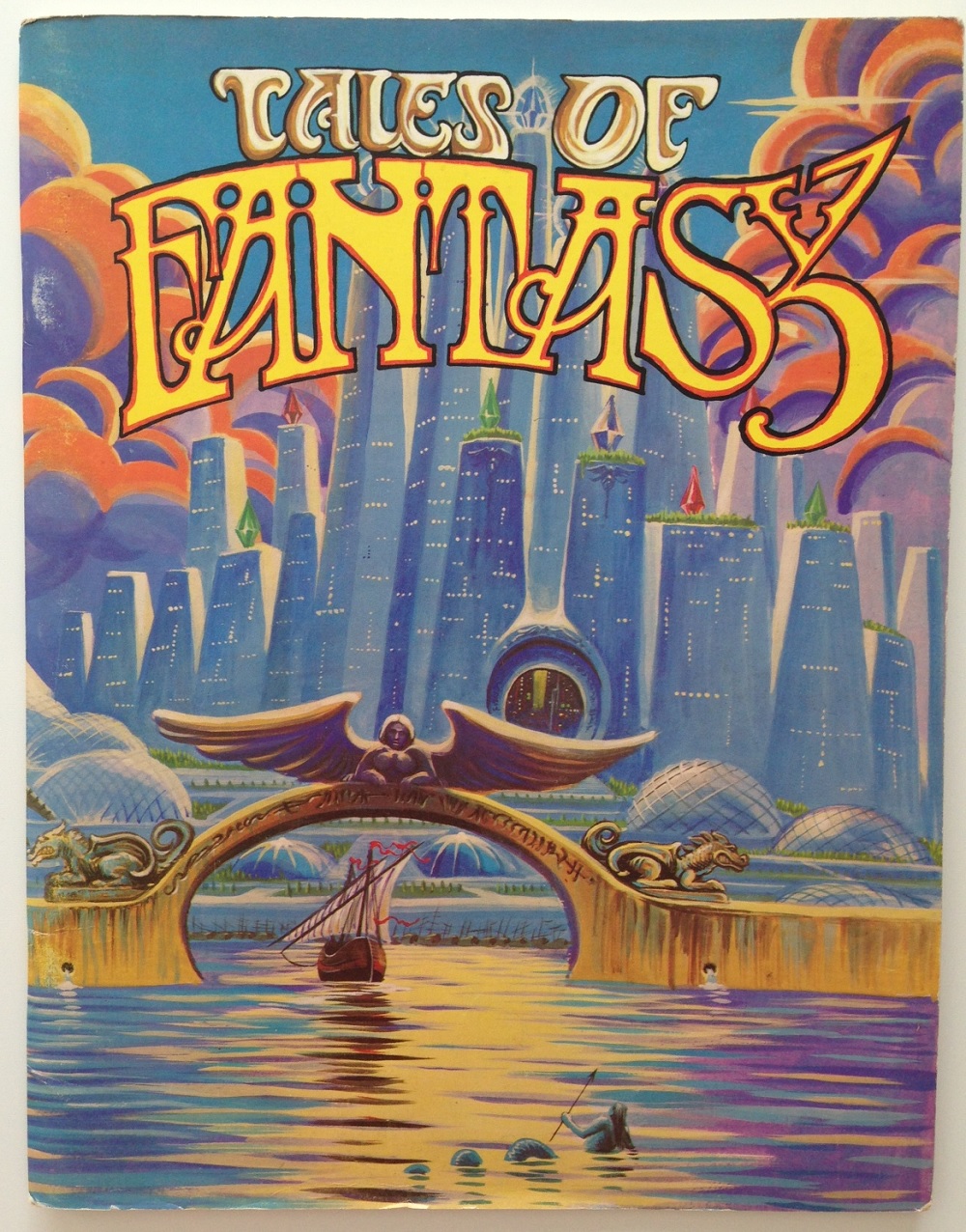
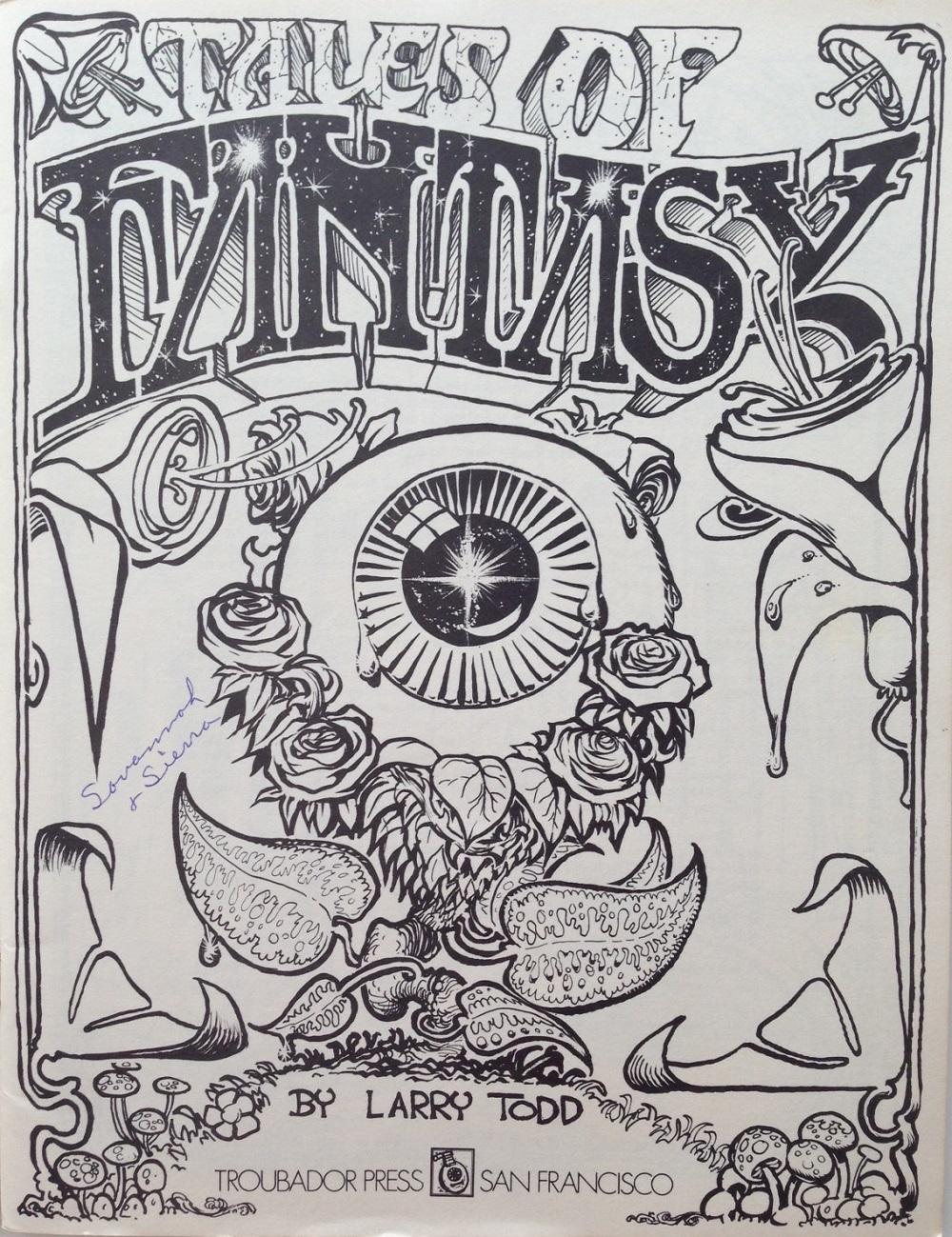
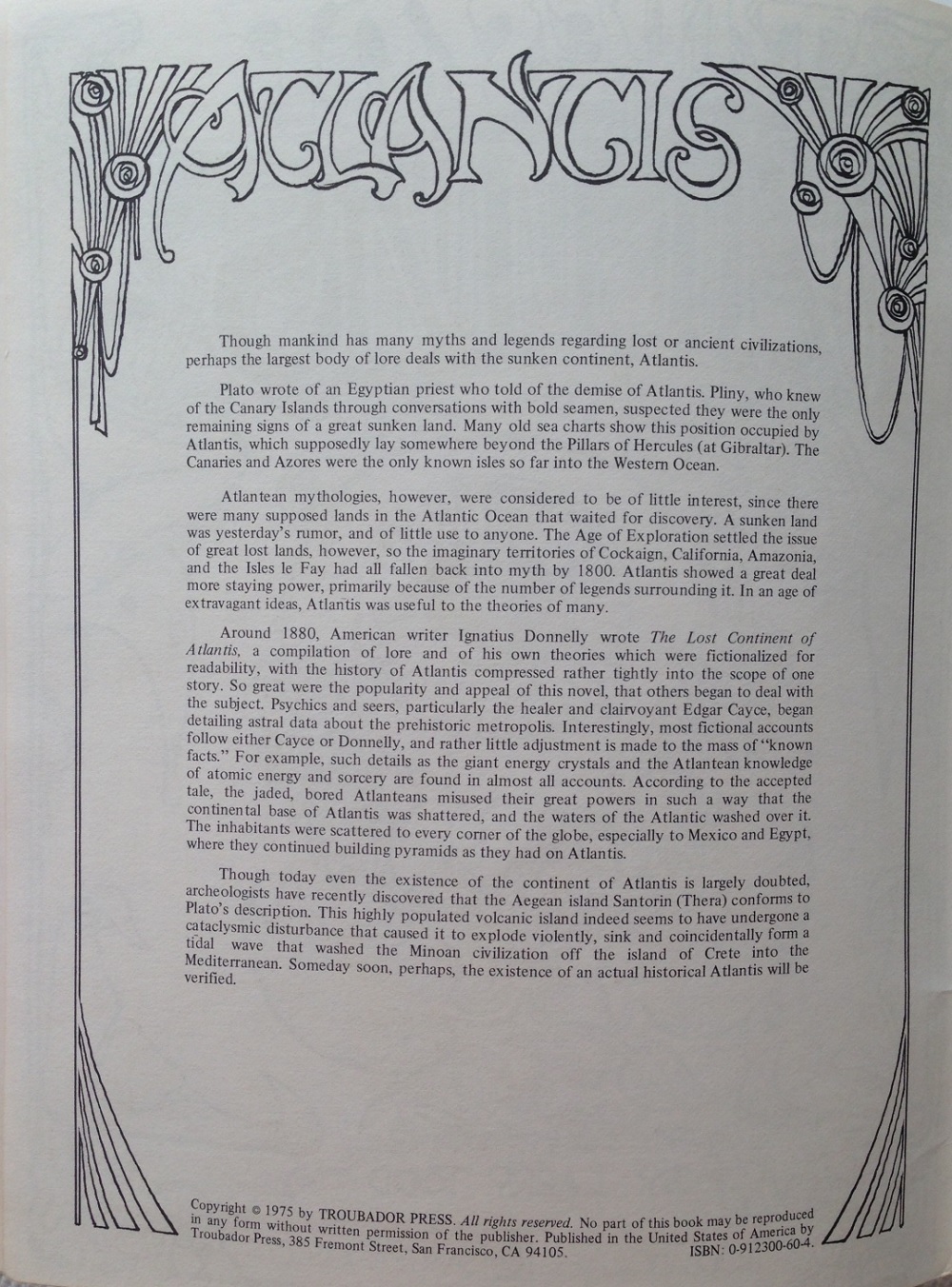
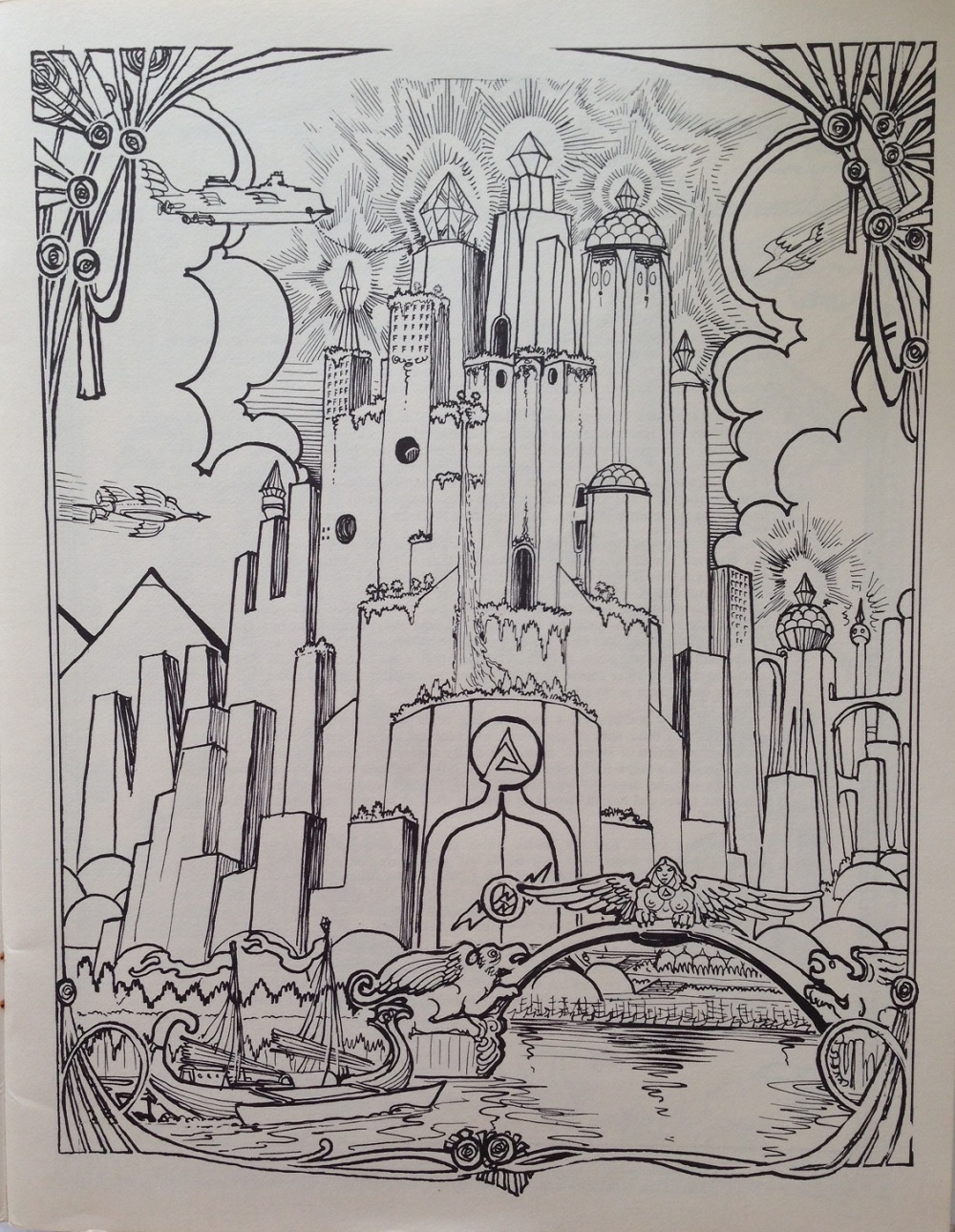
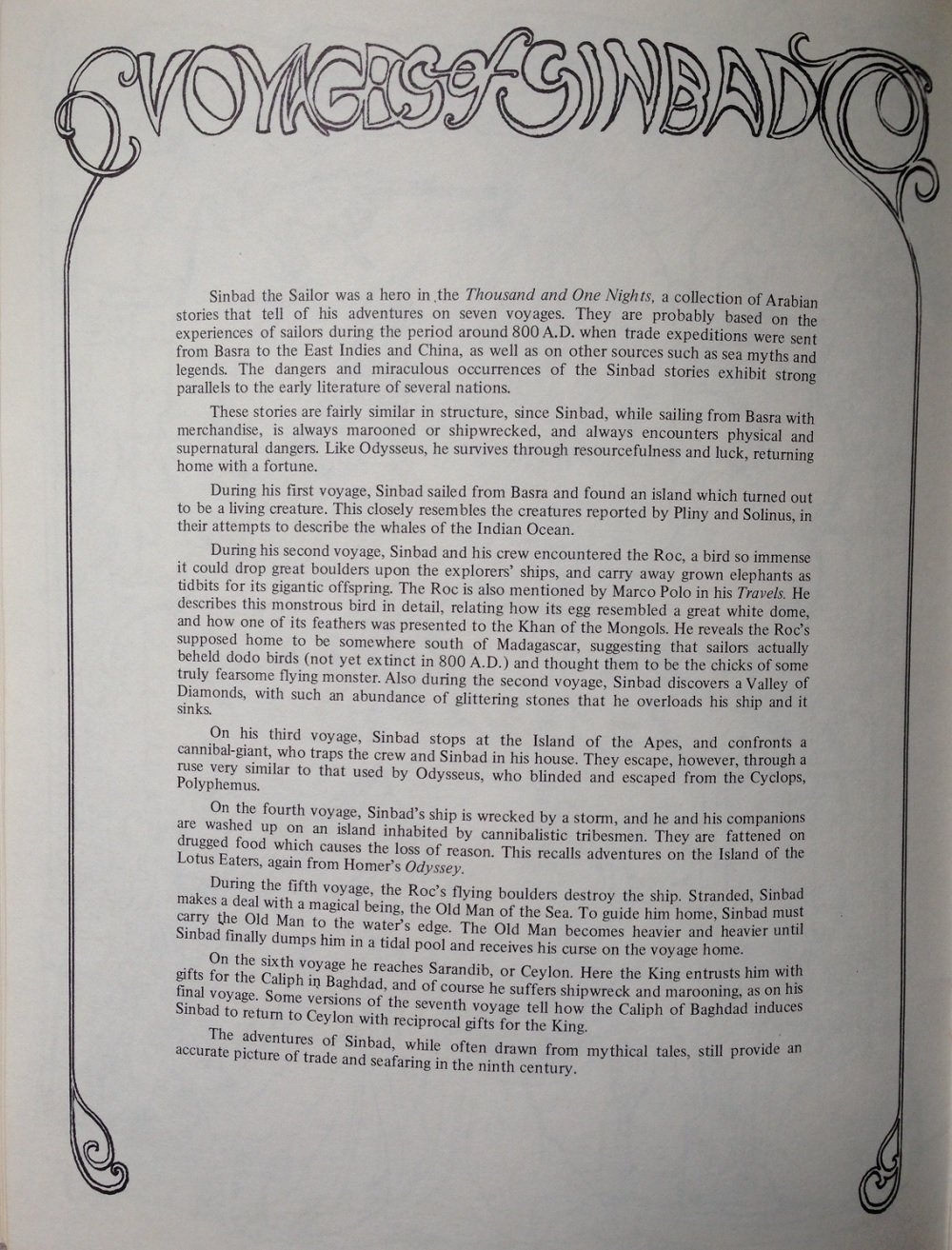
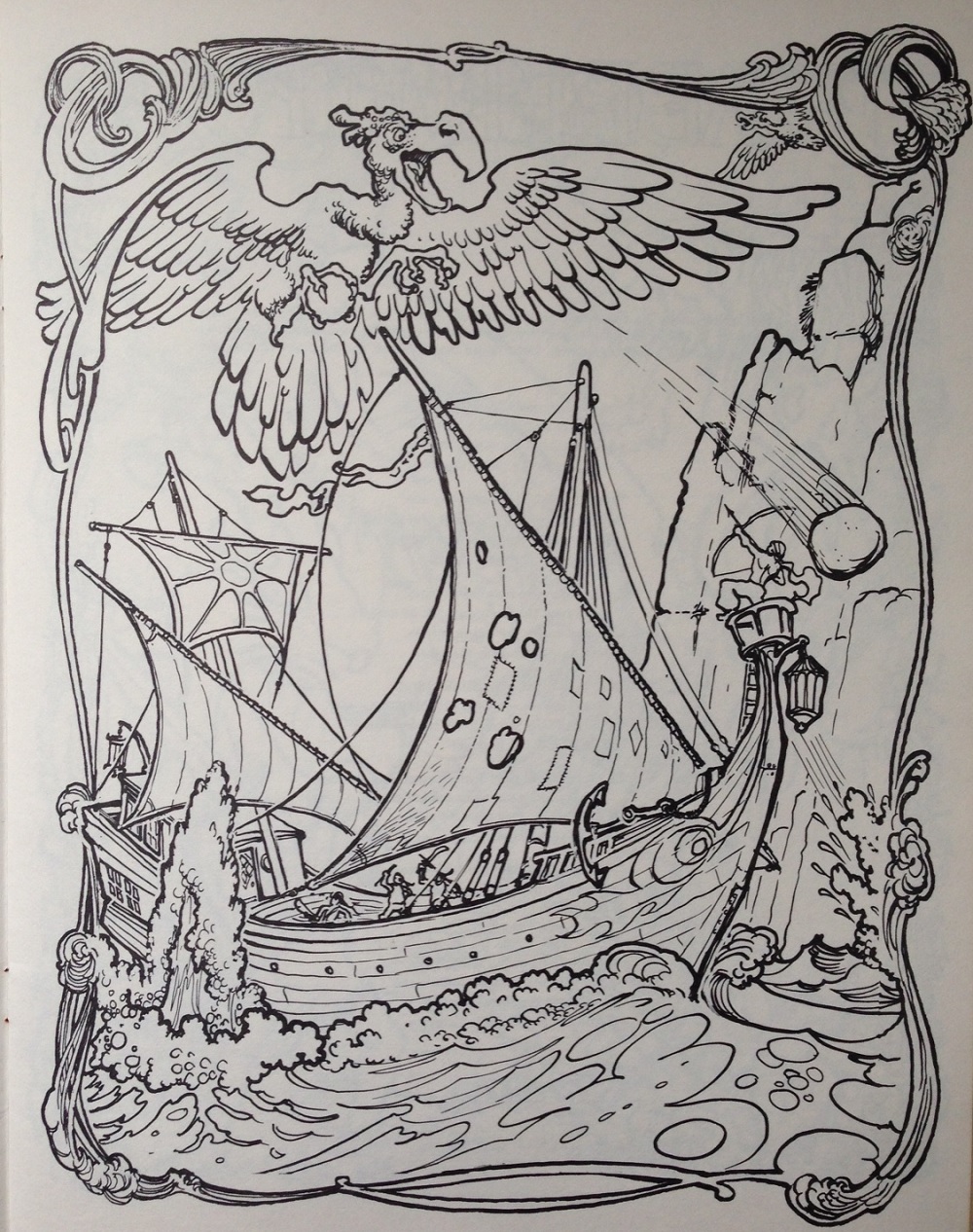
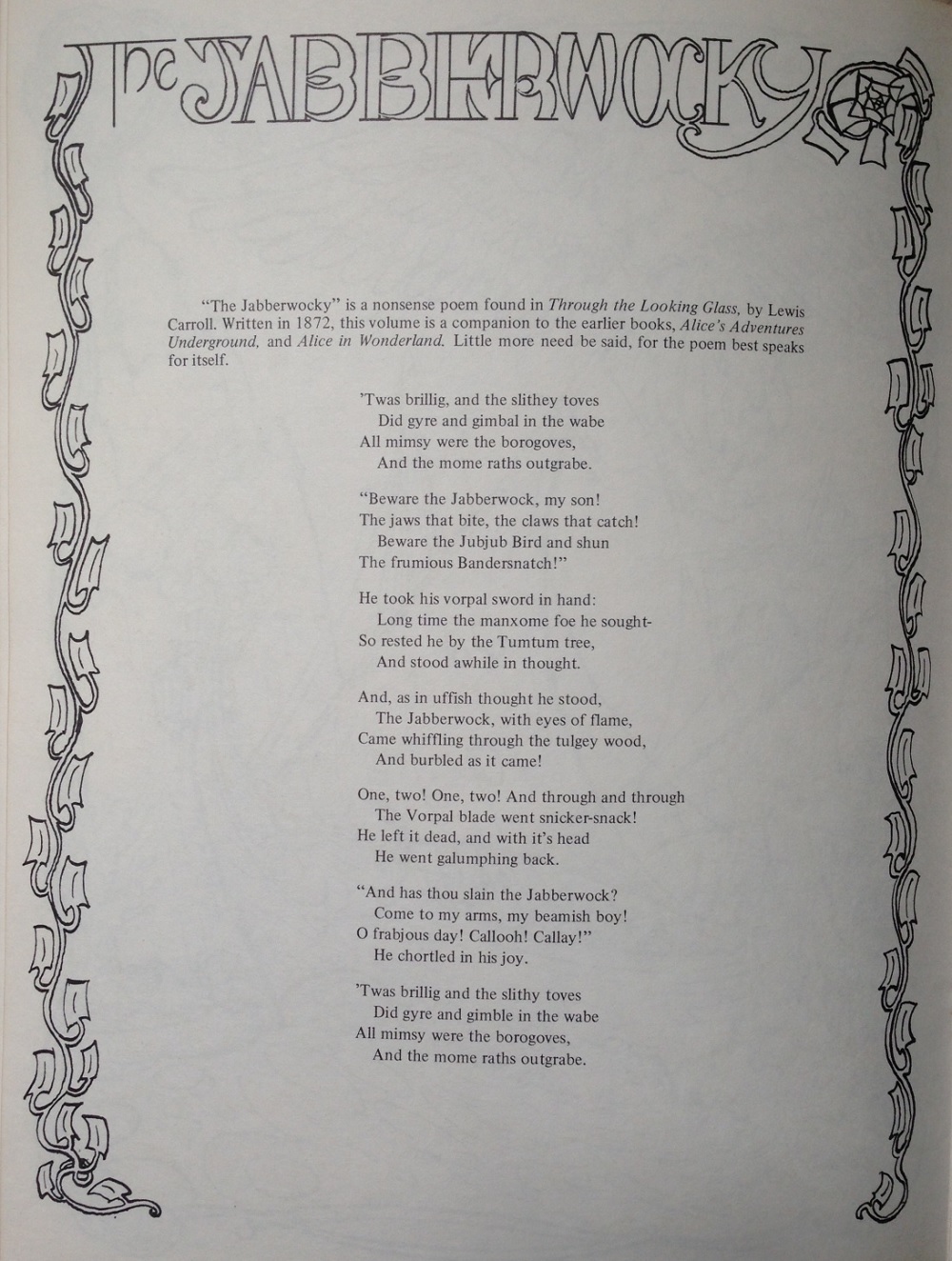
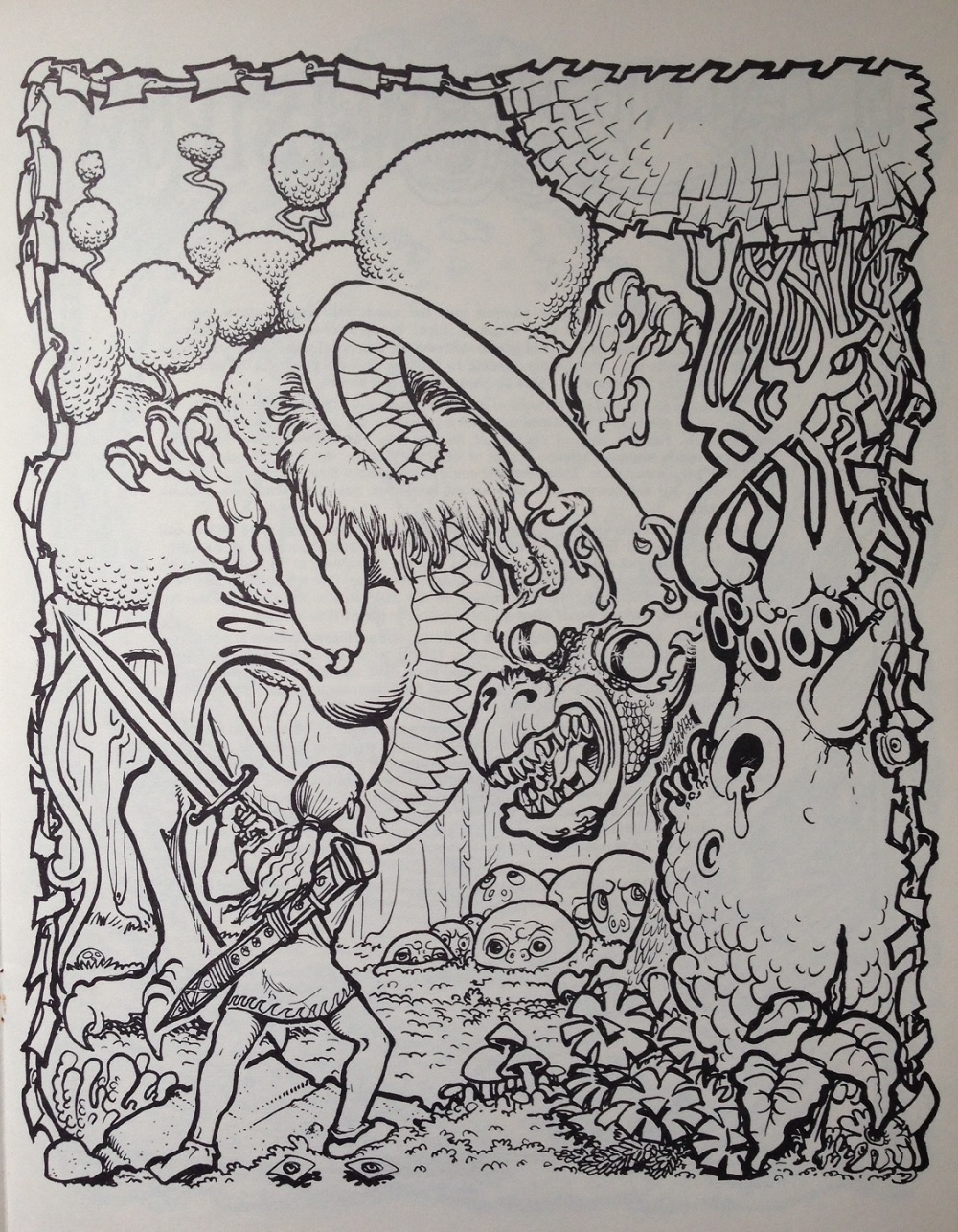
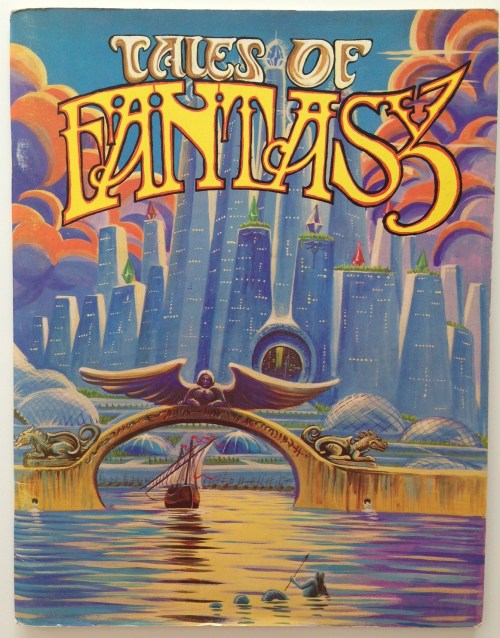
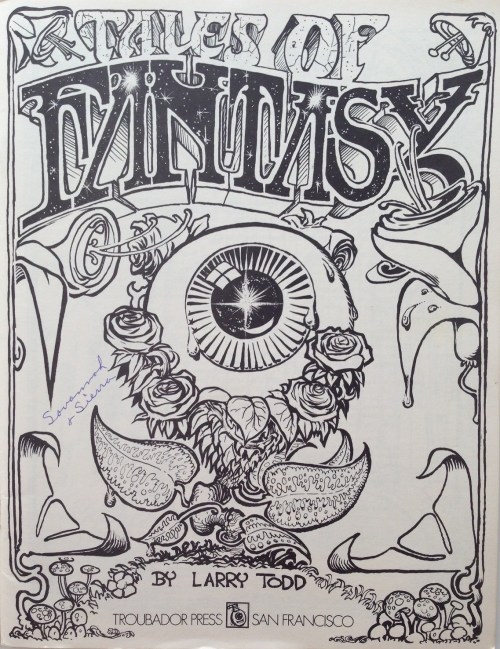
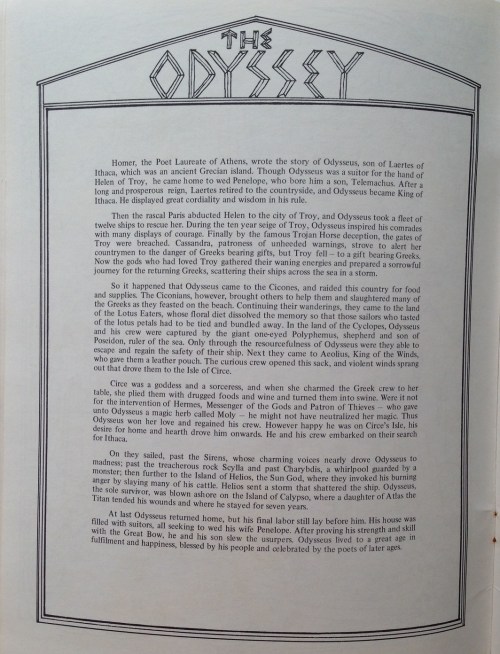
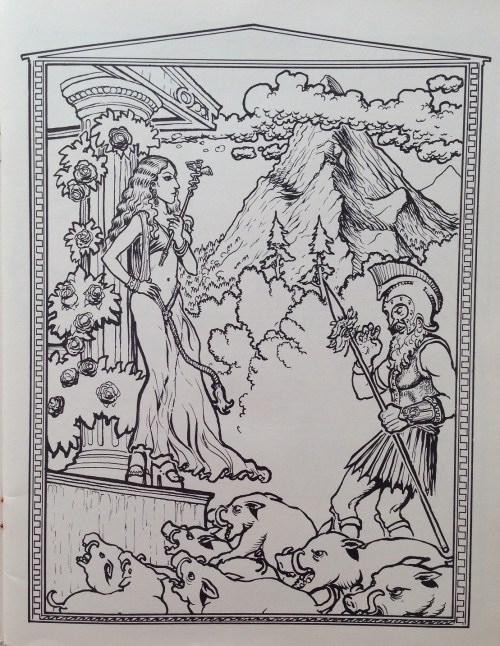
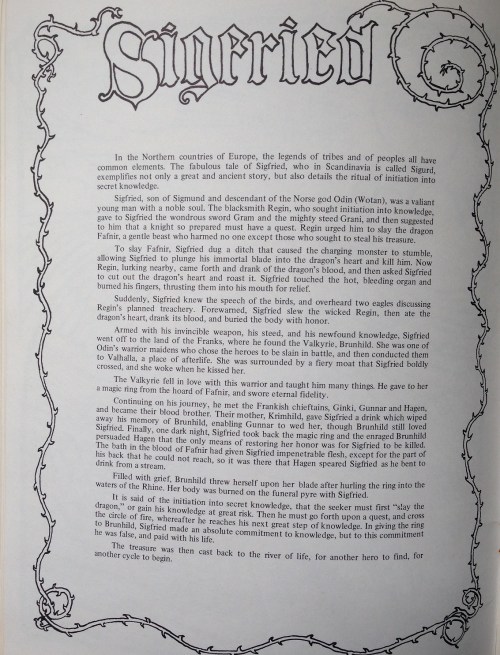
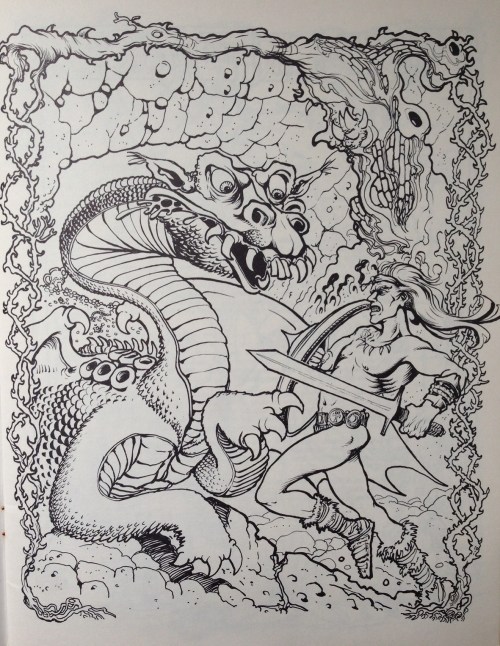
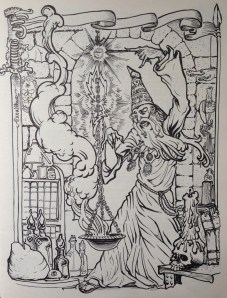
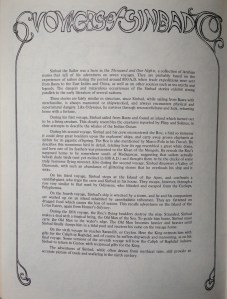
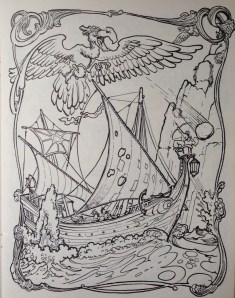
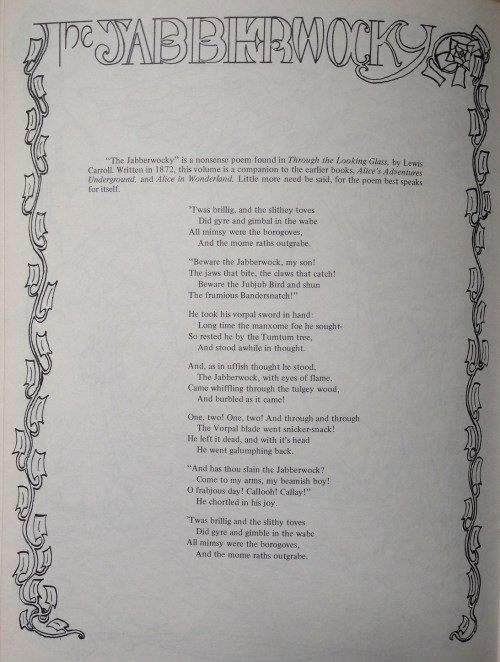
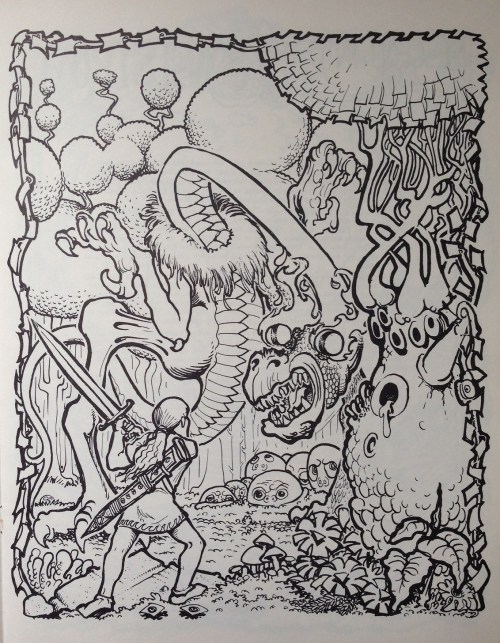
Tales of Fantasy by Larry Todd (Troubador Press, 1975) (Part One)

TOF FC 1975

TOF TP 1975

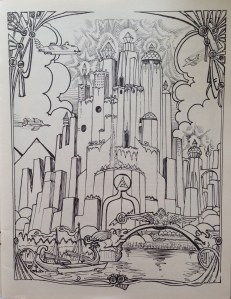
TOF-1TOF-2

TOF-3

TOF-4

TOF-5TOF-6

TOF-7

TOF-8

TOF-9TOF-10

TOF-11TOF-12

TOF-13

TOF-14

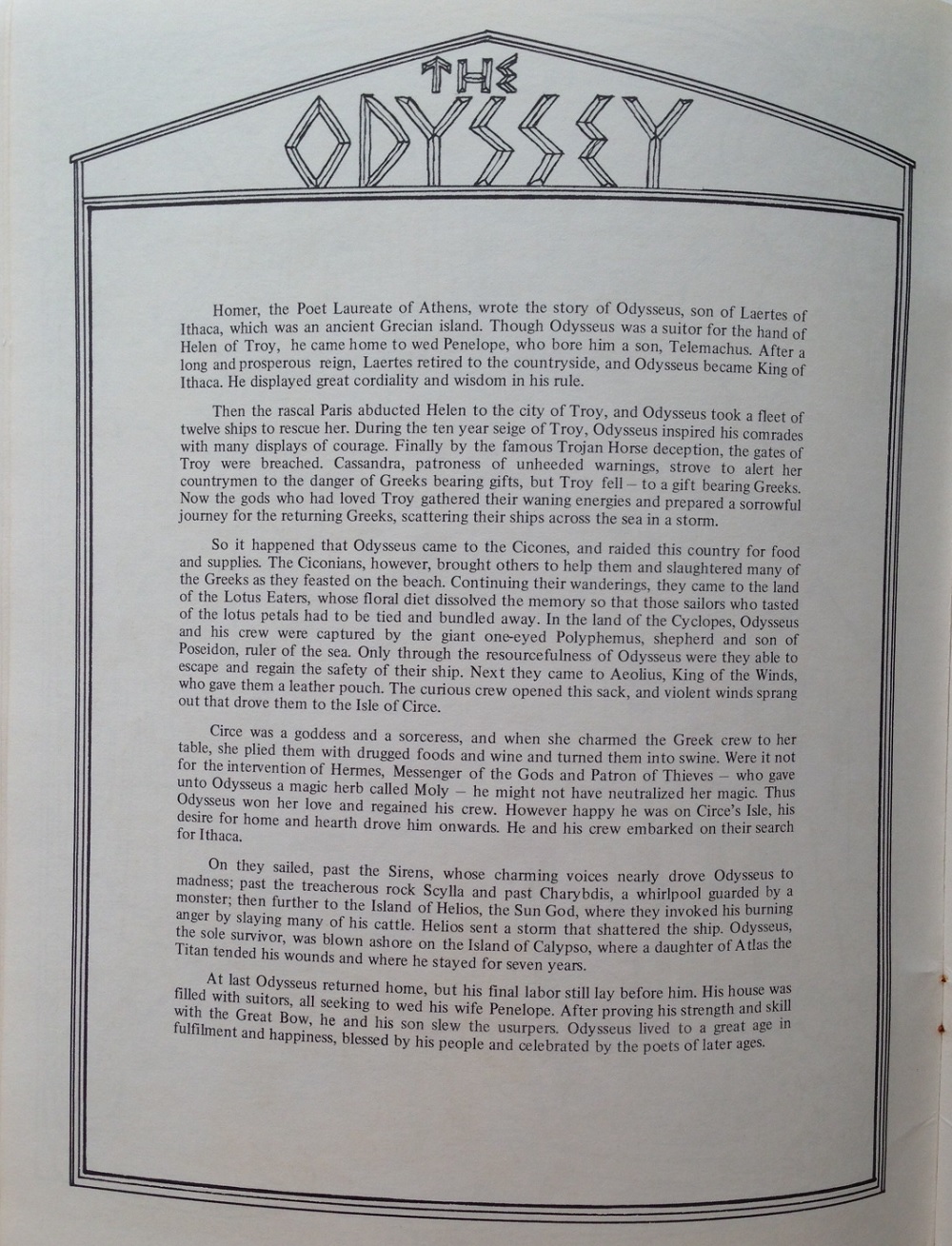
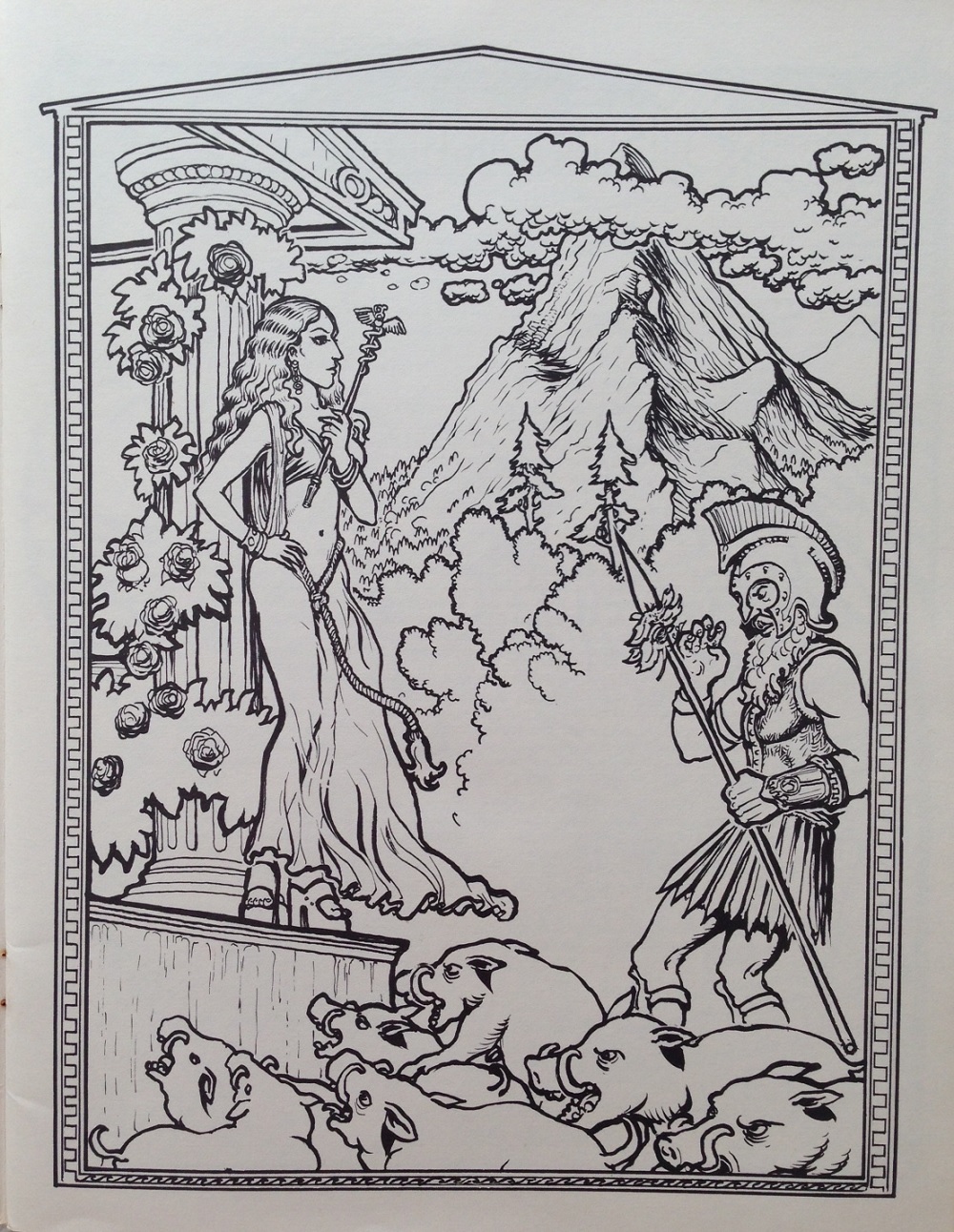
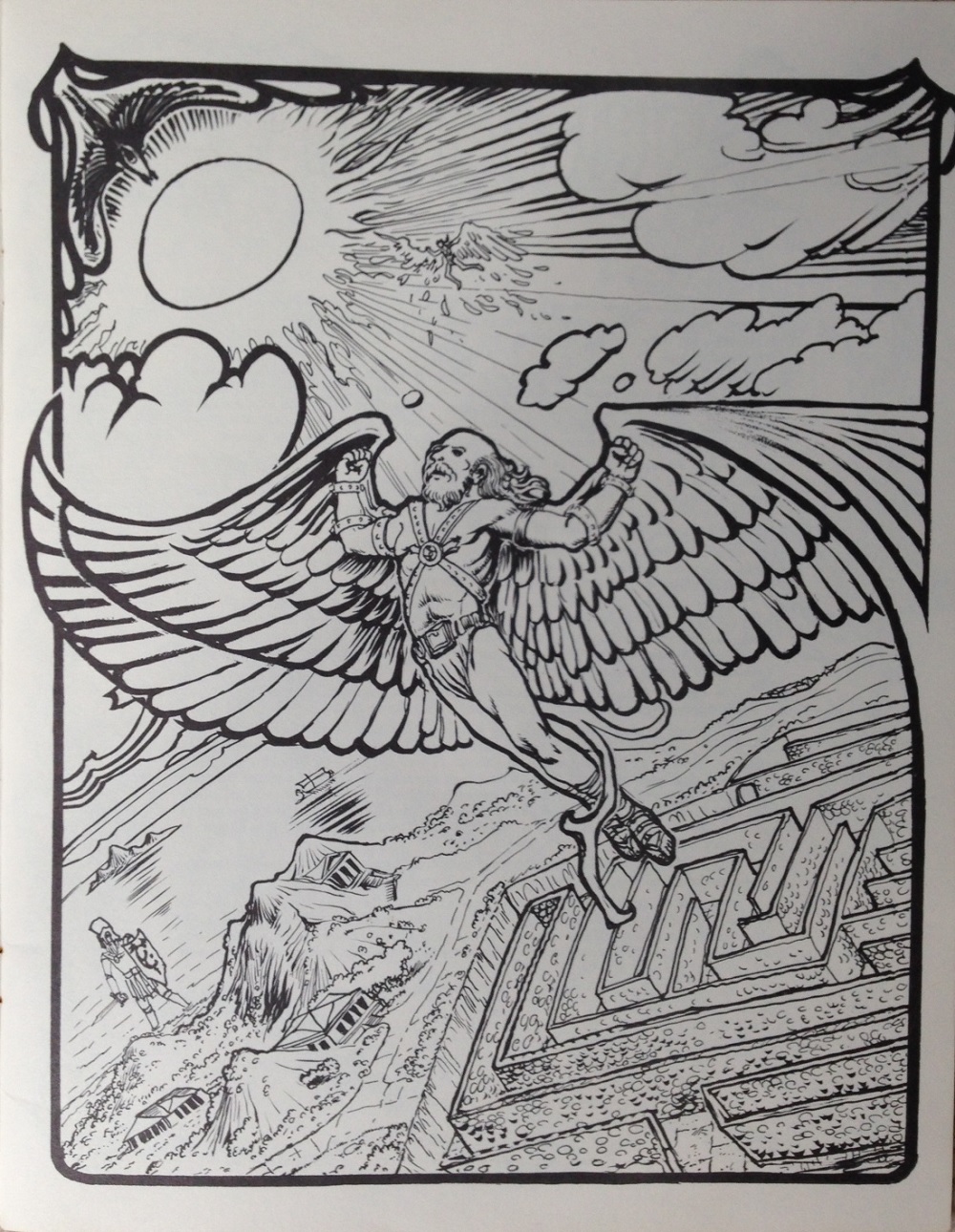
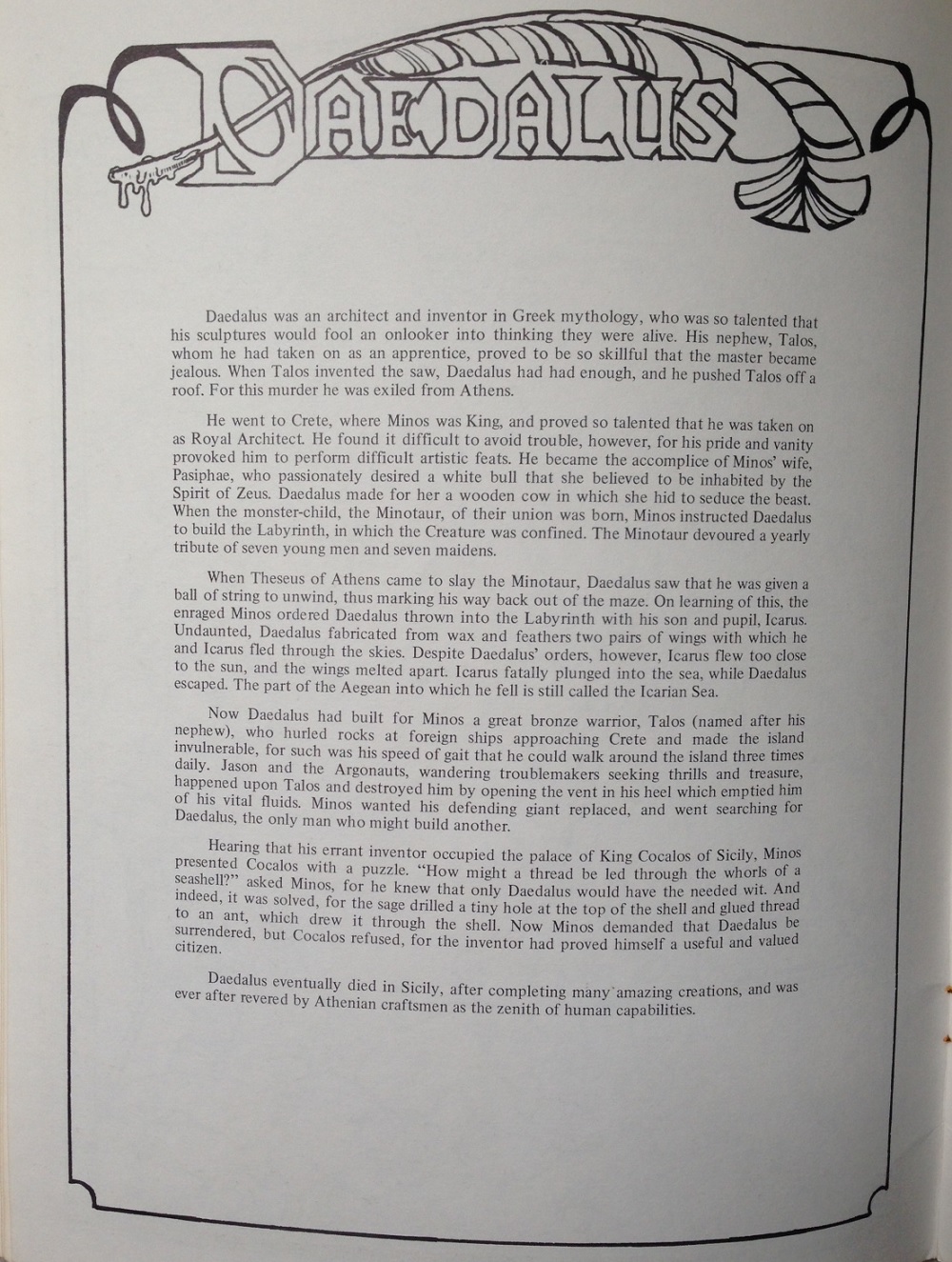
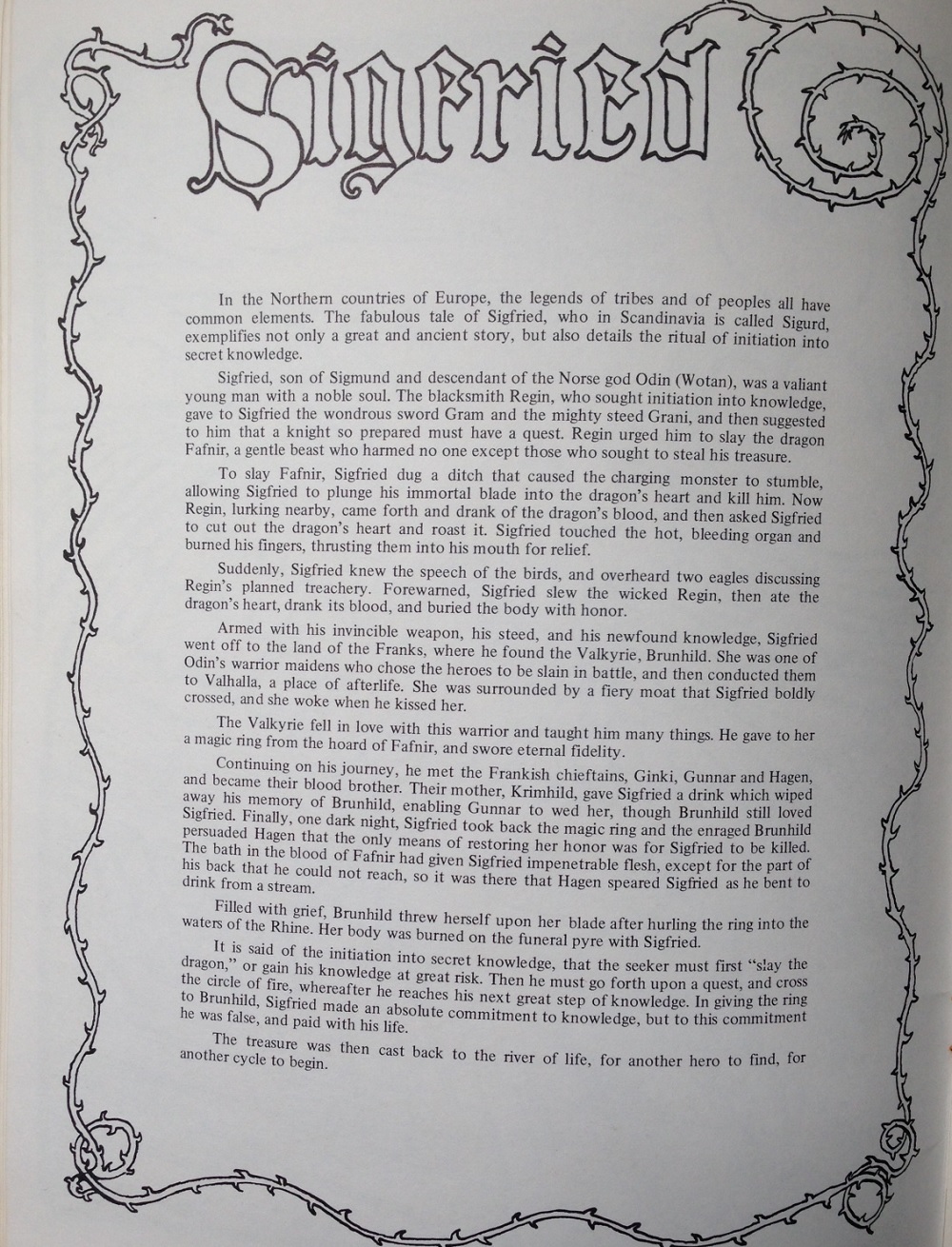
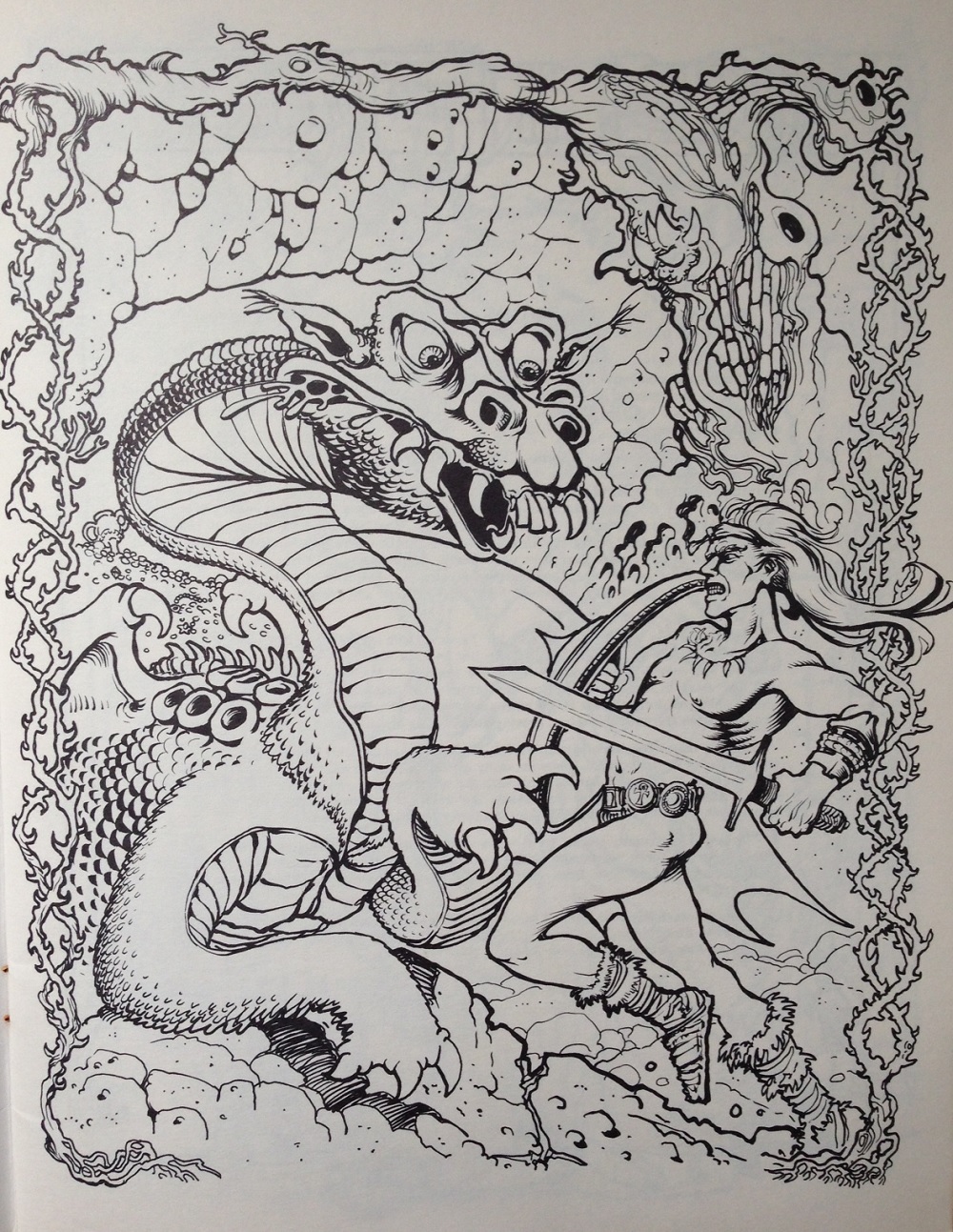
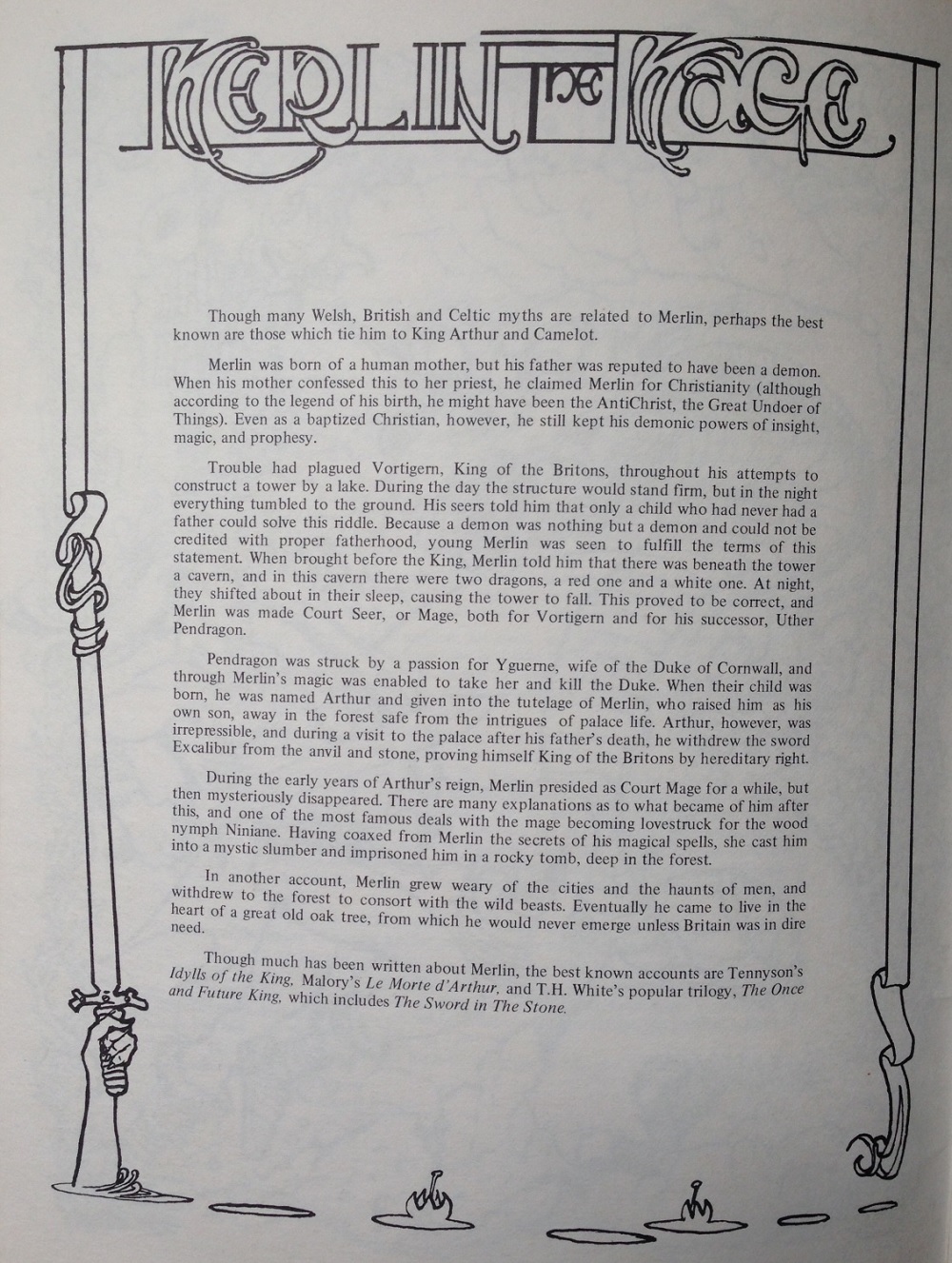
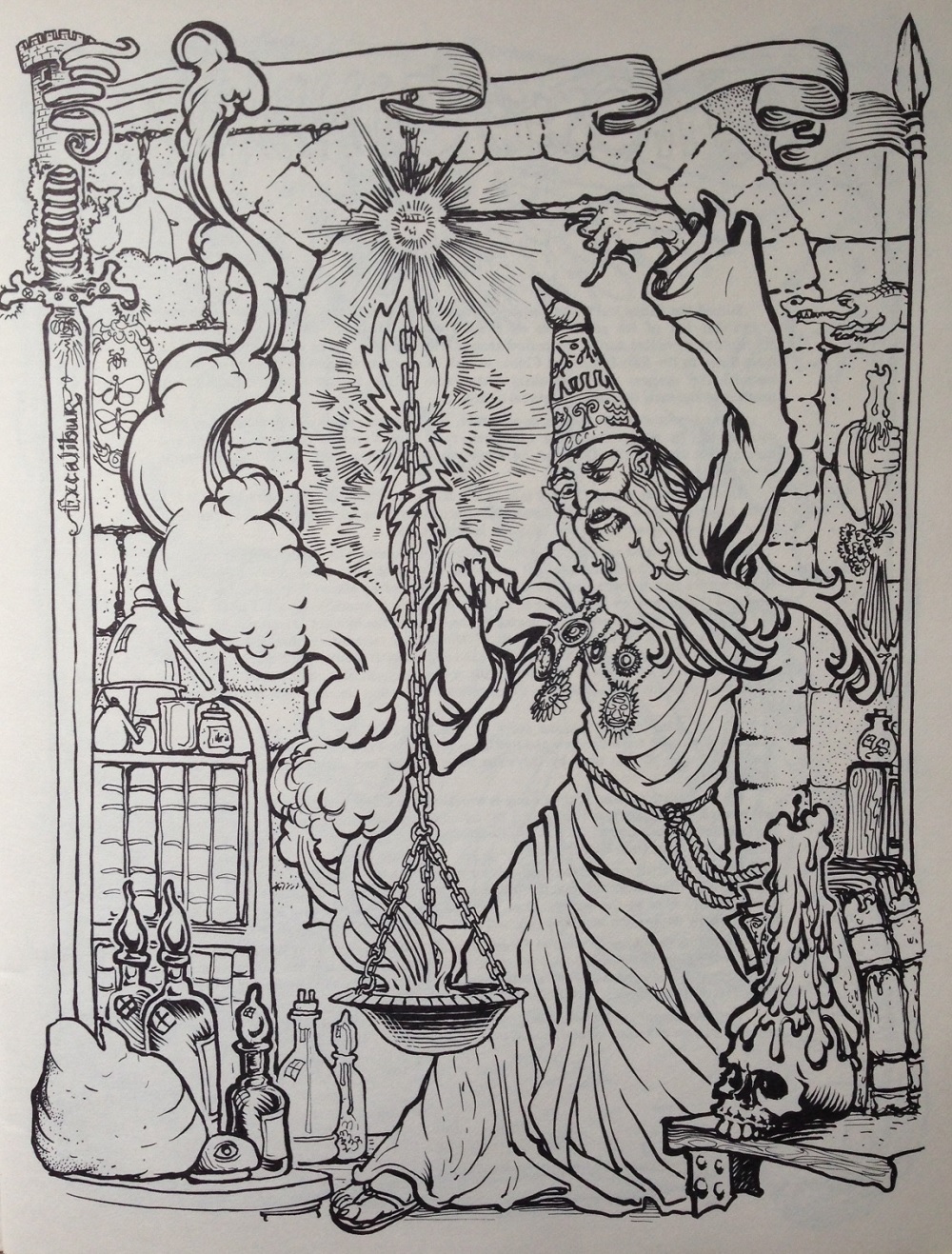
I’ve briefly talked about Tales of Fantasy before. It’s one of the formative books of my youth, and I was very fortunate to find a copy in good condition. I asked Malcolm Whyte, founder and longtime director of Troubador Press, whose idea it was and how the project came together, and here’s what he said:

Tales of Fantasy was my idea. I wanted to round out a trilogy—a fantasy trilogy—that started with Monster Gallery (1973) and included Science Fiction Anthology (1974). All three books were then marketed as a set: if someone had one of the books, he must have the other two. I was also interested in having some of the underground cartoonists illustrate Troubador books. I knew of Larry Todd’s interest in science fiction from the underground comix he wrote for and especially his wonderful Dr. Atomic character, and signed him up for Tales of Fantasy.

As we were discussing which tales to include in the book, I was astounded by Larry’s depth of knowledge of great fantasy authors and realized that he had to write the book as well as illustrate it. Tales of Fantasy has more text than most of the other Troubador coloring albums.

Larry is a sweet, engaging, literate, post-hippy eccentric… Last I knew he was one of the few of a dying breed of hand-done sign painters.

Troubador’s `fantasy trilogy’ marks a high point not only in coloring books (fine art coloring albums, actually), but in the kind of intelligent entertainment publishers and culture creators once offered young people. Todd’s descriptions of the various tales are exciting and comprehensive, and his art is as enthralling today as it was then.

Fantasy became a genre proper when the young people of the 1960s embraced and popularized The Lord of the Rings. In fact, there’s an important passage about Tolkien’s influence in Theodore Roszak’s definitive analysis of the `youth opposition’, The Making of a Counter Culture (1969):

The hippy, real or as imagined, now seems to stand as one of the few images toward which the very young can grow without having to give up the childish sense of enchantment and playfulness, perhaps because the hippy keeps one foot in his childhood. Hippies who may be pushing thirty wear buttons that read “Frodo Lives” and decorate their pads with maps of Middle Earth (which happens to be the name of one of London’s current rock clubs). Is it any wonder that the best and brightest youngsters at Berkeley High School… are already coming to class barefoot, with flowers in their hair, and ringing with cowbells?

The allure of fantasy literature was (and still is, to many) that it offers a vision of “the days when the world was uncrowded and unregulated and ‘natural’ man flourished.” Emulating Middle Earth and its intrepid adventurers—even channeling the Cthulhu mythos of H.P. Lovecraft—was a form of protest against the crass industrial establishment, which Roczak called the ‘technocracy’.

Most of the territory geeks claim today was inherited from literate post-hippies like Larry Todd, thanks in part to literate, daring publishers like Malcolm Whyte.
Pages

Archives

Categories

Donate Button

Join 1,118 other subscribers