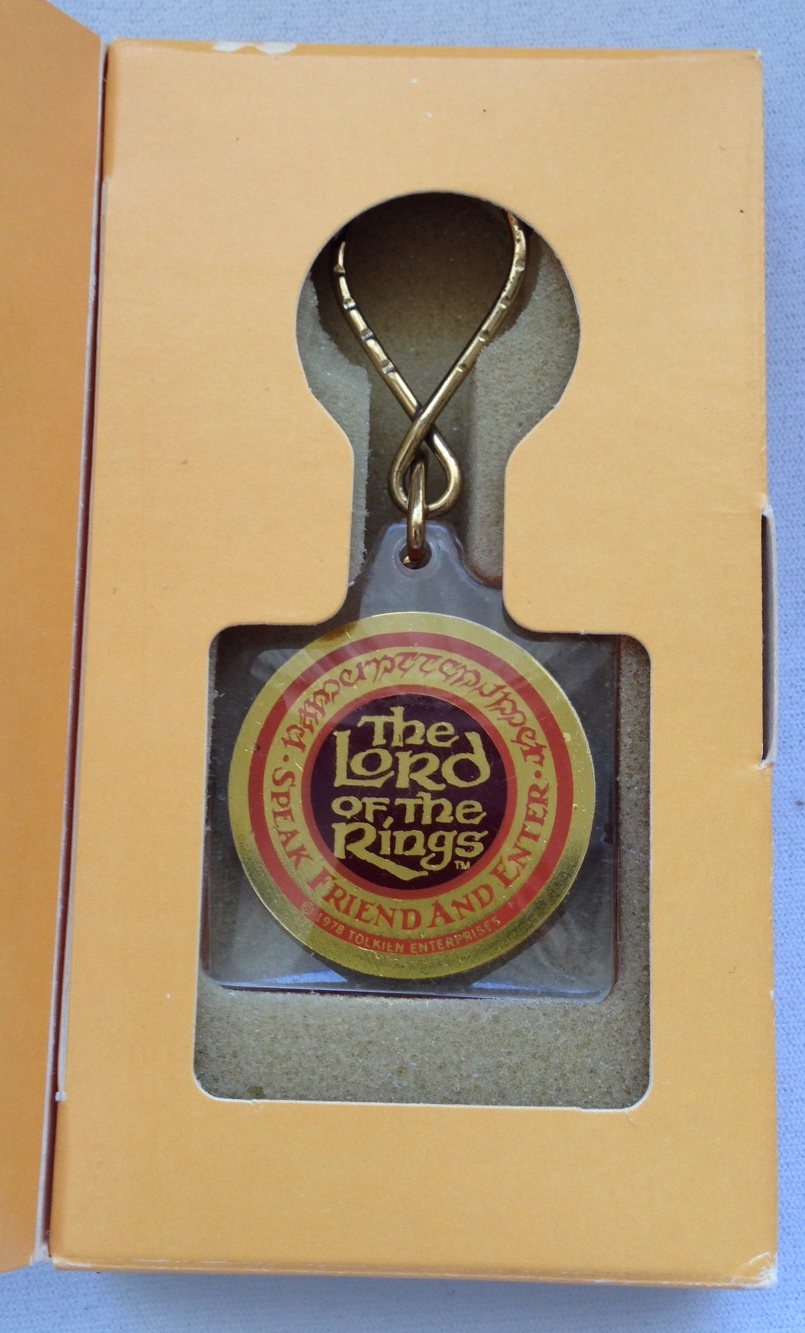
I just got it, I love it, and I’m thinking about giving it away as a prize for the next Pop (Culture) Quiz.
The 1979 Tolkien Enterprises Merchandise Catalog is here.
Surveying the Gen X landscape and the origins of geek
I just got it, I love it, and I’m thinking about giving it away as a prize for the next Pop (Culture) Quiz.
The 1979 Tolkien Enterprises Merchandise Catalog is here.
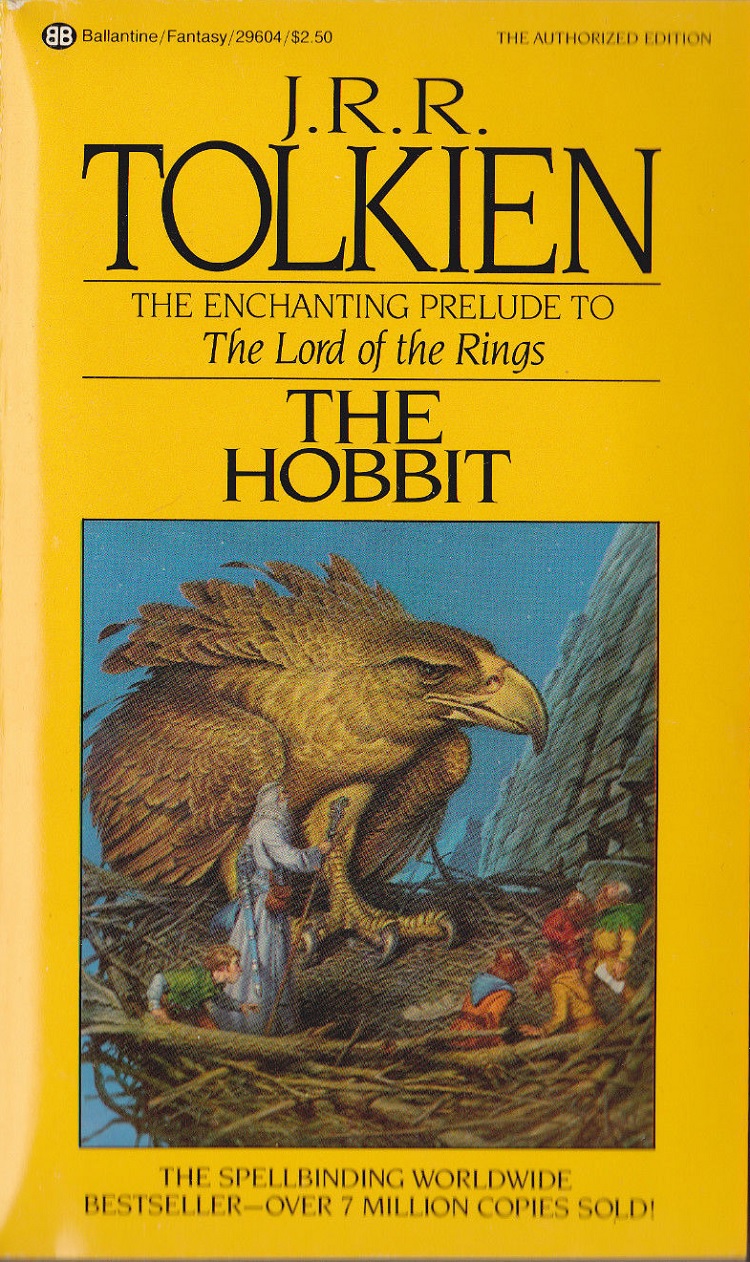
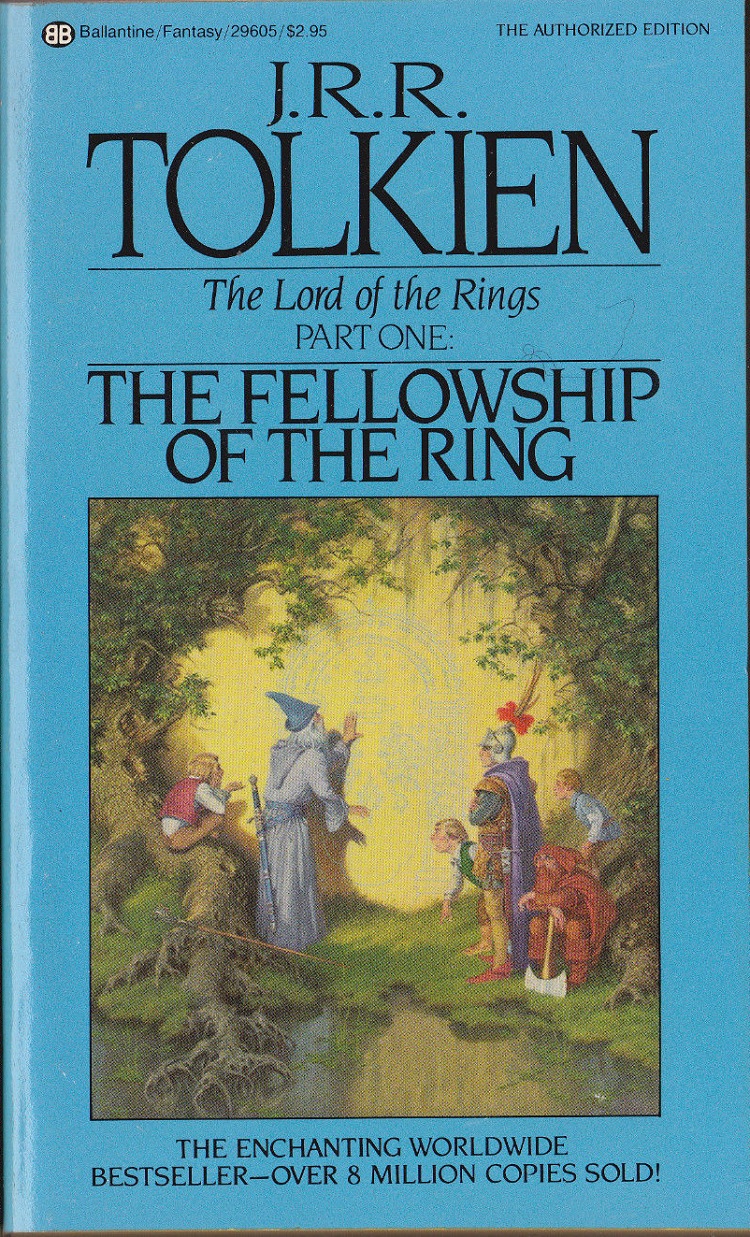
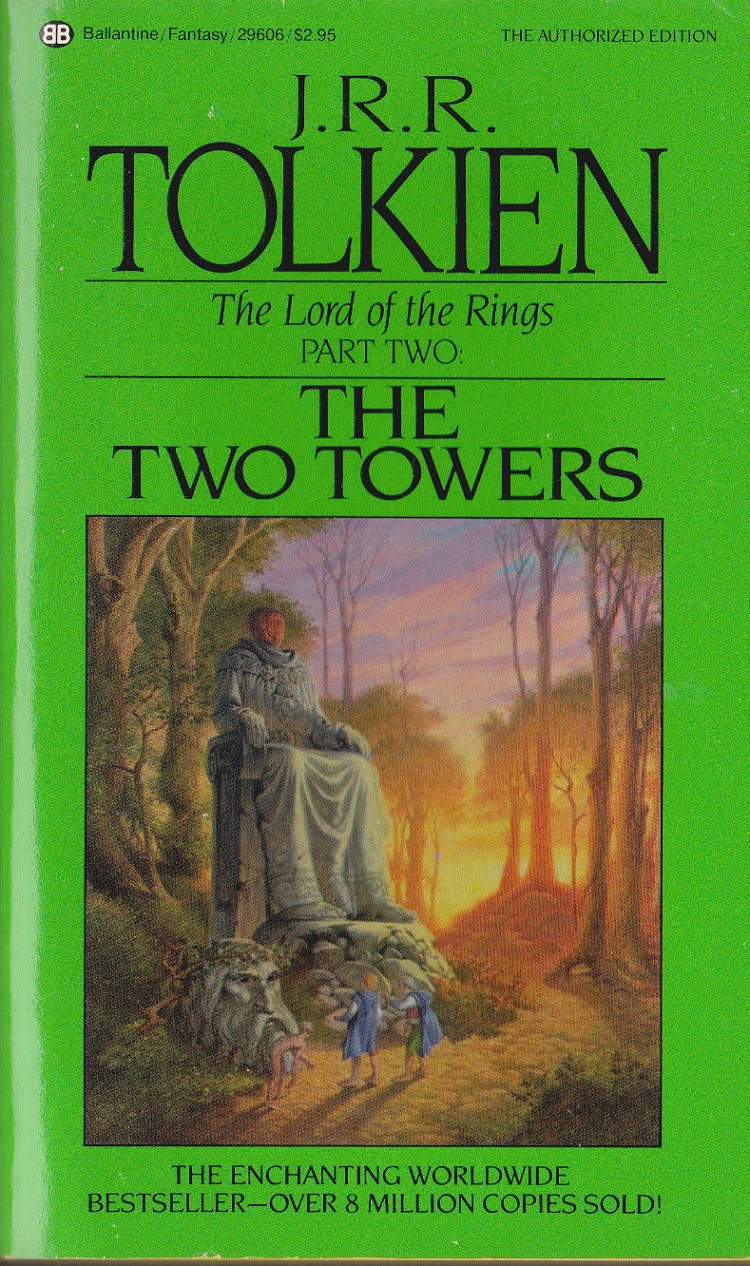
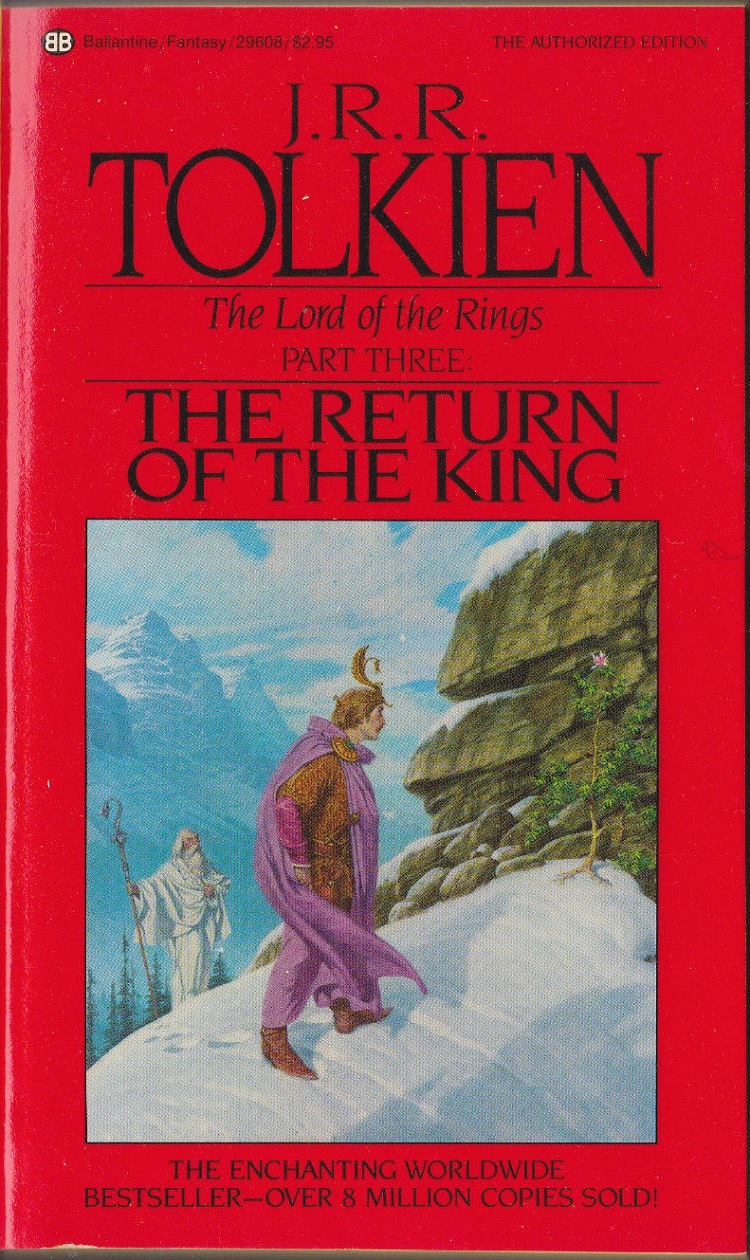
Ballantine’s Silver Jubilee Edition of The Hobbit and The Lord of the Rings was the first paperback edition to appear after the 1978 animated feature, and the first edition I read. I have very strong memories of reading Fellowship every morning as my dad drove me to school, and, later, ignoring my mom’s calls to dinner as I sat in my room, transfixed by Boromir’s death in The Two Towers.
Sweet’s art was taken from the 1982 LOTR calendar. You can see all the images in high resolution at The One Ring. The Fall of Numenor was used for the cover of Ballantine’s 1982 edition of The Silmarillion. These are still the definitive covers for me, and I think his Fellowship painting is particularly brilliant.
Sweet painted all the covers but one for Robert Jordan’s inexcusably long Wheel of Time series. He passed away in 2011 before he could finish the final piece. Irene Gallo gave him a fine eulogy, featuring some of his outstanding work, at Tor.

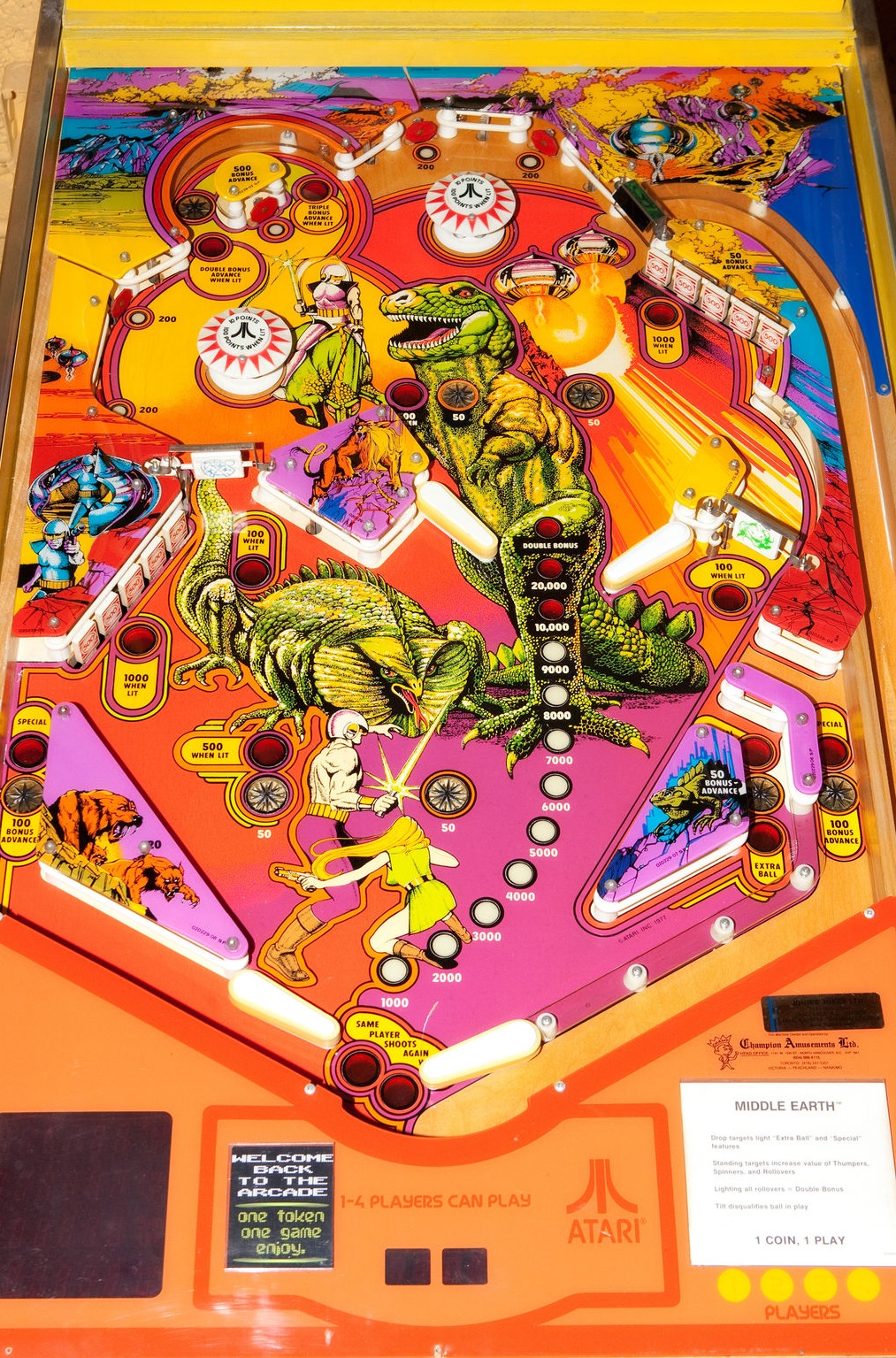


Middle Earth was released in February of 1978. I’m not sure how early in development it was named, but I bet Atari was banking on the fanfare surrounding the upcoming LOTR animated feature. The Rankin-Bass Hobbit TV special had aired the previous year.
The theme has nothing to do with Tolkien, obviously. What we’re seeing is a futuristic Lost World scenario, which is why Atari could get away with using `Middle Earth’ without any copyright issues. The concept also plays off of Dino De Laurentiis’ King Kong (December 1976) and the Godzilla-mania of the late ’70s.
The spectacular art is by George Opperman, who created the Atari logo.
(Images via the Internet Pinball Machine Database, where you can find more views of the game, and The Arcade Flyer Archive)


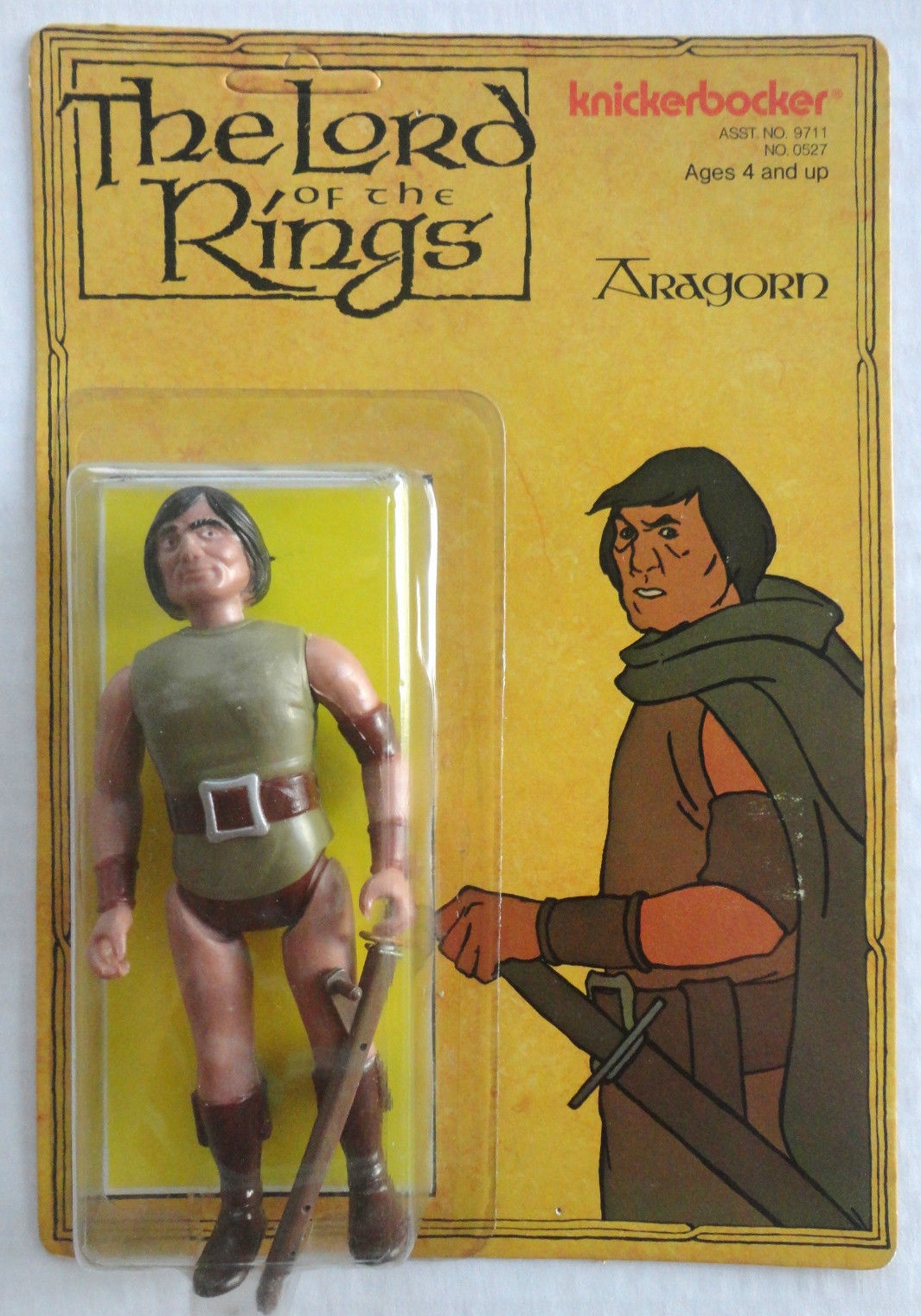


The merchandising campaign for Bakshi’s The Lord of the Rings was extensive but poorly managed, as unfocused as promotion of the feature itself. The action figures were underproduced and I don’t remember seeing a single advertisement for them. Even if the line had been on the shelves in force, it would have been lost in the clamor for Star Wars, BSG, Micronauts, and giant robots.
Knickerbocker Toy Company, at the time “the world’s largest manufacturer of the popular Raggedy Ann and Raggedy Andy dolls,” was founded in 1922 and went out of business in 1982, “battered by losses.” The LOTR gambit didn’t help.
By the way, if you want to own one of these guys—or buy me one for Christmas—the specimens above went for between $300 and $600. You can see close-ups of all the figures here. The Ringwraith is pretty impressive.
UPDATE (4/5/14): I finally found a carded figure, Aragorn, with a price tag on it. $3.75 is way too high, even with the extra markup you’d expect at a drug store. The high end on the Galactica figures was about $1.99, and $2.99 was the high end for the Empire figures.
UPDATE (7/14/14): Adding another price tag for the same figure. Same store, much lower price, and it doesn’t look like a markdown sticker.


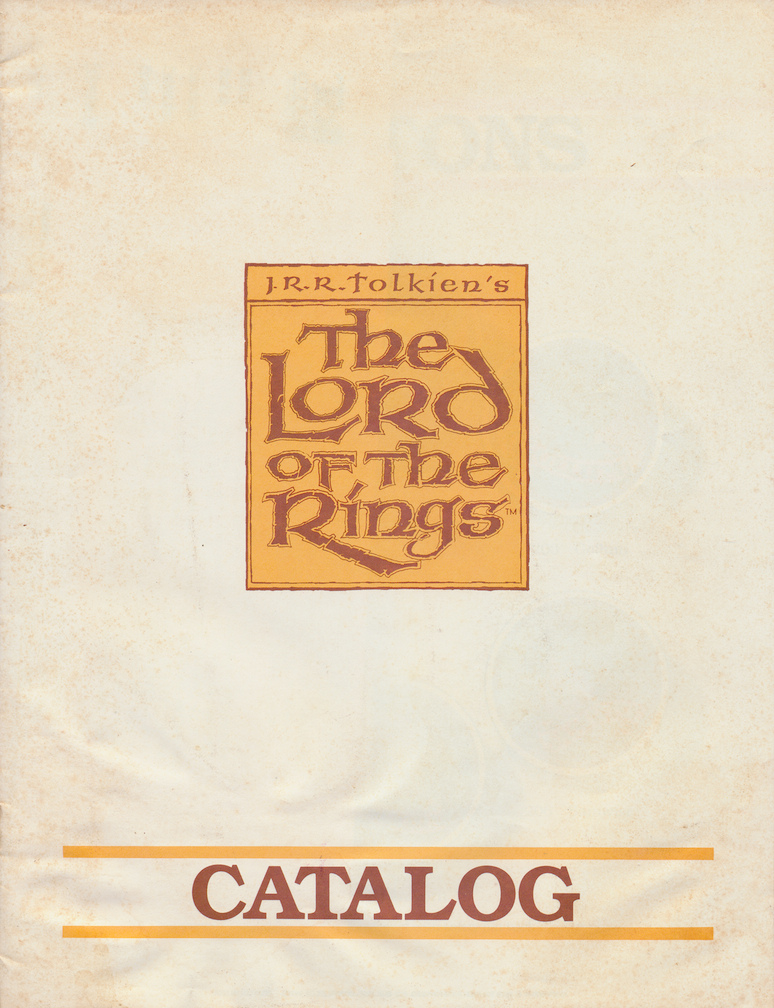


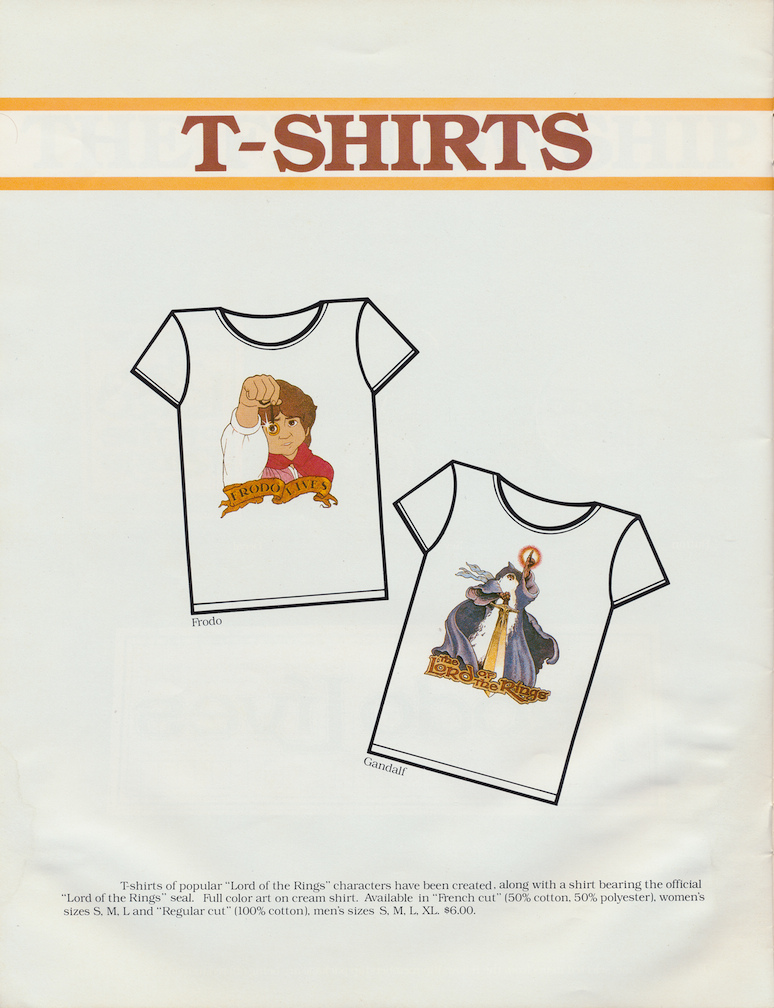


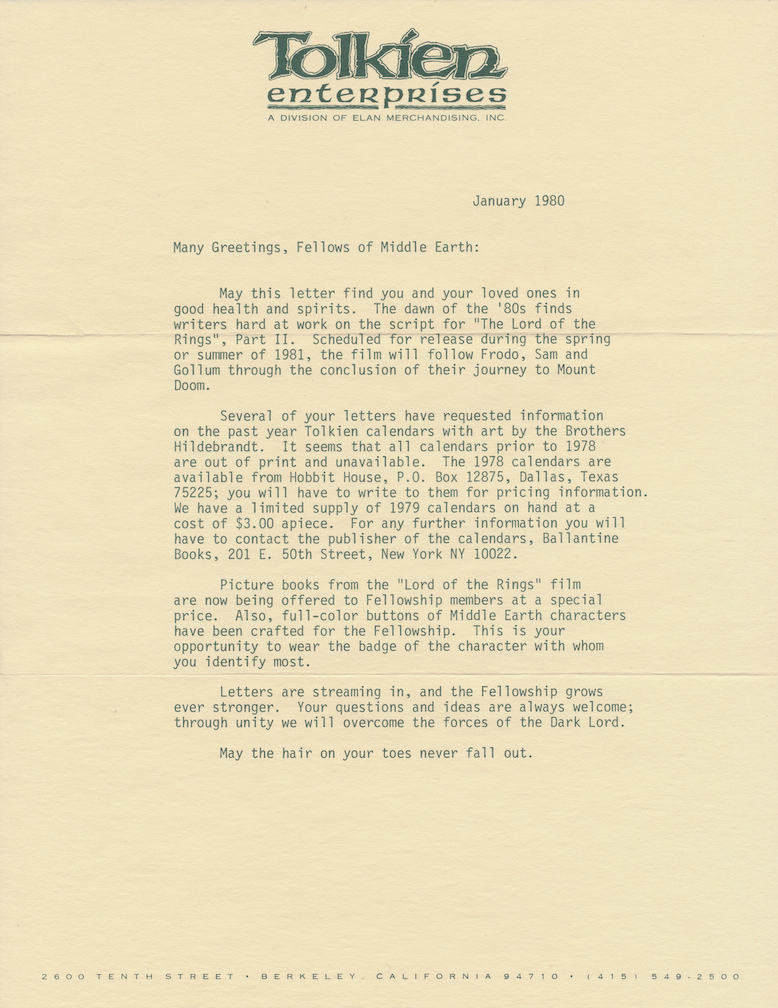
You can thank The Retro Art Blog for scanning and posting the whole catalog. Click on the link to see the rest. Belt buckle ($7.50) or t-shirt ($6.00)? I’m going Gollum buckle. You guys do what you want.
The introductory letter, aside from assuring us that “through unity we will overcome the forces of the Dark Lord,” mentions The Lord of the Rings Part II, scheduled for release during the spring or summer of 1981.” If only that dream had come true.
One day we should have a discussion about the separate Bakshi and Rankin/Bass productions (podcast?), and how poorly it was all handled by corporate forces.
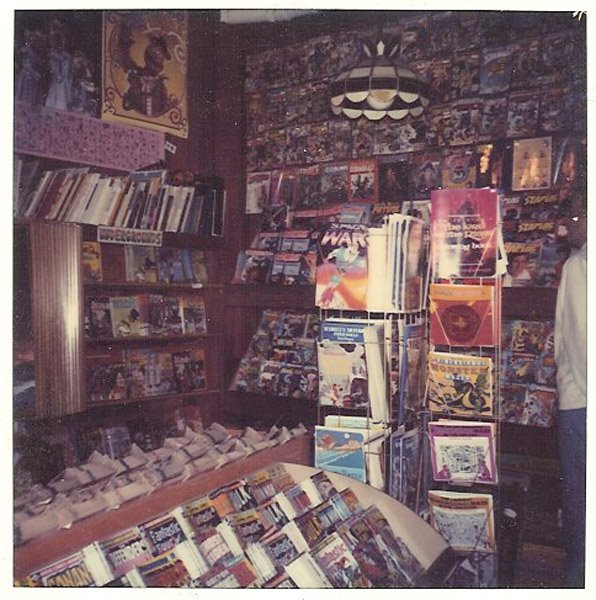
Another beautiful interior shot of a Bronze Age comic shop, this one from Flying Colors Comics. Let’s nail down the date. The best look I can get of the nearest comics is the Fantastic Four on the bottom shelf, three in from the far right. It’s FF #226, with a publication date of January, 1981. (Look for the hand of the Samurai Destroyer under the ‘sti’ of ‘Fantastic’.)
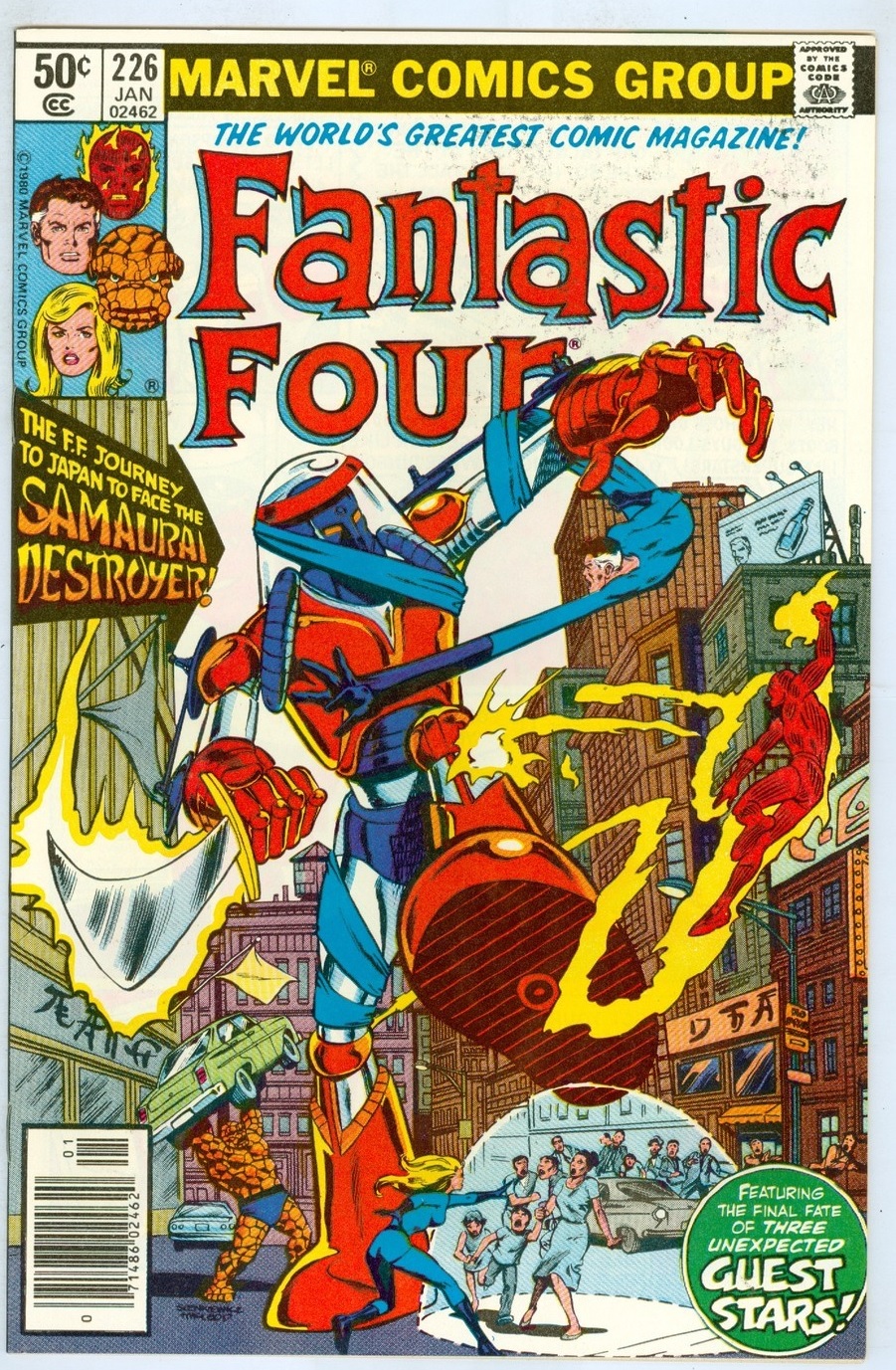
The newest book would be in full view, with back issues tucked behind it. Publication dates ran two to three months in advance, so we’re in October or November of 1980. Other than the FF, I spot Defenders #89 (pink cover) and, below it, #91 (yellow cover, same publication date as FF #226). Man, 1980. What a beautiful time to be a kid.
I’m not into DC, so I can’t identify any of the comics on the bottom rack in back of the store, but I do see, just to the right of J.R.R. Tolkien’s The Lord of the Rings Coloring Book (more on that in a sec) at the top of the spinner rack, Starlog #39 (October, 1980), with Gil Gerrard on the cover.

Now, the spinner rack. The LoTR coloring book was part of the promotional campaign for Ralph Bakshi’s 1978 LoTR adaptation, as you can see in this sweet catalog at Plaid Stallions.
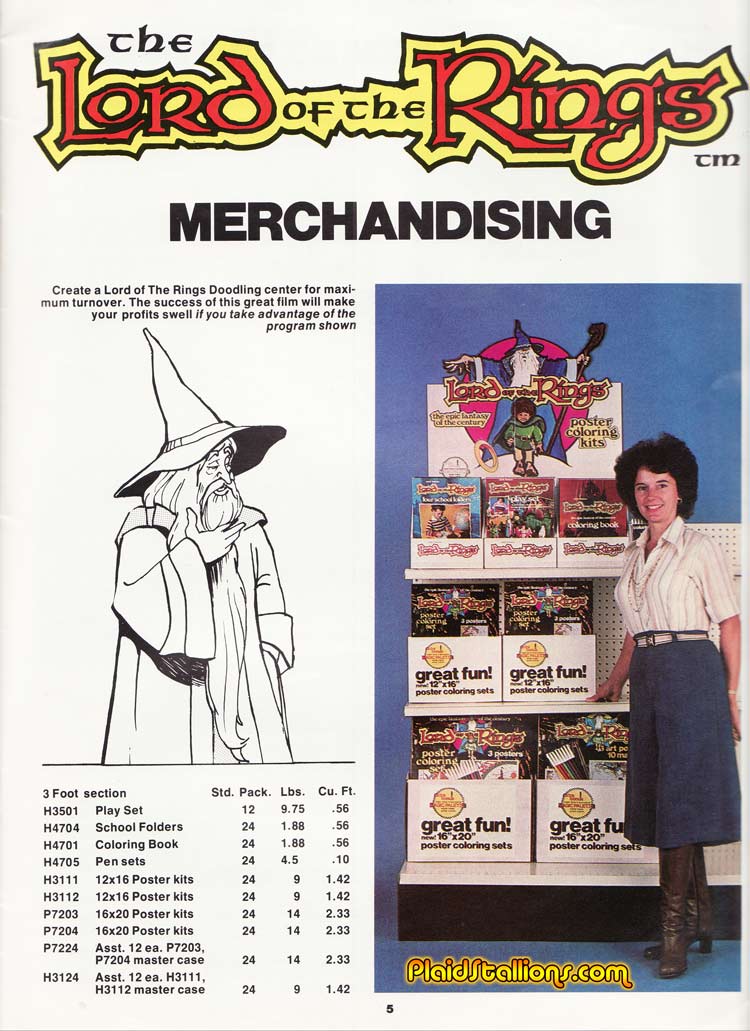
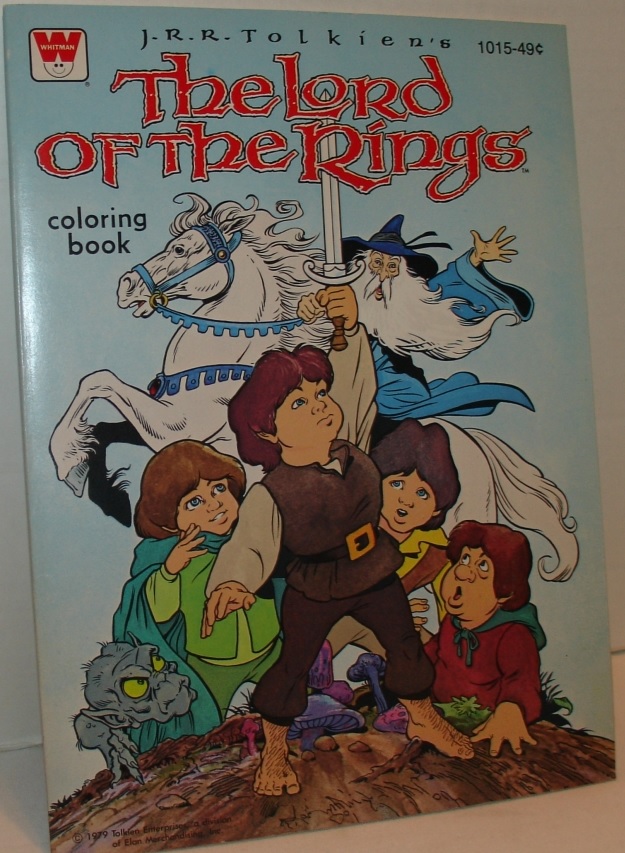
The version seen here (top right, by the weird lady’s head) and in the comic shop was originally published in 1978. An alternate cover version, seen below via eBay, came out in 1979.
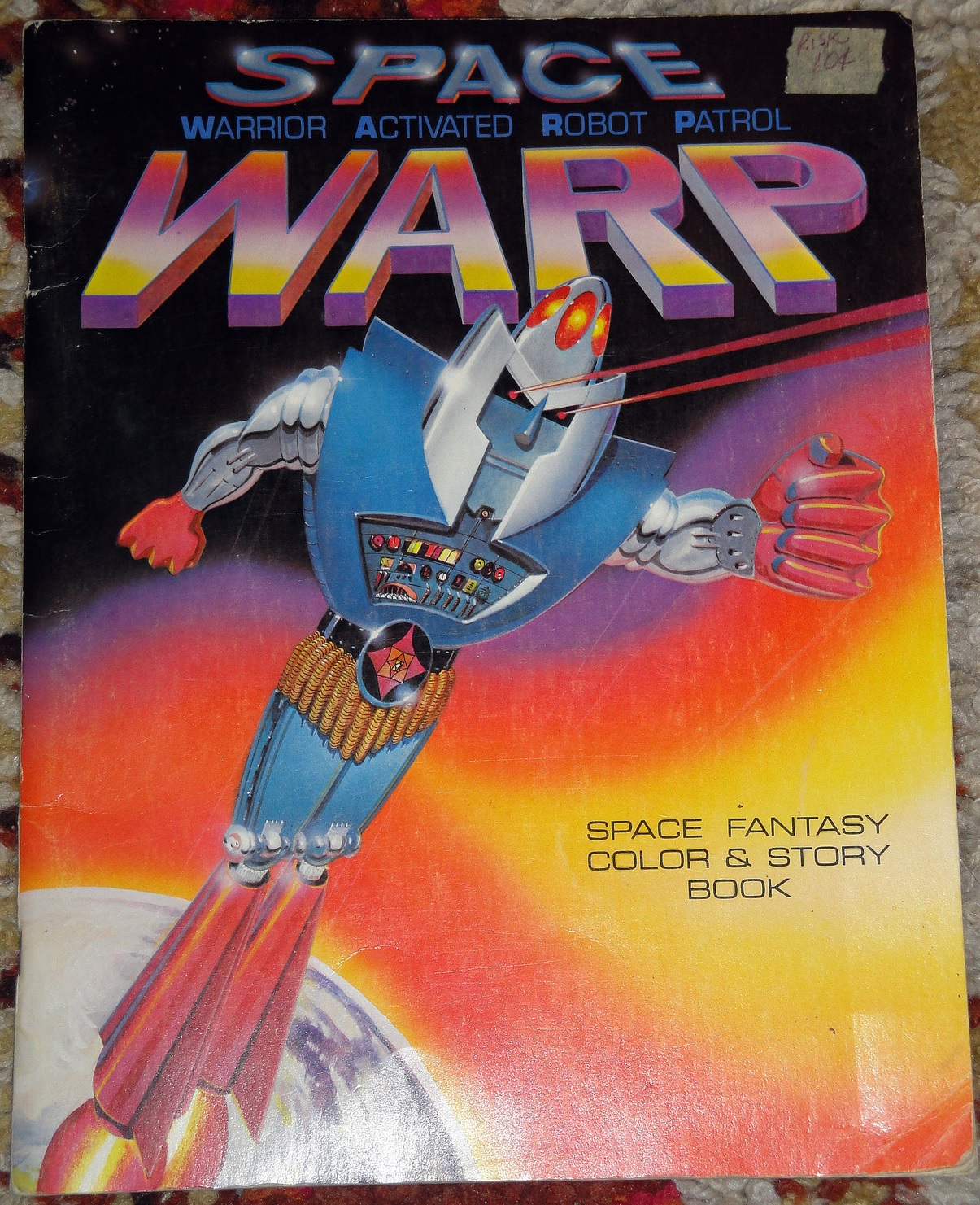
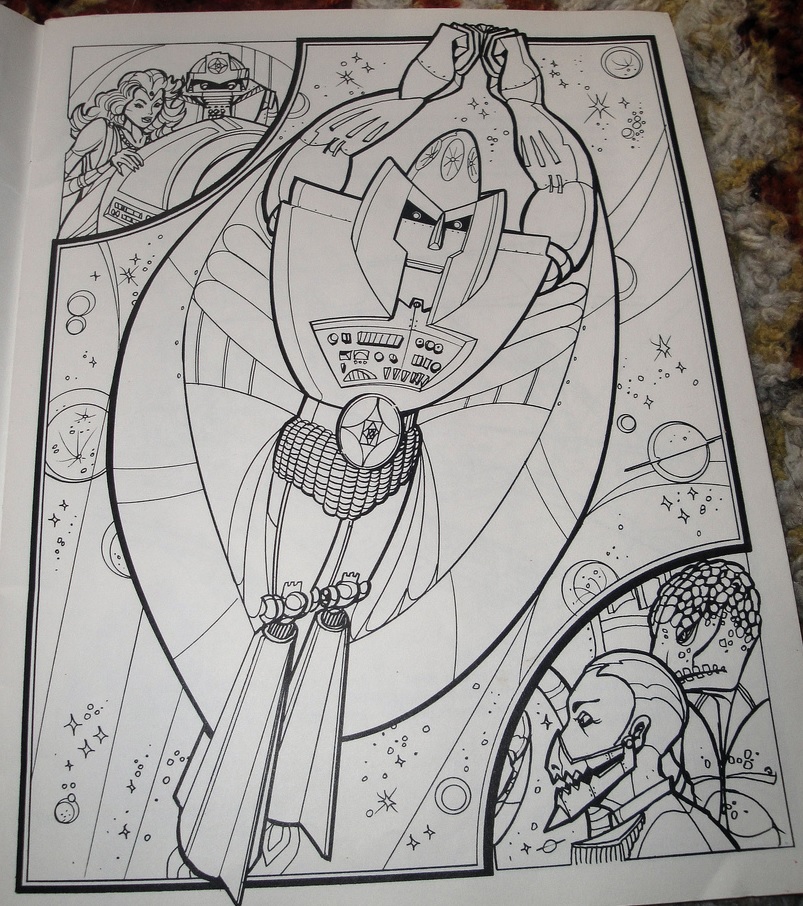
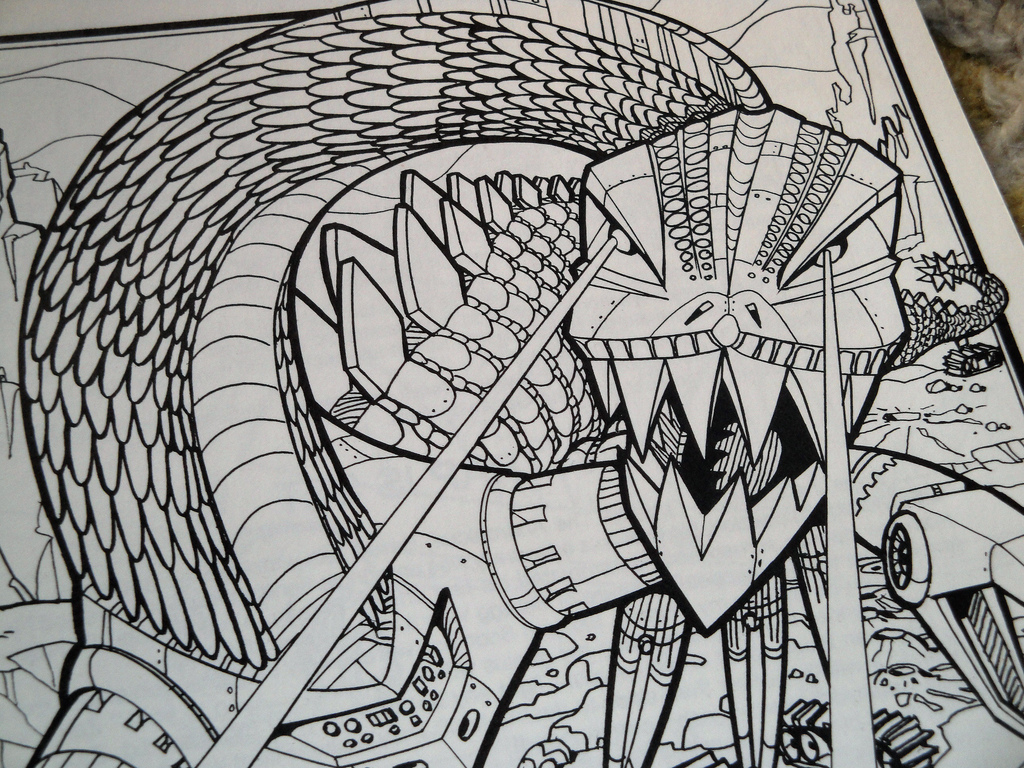
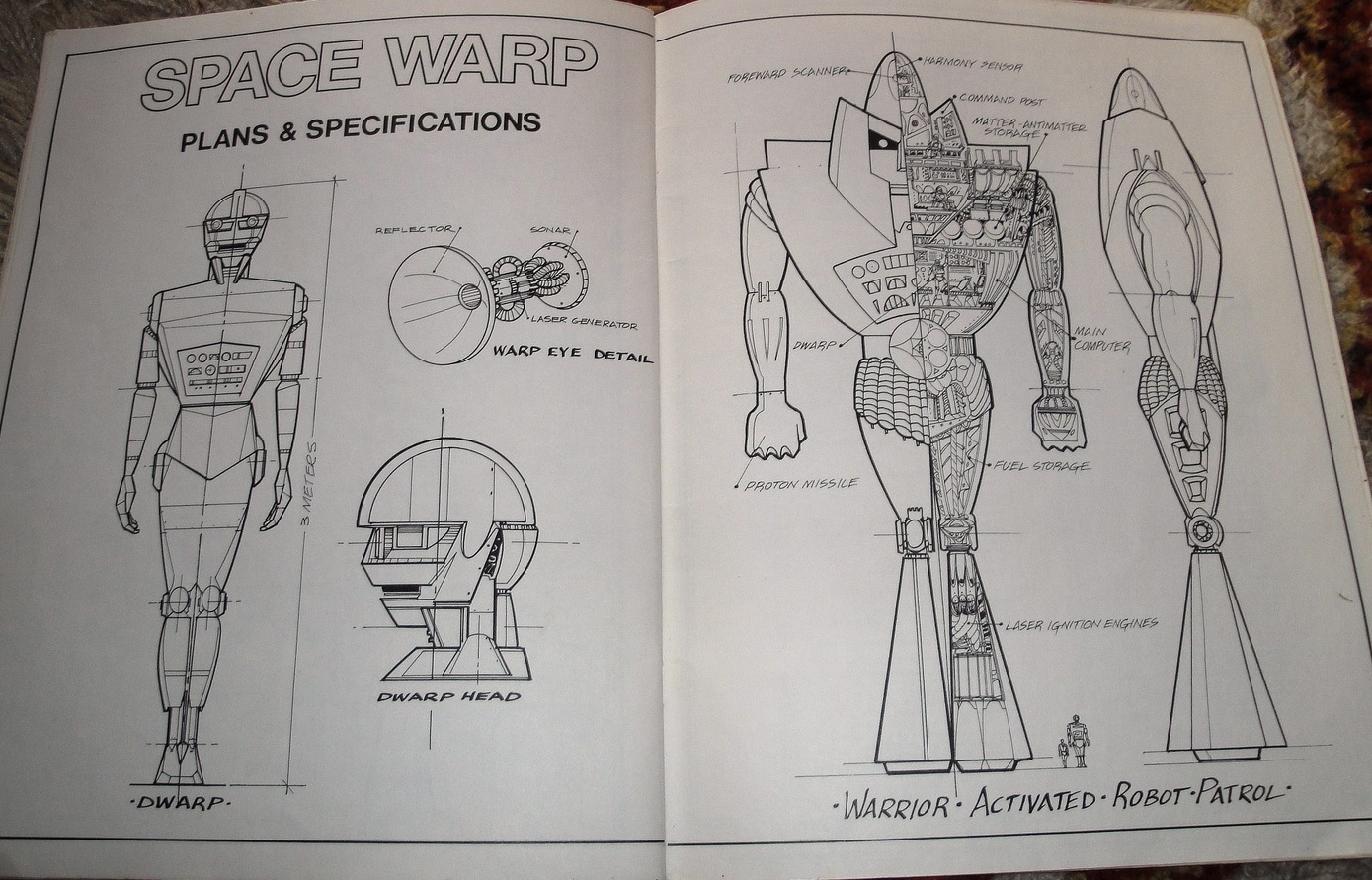
To the left of the LoTR book you’ll see what’s become a cult item in the pop art world: the Space WARP Space Fantasy Color & Story Book (1978), published by Troubador Press. I want it badly.
We have Philip Reed and Matt Doughty to thank for the pics. See more at Reed’s Flickr.
UPDATE (11/22/13): Malcolm Whyte, who ran Troubador Press for 30 years, spotted more Troubador titles on the rack: Maze Craze 4 is just beneath the LoTR book; Larry Evans’ 3-D Monster Mazes is just beneath that; and two different Evans 3-D Maze Posters volumes (“huge fold-out jobs and complex!” Malcolm notes) are beneath that.

 2 Warps to Neptune