Archive for the 'Magazines/Zines' Category


Super Star Heroes #11 (January, 1980): Meteor and American International Pictures

super star heroes #11 FC

super star heroes #11 IFC

super star heroes #11 TOC

super star heroes #11 IBC

super star heroes #11 BC

super star heroes #11 pg. 40

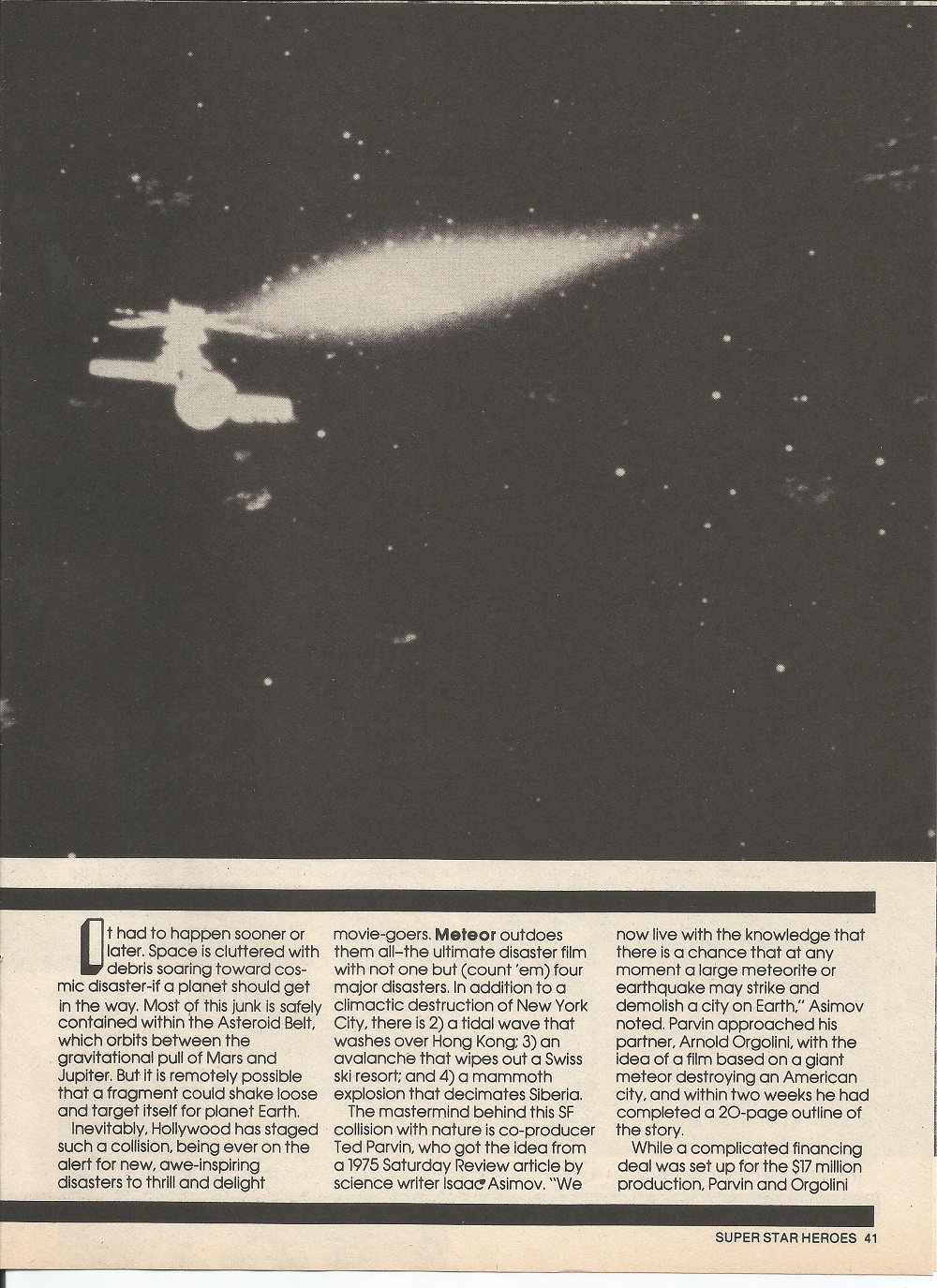
super star heroes #11 pg. 41

super star heroes #11 pg. 42

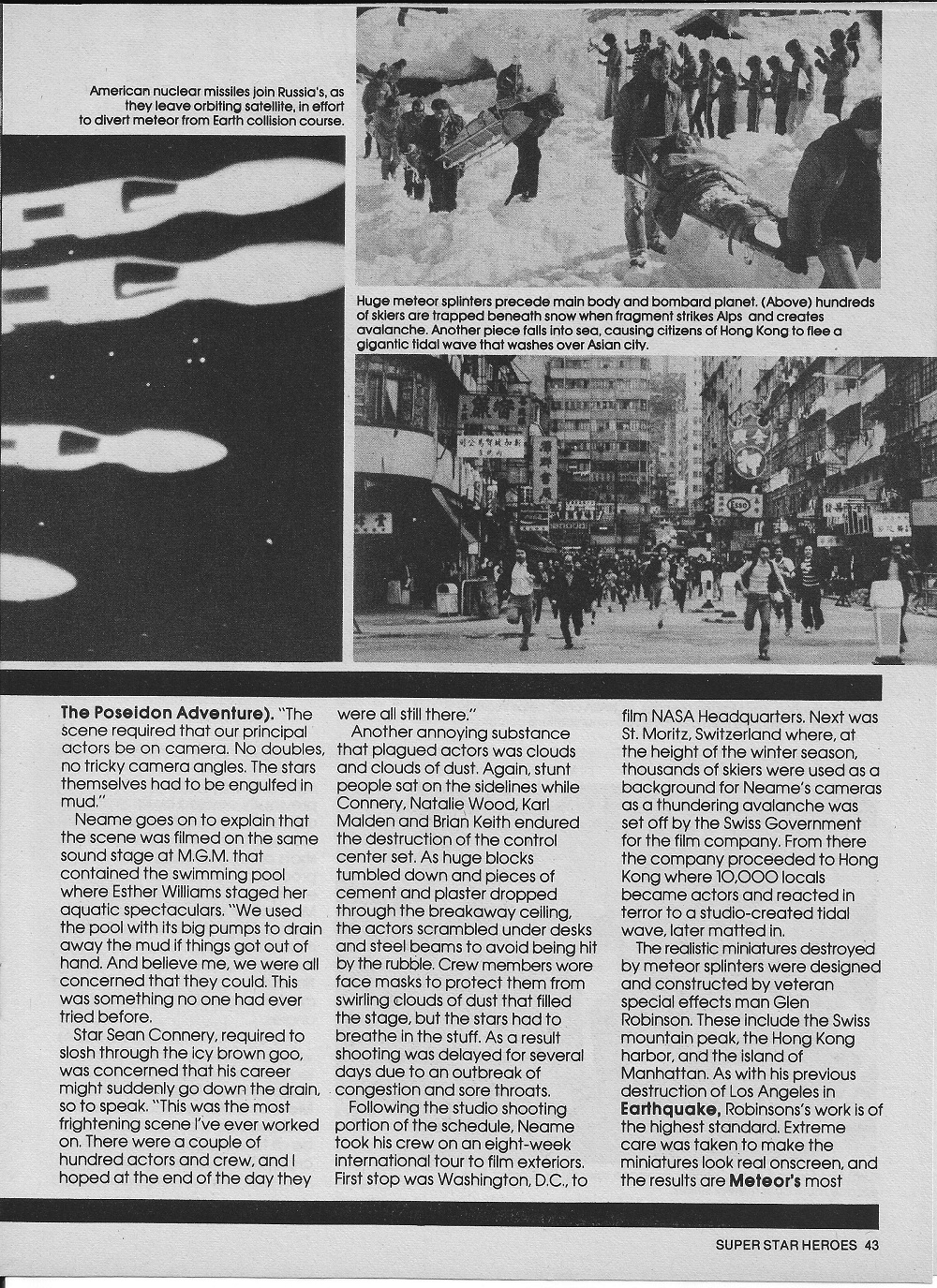
super star heroes #11 pg. 43

super star heroes #11 pg. 44

super star heroes #11 pg. 45

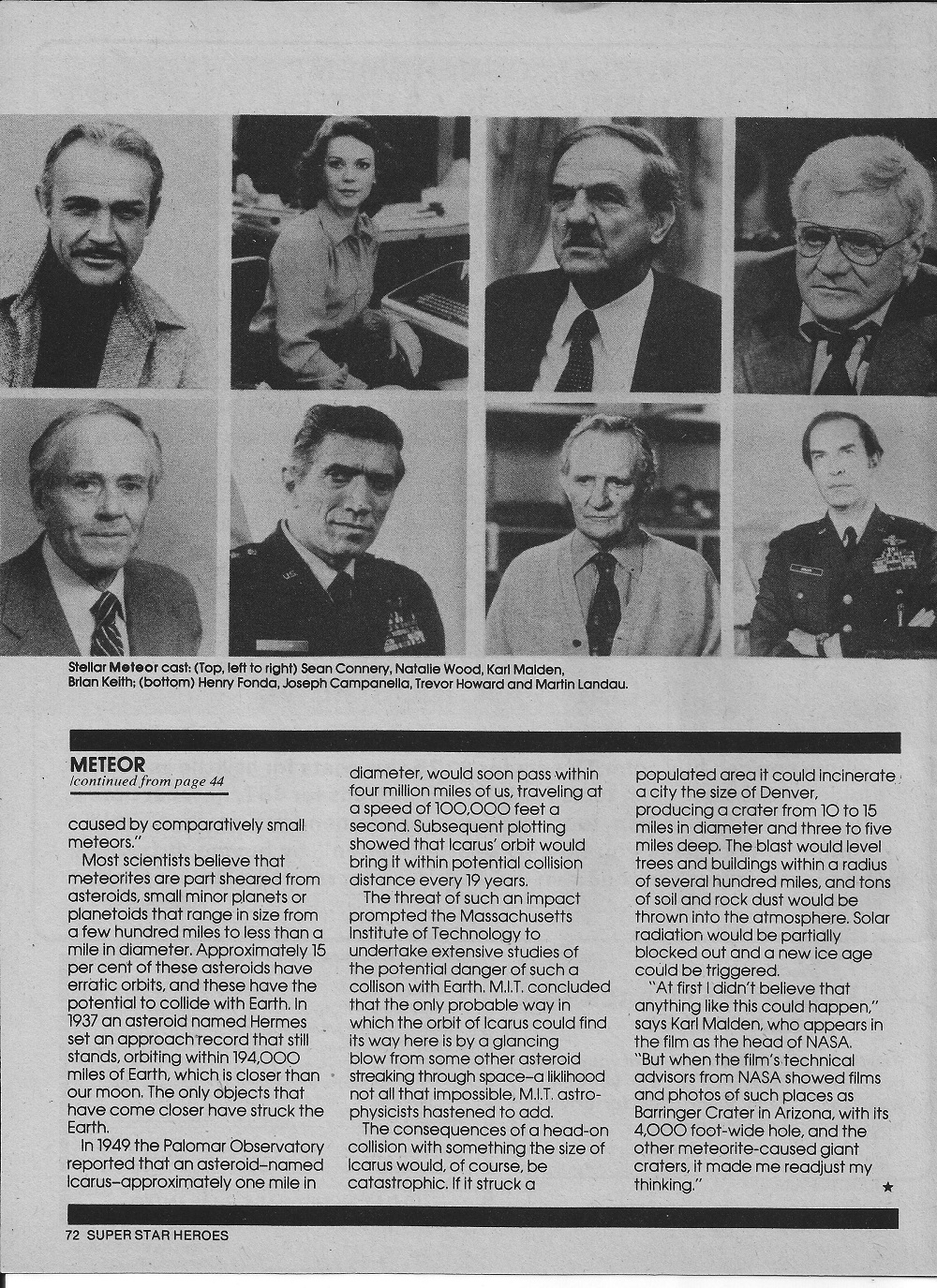
super star heroes #11 pg. 72

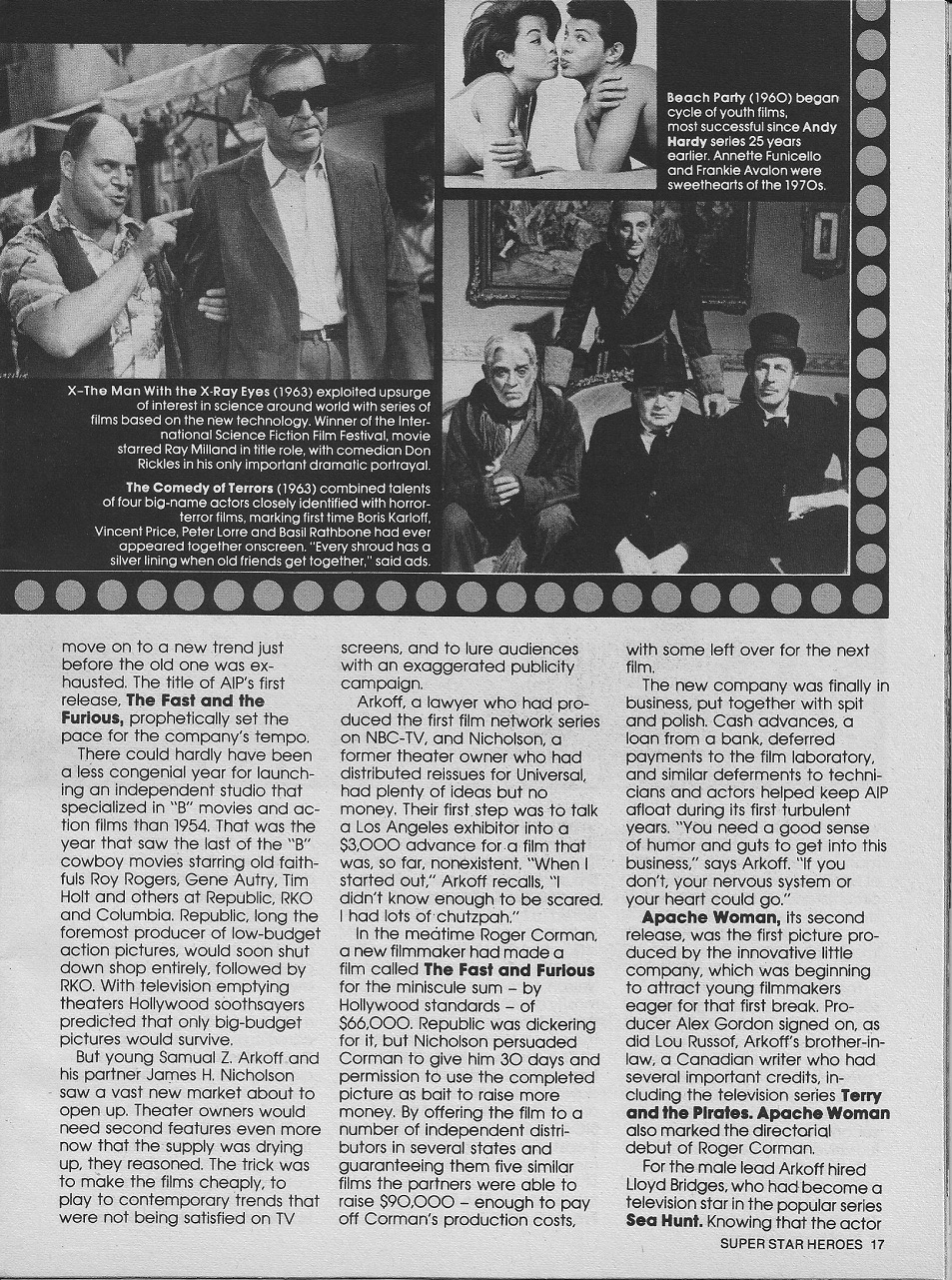
super star heroes #11 pg. 14super star heroes #11 pg. 15

super star heroes #11 pg. 16

super star heroes #11 pg. 17

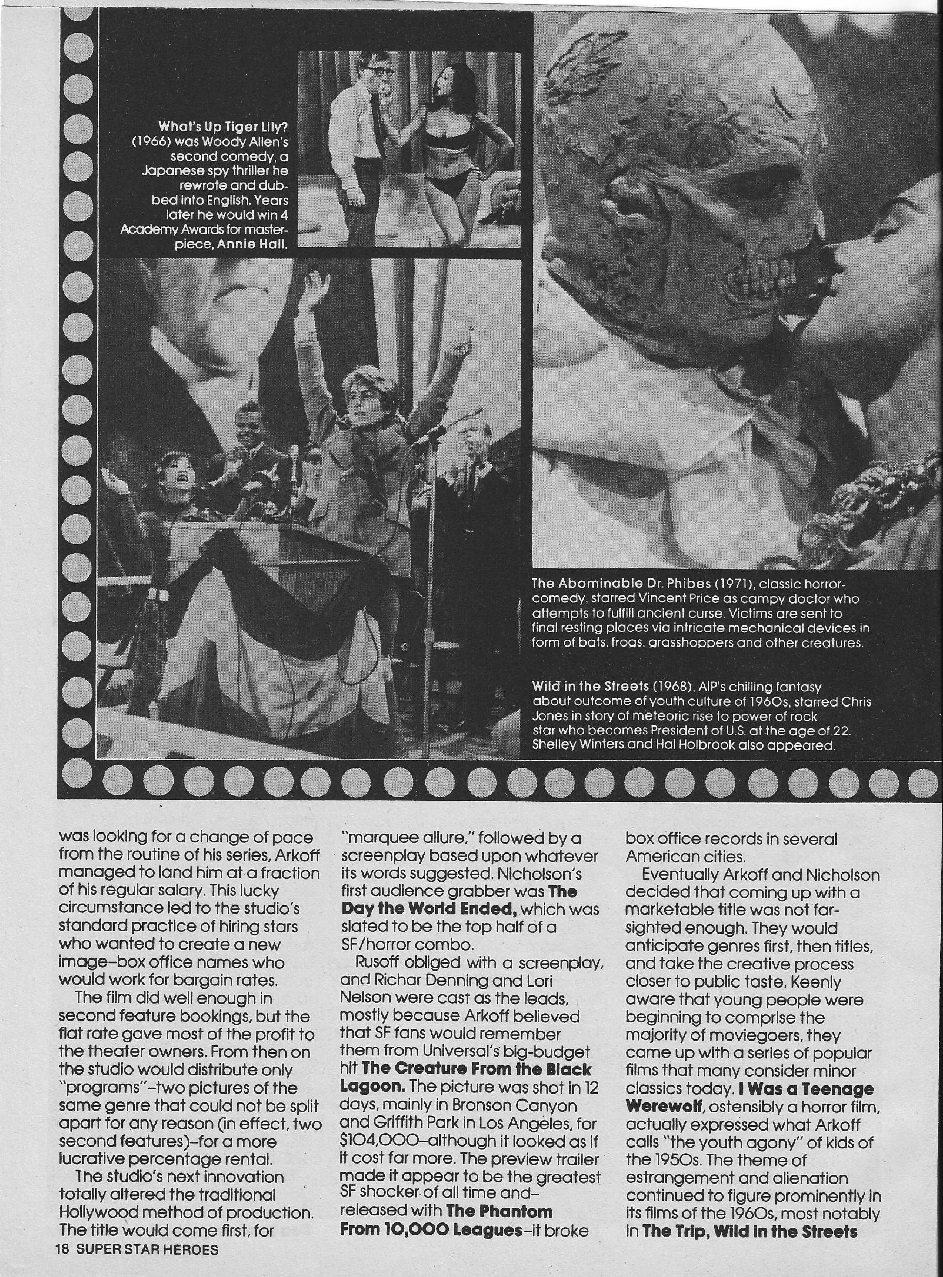
super star heroes #11 pg. 18

super star heroes #11 pg. 19

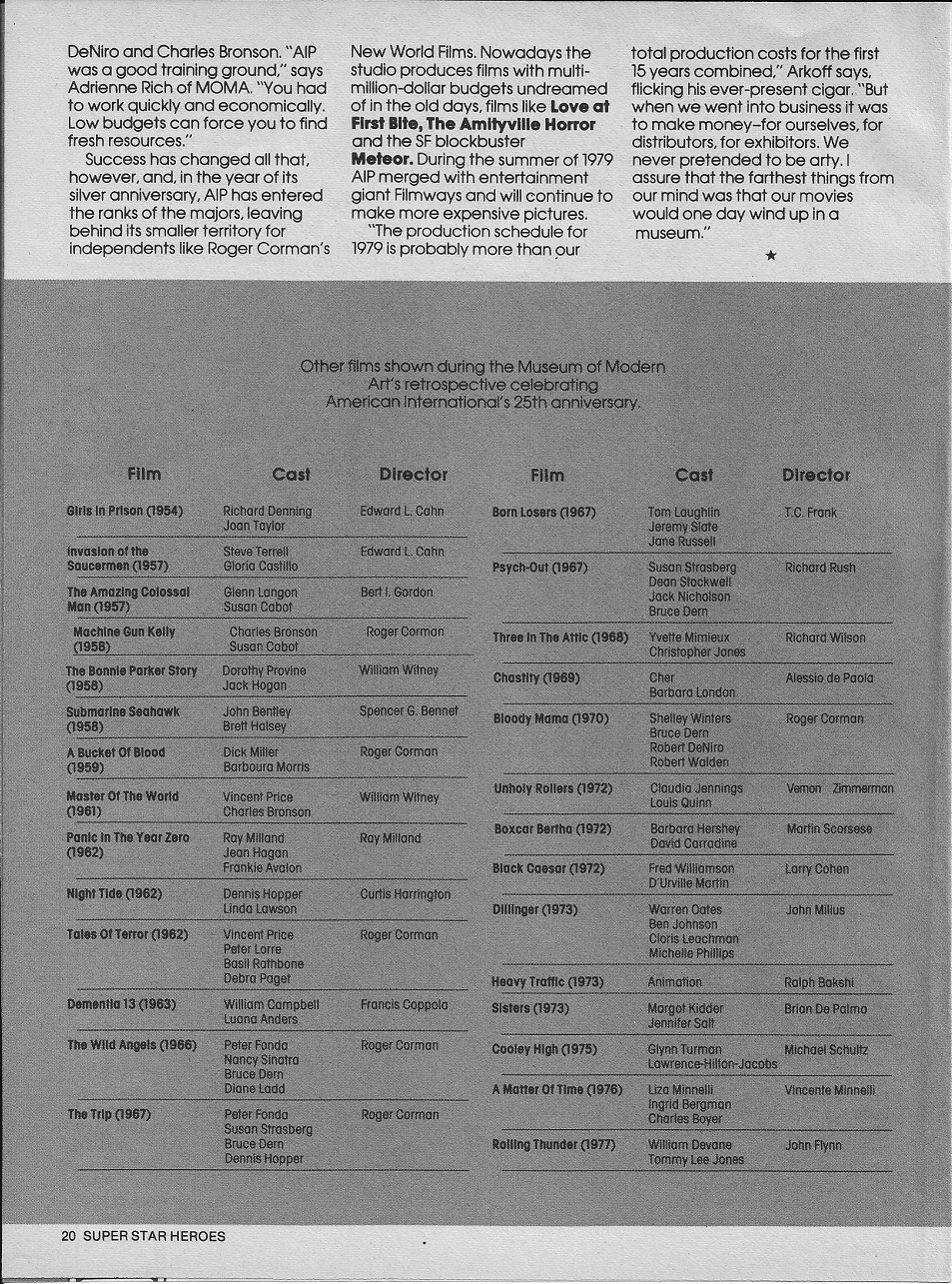
super star heroes #11 pg. 20

All I know about Super Star Heroes magazine right now is that there are at least 11 issues, and this one is pretty cool. According to my recently established formula, I’ve posted the front cover, inside front cover, table of contents, inside back cover, back cover, and a couple of full articles. (Click pages to enlarge.)

I have a strange fondness for Meteor (1979), a Cold War relic that tried to capitalize on the post-Star Wars sci-fi craze within the disaster picture formula. I find Connery and Wood charming, the script has some moments, and I love the eerie, bombastic music that plays every time the meteor is shown hurtling towards Earth. The special effects sequences by Glen Robinson (Logan’s Run) are abysmal, especially the destruction of Manhattan, but I do like the space nuke miniatures.

American International Pictures (AIP), my favorite studio of all time, produced and distributed the film, and studio head Sam Arkoff was determined to make “the most expensive, most sensational disaster picture of all time.” The budget was $17 million, $10 million more than the 1974 blockbuster Earthquake. Compare that to 1998’s un-dynamic duo, Deep Impact ($75 million) and Armageddon ($140 million).

The AIP article gives a short history of the studio, which at the time was an improbable recipient of a retrospective at New York’s Museum of Modern Art.

Future Magazine #3 (July, 1978): New York Toy Fair, Filmation’s Flash Gordon

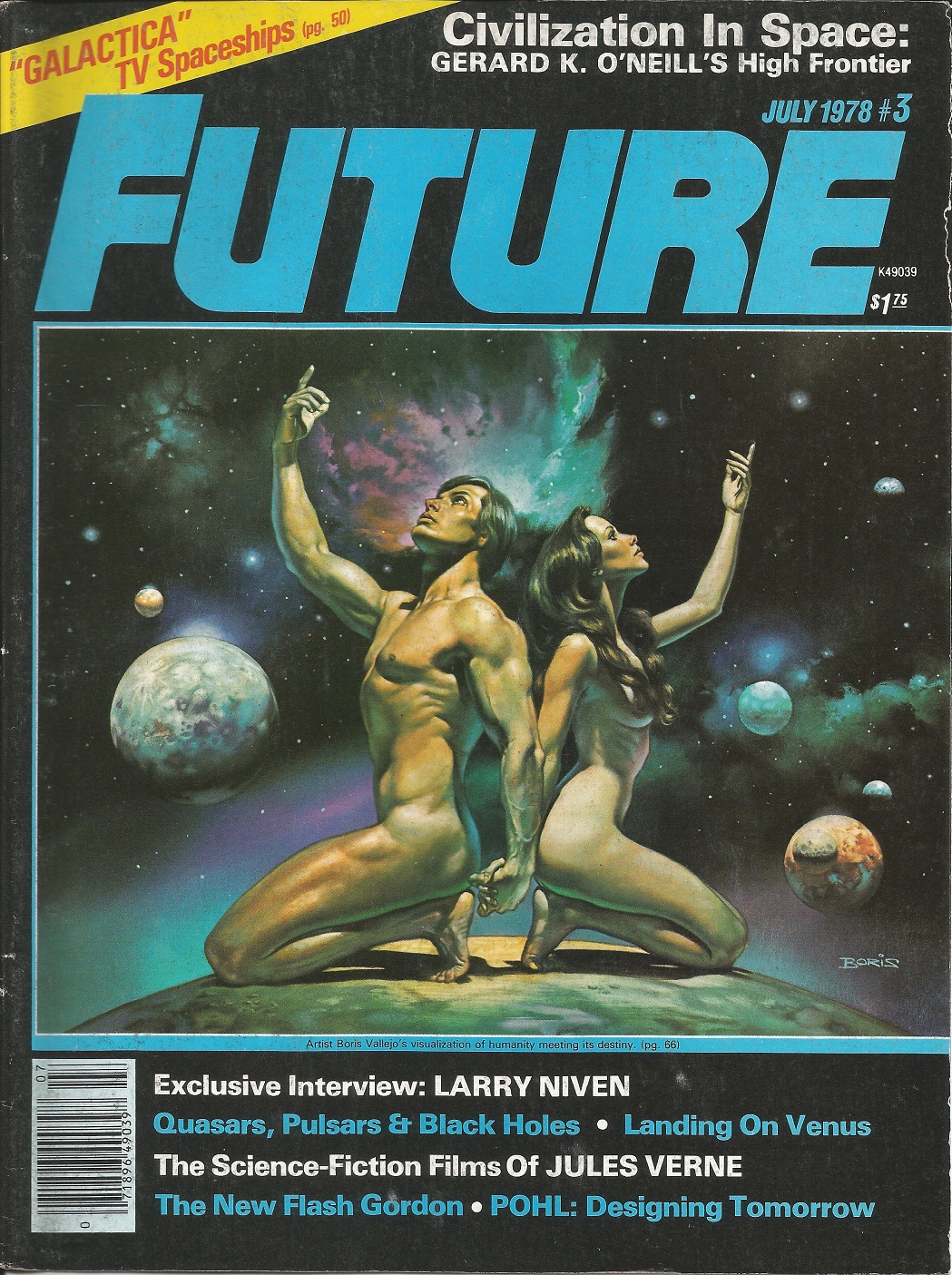
Future Life #3 FC

Future Life #3 IFC

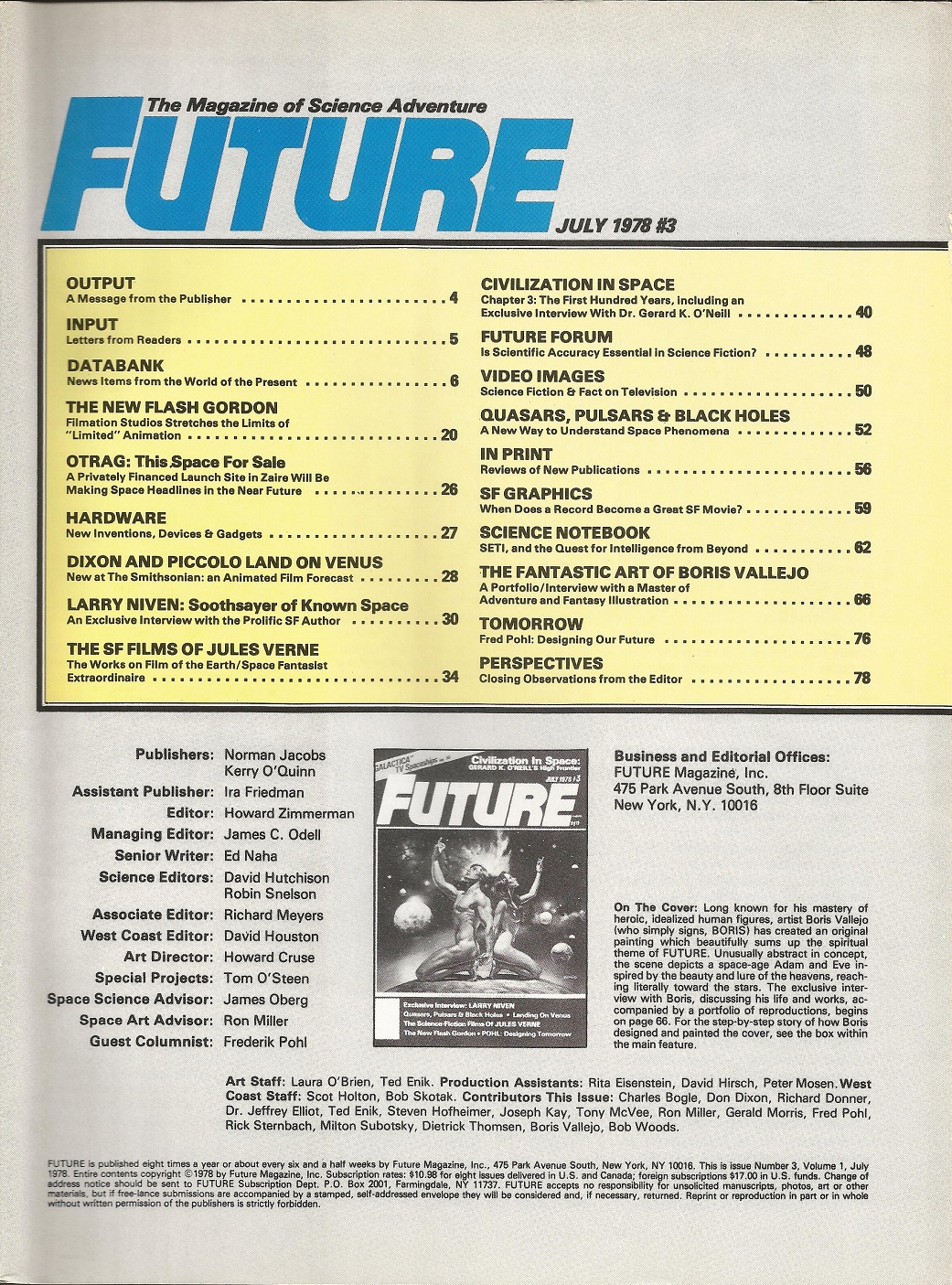
Future Life #3 TOC

Future Life #3 IBC

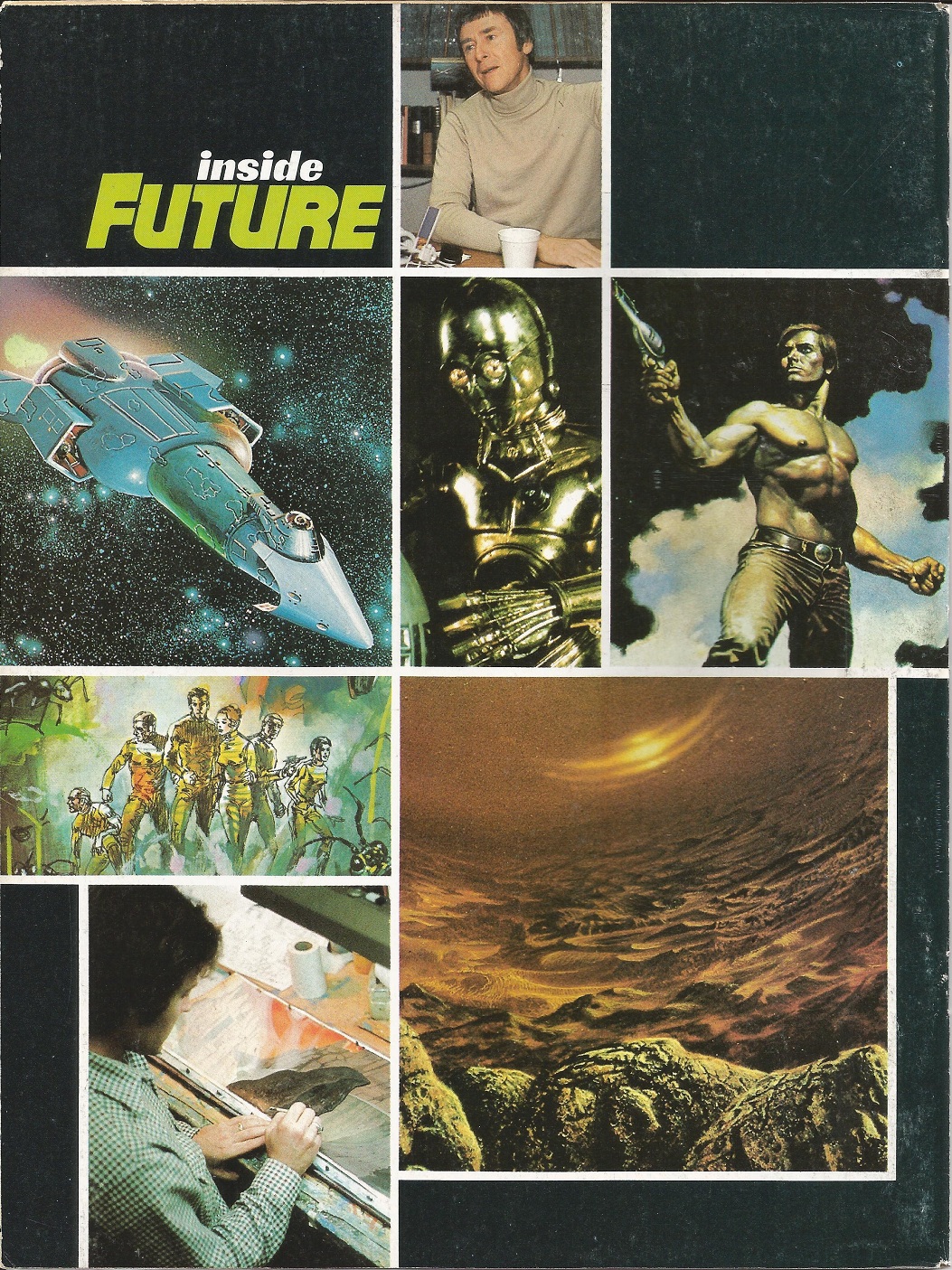
Future Life #3 BC

Future Life #3 pg. 14

Future Life #3 pg. 15

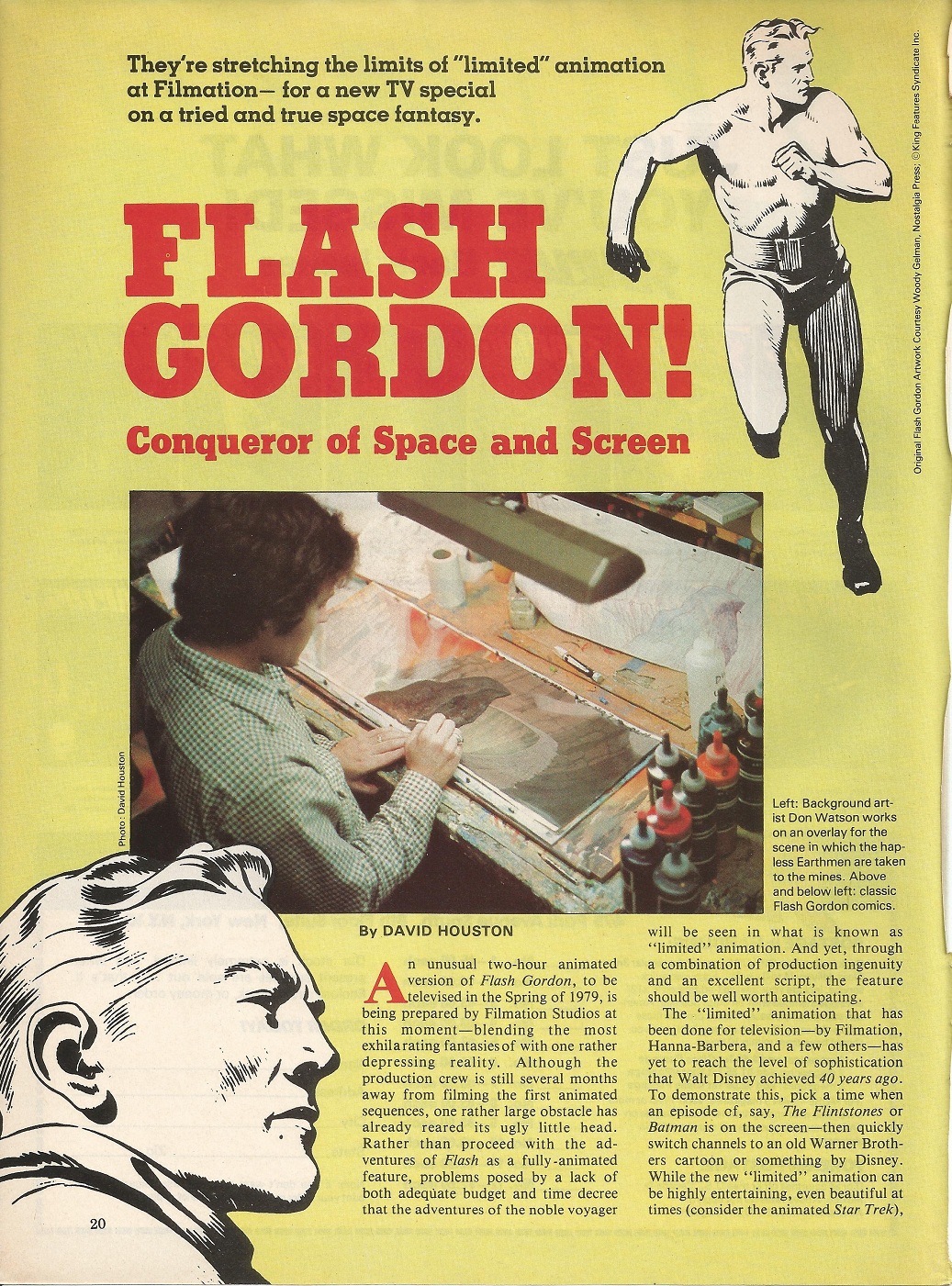
Future Life #3 pg. 20

Future Life #3 pg. 21

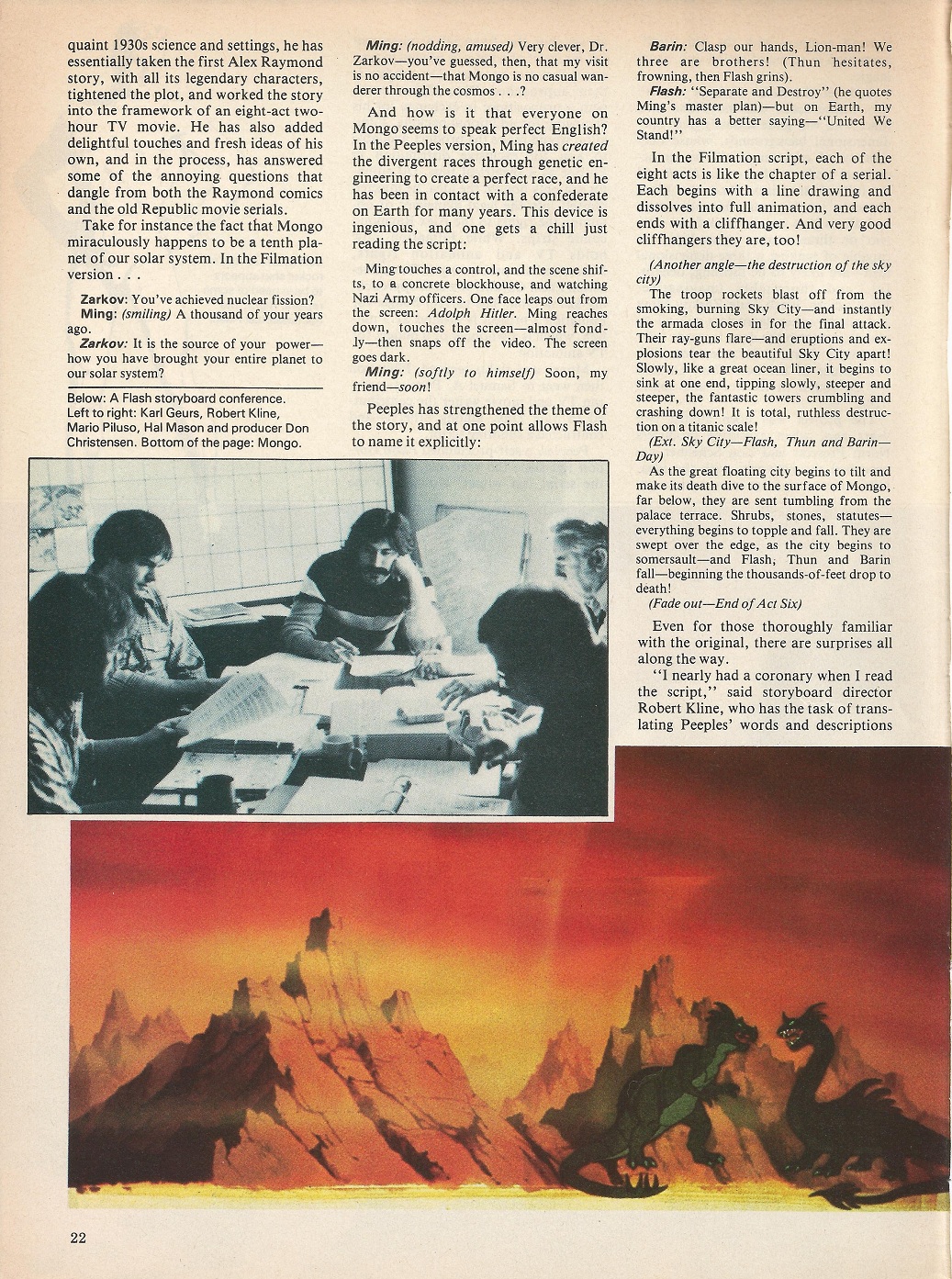
Future Life #3 pg. 22

Future Life #3 pg. 23

Future Life #3 pg. 24

Future Life #3 pg. 25

Future magazine, later called Future Life, was published from 1978 to 1981 for a total of 31 issues. It featured a combination of science fiction commentary and criticism, futurism/futurology, interviews with luminaries in relevant fields, and space exploration/travel activism. I’ve got about half of the run at this point, as well as a number of other cool sci-fi mags of the era. I’ll be scanning and posting them as time allows.

Above you’ll find the front cover of Future #3, as well as the inside front cover, table of contents, inside back cover, and back cover. (Click pages to enlarge.)

After that there’s a short piece on the Annual Toy Fair in New York (1978) discussing the post-Star Wars sci-fi trend, led by the “real stars of the show,” Mego and Kenner. I find it revealing that “three buildings with grown adults playing with toys for two weeks” is referred to as a “seeming impossibility.”

On the same page there’s a blurb on Gerard K. O’Neill and the formation of his Space Studies Institute (SSI), a non-profit organization “designed to help research the subject of space habitation.” I talked about O’Neill and his initiative here.

Following that is a feature on Filmation’s Flash Gordon, originally planned as a made-for-television animated movie. NBC later decided to turn the production into an animated TV series that ran for two seasons starting in 1979. Upon cancellation of the series in 1982, NBC went back to the original material and assembled it for a prime time movie, Flash Gordon: The Greatest Adventure of All. Neither the series nor the movie is currently available on DVD. You can see the series intro here. Watch the movie (pretty sophisticated for the time, and fun) on YouTube.

Interestingly, the producers at Filmation could not secure the necessary funding from NBC for the project, so they offered producer Dino De Laurentiis “exclusive distribution in Europe as a theatrical film” in exchange for additional backing. Laurentiis promptly agreed and “injected himself into the legal maneuver of obtaining the rights to the Alex Raymond [creator of Flash Gordon] comic strips.” Filmation ended up with animated and TV rights, while Laurentiis secured feature film rights. He immediately began working on the live-action Flash Gordon (1980).

You’ll find a nice homage and issue-by-issue synopsis of Future/Future Life at Weimar World Service, John Zipperer’s website.

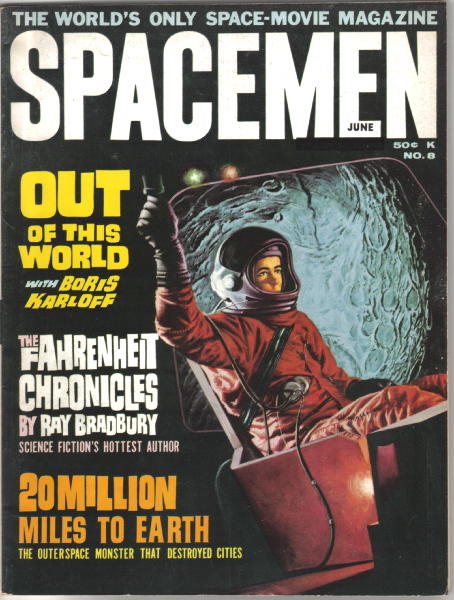
Spacemen Magazine

Unfortunately, the world’s only space-movie magazine only ran for nine issues in 1961. The pages below are via Include Me Out. The early interview with Bradbury is fascinating, if poorly edited.

B is for Bradbury: The Beast from 20,000 Fathoms

It reared up, seized the tower and gnashed at the glass. The foghorn and the monster cried.

I really dig this illustration (click to enlarge) by James R. Bingham for the Ray Bradbury story The Beast from 20,000 Fathoms, first published in The Saturday Evening Post in 1951. The story would become the basis for a 1953 movie of the same name featuring the brilliant stop-motion effects of Bradbury’s great friend, Ray Harryhausen. Having sold the rights to the title, Bradbury subsequently changed the name of the story to The Fog Horn. It appeared for the first time under that name in Bradbury’s first collection of short stories, The Golden Apples of the Sun (1953).


Pages

Archives

Categories

Donate Button

Join 1,118 other subscribers