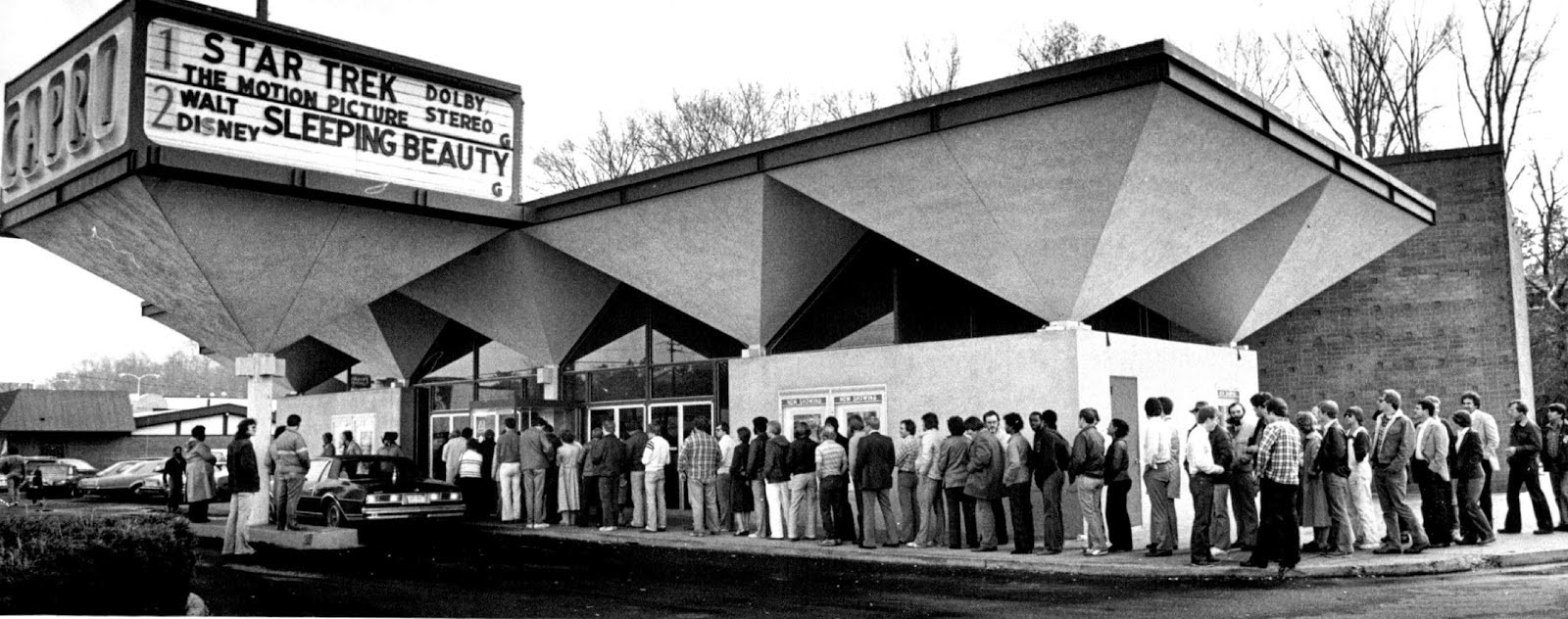
The Capri Theater in Charlotte, North Carolina, December, 1979. Sleeping Beauty (1959) was re-released theatrically in 1970, 1979, 1986, and 1995.
(Image via Retro Charlotte)
Surveying the Gen X landscape and the origins of geek
The Capri Theater in Charlotte, North Carolina, December, 1979. Sleeping Beauty (1959) was re-released theatrically in 1970, 1979, 1986, and 1995.
(Image via Retro Charlotte)

Above: The lobby of an unnamed theater, probably the Avco Westwood. That helmet is part of the “Astro Explorer Play Set” seen here (worn by the kid in the catalog).
Below: Moviegoers line up at the Alabama Theatre in Houston, Texas, on May 21, 1980. Many engagements of the first run of Empire were shown in 70mm, as opposed to the more standard 35mm. There were minor changes in the two versions.

(Images via Pinterest and The Houston Chronicle)

From Peter Hartlaub’s column at the San Francisco Chronicle. It’s a camera store cleaning out its “video tape” inventory.

Remember, this was considered “price-cutting” at the time. The Empire Strikes Back was released on home video in 1984 and sold a record 400,000 copies at $79.98.
The ad is from Starlog #93 (April, 1985).

Charles Band started Wizard Video in 1980, distributing a number of horror classics (and trash classics) as well as introducing the “big box” VHS format. The big boxes splashed graphic art and were a signal innovation that changed the market. You can see a whole bunch of awesome brochures here. Wizard Video also released two obscure, ultra-violent video games for the Atari 2600, Halloween (1983) and The Texas Chainsaw Massacre (1982).
(Image via Monster Memories)

Darryl Solomon, the president of VideoRave in Westwood, California. (Mel Melcon / Los Angeles Times)
Great find by Camera Viscera, the photo accompanies a June 1986 Los Angeles Times article about the home video boom, specifically the struggles of “independent video specialty stores” against “video superstores” and non-specialty stores. Here are some choice quotes:
About 30% of the nation’s TV-watching households now own videocassette recorders…
The average wholesale value of a VCR is about $390, contrasted with about $830 in 1981…
The price breakthrough may have been the wildly successful release last Christmas of the “Beverly Hills Cop” videocassette at $29.95 by Paramount Home Video, the industry leader in price-cutting since 1982. In comparison, RCA/Columbia Pictures Home Video released the “Ghostbusters” videotape at $79.95 at about the same time…
One of the marketing consultants quoted in the article says that the mom and pop video shops aren’t likely “to capsize like little sailboats in a storm,” but that’s exactly what happened. The one I worked at opened in 1984/1985 and closed in 1987/1988. The Wherehouse is cited as “the largest renter of video movies in the nation,” but that wouldn’t be the case for much longer. On August 25, 1986, the first Blockbuster franchise store opened in Marietta, Georgia.
Here are the videos I spot in the photo above (help if you can):
First row: Alien (thanks, David Augustyn), Android, Barbarella, The Beastmaster, The Black Hole (thanks, David Augustyn), The Blade Master (thanks, doerrhb), Bladerunner, A Boy and His Dog (thanks, Ricky Zhero), Brainstorm, Clash of the Titans, Close Encounters of the Third Kind, Conan the Barbarian
Second row: D.A.R.Y.L., Defcon 4, Demon Seed, Dragonslayer, Dune, Explorers, Flash Gordon (thanks, Ricky Zhero), Iceman, Ice Pirates, Krull
Third row: The Neverending Story, Night of the Comet, The Philadelphia Experiment, Red Sonja, Runaway, Spacehunter, Star Trek II, Star Trek: The Motion Picture, Star Trek III (x2), Star Wars, The Empire Strikes Back (x2)
Fourth row: THX 1138, Timerider, Tron, 2001: A Space Odyssey, ?, ?, ?, ?, Westworld (x2)
More video stores here.

Lovely. This was taken during the filming of The Breakfast Club, a movie that means more to me than most. Ringwald and Hall dated briefly after filming wrapped.
The photographer is Steve Kagan via Getty Images.


HMV Records was the UK equivalent of Tower Records—even bigger than Tower, probably. I put the date at early 1985 based on the The Smiths’ Meat is Murder LP in the third shot, released in February 1985. You’re also going to see Bowie, Floyd, New Order, Siouxsie, Thriller, the Ghostbusters soundtrack, Black Sabbath, Men at Work, Flock of Seagulls, Springsteen, Tears for Fears, The Police, U2 (when they were good), The Jam, Simple Minds.
The photos are from a Flickr pool called HMV Norwich in the 80s.
More record stores here.

One of the best portraits of ’80s skate rats and skate styles I’ve seen, found on Pinterest. Notice that the kid with the bangs over his eye (that was considered rad, kids) has a cast on his left arm—and there’s an elbow pad over the cast. The “Skateboarding is Not a Crime” sticker was standard issue, and it was not an exaggeration. There were very few skate parks around, and starting in 1986 lots of cities started passing laws making it illegal to skate on city property, which, according to the council, we were destroying. According to us, we were simply putting the architecture to good use. Who else could squeeze so much joy (and pain) out of a painted curb, a bench, a wall, a stairwell?
If you want to get a glimpse of just how fast and how insane the best street skaters were, watch The Search for Animal Chin (1987). I still idolize the Bones Brigade.
A few more skateboarding photos here.
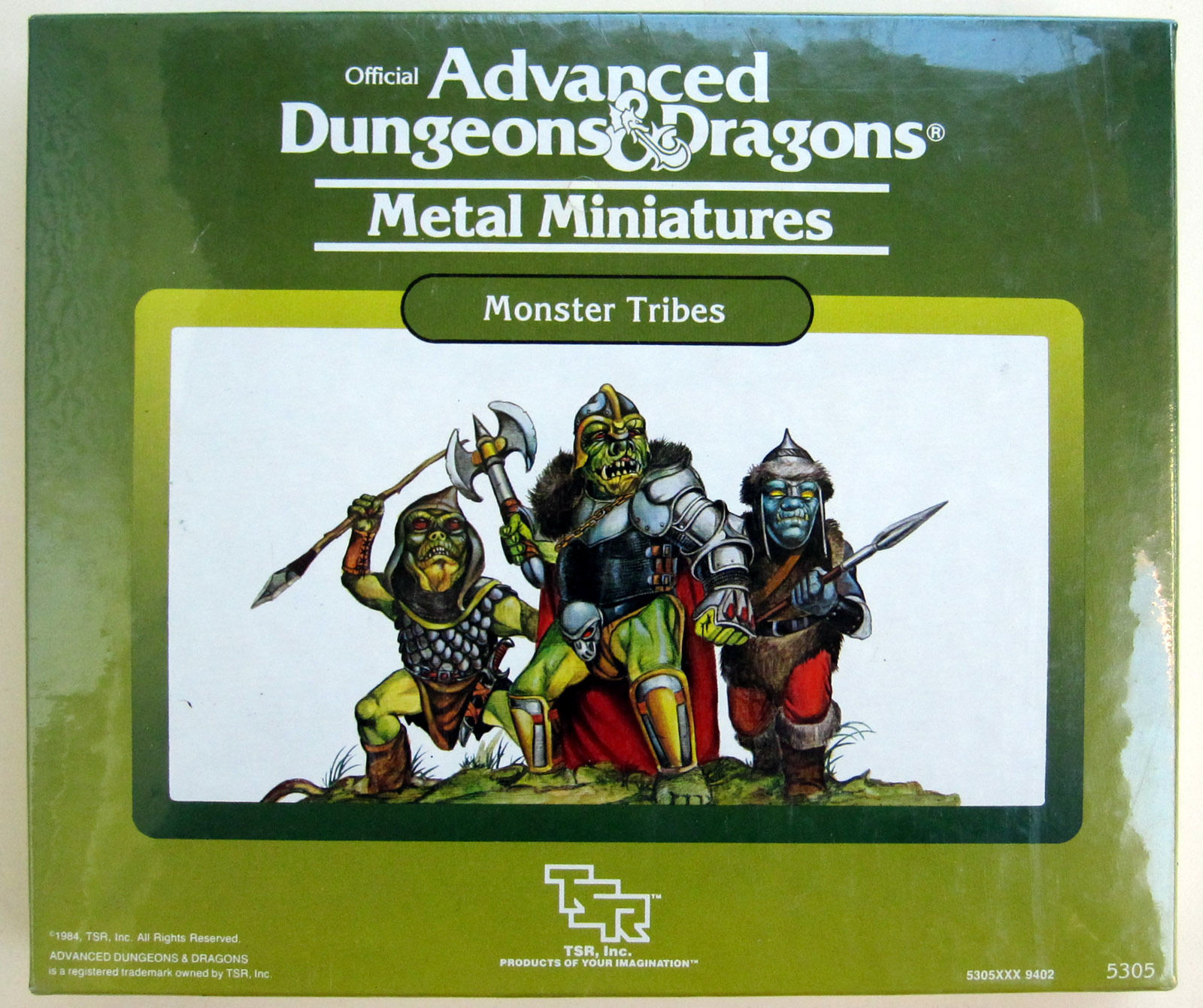
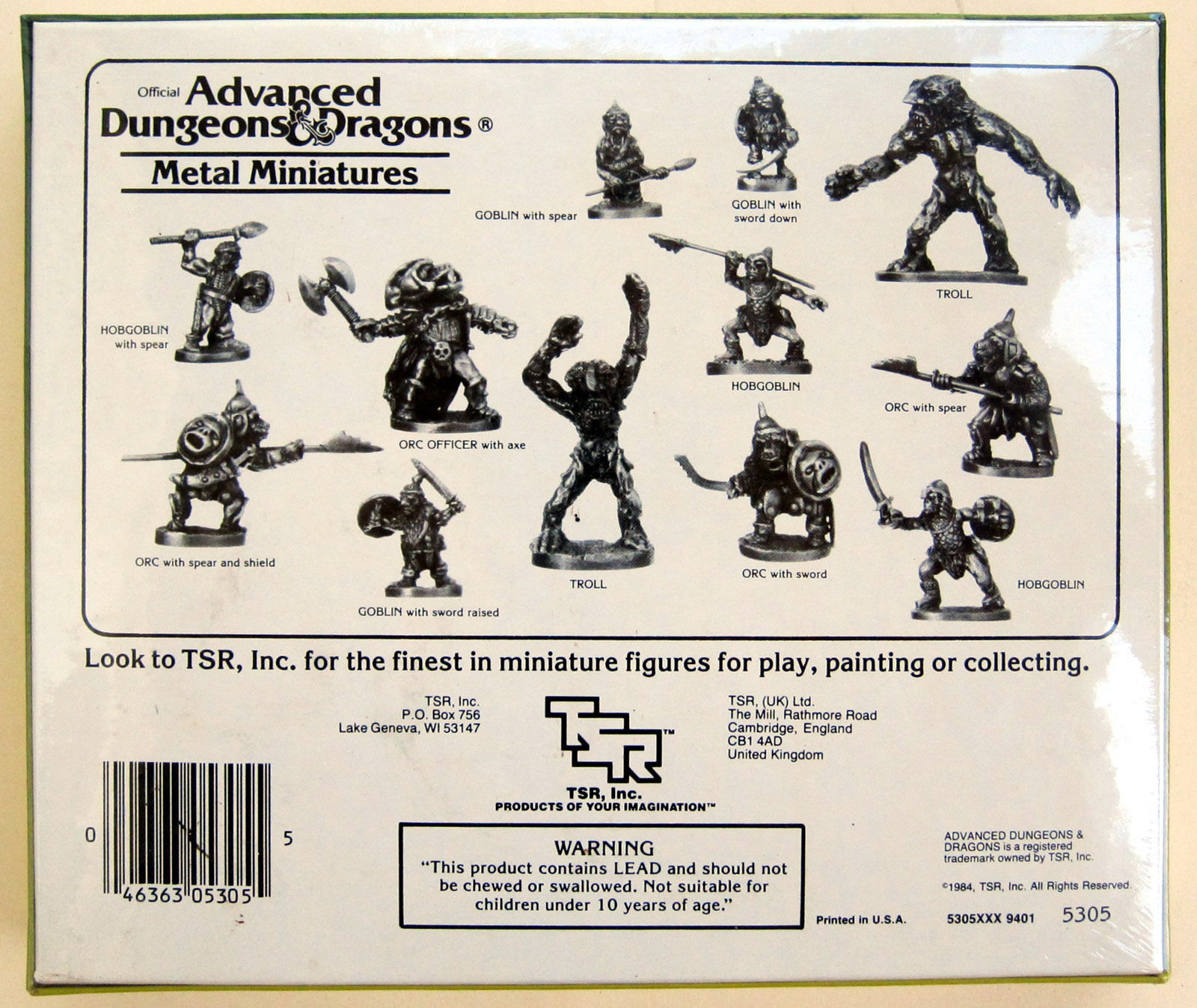
Close-ups here. Box art looks like Easley again. I think he did cover art for the whole 1983-1984 series, and one of his module covers was used for the the Dragonlance miniatures.

 2 Warps to Neptune