“Look for part one on the newsstands, and knock wood there’s a copy left.” Simple, spooky, brilliant.
Surveying the Gen X landscape and the origins of geek
“Look for part one on the newsstands, and knock wood there’s a copy left.” Simple, spooky, brilliant.
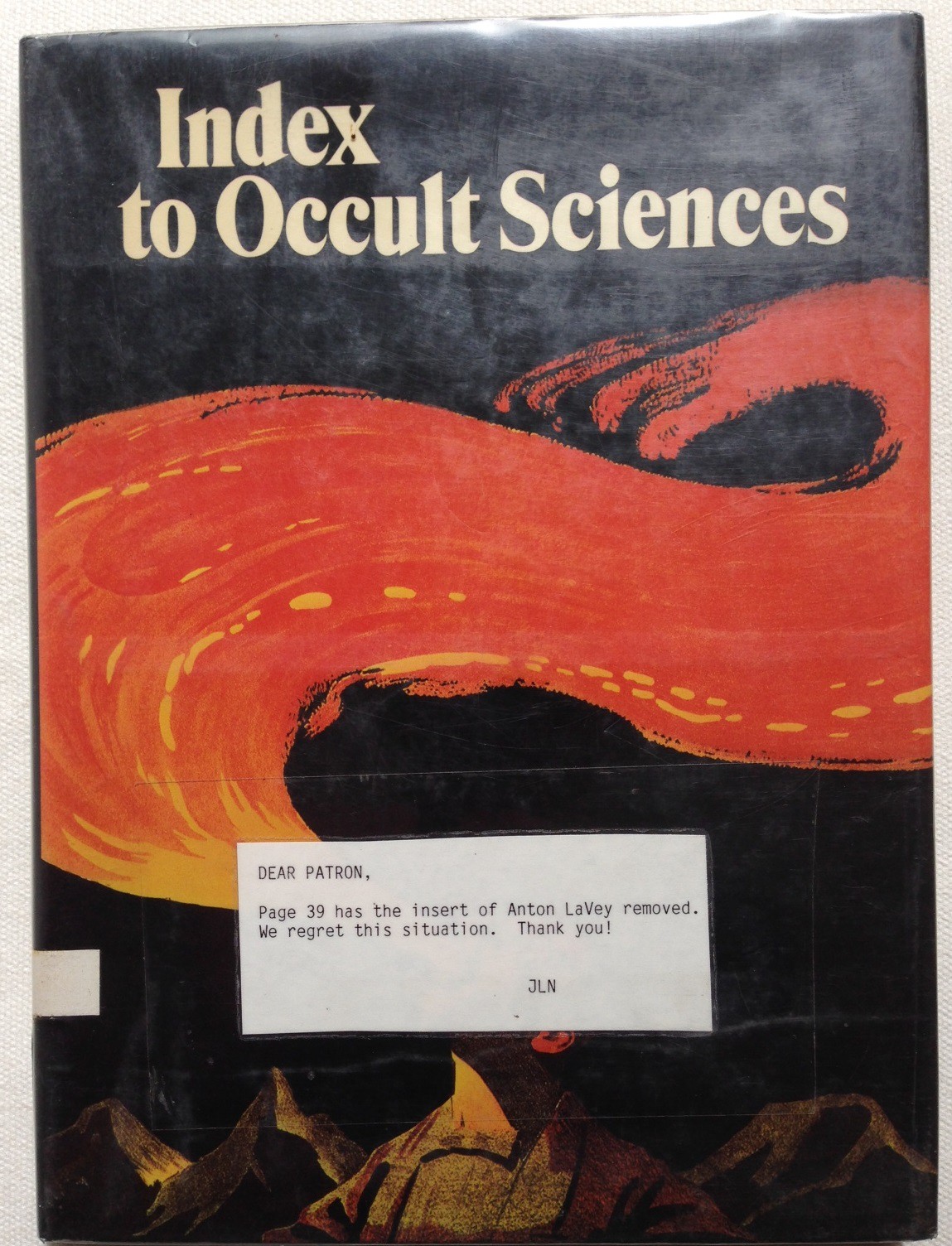


The first popular, mass market encyclopedia of the occult was Man, Myth & Magic, a 112-issue weekly magazine published in the UK starting in 1970. A 24-volume hardcover set collecting the magazines soon followed. The series, edited by Richard Cavendish and a board of respected academics, was extremely successful—hundreds of thousands of dollars were spent on advertising—and the magazine debuted in the U.S. in 1974.
A New Library of the Supernatural was one of many copycats. The 20 volumes in the series were published by Aldus Books (Doubleday in the US) between 1975 and 1977 and follow the same template as Man, Myth & Magic: lucid, generally responsible, heavily illustrated accounts of the en vogue arcana and personalities of the day. Who might have aroused the most curiosity? Look no further than the cover note on my copy, originally from Ligonier Public Library in Indiana:
DEAR PATRON,
Page 39 has the insert of Anton LaVey removed. We regret this situation. Thank you!
LaVey, of course, founded the Church of Satan in 1966 and was widely reported to be devilishly charming.
The occult in popular culture is yet another major interest of mine, and I plan to start—eventually—another blog dedicated to serious exploration of the subject.

Stokes is holding the 1970 Dover Occult edition of L. Sprague de Camp‘s Lost Continents. Dark They Were and Golden-Eyed, the place that inspired Sherry Gottlieb to open A Change of Hobbit, was also London’s first comic shop, predating Forbidden Planet by more than 10 years. It closed in or about 1981.
And here’s a store bag from 1978. The artist is James Cawthorn, an illustrator primarily associated with Michael Moorcock who also co-wrote (with Moorcock) one of my favorite movies, 1975’s The Land That Time Forgot.

(Images via Comica Festival and Secret Oranges)

A Change of Hobbit, the dream-child of Sherry Gottlieb, opened as an unadvertised, 12-by-15-foot book closet above a coin laundry in Westwood Village in 1972, and closed in 1991 as probably “the largest and oldest science fiction bookshop in the world“—chased out of town by soaring rent and the big book chains. Seen in the postcard above is Hobbit’s second location (there were four in all) on Westwood Boulevard. Gottlieb, the Sylvia Beach of speculative fiction, tells her extraordinary story here.
Years ago I lived in Westwood, and at least once a week I would walk to the Domino’s Pizza on Westwood Blvd., order a small pepperoni, and walk across the street to browse the stacks at Border’s until I was ready to pick up the pizza. The “stacks” were decidedly neat and corporate, but it was the only book store within walking distance, and I am and always will be a book (front cover, back cover, printed paper in between) hound. That Domino’s Pizza (below) sits at the exact same address as A Change of Hobbit as seen in the postcard. I had no idea until I saw the photo.
Now all the bookstores are gone, and some people in high places seriously believe in an eyeless, mindless beast named post-literacy. Have a nice day.

(Postcard image via Jordan Smith/Flickr)
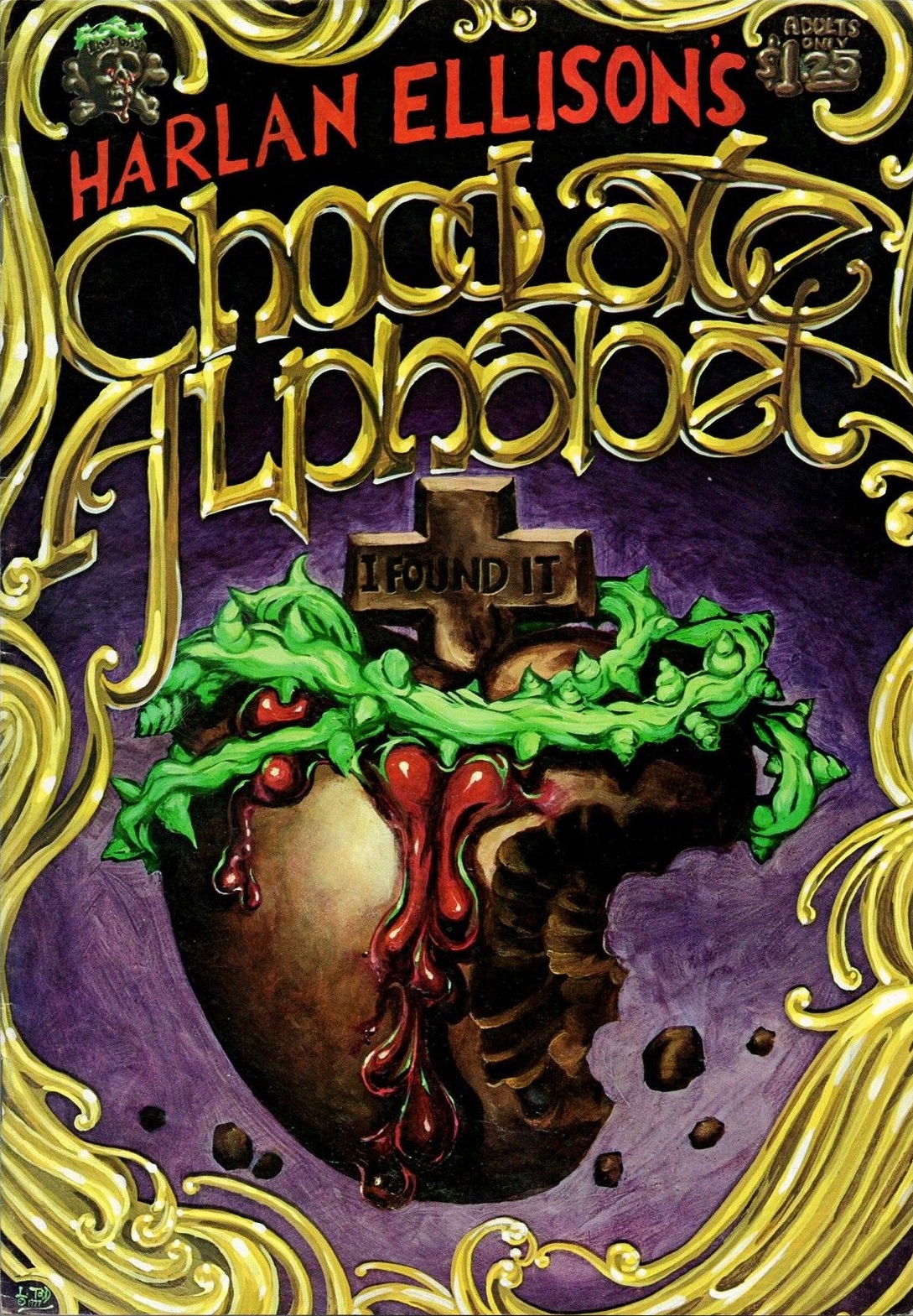
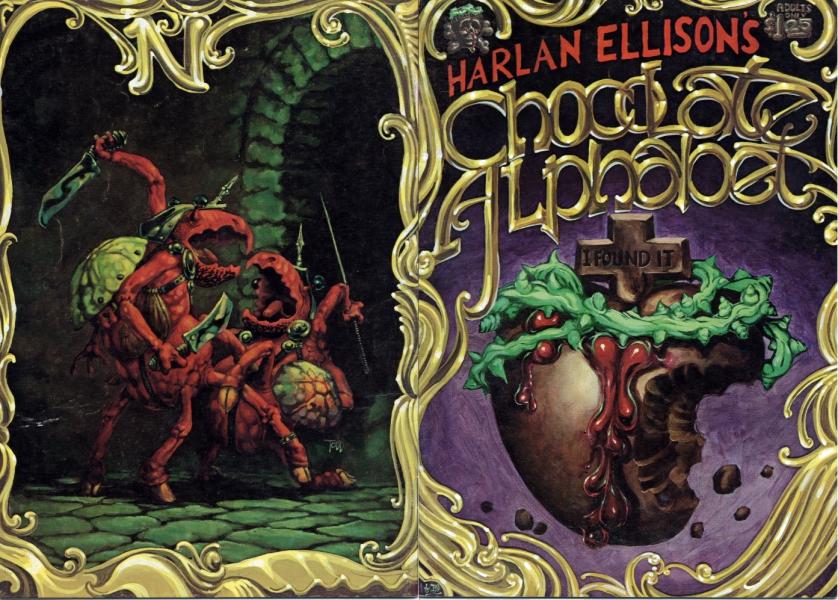
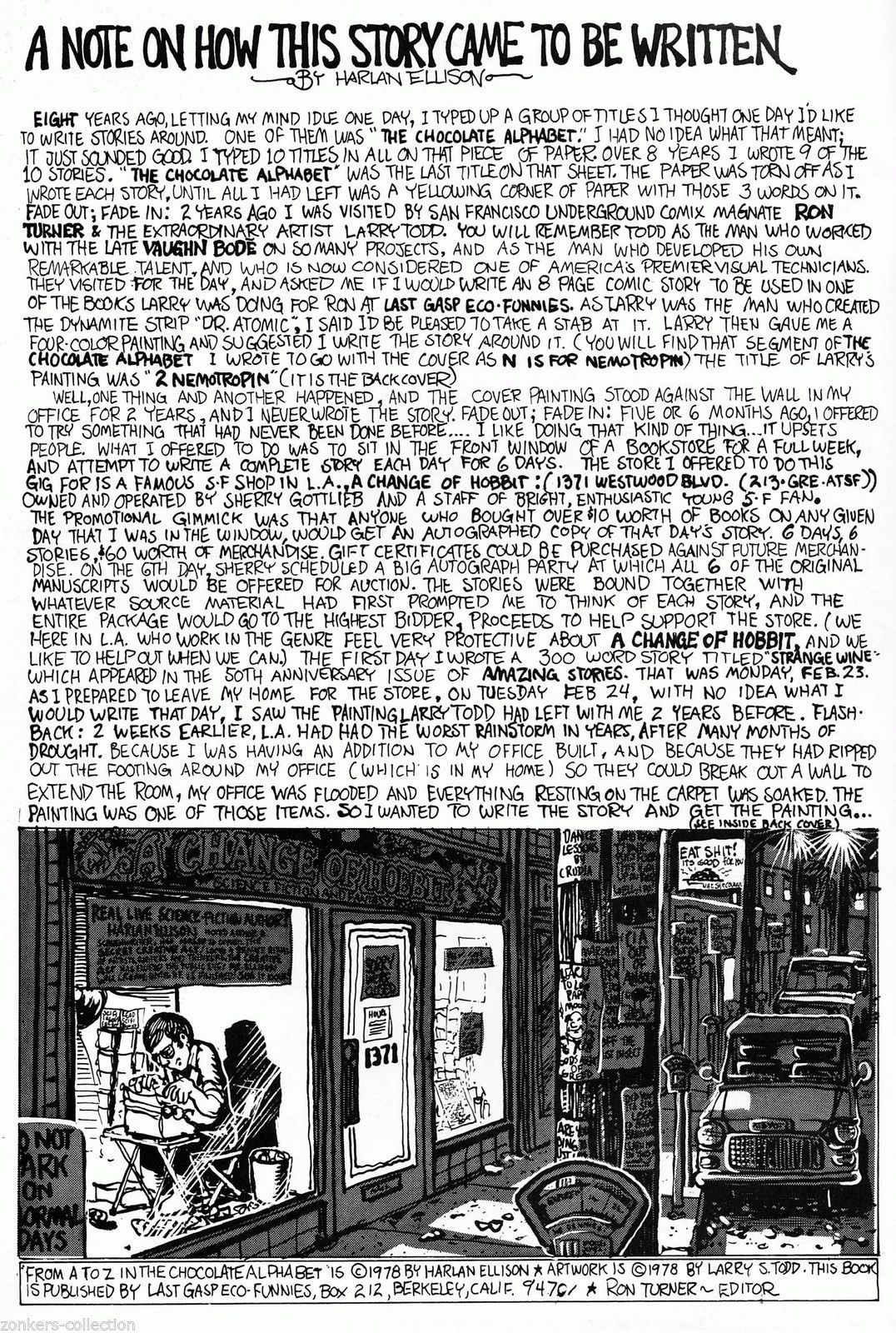
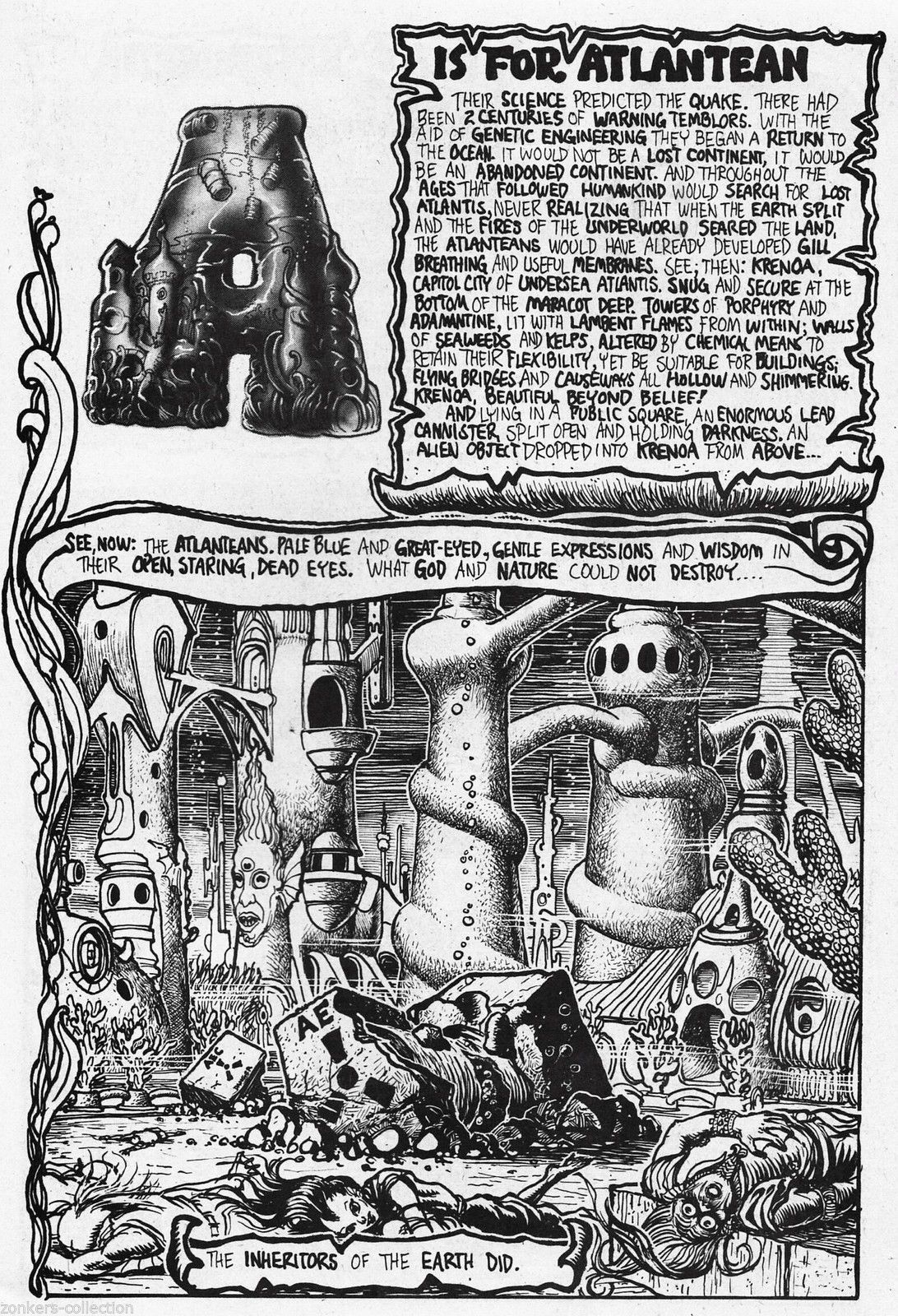
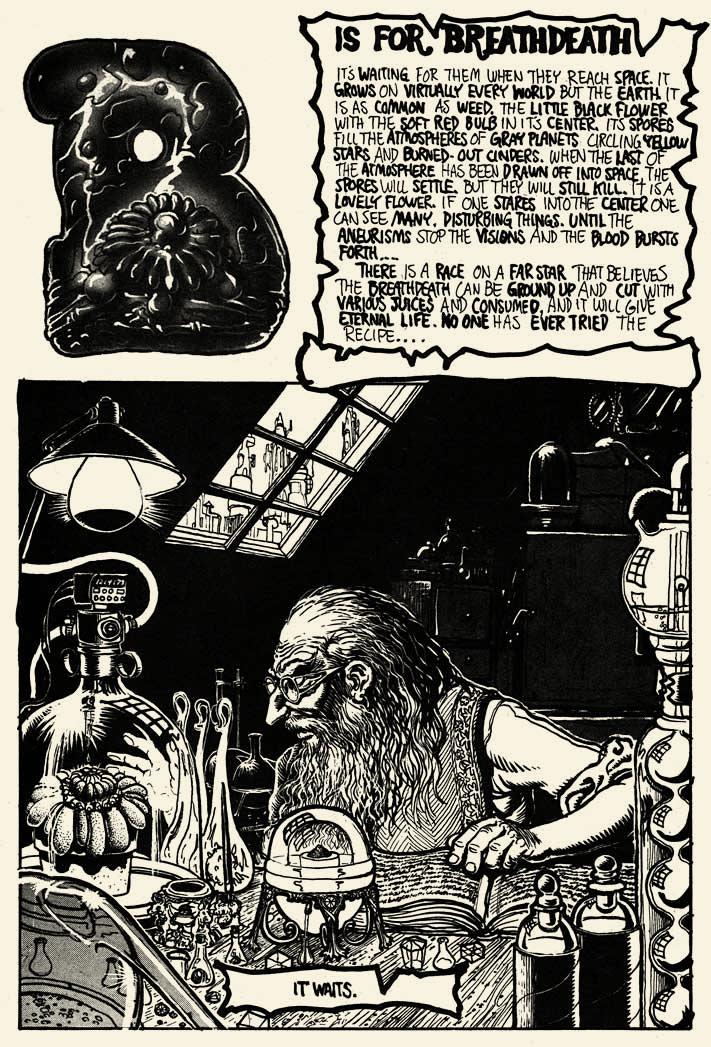

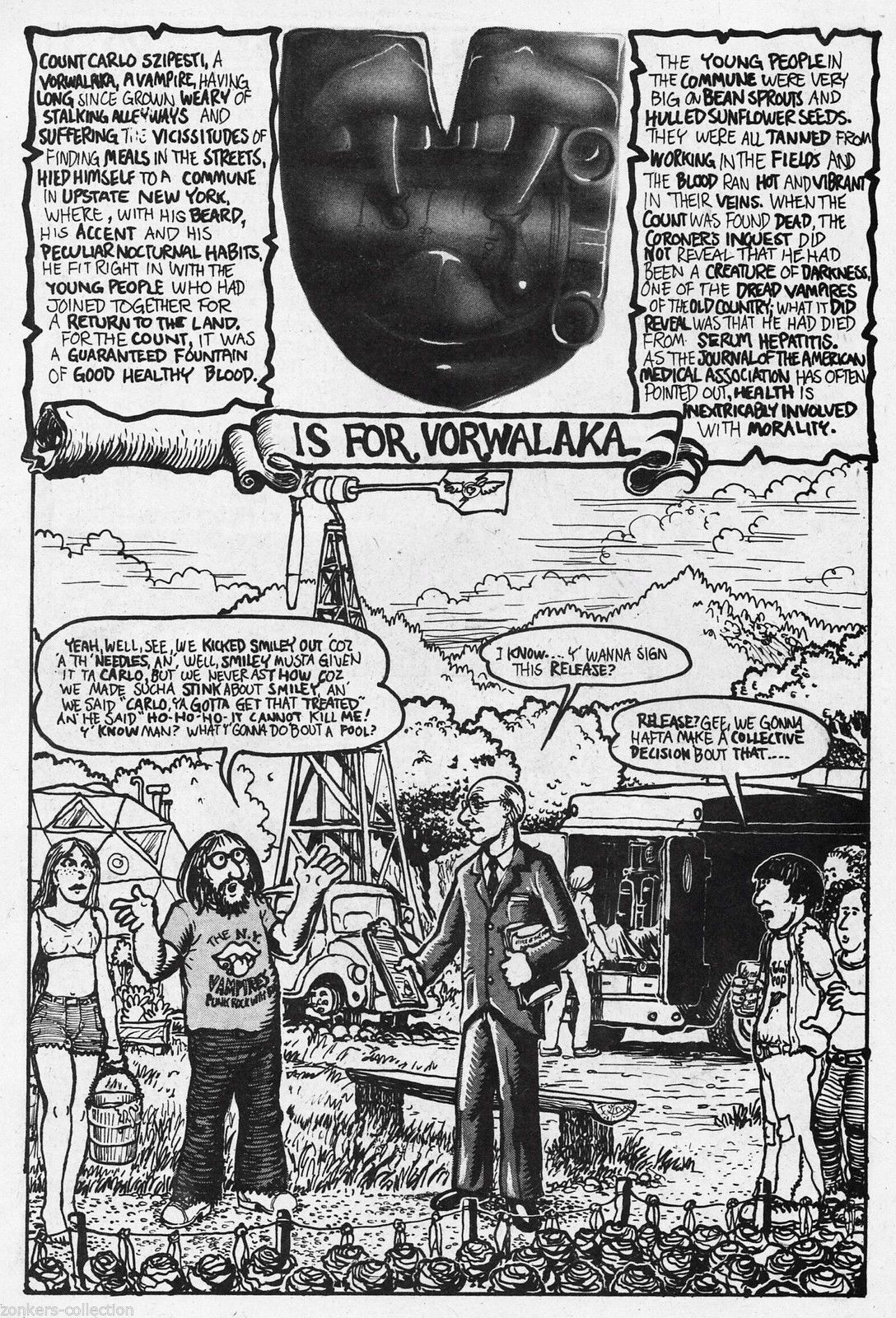
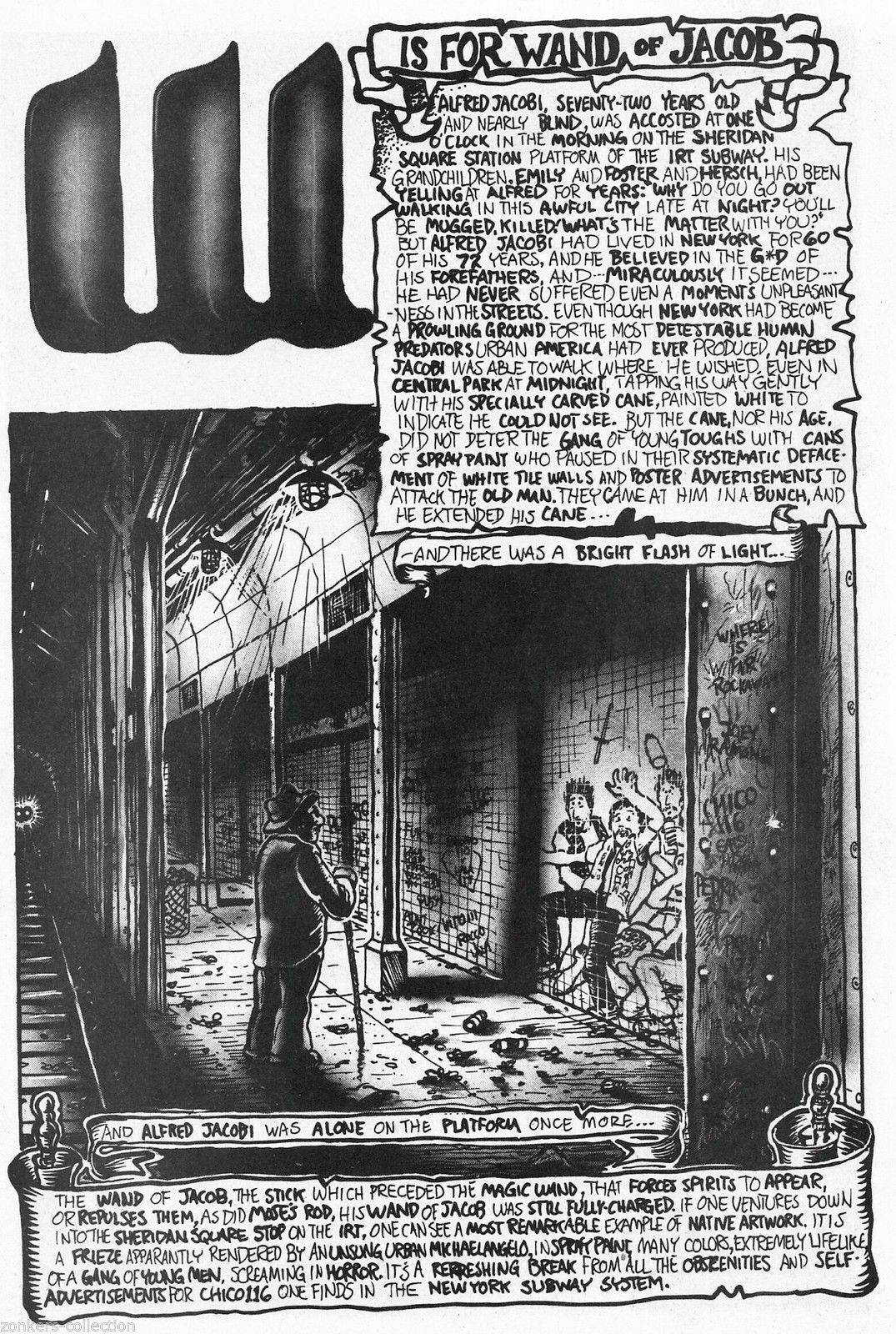
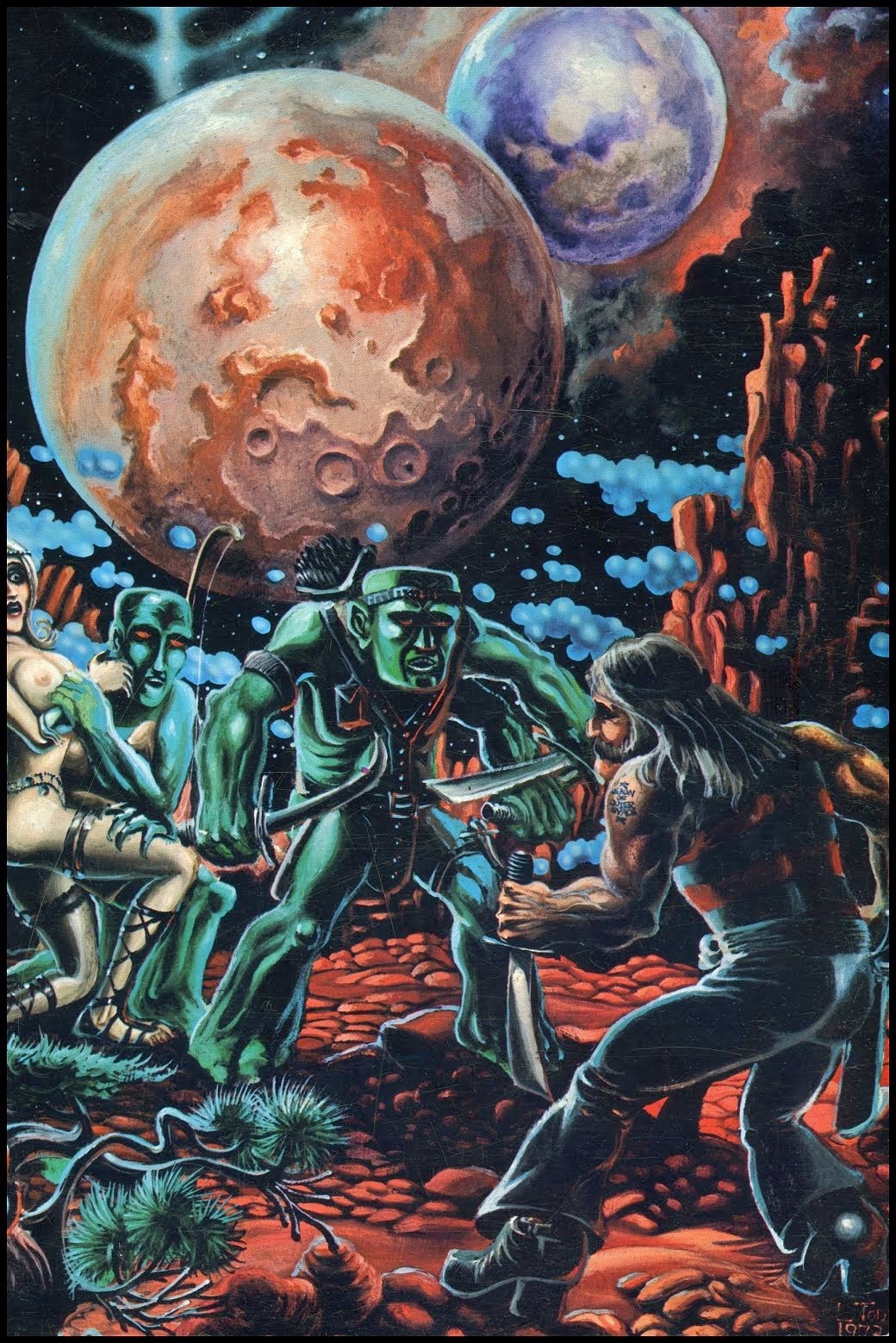
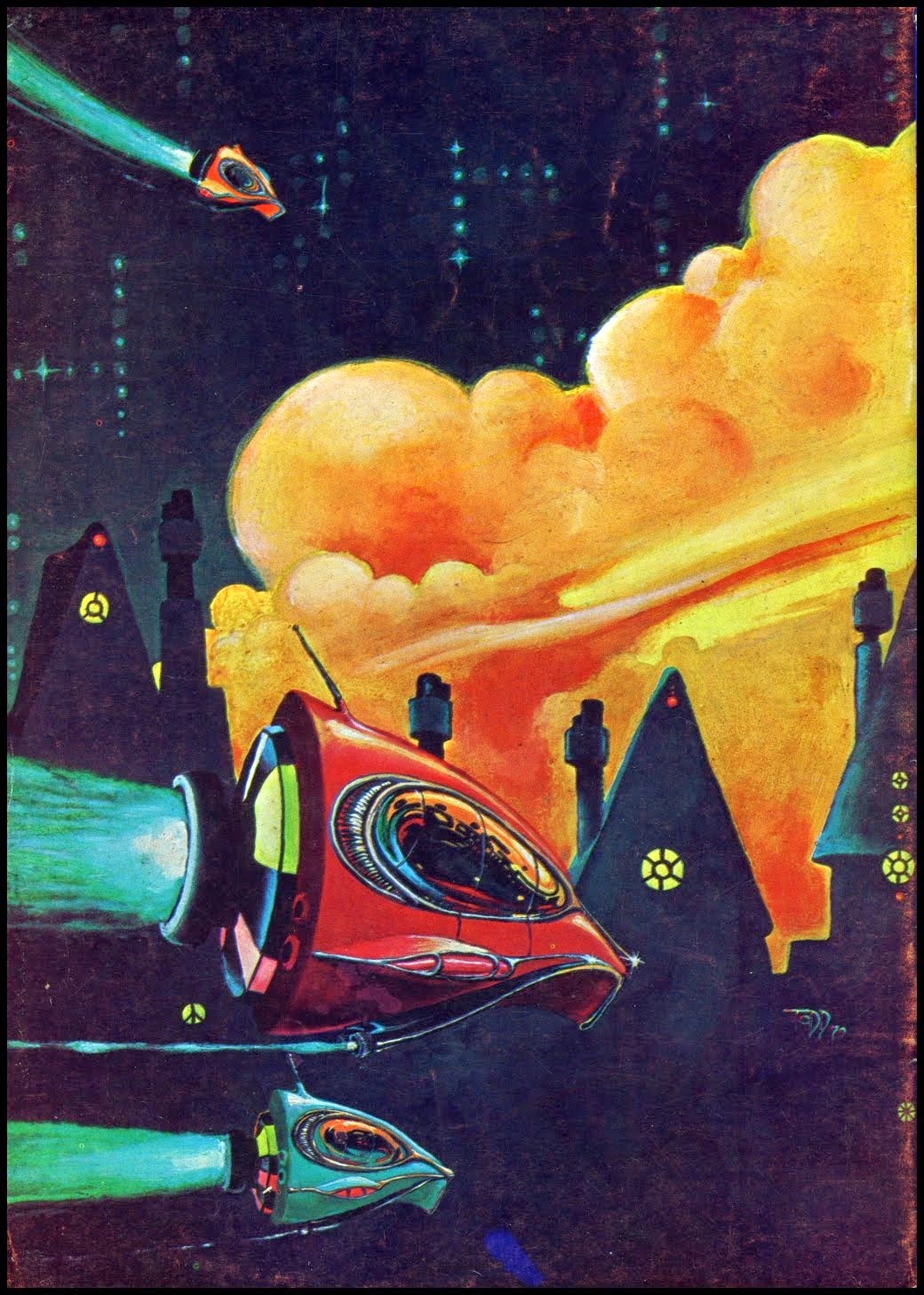
“From A to Z, in the Chocolate Alphabet” is a short story—a series of short shorts, really—written by Harlan Ellison and first appearing in The Magazine of Fantasy and Science Fiction (October, 1976). The inspiration for the story came from a Larry Todd painting called “N is for Nemotropin,” which Todd showed to Ellison in 1974 (see the title page above). Ellison wrote the story two years later while sitting in the window of the dearly departed A Change of Hobbit bookstore in Westwood, California.
The comic book adaptation was published by Last Gasp Eco-Comics in 1978, with Todd responsible for all artwork. The original “N is for Nemotropin” painting (below) appeared on the back cover. Note what Ellison calls Todd in the introduction: “one of America’s premier visual technicians.”


Frank Brunner and Larry Todd splash the front and back covers with their signature characters, Dr. Strange and Dr. Atomic, respectively. Cotati is about 45 miles north of San Francisco.
(Images via eBay)
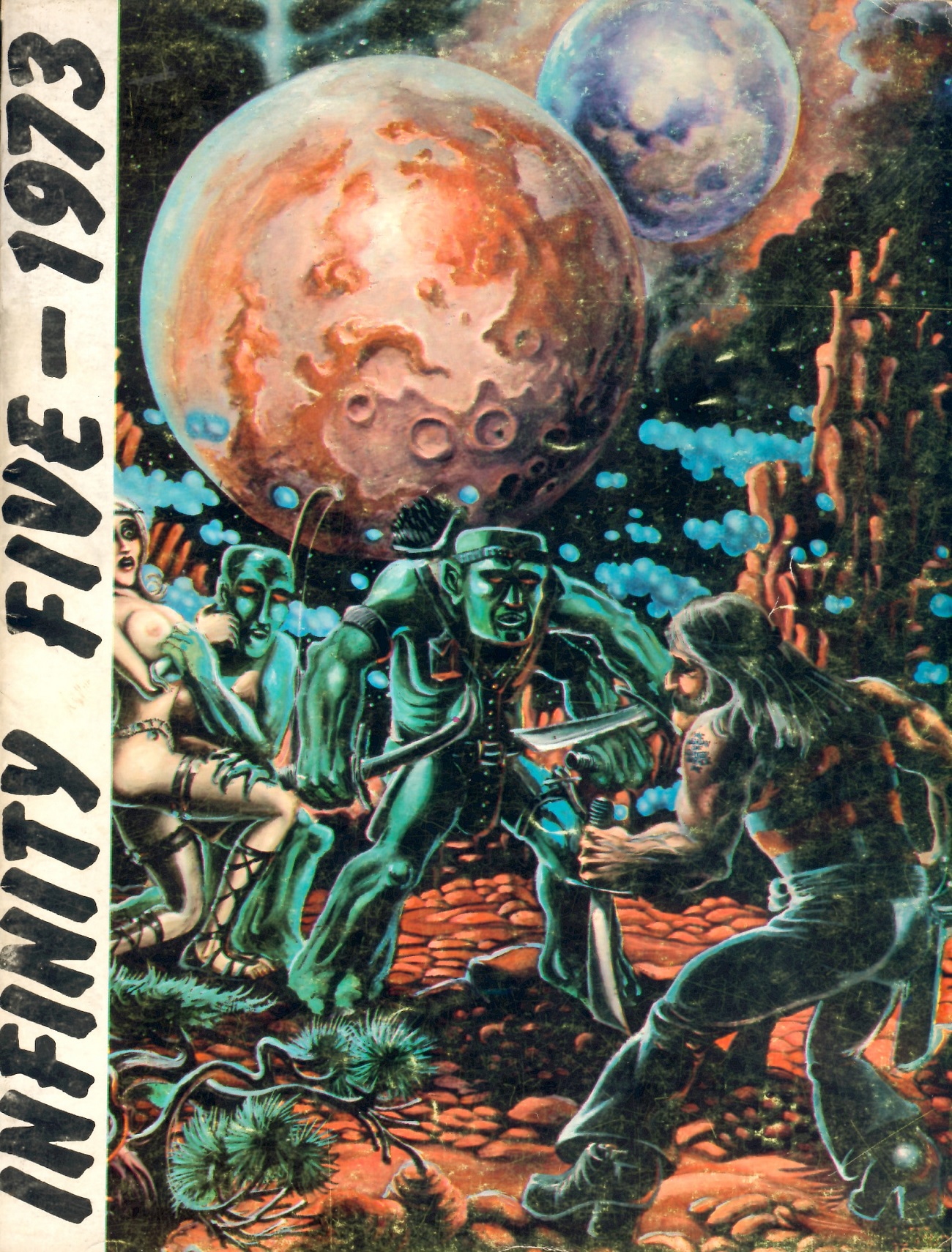
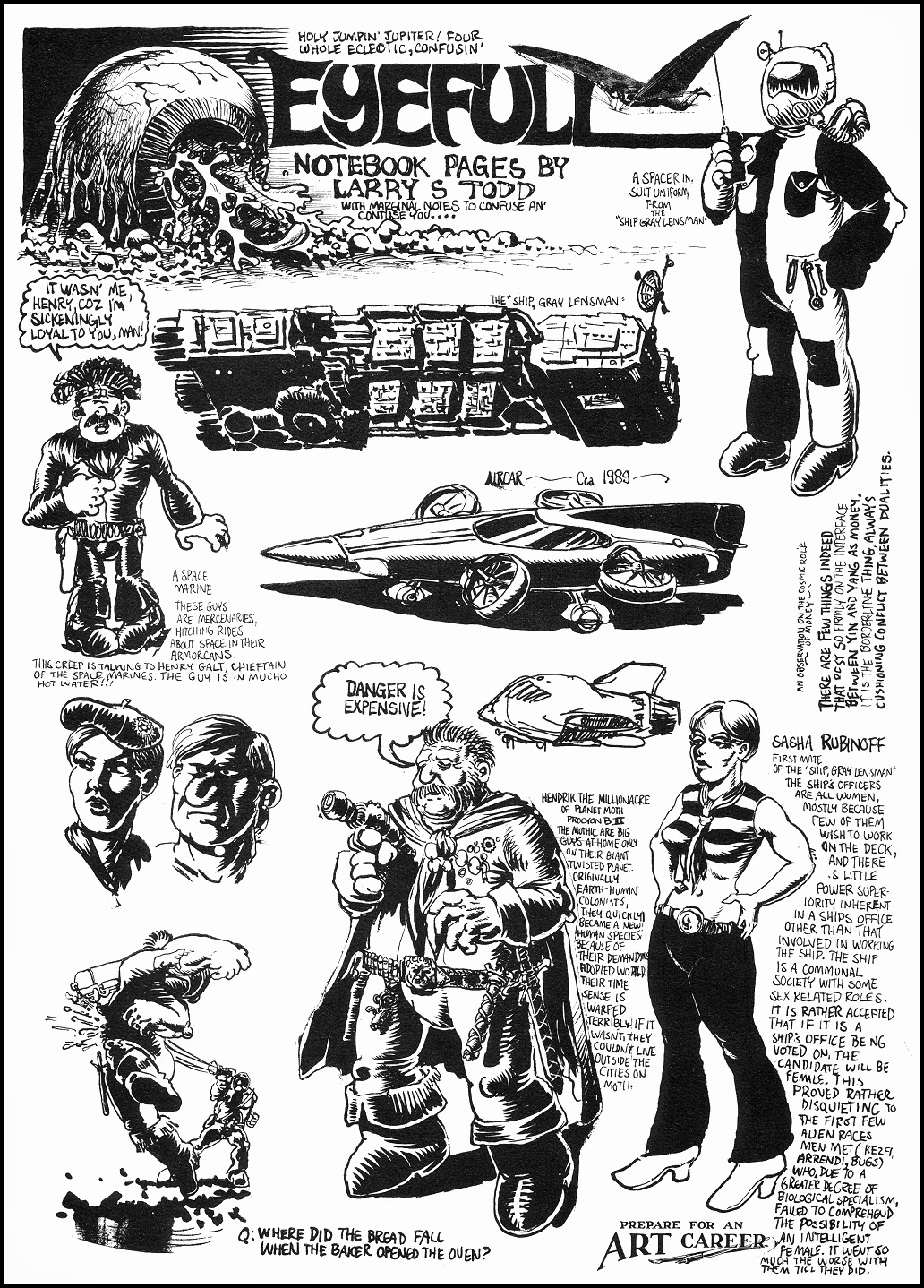
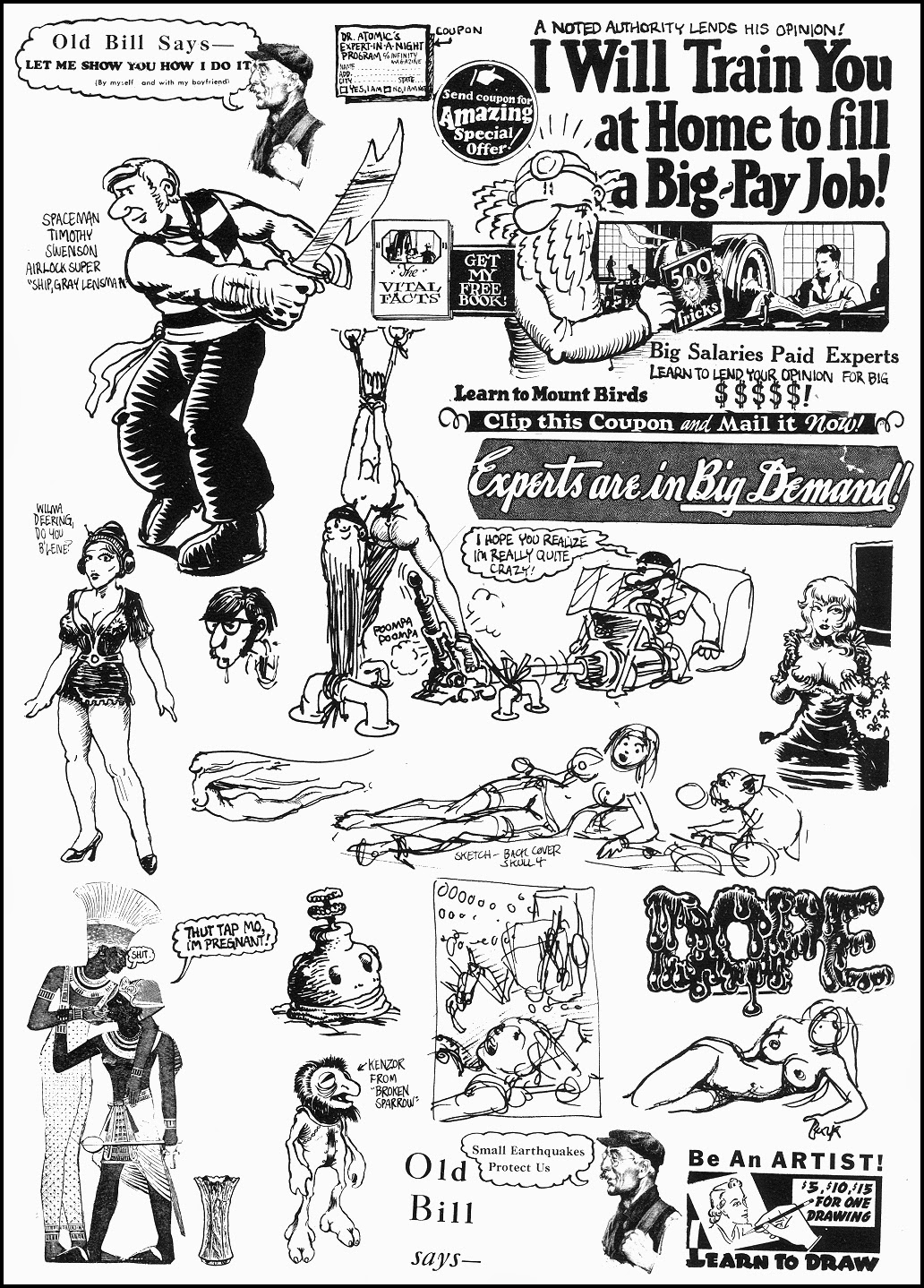
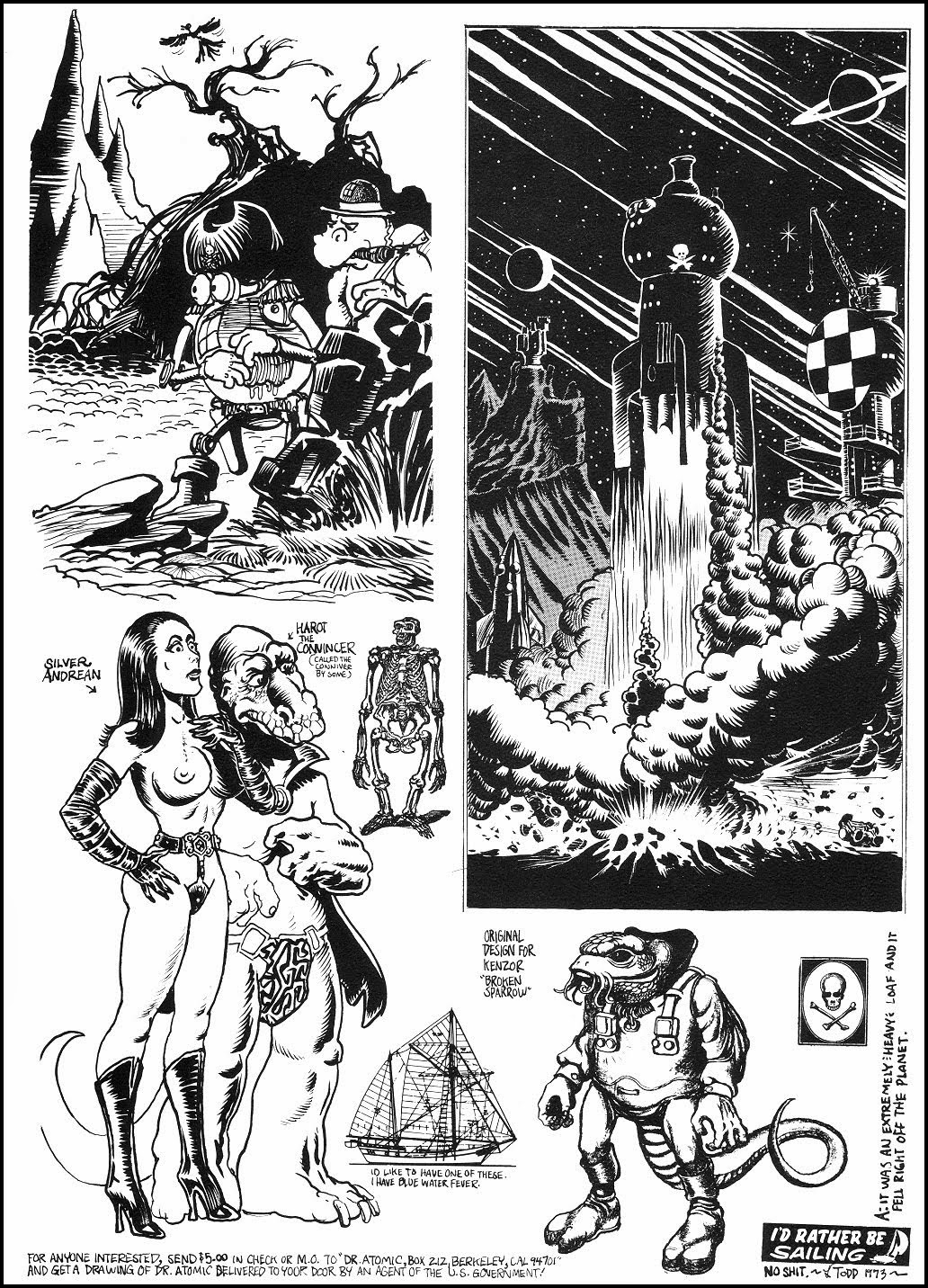
Todd, who created the notable underground comic Dr. Atomic, was very active in the sci-fi/fantasy zine circuit of the 1970s, including Warren (Creepy, Eerie) and Skywald (Nightmare, Psycho) Publications. He and friend Vaughn Bodē did a number of terrific cover collaborations as well.
The above work is a smashing example of the intersection of counterculture themes (psychedelics, Native American culture, the American biker lifestyle, anti-authoritarianism, sexual freedom, and so on) and the expanding sci-fi and fantasy community. Per psychotropicis ad astra!
The “Aircar circa 1989” on the second page kind of reminds me of the Spinner cars in Blade Runner.
(Images via The Golden Age and Comic Attack)
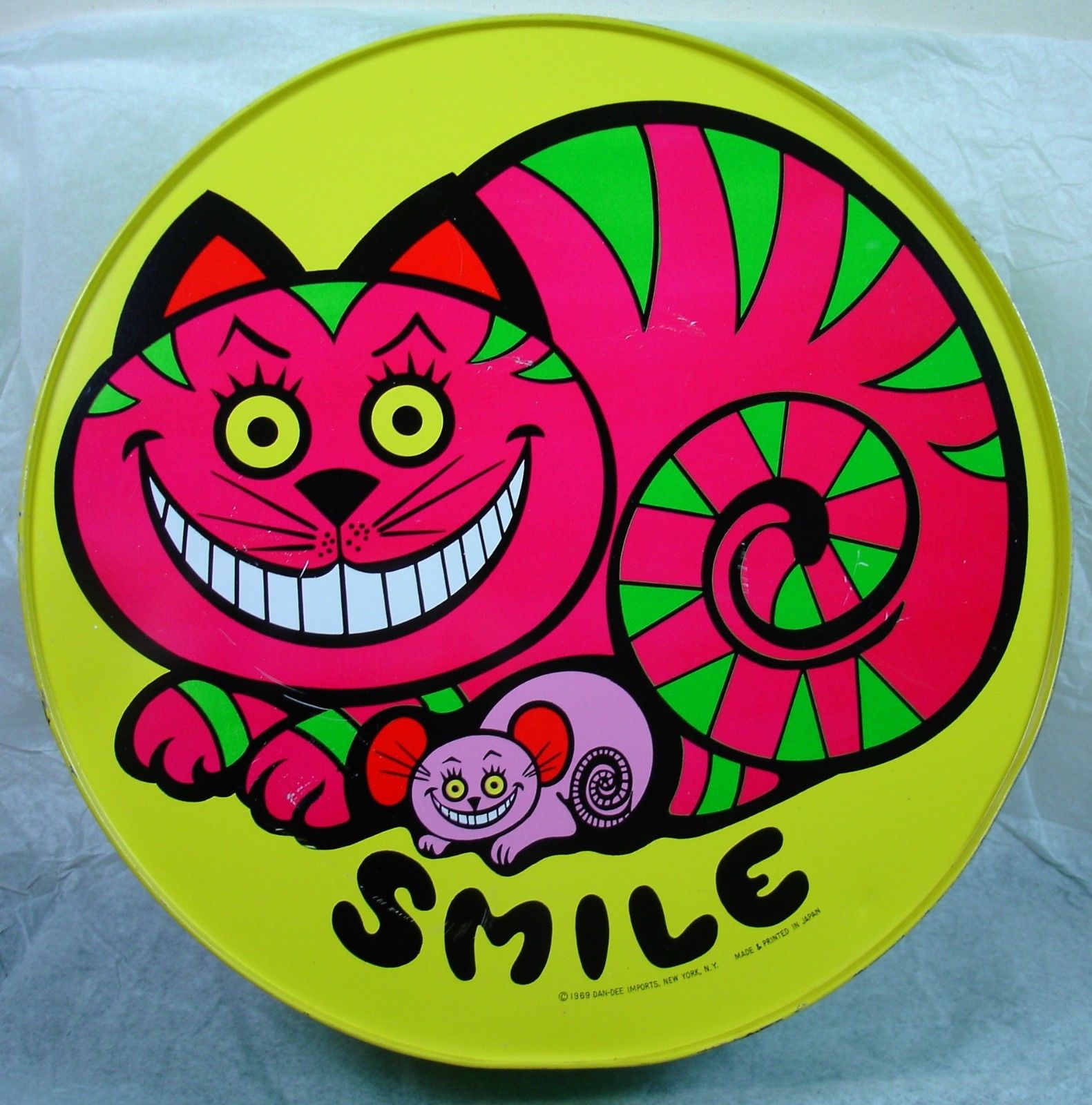

Works for acid tab storage too.
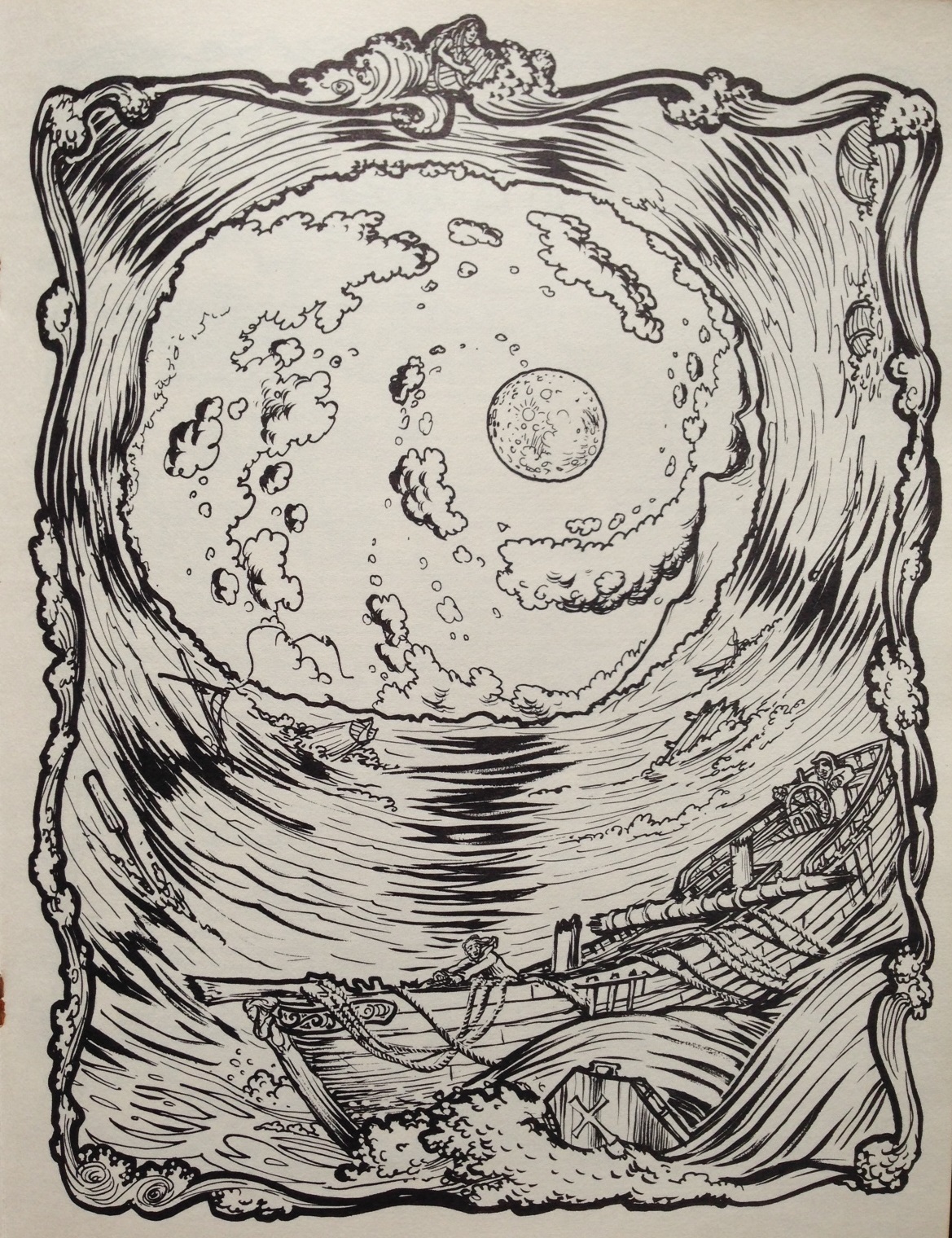
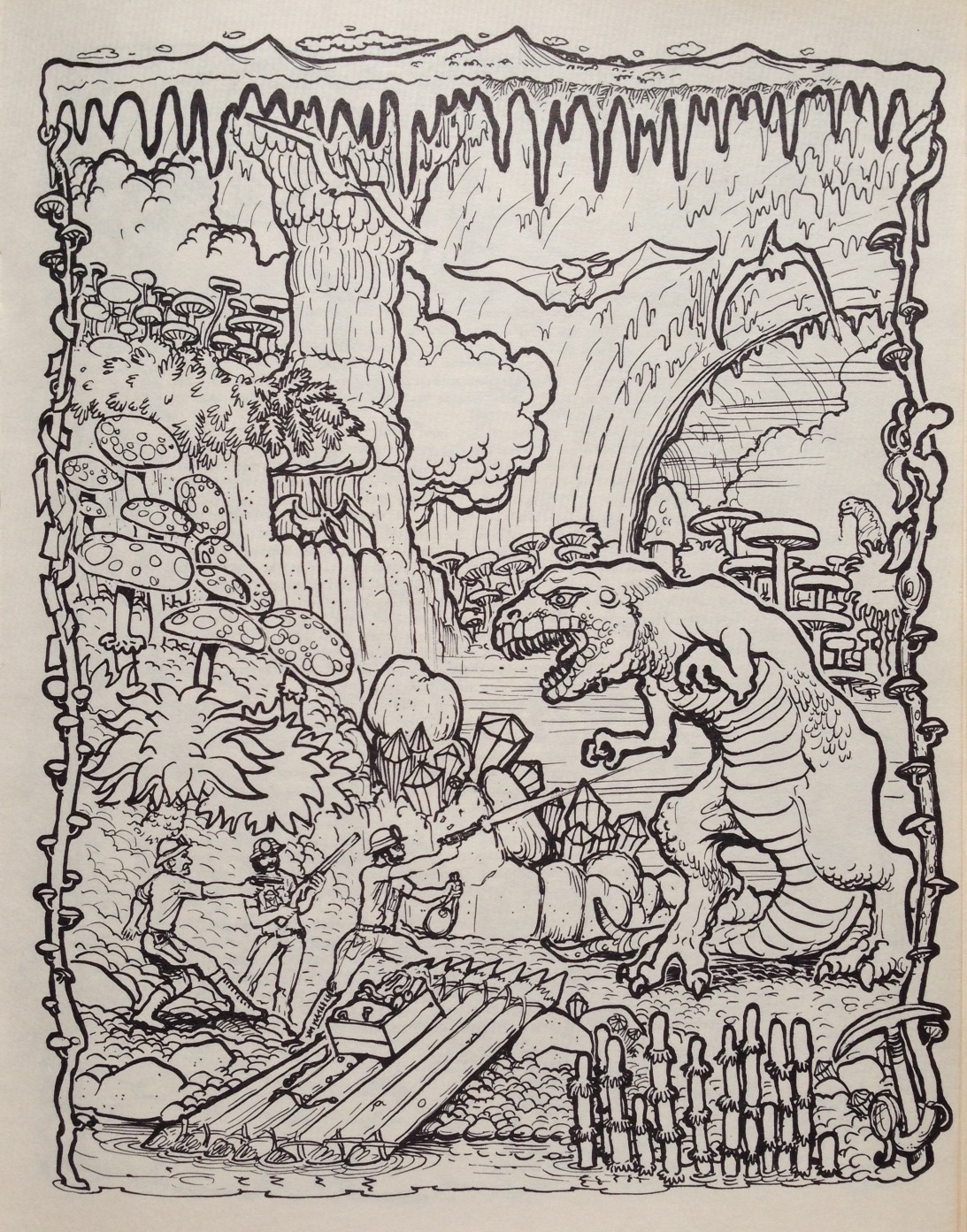
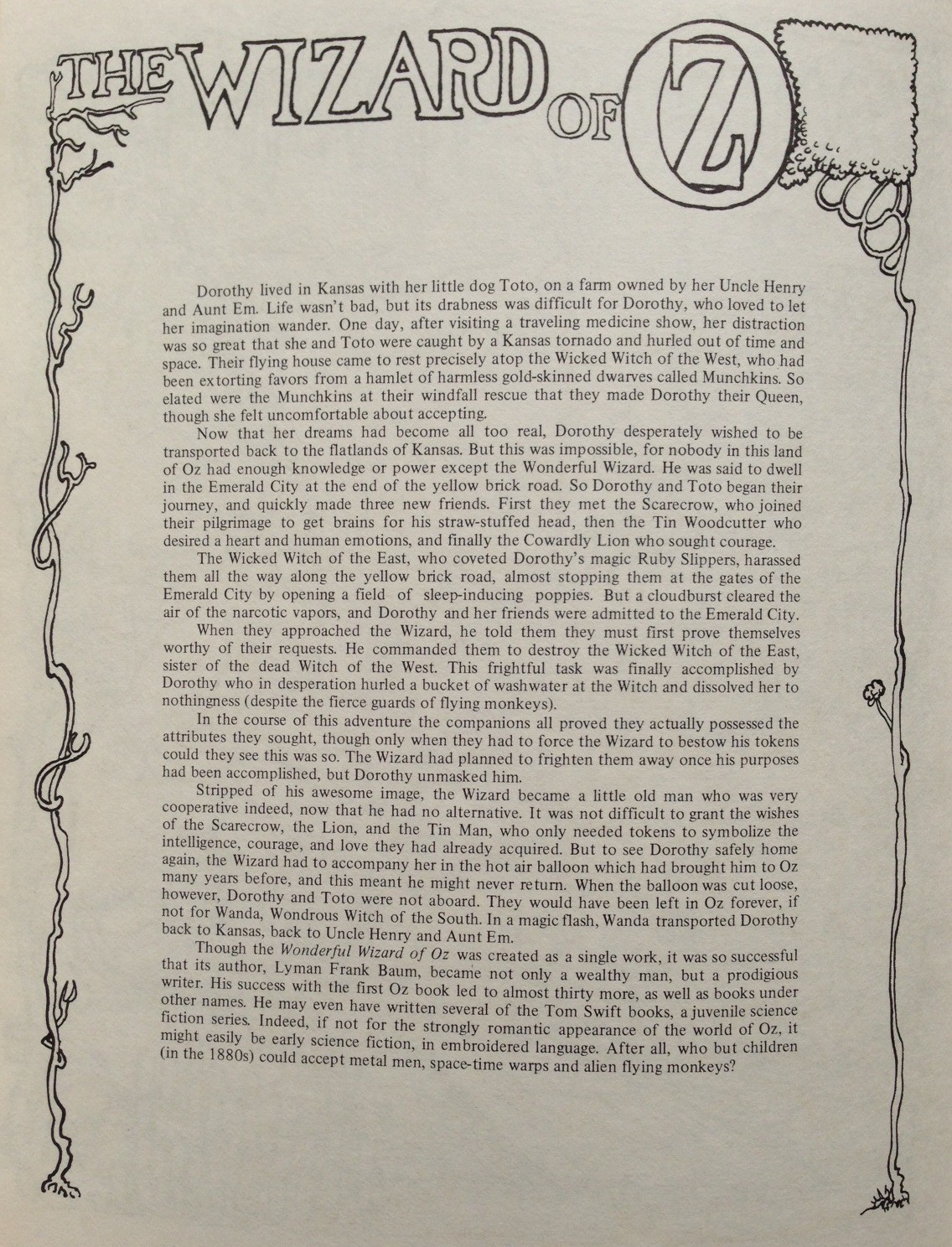
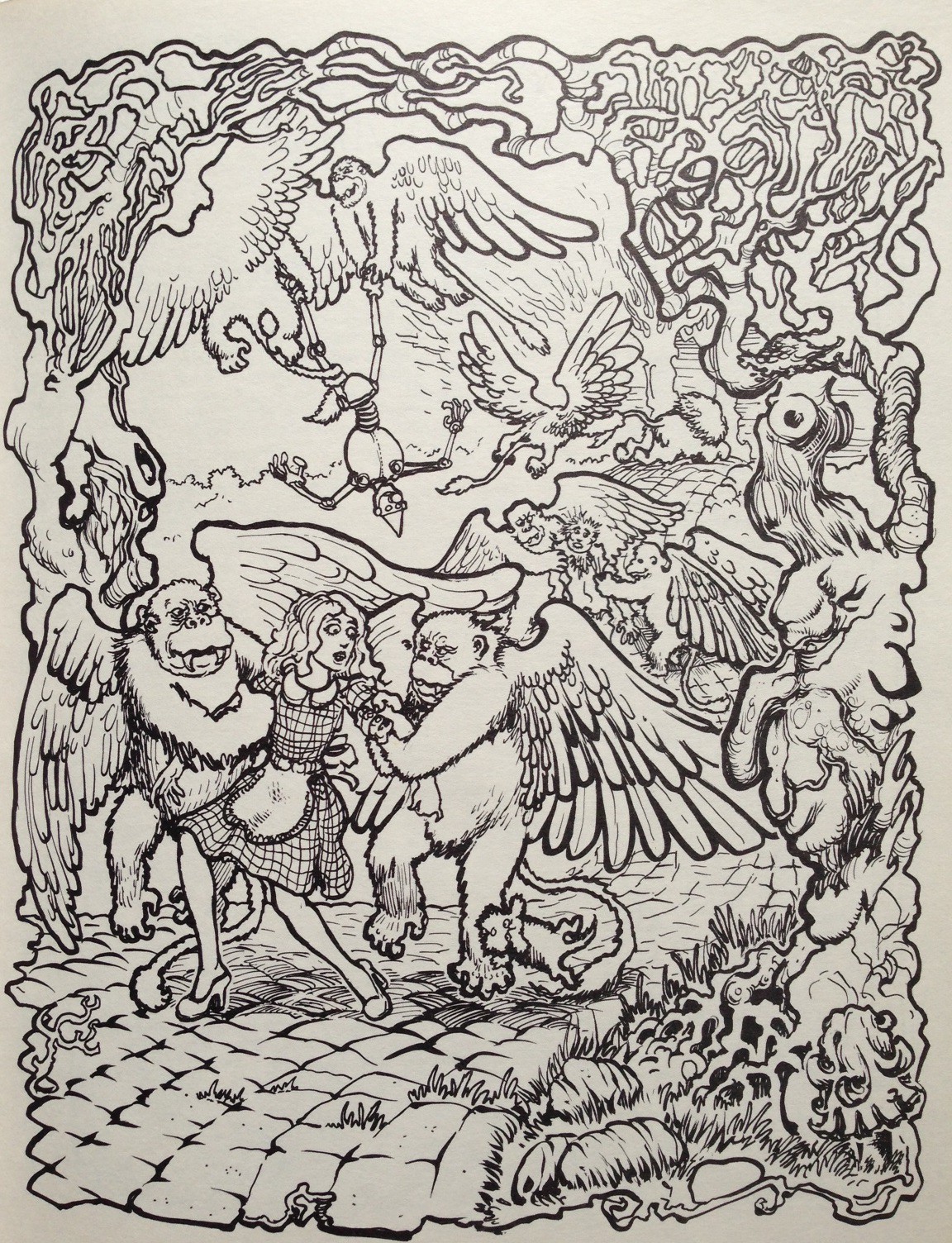
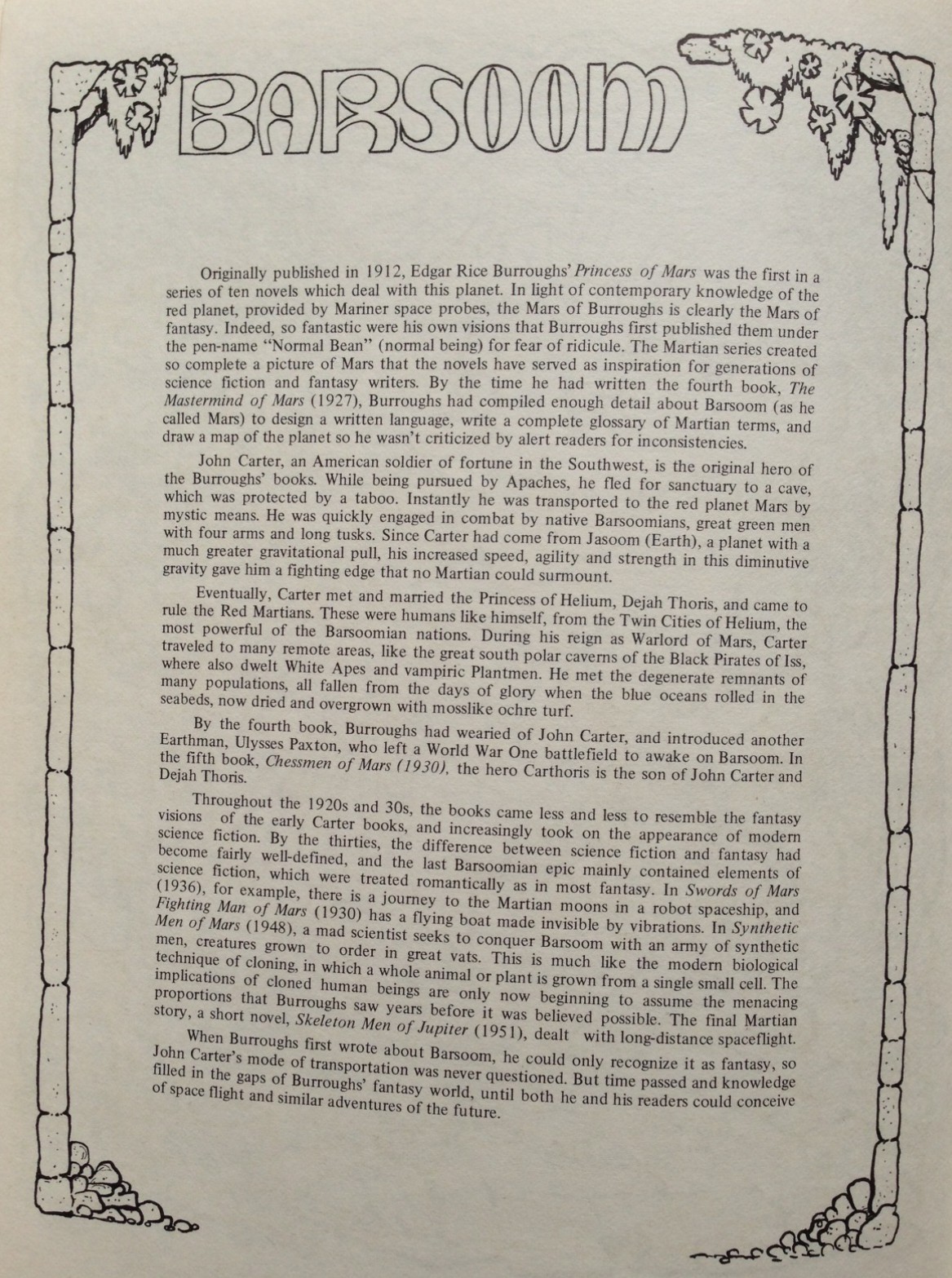
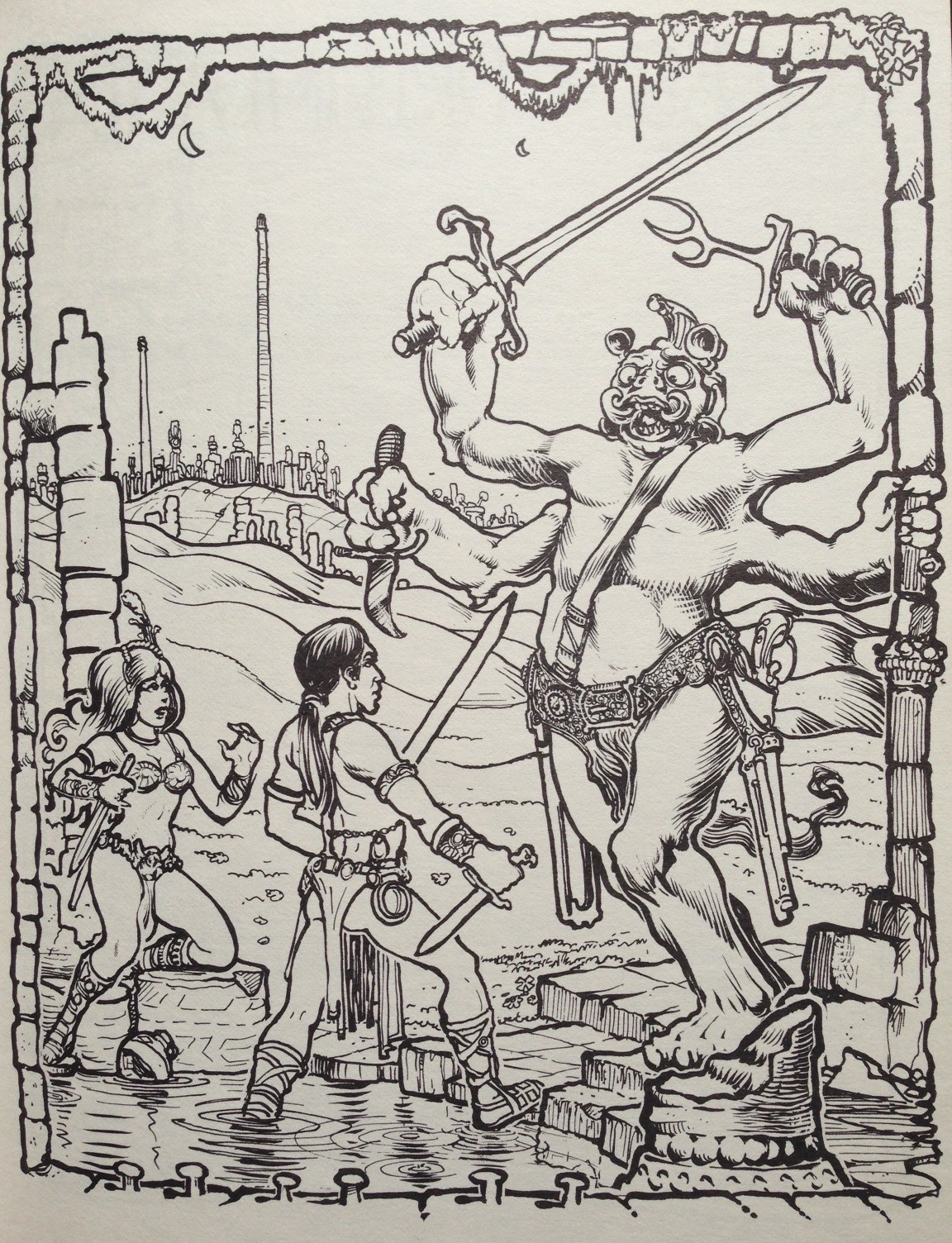
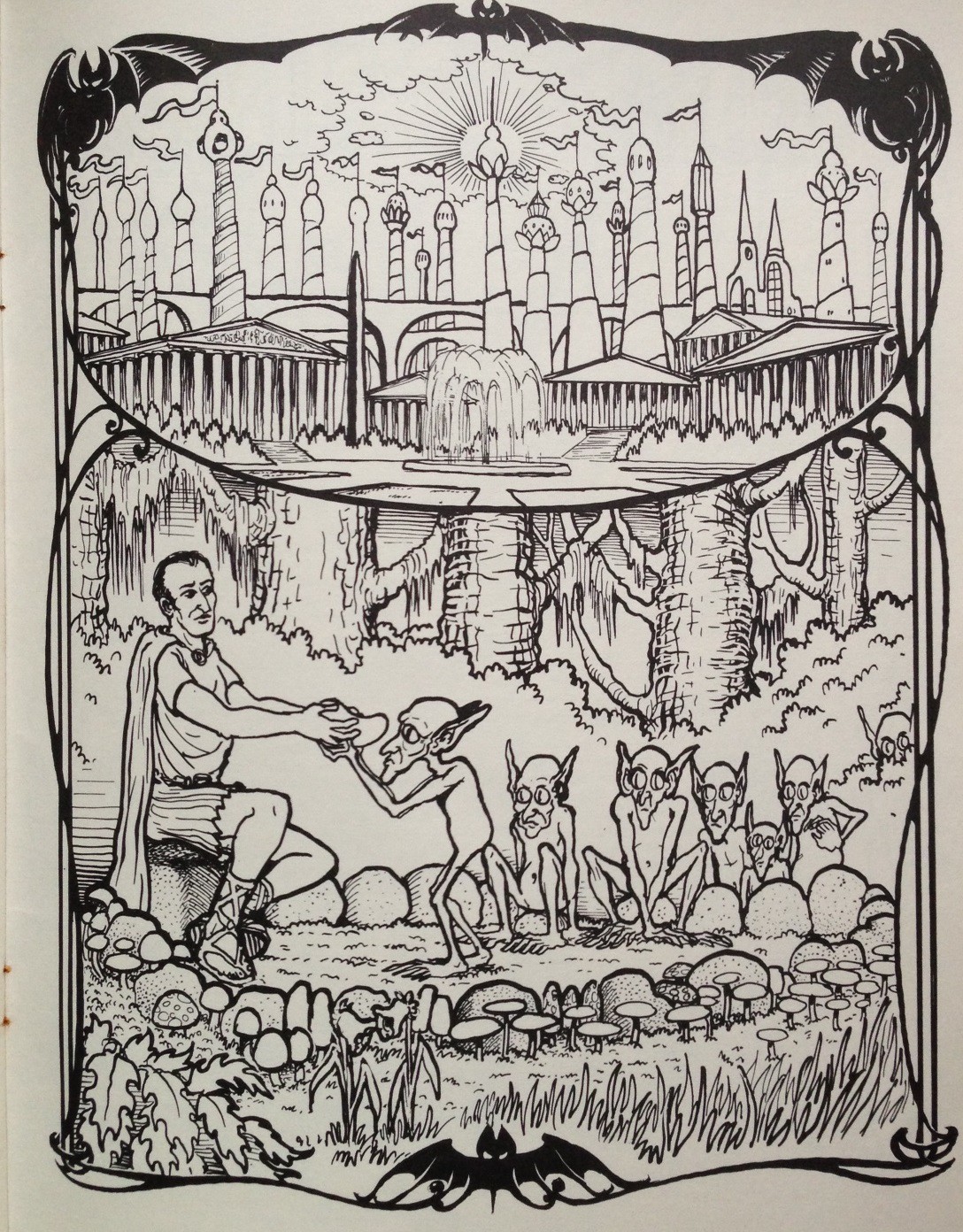
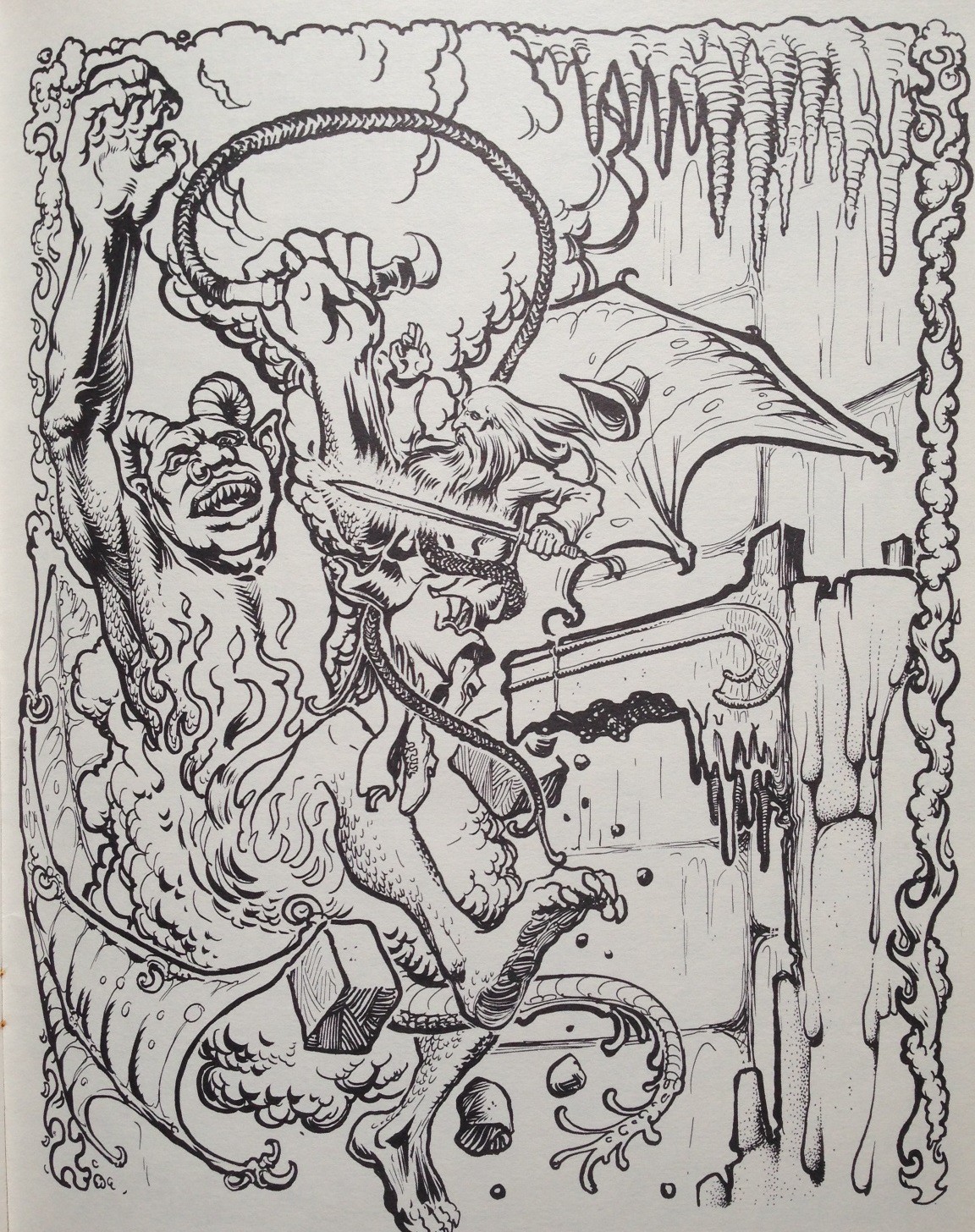
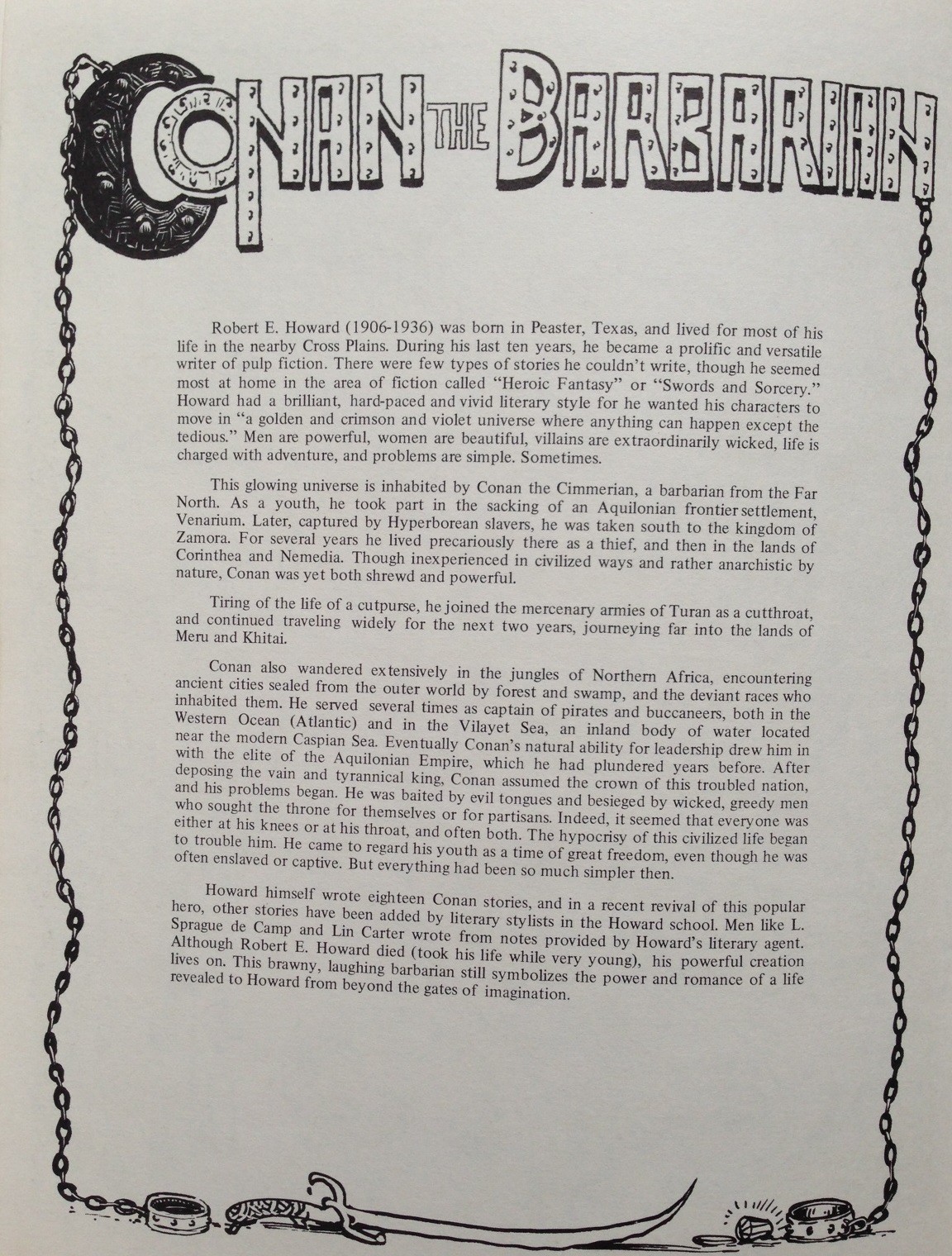
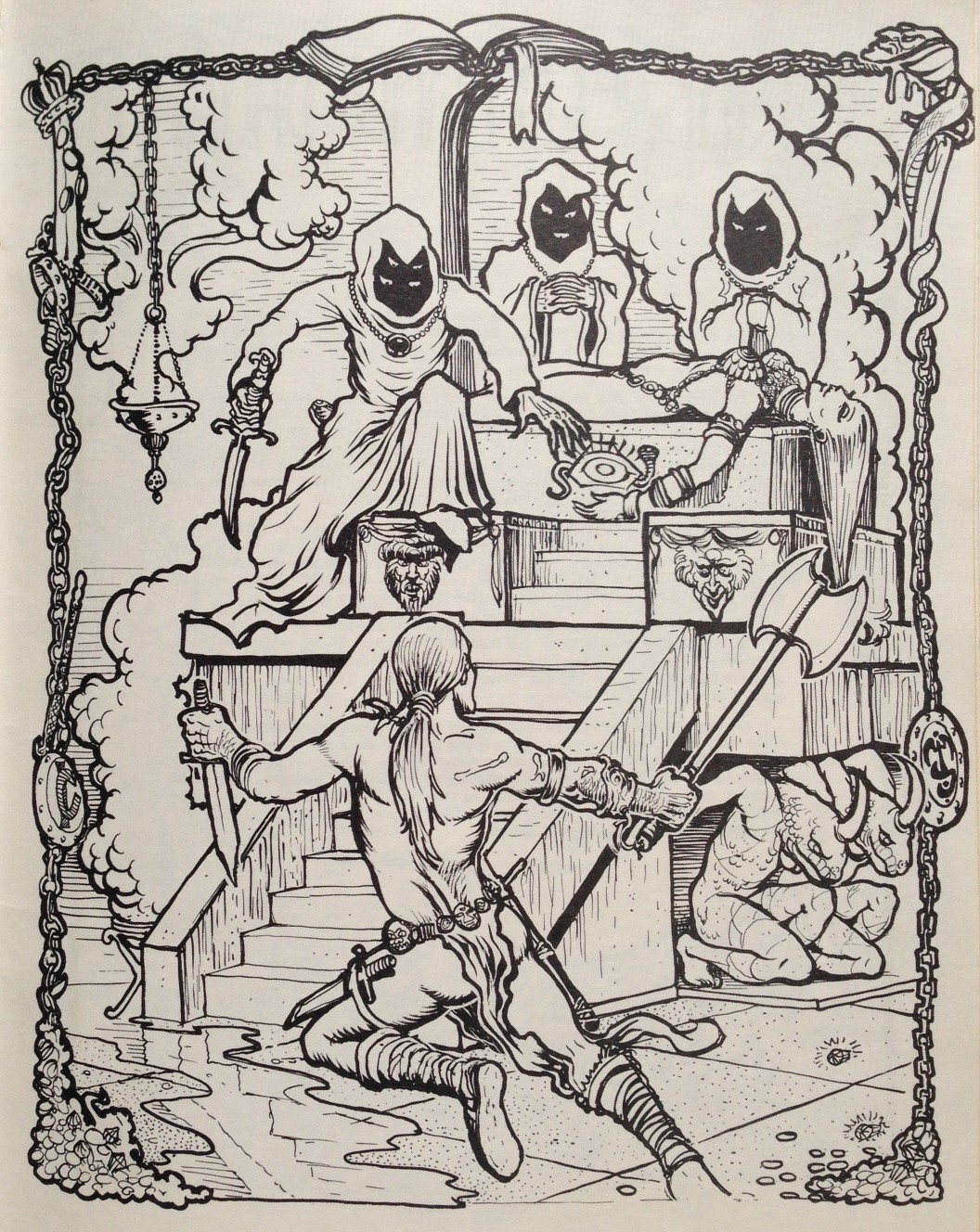
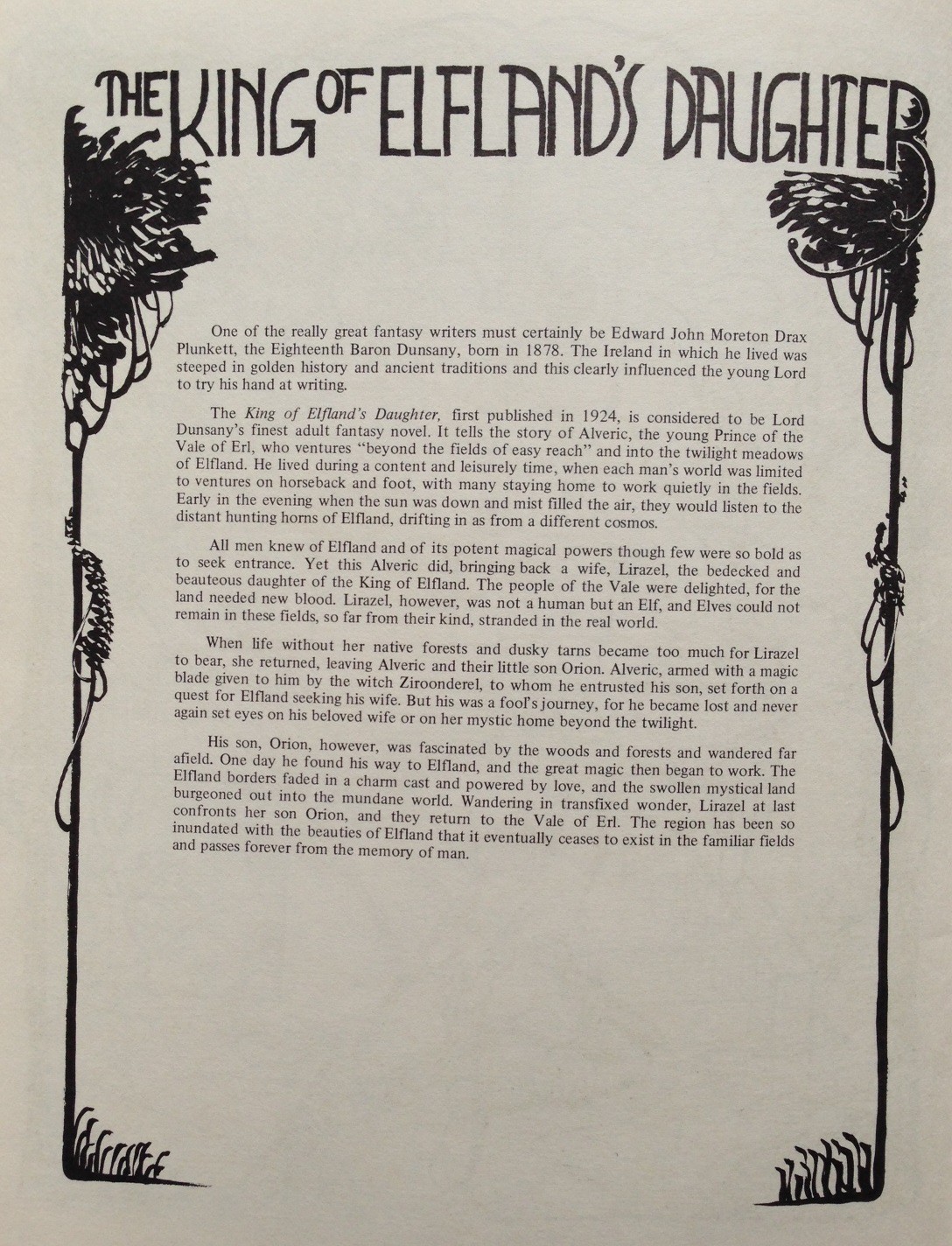
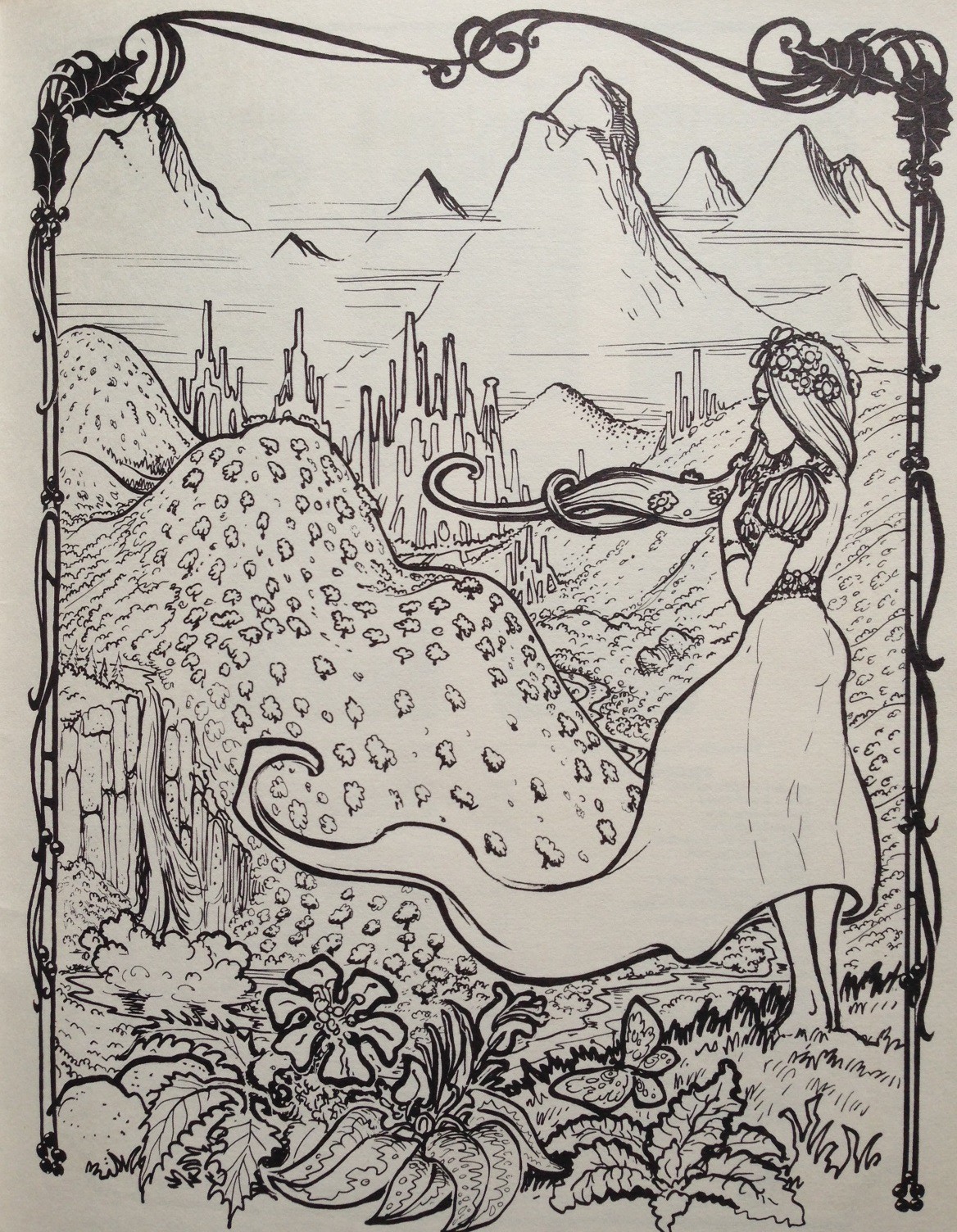
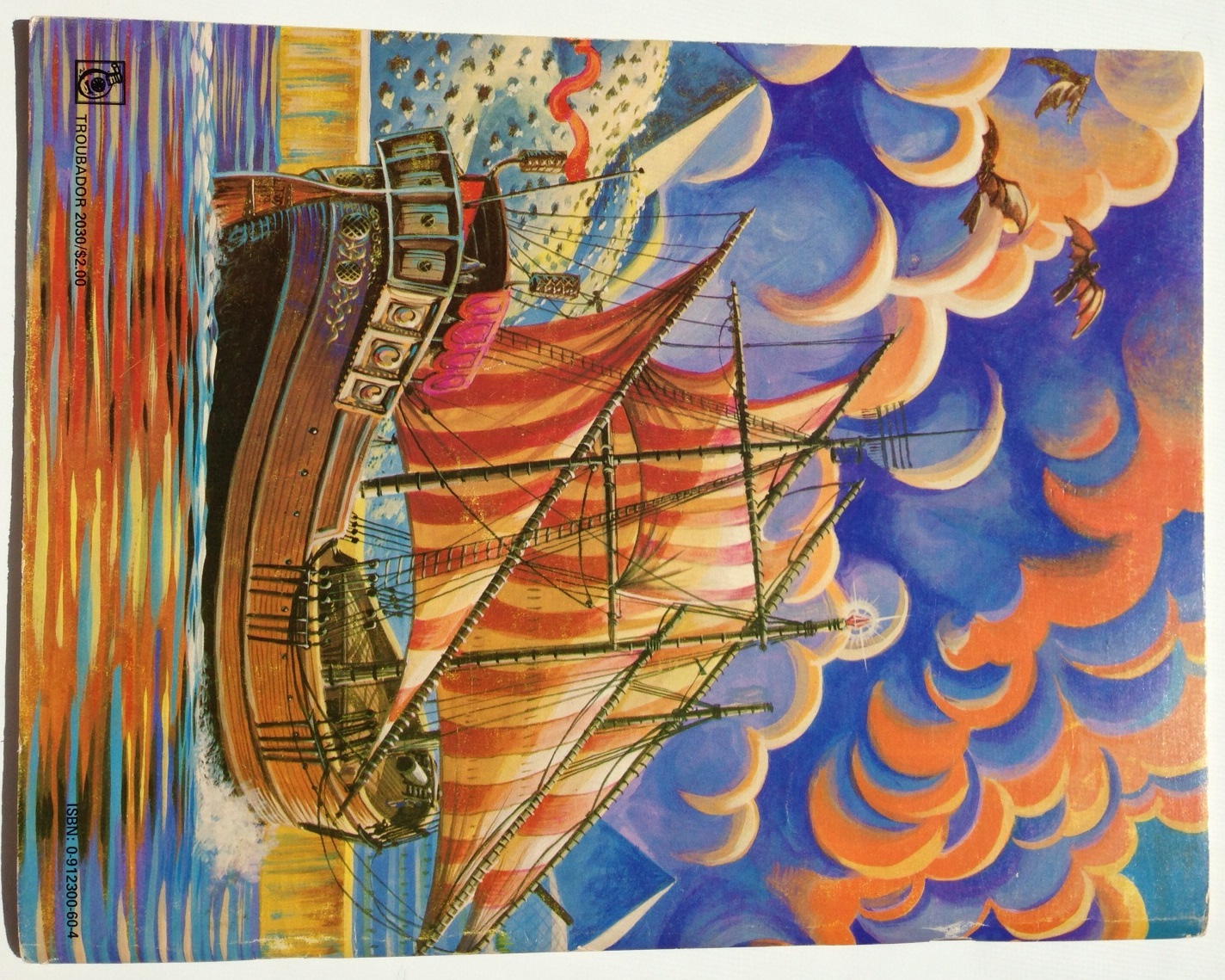
In part one I give some background on the book and publisher Malcolm Whyte explains how it came to be. The material Todd covers is a very eclectic mix of ancient myth, fantasy, horror, sci-fi, pulp, children’s literature, and even poetry (Lewis Carroll, whose work was a drug culture keystone). Many of the works represented, including Lovecraft’s Dream Cycle, had recently seen new editions as part of Ballantine’s popular Adult Fantasy series.


 2 Warps to Neptune