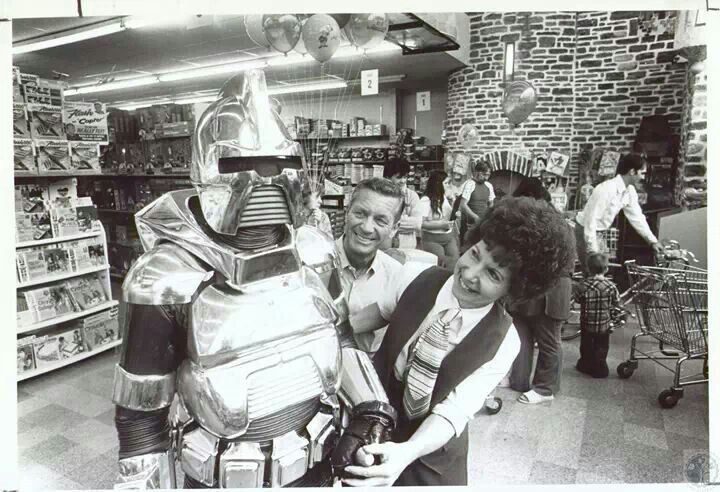
Johnny’s Toys was in Covington, Kentucky from 1939 until 2001, famous for its giant birthday castle. It’s now online only.
By your command.
(Photo via Jana Lee/Pinterest)
Surveying the Gen X landscape and the origins of geek
Johnny’s Toys was in Covington, Kentucky from 1939 until 2001, famous for its giant birthday castle. It’s now online only.
By your command.
(Photo via Jana Lee/Pinterest)


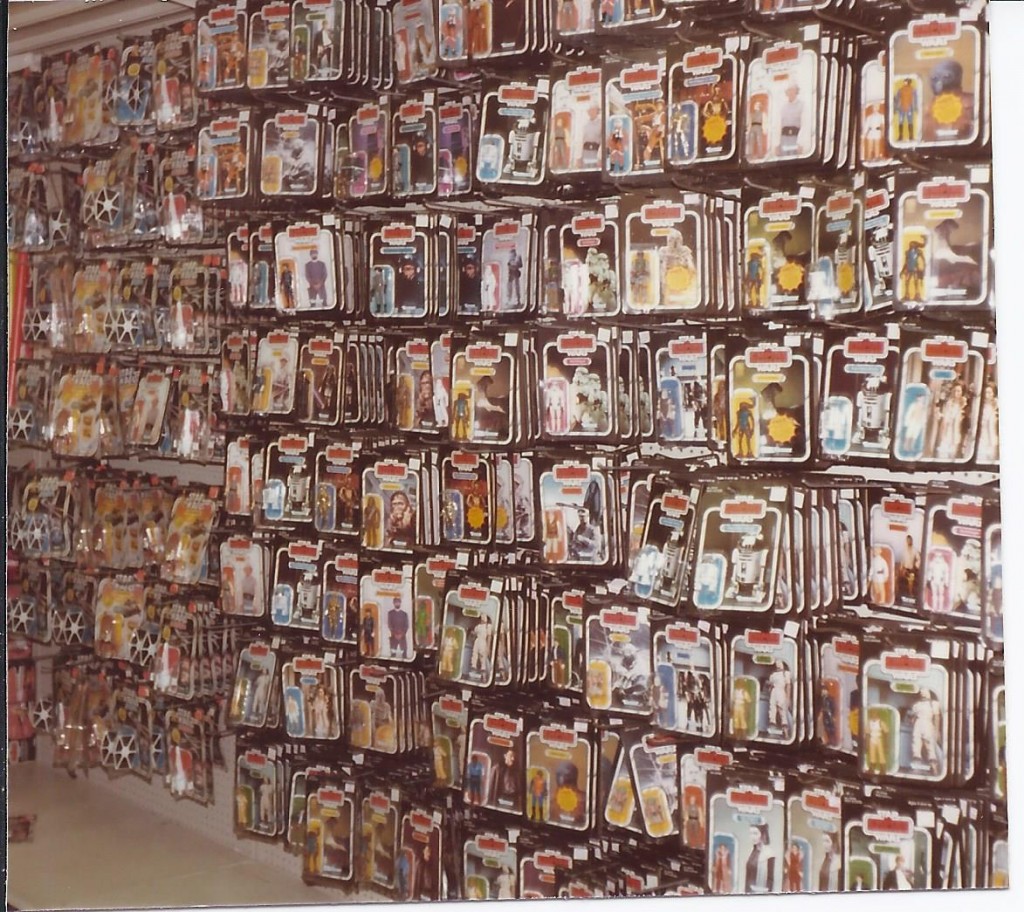
When I say Zen, I mean Zen. See all sixteen (sixteen!) enlargeable images at Kenner Collector, where I found them initially. They originate from Ron Salvatore at the Rebelscum Forums, where you can find details on origin and location. Salvatore co-edits and writes for the definitive Star Wars Collectors Archive.
Lots of other beloved toys to be seen, including the Star Bird Avenger and Mattel’s Battlestar Galactica Viper Launch Station.
A pool of drool is collecting on my desk.
It hurts so good. You know how much I love interiors, and here’s one of a New Hampshire video store in 1984.
Anyone interested in the heyday of home video—especially cult films and VHS box art—should be following The Mom and Pop Video Store.
(Video via yorkie2k/YouTube. Also check out his/her 1972 Magnavox Odyssey demo/promo.)

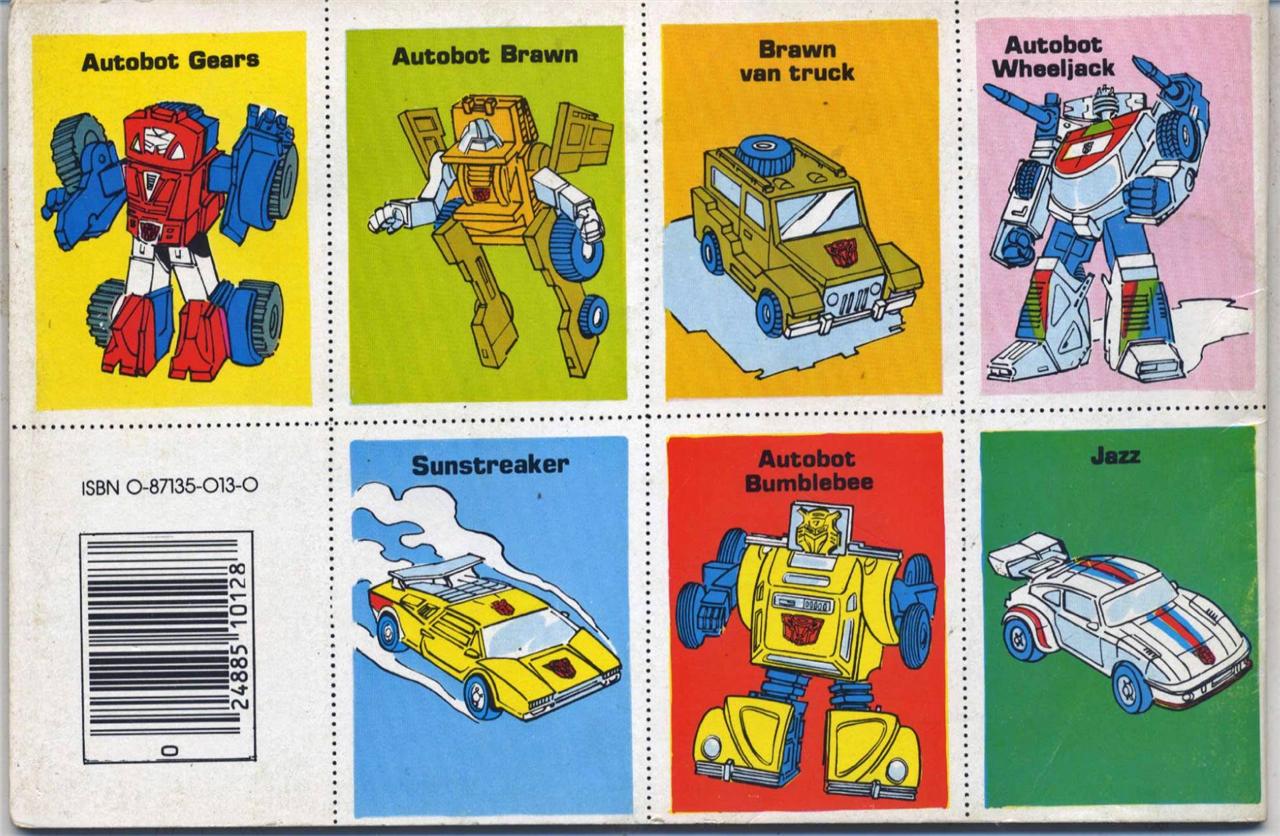
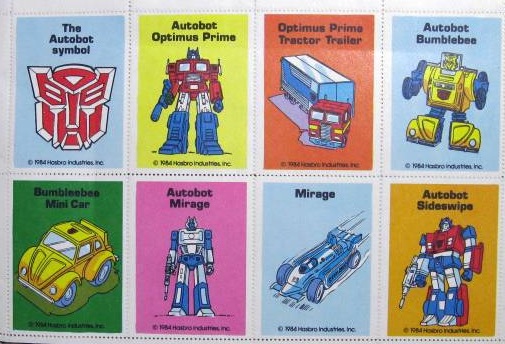
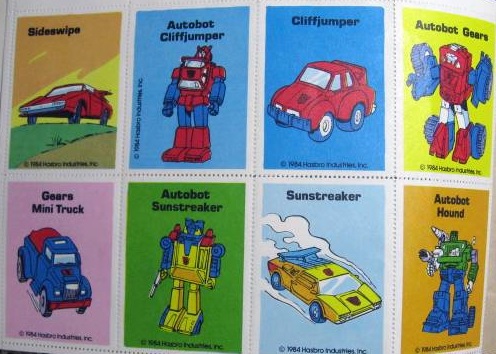
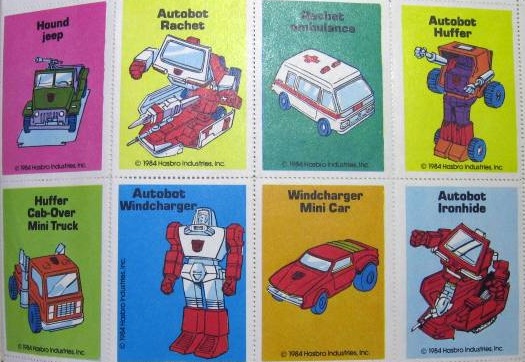
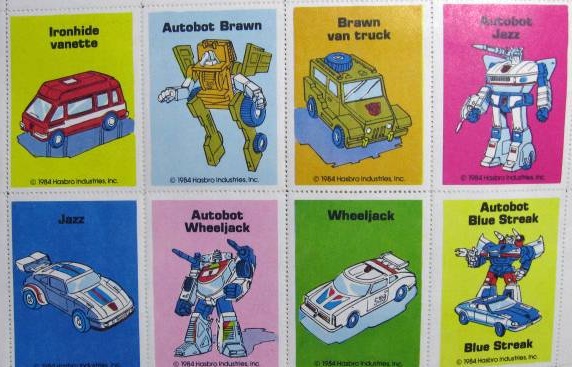
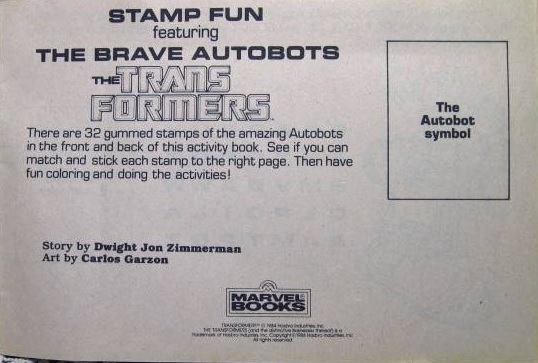
The Marvel Books imprint launched in 1982. As Jim Galton, Marvel Entertainment Group’s president at the time, explained in 1986:
The concept was to publish highly recognizable merchandise to kids… It’s a two-tier strategy, in that one element of the product appeals to the kids, and one element appeals to the parents.
The line’s tremendous success, he says, was due to a “combination of aggressive marketing and a new respectability of comic books.” Much of that “respectability” was a direct result of Marvel’s unrelenting marketing and licensing.
Dwight Jon Zimmerman got his start on Marvel Books and went on to write and edit various Marvel comic titles until becoming executive editor of Topps comics in 1992. Today he’s an award-winning author of military history books.
Bogotá-born Carlos Garzón came to New York in 1970 to work with artist Al Williamson. The duo would go on to illustrate Marvel’s Empire Strikes Back and Return of the Jedi adaptations. The two had an unconventional working relationship, according to Marvel editor Archie Goodwin:
Unlike most teams listed in comic book credits, Al isn’t strictly the penciler and Carlos strictly the inker. They each do some of both, switching back and forth, sometimes from page to page, sometimes even from panel to panel, or even within a given panel. The end result is one smooth, high quality style, and an adaptation we at Marvel are very proud of.
Read a good interview with Garzón by Ryder Windham at the Star Wars Blog.
There was a different stamp book covering “The Evil Decepticons.” I’m looking for copies of both.
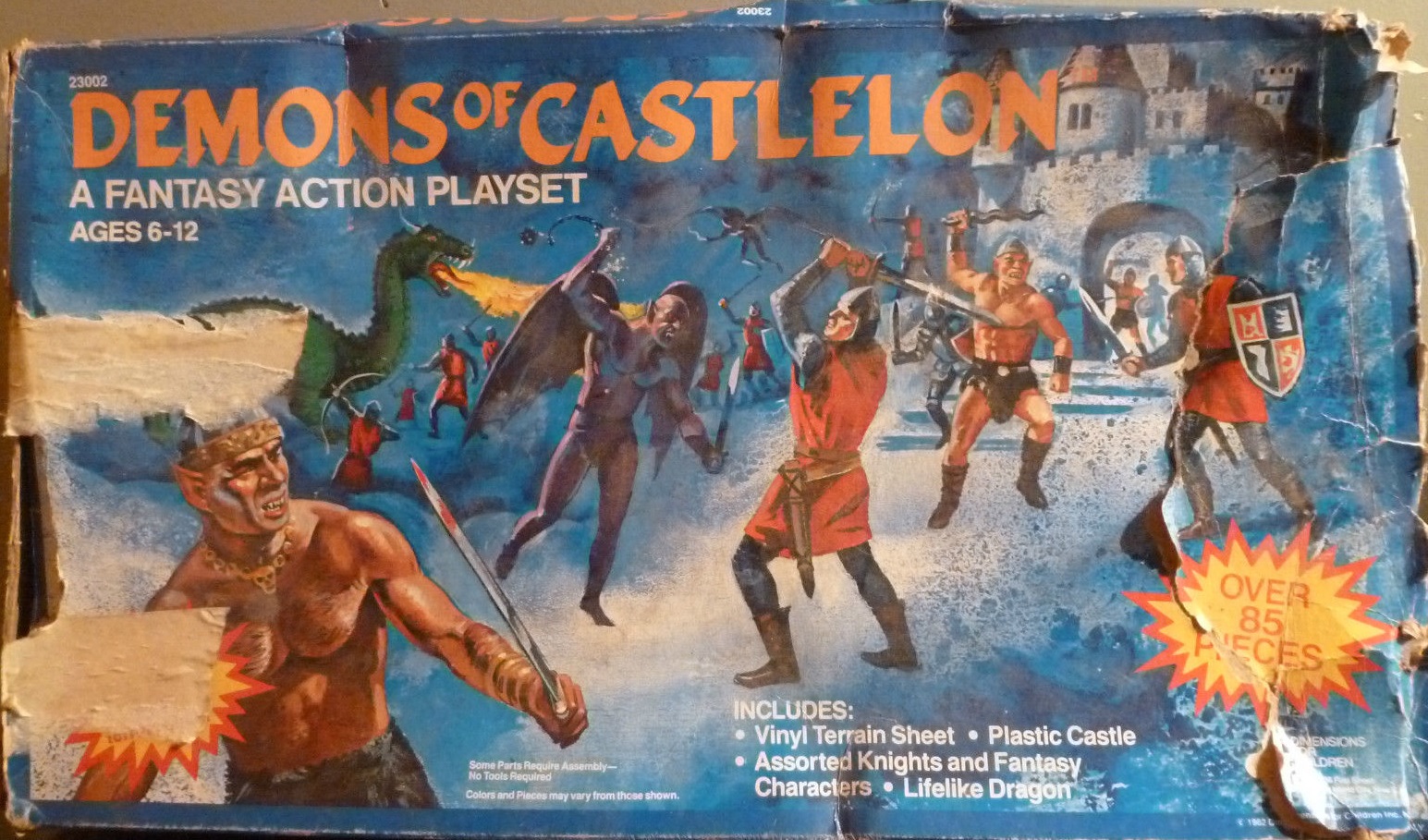
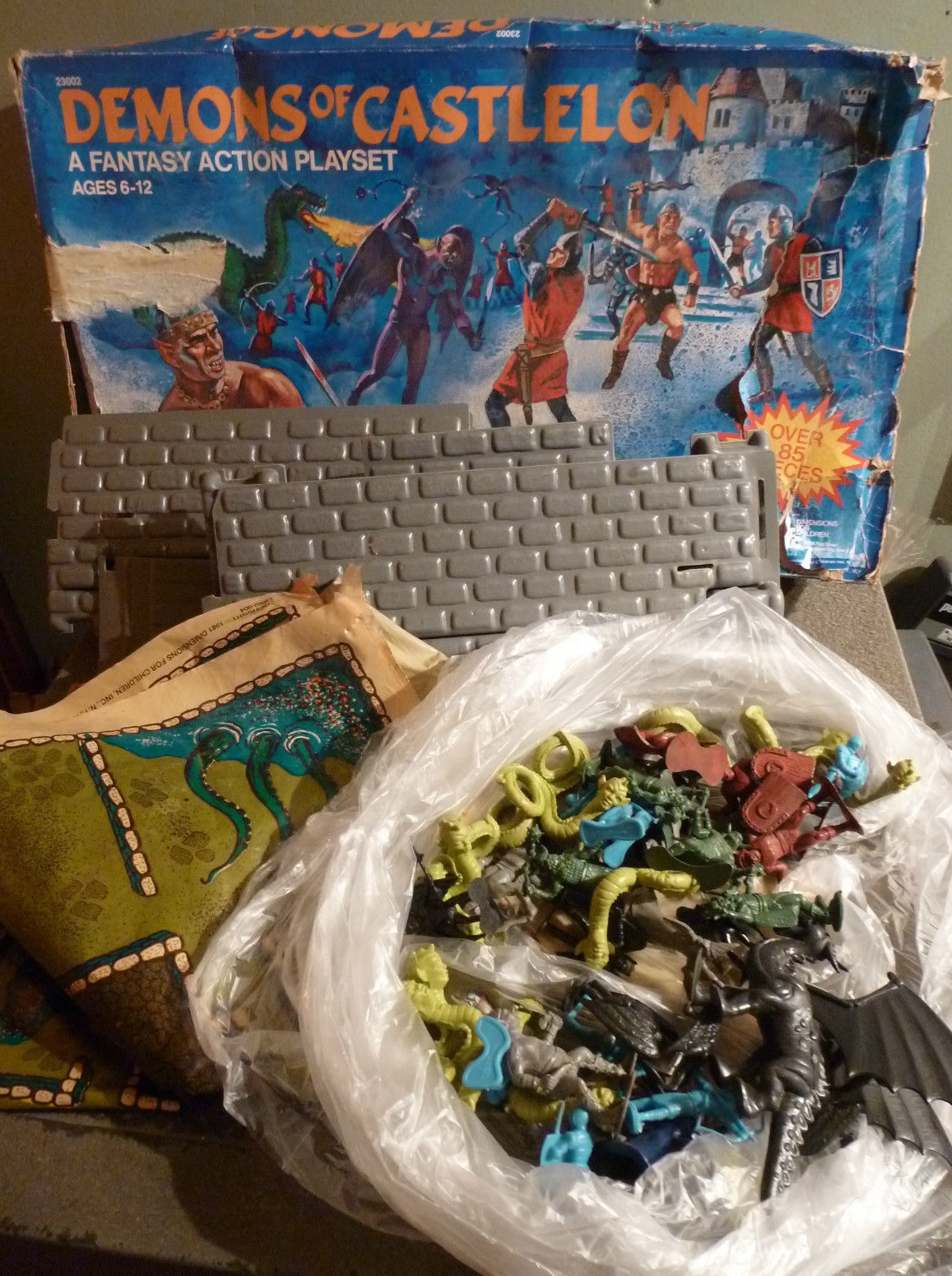
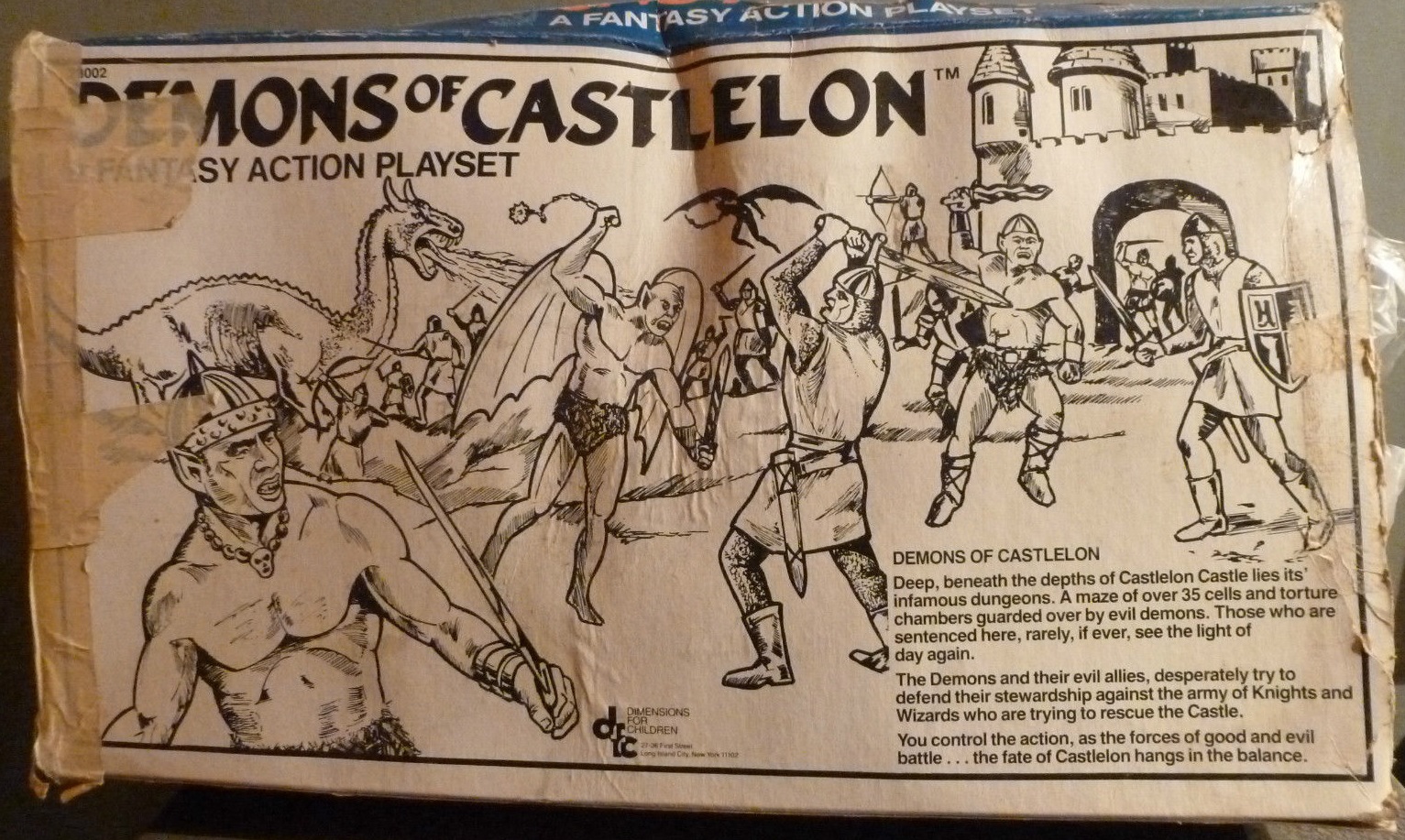
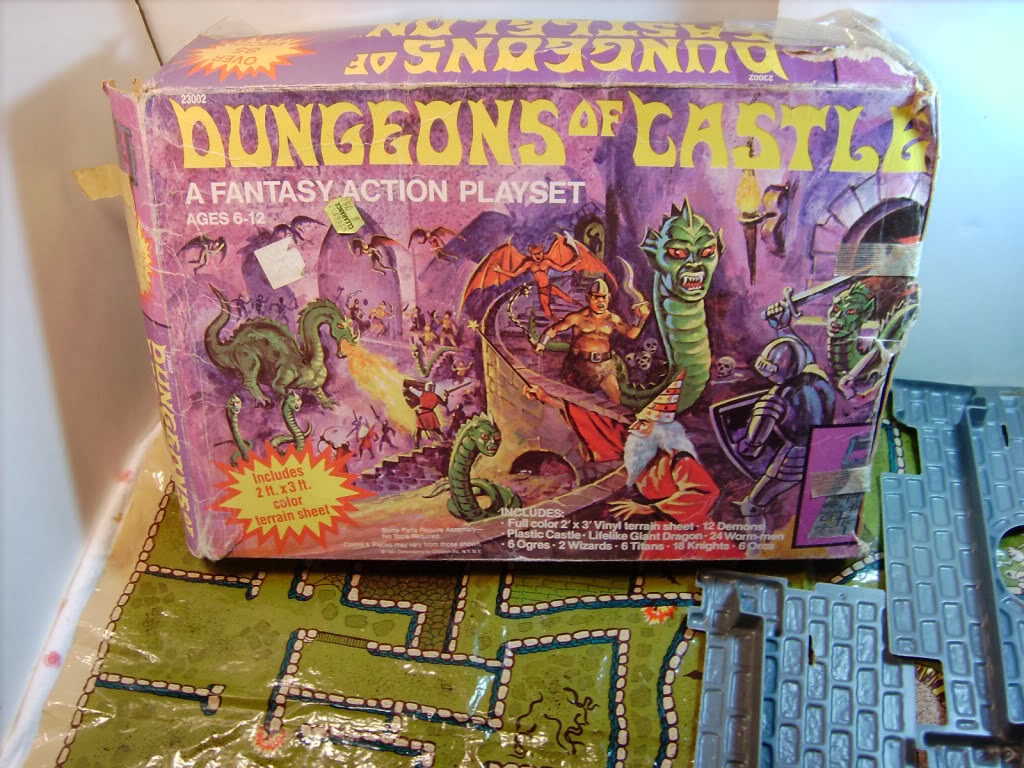
DFC (Dimensions For Children) put out at least six fantasy playsets in the early ’80s. You’ve seen Dragonriders of the Styx (1981), probably the first to be released, and the only one I’ve seen in a major catalog. This is the first time I’ve seen Demons of Castlelon. There’s another version called Dungeons of Castlelon—same figures and playmat, different box.
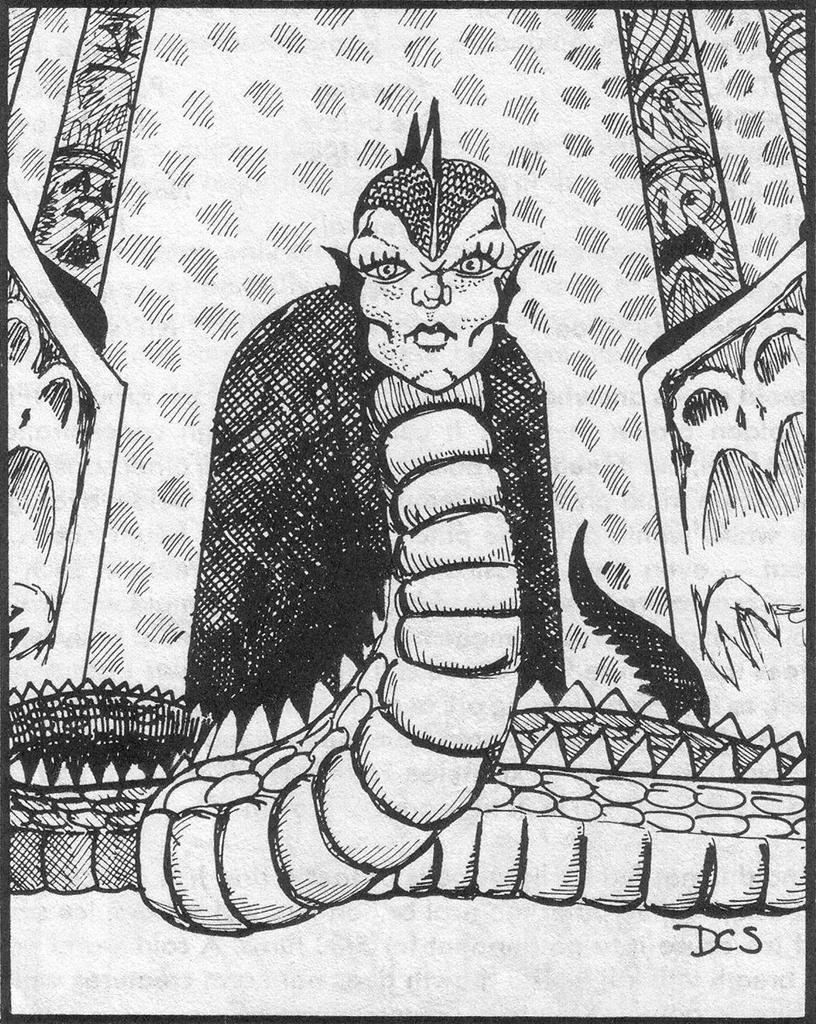
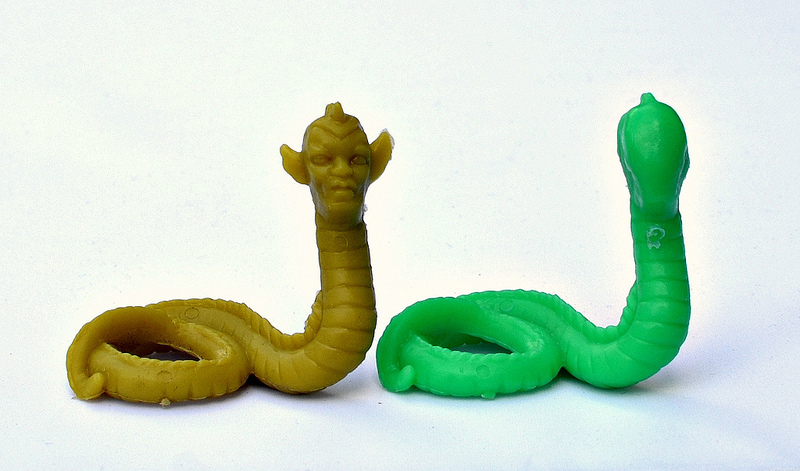
As others have noted, the green snake figure looks suspiciously like David Sutherland’s Naga from the first edition Monster Manual.
At some point, DFC started producing the figure without facial features or ears, no doubt due to copyright issues. UPDATE (1/19/14): Here’s a photo of both versions of the Naga, courtesy of Little Weirdos/Flickr.
Other known sets include Fires of Shandarr, The Tower of the Night, and The Forest of Doom.
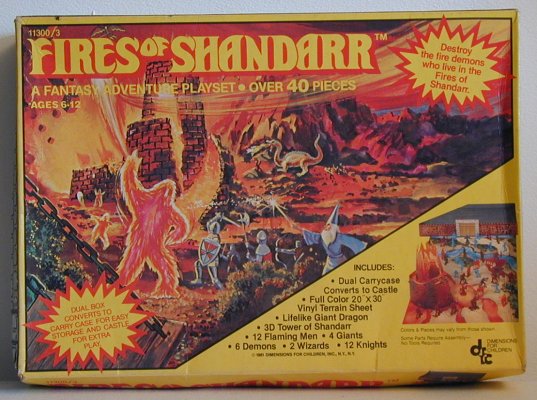
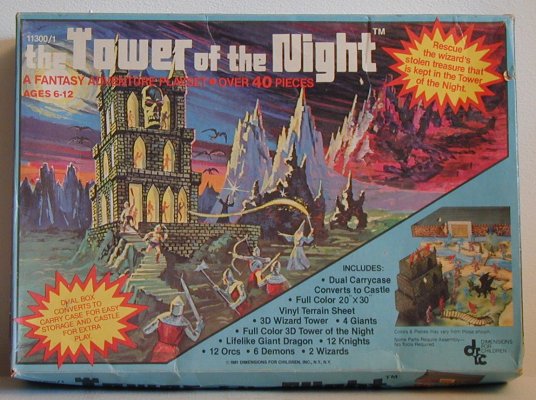
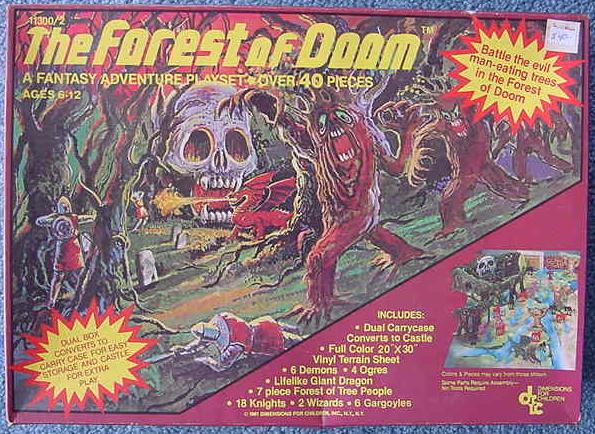
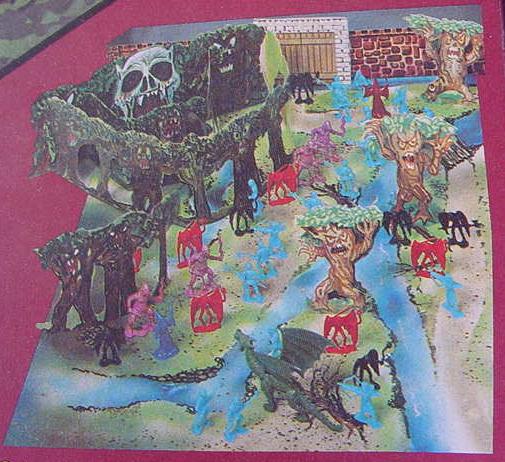
I’ll do separate posts on each set as I score better photos.
(Image credits: Demons of Castlelon: eBay seller The Lost Item Carousel; Dungeons of Castlelon: Tales from the Big Board; Naga: James Brady; Fires of Shandarr and The Tower of Night: Virtual Toy Chest; The Forest of Doom: Action Figure Archive)

Everything points to 1980 except for Pac-Man, which came out for the 400/800 in 1982. Atari’s probably cheating a little. I don’t see a Pac-Man box. In fact, the only game boxes I see are Super Breakout and Kingdom. The screenshots on both sides of the TV fall under different headings. I think the one in the middle is “entertainment.”
I don’t remember seeing the display. It’s possible I blocked it out—there’s no way I would’ve been able to push my way to the front of the line for a chance to play. The big kids ruled the demo units. And by big kids I don’t mean the well-dressed, well-mannered couple in the ad.
The image is from James Vaughan, who has some of the coolest sets on Flickr, including one called Retro Tech.

Boston, Massachusetts, March 19, 1982. (Photo: Unknown)
Probably from a Boston Herald story, the caption reads:
Chris Magliaccio, who helped organize the Dungeons and Dragons tournament at Museum of Science, playing the game. For the first time, I might add.
D&D tournaments were fairly common at museums of science in the early ’80s. You’ll recall this ad for a tournament in Miami. The game appealed to the kids who liked science because both enterprises are systems of knowledge organized around testable explanations.
I was more creative than analytical, so I enjoyed the fantastic, narrative aspect: building characters, adventures, exotic weapons, inescapably deadly dungeons, etc. That’s the genius of D&D, really. It captures both sides of the brain.
Good luck learning to play in such a short time, Chris. Can you see the beads of sweat on his forehead?


The culmination of Space Mountain did not commence with the opening ceremonies in 1977…
nor with the first planning meeting of Walt’s in 1964…
nor with the lift-off of the Von Braun/Disney Rocket to the Moon in 1955…
No, the dream of exploring the Universe began centuries ago… with that first human glance up at the stars.
We at Disneyland have attempted to capture that eternal dream. And we hope that you, as our representatives, appreciate and understand that attempt.
When Disneyland was more than an amusement park.
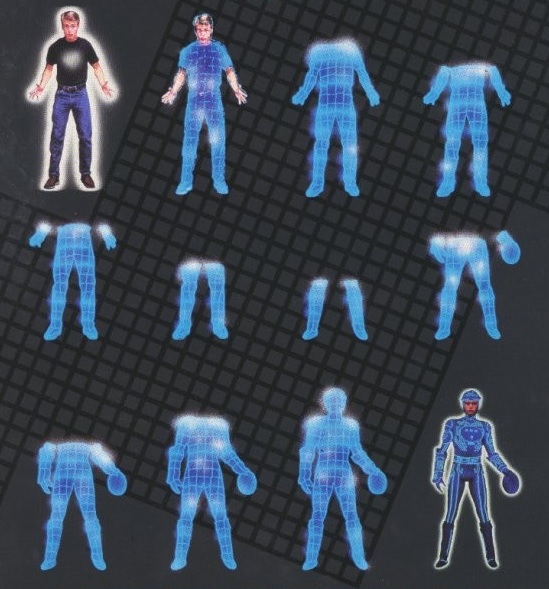
A heaping thank you to everyone who follows the blog, has left an appreciative comment, sent an appreciative email, shared or featured my posts (and given me credit), given me a heads up, consented to be interviewed, or submitted material for me to feature. Most of the work I do here happens between 5:30 and 7:00 in the morning. Your contributions and positive feedback are my fuel. (That and coffee.)
The idea behind 2 Warps to Neptune is to virtually recreate, as far as possible, the land, customs, and artifacts of our collective youth. The ultimate goal is not to relive the past, but to study it. My focus is on how a confluence of cultural forces—Star Wars and the resulting sci-fi boom, D&D and the fantasy boom, the evolution of the comic book industry, the video game and personal computer revolutions—gave rise to a new species of person we now refer to as geeks or nerds, though I’d argue the terms are nearly meaningless today.
Right now, the 2 Warps to Neptune Facebook page is the extent of my “social media presence.” I post different stuff there to (1) make it worthwhile for everyone who “likes” me, and (2) to save some space on the blog. I chose Facebook because it’s easy and it gives me the most flexibility as an anonymous page. (I’m anonymous because I’m a manager in a very large company in flux. I also have a separate writing life.) I know many of you prefer Google+ and Twitter, but I’d rather concentrate on finding and writing about nifty and gnarly subject matter. (Having said that, I’m Chase Neptune on Google+.)
This blog is not about me. It’s about us. To that end, I’d like to start featuring more guest posts and/or collaborations with other writers. Topics up for analysis/review include films and books, film novelizations, magazines, comics, coloring and activity books, LPs and cassettes (Kid Stuff Records, Disney Read-Alongs, etc.), toys, games (video, board, role-playing), amusement venues (arcades, theme parks)—anything and everything that sheds light on ’70s and ’80s kid culture. Send me an email at 2warpstoneptune@gmail.com if you’re interested.
I’m not sure how long I can keep this up, programs, but I’ve definitely got another year in me. Thanks again.


 2 Warps to Neptune