
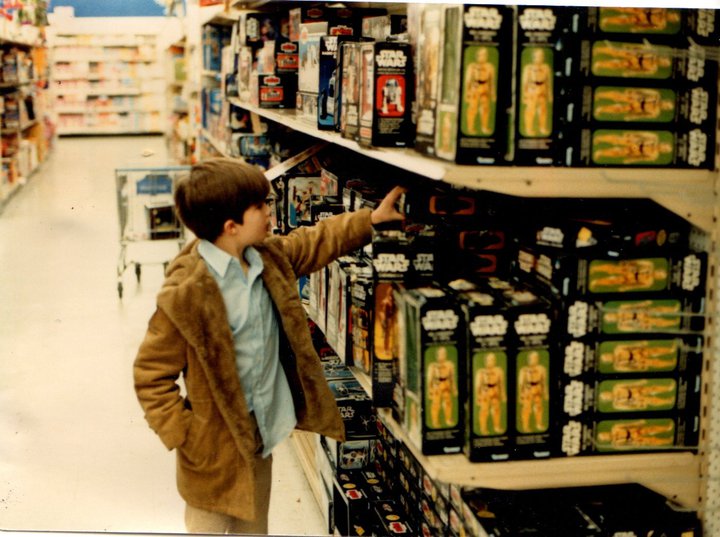
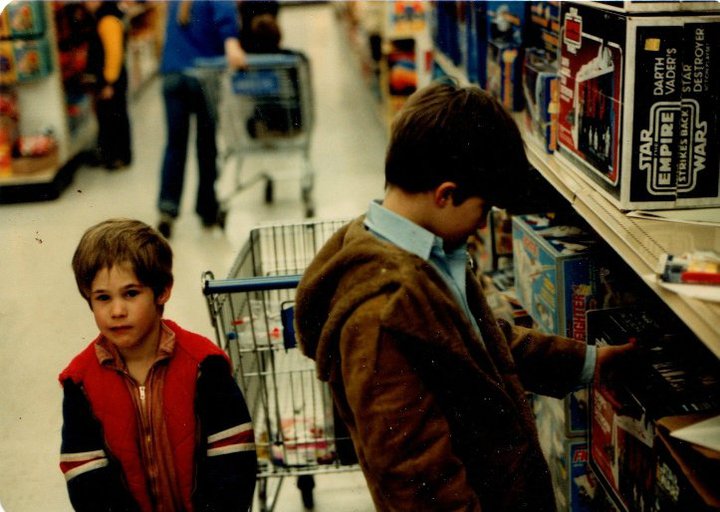
Mikey, clearly not yet a geek, in ’76 or ’77

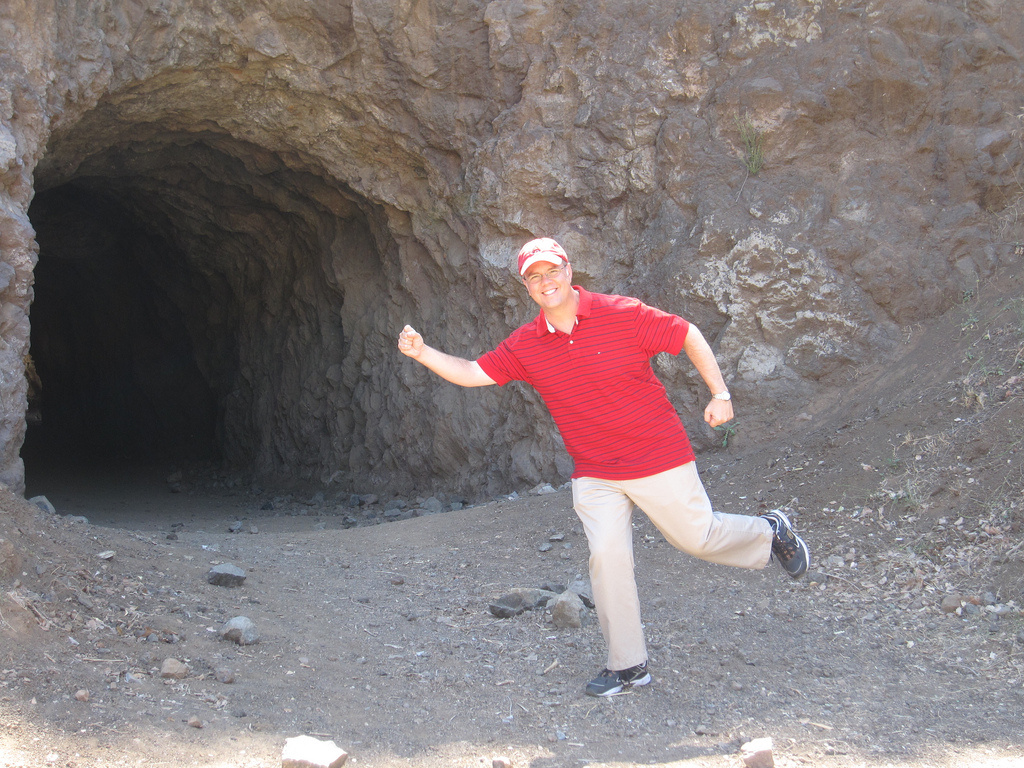
Mikey posing as Superman at the Batcave (Bronson Canyon), 2010
Full name and/or handle: Mikey Walters (WEBmikey)
Birth year: 1967
Hometown: Sacramento, California
Occupation: Software Developer
Website(s): http://www.webmikey.com (updated from 2000 to 2012)
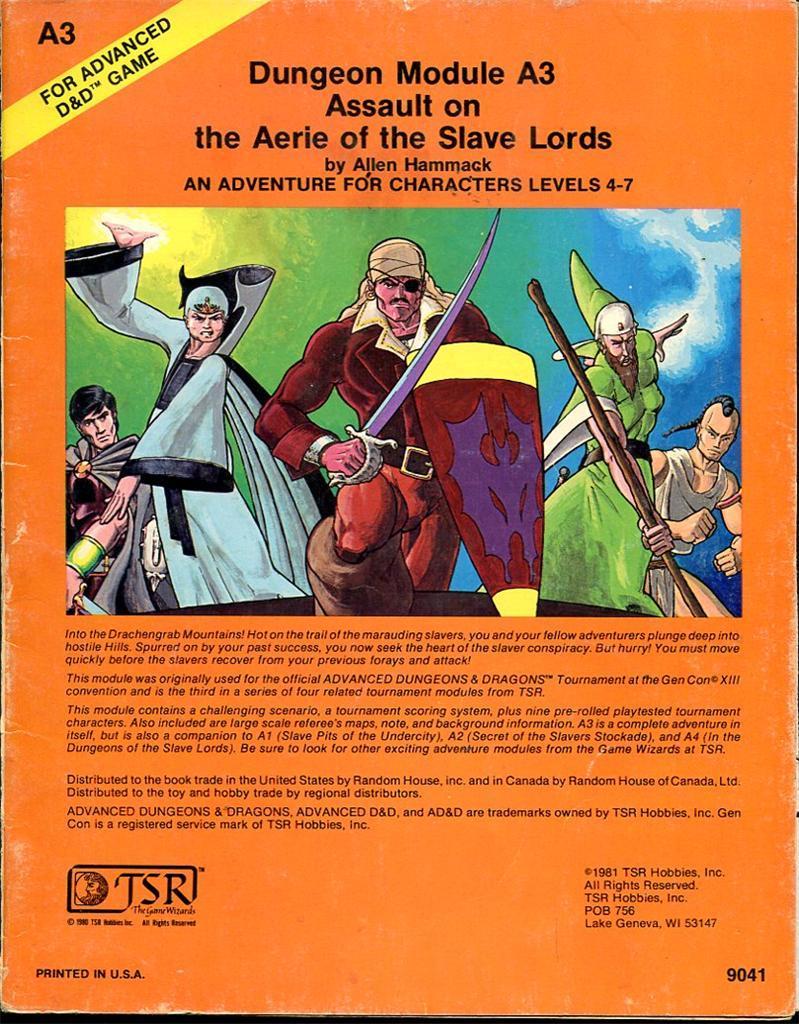
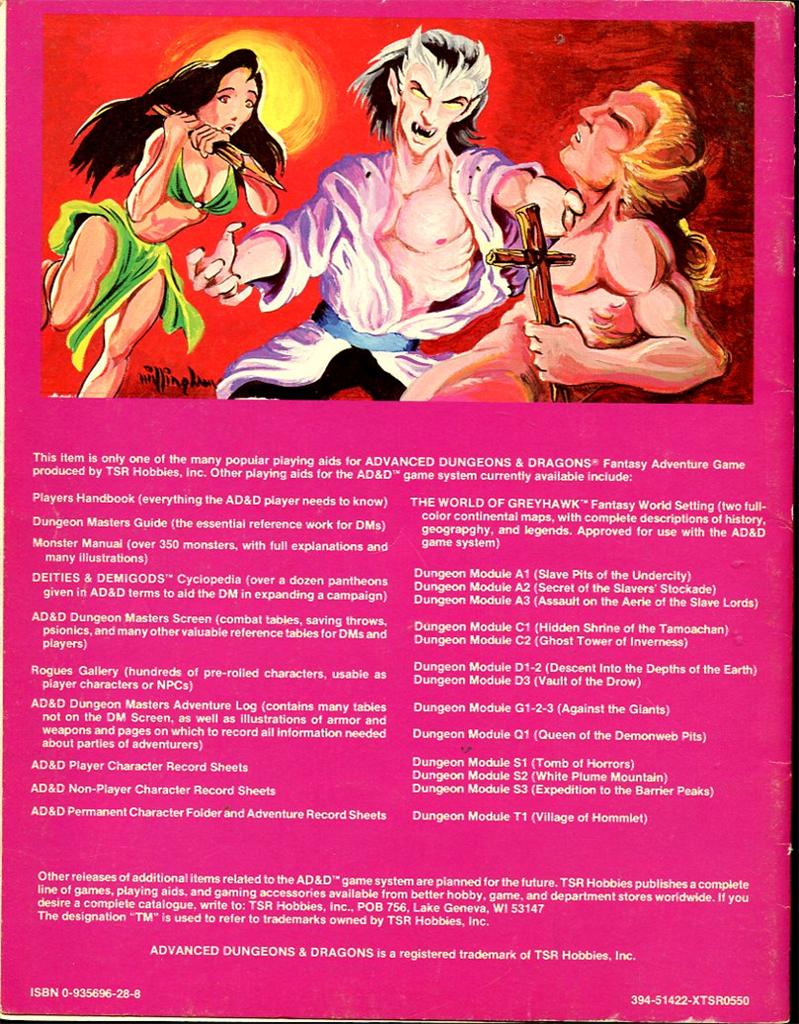
2W2N: I’ve been raiding your Flickr for months now. When I saw your homemade D&D modules, I just had to get the scoop. How and when did you get into D&D? Do you still play?
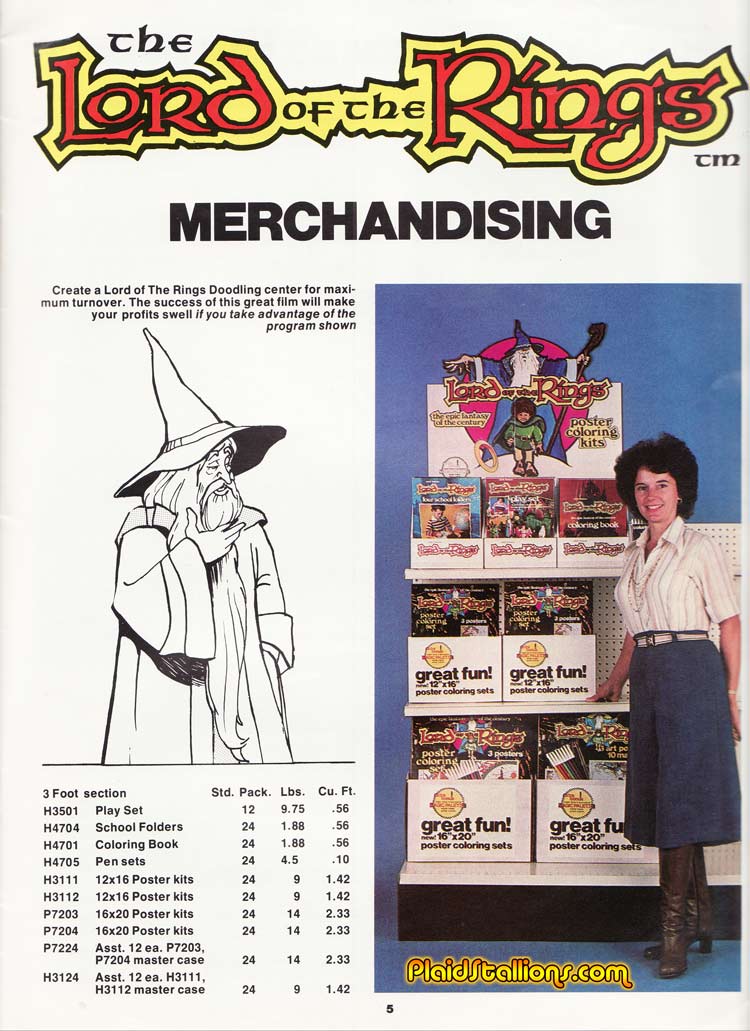
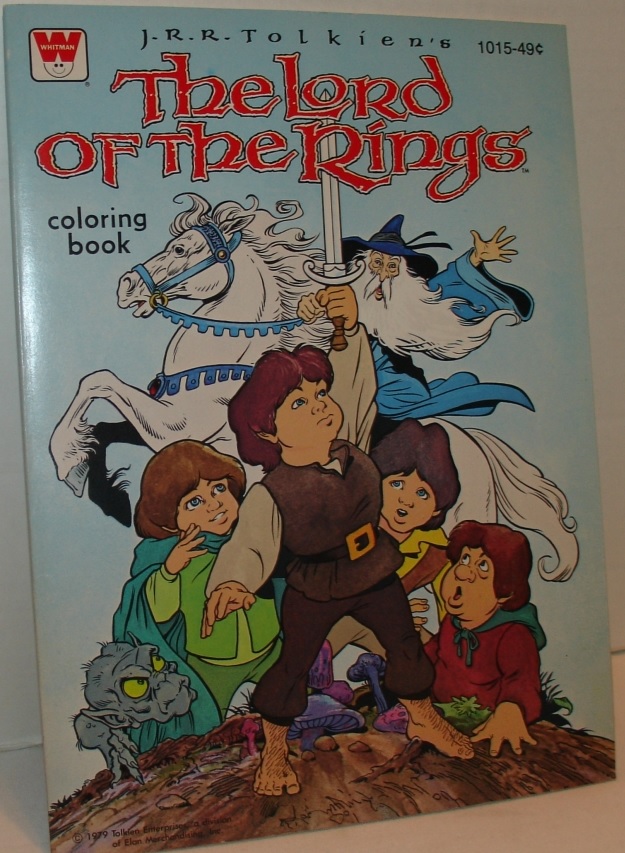
MIKEY: My experience with Dungeons & Dragons began with my love of animation, which led me to see Ralph Bakshi’s version of Lord of the Rings in 1978. Seeing the movie led me to reading Tolkien, and my naturally geeky tendencies led me to some great school friends with similar interests. I really don’t remember which one of us bought the first Basic Set (in the classic blue box), but soon we were all reading D&D books and literature (such as Dragon magazine) like crazy. Right from the beginning I loved the idea of being the Dungeon Master, not from a power trip standpoint, but because I got to act out the parts of all the non-player characters (NPCs)!
My friends and I would get a private meeting room at the local public library and experience our adventures together. I was actually more taken with the creative aspect of the game than the actual play, which is why I got so into making my own modules and monsters, painting pewter figures, and so on. I loved working with felt-tip markers, construction paper, my typewriter (I didn’t have my beloved Atari 800 yet), and designing all this peril for my friends to enjoy! Most of my D&D works were created in the early 1980s. Eventually all of us became dedicated to Star Wars fandom and our D&D days slowly ended, but I’ll always have fond memories of those times and the way they inspired my creative side.
2W2N: I can’t remember if I saw Bakshi’s Lord of the Rings before or after I started reading Tolkein’s books, but LoTR is definitely how I got into D&D as well. Your modules are incredibly sophisticated and accomplished, especially considering you were about 13 when you made them. Do you remember how long it took you to finish them? Did you get to play them with your friends? You also wrote and drew an entire sci-fi comic book, Questar, when you were even younger. All the text is typewritten!

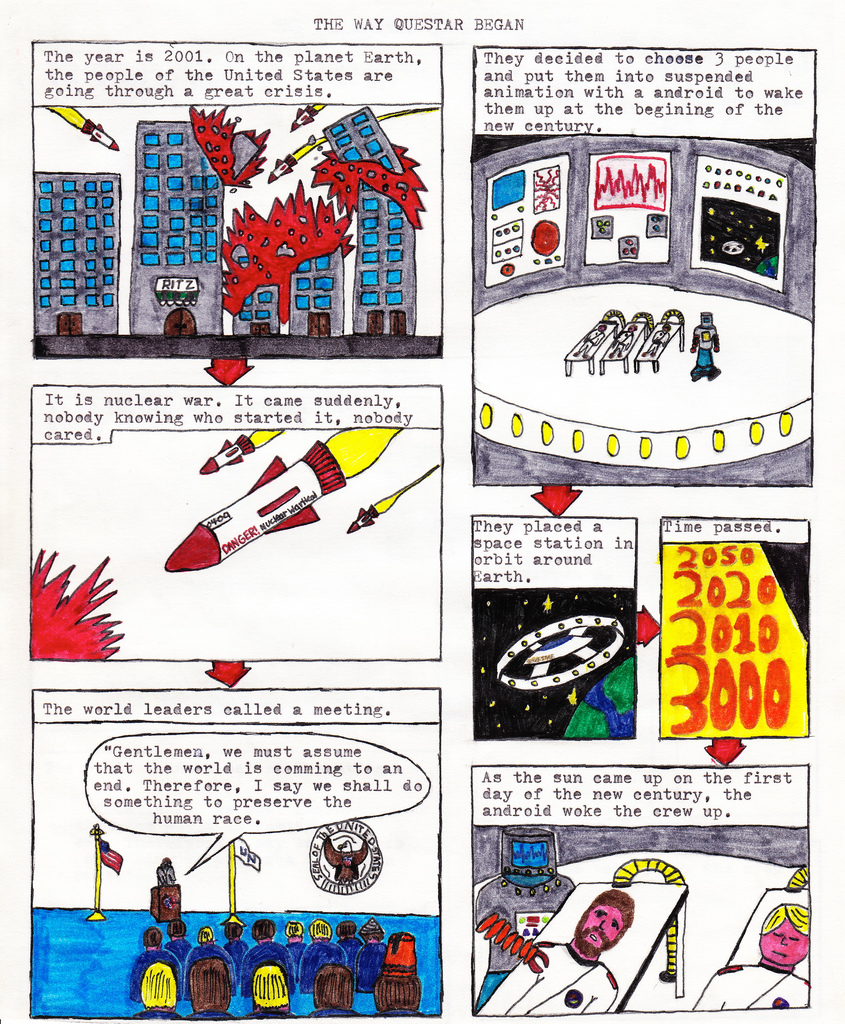
Questar, pg. 1: “DANGER! Nuclear WarHead”
MIKEY: One of the things I enjoyed about D&D was the complexity of the rules and the detail found in the hardback manuals and official modules, so I wanted my work to have the same feel, including illustrations and maps. Sometimes it was difficult to get my entire group together at the library, so I made “mini-modules” that a friend and I could complete separately. These were finished very quickly, with most of the time spent cutting out construction paper covers. We played these several times (with variations), almost as a way to “level up” characters. The huge Golden Scepter of the Troll Fens module took quite a while to evolve, but we played sections of it as I finished them, and some parts were edited based on player response, especially the “DM Notes” section, which answered common questions that came up during the game.
My typewriter was one of my favorite childhood possessions, and I used it all the time to try to make things look “professional.” I wouldn’t have been happy with my Questar comic book if the word balloons were filled with my childish printing, so I insisted on typing everything, even when I had to do extensive cutting and pasting (before those were only metaphors!).
2W2N: Your modules and artwork really capture the unique spirit of the era we grew up in. Compared to kids from different generations, I think we spent a lot more time in our own heads, dreaming up new worlds and trying to express them, whether it was drawing comics, inventing games, writing stories, learning to program, role-playing, building models, and on and on. Do you think it’s because we were exposed to so many different inspiring and motivating novelties (Star Wars, D&D, arcades, the PC revolution, etc.)? Or were we just killing time waiting for the internet?
MIKEY: I really think the ’70s and ’80s were an explosion of inspiration for budding geeks like me. It seemed like everywhere things were totally new, exciting, and unbelievably cool, and the ability to create and emulate was in our grasp. However, the tools to do what we wanted weren’t handed to us, so we had to figure things out ourselves. For example, after reading about special effects secrets in Starlog magazine, I couldn’t just fire up iMovie and apply a laser beam plug-in. Instead, I kept reading until I discovered that I could shoot a Super 8 movie and scratch my own laser beams on each frame with an X-Acto knife! I have such fond feelings and appreciation for nearly everything created in these decades: beautiful hand-drawn animation, 8-bit video games introducing amazing new things like “scrolling,” movie special effects with handmade models, and so on.
However, I think creativity always finds a way out. The incredible environments my friend’s kids have built in Minecraft are just as fantastic as the space stations I used to build out of paper towel rolls. And although I would rather admire the miniature buildings in a Godzilla movie, I’m still blown away by the CG characters and environments in today’s films. It’s an interesting question, and ultimately I really don’t know why I created what I did, other than the fact that it was so much fun!

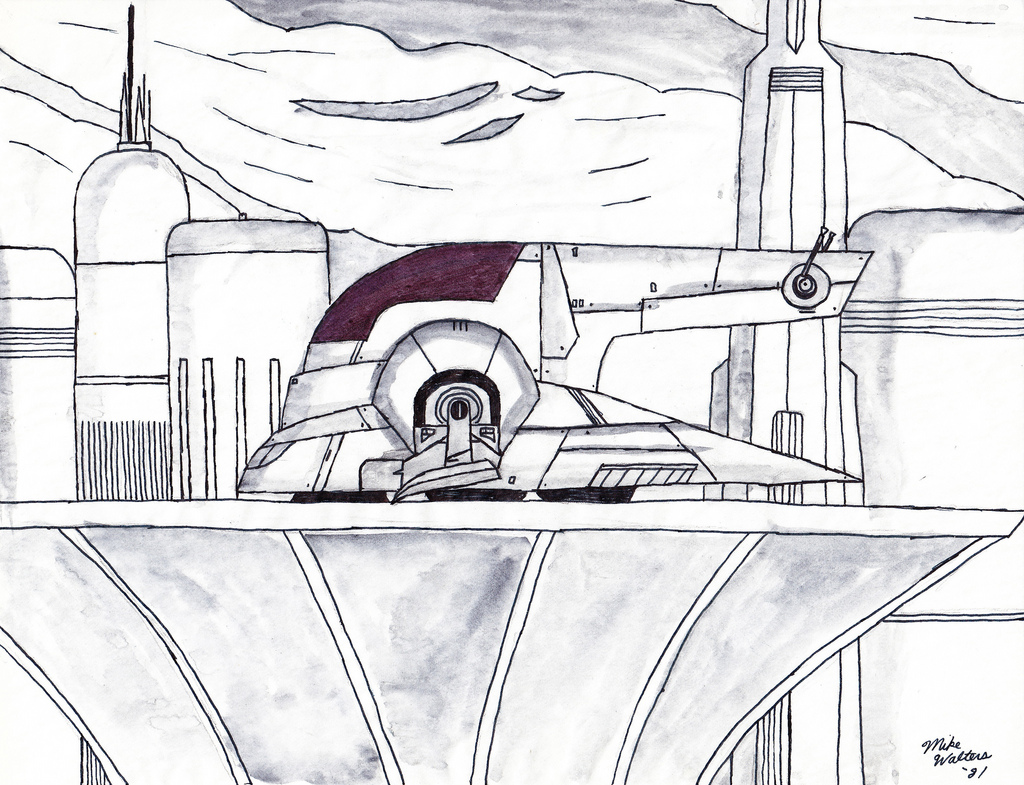
Ink washed Slave I, 1981
2W2N: Are you an only child, by any chance? I am, and that certainly played a part in the development of my daydreaming, bookish, nerdy tendencies. I had friends, but when they weren’t around I had to find ways to entertain and challenge myself.
MIKEY: Excellent guess! I am indeed an only child and happy to be one. Having time to be alone simply allowed my childhood mind space to breathe and express itself in ways that might not have been possible otherwise. I was lucky to have great friends and fantastic parents (who always encouraged my creative side), so I was rarely “lonely,” but even today I cherish times of solitude. My friends in my adulthood have learned that I need extra time to putter around with my toy collection and read comic books to recharge!
2W2N: I want to talk about your experience with computers for a bit. You mentioned your “beloved” Atari 800 earlier. That’s exactly the word I would use to describe mine. It was the best gift I ever got. When did you get yours? What’s the first computer you ever used? Would you say Tron and War Games are partly responsible for the career (Software Developer) you eventually chose?
MIKEY: My first computer was a Sinclair ZX-81, complete with the awesomely overheating 16K RAM expansion pack. I think I started programming almost simultaneously with the release of Tron, so I don’t know which came first, but of course I was a huge fan. I started writing text adventure games and simple graphics programs, but then one day a friend showed me his Atari 800 with its incredible graphics and games, as well as the world of BBSes he could access via modem (very War Games-esque).
Thankfully, my dad loved to play video games (hence our huge collection of Intellivision cartridges), so it was easy to convince him that we needed this amazing new computer to really have some fun! We bought our Atari 800 in late 1982, first with the classic cassette tape drive, and later stepping up to multiple floppy drives. Along with the hours of game time my dad and I put in together, I became obsessed with programming in Atari BASIC, and started submitting my own source code to Atari computer magazines like Antic and A.N.A.L.O.G. One day in 1983, I was reading the latest issue of A.N.A.L.O.G., and suddenly realized my original game Space Assault was published! A few days later a check arrived in the mail for $360, which was huge money to a 16-year-old-kid in 1983. From that moment on, my career path was set!
2W2N: What a great story! You know what my next question’s going to be: what did you buy with that $360? My mind boggles at the possibilities.
MIKEY: I wish I had a more spectacular answer for you, but most of the money went towards an Epson FX-80 dot matrix printer (bought jointly with my dad), which was pretty exciting to me since I could print using interesting Atari fonts. The printer quickly usurped my typewriter, and I was soon using it to print letters, art projects, and even college papers as I got older. I can still hear that lovely printing noise!
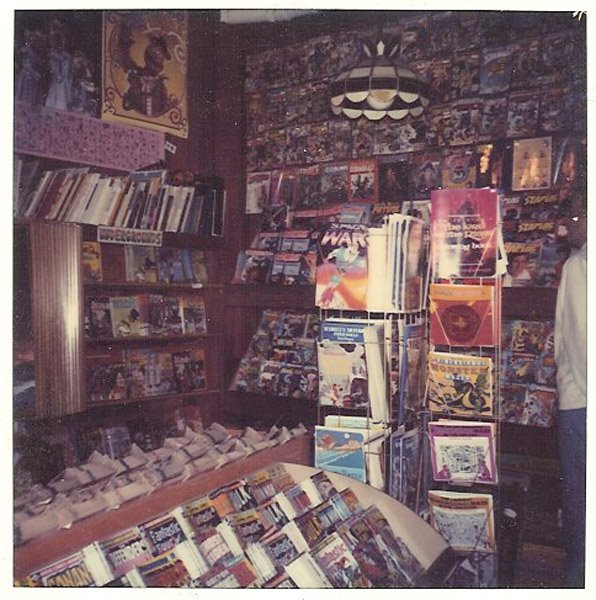
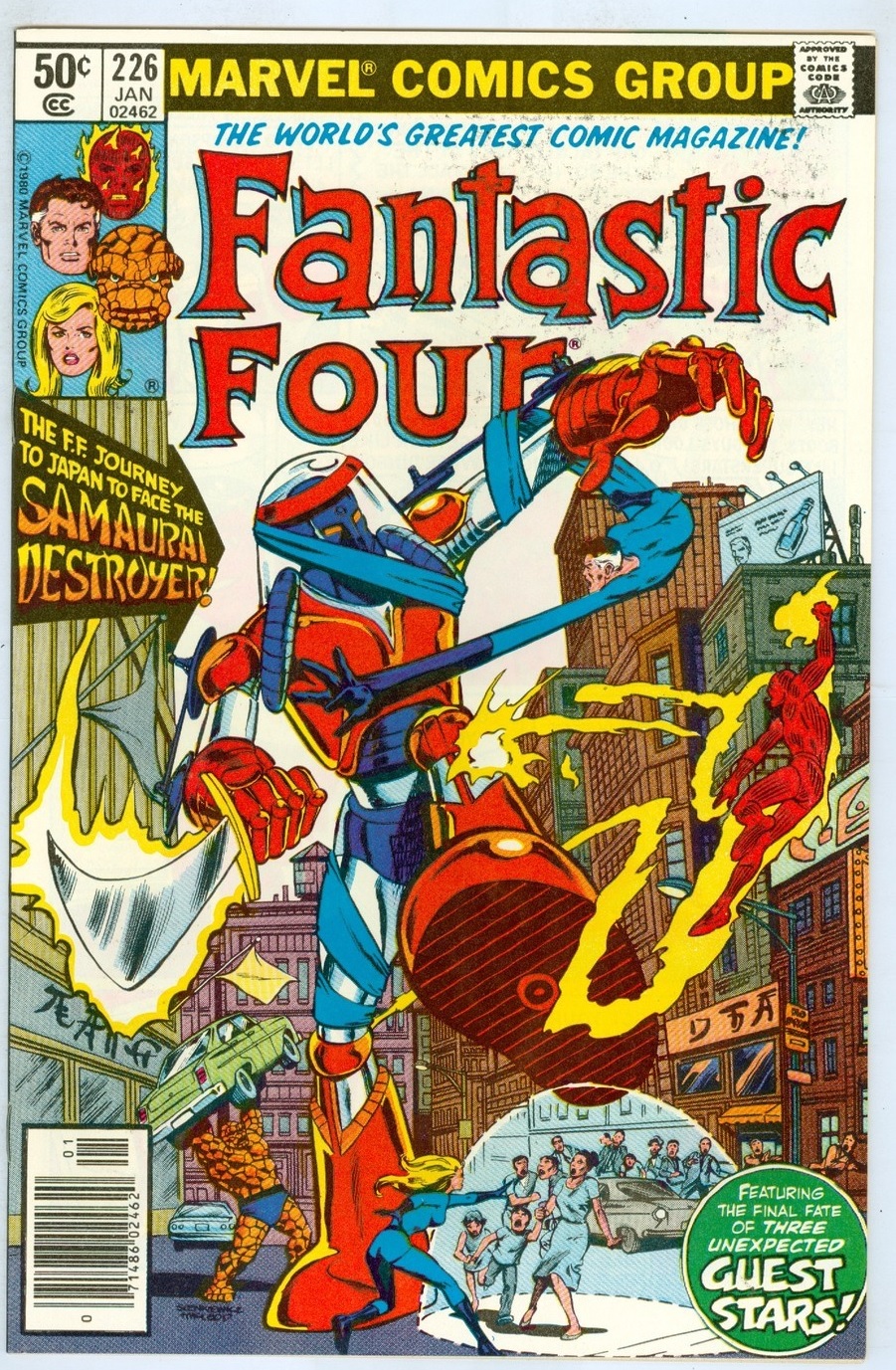
Considering the year, the rest of the money probably went towards Return of the Jedi action figures (I still have my complete Kenner set today) and comic books, since in the early ’80s I had a 15-issue per week habit and over 2,000 bagged and boxed! I finally gave up single issue collecting, but now I can’t stop buying trade paperbacks.
2W2N: This was all in Sacramento? Tell me about your extended neighborhood. What were your favorite places to go? I grew up in the San Gabriel Valley, about 30 minutes away from Disneyland, the mere mention of which would send me into a state of near rapture. There was also the comic shop, the pizza place, the hobby shop, the book store with the huge sci-fi/fantasy section, the used book store that sold old comics, the mall arcades, a Malibu Grand Prix, a Chuck E. Cheese, the batting cages, three small movie theaters, a drive-in theater, the bike jump behind Stater Bros. It sure seems like kids had more to do 30 years ago.
MIKEY: My childhood was neatly divided between California (1st to 6th grade) and Oklahoma (7th grade and up), so I have fond memories of both places. My family made several treks to Disneyland, by the way, lighting the fuse that causes me to visit there nearly once a year even today! One of my favorite things to do with my California friends was ride the bus to Sunrise Mall where we could shop for toys and things to our hearts’ content – I usually ended up buying Star Trek posters. My neighborhood was pretty amazing, with a dentist who always gave away 3-packs of comic books on Halloween, a professional magician who levitated his wife in his front yard, and a great hill where I learned to ride my bike with no hands.
In Oklahoma, some of my favorite places were Crystal’s Pizza (where I spent way too many quarters playing Tempest), Le Mans Speedway at Crossroads Mall (where I spent way too many quarters playing Dragon’s Lair), the comic book store, plus a local Atari-focused computer store where my dad and I would decide what we should upgrade next. I remember buying the slick, black Indus GT floppy drive there, which was a big improvement over the Atari brand drive!
2W2N: Mikey, thanks so much for the interview. It’s really generous of you to share all of this with us. How about talking some kaiju next time?
MIKEY: You’re welcome! It was great to have a chance to dig through my own memories, which seem to be so similar to yours (and to your readers’ as well, I’m sure) and as precious. And I’m willing to talk some kaiju or tokusatsu anytime!
***
All images used in this article are © Michael Walters.





















 2 Warps to Neptune