Archive for March, 2014


Board Games: Apocalypse: The Game of Nuclear Devastation (1980)

Apoc 1980-1

Apoc 1980-5

Apoc 1980-2

Apoc 1980-3

Apoc 1980-4

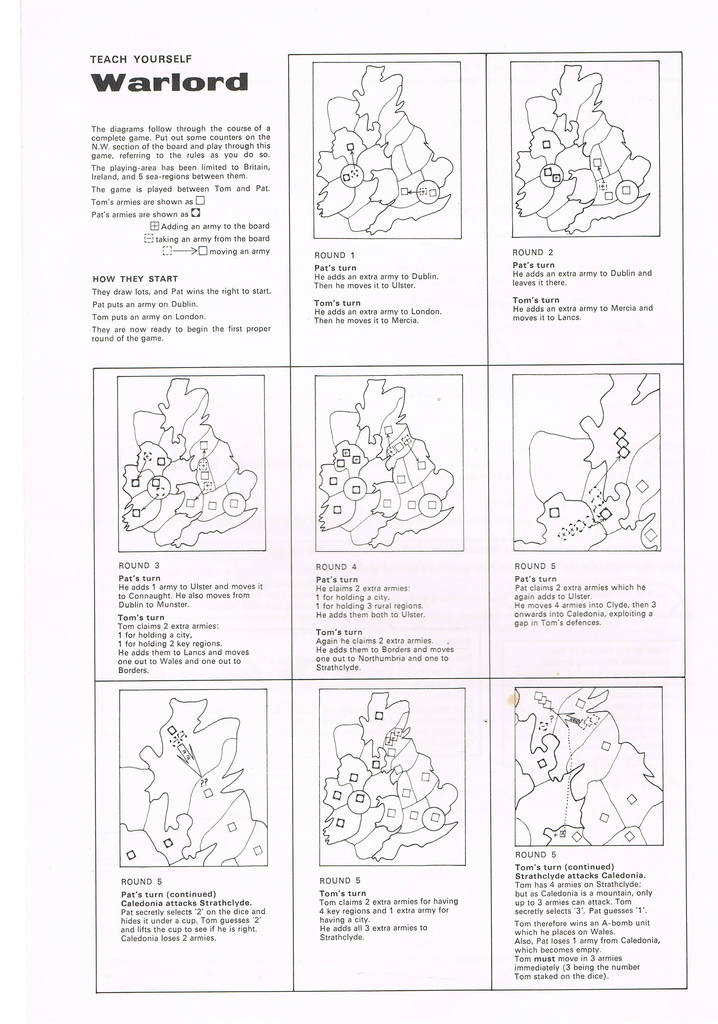
Apocalypse originally appeared as Classic Warlord, self-published by designer Mike Hayes, in 1974. The name changed to Warlord in 1978. Both of these versions came in plain red and blue boxes, respectively. Games Workshop, displaying its usual marketing prowess, released what you see above in 1980. The kids ate it up, despite the fact that the game board was cut in half. How could we resist playing out the “nuclear devastation” that grown men were on the verge of playing for real?

Here are some directions from the 1978 version. See if you can follow them.

Warlord 1978

We were not a squeamish generation, clearly, apart from the wankers who ran out of the theater during Gremlins.

(All images via Board Game Geek)

Matchbox’s Adventure 2000: Raider Command (K-2001, 1977)

Matchbox Adventure 2000 Raider 1976

Matchbox Adventure 2000 Raider 1976-2

Matchbox Adventure 2000 Raider-5

Matchbox Adventure 2000 Raider-3

Matchbox Adventure 2000 Raider-4

Raider Command (K-2001), the signature vehicle of Adventure 2000, was used in a famous early Judge Dredd story for 2000 AD called The Cursed Earth. Dredd and his unit must travel across the radioactive desert of the former U.S. to deliver an antidote to Mega-City Two, and they need a kick-ass super-tank to do it in.

Dredd-1Dredd-2

In the story, inspired by Roger Zelazny’s Damnation Alley (1967) and its boring 1977 film adaptation, the “Land Raider” and the “Killdozer”combine to form a “modular fighting unit” that crushes the irradiated “muties” and scares off a T. rex named Satanus. (Interesting note: After finding and extracting his DNA, scientists cloned Satanus for the opening of a Dinosaur National Park, an original concept that was ripped off by Michael Crichton for a 1990 novel I don’t need to name.)

I don’t know how the cross-promotion came about, but Adventure 2000 was being developed in and has a copyright date of 1976, and the Dredd story ran in 2000 AD from May to October, 1978. There were ads for Adventure 2000 in 2000 AD, but I haven’t been able to track any down yet.

(2000 AD images via the 2000 AD Tumblr and Dredd Alert)

TV Guide Ads for TV Movies: The Day After (1983)

Day After 1983

What I remember about The Day After is that I had to wait a long time to see the now infamous nuclear attack sequence. I was deeply fascinated by the sight of mushroom clouds—actual test footage and various representations in movies, books, and comics—throughout the ’80s: they were like a dark magic in a world that was tediously ordinary. As an adult, I understand that nothing is more mundane than the willingness of one group of people to annihilate another group of people on a mass scale, and despite global collateral damage.

I thought I’d seen the movie when it premiered, but my mom says she doesn’t remember letting me watch it. I don’t know where else I would have been. It was Sunday night and we had one TV. It’s possible I could have seen it on video a few years later.

The juxtaposition in the promo is pretty damn effective.

This Book of Homemade D&D Modules Is Better Than Anything Anyone Has Ever Built on Minecraft

Habitation Cover 2013

Last year, when I featured Mikey Walters’ homemade D&D modules from 1981, I wondered how many similar old school epics were out there, buried in family attics and basements, one or two small-scale campaigns away from rediscovery. Was there a responsible way to solicit these now historic documents? More important, was there a responsible way to preserve them? The answer is yes, to both questions. The Play Generated Map & Document Archive (PlaGMaDA for short), founded and managed by Tim Hutchings, “collects, preserves and interprets documents related to game play – especially tabletop role playing games and computer games.” People like you and me donate our “play generated cultural artifacts,” and they’re stored in the archives—PlaGMaDA is partnered with The Strong Museum—for all time.

Gaius Stern’s Habitation of the Stone Giant Lord, written and illustrated by the 14-year-old author in 1982, was one such donation. Hutchings decided to combine “Dungeon Module G2²” with seven other D&D-styled adventures, including two of Walters’ modules, and publish them in a book (funded by a successful Kickstarter campaign): The Habitation of the Stone Giant Lord and Other Adventures from Our Shared Youth (2013).

Hab 1

Detail from Habitation of the Stone Giant Lord, by Gaius Stern

If you’re even a little bit intrigued by the early days of tabletop role-playing and/or the emergent “kid culture” of the time, you will find yourself spellbound by the more than 100 pages inside. (Seriously, someone will need to hit you with a Dispel Magic; otherwise you’ll forget to go to work and feed the kids.) The dedication and detail on display in each of the (playable!) modules is uniquely impressive, and more than that, the authors had no other motive than the challenge, the joy of play, and the promise of sharing their work with fellow adventurers. Some of the writing is damn convincing, too. Here’s a selection from The Lair of Turgon, by Todd Nilson:

The doors, both into and out of this room, are jet black with silver runes upon them. The runes are non-magical: they are an ancient form of cuneiform which relate the eulogy given at Turgon’s burial. A seal of gold had welded the doors shut, but they have evidently been broken by some incredibly powerful force. The hall itself is of granite construction; depicted in bas-relief are scenes from Turgon’s life, from early childhood until his death. This hallway is inhabited by six shadows: more servants of Madros.

The late ’70s and early ’80s saw an explosion of creative energy from young people, who were so deeply inspired by the many novelties and innovations surrounding them that they designed and stitched elaborate costumes from scratch after sketching the real deal inside darkened movie theaters, shot their own Super 8 movies (all of which are better than J.J. Abrams’ Super 8), wrote and drew their own graphic novels, programmed their own (playable!) video games, and, as we see here, wrote, drew, and likely DMed their own fantasy role-playing adventures.

Hab-10

Stone Castle/Castle Stone from Stone Death, by Richard C. Benson

Jon Peterson, the author of what many consider to be the definitive history of wargames and role-playing games, Playing at the World, wrote the excellent introduction to Habitation. Before breaking down each of the featured home-brewed adventures, noting (compellingly) where the creators borrowed from the Monster Manual or the Fiend Folio, what D&D edition was used as a foundation, and so on, Peterson takes us on a comprehensive tour through the early years of TSR, from the company’s beginning promise of making us “authors and architects” of our own fantasies, to the introduction of the adventure module format that Peterson finds somewhat antithetical to that original promise. “When we purchase and rely on a module,” he writes, “are we letting TSR do our imagining for us?”

It’s a fair question, and he says of the works in Habitation that

Each of them, in its own way, illustrates the tension between the commercialization of adventure scenarios and the original invitation of D&D to invent and collaborate and share.

And later:

Players were not content to have TSR do their imagining for them, and when the production of pre-packaged modules began, players responded by positioning themselves as creators of modules and thus as peers of TSR, rather than mere consumers.

Ultimately, I don’t agree with his conclusion. First, I don’t think any of the young authors featured in Habitation were “positioning” themselves to be anything; the modules look to me like a labor of love and, if anything, an homage to and emulation of TSR, as Peterson himself mentions elsewhere. Second, the module format was a signal innovation that expanded the role-playing genre and broadened the player base. Gamers young and old continue to run, tweak, perfect, and be inspired by the likes of The Keep on the Borderlands and Dark Tower. Third, as I’ve argued elsewhere, all D&D products—be it the original set of 1974 or the Dragonlance franchise—are commercial products. TSR certainly did reach a point—in 1982/1983, in my opinion—at which building and inflating the D&D brand took precedence over crafting quality “products of your imagination.” I believe this is Peterson’s larger point, and it’s well taken.
Hab-6

A page from The Tomb of the Areopagus the Cloaked and Japheth of the Mighty Staff, by Michael M. Hughes

What makes the work collected in Habitation so historic, and Peterson talks about this as well, is that it captures how real players approached D&D at a time when “playing mind games with dice,” to use Chris Hart’s phrase, was so profoundly untried. The game gave young people such an unprecedented amount of imaginative freedom, in fact, that it became a malignant bogeyman to those who rejected the idea that young people deserved any freedom, and who were terrified of dreamers and freethinkers of all ages.

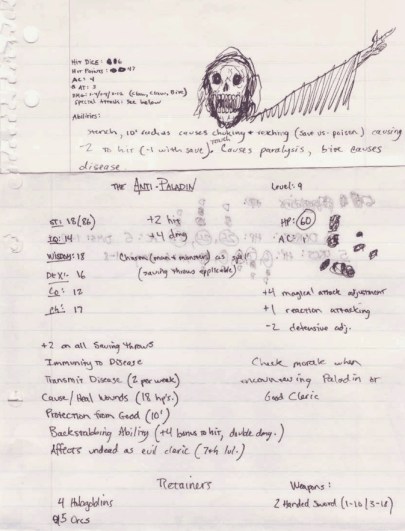
In short, please consider getting yourself a copy of Habitation right here, and have a look through PlaGMaDA’s incredible archive right over here. And after that, maybe you’ll delve into those musty trunks and dot matrix computer paper boxes and dig out your old character sheets, your #2 pencil-drawn grid paper dungeons that not even a Conan-Gandalf multiclass could survive, your lengthy and grammatically suspect descriptions of demilich lairs and warring sky-castle kingdoms. Hell, PlaGMaDA will take a scrap of paper with nothing but your scribbled (and probably padded, let’s be honest) ability score rolls. Donate it all right here. You don’t even have to use your real name, although you really should, because what you made with your own mind and hands from scratch and for the love of the game when you were 12 years old is better than whatever Wizards of the Coast is putting out next, and more awesome than anything anyone has ever built on Second Life or Minecraft.

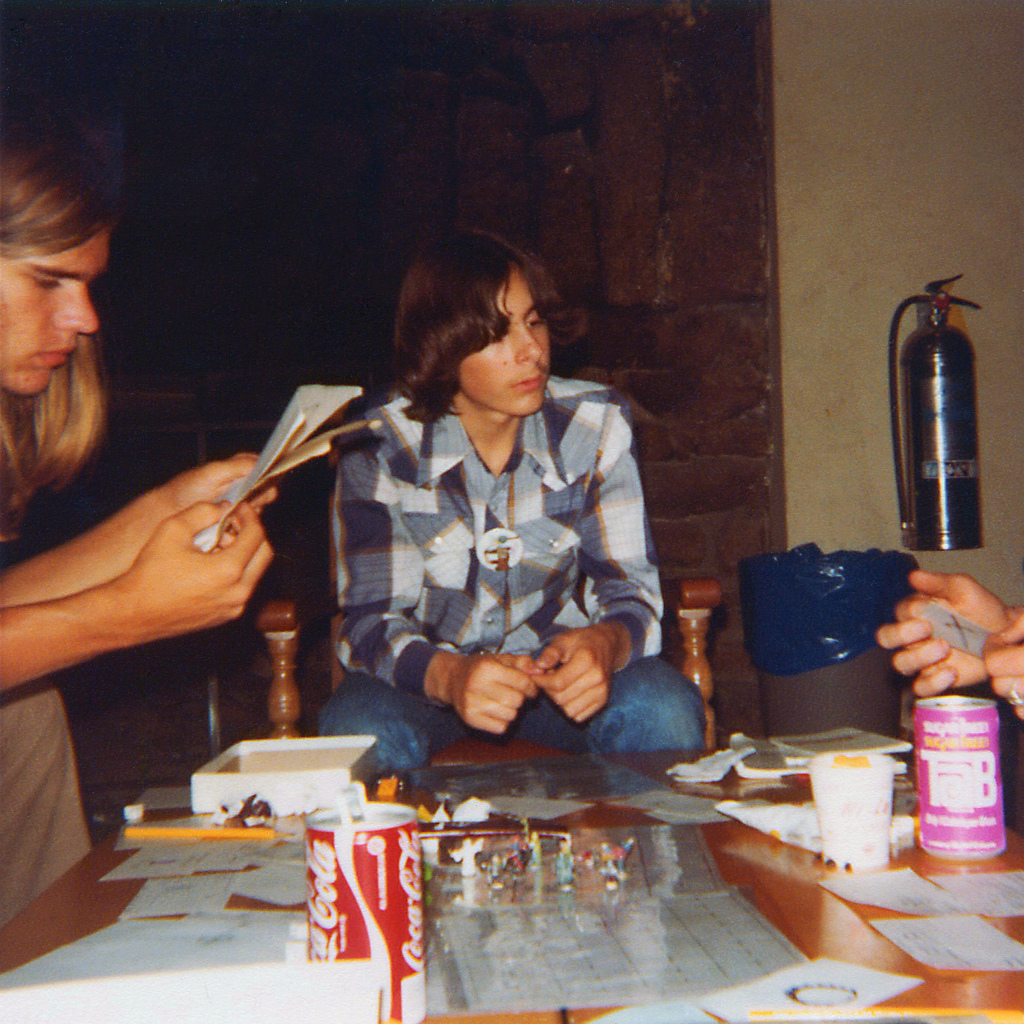
A Portrait of Young Geeks Playing D&D (1978)

D&D 1978-2

D&D 1978

The earliest portraits I’ve found so far, taken at a camp in Asilomar Beach, California, are courtesy of Pip R. Lagenta. I believe the guys are using the 1975 printing of the original D&D set. You can see the bottom of the white box on the left of the first photo, and I think two of the three booklets on the right. The book on the bottom looks too big to be part of the set. The white box is in the second shot as well.
Oh, and the Tab can.

Pip names the players in the group here and here. UPDATE: Pip says in the comments section below:

I took those Asilomar photos of the D&D games in 1978 with my cheap Kodak Instamatic X-15 camera. Donald Chapel, the guy with the bright colored camera strap, had a much more expensive camera, but I don’t know that he ever took photos of the D&D games. David Woolsey, the DM, put a lot of work into creating artwork for his adventures, drawing his own versions of treasure, tools, maps and monsters on cards, in addition to painting figurines. As a side note, Paul Marsters, the guy with his back to the camera in one photo, is the younger brother of James Marsters, the actor who played the character `Spike’ on the TV show Buffy the Vampire Slayer

* * *

Tomorrow I’ll be reviewing an incredible book full of homemade D&D modules from the early ’80s. The project behind the book is as incredible as the book. Please tell your friends about both!

New posts will resume on Monday.

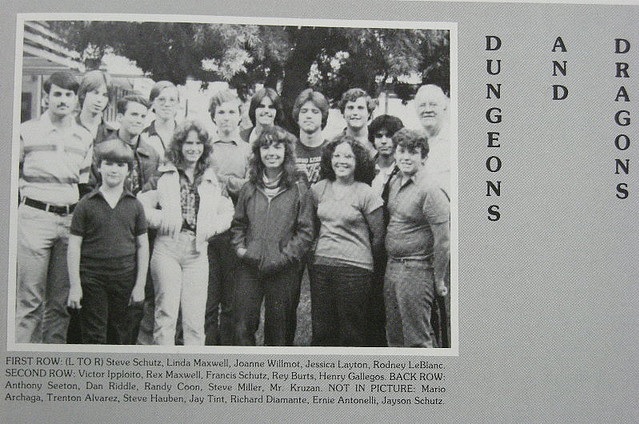
Dungeons & Dragons Club, Circa 1982/1983

D&D Club 82-83

D&D Club 82-83-2

Two successive years of the D&D Club at Downey High School in California. A Mr. Kruzan was the faculty rep for both years.

One of the kids in the first photo is wearing a Van Halen shirt. Not much else I can make out, except that the turnaround between years one and two is extensive.

More D&D Clubs (and more Van Halen t-shirts) here. There was also a D&D summer camp, if you haven’t seen it yet.

(Photos via Michael Poulin/Flickr)

Marvel Super Heroes Secret Wars Coloring and Activity Book (1984) (Part One)

Secret Wars Coloring Book FC

Secret Wars Coloring Book BC

Secret Wars Coloring Book pg. 1Secret Wars Coloring Book pg. 1-a

Secret Wars Coloring Book pg. 2Secret Wars Coloring Book pg. 3

Secret Wars Coloring Book pg. 4Secret Wars Coloring Book pg. 5

Secret Wars Coloring Book pg. 6Secret Wars Coloring Book pg. 7

Secret Wars Coloring Book pg. 8Secret Wars Coloring Book pg. 9

Secret Wars Coloring Book pg. 10

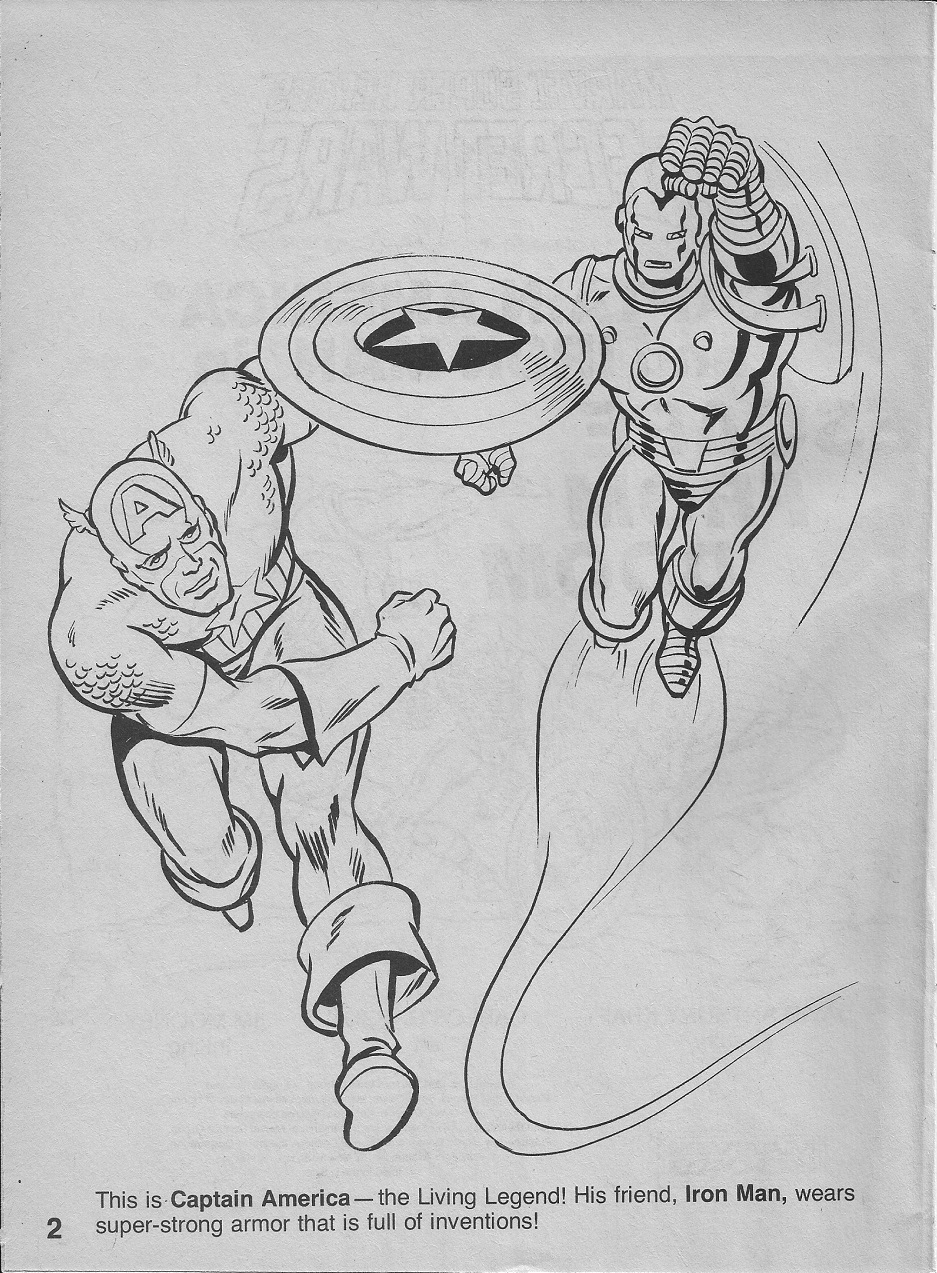
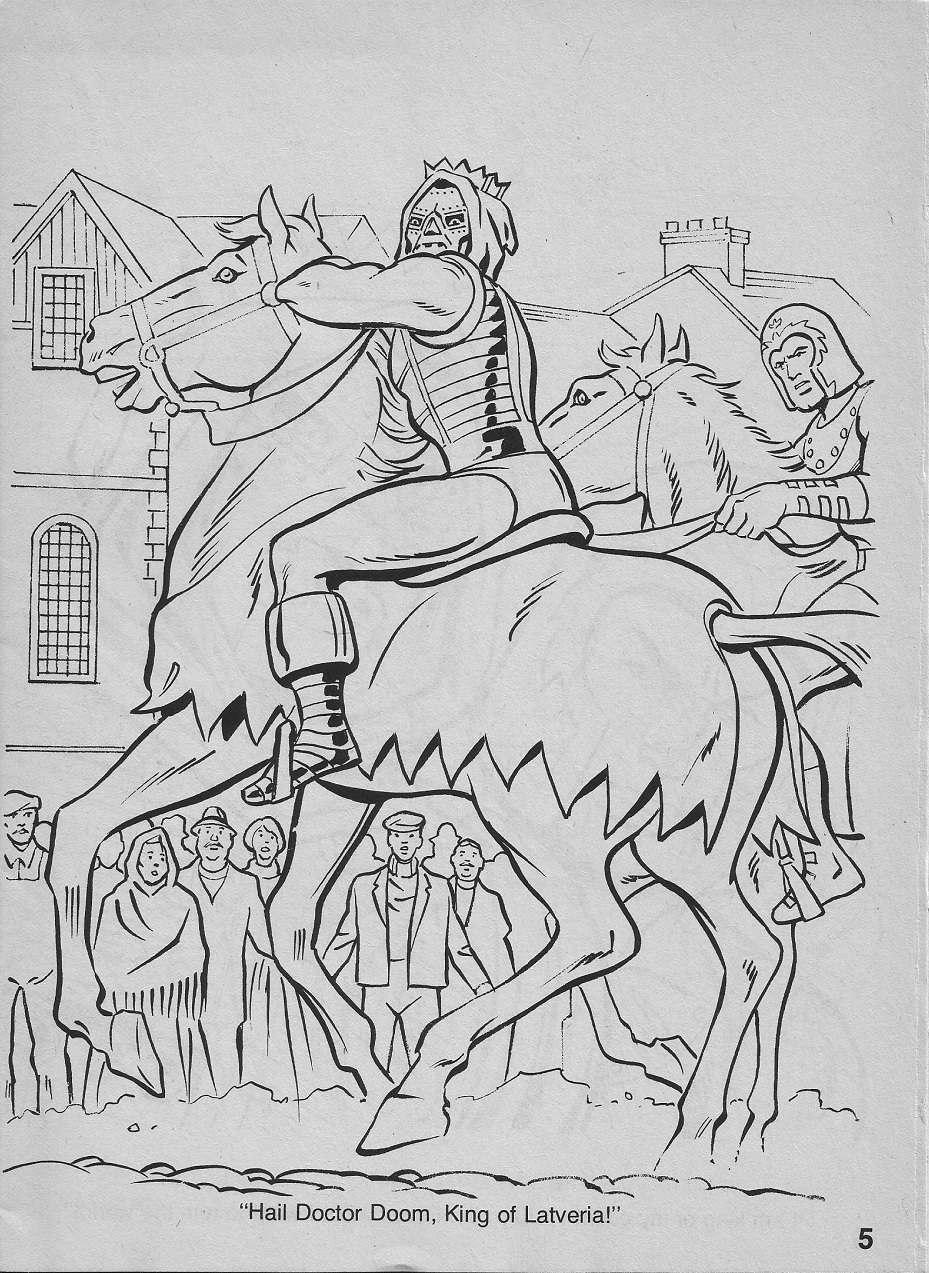
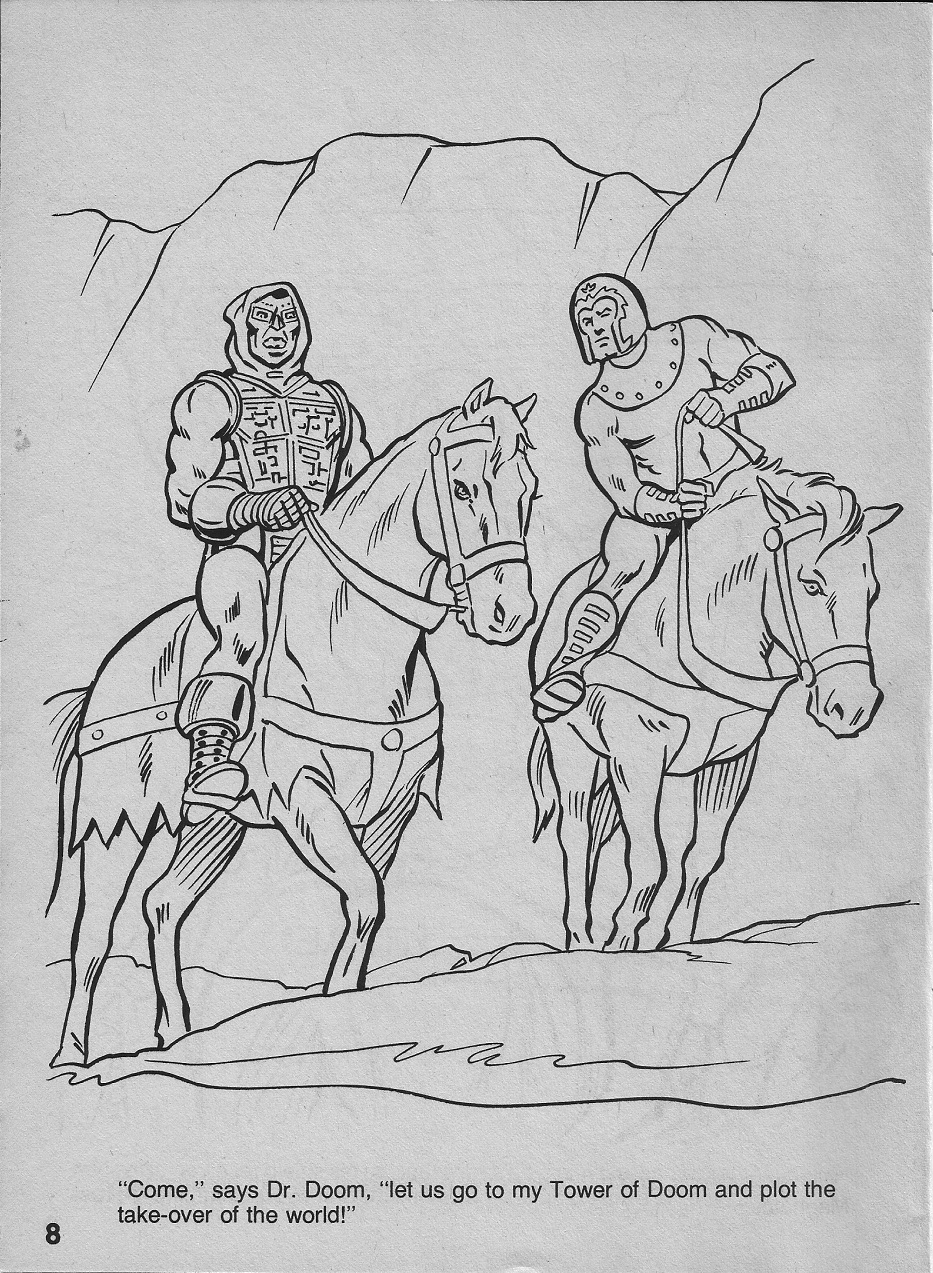
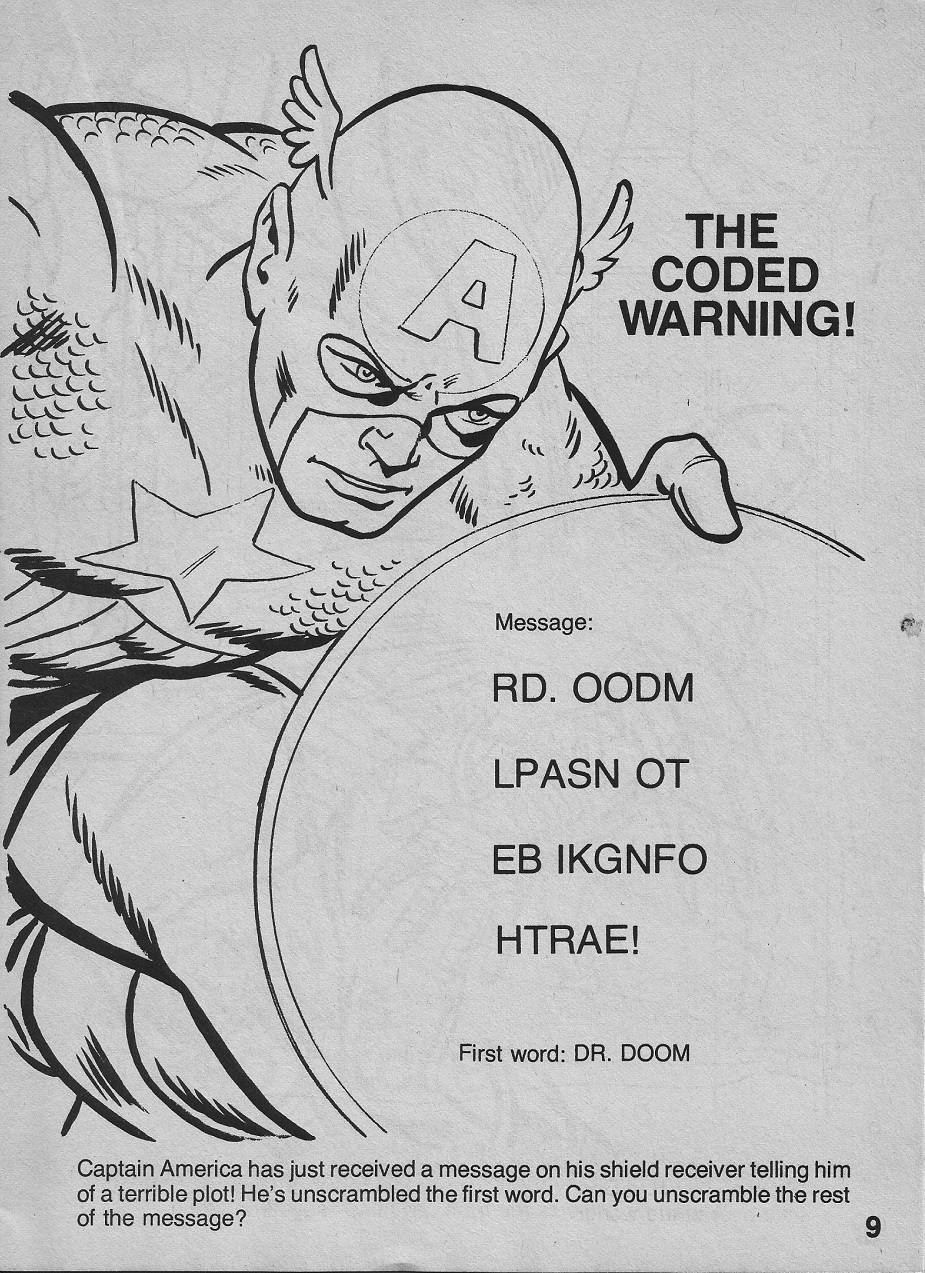
Secret Wars was Marvel’s first big crossover event. Mattel wanted to produce a Marvel toy line, but only under the condition that the toys be attached to a major event in the Marvel Universe. Secret Wars was the event. The story was meager—basically a grander version of 1982’s Contest of Champions,  Marvel’s first limited series—but writer-editor Jim Shooter and especially penciler Mike Zeck managed to make it something special.

The Coloring and Activity Book has nothing to do with the comic, but it does feature many of Mattel’s cheaply made, uninspired toys. You’ll see the big ticket item, the Tower of Doom, above.

I talked about the Marvel Books imprint and artist Carlos Garzon here. I’ve covered Jim Mooney’s work a couple of times: The Amazing Spider-Man: A Book of Colors and Days of the Week, and the AD&D Characters Coloring Book.

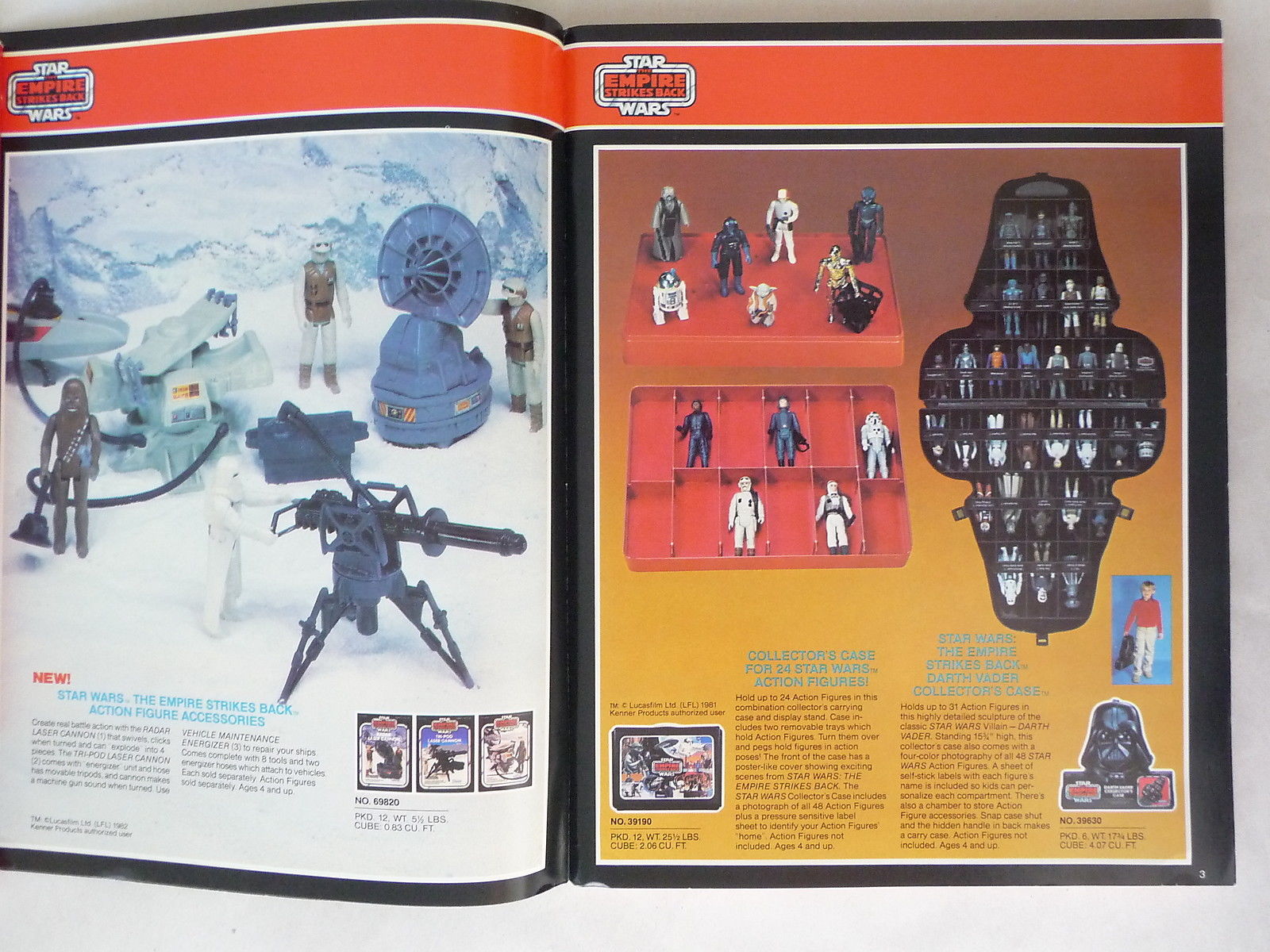
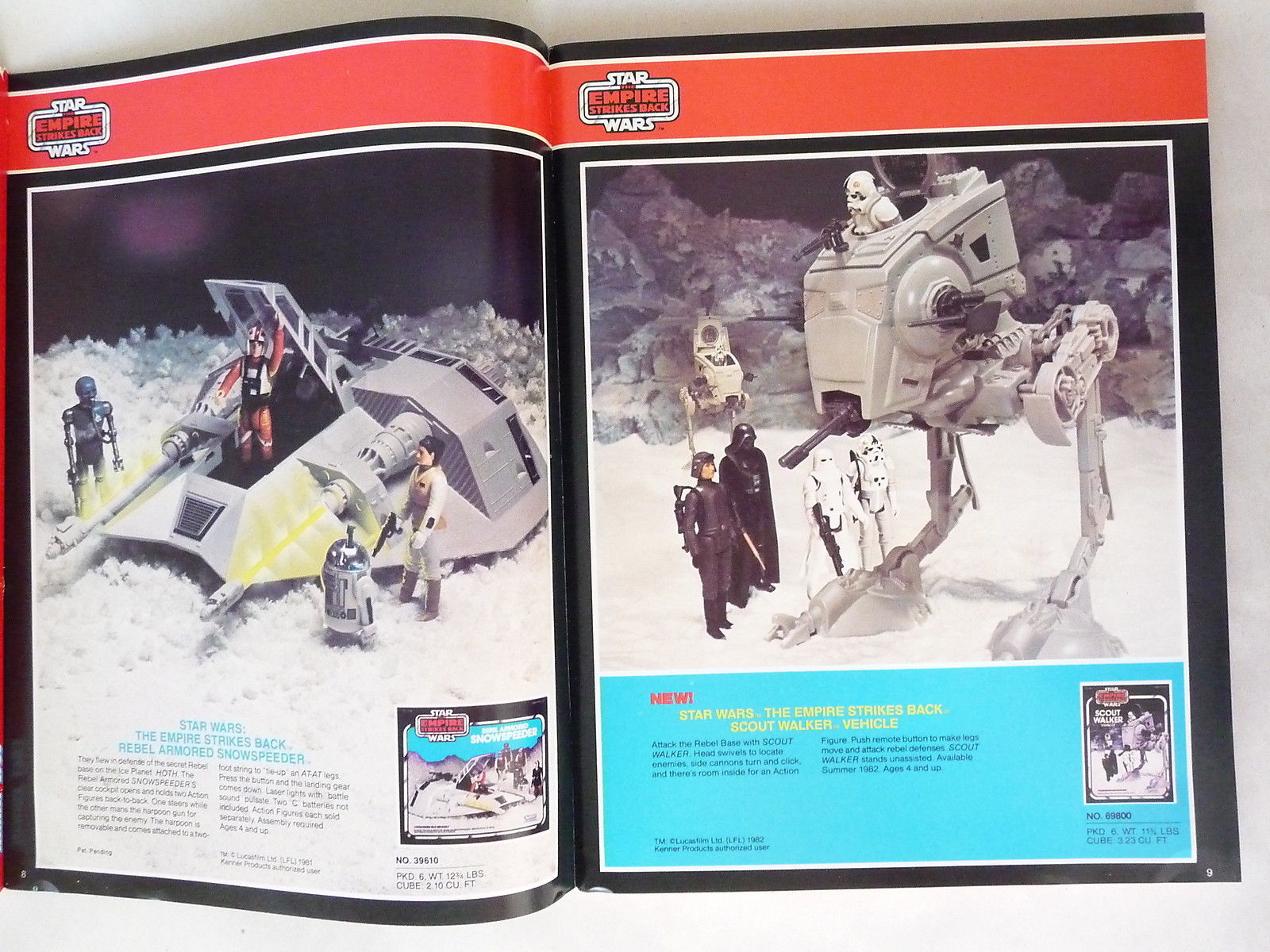
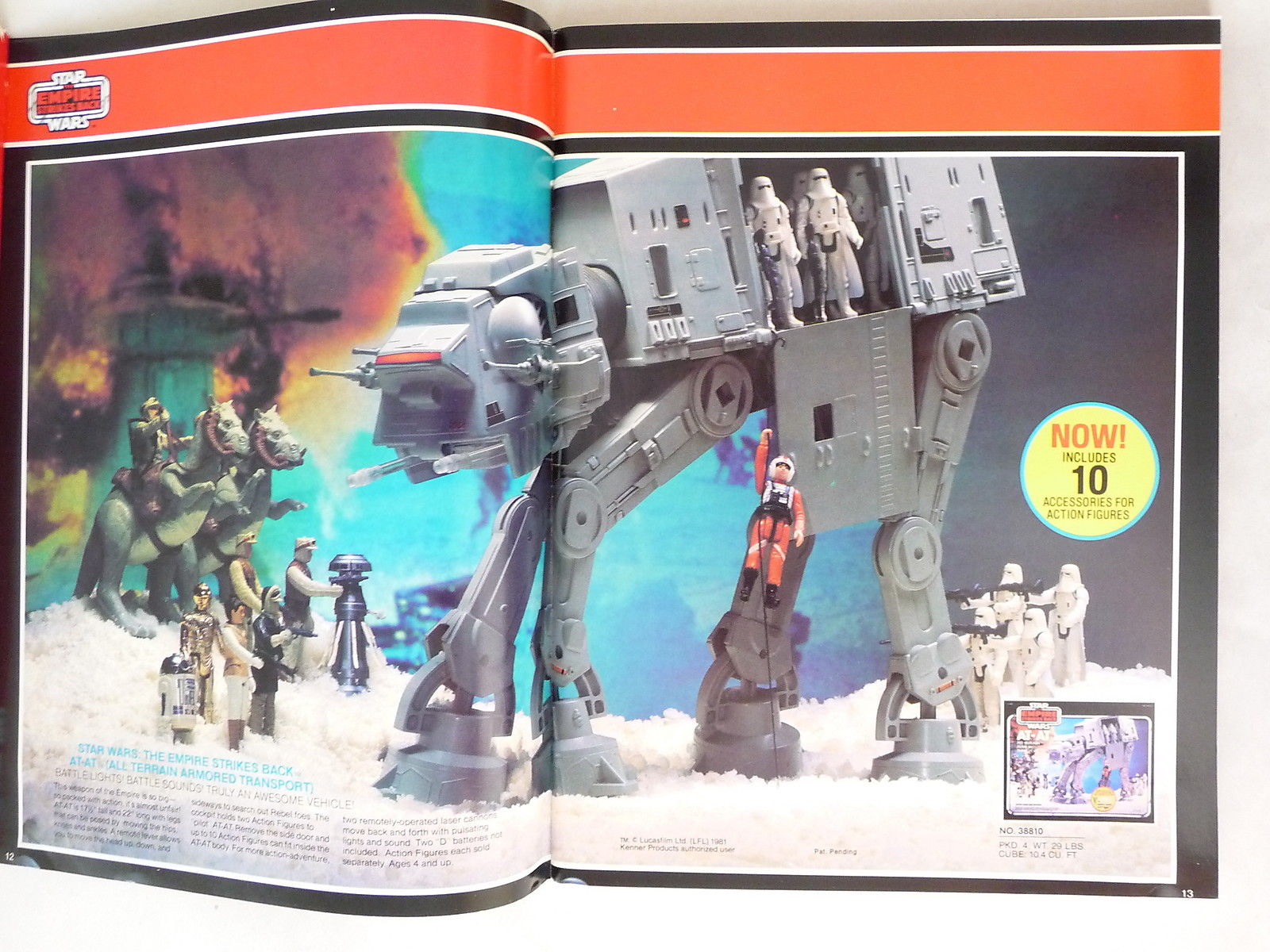
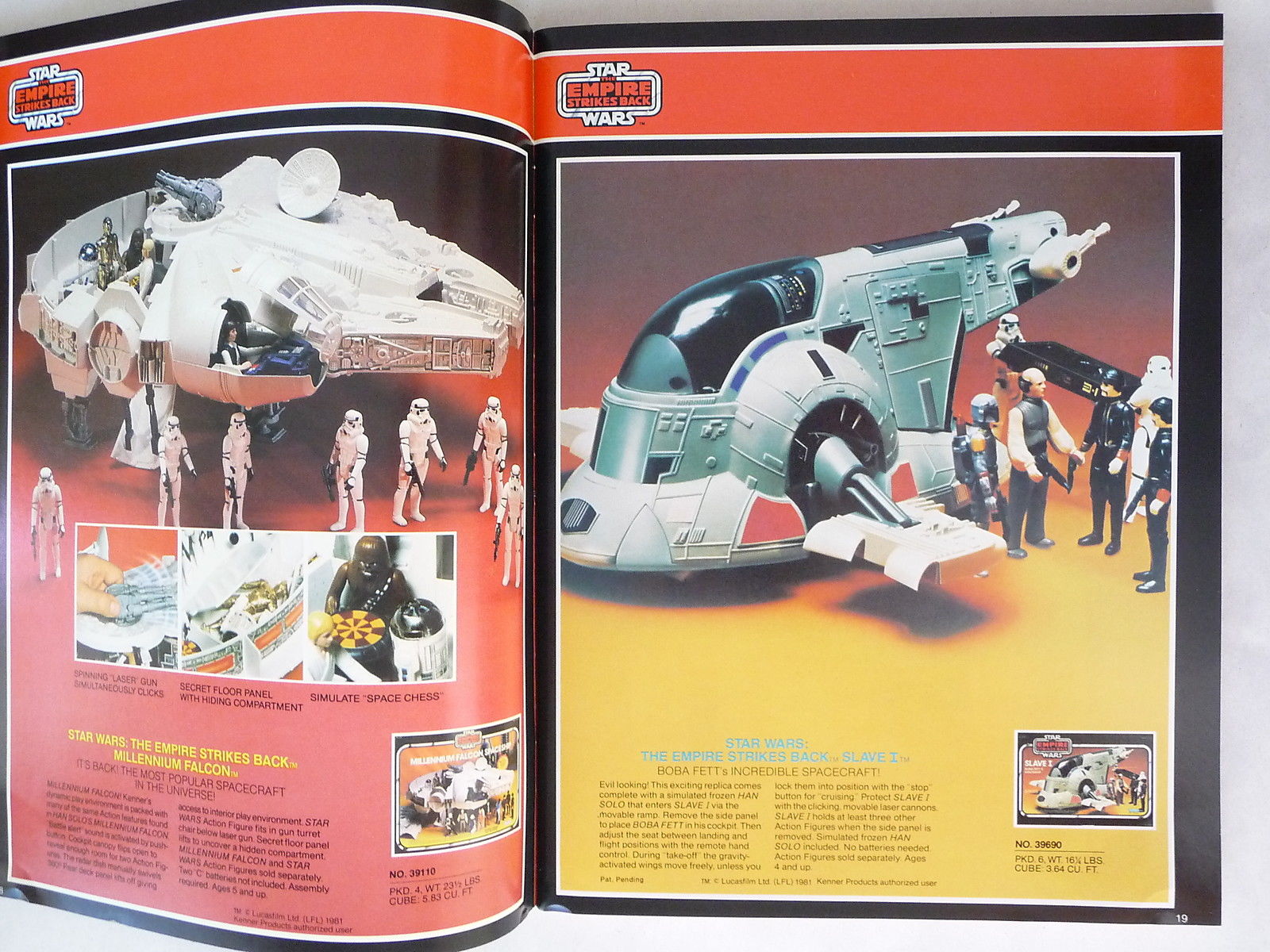
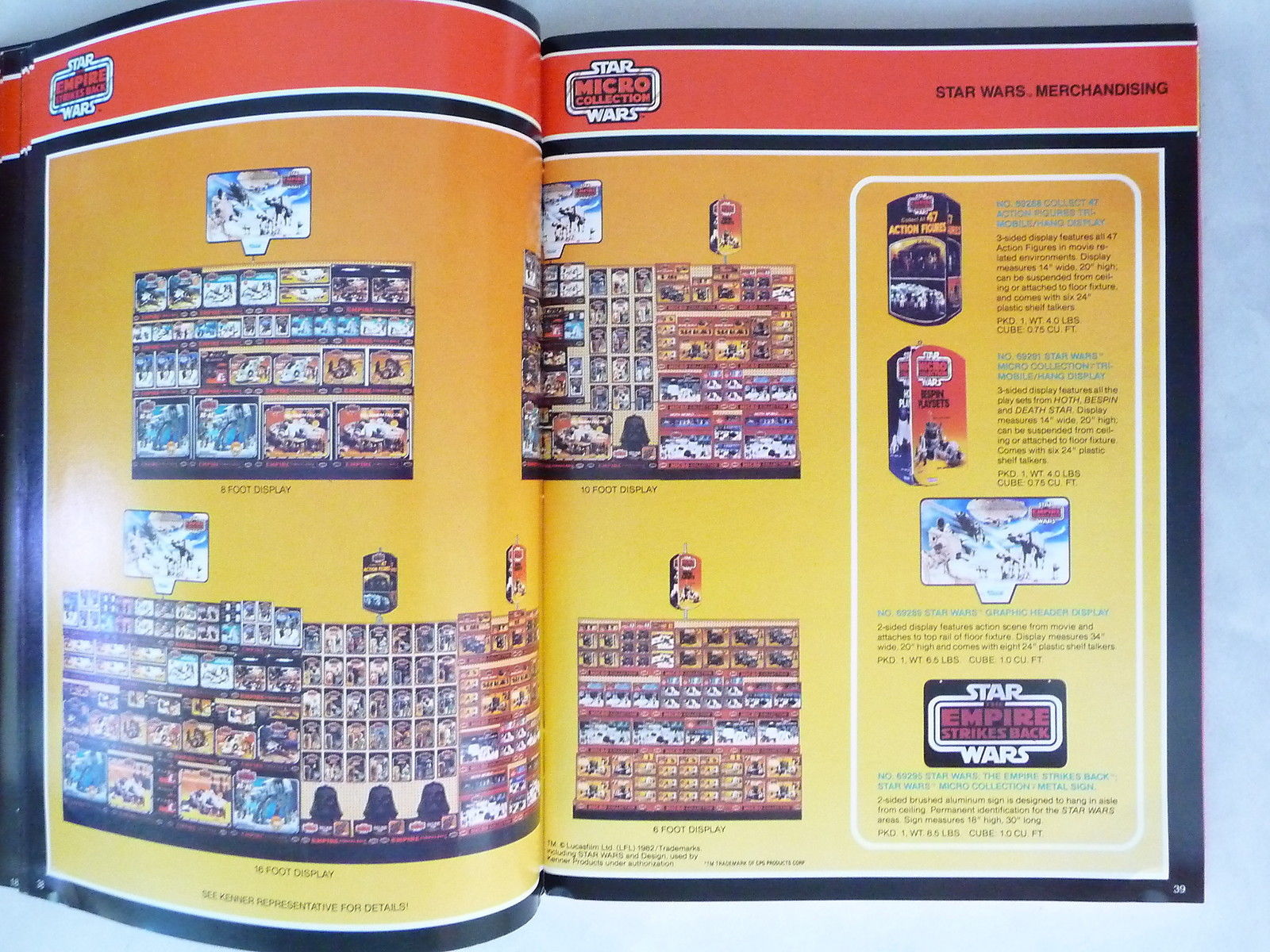
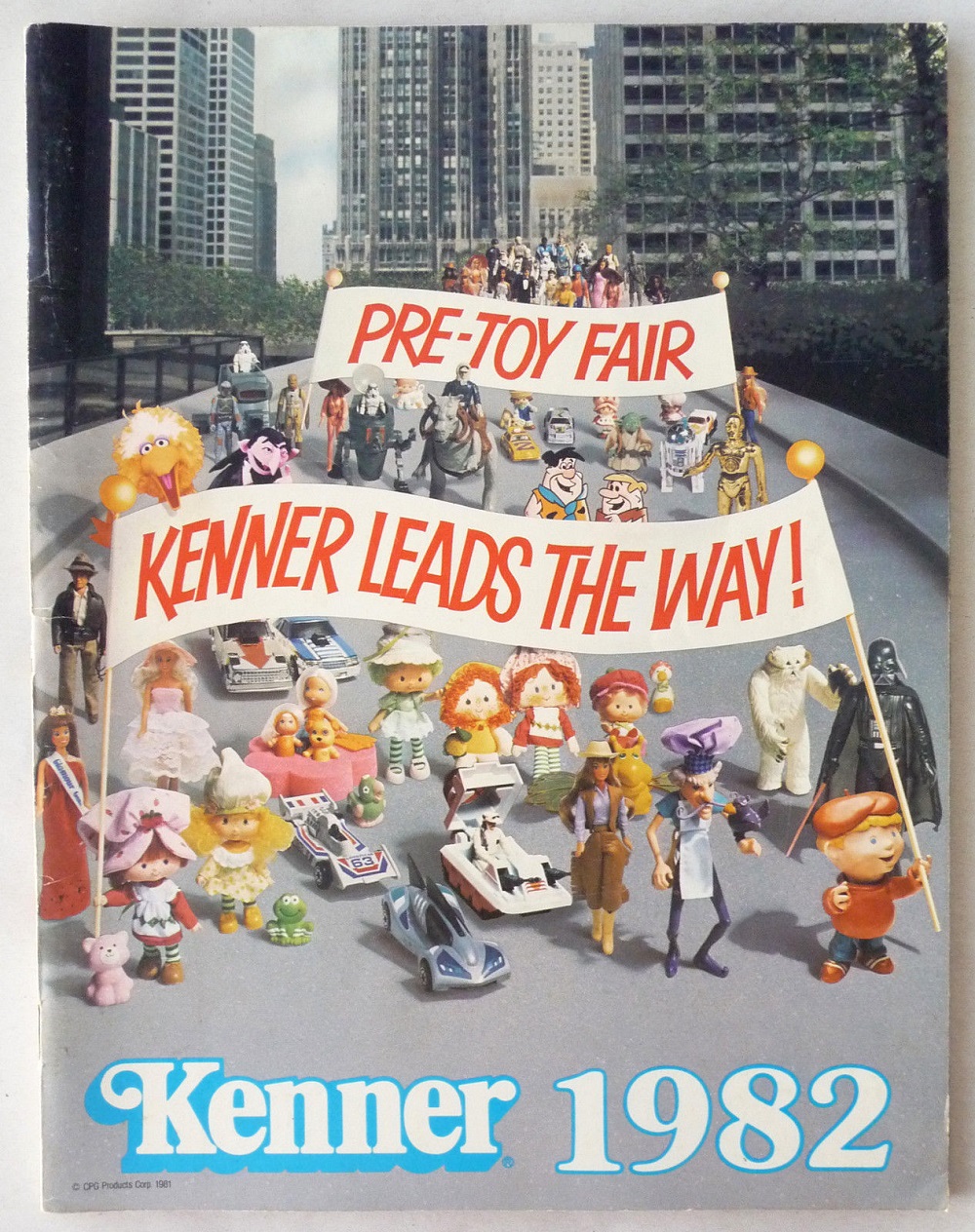
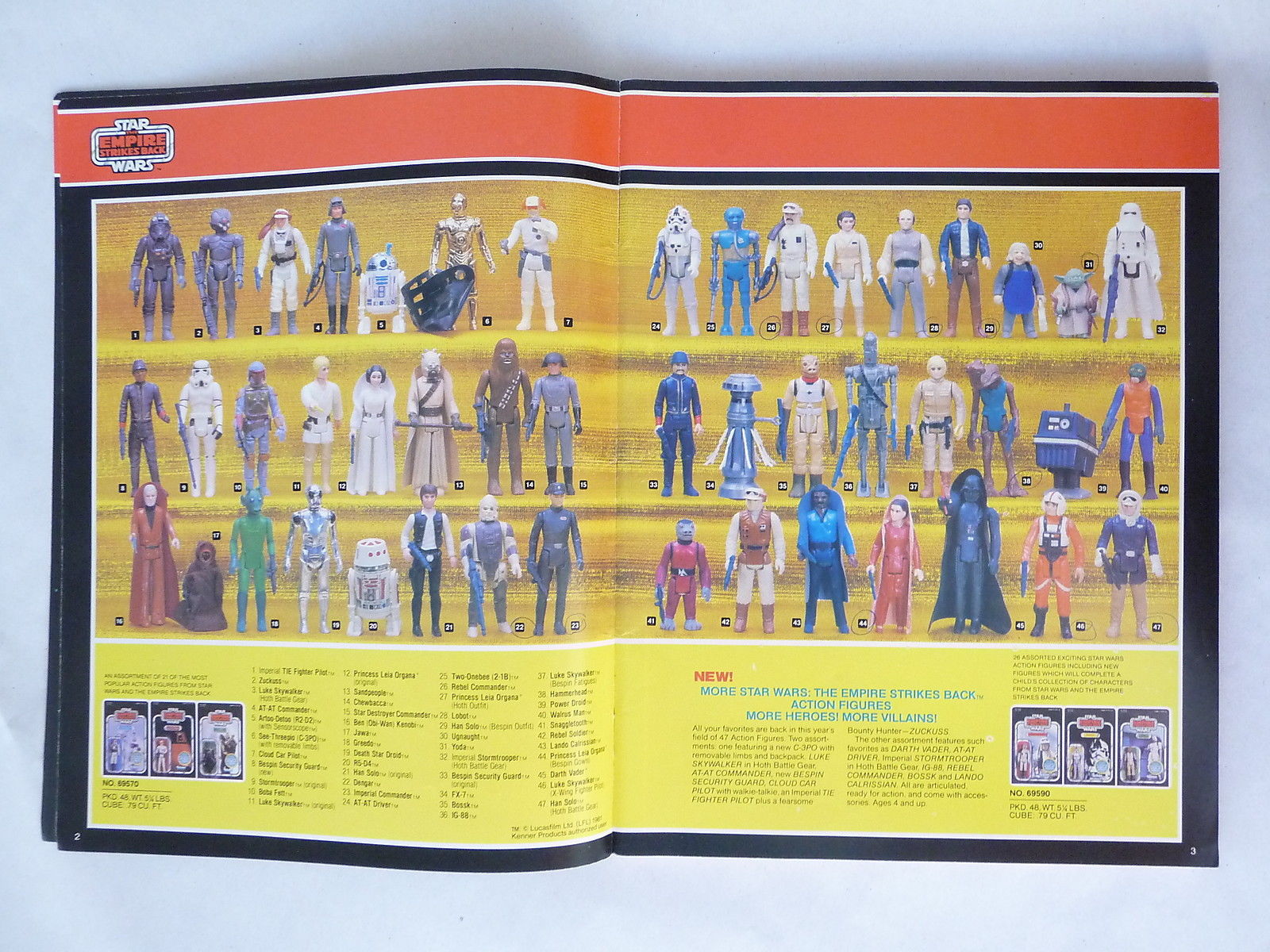
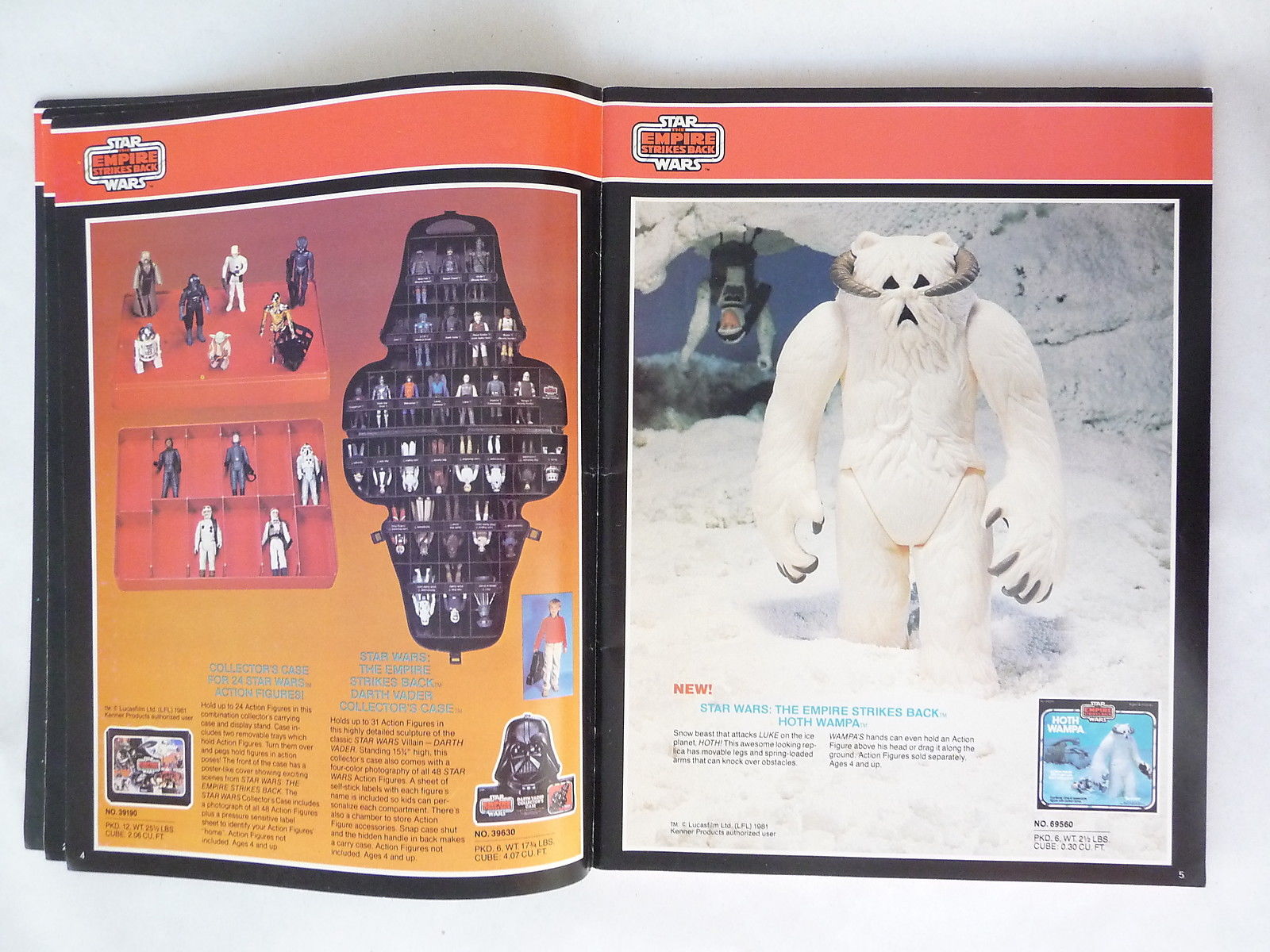
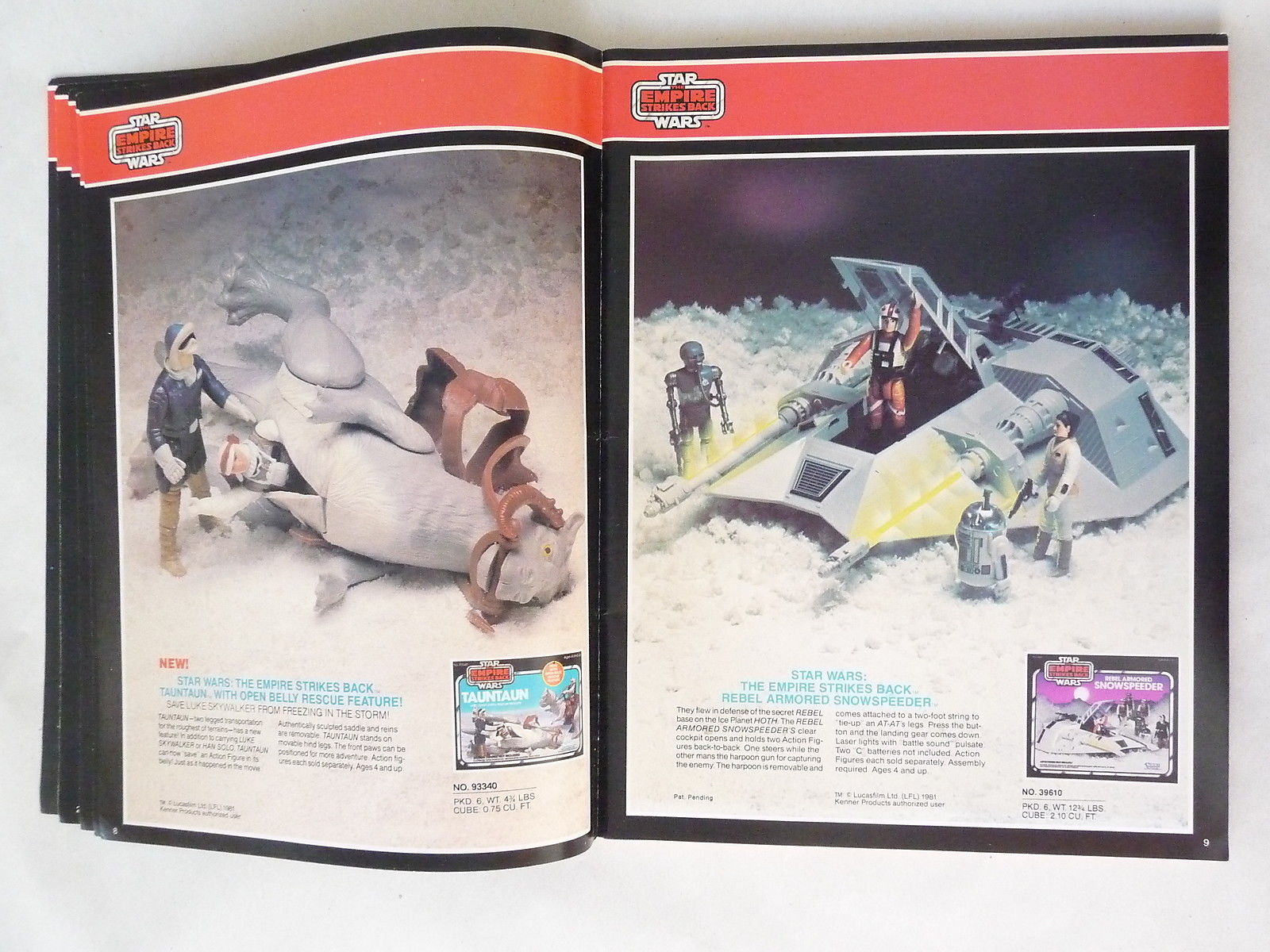
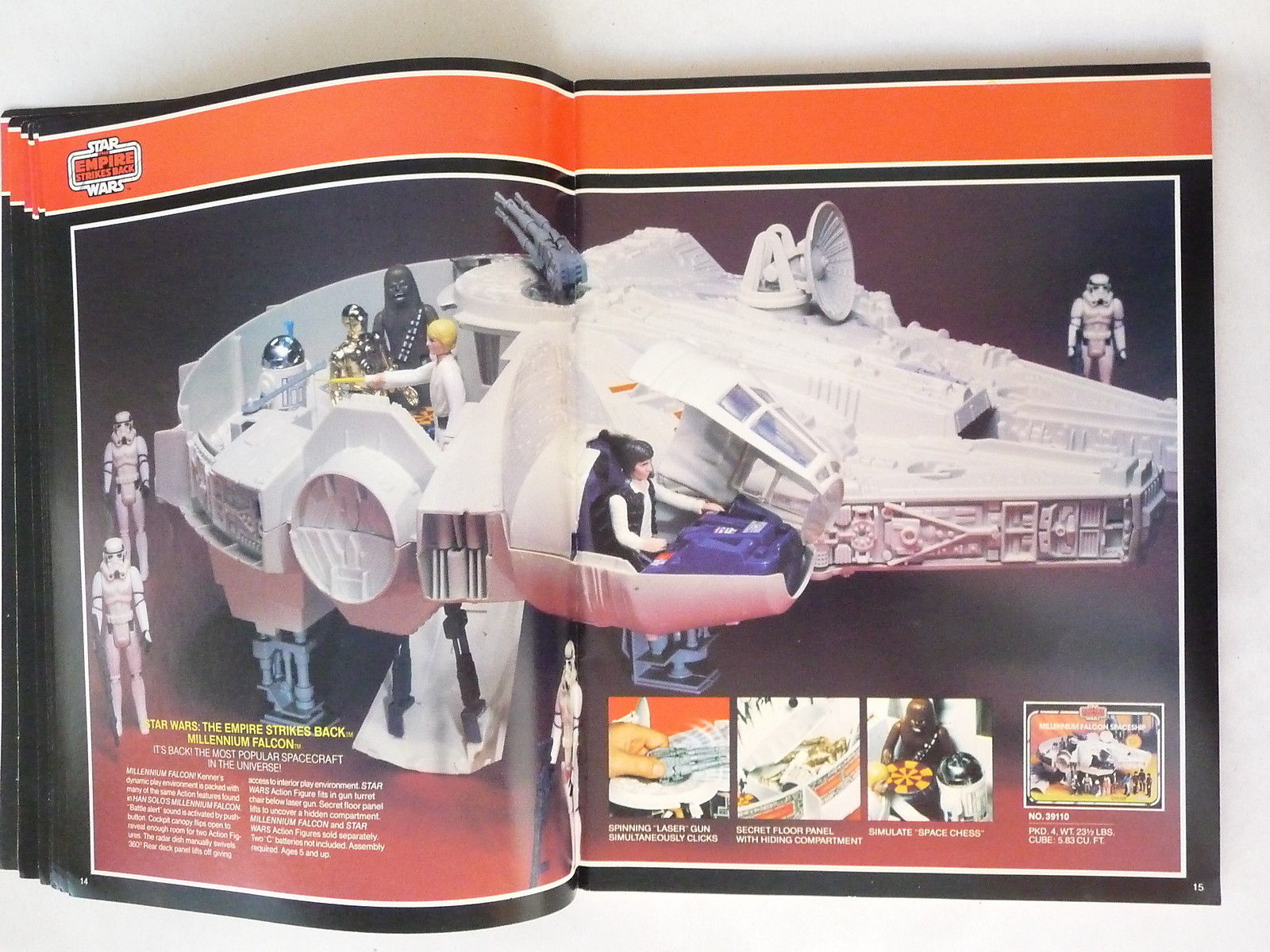
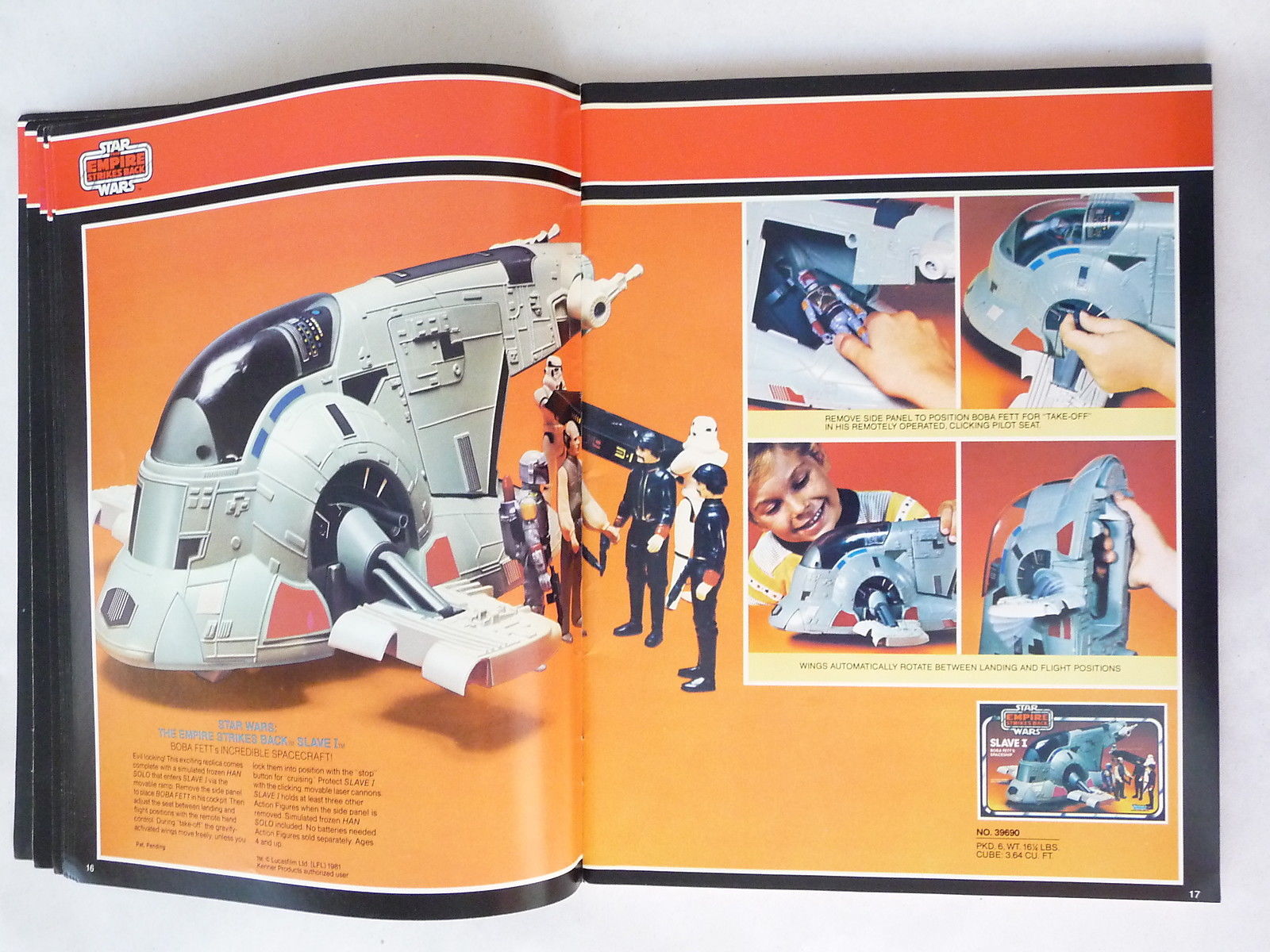
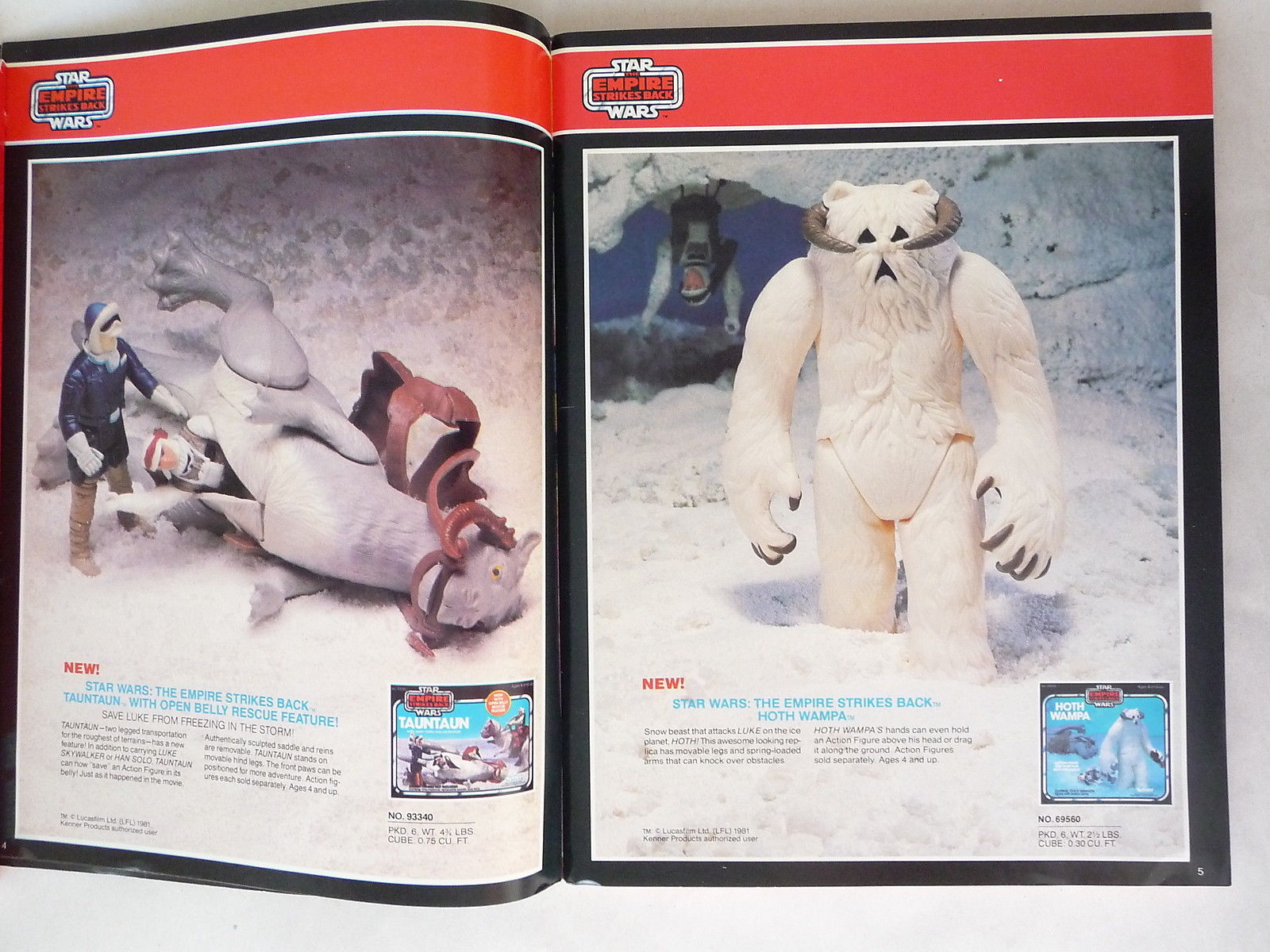
1982 Kenner Toy Fair and Pre-Toy Fair Catalogs: The Empire Strikes Back

Kenner TF 1982

Kenner TF 1982-2

Kenner TF 1982-3

Kenner TF 1982-4

Kenner TF 1982-5

Kenner TF 1982-6

Kenner TF 1982-7

Kenner TF 1982-8

Kenner TF 1982-9

Kenner TF 1982-10

Kenner TF 1982-11

Kenner TF 1982-12

Kenner Pre 1982-1

Kenner Pre 1982-2

Kenner Pre 1982-3

Kenner Pre 1982-4

Kenner Pre 1982-5

Kenner Pre 1982-6

Kenner Pre 1982-7

Kenner Pre 1982-8

Kenner Pre 1982-9

I don’t really need to say anything, do I?

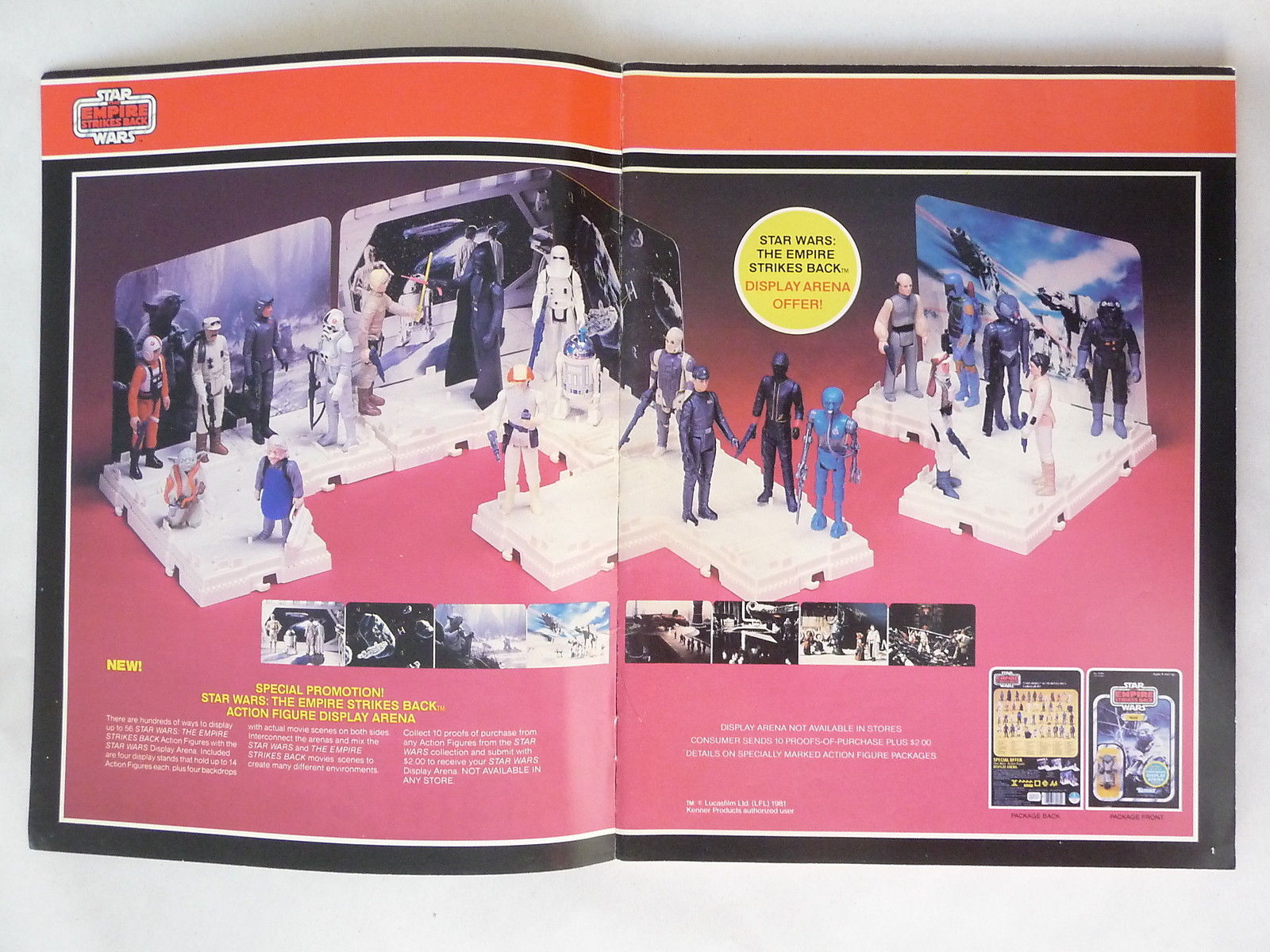
There are some different pages and variations in the pre-toy fair catalog, including a spread of the mail-away Action Figure Display Arena. I didn’t think you’d mind if I posted that too.

I’ll shut up now. Happy Friday.

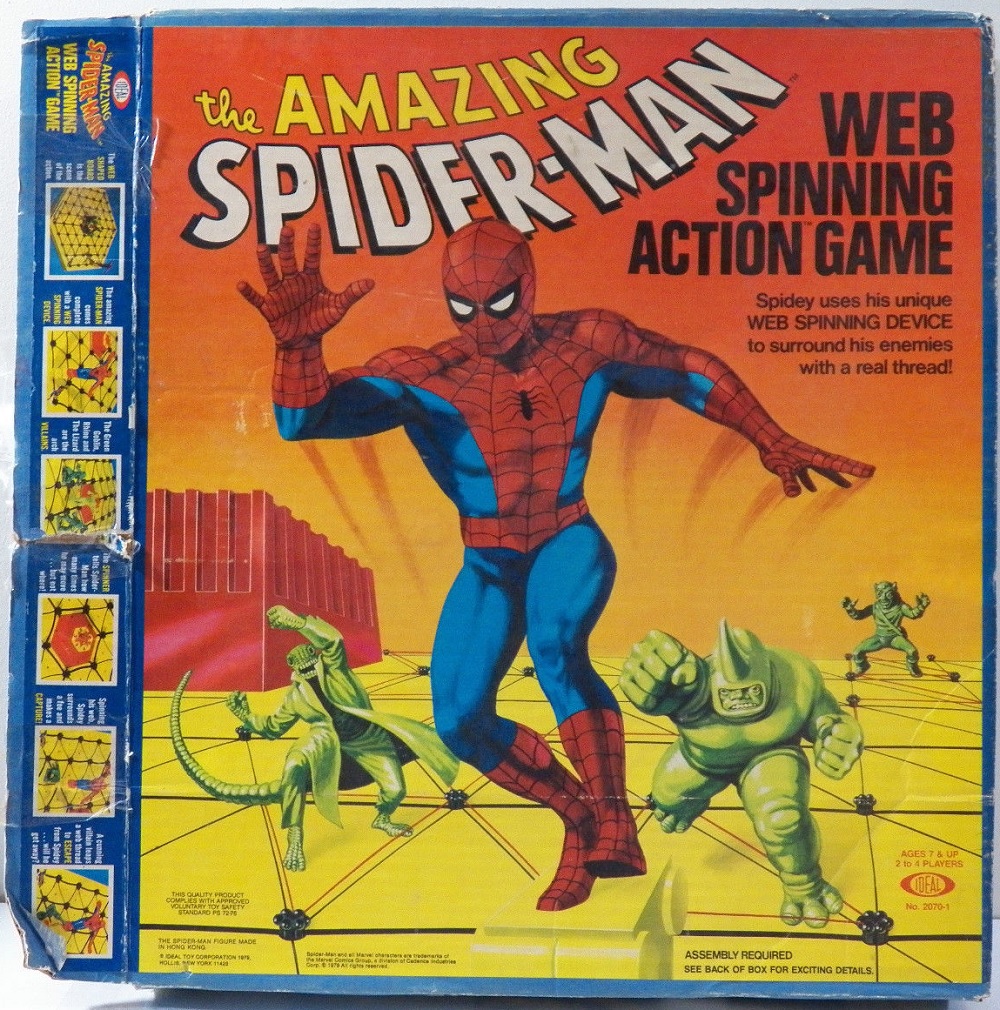
The Amazing Spider-Man Web Spinning Action Game (1979)

Spider-Man 1979

http://www.youtube.com/watch?v=W5dq5e5U16U

They couldn’t come up with a better pose for Spidey? The villain molds look great.

The Amazing Spider-Man live-action pilot premiered in 1977, and the series resumed in 1978. The witty web-slinger, Marvel’s most relatable and engaging (in my opinion) hero, was everywhere.

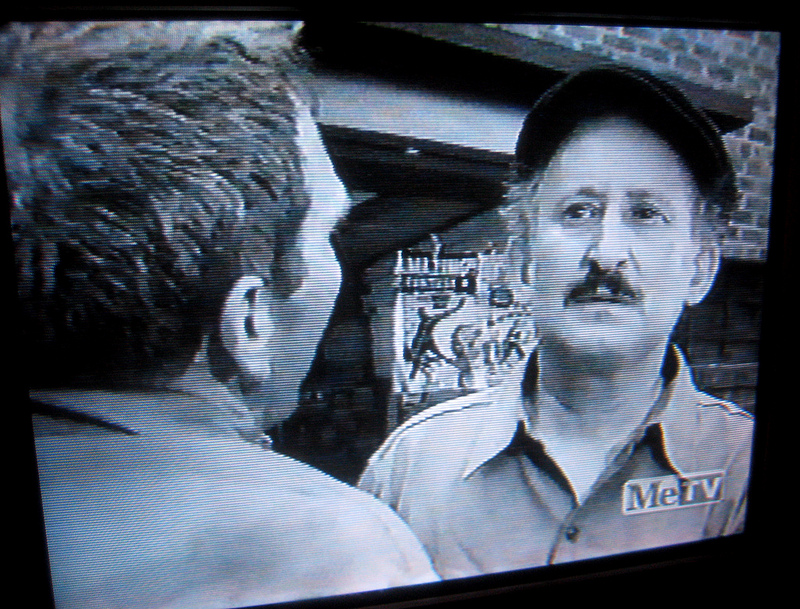
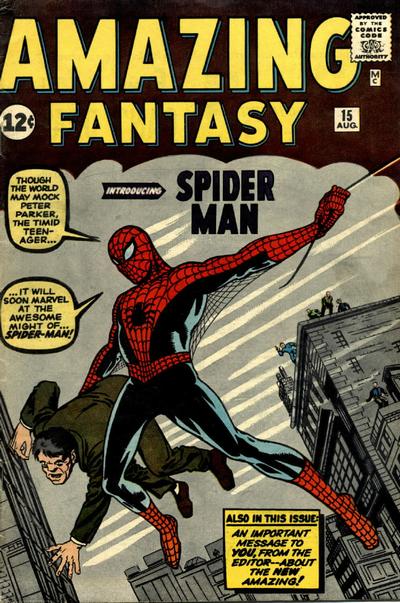
Amazing Fantasy #15 Caught on Tape, 1962

AF 15 1962

AF 15 1962-2

AF 15 1962-3

That’s Burgess Meredith and Lou Gilbert being upstaged by a comic book in an episode of Naked City. Amazing Fantasy #15 marks the first appearance of Spider-Man, of course. Nice grab by Brecht Bug.

Oh, and here’s a photo of a kid opening The Amazing Spider-Man #1 for his birthday.


Pages

Archives

Categories

Donate Button

Join 1,118 other subscribers