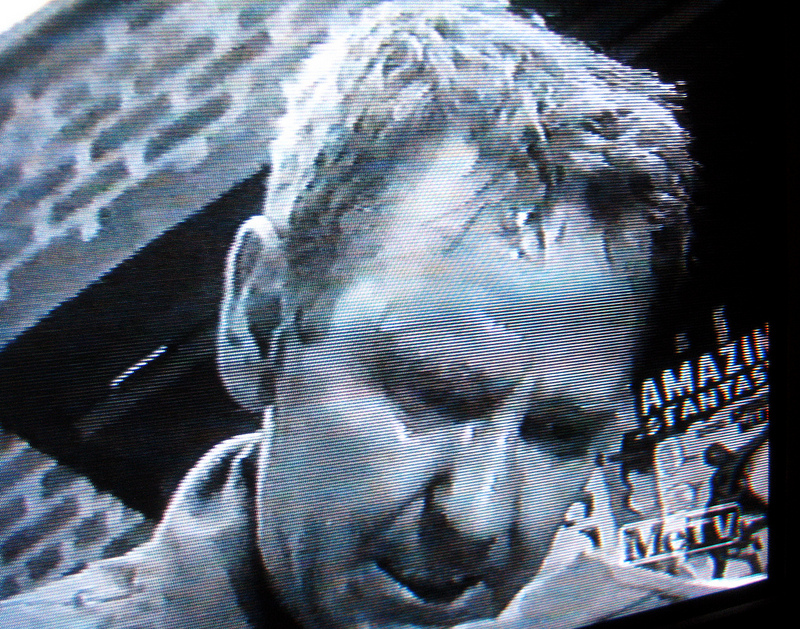
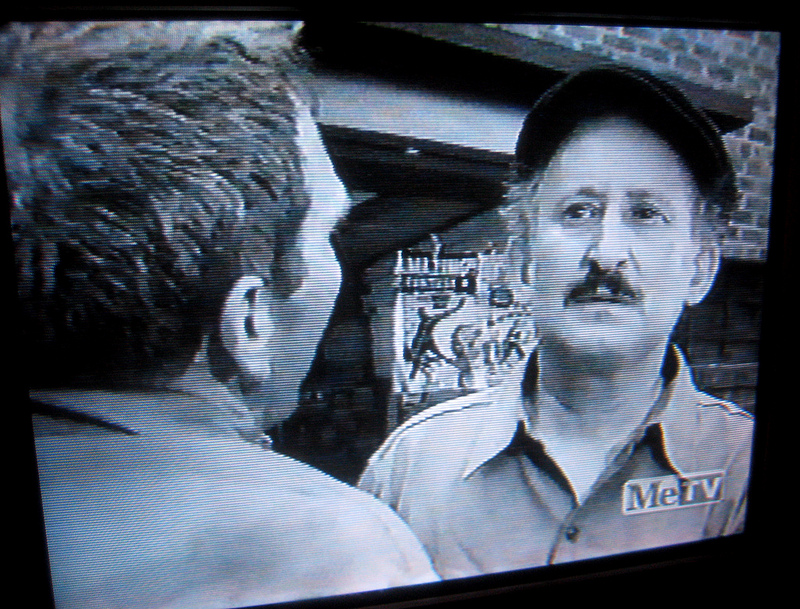
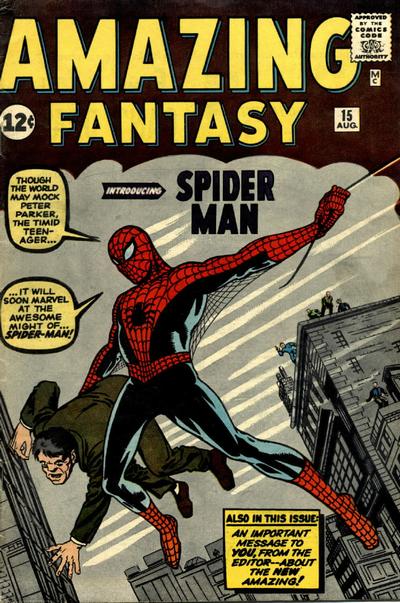
That’s Burgess Meredith and Lou Gilbert being upstaged by a comic book in an episode of Naked City. Amazing Fantasy #15 marks the first appearance of Spider-Man, of course. Nice grab by Brecht Bug.
Oh, and here’s a photo of a kid opening The Amazing Spider-Man #1 for his birthday.
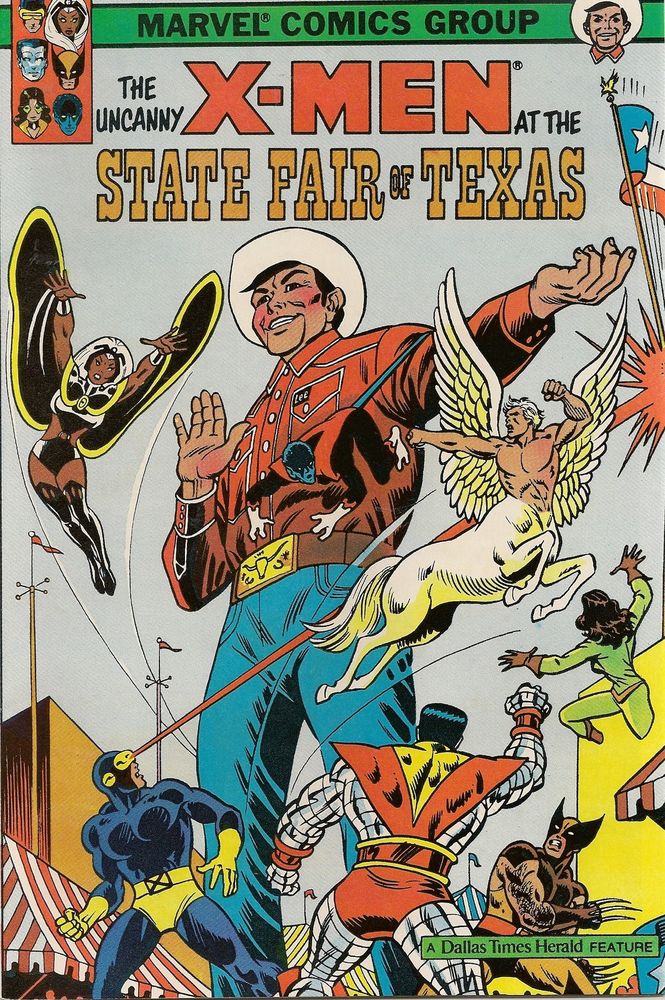
Plot and layouts by Marie Severin, words by David Anthony Kraft, pencils by Kerry Gammil, inks by Mike Esposito, and colors by Stan Goldberg. You can read some pages at Blog into Mystery.
The Dallas Times Herald partnered with Marvel several times in the early ’80s. Here’s another comic from the same year.
Cover by John Romita, Plot by Jim Salicrup, words by David Kraft, pencils by Kerry Gammil and Alan Kupperberg, inks by Chic Stone, and colors by Marie Severin. See more here.
I’d completely forgotten about these. I had the cleverly named Space Van (on the package it was called Space Vehicle). You looked through a viewer in the back of the van and saw what was going on inside—the Hulk, for instance, was smashing stuff. It doesn’t sound like much, but it was a cool illusion, a momentary voyeuristic satisfaction. It’s not like we’d ever find out what was going on inside the real vans the older kids inhabited.
The scene on the card is what you saw inside the van. Here’s the Space Vehicle card and actual viewer image, the latter via Hobby Talk. (Click link for more viewer images.)
The Scene Machines were released in ’79 and continued to be produced until at least ’81. You can see some later models (Thor and the Human Torch included) at Plaid Stallions.
The Marvel Books imprint launched in 1982. As Jim Galton, Marvel Entertainment Group’s president at the time, explained in 1986:
The concept was to publish highly recognizable merchandise to kids… It’s a two-tier strategy, in that one element of the product appeals to the kids, and one element appeals to the parents.
The line’s tremendous success, he says, was due to a “combination of aggressive marketing and a new respectability of comic books.” Much of that “respectability” was a direct result of Marvel’s unrelenting marketing and licensing.
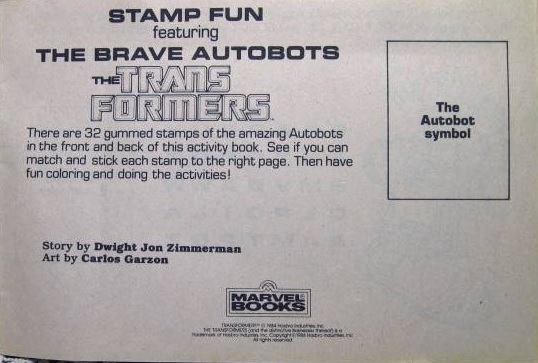
Dwight Jon Zimmerman got his start on Marvel Books and went on to write and edit various Marvel comic titles until becoming executive editor of Topps comics in 1992. Today he’s an award-winning author of military history books.
Bogotá-born Carlos Garzón came to New York in 1970 to work with artist Al Williamson. The duo would go on to illustrate Marvel’s Empire Strikes Back and Return of the Jedi adaptations. The two had an unconventional working relationship, according to Marvel editor Archie Goodwin:
Unlike most teams listed in comic book credits, Al isn’t strictly the penciler and Carlos strictly the inker. They each do some of both, switching back and forth, sometimes from page to page, sometimes even from panel to panel, or even within a given panel. The end result is one smooth, high quality style, and an adaptation we at Marvel are very proud of.
Read a good interview with Garzón by Ryder Windham at the Star Wars Blog.
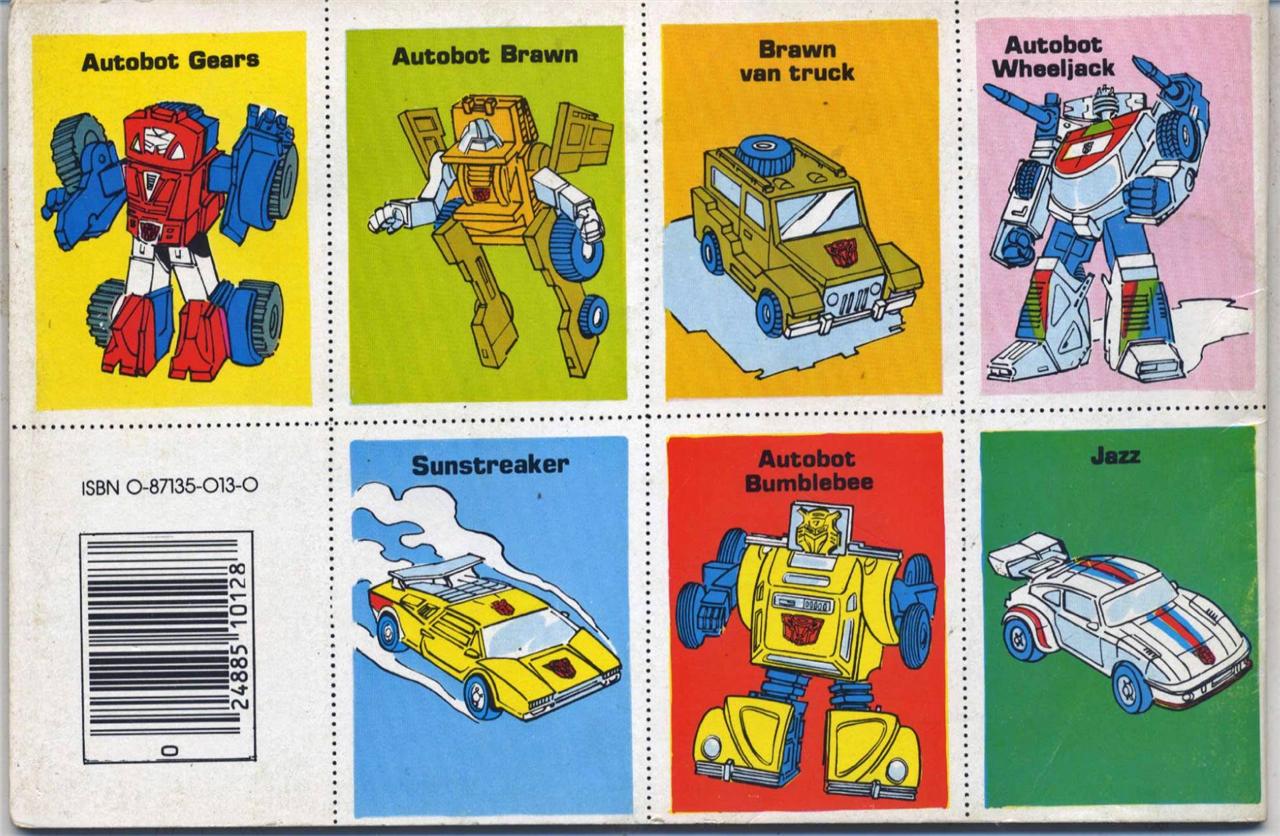
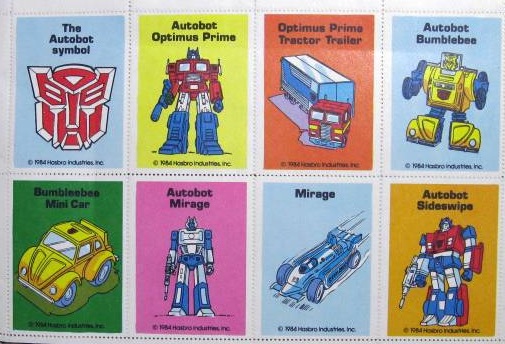
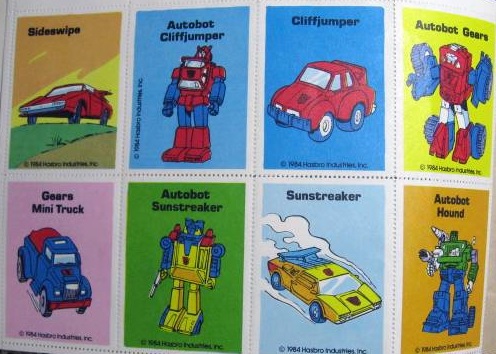
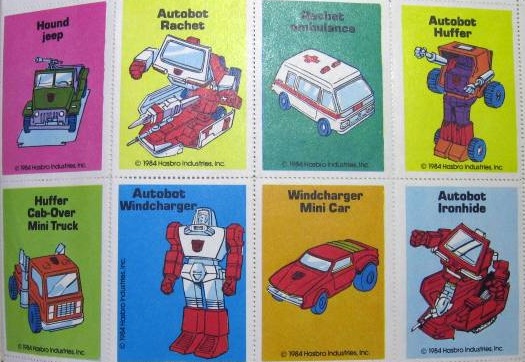
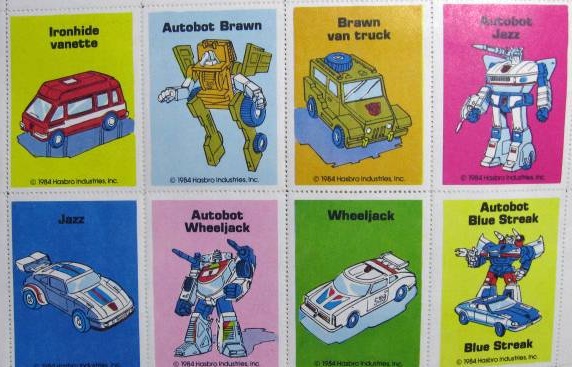
There was a different stamp book covering “The Evil Decepticons.” I’m looking for copies of both.
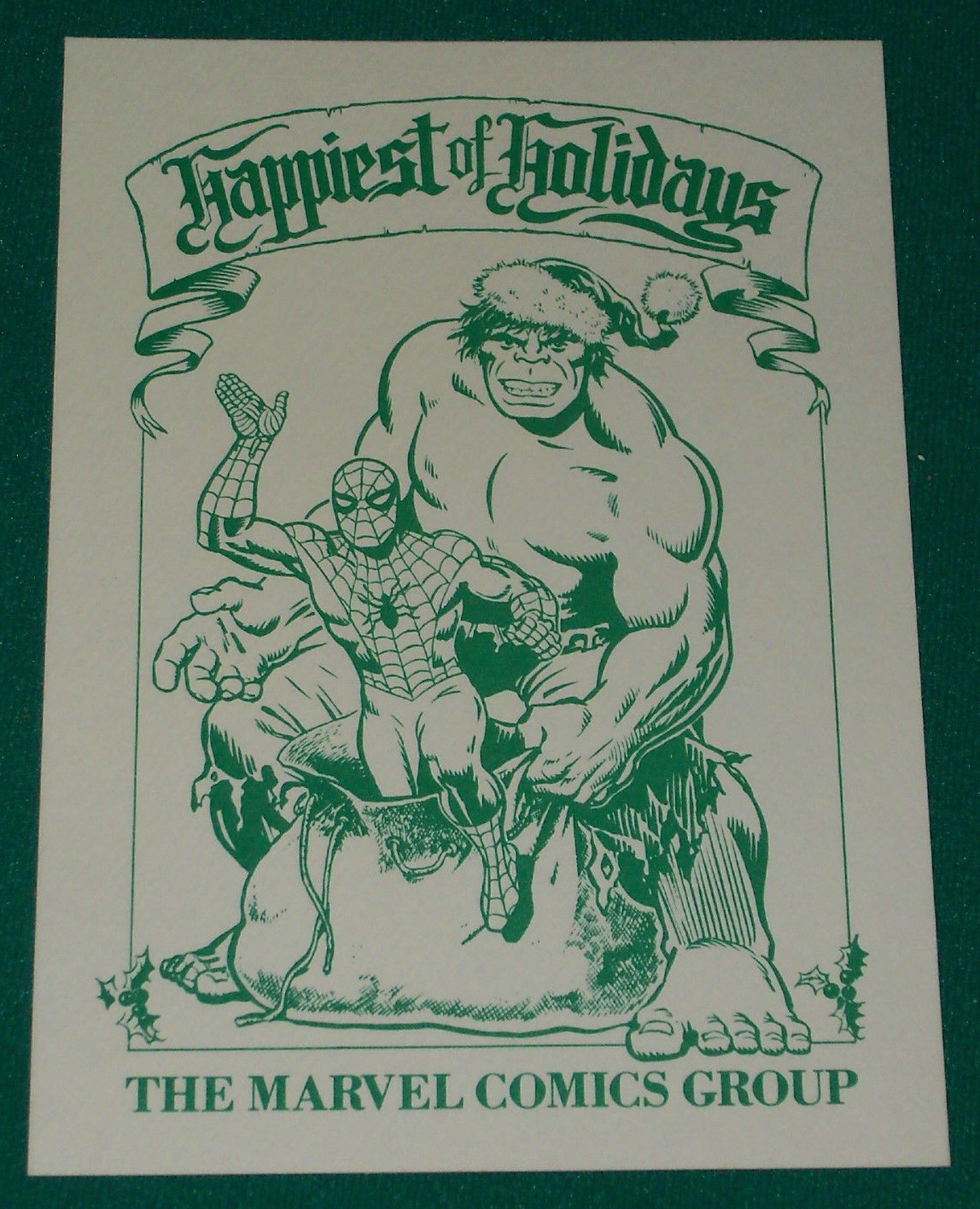
From the seller, Marvelmania: “Marvel Christmas cards were in-house giveaways and usually only given to employees and business associates. I obtained this particular example about 20 years ago from a former Marvel employee in the 1970s.”
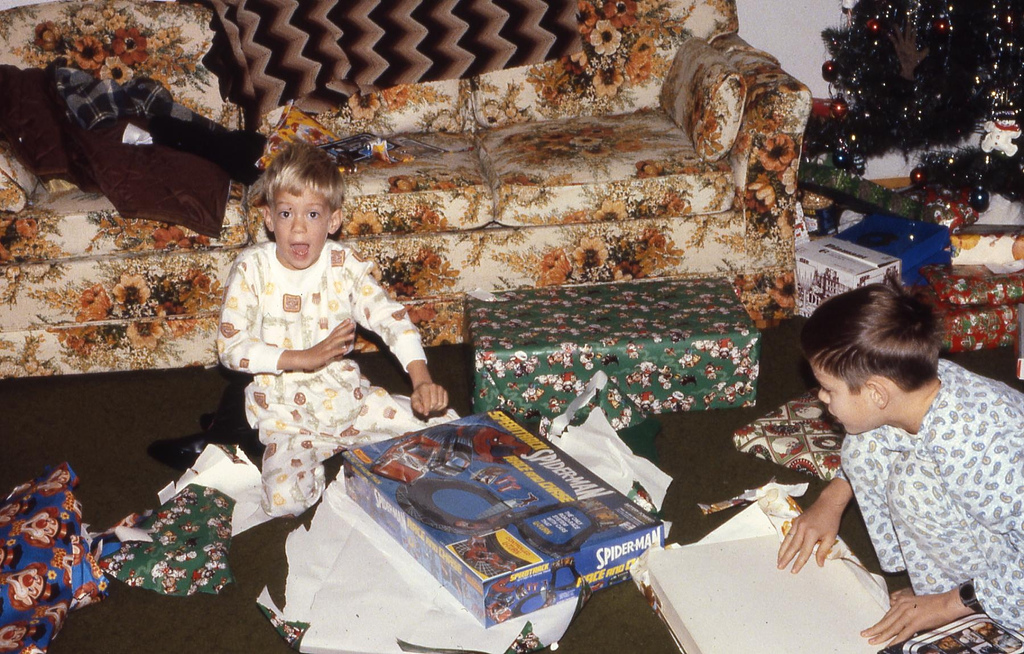
The kid is really stoked about his Spider-Man Race and Chase set, part of Matchbox’s Speedtrack/Powertrack line. Here it is set up and ready to go. Photo is via the comprehensive Powertrack blog.
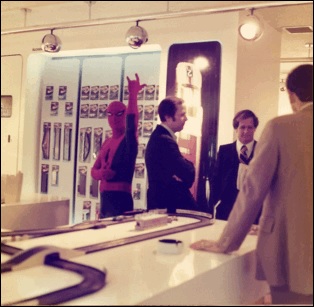
In the photos below, from the same blog, Spidey and the Hulk (the Green Guy had his own set) promote their products at the New York Toy Fair in the late ’70s. Pat Dennis, the designer and developer of Matchbox’s new racing system, lends a hand with the technical details.
In the next photo, we’re joined by another happy kid, and a happy (but tired) dad. I love that the first kid’s expression hasn’t changed. The Christmas morning photos come from Melissa Wilkins/Flickr.
There’s an Empire Strikes Back figure on the couch, a Microscope Lab Set, Mouse Trap, and LJN’s programmable (like the Big Trak) 255 Computer Command Corvette. I remembered it when I saw the box.
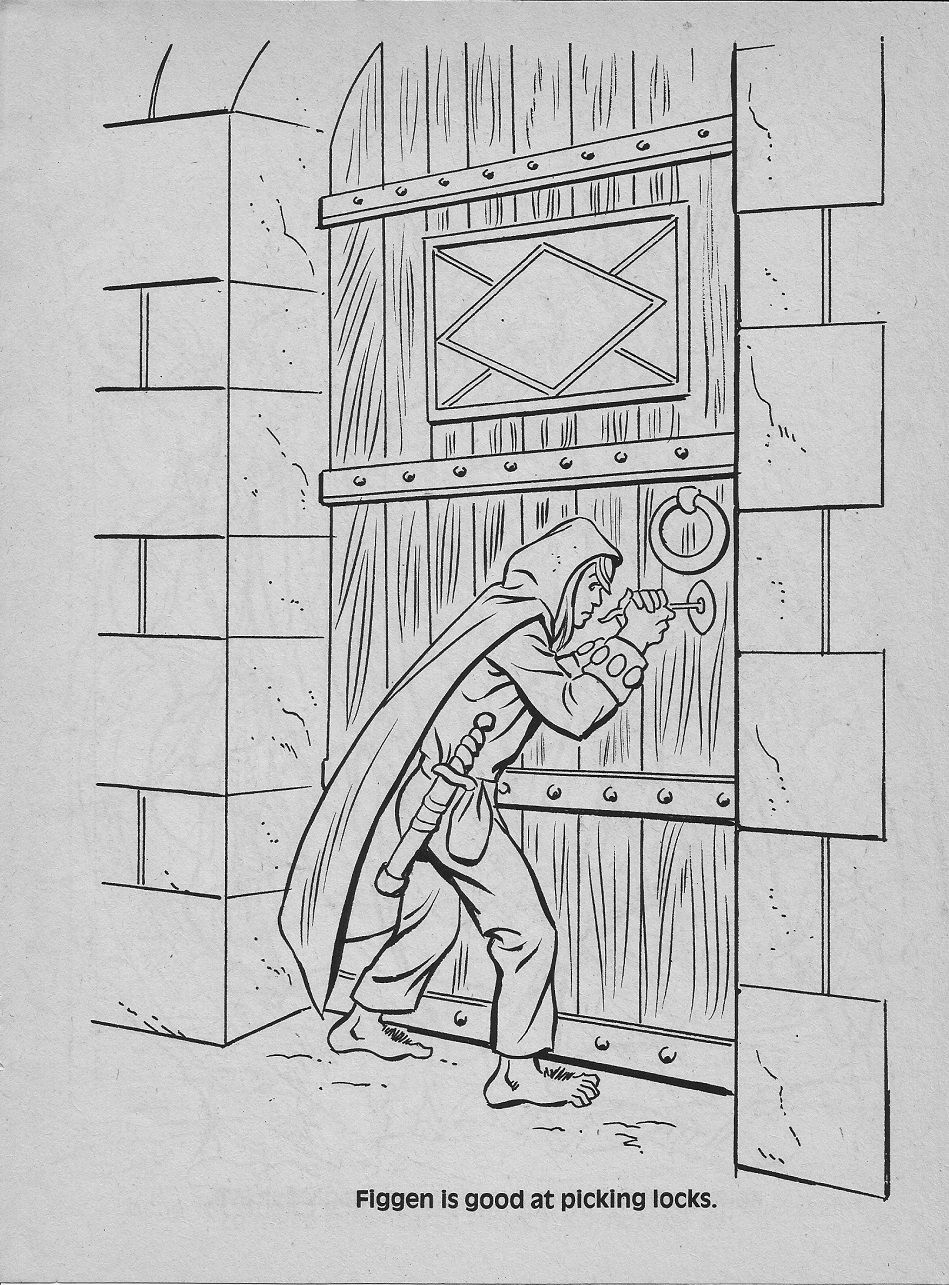
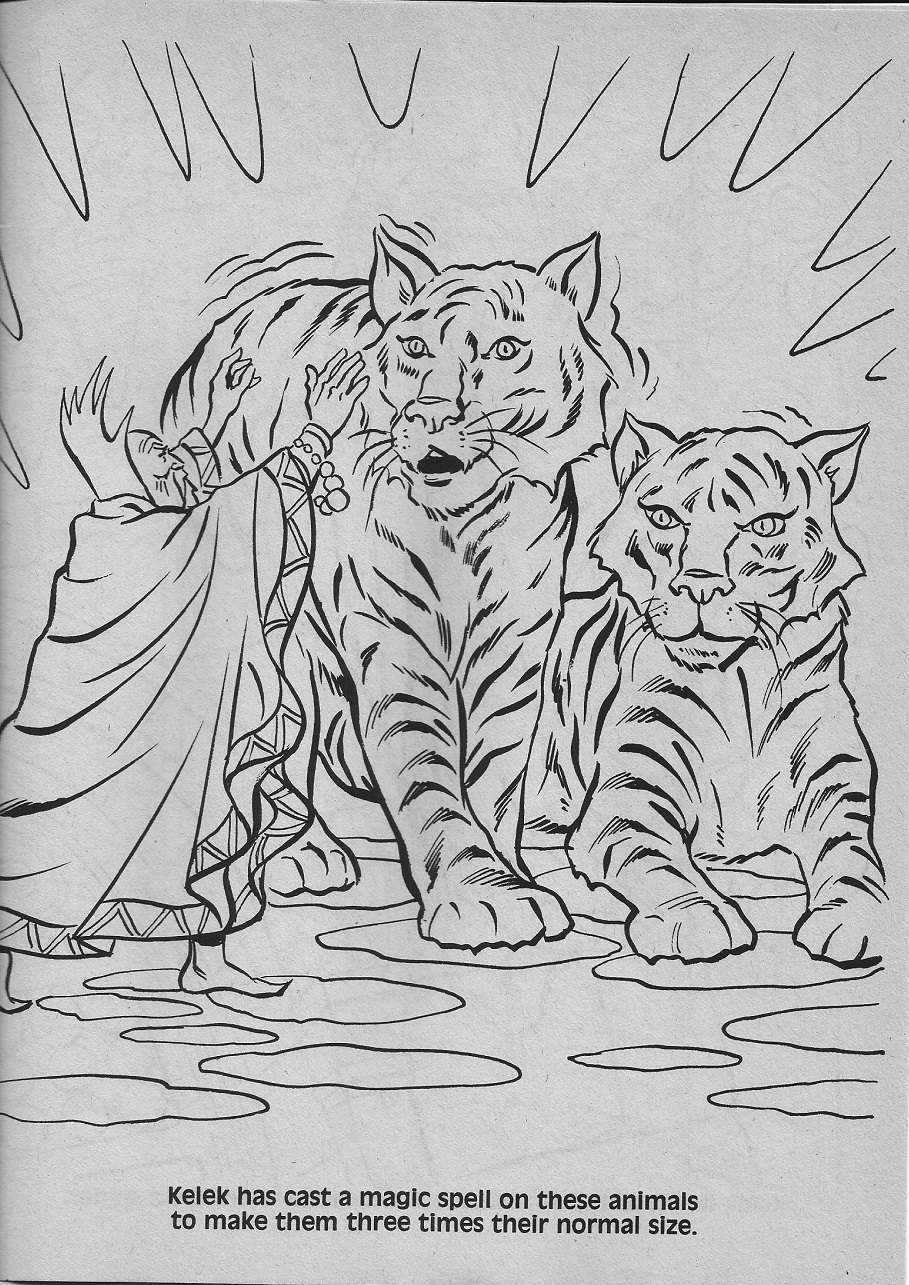
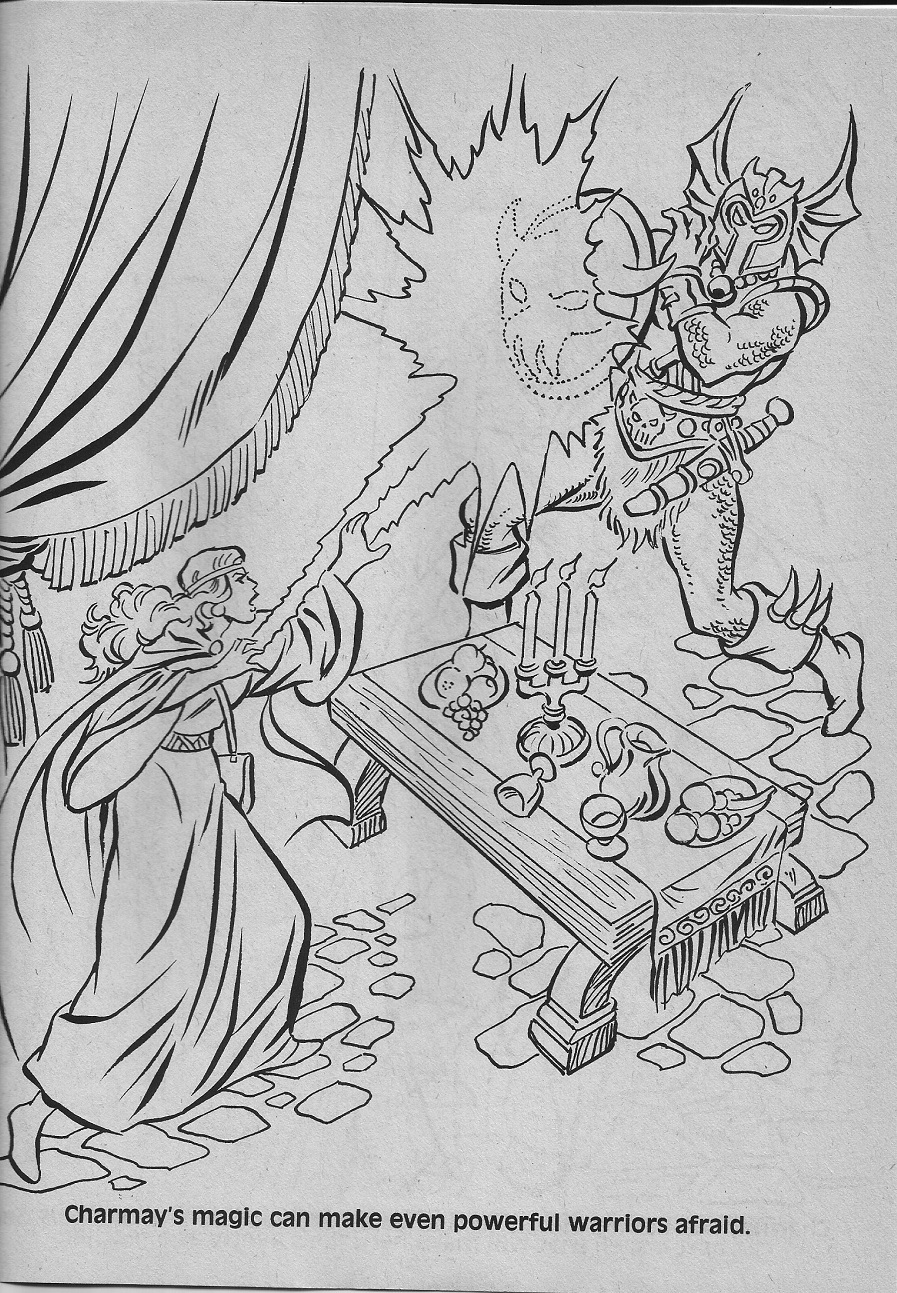
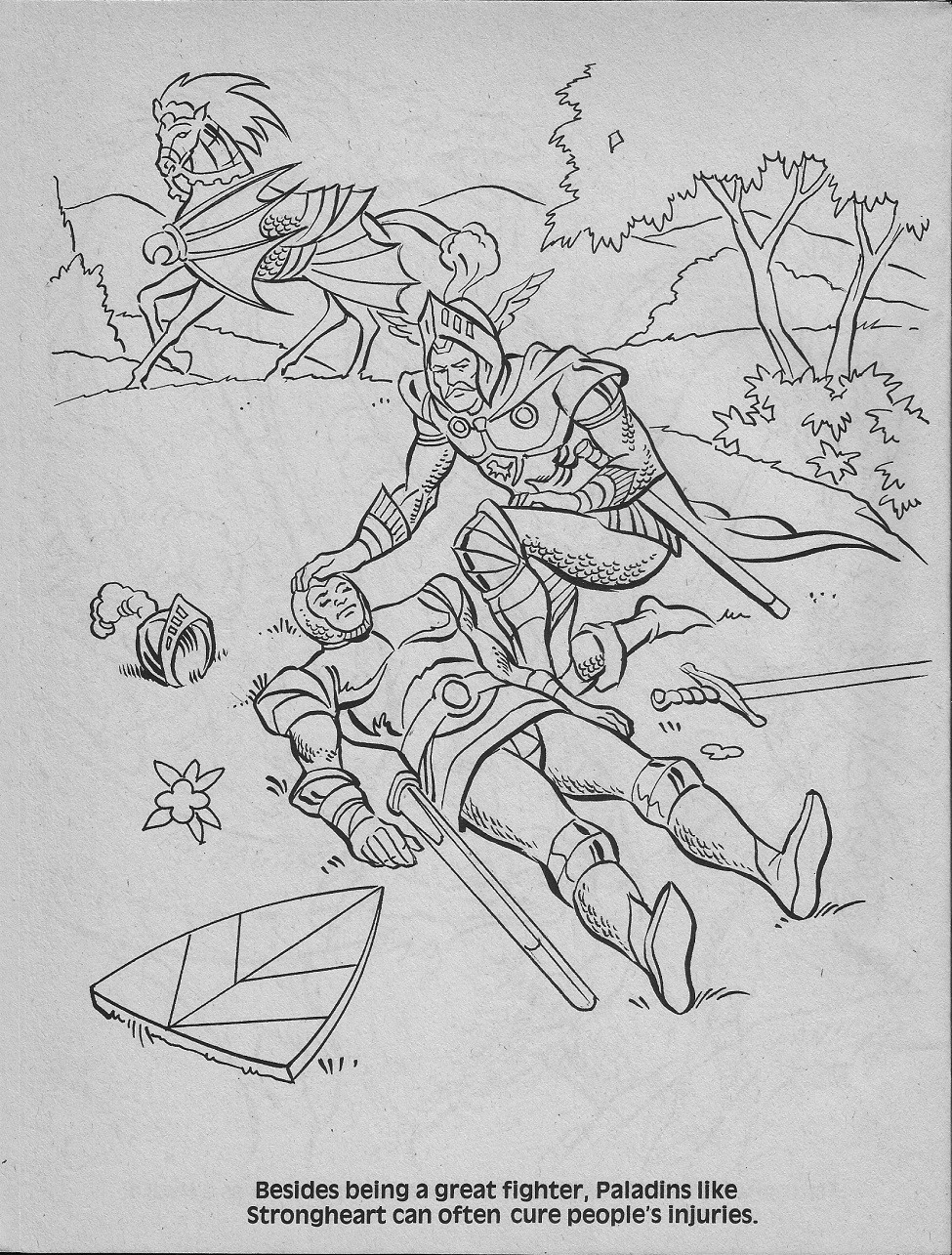
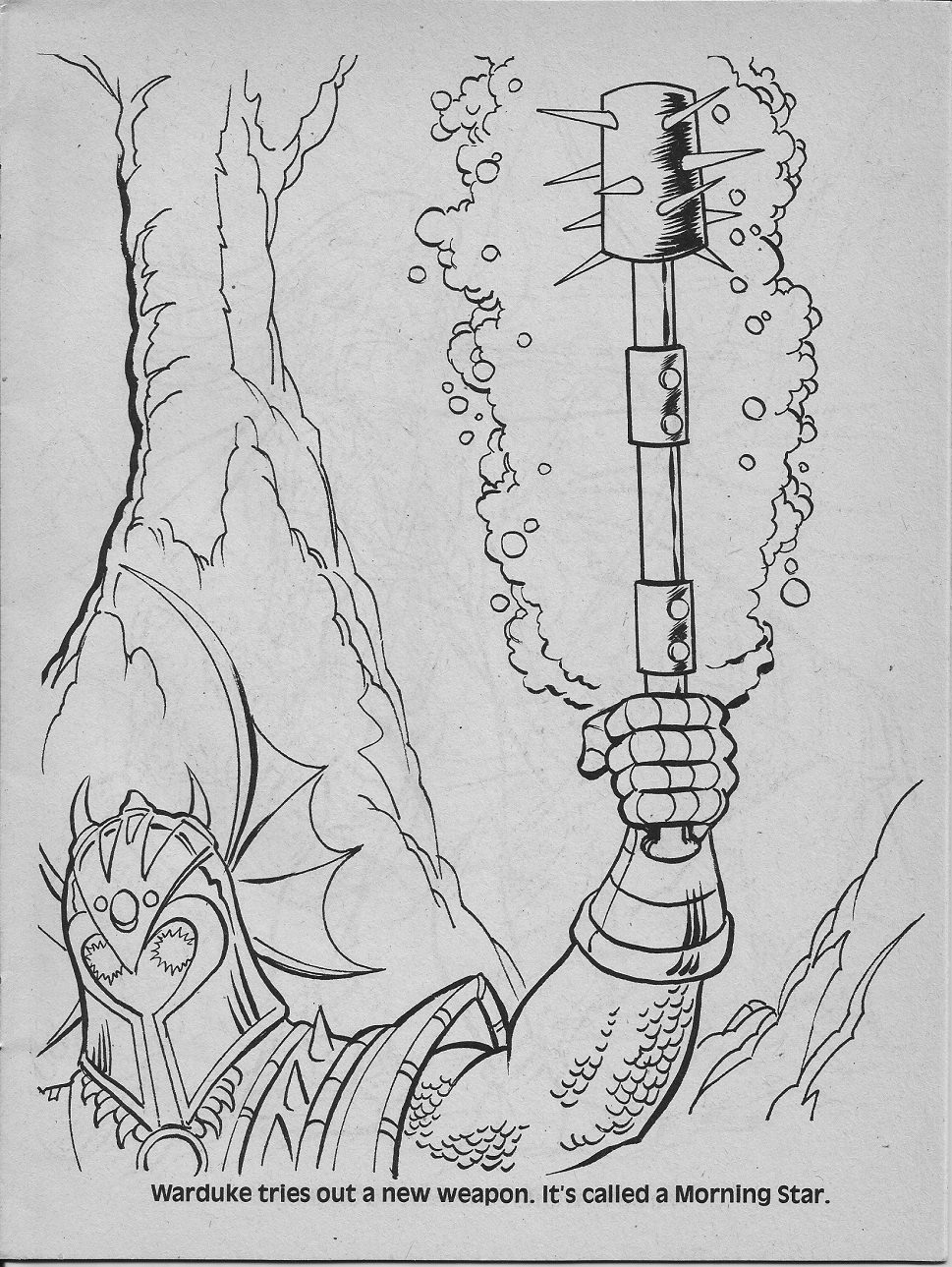
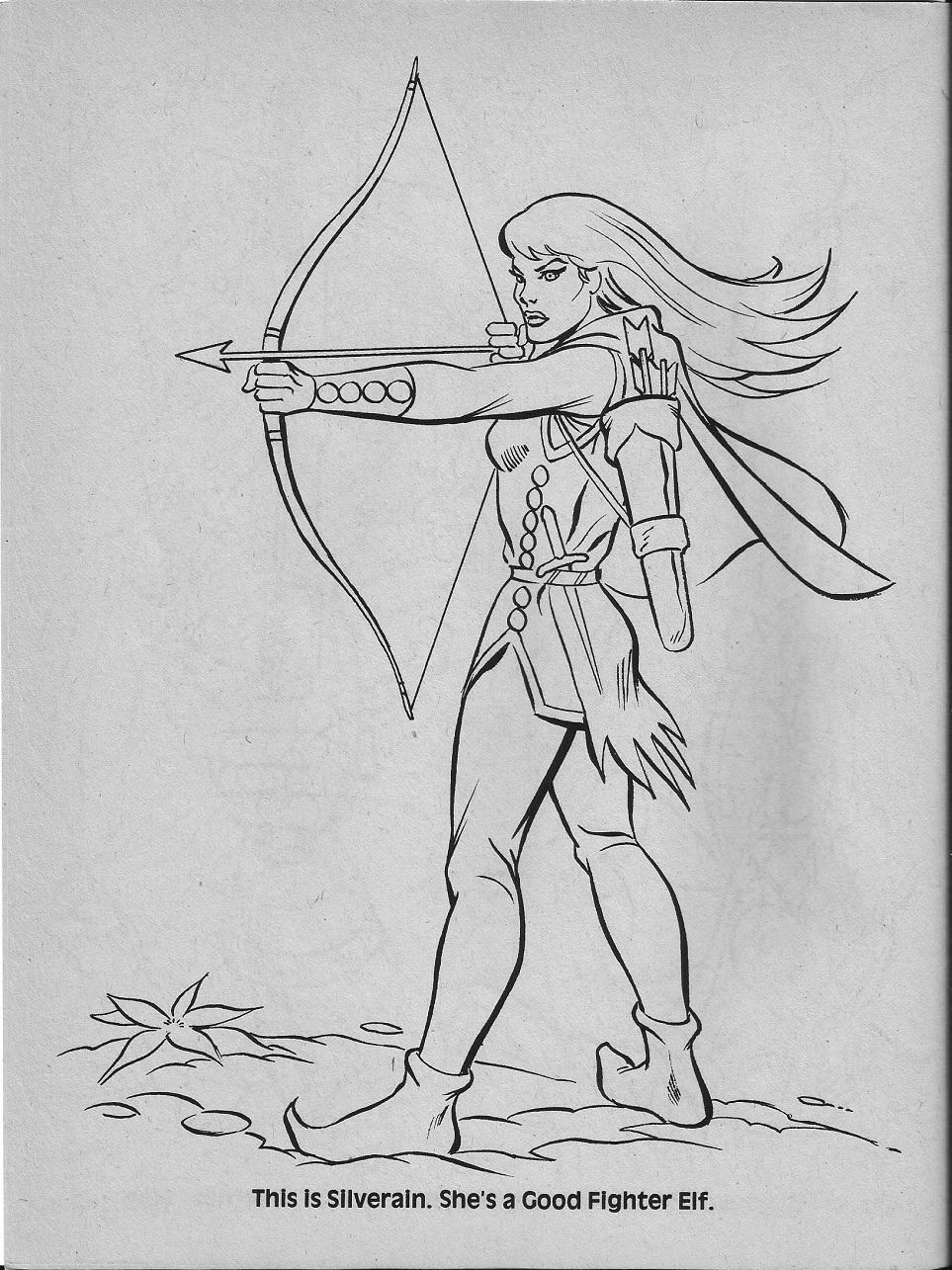
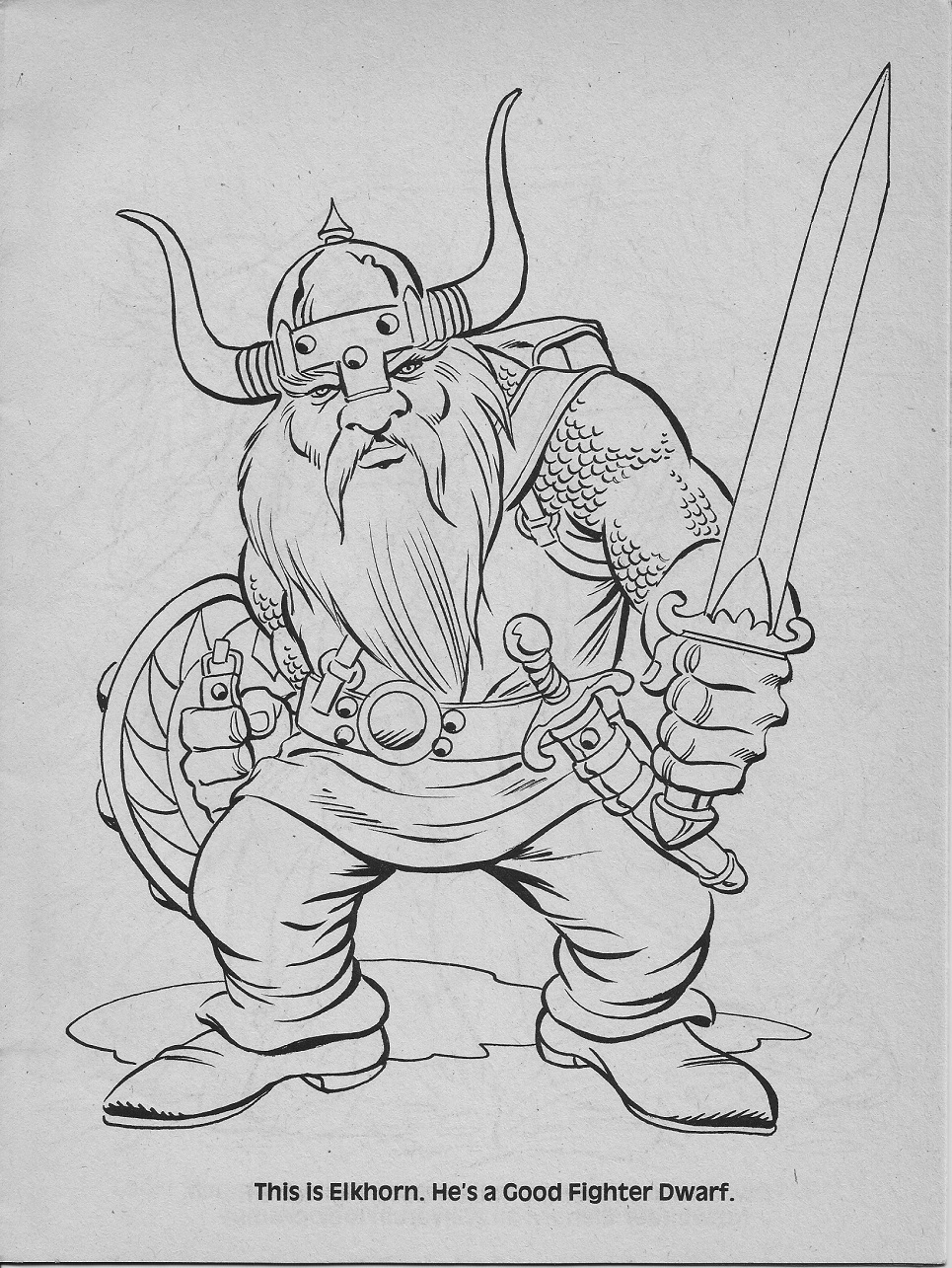
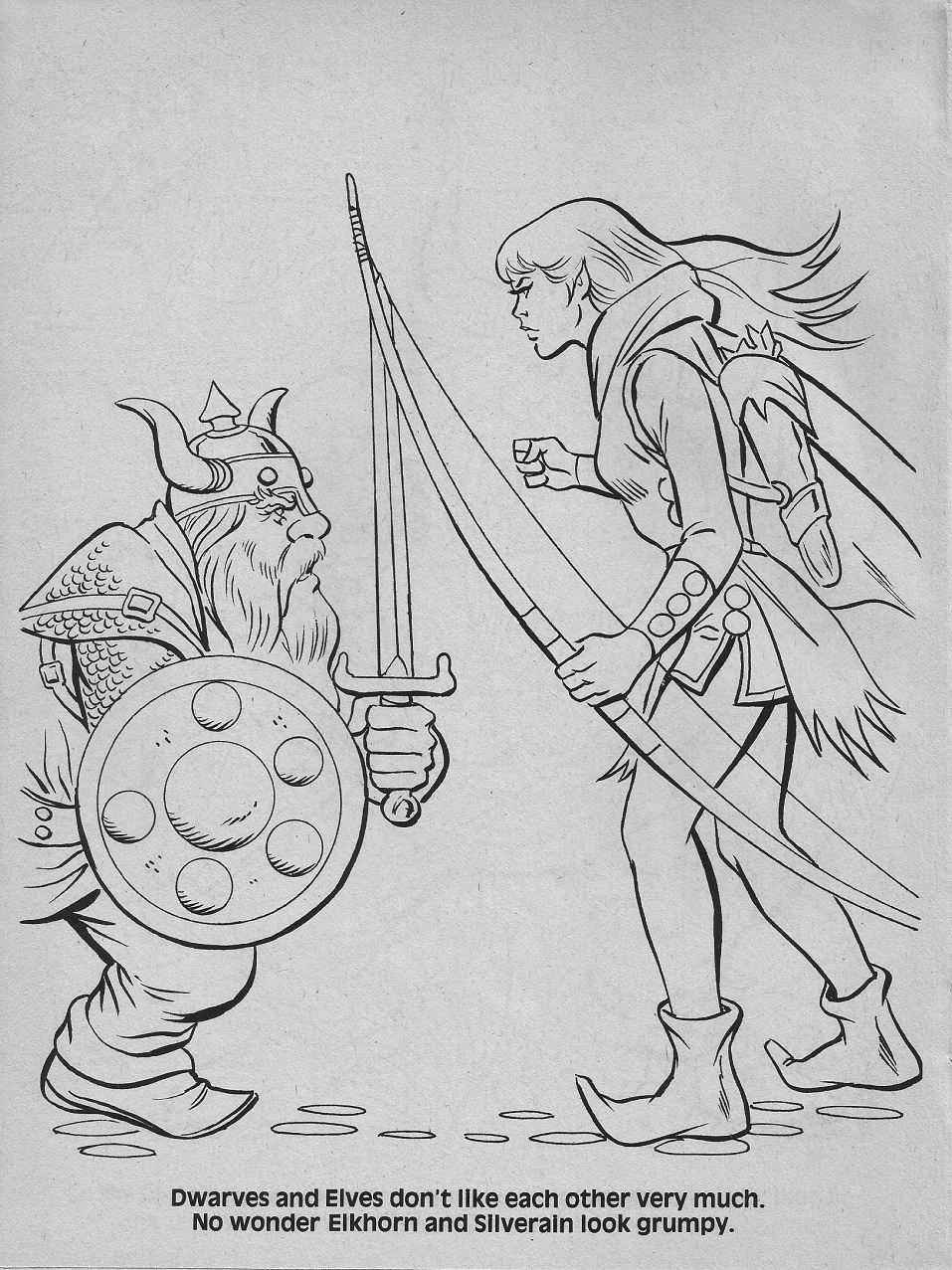
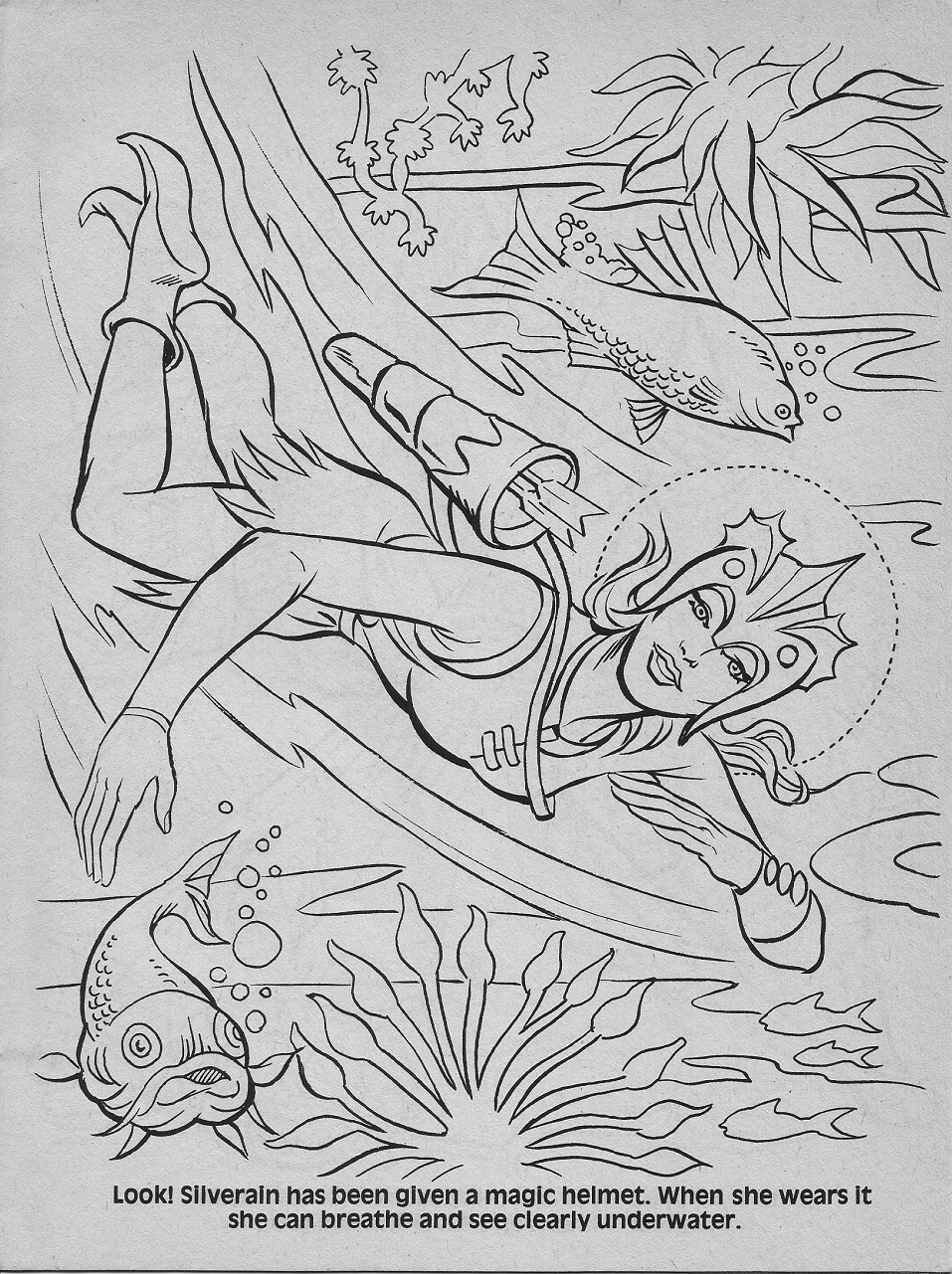
The action picks up in part two. We’ve got a five-headed hydra, the paladin’s Lay on Hands ability, lots of Warduke, the historic dwarf/elf antagonism (from Tolkien), and a helm of water breathing (my favorite page—those fish are flummoxed!).
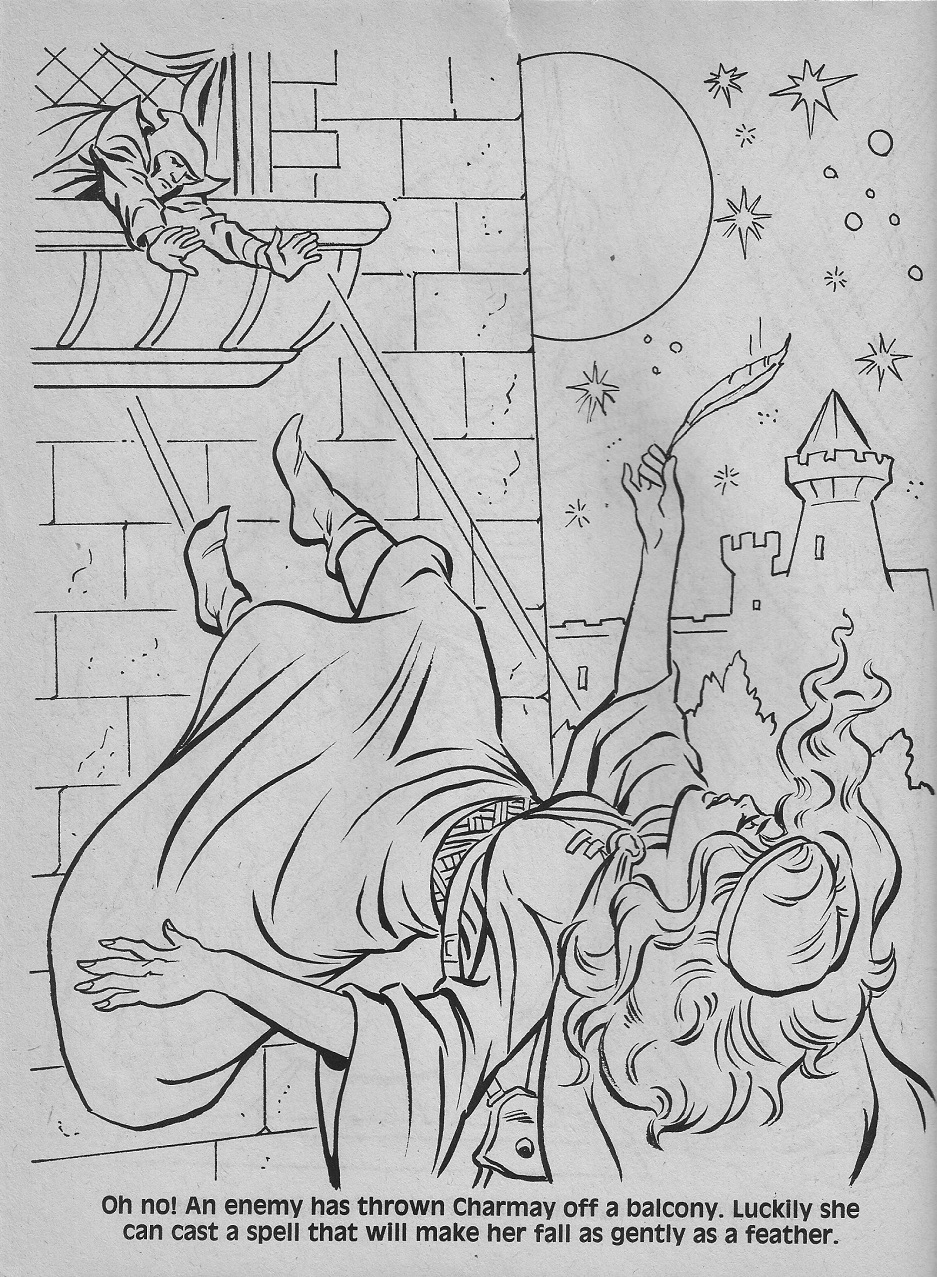
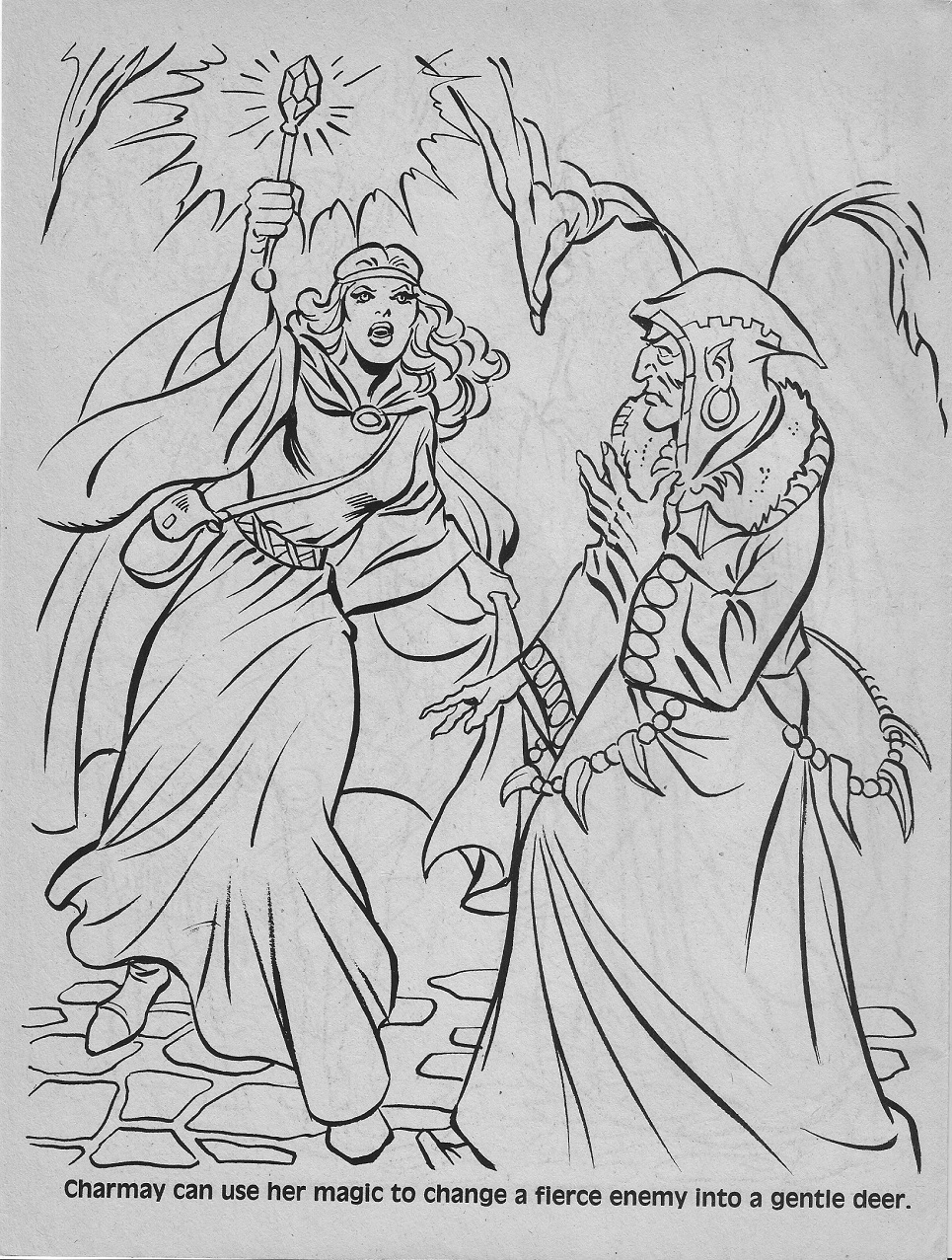
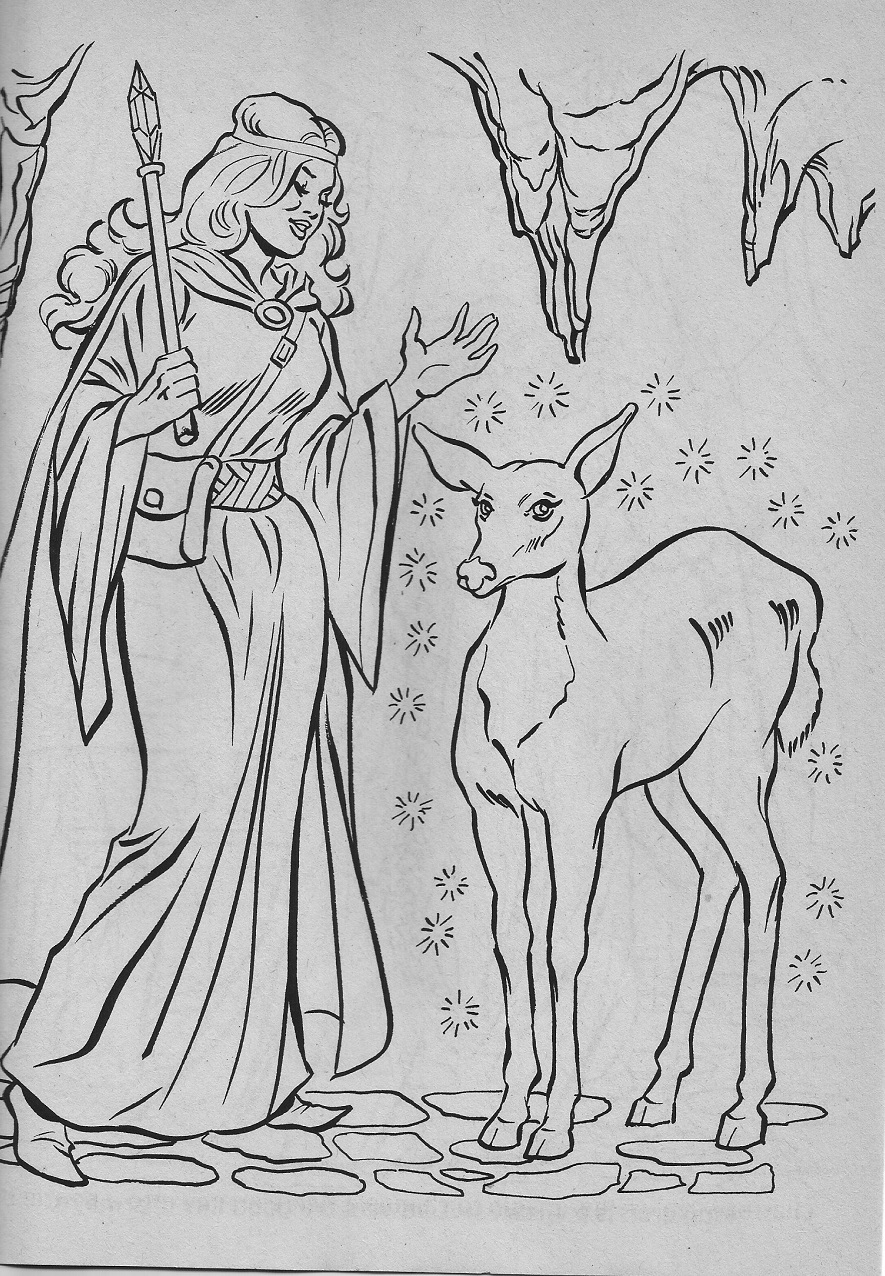
On the last page, the evil cleric Zargash is charming a snake, but I don’t think clerics have access to the Charm Animal or Charm Monster spells. Maybe I’m wrong.
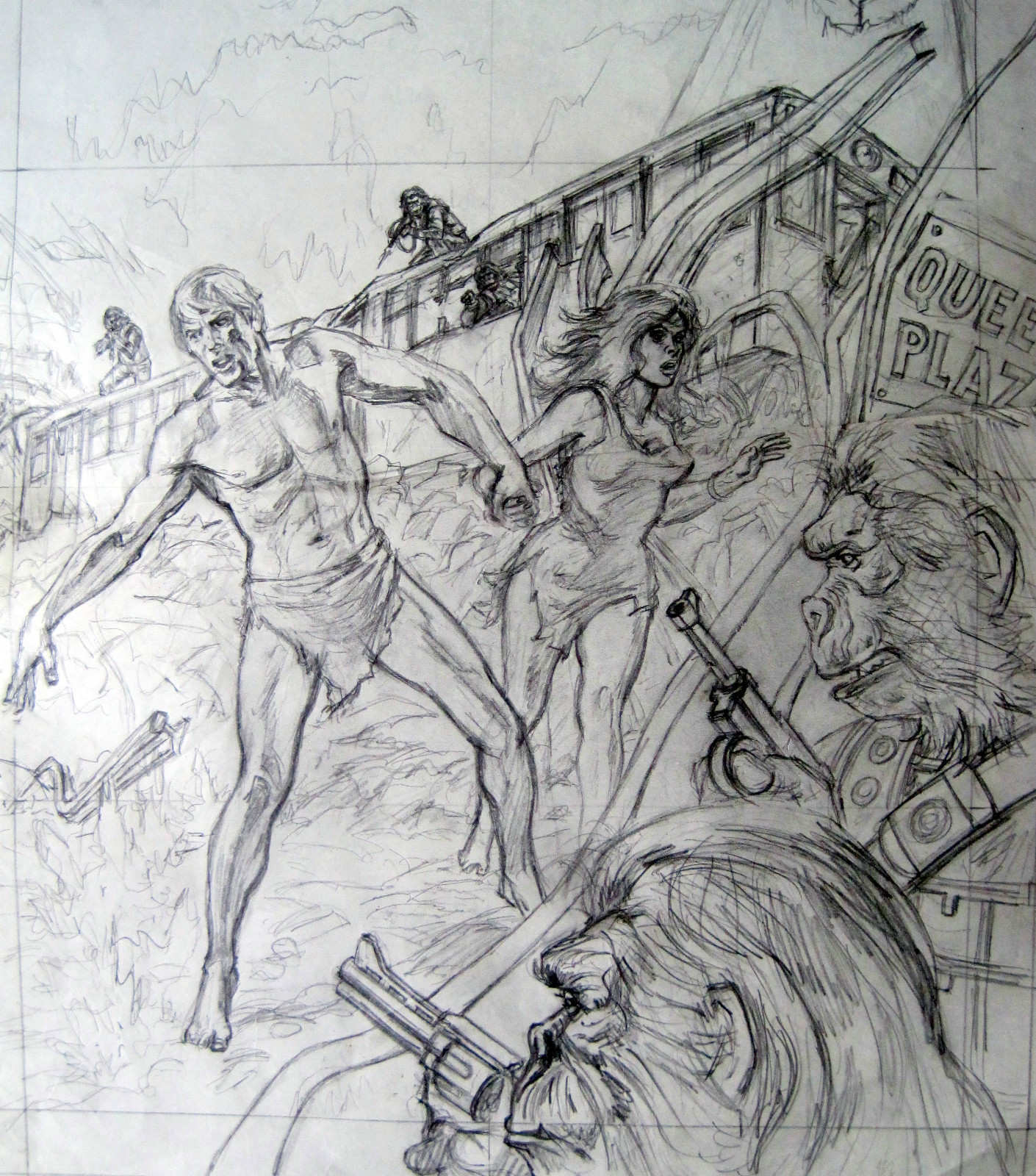
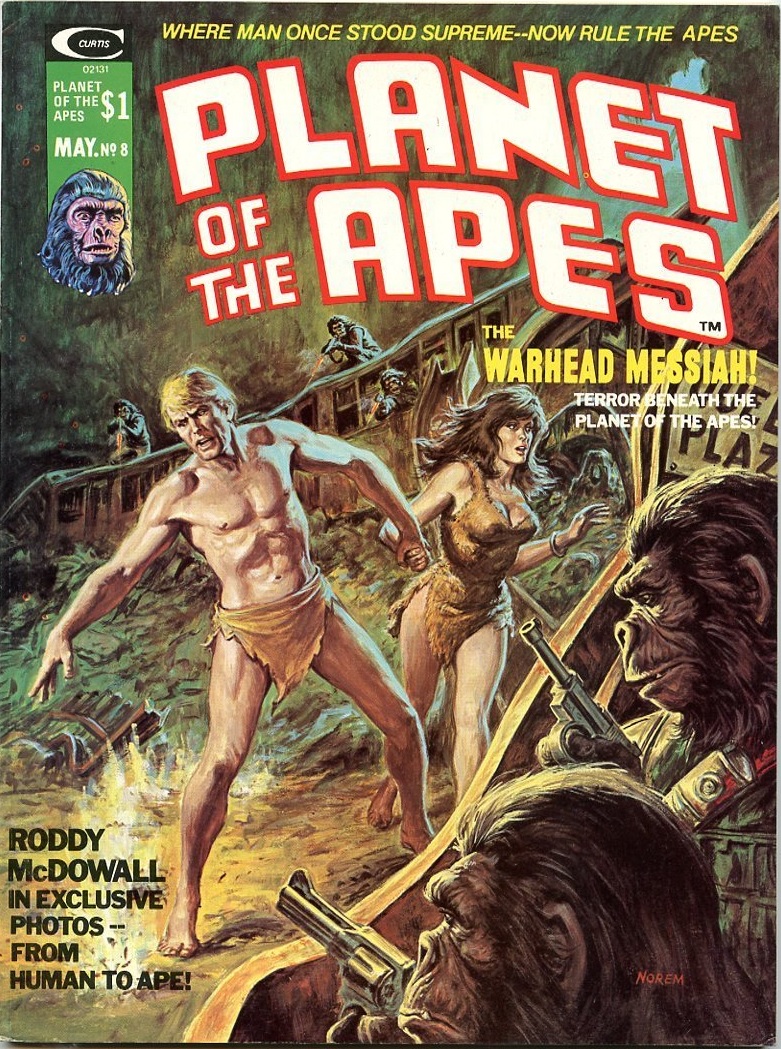
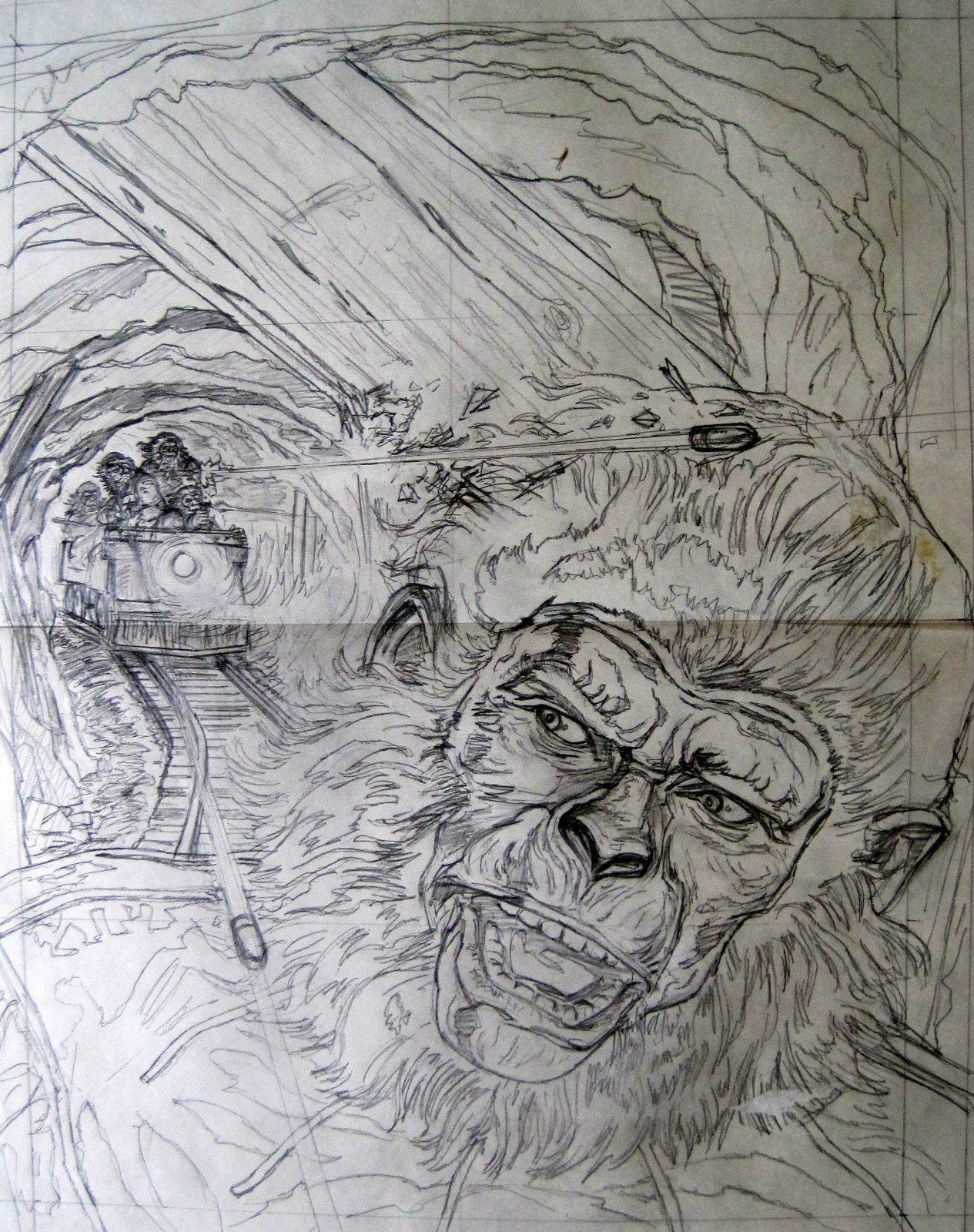
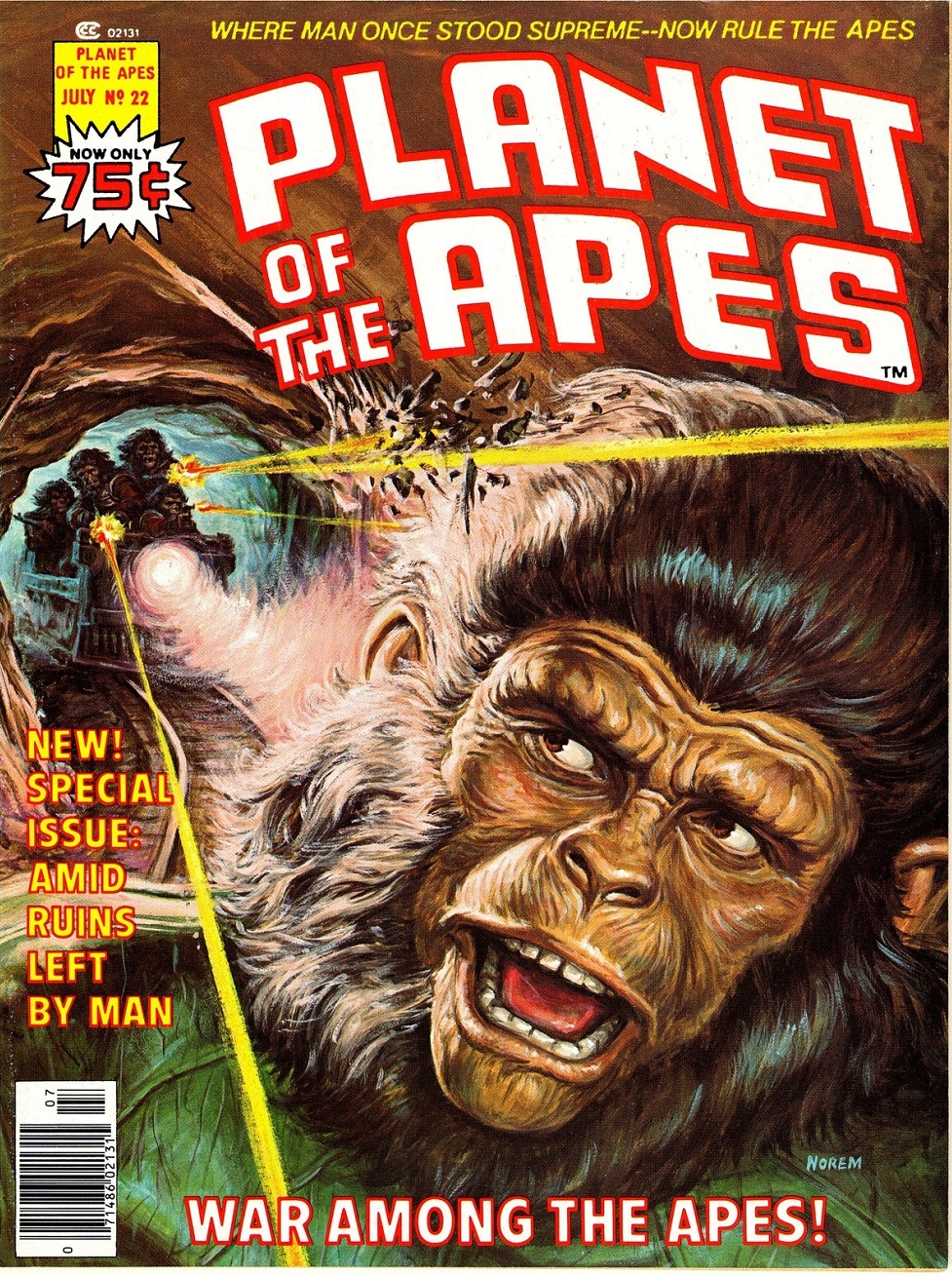
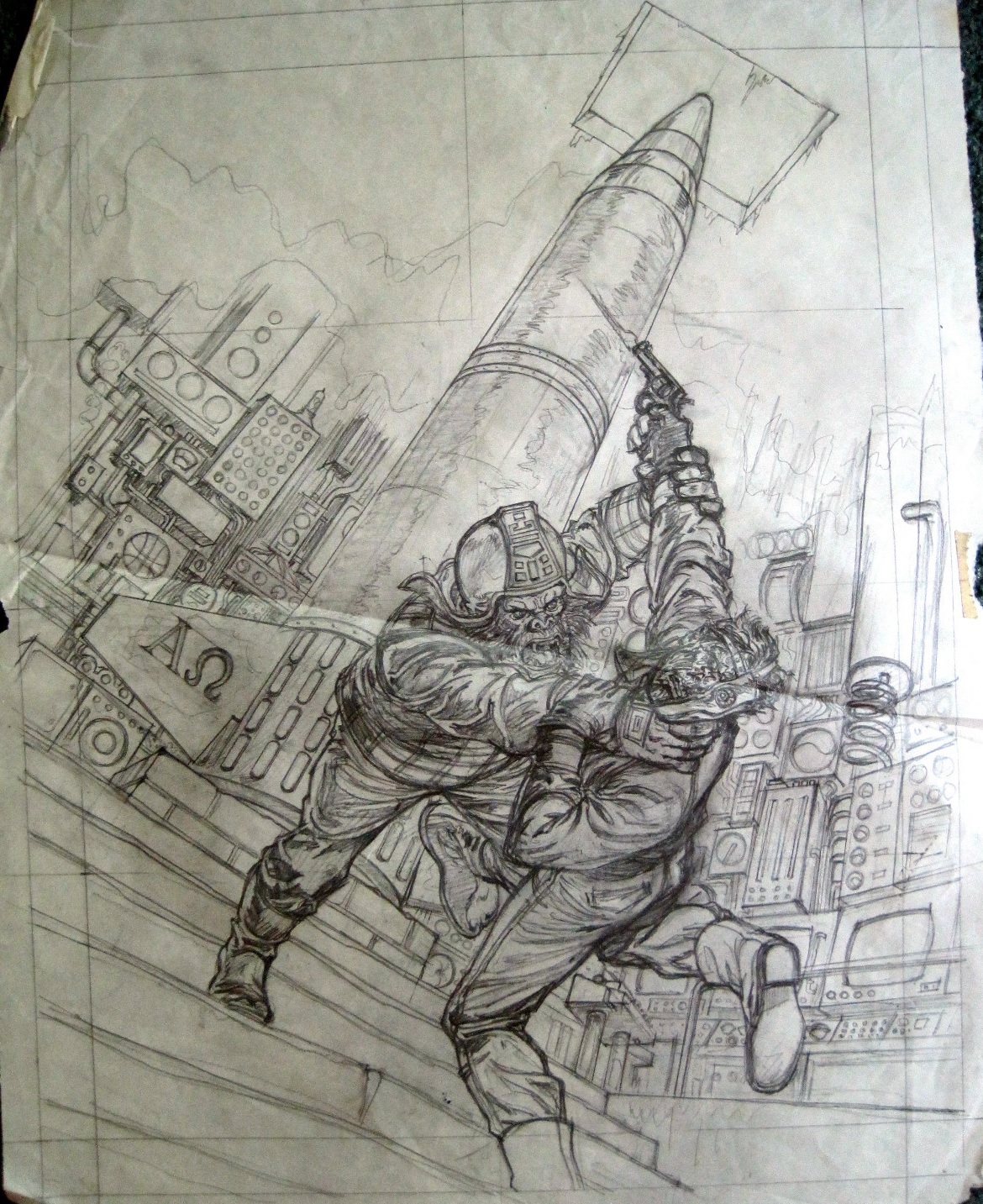
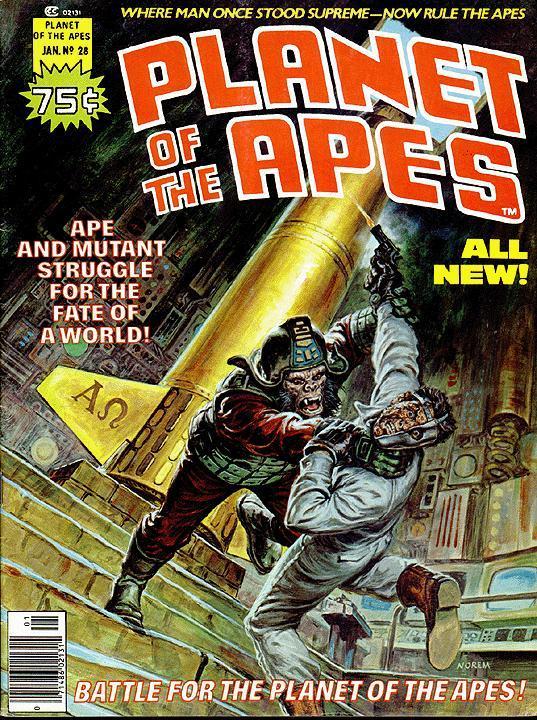
Many of Earl Norem’s original pencils and paintings, from the ’60s through the ’90s, are popping up on eBay. (The original pencils for Planet of the Apes #28 went for over $1000.) A lot of it is in pretty rough shape—multiple folds, tattering, yellowing. Illustration was a tough gig, and artists had to crank out page after page of quality work to make a living. Even for Norem, who was well established by this point, there was no time for sentimentality. It was all business.
The more I see from Norem, the more I realize how much he contributed to the vision of almost every major kid’s property from the late ’70s through the late ’80s, including Conan, The Six Million Dollar Man, Indiana Jones, Planet of the Apes, Buck Rogers, Masters of the Universe, D&D, Marvel Comics (superhero and horror), G.I. Joe, and the Transformers.
The amount of detail he squeezes into his cover paintings is staggering. See the control panels in #28, the chimp’s hair in #22, and the dense, layered colors he uses to fill the big spaces in #8.
Remember when I said that the Amazing Spider-Man Rockomic From Beyond the Grave (1972) was the weirdest, scariest shit ever marketed to kids? I stand corrected. That honor (for now, anyway) has been passed along to Night of the Laughing Dead. The story, by Steve Gerber, is adapted from Man-Thing Vol. 1 #5. (Beware: spoilers ahead.)
Our story begins with a weeping clown, his copious make-up smeared from tears, putting a gun to his head and pulling the trigger. The Man-Thing, a tortured, unreasoning beast who vaguely and painfully recalls his former life as a human being, hears the shot and finds the dead clown face down in the swamp. The creature picks him up, intending to bury him. The music kicks in: it sounds like a cat being sawed in half in slow motion.
Meanwhile, the clown’s girlfriend, who’s upset because she “betrayed” him, gets beat up by the carnival manager. Two hippies rescue her and they all go looking for “her clown.” They find him on the side of the road. He seems to be fine. But he’s not. Because he’s dead. The kids follow the silent apparition into the marsh.
The carnival manager and his meathead henchman, the carnival strongman, speed after the hippies and the clown’s girlfriend. They find the clown too, seemingly alive, and swerve to miss him. The truck hits a tree and explodes. The carnival manager burns to a crisp. The clown taunts the meathead in an evil clown voice, laughing the laugh of an evil, dead, insane clown. The meathead takes the bait and plows after him/it.
Not too far away, the kids, lost in the poisonous marsh, see the Man-Thing carrying the dead clown’s body. Ayla, the girlfriend, screams and rushes to her man, cradling the dead body in her arms, weeping. The hippies wonder: hey, if the clown is dead, what exactly was it we saw head into the swamp a few minutes ago?
The strongman arrives, picks up the clown corpse and implores it to “stand up and get beat to death like a man.” One of the hippies tries to stop him, and the meathead knocks him out. The Man-Thing intercedes, fighting the strongman and eventually drowning him in the swamp.
The ghost of the clown rises from the corpse and explains in the evil, insane clown voice that he’s finally found peace. You see, all clowns want to do is make people laugh, and clowns can’t make people laugh when they’re betrayed and all they feel is pain. But now, because his soul is free and there’s no more pain, he can laugh forever. He laughs his evil clown laugh, and the Man-Thing thinks to his miserable self: never has laughter made me feel so sad. Eerie rock music fades in. The End.
As Sanctum Sanctorum Comix notes, the story continues in Man-Thing #6, but Power Records didn’t produce the second act. I wonder if that’s because all the kids who listened to the first act crapped in their pants before dying of terror.
Read the whole book at Rob Kelly’s Power Records blog. Listen to the whole record below, if you dare.
If you own the copyright to any of the material on this site and would like said material to be removed, please contact 2warpstoneptune [at] gmail [dot] com.

















 2 Warps to Neptune