Archive for the 'Comic Books' Category


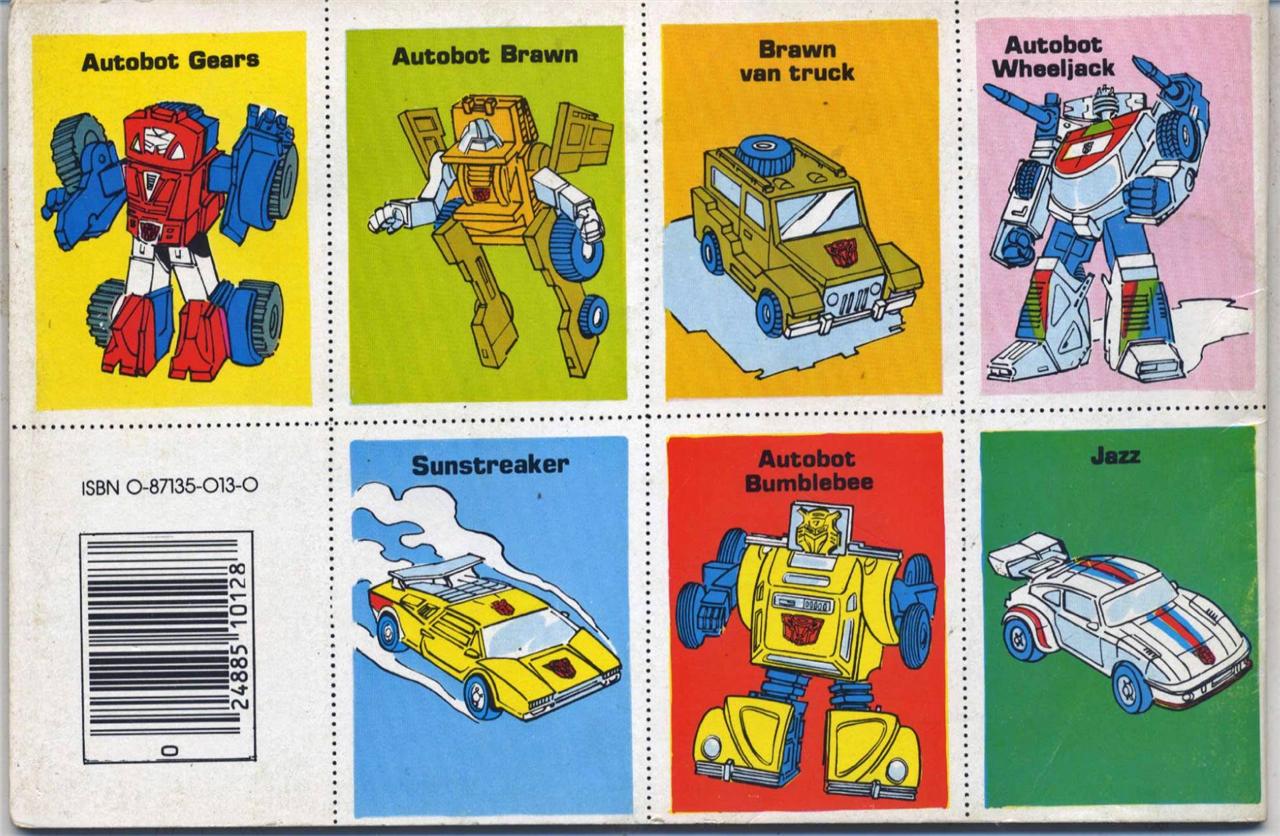
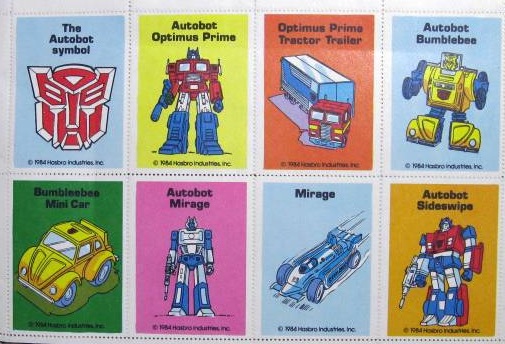
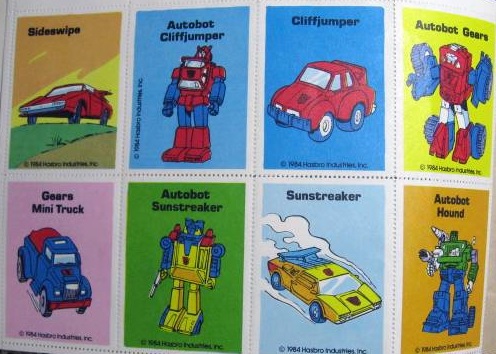
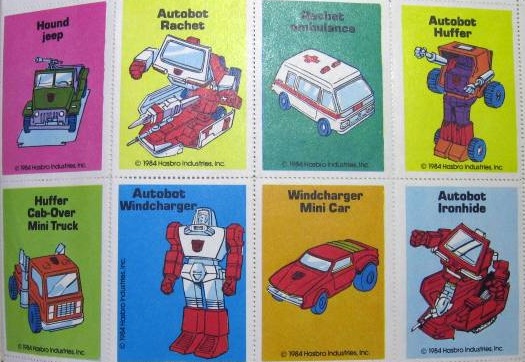
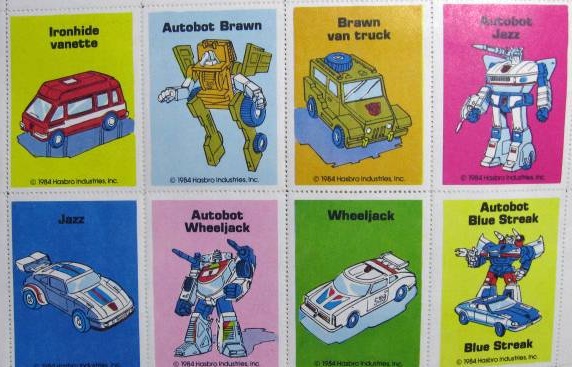
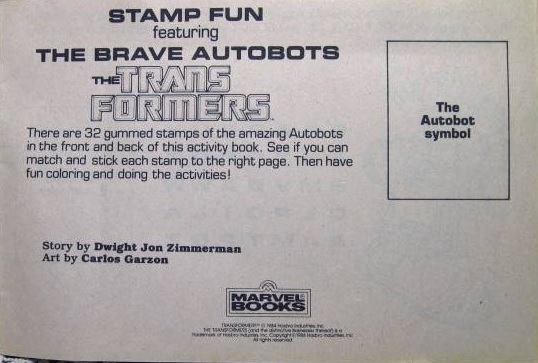
The Transformers Stamp Fun Featuring the Brave Autobots (1984)

Transformers Stamps 1984

Transformers Stamps 1984-2

Transformers Stamps 1984-3

Transformers Stamps 1984-4

Transformers Stamps 1984-5

Transformers Stamps 1984-6

Transformers Stamps 1984-7

The Marvel Books imprint launched in 1982. As Jim Galton, Marvel Entertainment Group’s president at the time, explained in 1986:

The concept was to publish highly recognizable merchandise to kids… It’s a two-tier strategy, in that one element of the product appeals to the kids, and one element appeals to the parents.

The line’s tremendous success, he says, was due to a “combination of aggressive marketing and a new respectability of comic books.” Much of that “respectability” was a direct result of Marvel’s unrelenting marketing and licensing.

Dwight Jon Zimmerman got his start on Marvel Books and went on to write and edit various Marvel comic titles until becoming executive editor of Topps comics in 1992. Today he’s an award-winning author of military history books.

Bogotá-born Carlos Garzón came to New York in 1970 to work with artist Al Williamson. The duo would go on to illustrate Marvel’s Empire Strikes Back and Return of the Jedi adaptations. The two had an unconventional working relationship, according to Marvel editor Archie Goodwin:

Unlike most teams listed in comic book credits, Al isn’t strictly the penciler and Carlos strictly the inker. They each do some of both, switching back and forth, sometimes from page to page, sometimes even from panel to panel, or even within a given panel. The end result is one smooth, high quality style, and an adaptation we at Marvel are very proud of.

Read a good interview with Garzón by Ryder Windham at the Star Wars Blog.

There was a different stamp book covering “The Evil Decepticons.” I’m looking for copies of both.

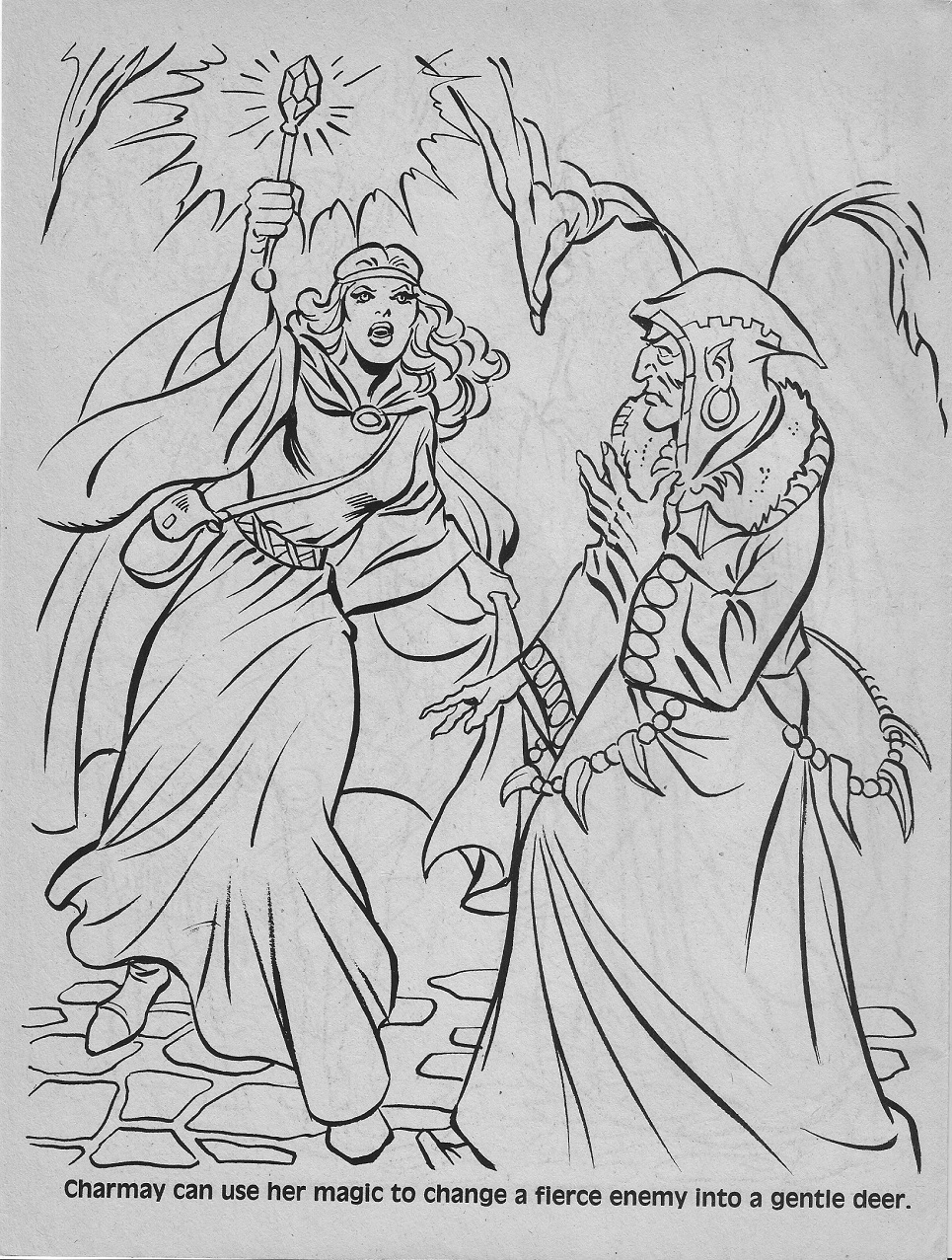
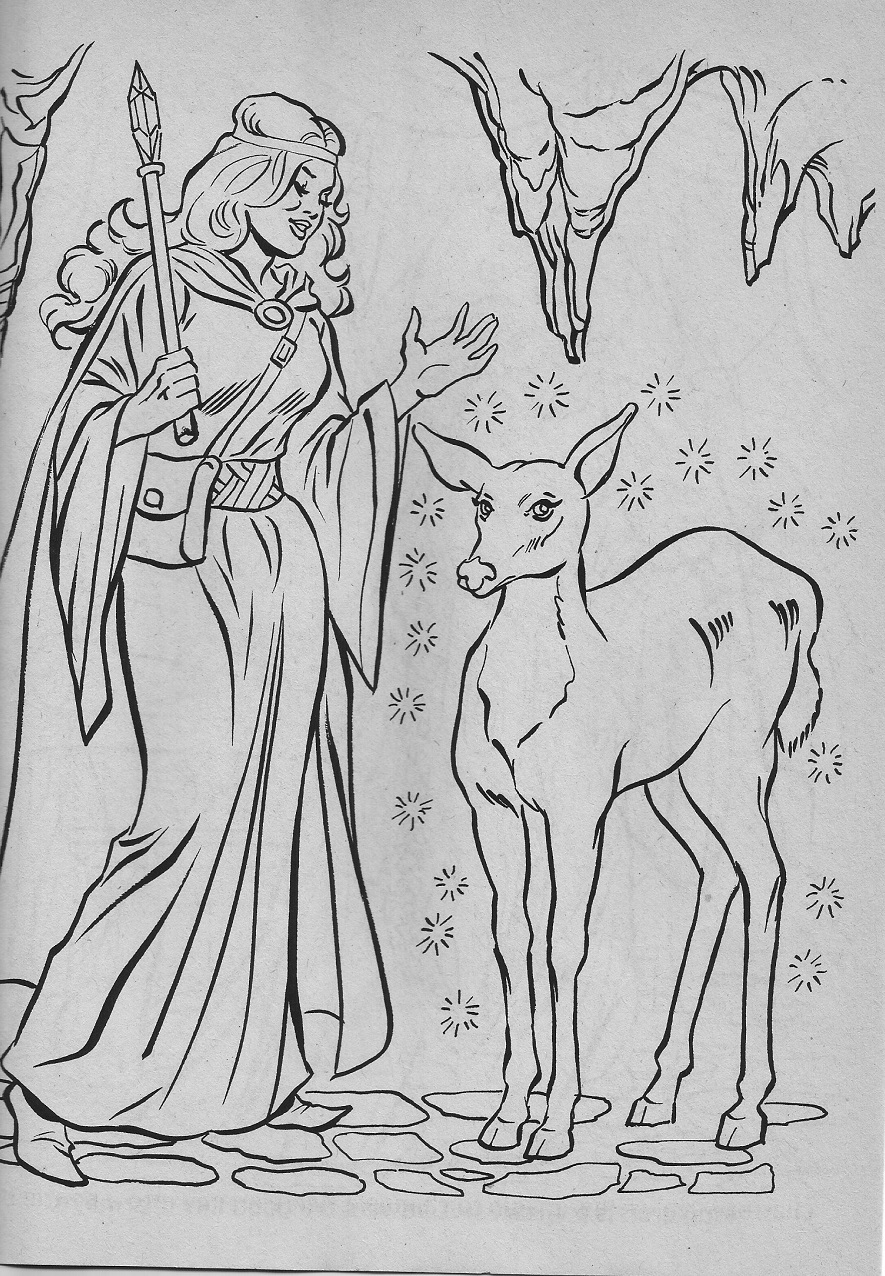
Advanced Dungeons & Dragons Characters Coloring Book (1983) (Part Three)

AD&D Characters pg. 21AD&D Characters pg. 22

AD&D Characters pg. 23AD&D Characters pg. 24

AD&D Characters pg. 25AD&D Characters pg. 26

AD&D Characters pg. 27AD&D Characters pg. 28

AD&D Characters pg. 29AD&D Characters pg. 30

AD&D Characters pg. 31AD&D Characters pg. 32

AD&D Characters pg. 33AD&D Characters pg. 34

AD&D Characters pg. 35

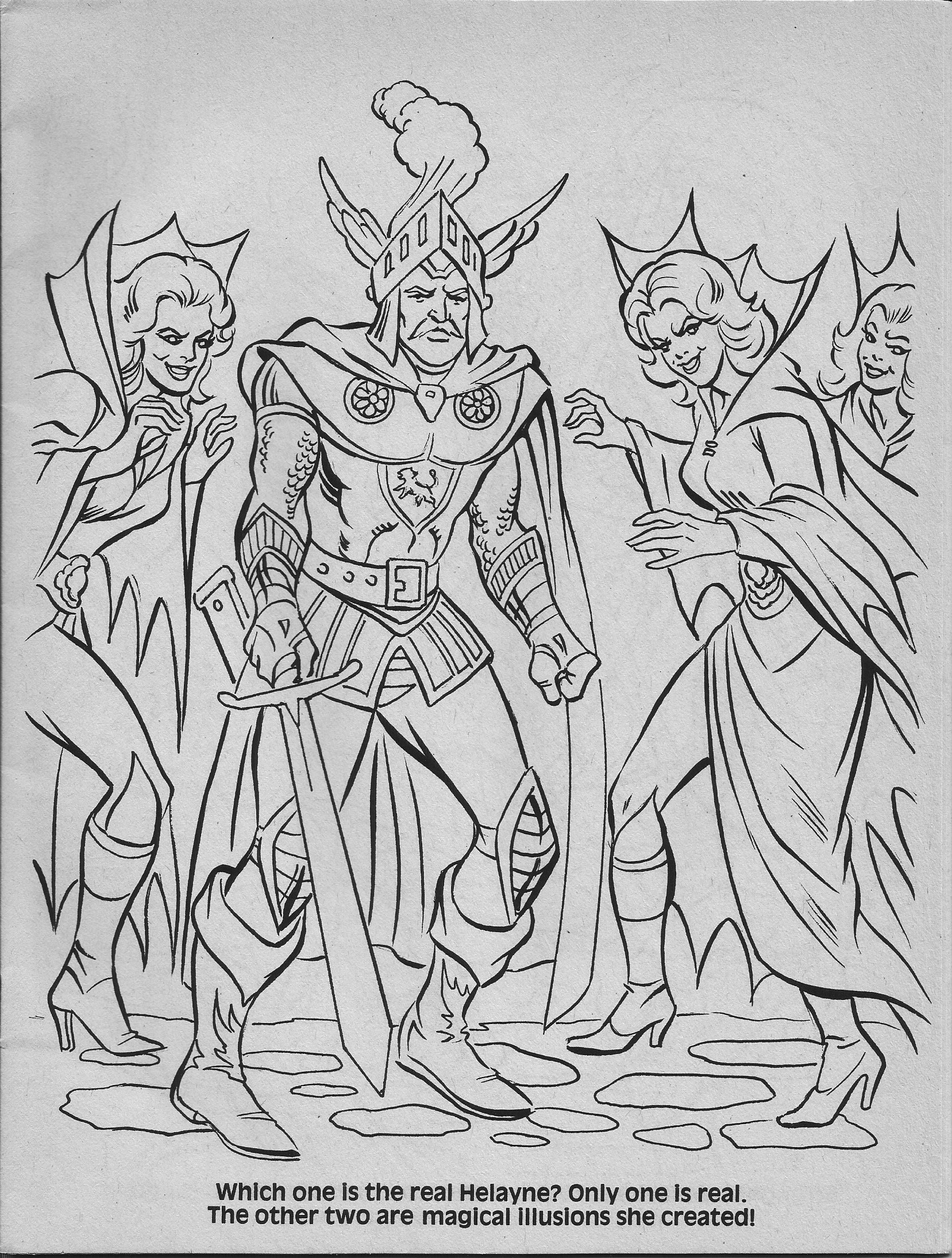
Page one: Stine continues to play fast and loose with the spells. It gives the artists more freedom.

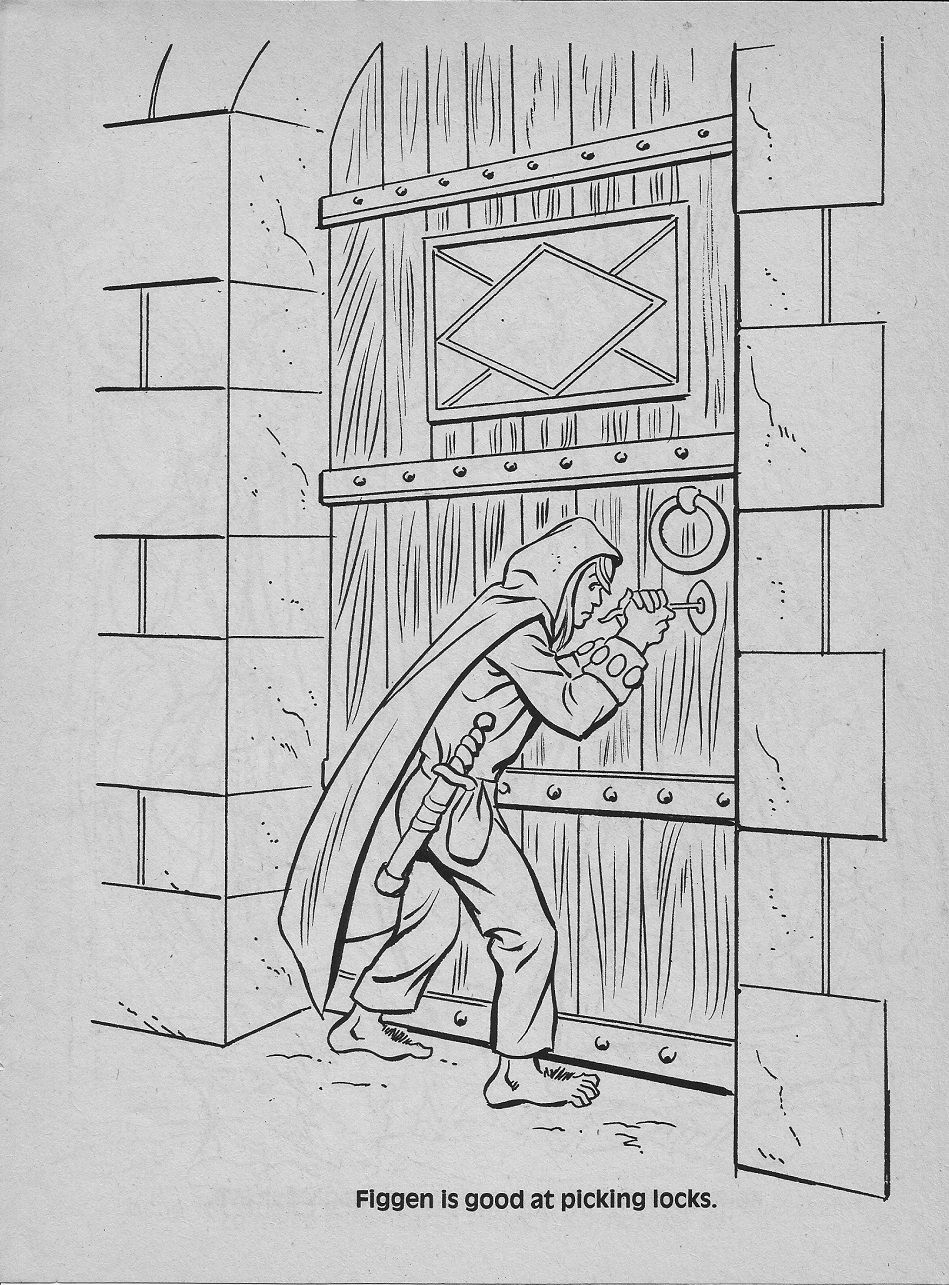
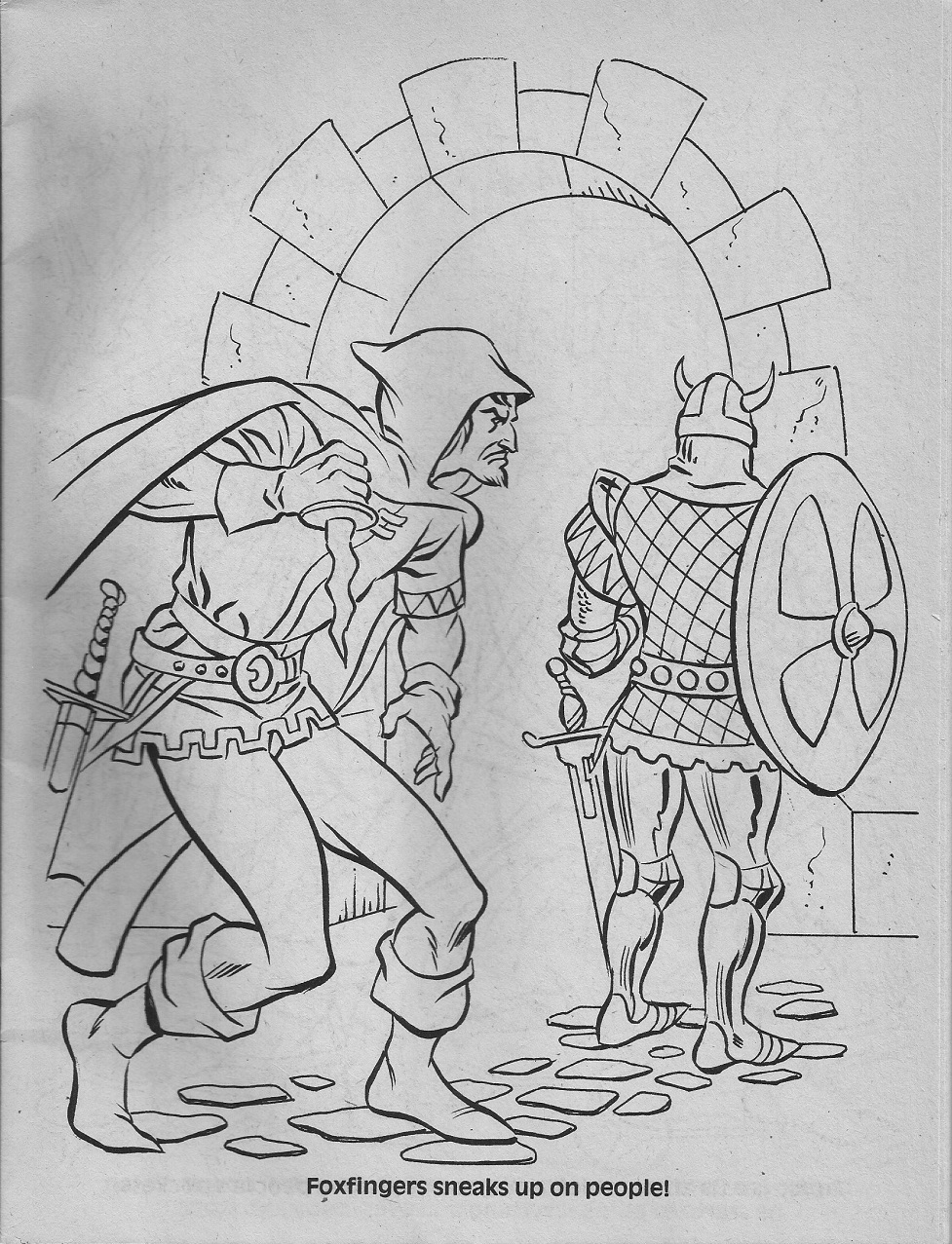
Page three: Thieves do not enter buildings through the front door.

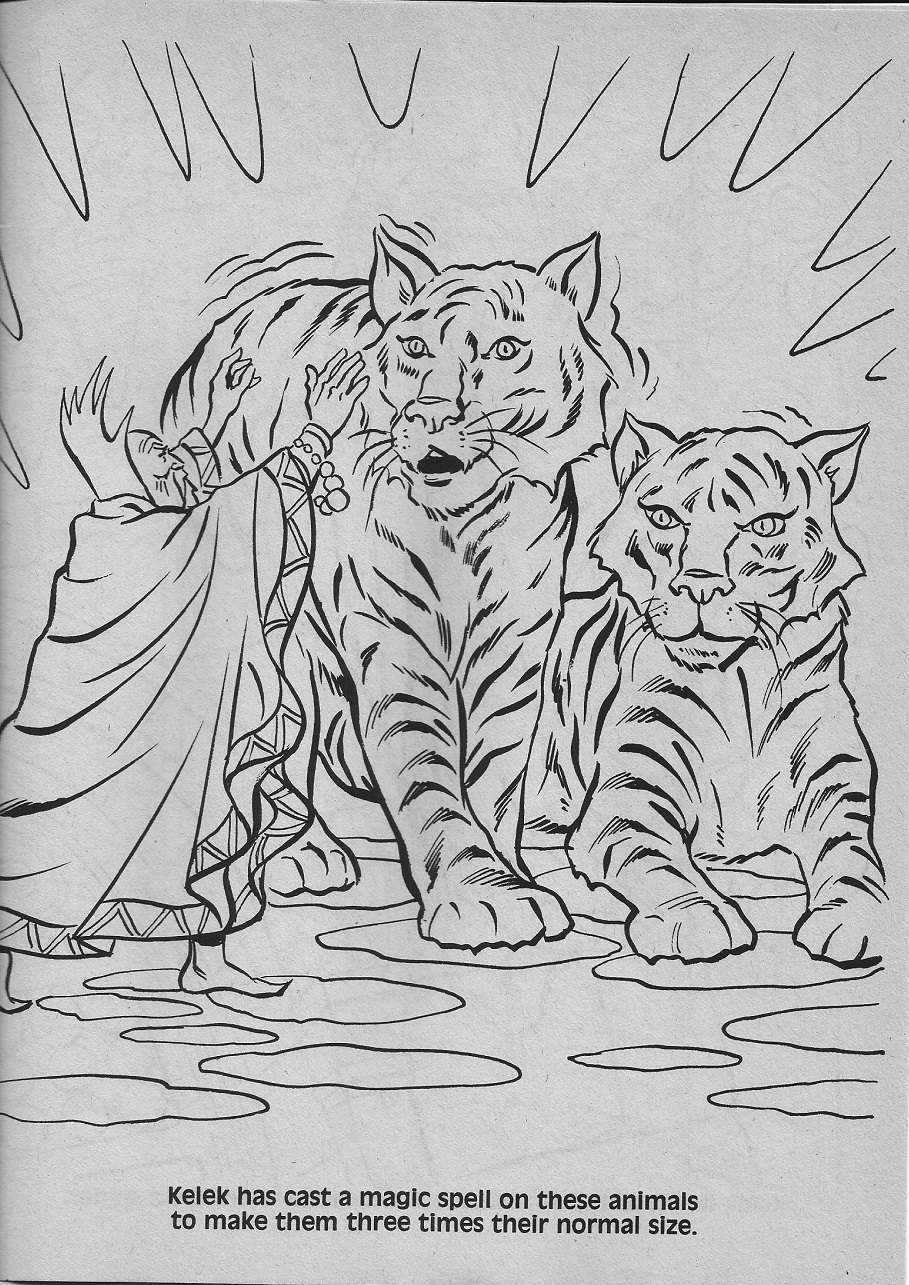
Page four: Not really a revelation that evil sorcerers use magic for evil purposes.

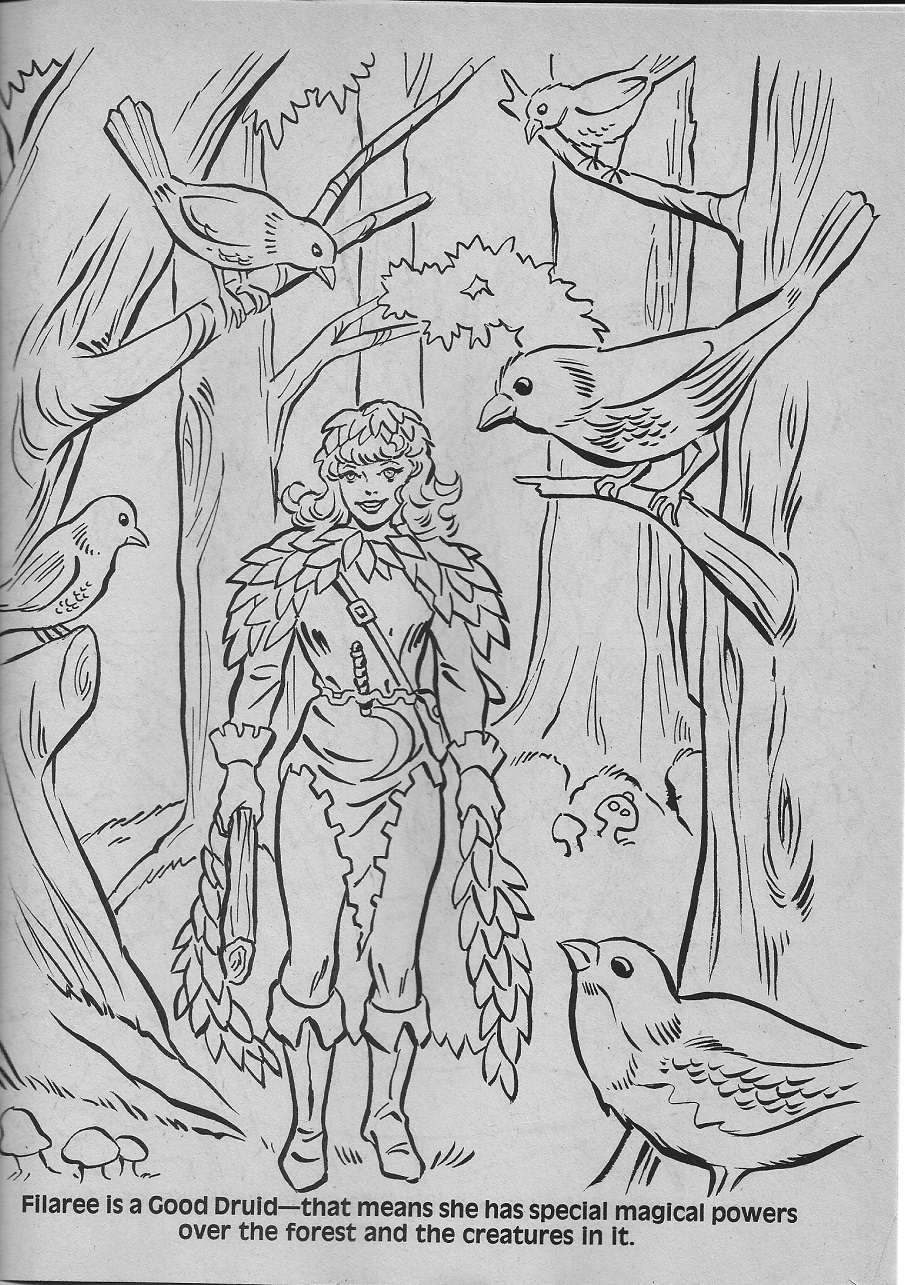
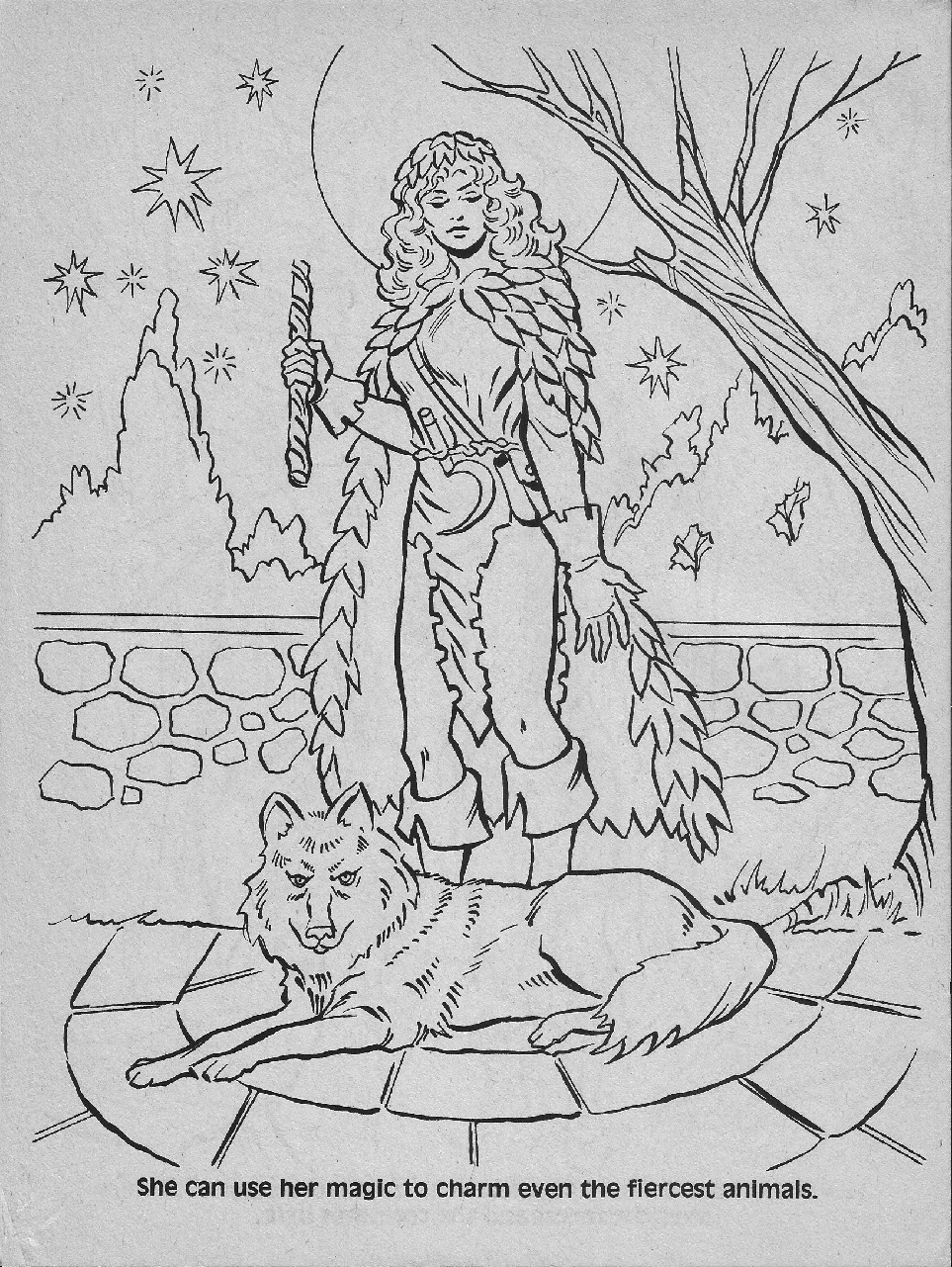
Page five: A real druid spell.

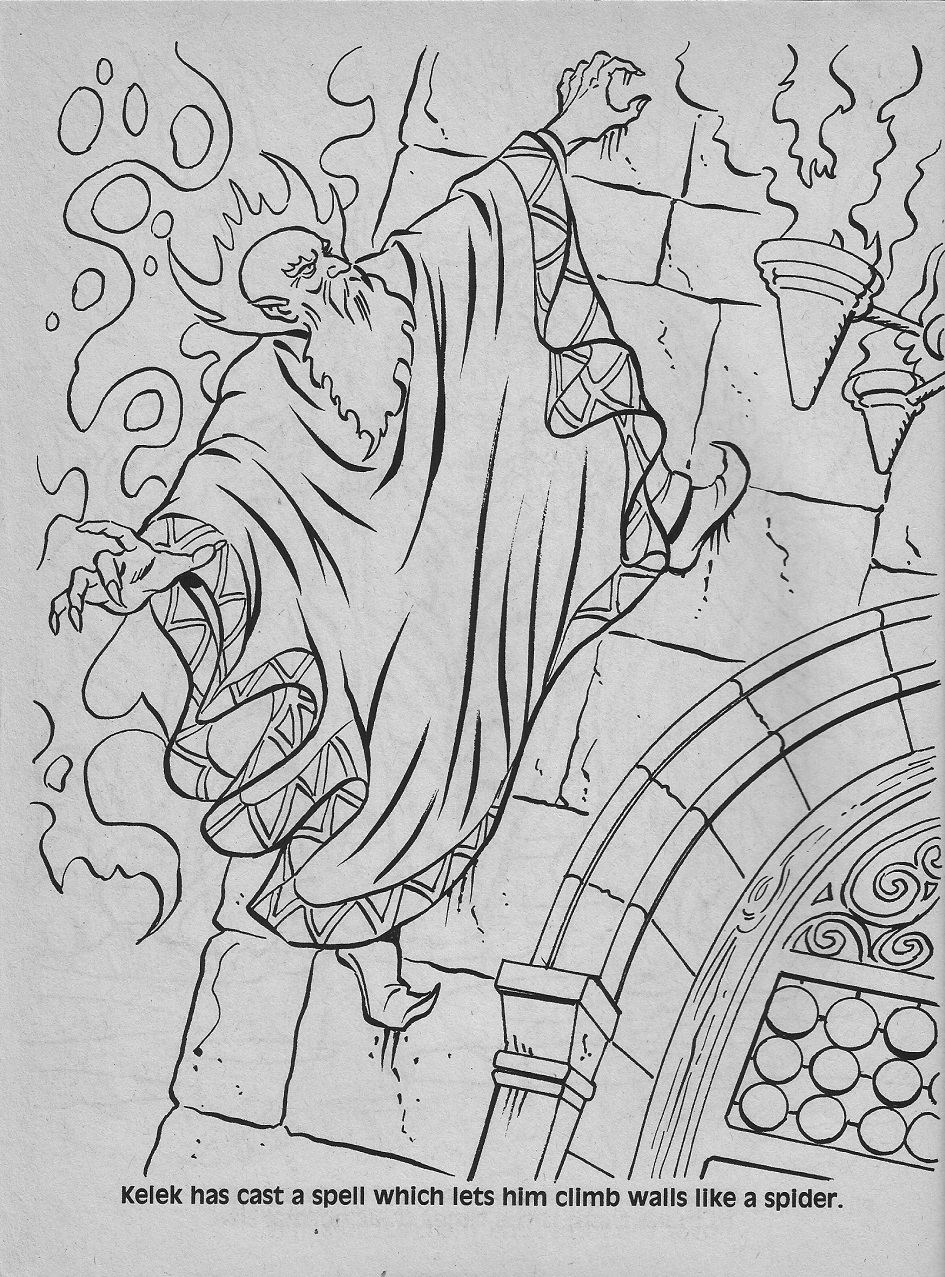
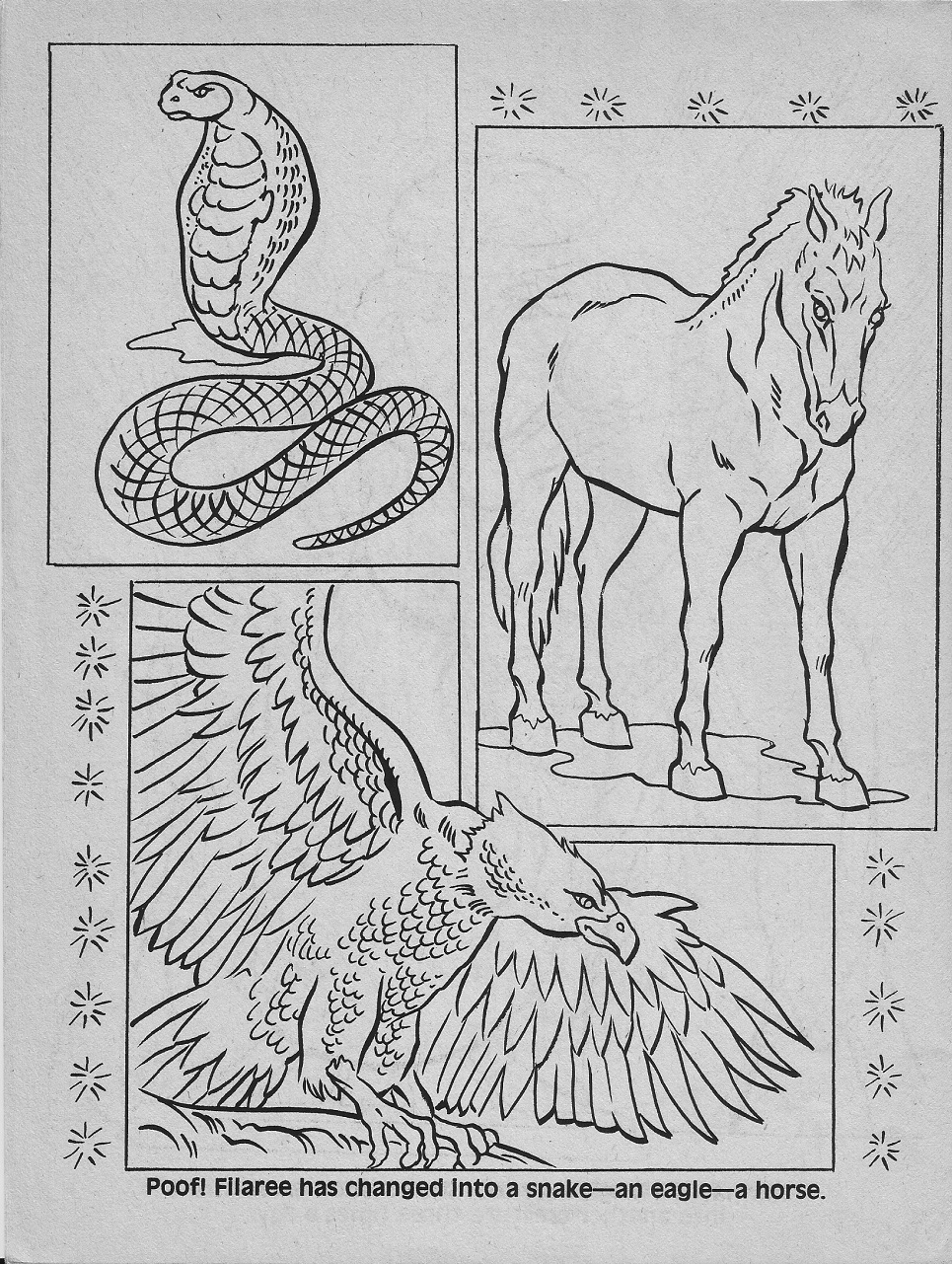
Page six: The Amazing Spider-Mage!

Pages seven through ten: The druid is about as fearsome as the bard in part one.

Page eleven: Jazz hands!

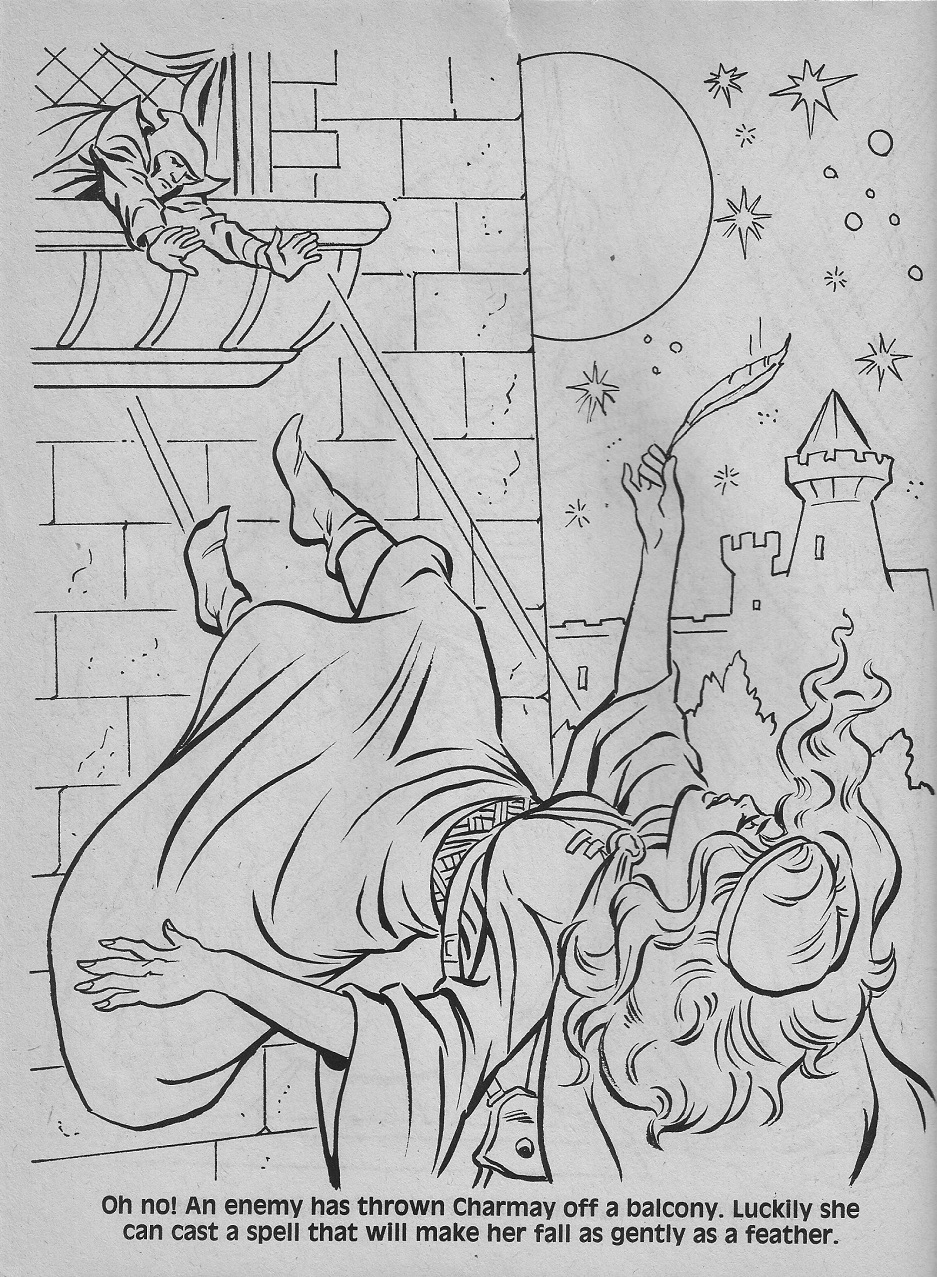
Page twelve: My favorite from this bunch. Love the feather.
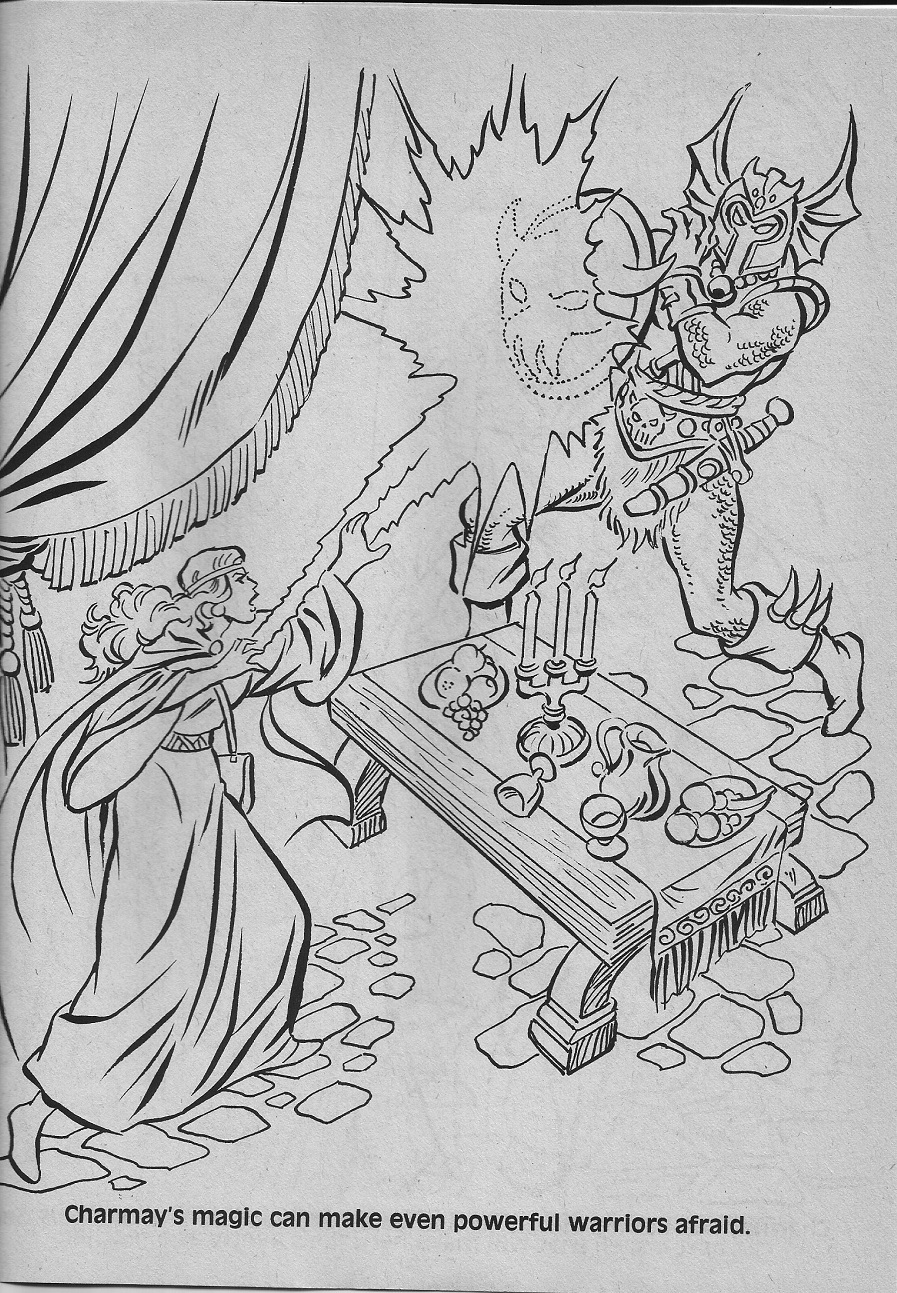
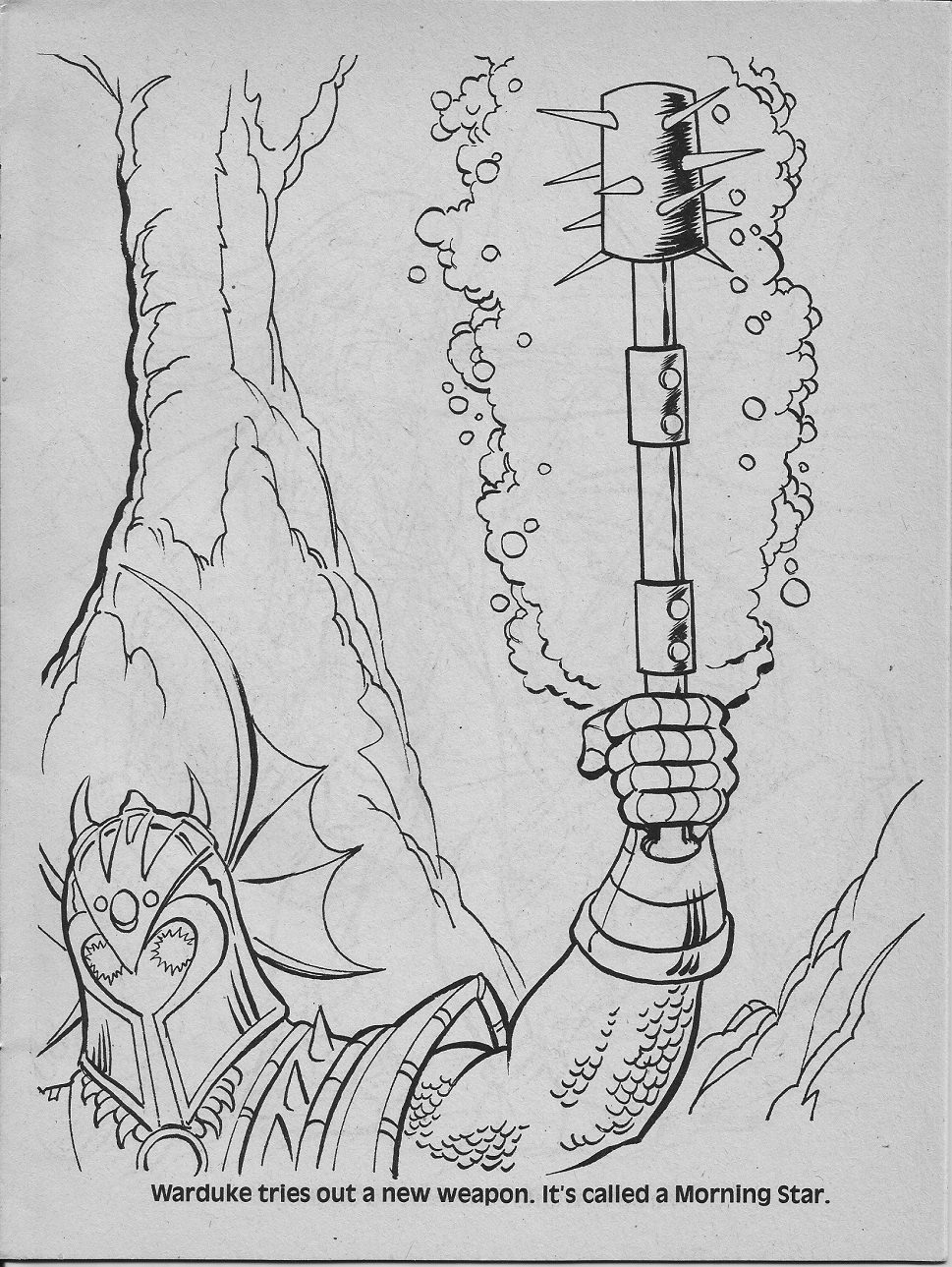
Page thirteen: Warduke does not look afraid to me, merely annoyed.

* * *

Parts one and two of the coloring book are here and here.

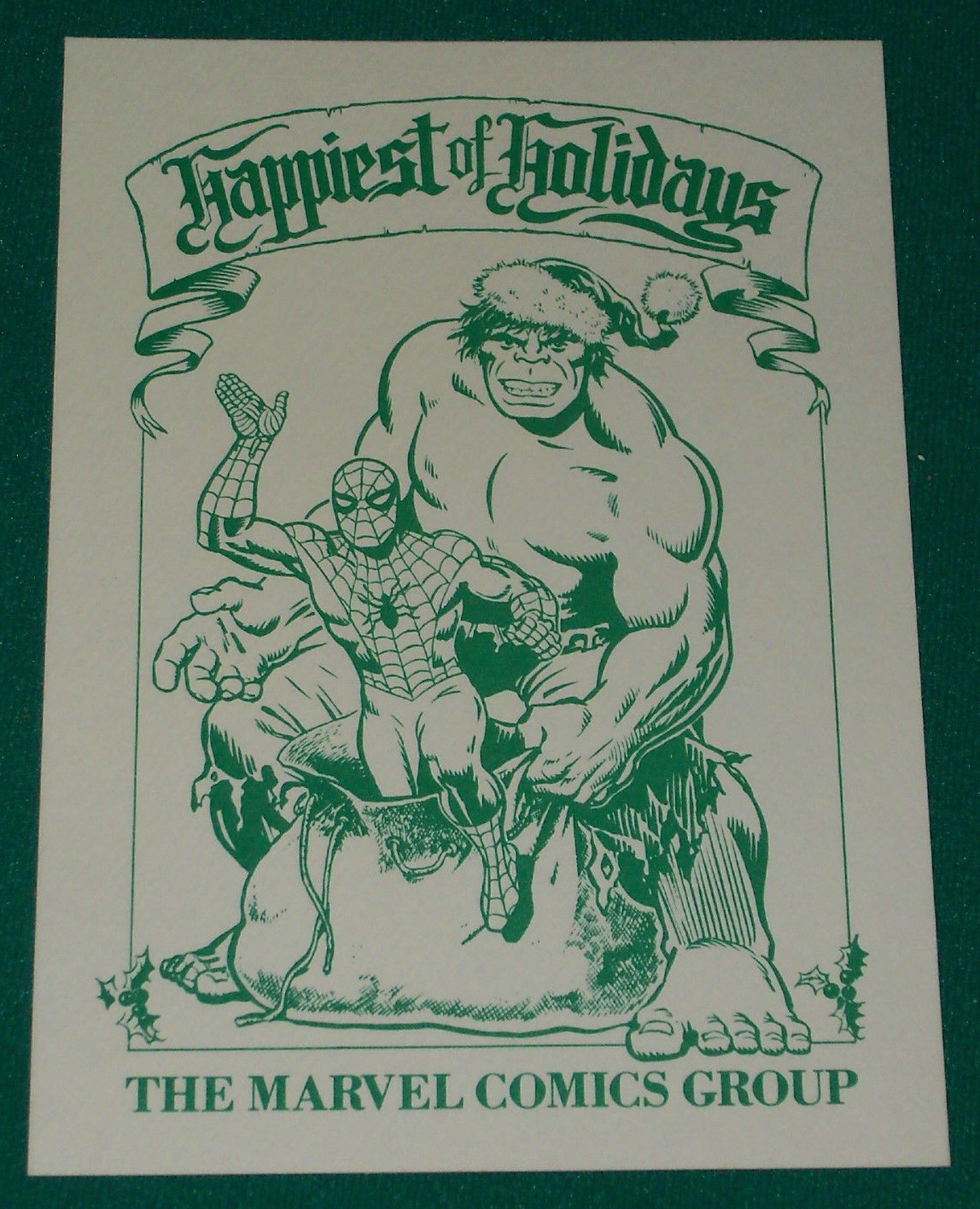
Marvel Bullpen Christmas Card (1978)

Christmas Marvel Card 1978

From the seller, Marvelmania: “Marvel Christmas cards were in-house giveaways and usually only given to employees and business associates. I obtained this particular example about 20 years ago from a former Marvel employee in the 1970s.”

Lovely artwork by Marie Severin and John Romita.

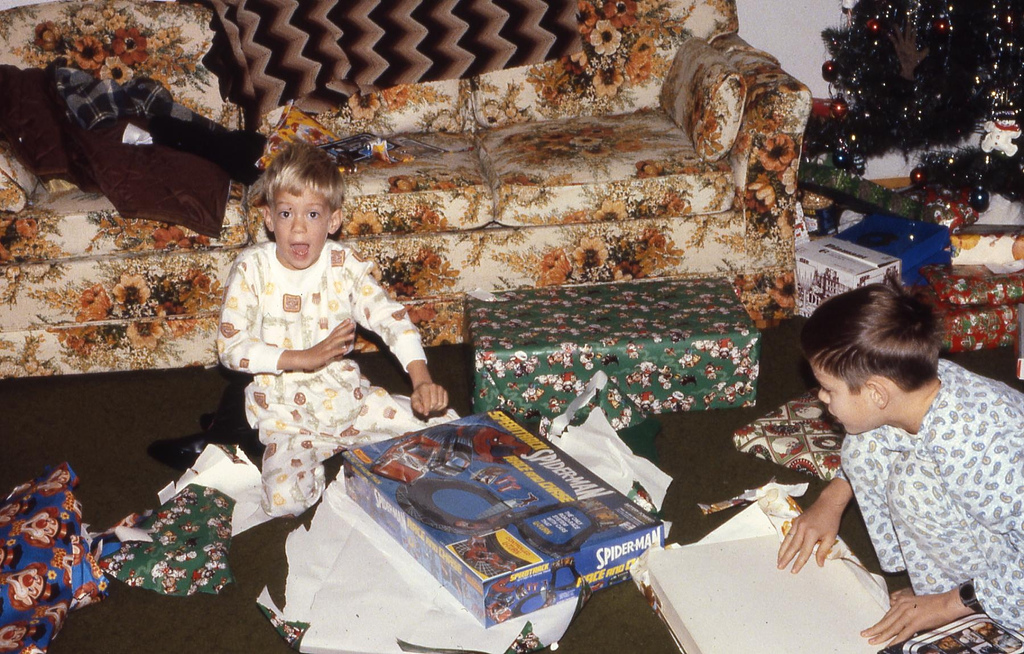
Christmas Morning, 1980: Matchbox’s Spider-Man Race and Chase, LJN’s `Computer Command’ Corvette

Christmas Spidey 1980

The kid is really stoked about his Spider-Man Race and Chase set, part of Matchbox’s Speedtrack/Powertrack line. Here it is set up and ready to go. Photo is via the comprehensive Powertrack blog.

Spiderman Race and Chase

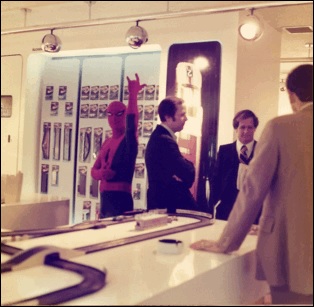
In the photos below, from the same blog, Spidey and the Hulk (the Green Guy had his own set) promote their products at the New York Toy Fair in the late ’70s. Pat Dennis, the designer and developer of Matchbox’s new racing system, lends a hand with the technical details.

Toy Fair 1977-1978

Toy Fair 1977-1978-2

Toy Fair 1977-1978-3

In the next photo, we’re joined by another happy kid, and a happy (but tired) dad. I love that the first kid’s expression hasn’t changed. The Christmas morning photos come from Melissa Wilkins/Flickr.

Christmas Spidey 1980-2

There’s an Empire Strikes Back figure on the couch, a Microscope Lab Set, Mouse Trap, and LJN’s programmable (like the Big Trak) 255 Computer Command Corvette. I remembered it when I saw the box.

LJN Corvette 1980

LJN Corvette 1980-2

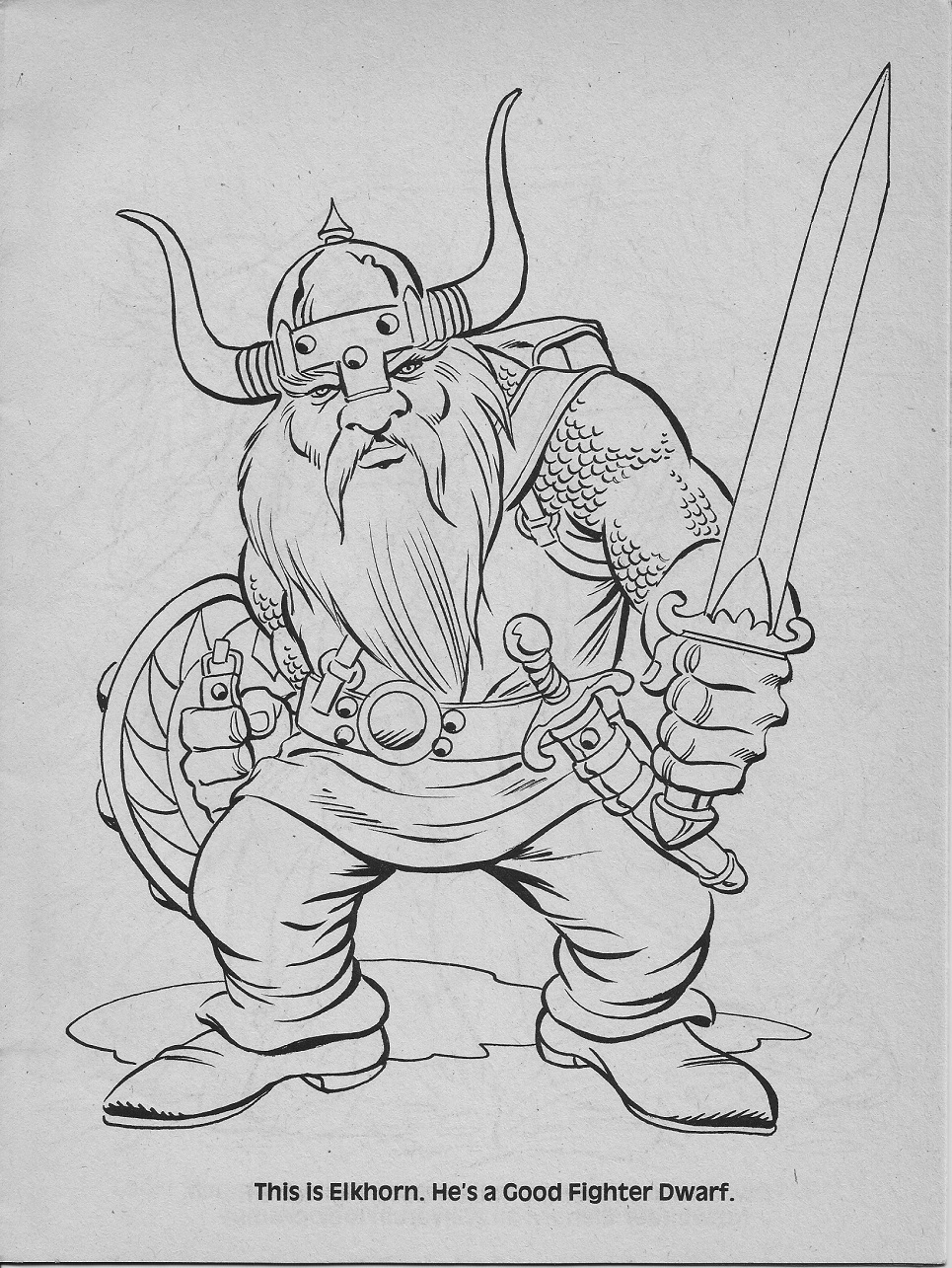
Advanced Dungeons & Dragons Characters Coloring Book (1983) (Part Two)

AD&D Characters pg. 11AD&D Characters pg. 12

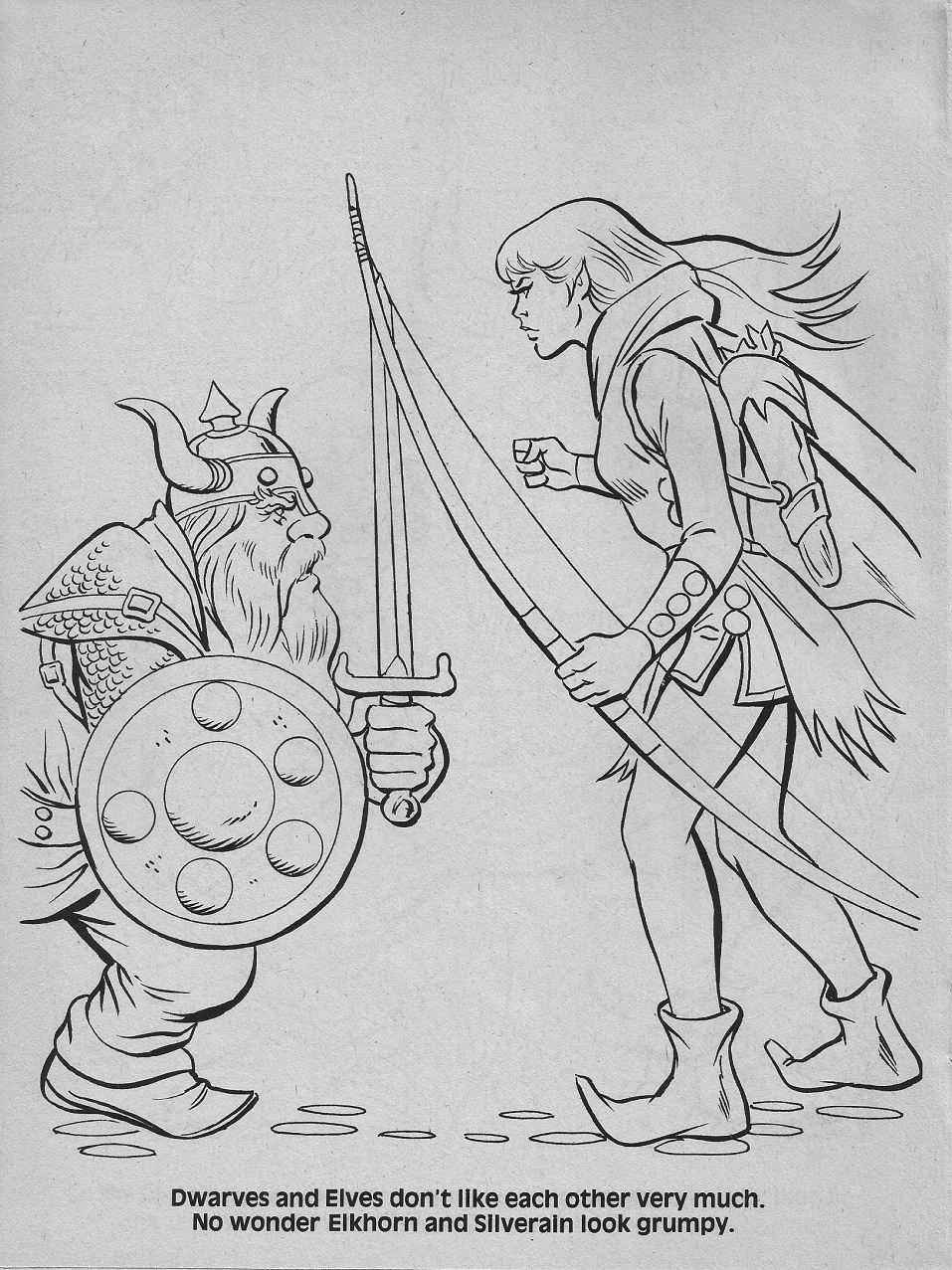
AD&D Characters pg. 13AD&D Characters pg. 14

AD&D Characters pg. 15AD&D Characters pg. 16

AD&D Characters pg. 17AD&D Characters pg. 18

AD&D Characters pg. 19AD&D Characters pg. 20


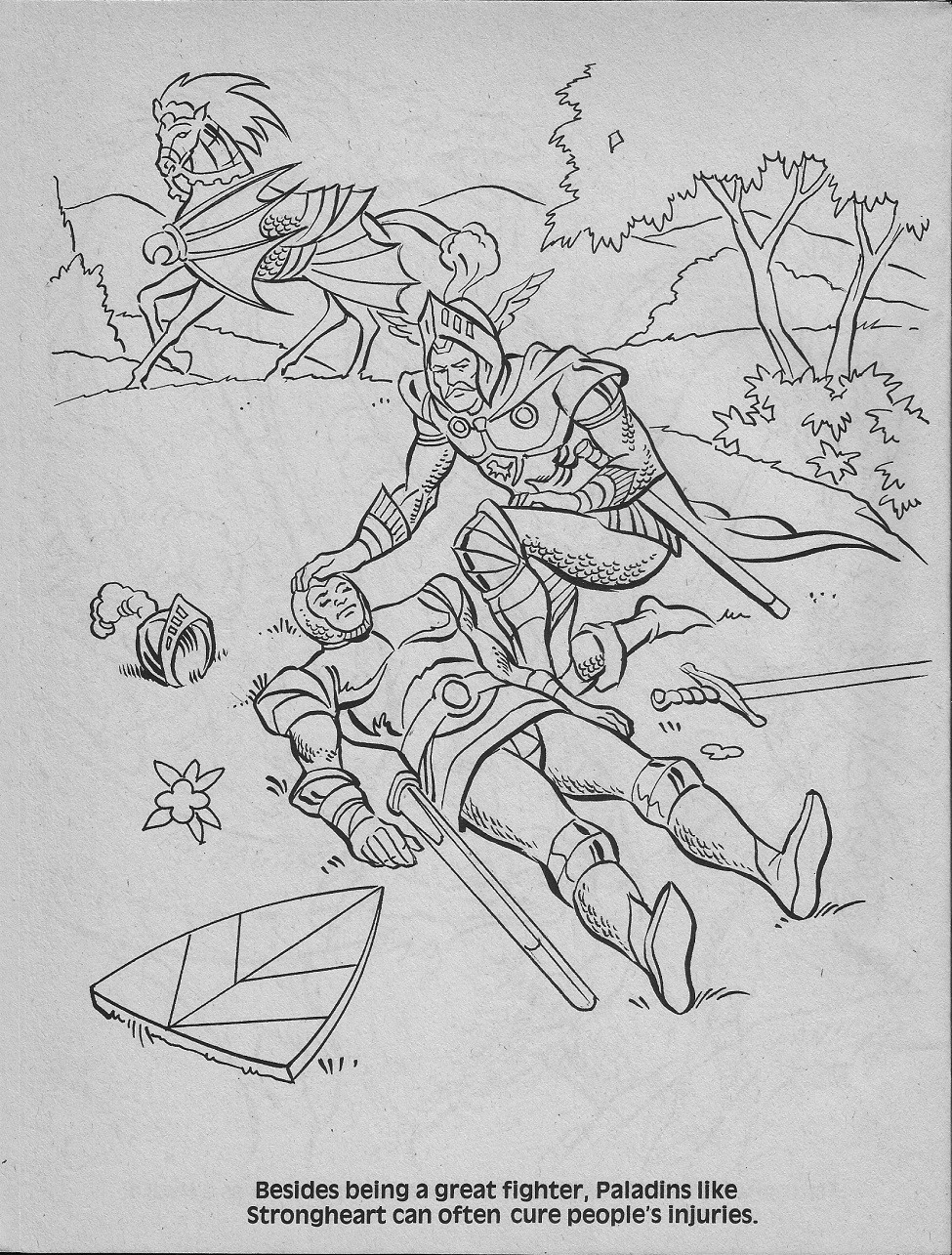
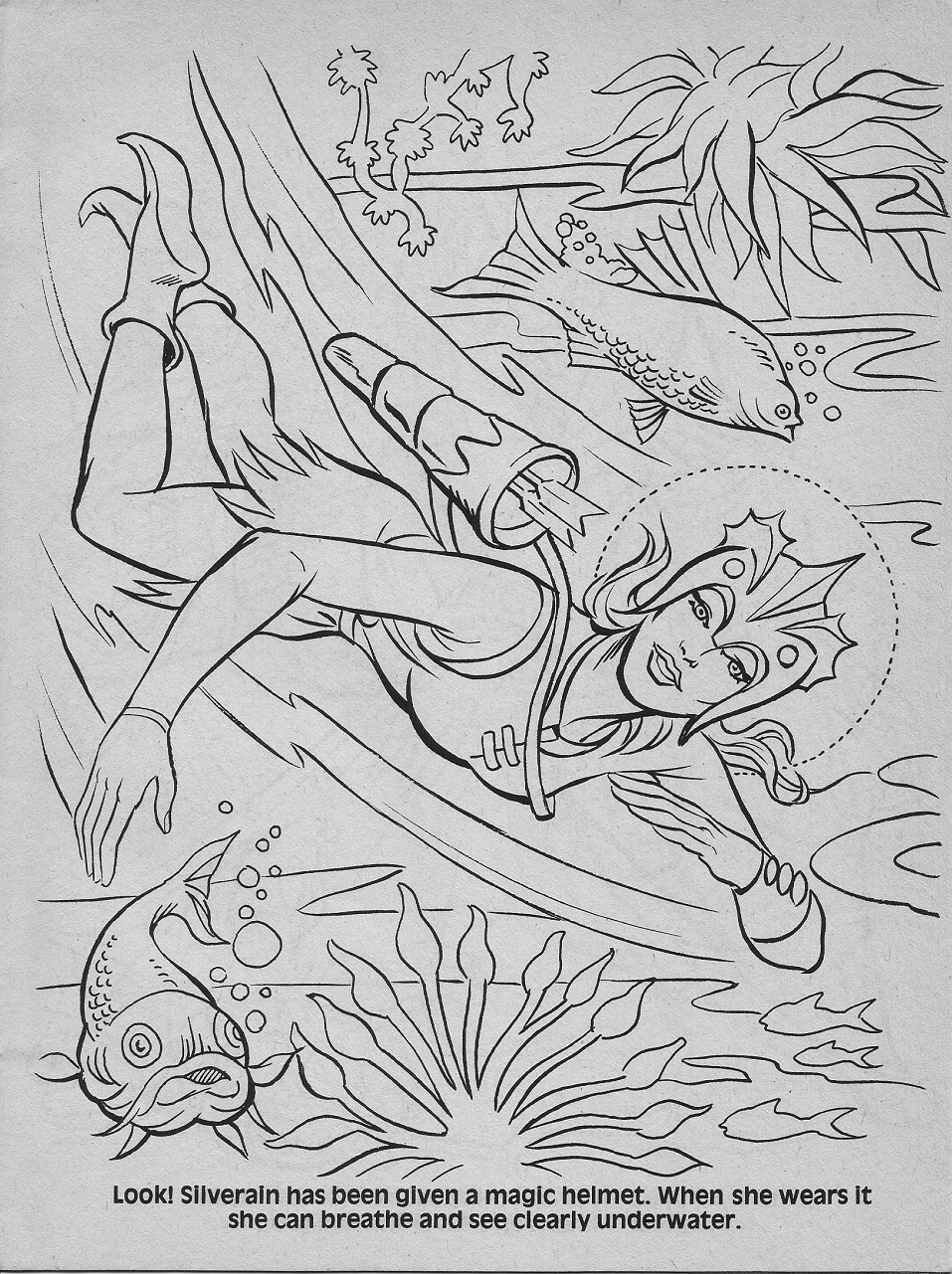
The action picks up in part two. We’ve got a five-headed hydra, the paladin’s Lay on Hands ability, lots of Warduke, the historic dwarf/elf antagonism (from Tolkien), and a helm of water breathing (my favorite page—those fish are flummoxed!).

On the last page, the evil cleric Zargash is charming a snake, but I don’t think clerics have access to the Charm Animal or Charm Monster spells. Maybe I’m wrong.

Part one of the Characters Coloring Book is here.

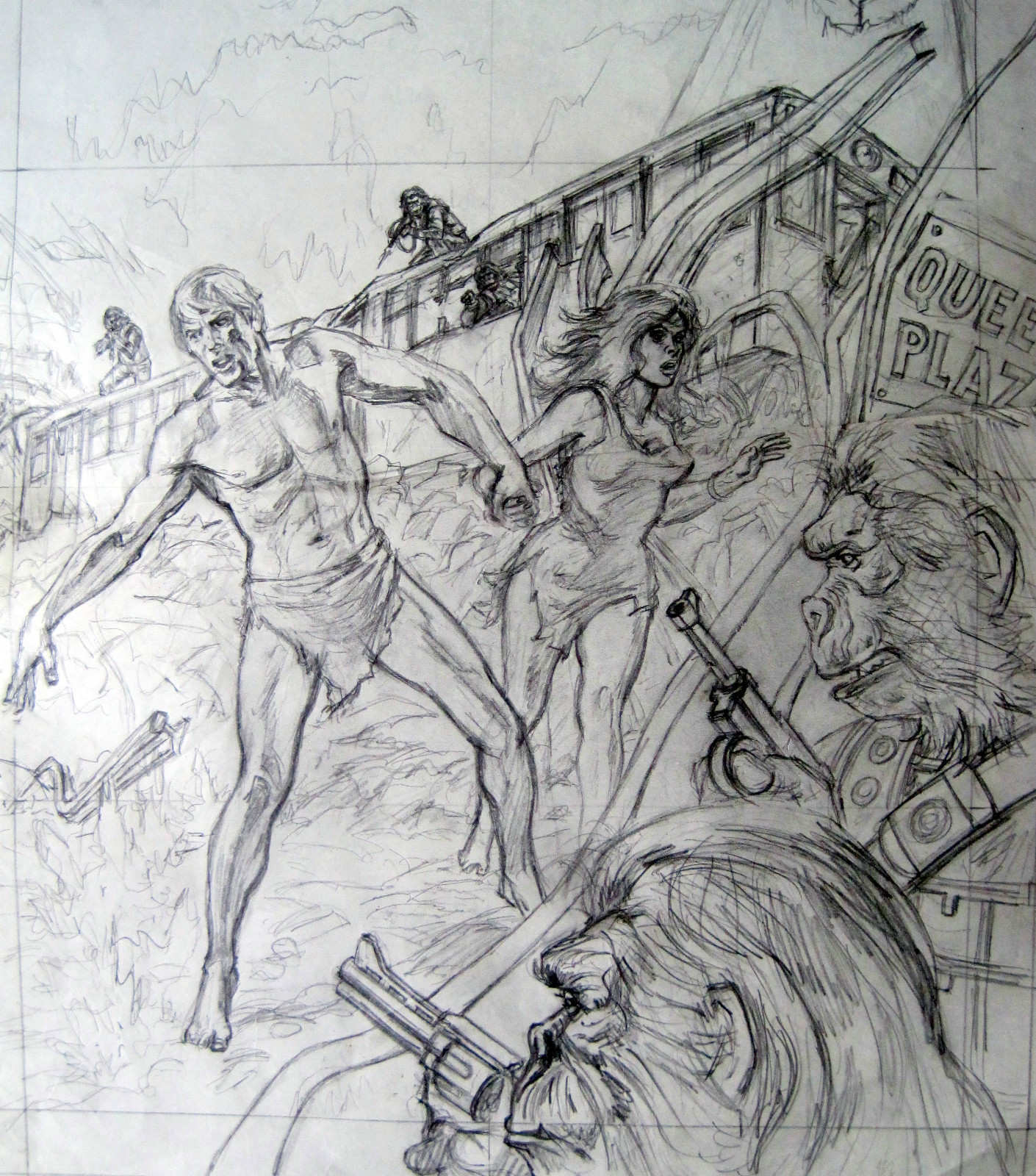
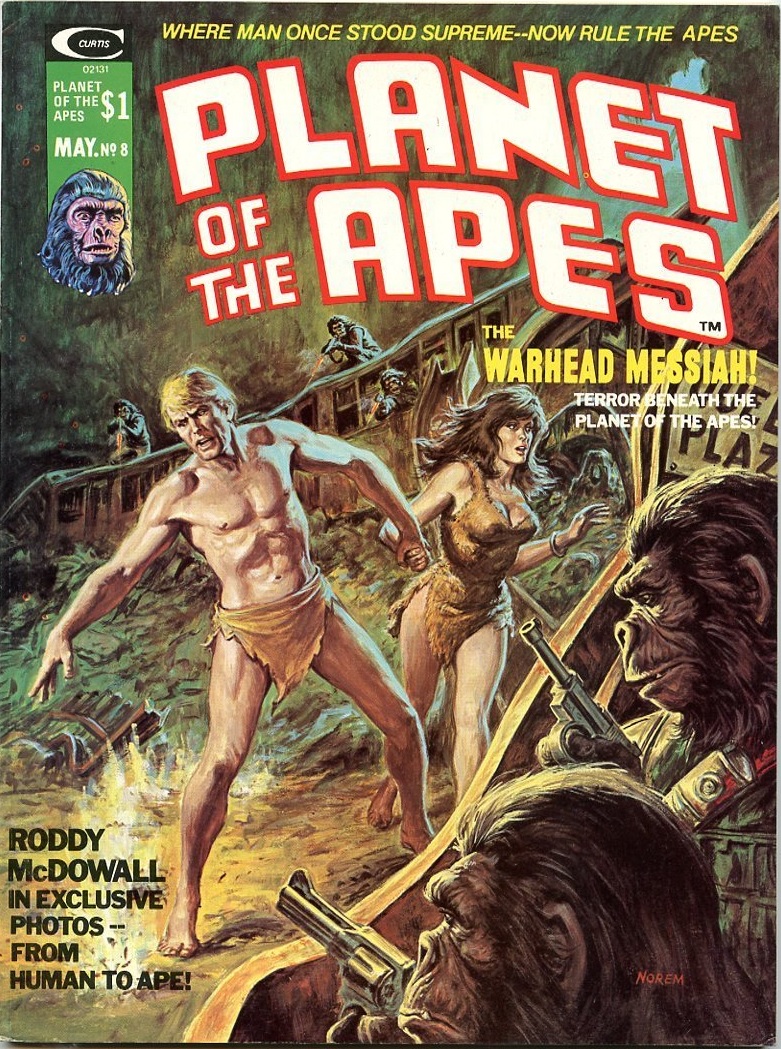
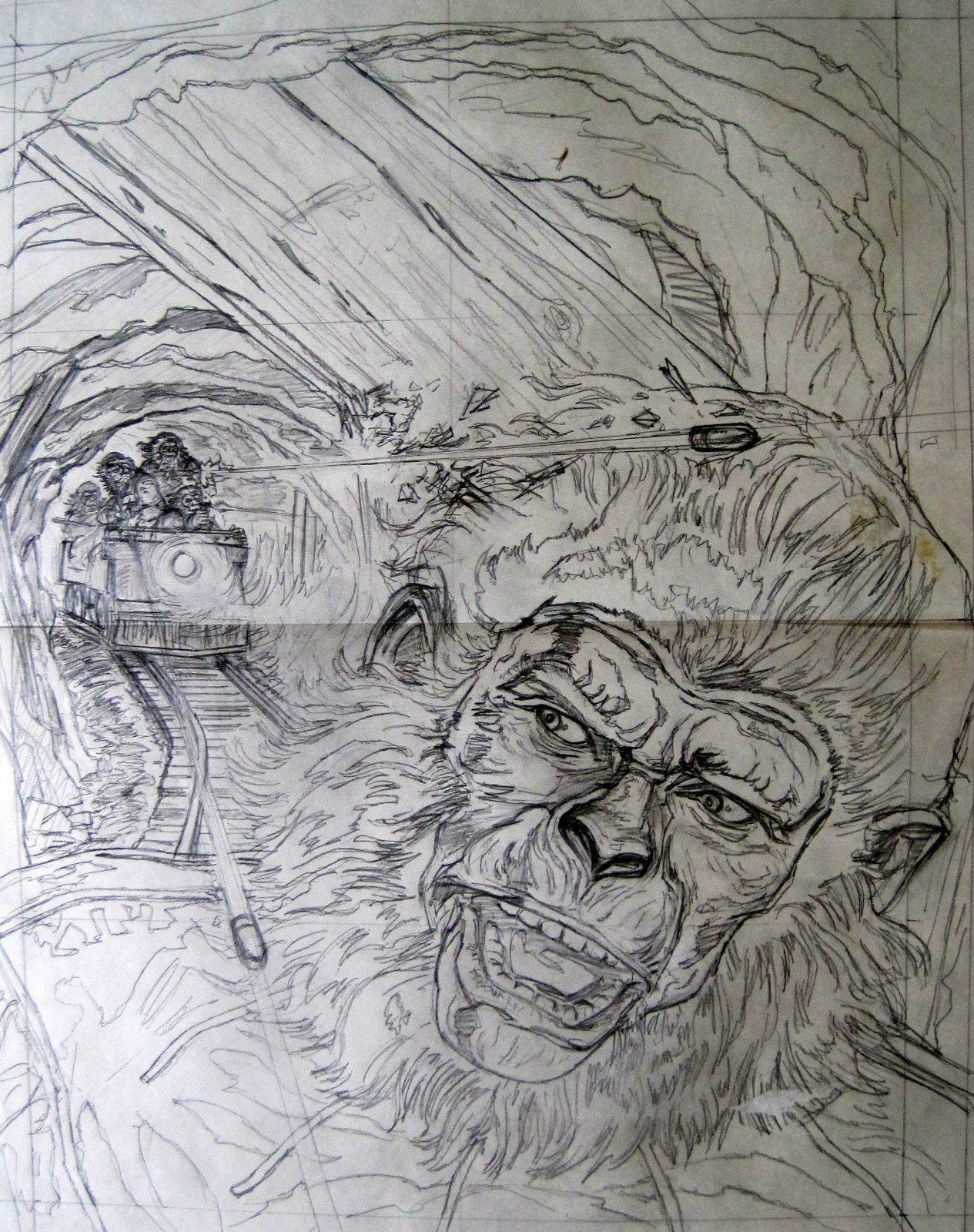
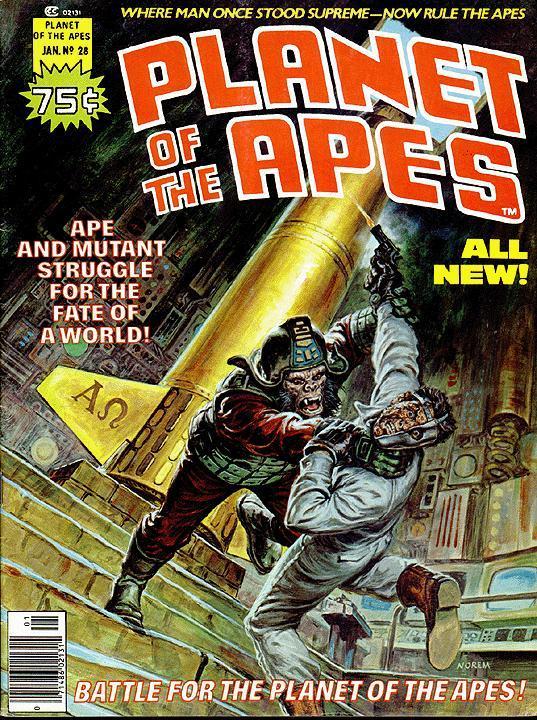
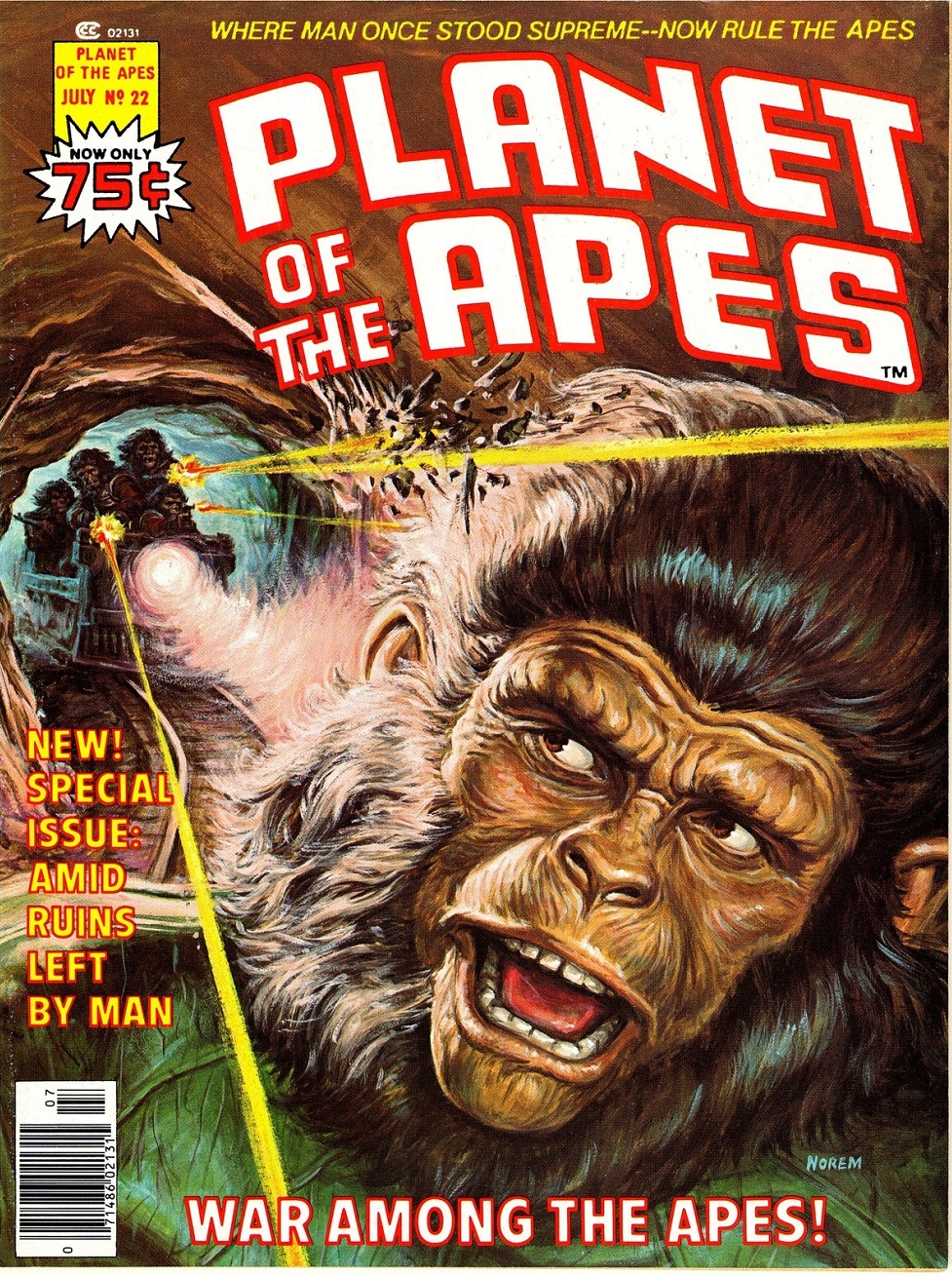
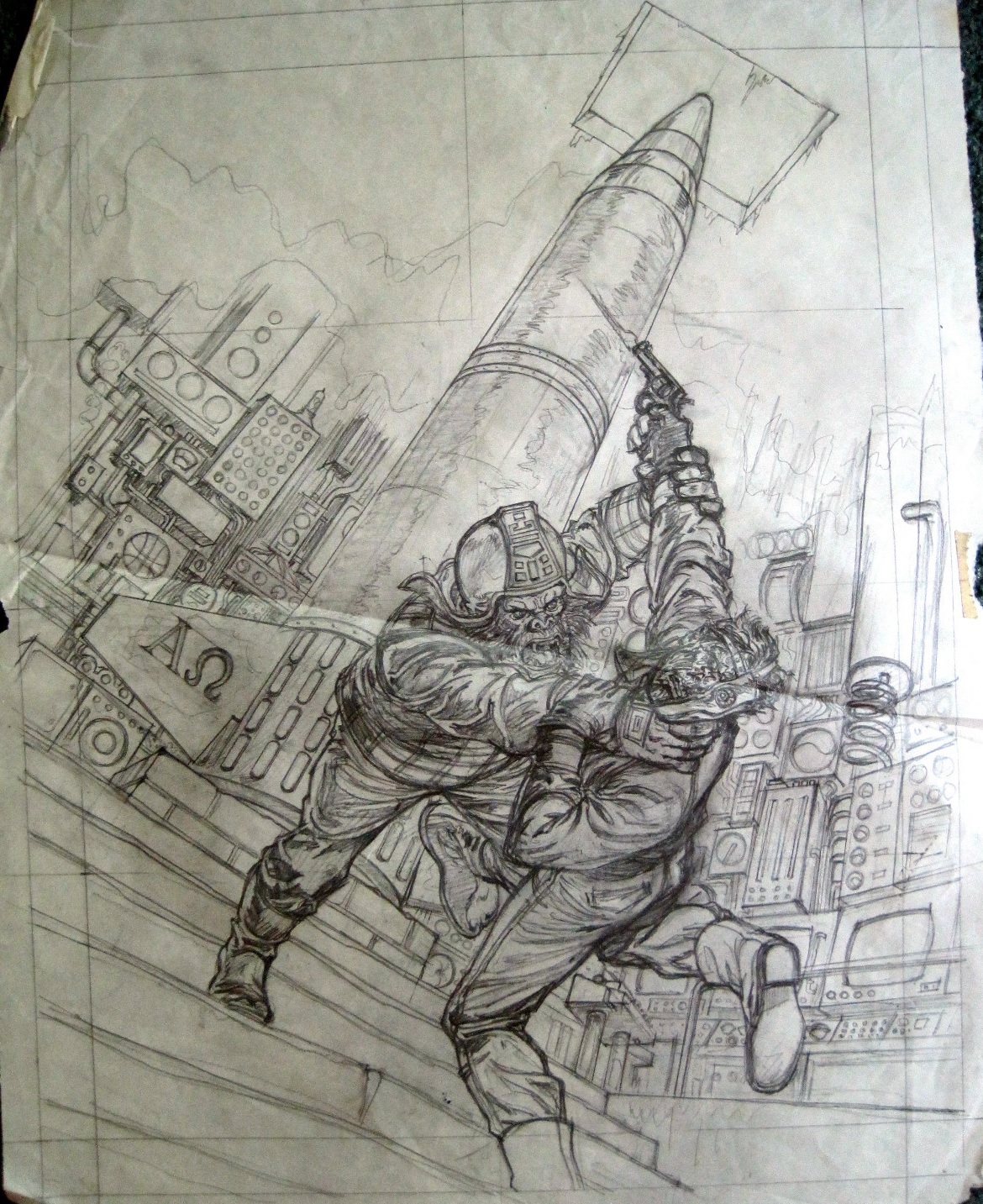
The Art of Earl Norem: Planet of the Apes #8, #22, and #28 (1975 – 1977)

Norem Original Pencils 1975

Norem POTA #8 1975

Norem POTA #22 1976 original

Norem POTA #22

norem pota 28 1977

POTA #28

Many of Earl Norem’s original pencils and paintings, from the ’60s through the ’90s, are popping up on eBay. (The original pencils for Planet of the Apes #28 went for over $1000.) A lot of it is in pretty rough shape—multiple folds, tattering, yellowing. Illustration was a tough gig, and artists had to crank out page after page of quality work to make a living. Even for Norem, who was well established by this point, there was no time for sentimentality. It was all business.

The more I see from Norem, the more I realize how much he contributed to the vision of almost every major kid’s property from the late ’70s through the late ’80s, including Conan, The Six Million Dollar Man, Indiana Jones, Planet of the Apes, Buck Rogers, Masters of the Universe, D&D, Marvel Comics (superhero and horror), G.I. Joe, and the Transformers.

The amount of detail he squeezes into his cover paintings is staggering. See the control panels in #28, the chimp’s hair in #22, and the dense, layered colors he uses to fill the big spaces in #8.

Power Records: The Man-Thing in Night of the Laughing Dead (1974)

Laughing Dead 1974

Remember when I said that the Amazing Spider-Man Rockomic From Beyond the Grave (1972) was the weirdest, scariest shit ever marketed to kids? I stand corrected. That honor (for now, anyway) has been passed along to Night of the Laughing Dead. The story, by Steve Gerber, is adapted from Man-Thing Vol. 1 #5. (Beware: spoilers ahead.)

Our story begins with a weeping clown, his copious make-up smeared from tears, putting a gun to his head and pulling the trigger. The Man-Thing, a tortured, unreasoning beast who vaguely and painfully recalls his former life as a human being, hears the shot and finds the dead clown face down in the swamp. The creature picks him up, intending to bury him. The music kicks in: it sounds like a cat being sawed in half in slow motion.

Meanwhile, the clown’s girlfriend, who’s upset because she “betrayed” him, gets beat up by the carnival manager. Two hippies rescue her and they all go looking for “her clown.” They find him on the side of the road. He seems to be fine. But he’s not. Because he’s dead. The kids follow the silent apparition into the marsh.

The carnival manager and his meathead henchman, the carnival strongman, speed after the hippies and the clown’s girlfriend. They find the clown too, seemingly alive, and swerve to miss him. The truck hits a tree and explodes. The carnival manager burns to a crisp. The clown taunts the meathead in an evil clown voice, laughing the laugh of an evil, dead, insane clown. The meathead takes the bait and plows after him/it.

Dead ClownNot too far away, the kids, lost in the poisonous marsh, see the Man-Thing carrying the dead clown’s body. Ayla, the girlfriend, screams and rushes to her man, cradling the dead body in her arms, weeping. The hippies wonder: hey, if the clown is dead, what exactly was it we saw head into the swamp a few minutes ago?

The strongman arrives, picks up the clown corpse and implores it to “stand up and get beat to death like a man.” One of the hippies tries to stop him, and the meathead knocks him out. The Man-Thing intercedes, fighting the strongman and eventually drowning him in the swamp.

The ghost of the clown rises from the corpse and explains in the evil, insane clown voice that he’s finally found peace. You see, all clowns want to do is make people laugh, and clowns can’t make people laugh when they’re betrayed and all they feel is pain. But now, because his soul is free and there’s no more pain, he can laugh forever. He laughs his evil clown laugh, and the Man-Thing thinks to his miserable self: never has laughter made me feel so sad. Eerie rock music fades in. The End.

As Sanctum Sanctorum Comix notes, the story continues in Man-Thing #6, but Power Records didn’t produce the second act. I wonder if that’s because all the kids who listened to the first act crapped in their pants before dying of terror.

Read the whole book at Rob Kelly’s Power Records blog. Listen to the whole record below, if you dare.

(First image via My Comic Shop; video via Brandon Hex)

Comic Book Stand, 1975

Comic Book Rack, 1975

Photo via Detective21

Oh, how they gleam with fresh-off-the-press-ness. I can smell them from here.

Horror titles (comics and magazines) were immensely popular at the time, and comic back issues will cost you a grip today, even in poor condition. The genre saw a huge resurgence in the ’70s for a number of reasons, all of them mutually reinforcing: the commercial success of 1968’s Night of the Living Dead and especially Rosemary’s Baby; changes in the Comics Code (1971) that permitted the depiction of “vampires, ghouls and werewolves”; the proliferation of syndicated horror showcases across the nation: Fright Night (1970), Creature Double Feature (circa 1972), Chiller Thriller (circa 1974), etc. (I’ll post some of the intros later on Facebook.)

As much as I love The Tomb of Dracula and all of Marvel’s monster titles, DC really set the comics standard with The Unexpected, House of Mystery, House of Secrets, The Witching Hour, and Ghosts. Weird War (not pictured here) was a brilliant combination of the horror and war genres. If I had a choice of a full run, that’s the one I’d want.

Above the comics you’ll see some magazines, including Monsters Unleashed, Vampirella, and Famous Monsters of Filmland. The pile of Mad magazines on the bottom right is #174. Cheap!

Mad #174

Advanced Dungeons & Dragons Characters Coloring Book (1983) (Part One)

AD&D Characters FC

AD&D Characters pg. 1

AD&D Characters pg. 2

AD&D Characters pg. 3AD&D Characters pg. 4

AD&D Characters pg. 5AD&D Characters pg. 6

AD&D Characters pg. 7AD&D Characters pg. 8

AD&D Characters pg. 9AD&D Characters pg. 10


Along with the AD&D storybooks, Marvel and TSR collaborated on five coloring books featuring the same cast of characters,  some of them from the toy line, others from The Shady Dragon Inn (1983), a game aid featuring pregenerated characters (and stats for the characters in the toy line).

Jane Stine, who co-wrote The Treasure of Time (1983), wrote the Characters coloring book. Earl Norem did the cover art. Jim Mooney, who worked for DC in the ’60s and Marvel in the ’70s and ’80s, and John Tartaglione, Silver Age inker of Sgt. Fury and Daredevil, did the interior art. (The lips look unmistakably Mooney to me, so I gather he did the pencils.)

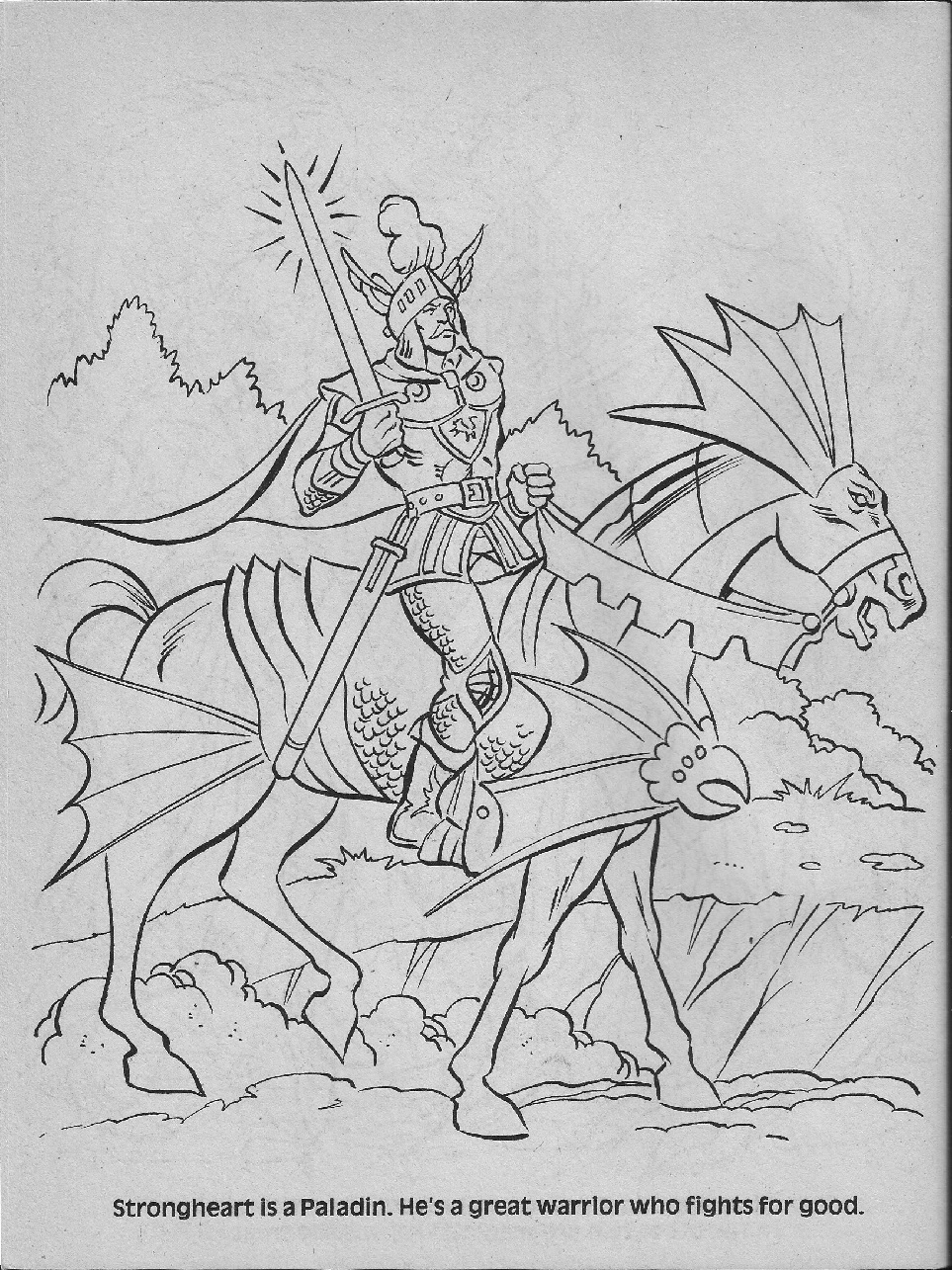
The book is essentially a visual illustration of the different D&D character class attributes, alignments, and skills. It even covers some spells (feather falling) and magic items (helm of water breathing). Unlike the storybooks, there’s a definite link to D&D‘s role-playing core.

Parts two, three, and four of the Characters Coloring Book are here, here, and here.


Kids Reading Comic Books, 1946

Comics 1946

Comics 1946-2

Comics 1946

Comics 1946-2

Comics 1946-3

Comics 1946-4

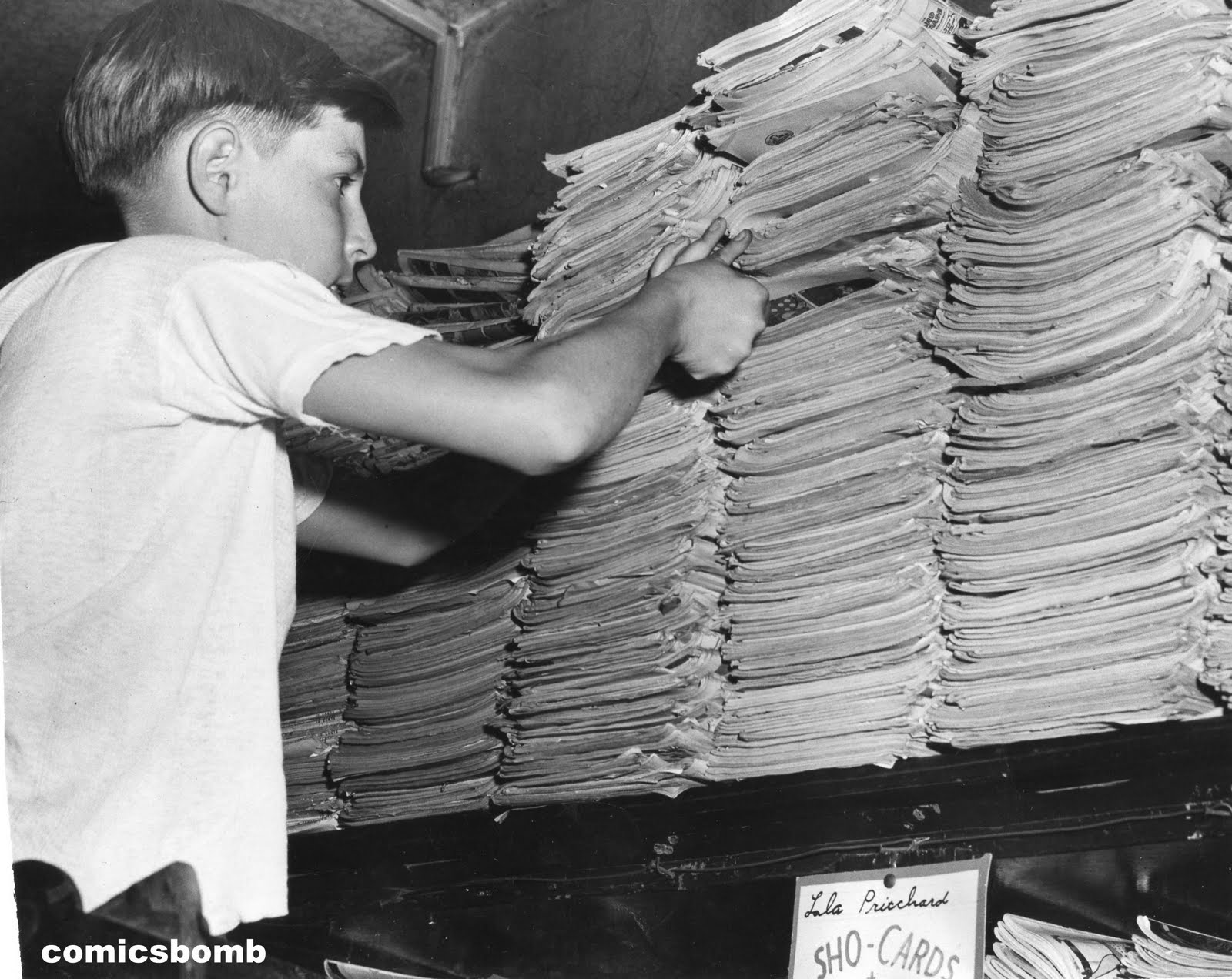
My daughter and her friends will know the exhilaration of spending summer days sifting through stacks of books and comics. If I have to open my own store and lose money steadily over several years to make it happen, so be it.

Easton Avenue in Wellston, Missouri, once a thriving business district, is now an “urban ghost town.” More on the decline of Wellston here.

(All images via Comic Pix Jones)


Pages

Archives

Categories

Donate Button

Join 1,118 other subscribers