Archive Page 100

Empty Shopping Malls, 1985

Mall 1985

Mall 1985-2

Mall 1985-8

Mall 1985-3

Mall 1985-6

Mall 1985-7

Mall 1985-9

Mall 1985-10

Mall 1985-4

Mall 1985-5

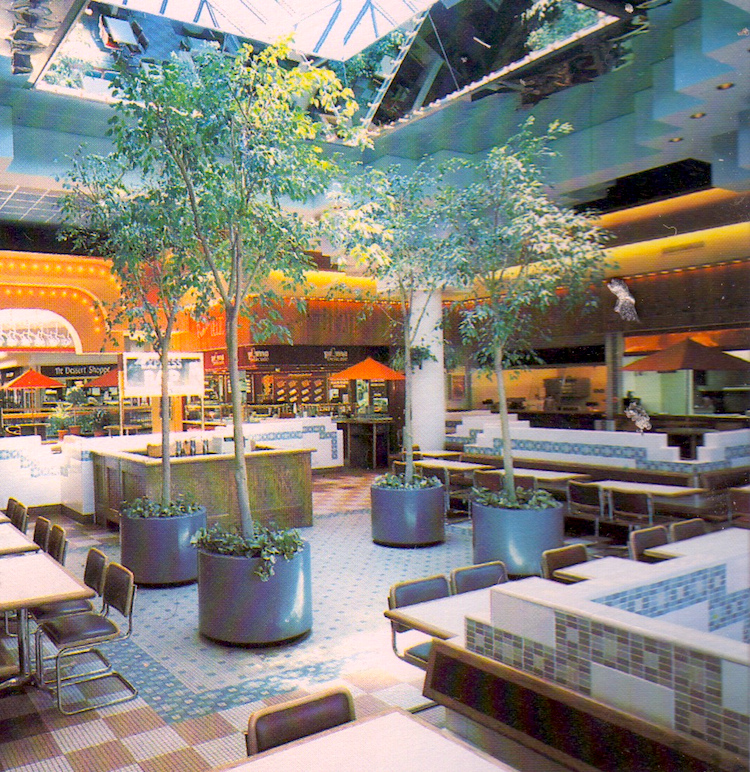
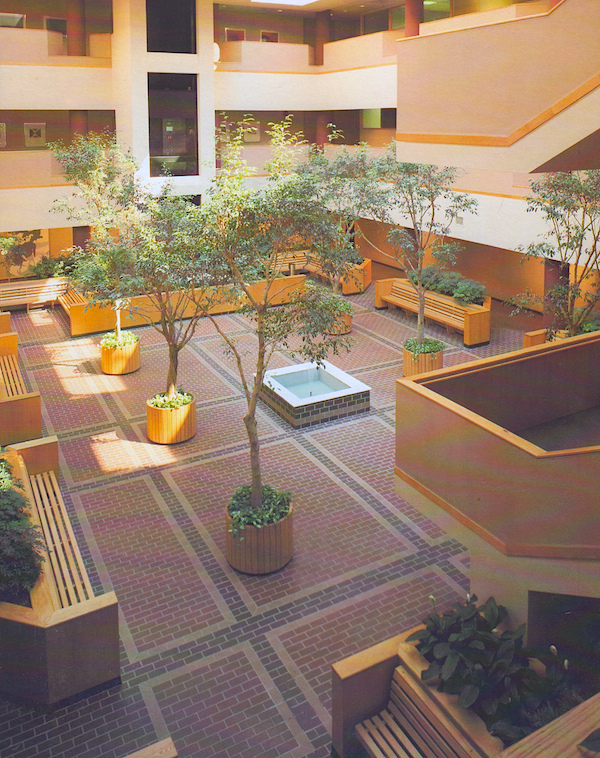
I’ve said before that I’m comforted by images of malls as they used to be. But these shots are haunting too. I hear the echo of my footsteps on the tiles, and it sounds like the end of the world.

Nostalgia is just a longing for the cozier home and less troubled life and times we thought we had when we were younger. But when we were younger, we desperately wanted the perfect freedom we thought came with adulthood. The expression “You Can’t Go Home Again” is not quite true. You never were home.

So, if an old mall is an emulation of an ideal home (or ideal neighborhood), my wanting to wander and linger inside of it is just a longing for the idealization of a home (or neighborhood) that never really existed. Does that make me a ghost?

All of the photos above come from Jeremy Jae’s unmissable Retro Vintage Architecture and Interior Design Sets.

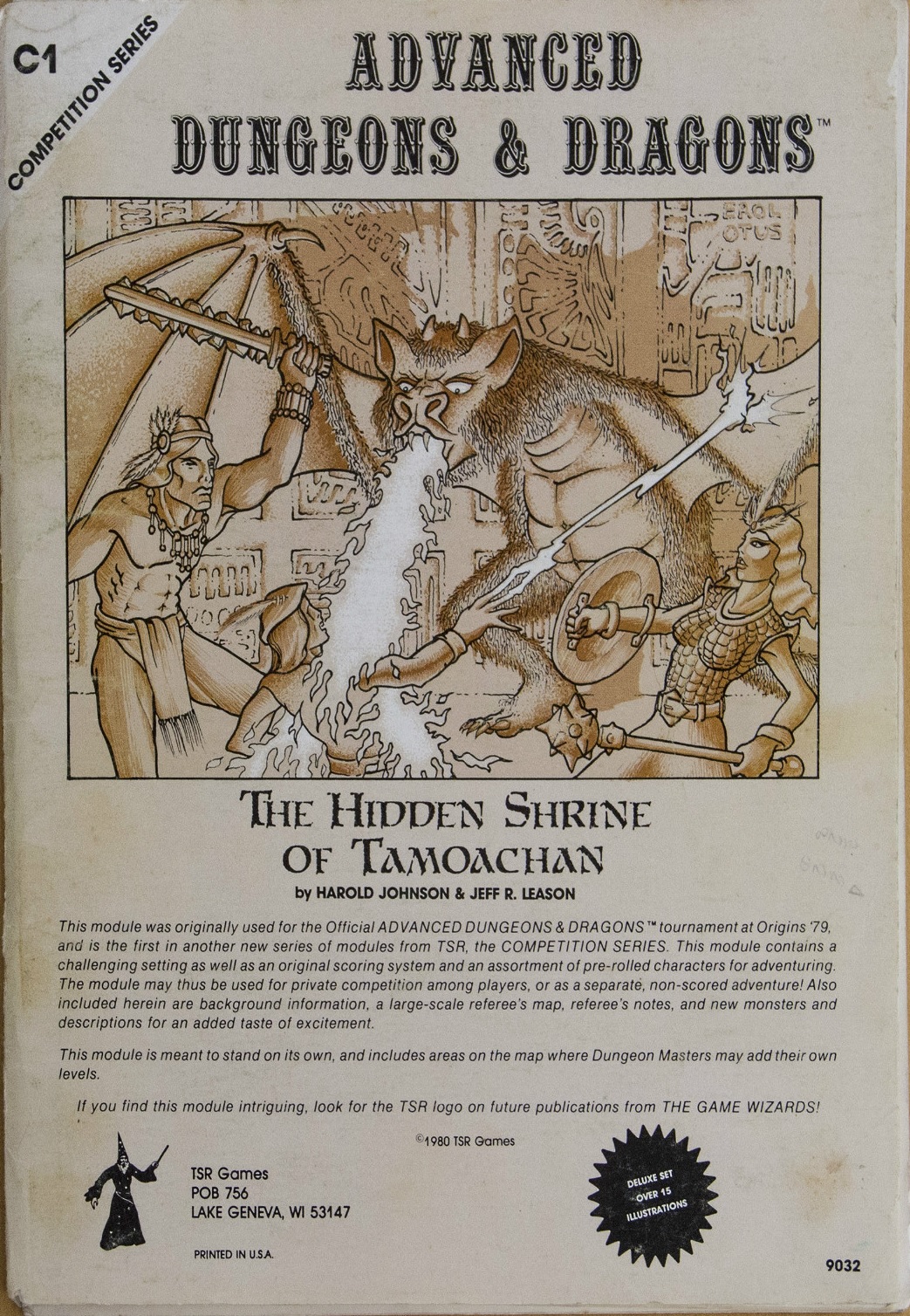
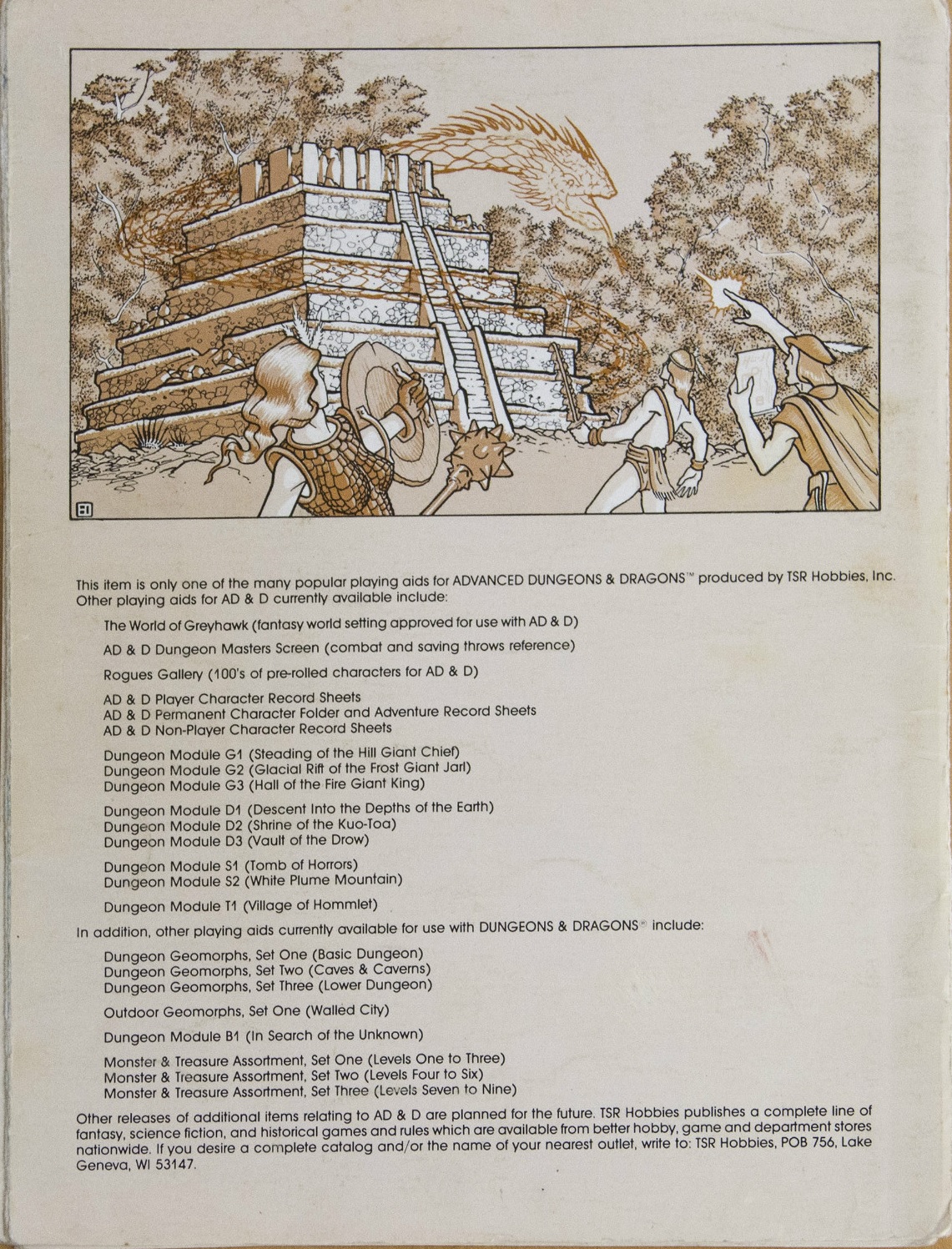
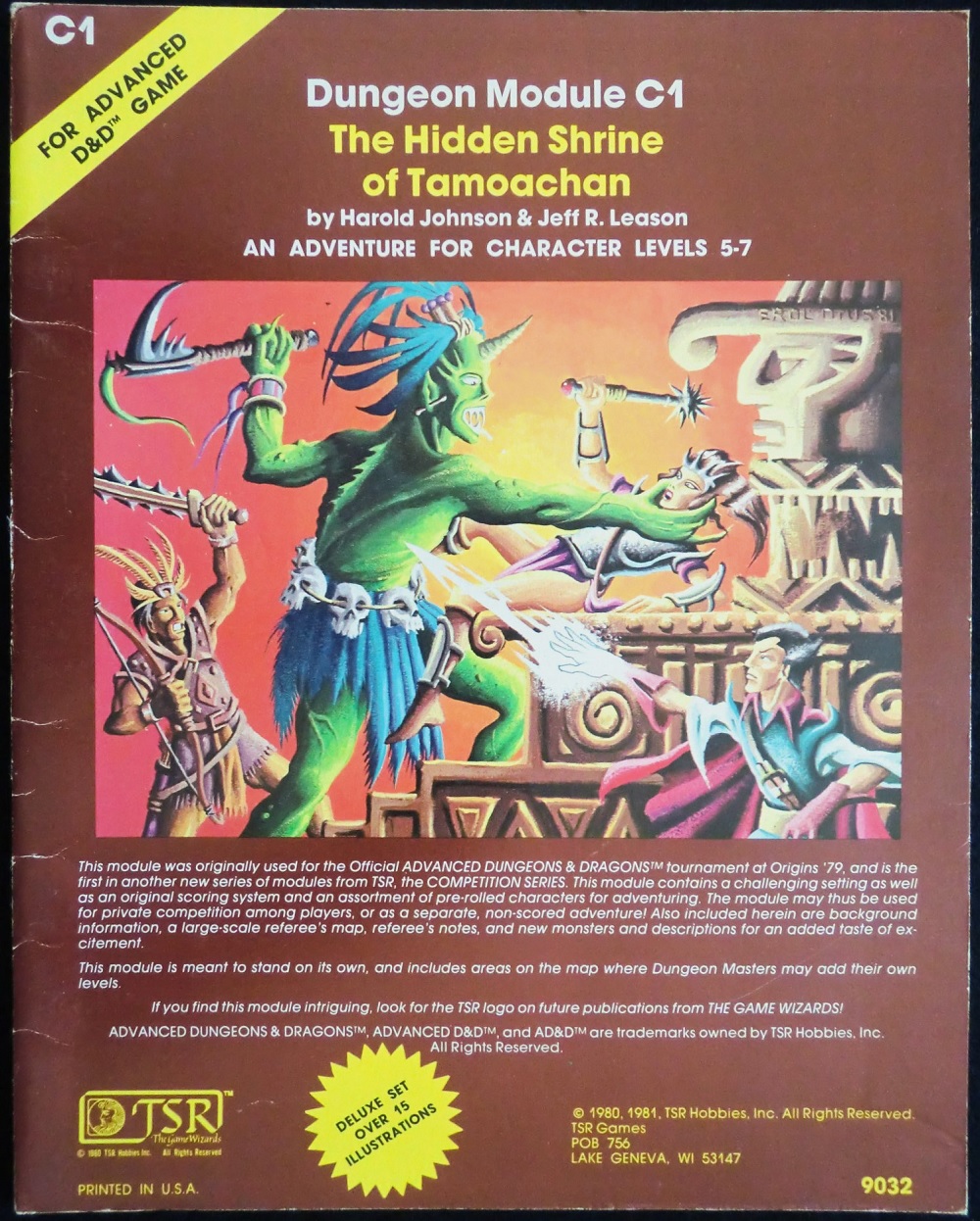
D&D Cover Art: Lost Tamoachan (1979) and The Hidden Shrine of Tamoachan (1980, 1981)

Tamoachan 1979

Tamoachan 1979-2

Hidden Shrine FC 1980

Hidden Shrine BC 1980

Tamoachan 1981

Tamoachan 1981-2

You can see how much the D&D image/brand changed in the space of only two years. Lost Tamoachan: The Hidden Shrine of Tamoachan was the bagged (unbound) tournament module used at Origins International Game Expo (known simply as ‘Origins’) in 1979. You’ll find the complete publication history at The Acaeum. (Copies are incredibly rare.) The cover art is by David C. Sutherland III, who did the original, and best, Dungeon Master’s Guide (1979) cover.

The module was renamed upon wide release in 1980, with front and back covers by Erol Otus. Without access to color, he relied on textures—the chiseled walls, the bolt of fire, the demon’s hair, the warrior’s armor. (On the back cover, it’s the combination of trees, ancient stone, translucent scales.) The Aztec art looks damn convincing, and the shadow of the wings on the walls is the kind of detail that separates Otus from other artists.

Otus did the front cover of the 1981 edition as well. Despite the gorgeous coloring and the thicker, more abstract figures that would become his trademark style, I think I prefer the earlier, more three-dimensional work. The back cover is by Jeff Dee. He uses Otus’s template for the scene, but gives it a Marvel Comics flavor. The innocence—some would argue the purity—of early D&D art, represented by the first and second editions of Tamoachan, would never be seen again.

Read some background on the module’s development at Wizards of the Coast.

(Images via Tome of Treasures and eBay)

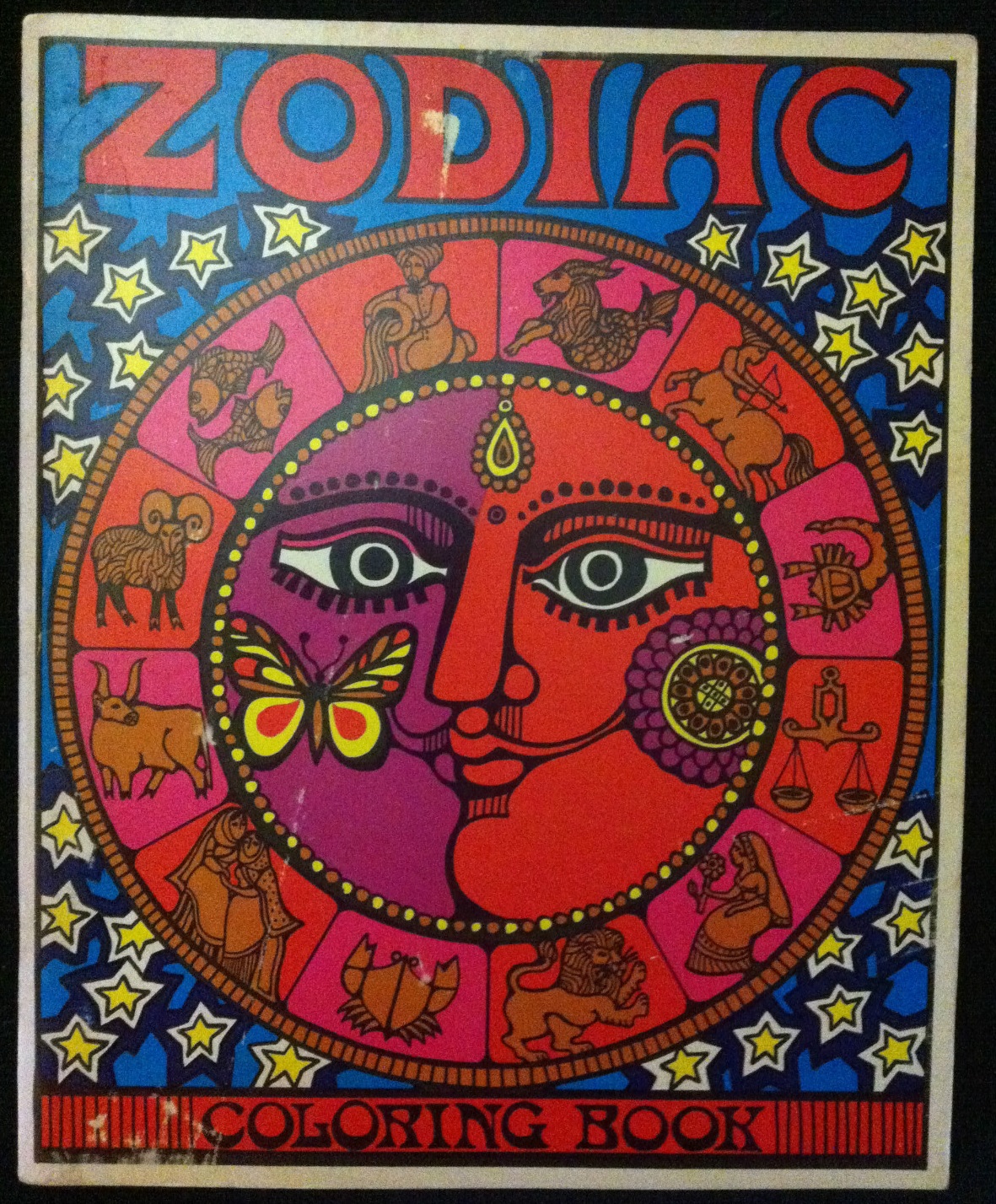
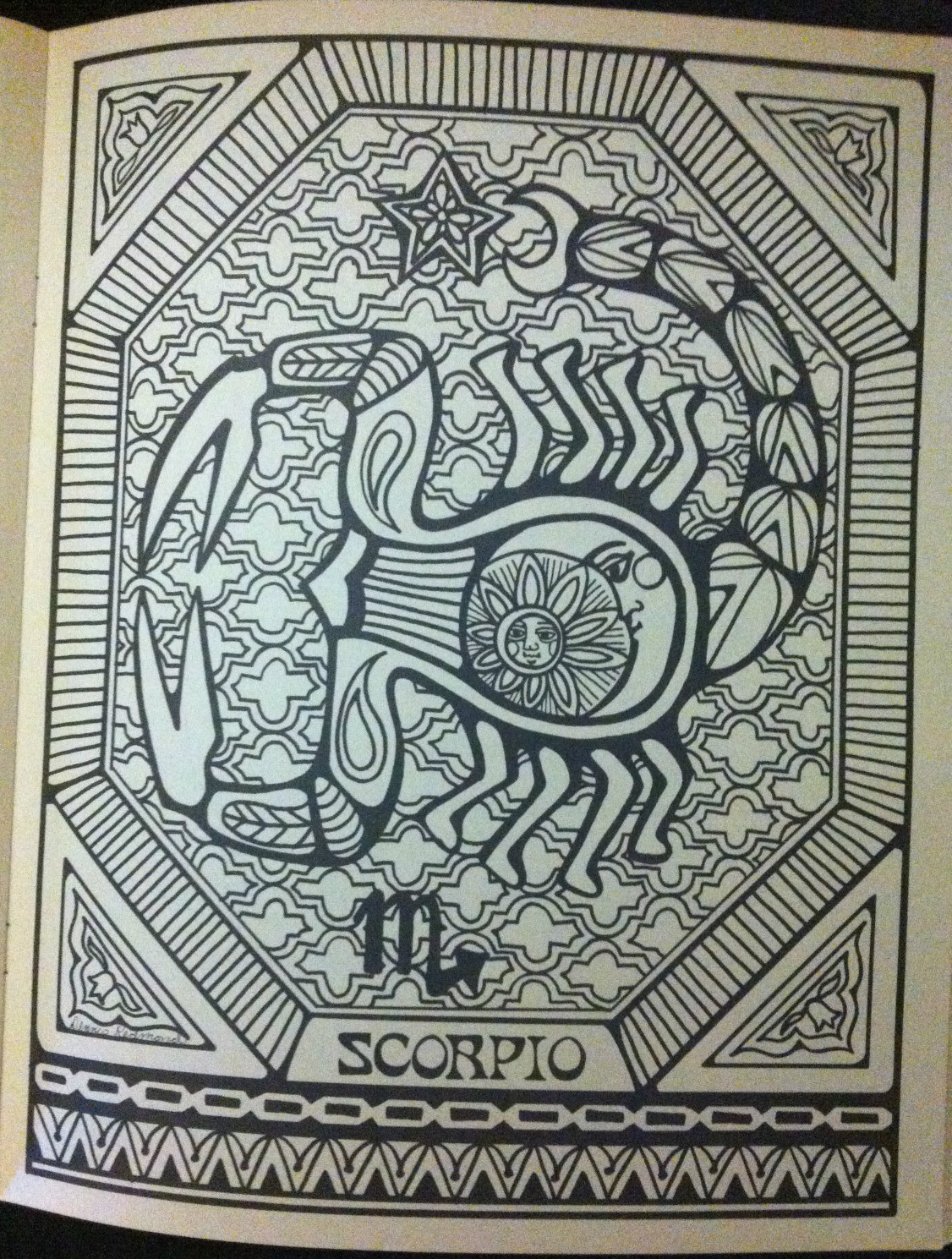
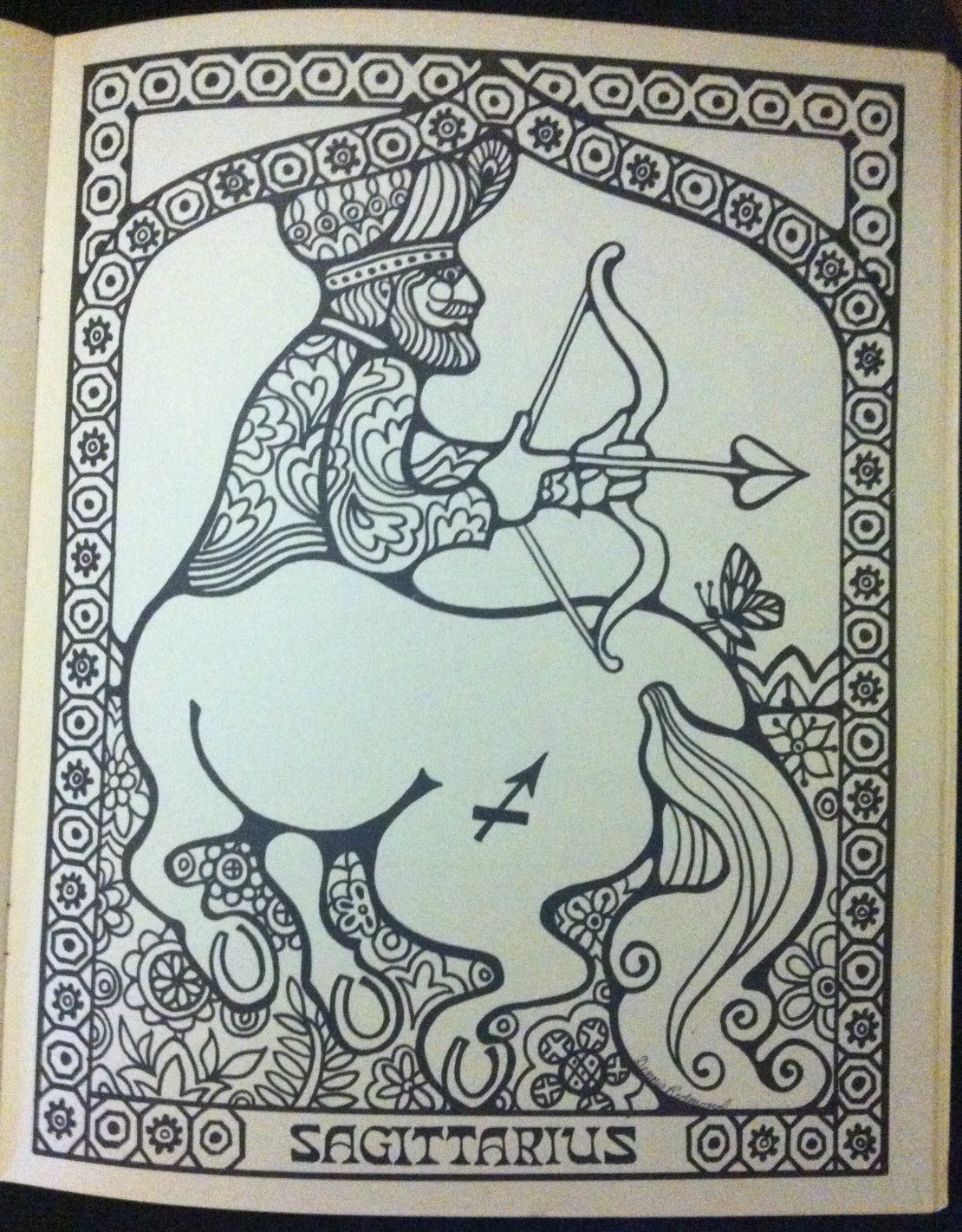
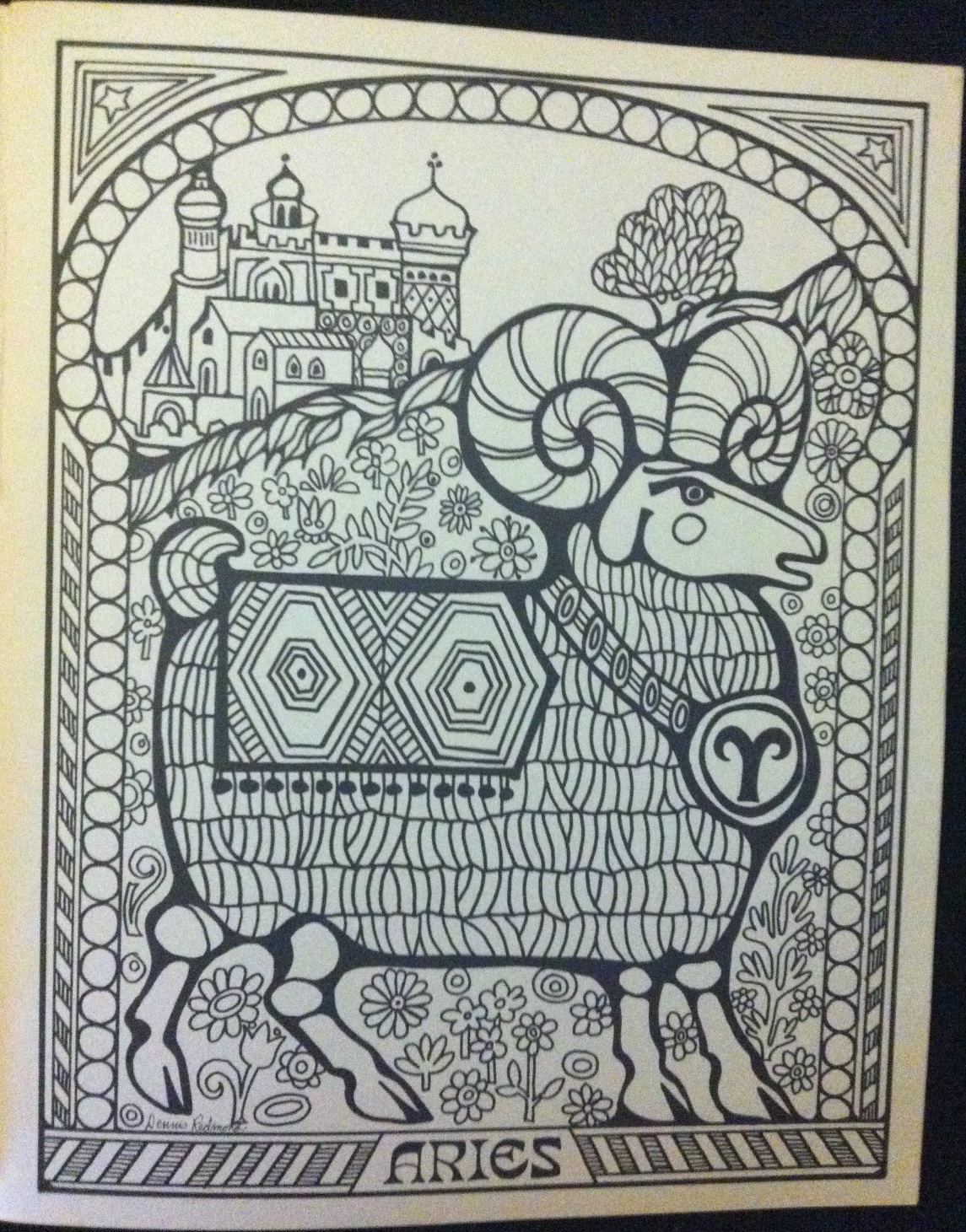
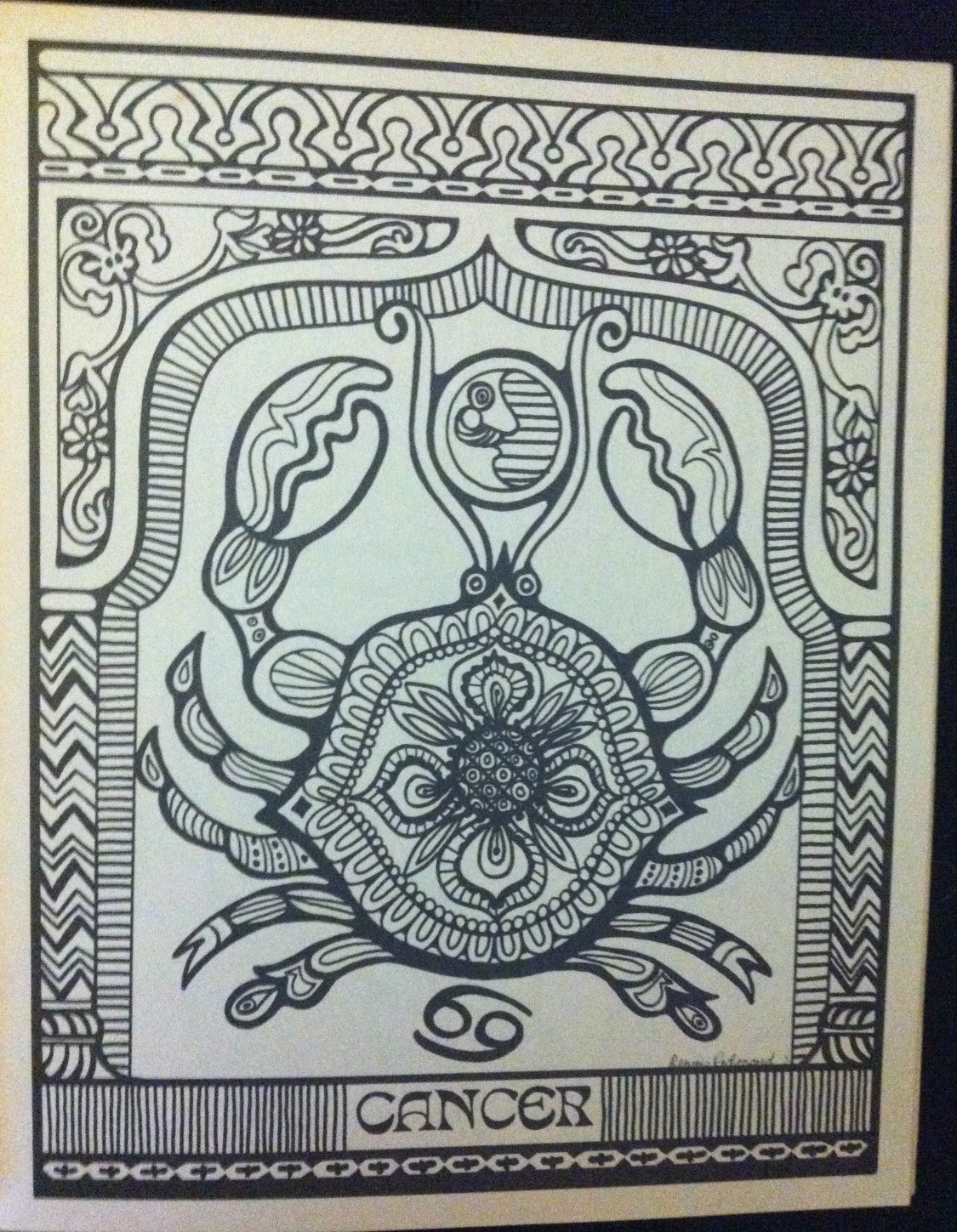
Troubador Press: Zodiac Coloring Book (1969)

Zodiac Troubador 1969

Zodiac Troubador 1969-2

Zodiac Troubador 1969-3

Zodiac Troubador 1969-4

Zodiac Troubador 1969-5

Zodiac Troubador 1969-6

I’ve talked about several Troubador books so far: The Official AD&D Coloring Album (1979), the Science Fiction Anthology (1974), Tales of Fantasy (1975), and Space WARP (1978).

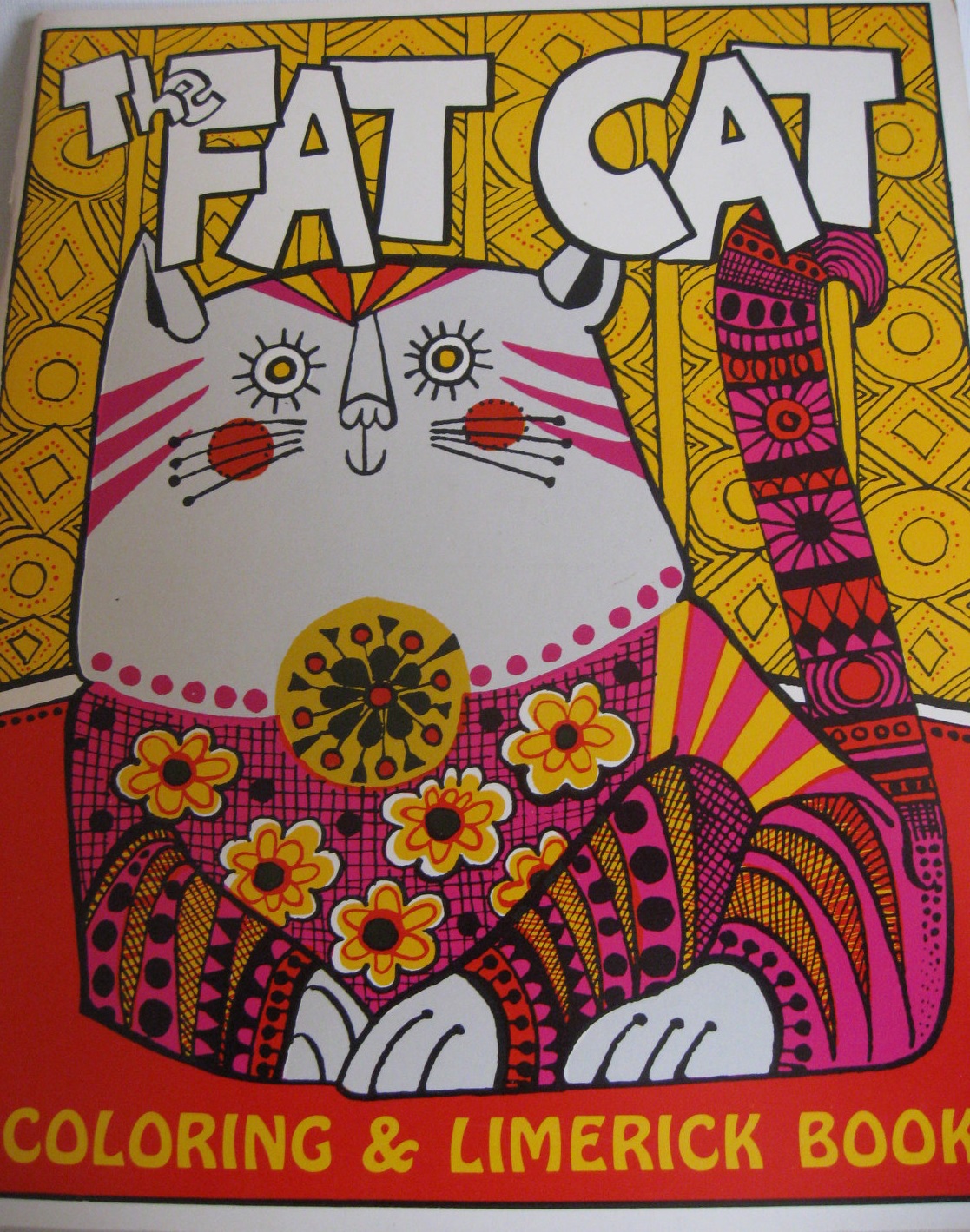
According to Wikipedia, artist-designer Malcolm Whyte “founded Troubador Press in 1959 as a job printer and designer/printer of greetings cards.” The San Francisco company published its first book—The Fat Cat Coloring and Limerick Book—in 1967.

Troubador Fat Cat 1967

Troubador Fat Cat 1967-2

Troubador continued to target the booming counterculture, specializing in intricately illustrated children’s educational books and alternative cookbooks. More esoteric material followed. Dennis Redmond illustrated the psychedelic Zodiac Coloring Book above, and the weirdest item in the company’s canon, The Occult Coloring Book (1971), was illustrated by Japanese-American Gompers Saijo, who was interned with his family in Pomona and Wyoming during World War II.

Troubador OCB

It’s easy to bash the hippies today, but credit where credit is due: they’re the ones who embraced and cultivated the kind of cerebral sci-fi that led to Roddenberry’s Star Trek and Kubrick’s 2001: A Space Odyssey, and they’re the ones who pulled The Lord of the Rings into popular culture. “Frodo Lives!” was an enduring hippie meme before anyone else knew where Middle Earth was.

(Images via eBay, Etsy, and the Countercultural Books Wiki)

Mixtape #1: Indispensable Synthpop (Part One)

We’ll see how this goes.

Our ’80s Bedrooms

80s Bedroom-3

80s Bedroom-2

1986 01 SFHS 22

There’s a Flickr group called My ’80s Bedroom. You’ll dig it. New wave, punk and post-punk, heavy metal, skateboards, surfboards, Atari, acid wash, big hair, bad mustaches, cut-off Levi cords, Swatches, Ray Bans, The Monkees, Star Wars, Judge Dredd, wood paneling, Gumby—it’s all there. I may add to the collection if I ever get a chance to rifle through all the photos at my mom’s house.

Those of you from Southern California will enjoy the KROQ sticker on the “bleach-splashed denim notebook” in the last photo.

Go here to see more shots of what our rooms looked like.

(Images via grilled cheese, Allan Kingdom, and Tattoo Dave)

Kid Wearing Chewbacca T-Shirt at Disneyland, 1979

Chewie Shirt 1979

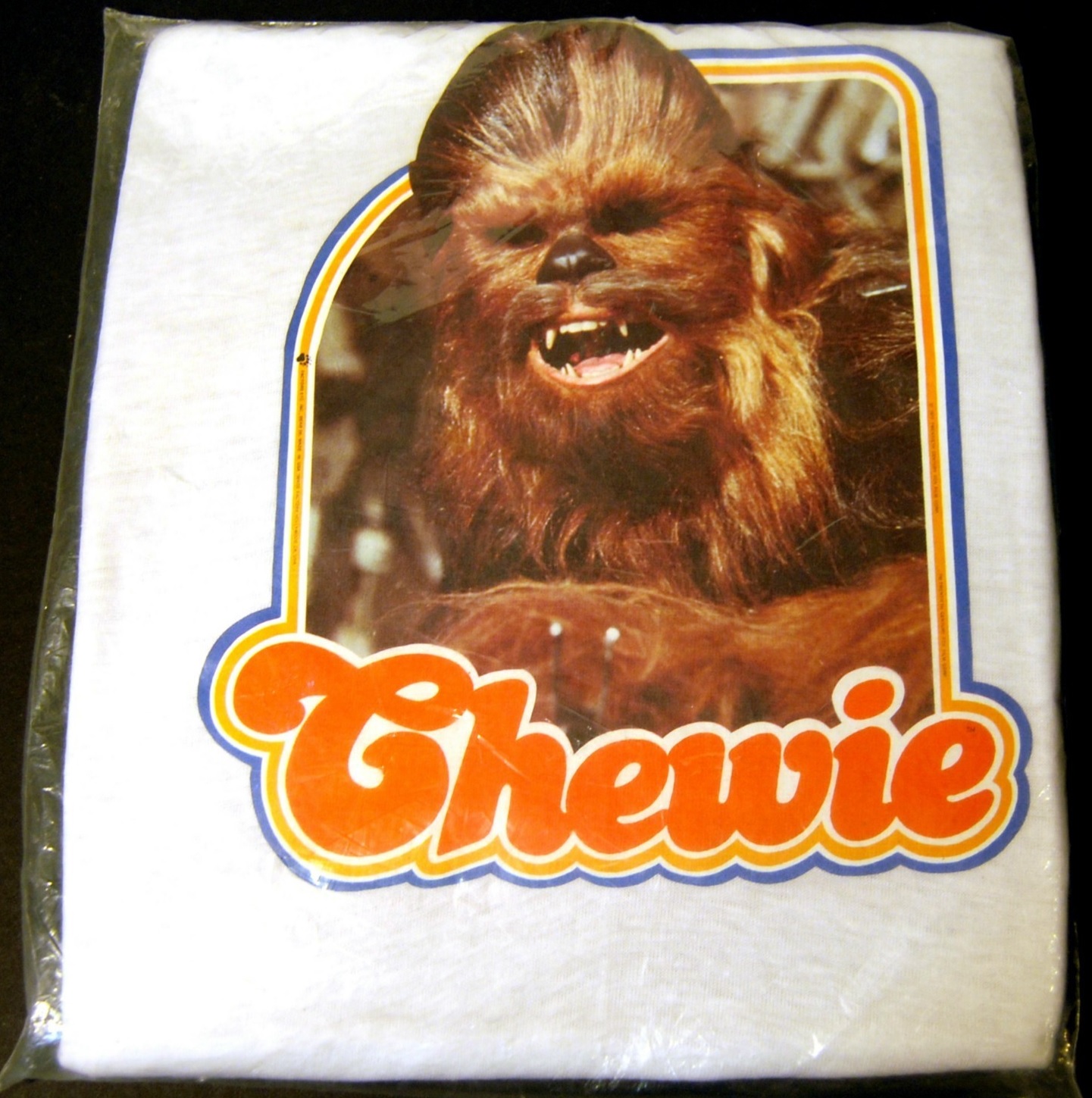
Is he on Snow White’s Scary Adventures? Here’s a better look at the graphic on the shirt.

Chewie Shirt 1977

(First photo via The Kozy Shack/Flickr)

Movie Theater Marquees: Star Trek: The Motion Picture (1979)

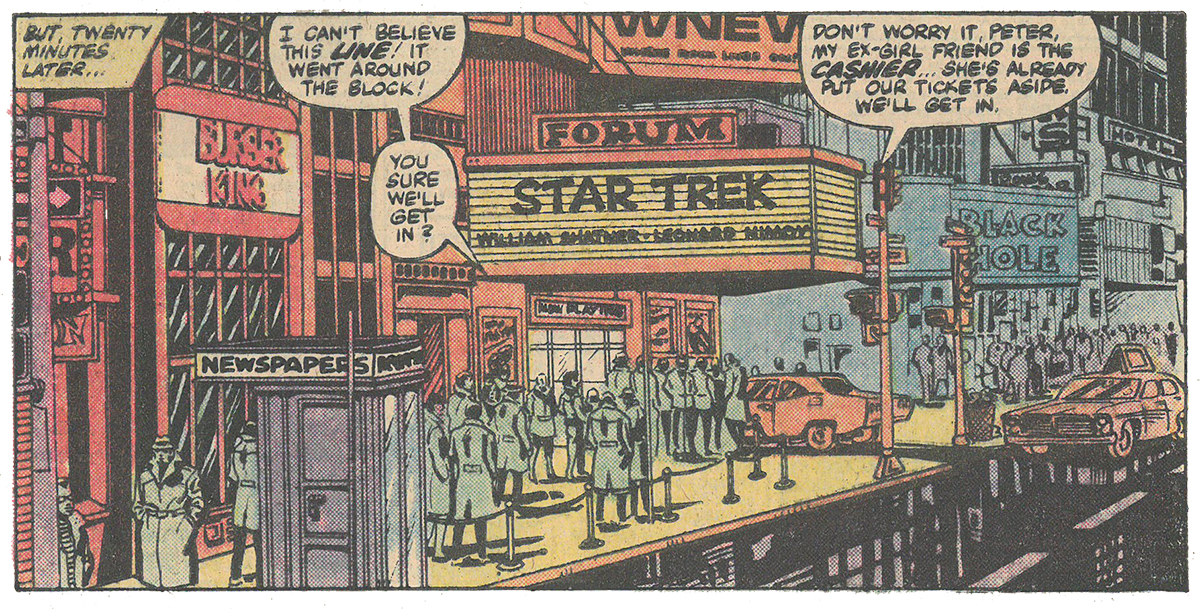
Star Trek Marquee 1979

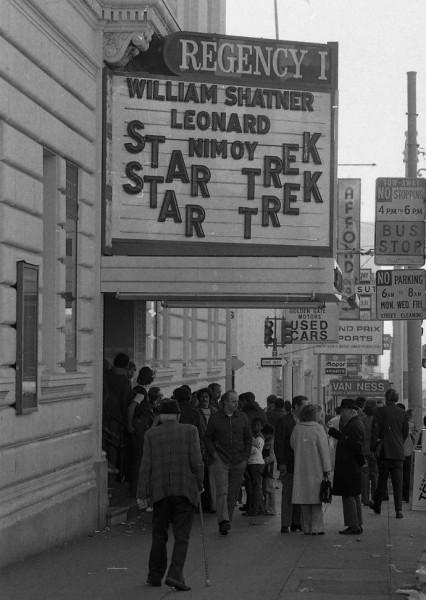
Photo: Gary Fong/San Francisco Chronicle, 1979

Star Trek Marquee 1979-2

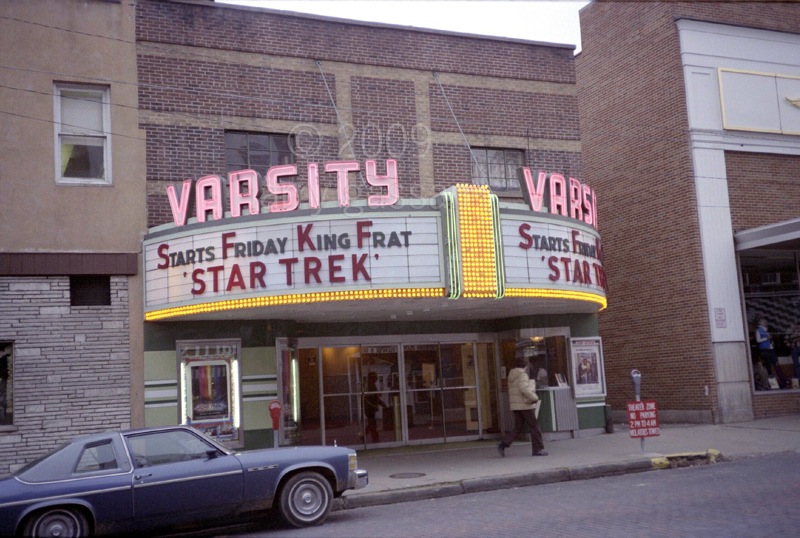
Varsity Theatre, Athens, Ohio, 1979. (Photo: Larry Gassan)

Star Trek Marquee ASM #203

From Amazing Spider-Man #203, 1980. Note the Black Hole marquee in the background.

King Frat (second photo) is an Animal House hack job: frat boys stage farting contests, light farts on fire, pull down their pants and fart at girls through car windows, and similar antics involving farts (and erections). The fact that it’s sharing a marquee with Star Trek does not say much for the perception and reception of Star Trek.

(Images via the SF Chronicle, Larry Gassan/Flickr, and The Marvel Project)

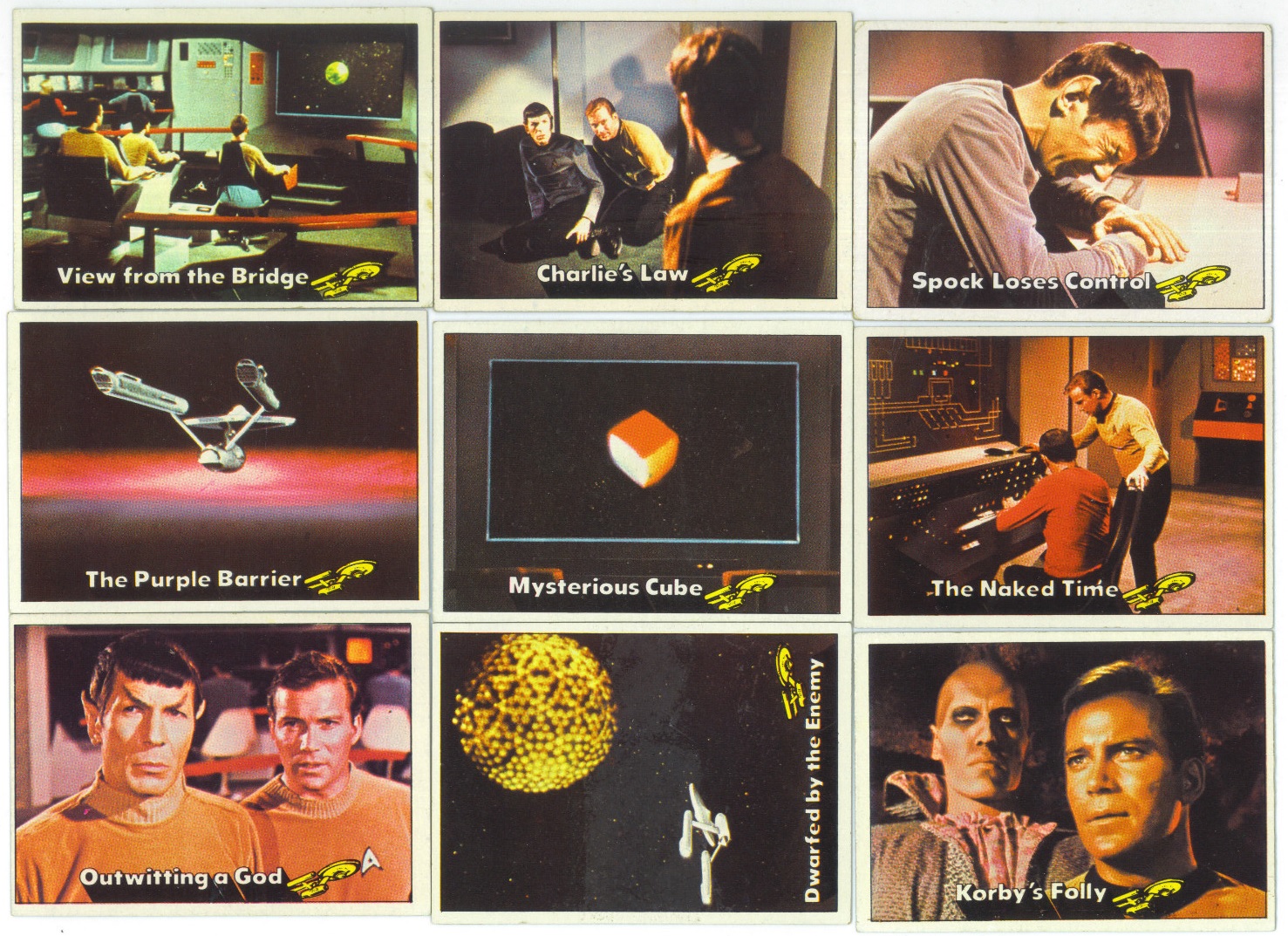
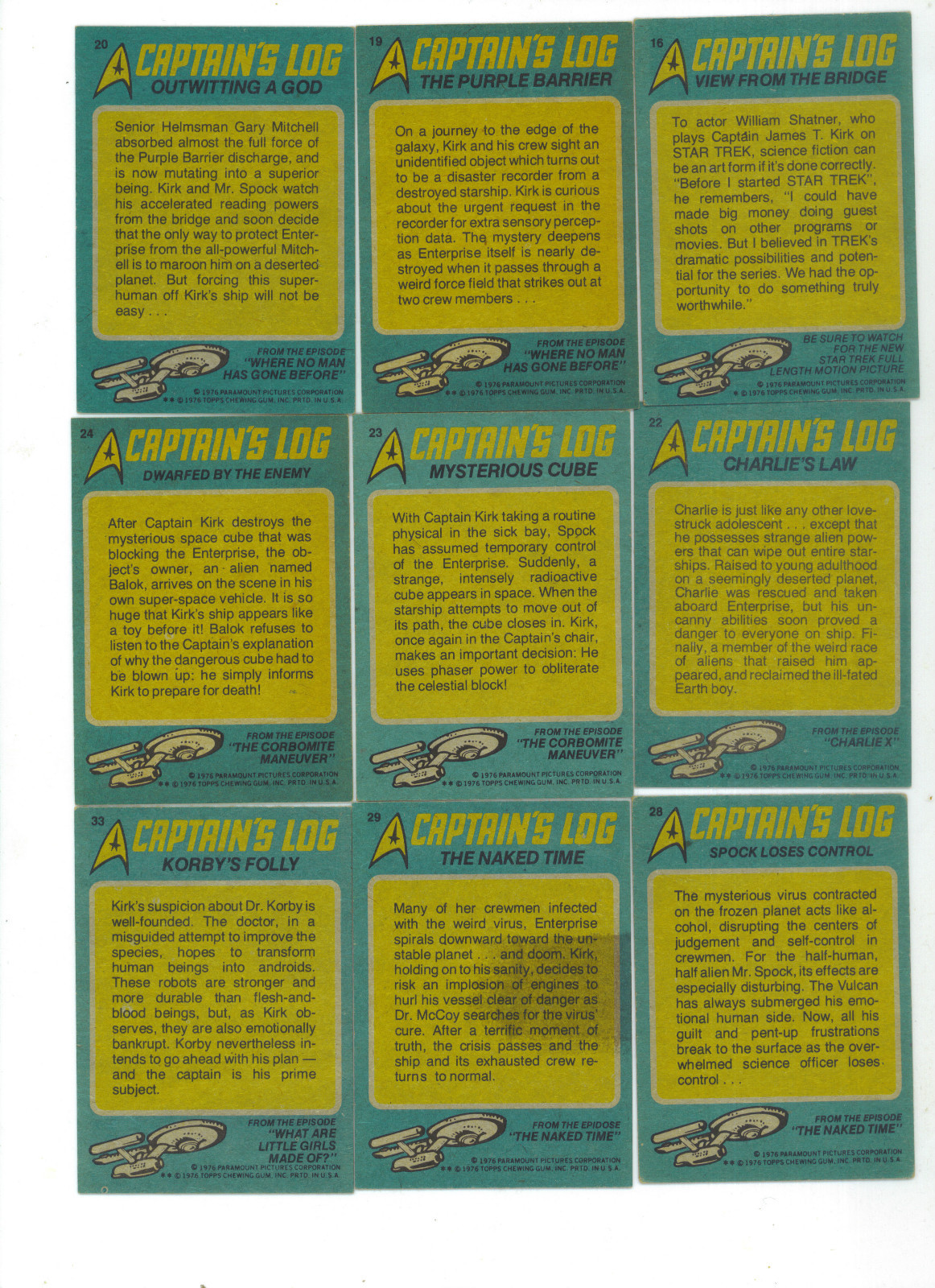
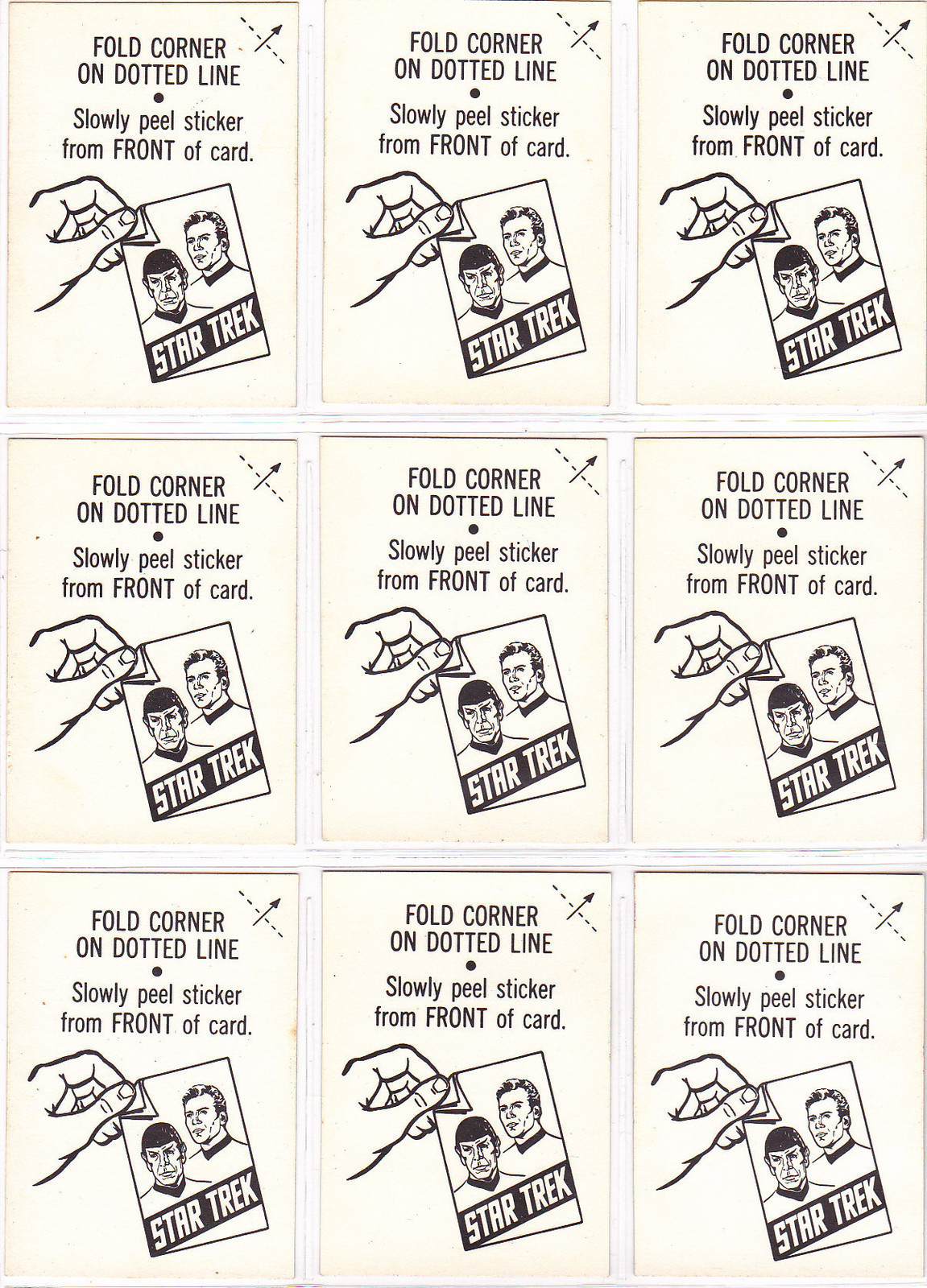
Leaf and Topps Star Trek Trading Cards (1967, 1976)

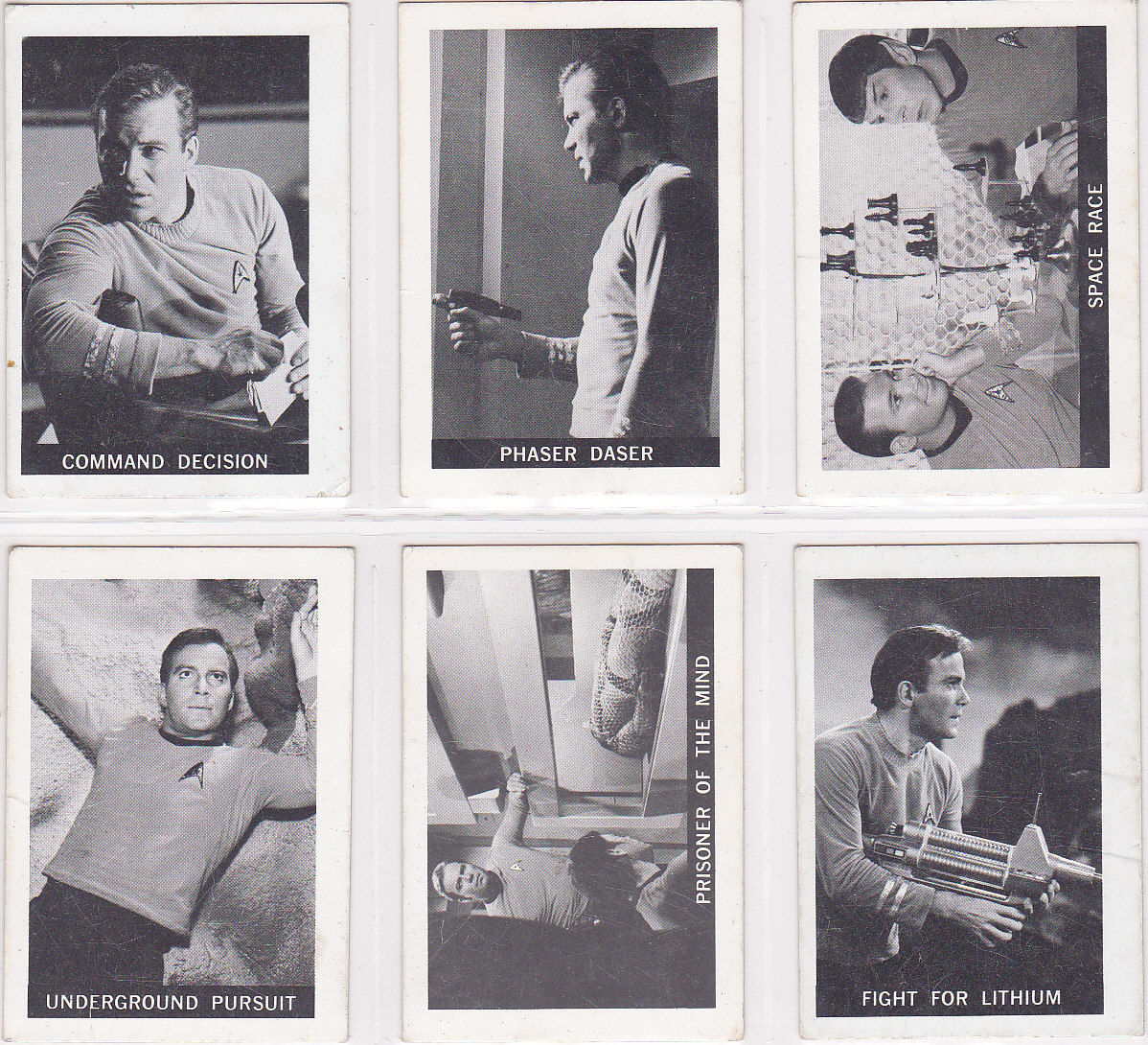
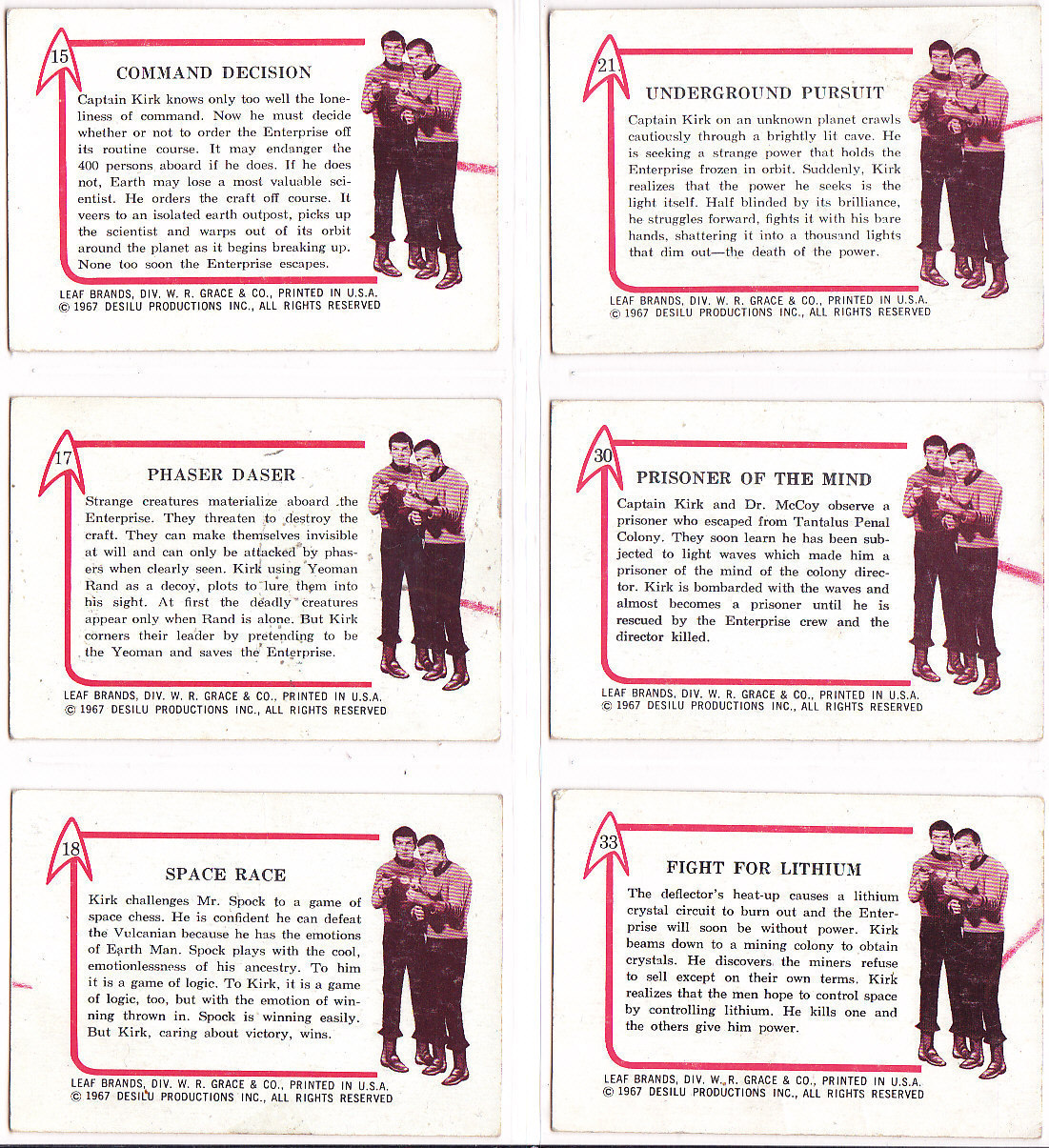
ST Cards 1967

Star Trek Cards 1967

Star Trek Cards 1967-2


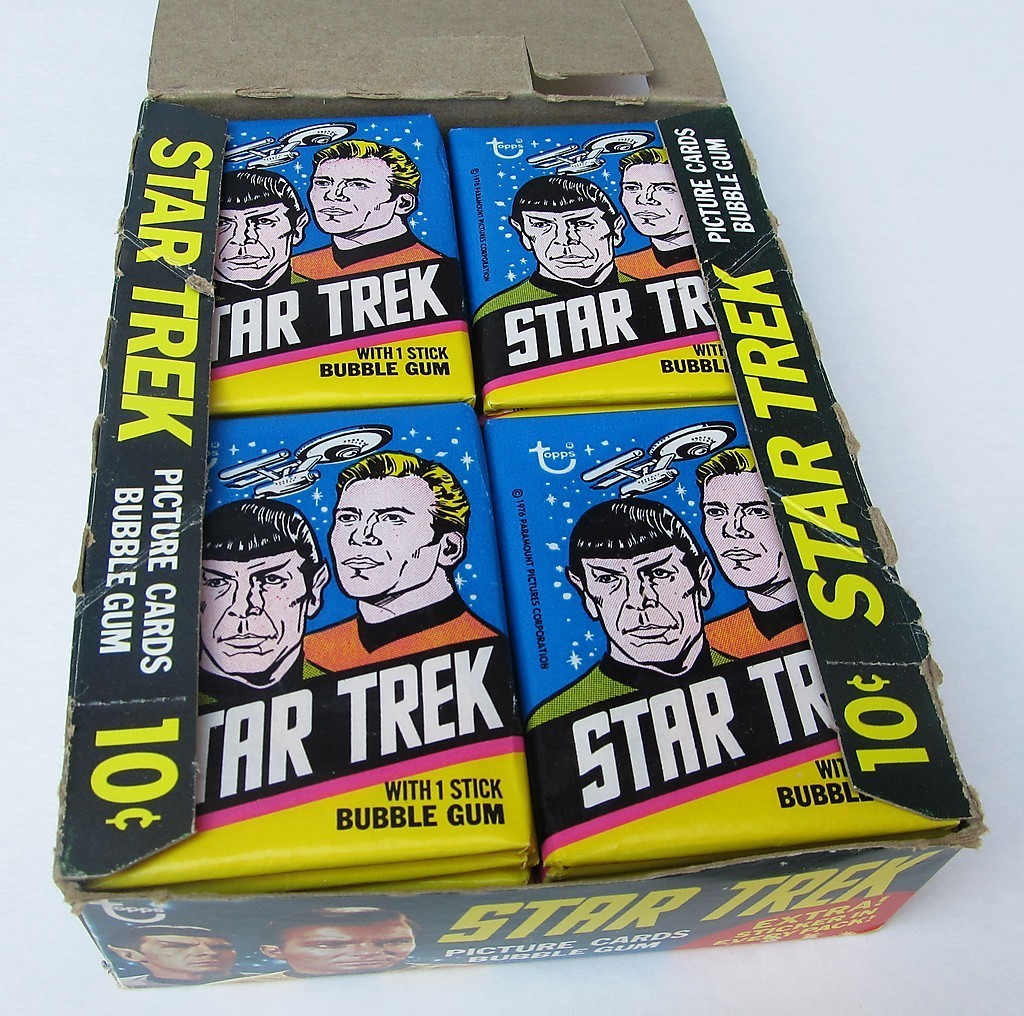
ST Cards 1976

ST Cards 1976-2

ST Cards 1976-3

ST Cards 1976-4

ST Cards 1976-5

ST Cards 1976-6

See both checklists at The Cardboard Connection. The first series is notorious for inaccuracies (Spock is a “Vulcanian,” many of the descriptions don’t match the pictured scene, etc.). Read the backs of the cards for kicks.

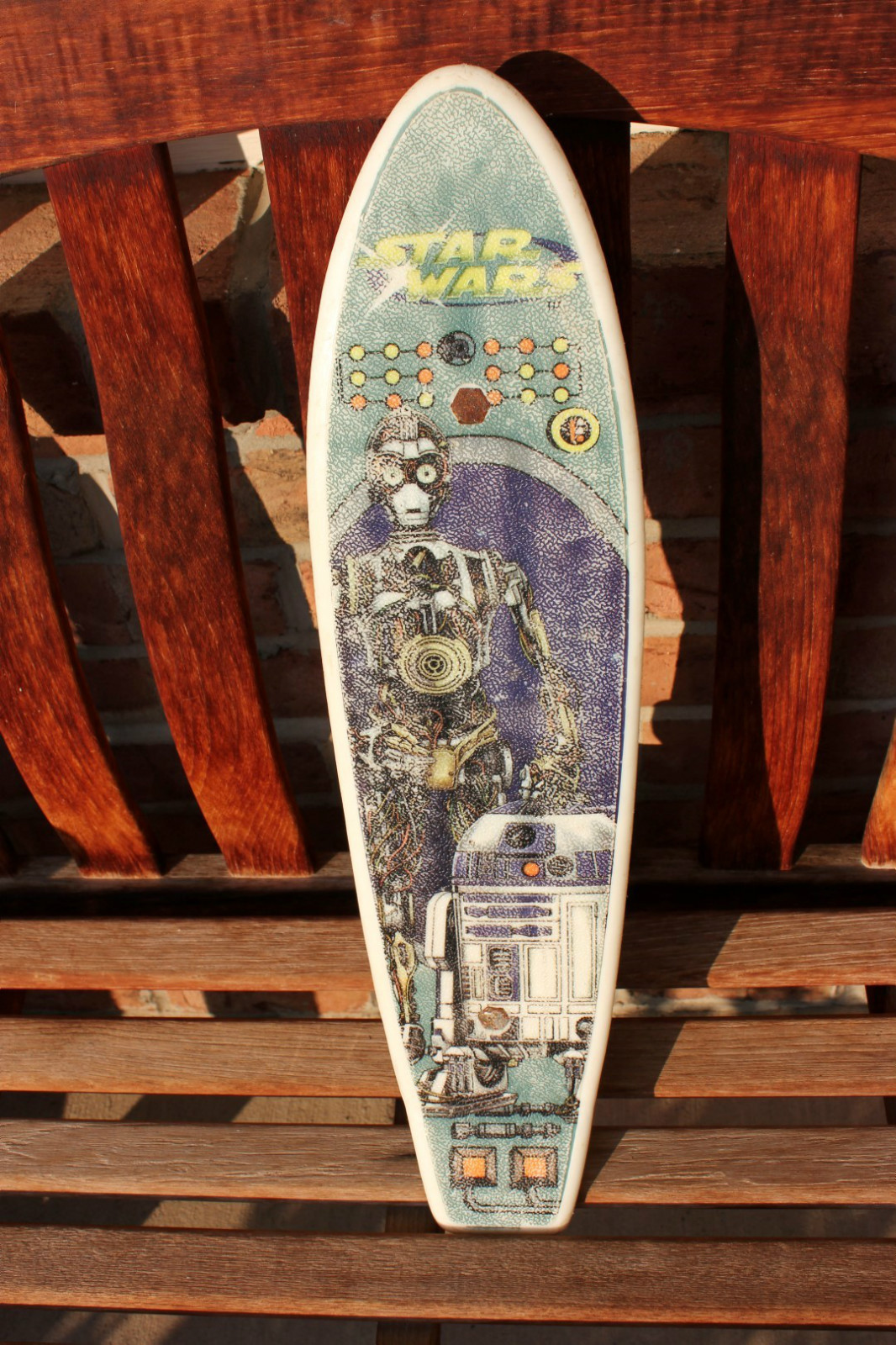
‘Retro’ Star Wars Skateboard (1999)

Star Wars Skateboard 77

Star Wars Skateboard 77-2

Star Wars Skateboard 77-3

Star Wars Skateboard 77-4

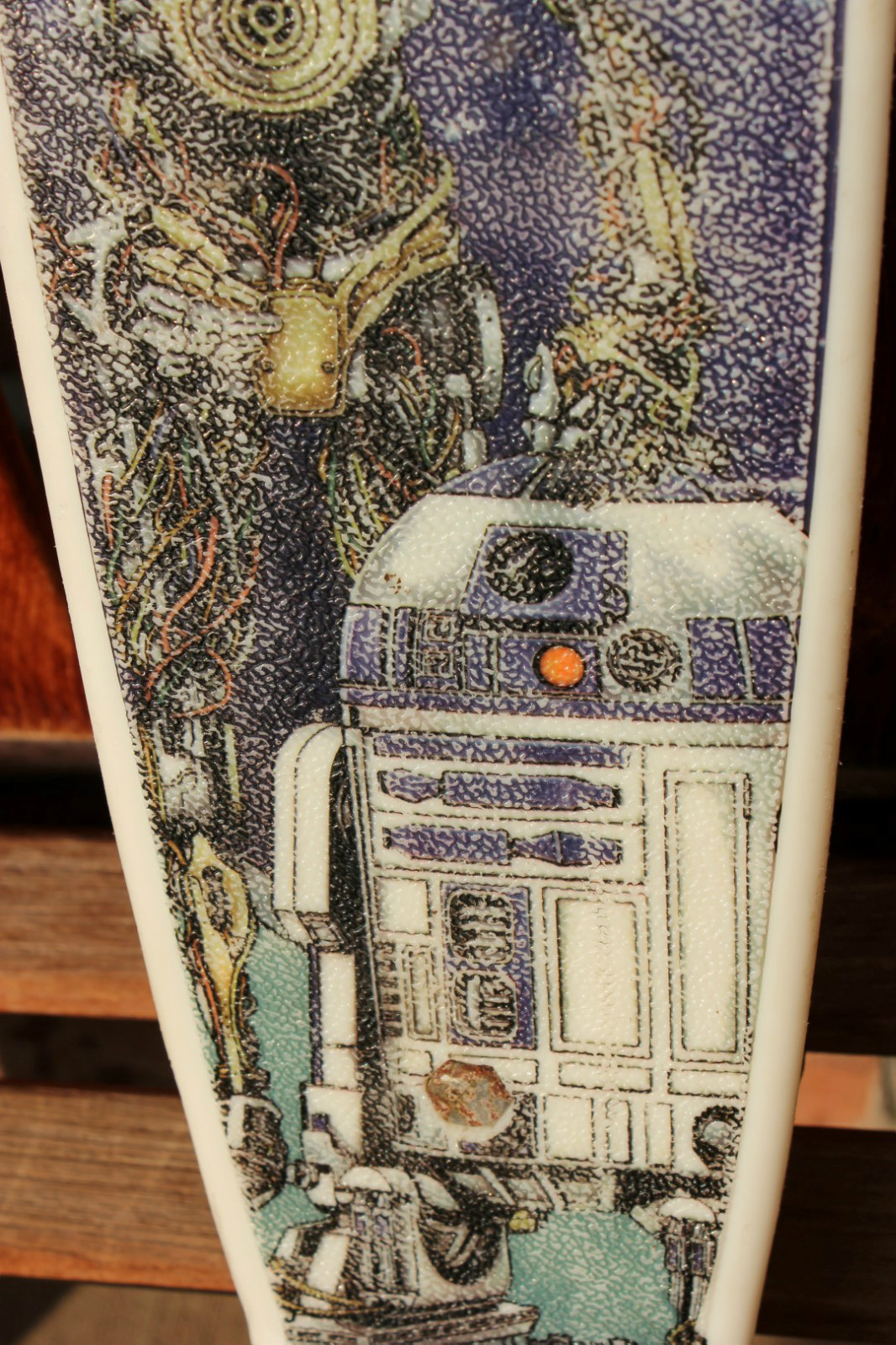
UPDATE (8/10/13): I originally thought the skateboard was from 1977, despite the Phantom Menace C-3PO design. In fact, the board is an intentional throwback to the banana boards of the 1970s. ‘Retro’ wasn’t hip in 1999, so I’m still a little boggled at the concept, but it is what it is.

Many thanks to Troy Yeary for solving the mystery via this shot at the Star Wars Collectors Archive.

Props to Hobgoblin238, who called it from the beginning.

(Images via eBay)

Skateboarding in the Suburbs, 1975

skateboarding 1975

December 28, 1975. (Photo: Associated Press)

Denver Post Caption:

Skateboard Enthusiasm on the Go. These skateboard enthusiasts stage an impromptu race down a sidewalk in suburban Los Angeles as they try their skill at the latest sport to sweep the country. The fad, which began in California, is moving eastward at a fast pace.

The development of polyurethane wheels in the early ’70s sent skateboarding into the mainstream. Shoes? Where we’re going, we don’t need shoes. (Unless we want to do tricks, in which case we will most definitely need shoes.)

(Photo via Big Ole Photos/eBay)


Pages

Archives

Categories

Donate Button

Join 1,118 other subscribers