Archive Page 112

Toy Aisle Zen (1984): Krull, Masters of the Universe, Star Wars, Stompers

Toys-1

Toys-2

Toys-3

Toys-4

Toys-5

Toys-6

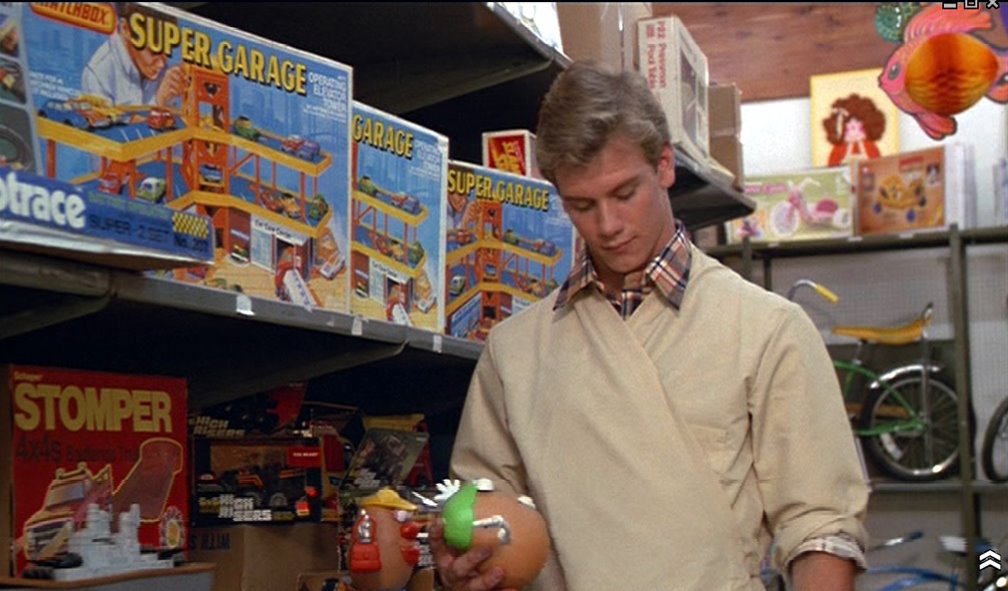
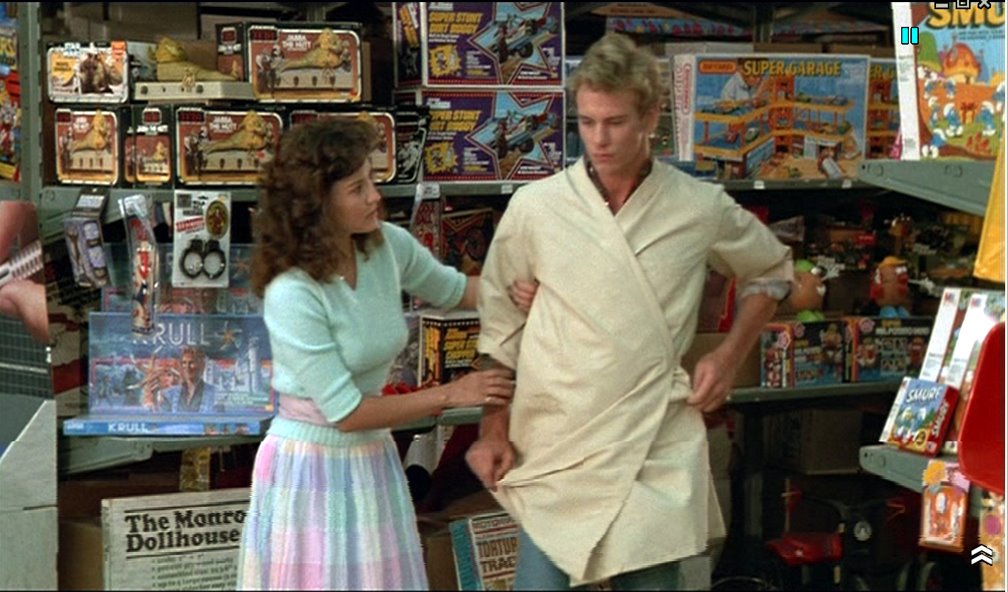
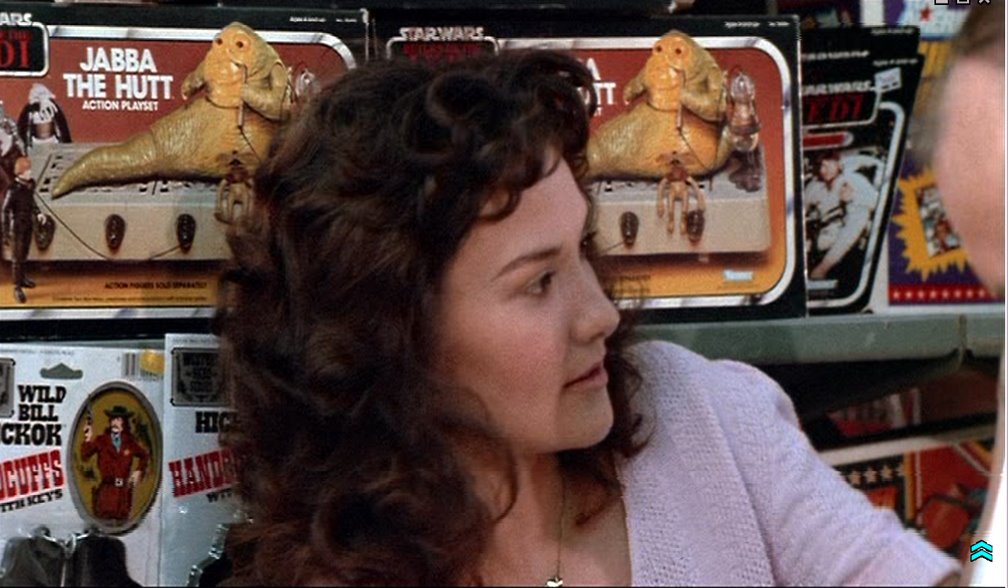
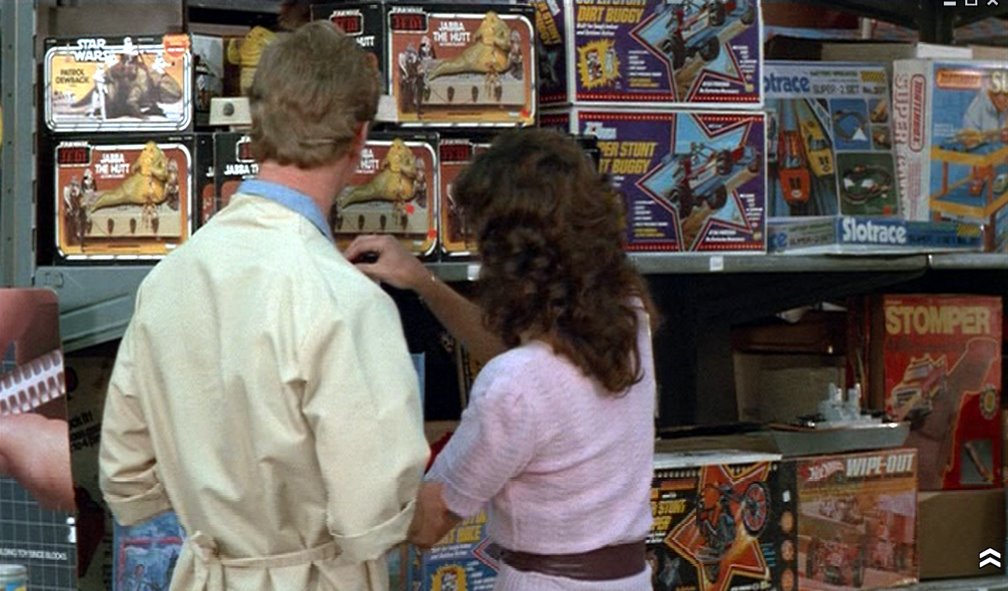
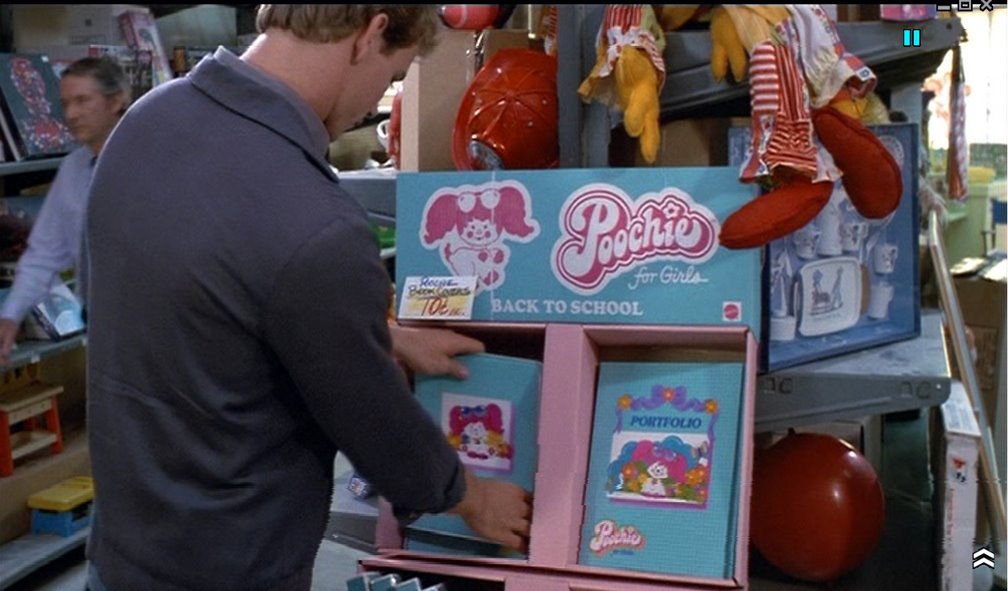
Some of you will remember a controversial film from 1984 called Silent Night, Deadly Night (the working title was “Slayride”), in which a traumatized teenager goes nuts, puts on a Santa suit, and starts killing folks. Well, right before he loses it, Billy (that’s his name) works at Ira’s Toys, and that’s what you see here.

Toys of note include Jabba the Hut and Luke Skywalker, Hot Wheels Wipe-Out, Stomper: Badlands Trail, Matchbox Super Garage, Castle Grayskull, and, best of all, the psychedelic Krull board game. Get in my closet! Also, in the very last shot, you can see a massive, nondescript AT-AT box behind Grayskull.

Thanks goes to Geektarded for spying the goodness and grabbing the screenshots. Special thanks to Transformer World 2005 for the heads up (and the mention).

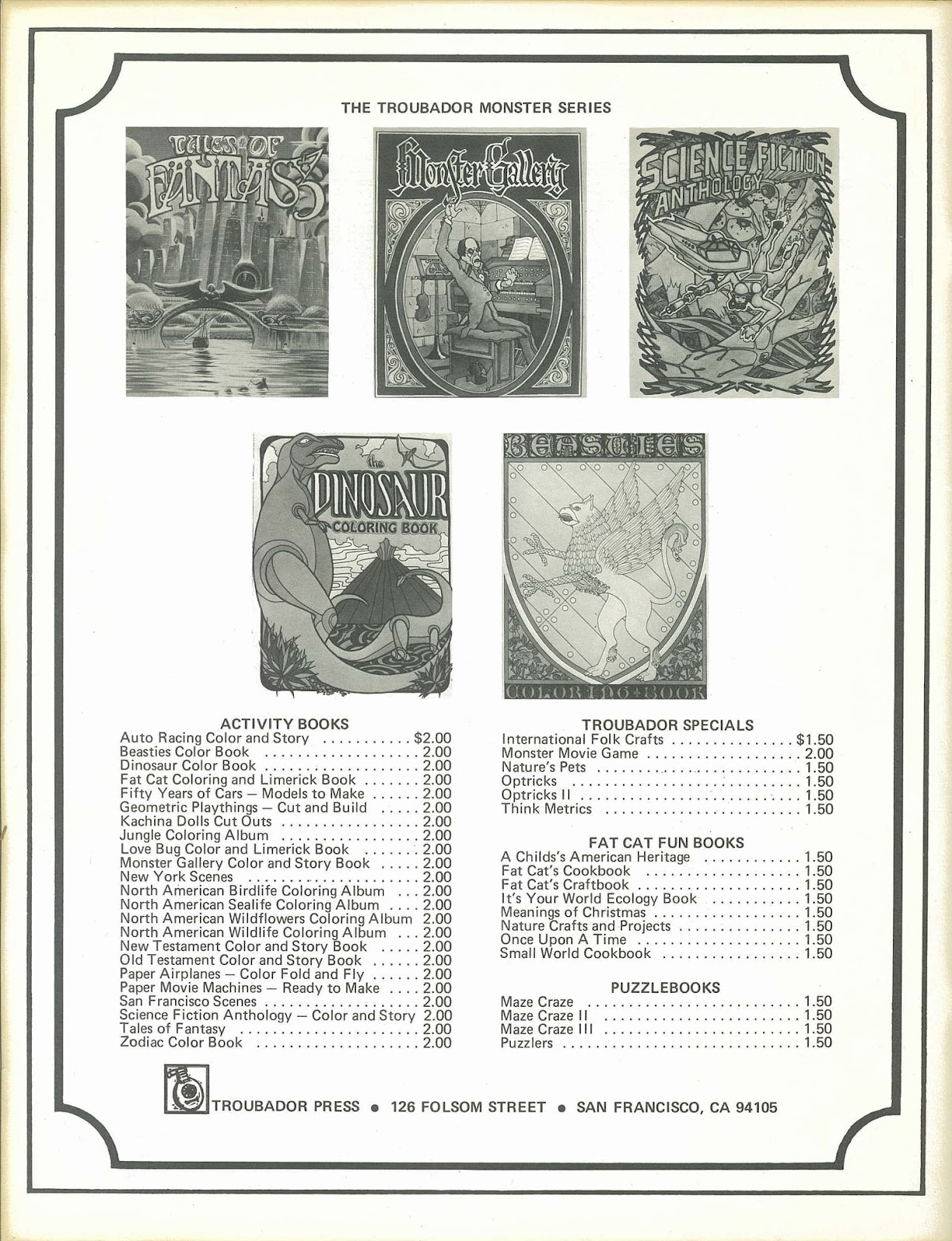
Troubador Press: Science Fiction Anthology (1974) and Tales of Fantasy (1975) Coloring Albums

SFA-1

SFA-2

SFA-3

SFA-4

SFA-5

SFA-6

SFA-7

SFA-8

SFA-9

SFA-10

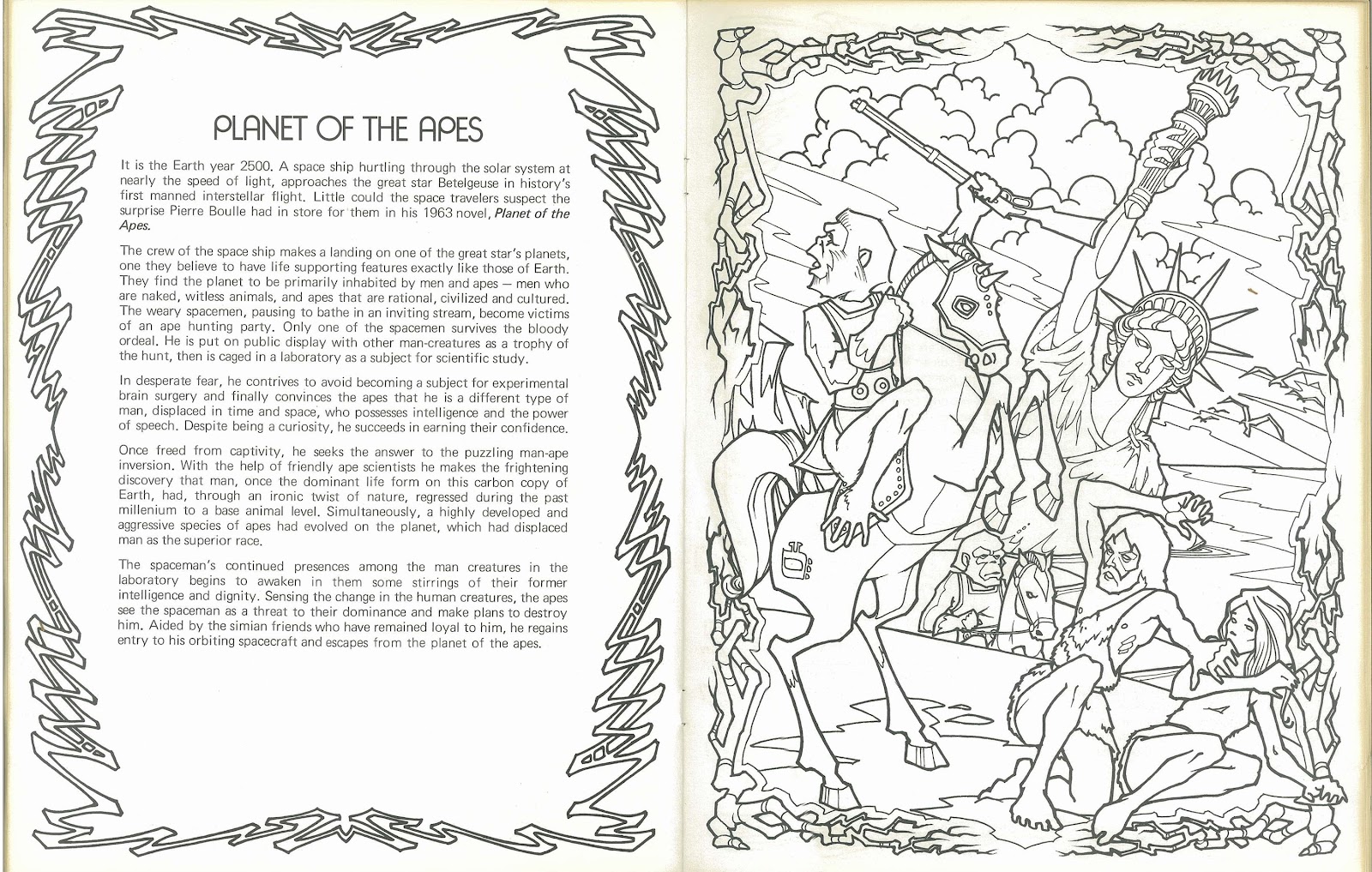
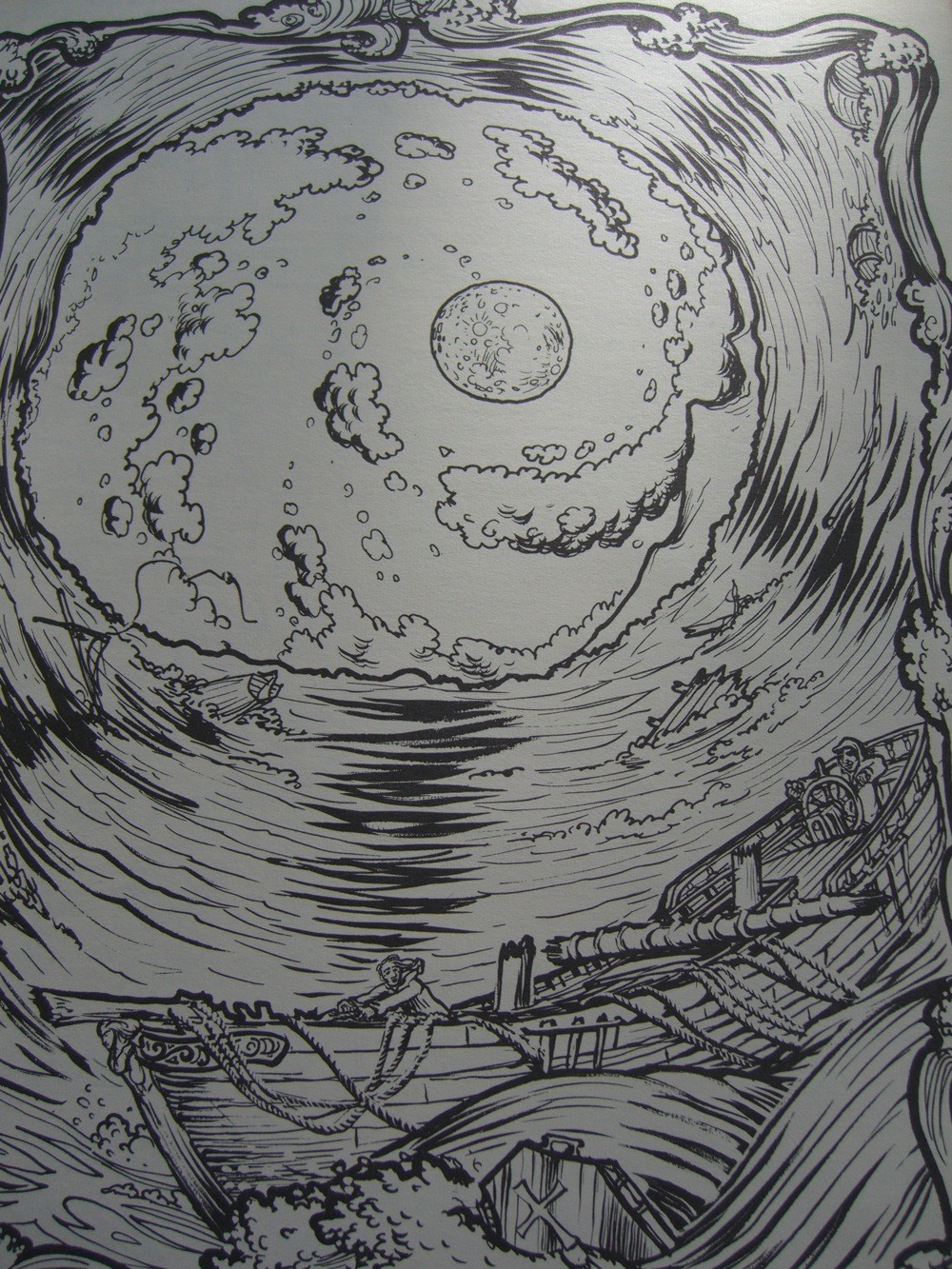
San Francisco’s Troubador Press published a number of similarly-styled books throughout the ’70s, including the AD&D Coloring Album. (Thanks to Jeff Overturf for scanning and posting the entire Sci-Fi Anthology!) Mark Savee is not quite Greg Irons, but he does have his moments: the Brave New World piece is expansive and claustrophobic at the same time—very unsettling, just like the novel.

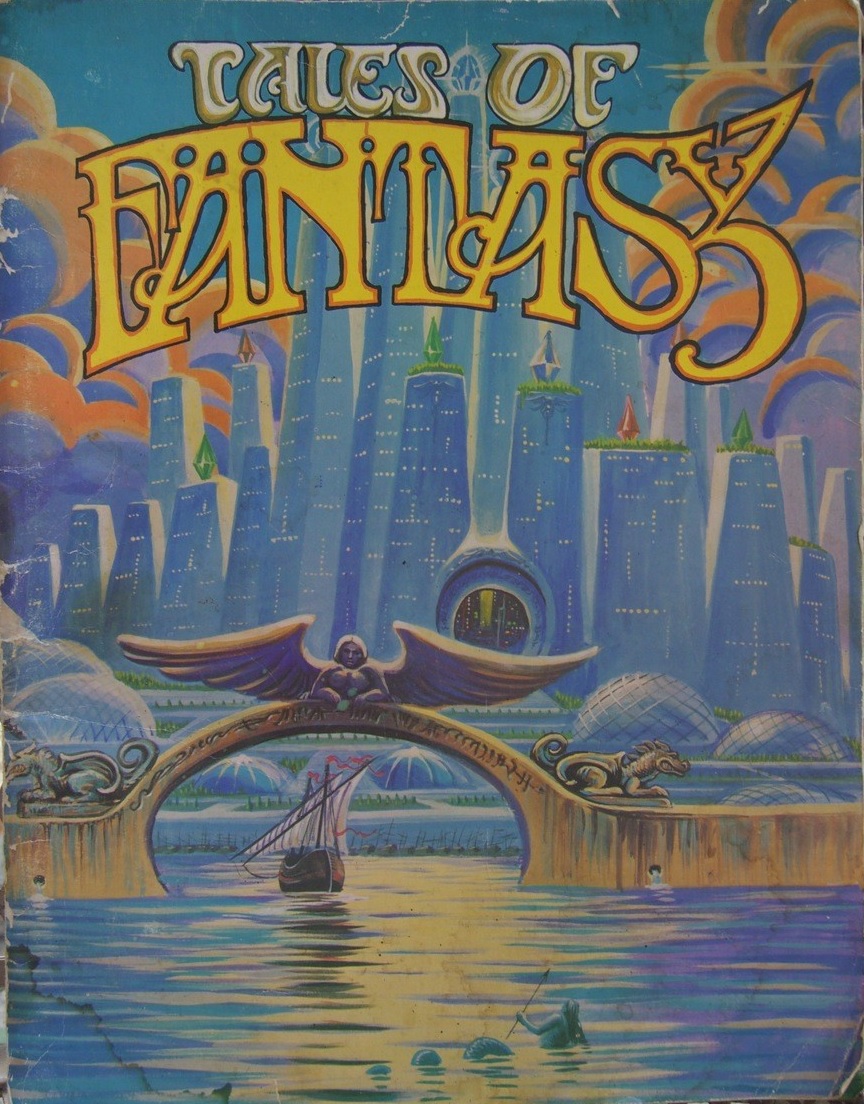
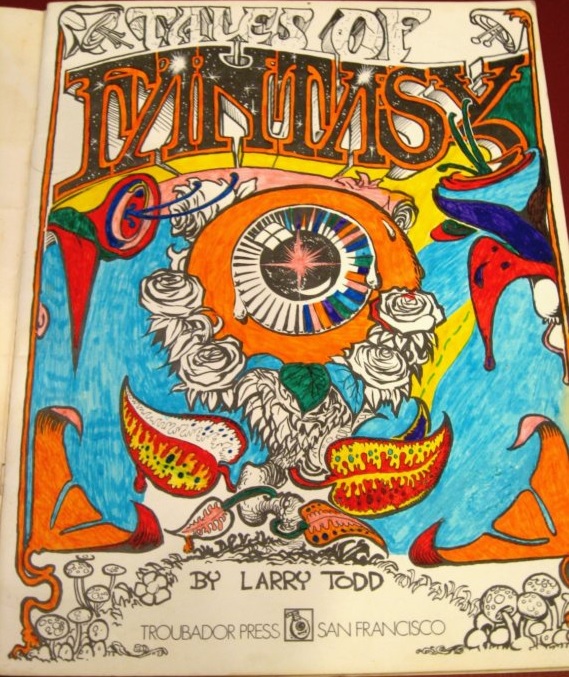
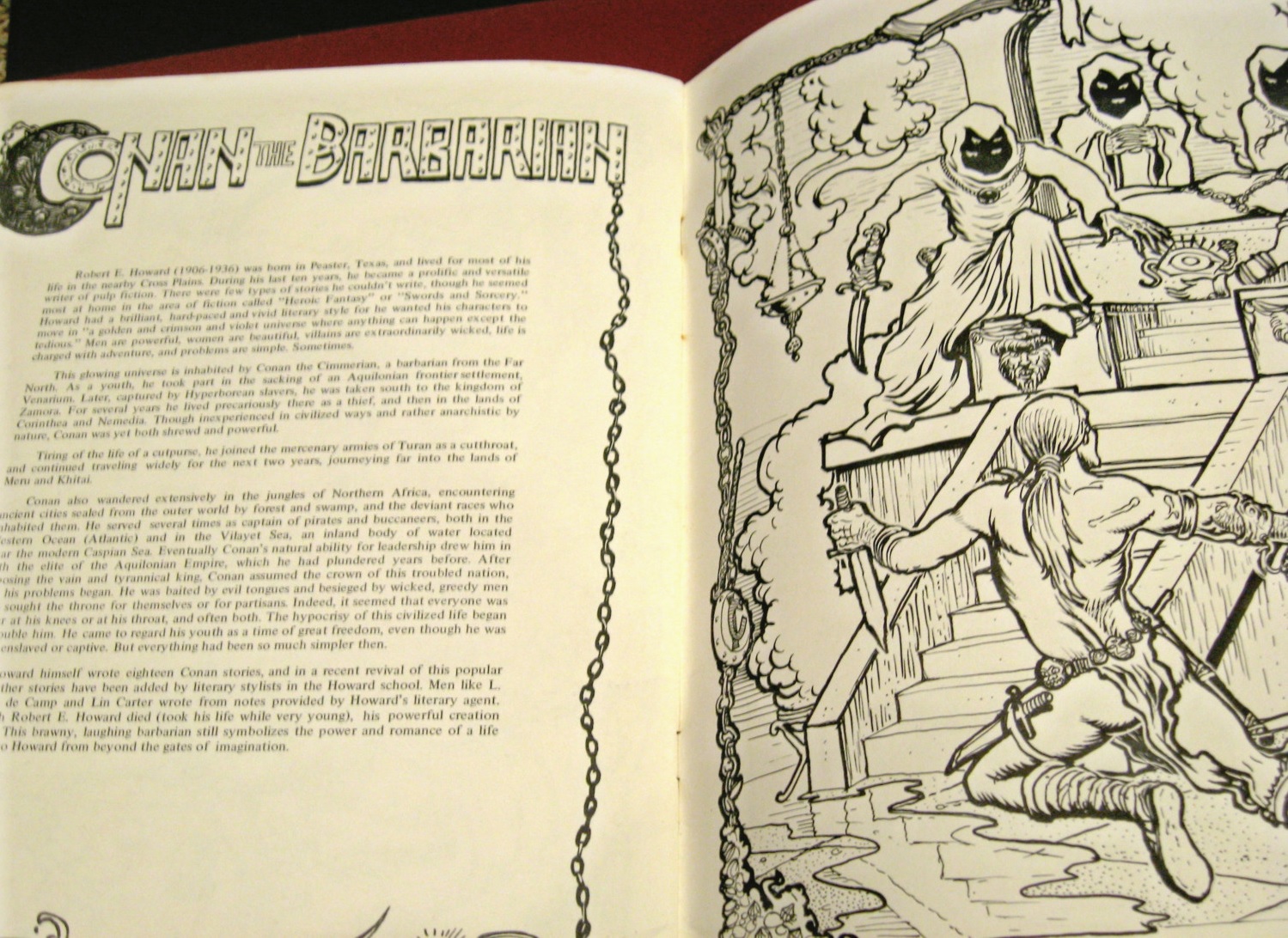
The inside back cover promotes Troubador’s other books at the time, one of which was Tales of Fantasy. I immediately recognized the cover and remembered having it. Unfortunately, I couldn’t find very many decent pics. The ones below are from Etsy.

TOF-1

TOF-4

TOF-2

TOF-3

TOF-5

The detailed summaries of ancient myths (The Odyssey, Atlantis, Sinbad) and fantasy literature (Lord of the Rings, John Carter of Mars, Conan the Barbarian) came with extraordinary illustrations by Larry Todd. The book had quite an influence on me.

I’ll have more on Troubador Press later.

High School Assembly, 1984

High School 1984

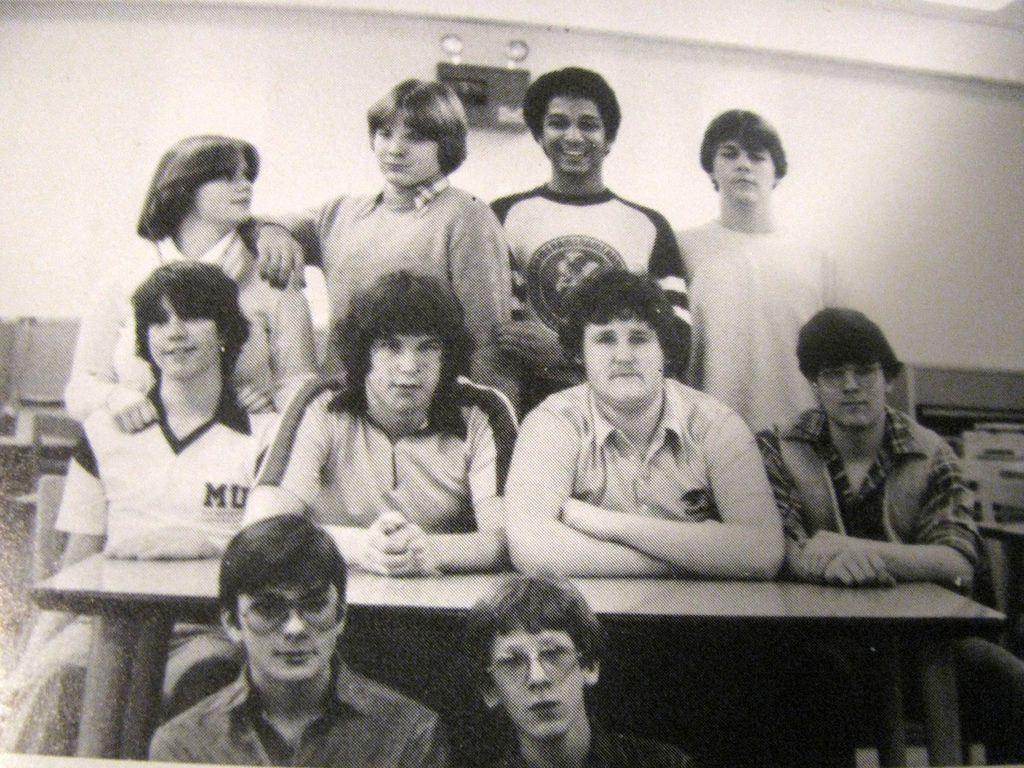
Published in an unidentified newspaper, probably The Miami Herald, in 1984. Someone named Larry Meyer is speaking at Ponce de Leon High School in northwest Florida. I’ve got no idea who Meyer is, but the students look intrigued.

The kid on the far left of the front row is wearing an OP (Ocean Pacific) polo.

OP Shirt

OP Shirt-2

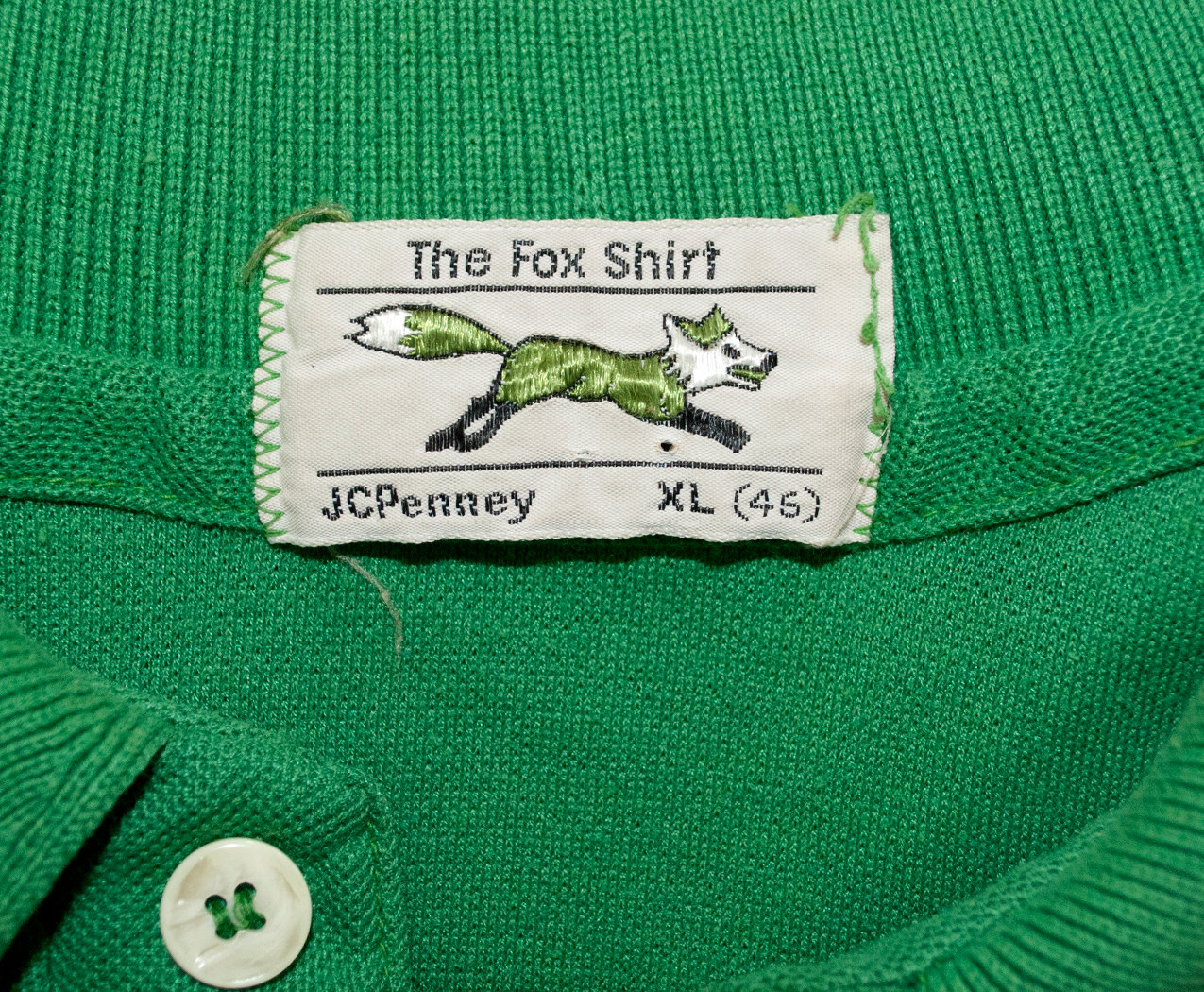
The kid in the middle is wearing a Bud Light t-shirt. (The Annual Budweiser Light… something. I can’t make it out.) The kid to his right is wearing a JCPenney-exclusive “Fox Shirt,” designed to compete with Lacoste’s crocodile. Le Tigre’s tiger polos were another big Lacoste competitor.

Fox Shirt JCPenney

(Images via Big Ole Photos/eBay and Etsy)

A Portrait of Young Geeks Playing D&D (1980)

D&D portrait 1980

D&D portrait 1980-2

D&D portrait 1980-3

These are from the 1980 Libertyville (a northern suburb of Chicago) High School Yearbook, courtesy of edenpictures/Flickr. John Olson’s explanation of the game on the first page may be the best one I’ve ever heard.

Interesting how they’re referred to as the Dungeons and Dragons people. Why not players? Or fans? Maybe because no one really understood them. They were those people. They were Goonies.

And what about the crux of the blurb: “The game provides its participants with the action, battle, and adventure they may never find in real life”? Isn’t the act of pretending a real life event? If I imagine that I’m swinging a sword at a red dragon while rolling a d20, am I not finding adventure in real life? It’s a less physical experience than running between the tackles on a football field, but it’s no less real.

Look closely at these kids. They were themselves, and they probably took a lot of shit for it. They were geeks before geeks were cool.

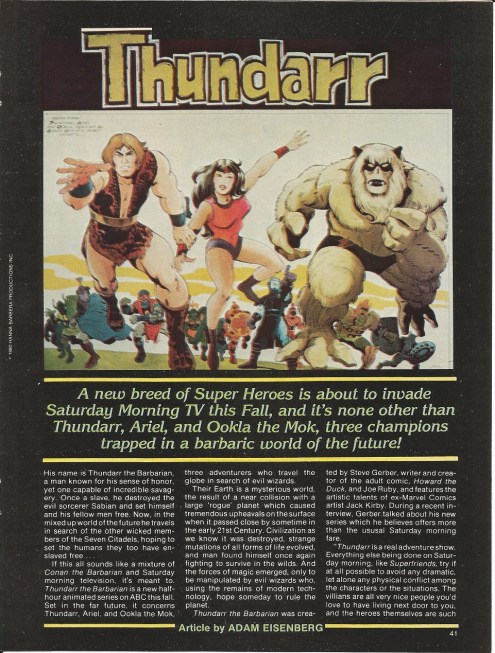
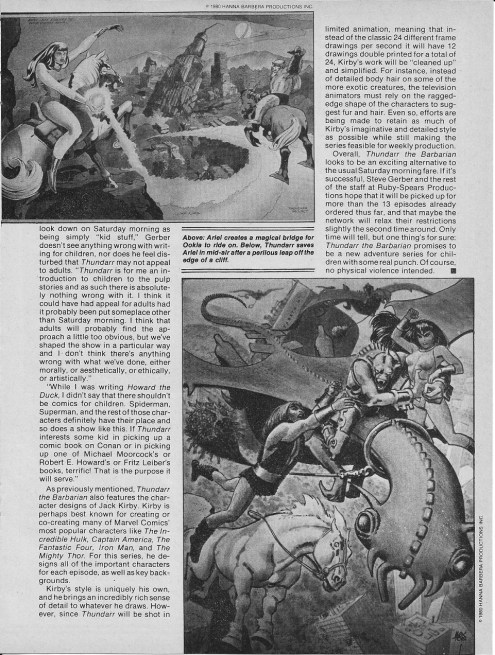
Fantastic Films #20 (December, 1980): Thundarr the Barbarian Article

FF CE #20 pg. 40

FF CE #20 pg. 41

FF CE #20 pg. 42

FF CE #20 pg. 43

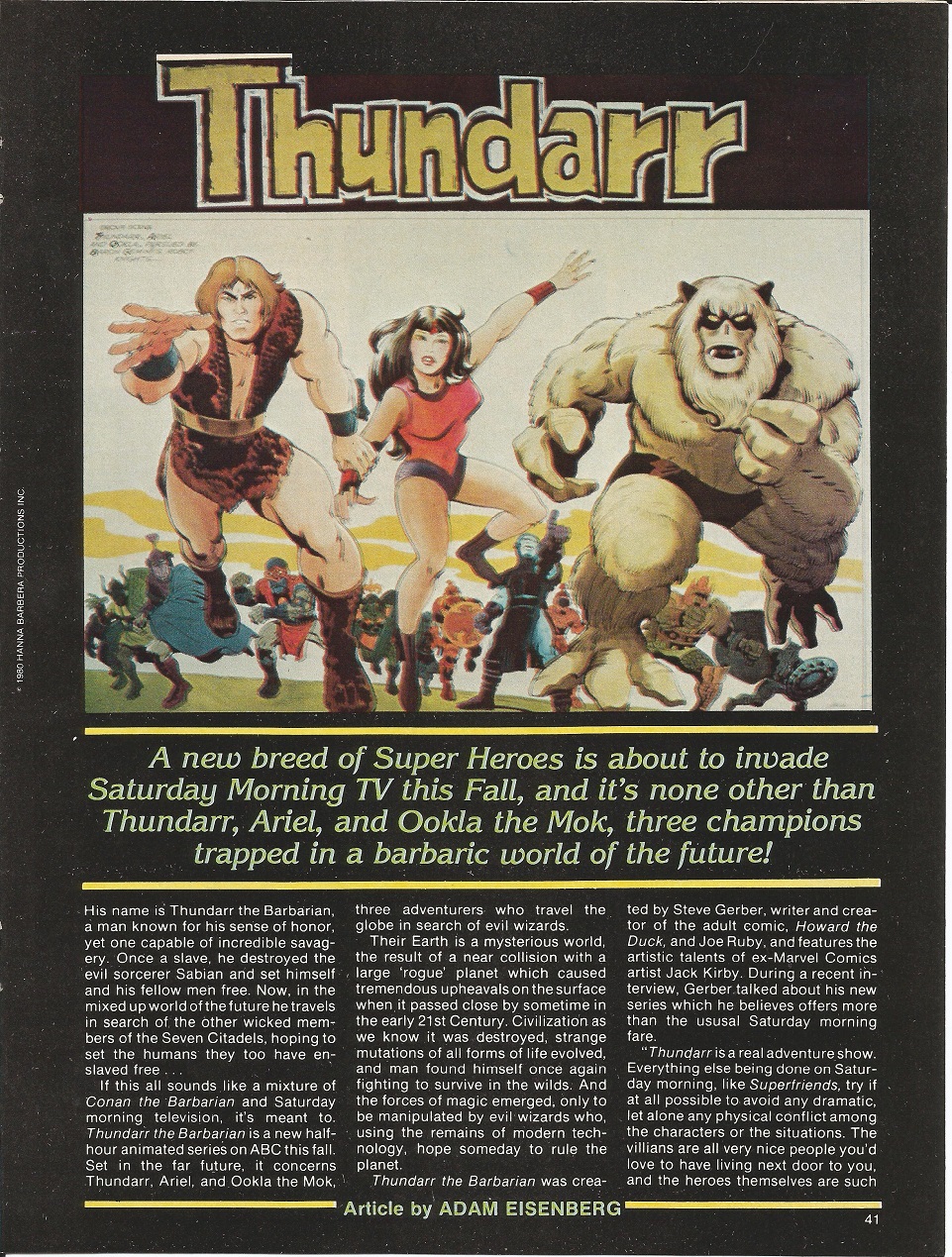
Thundarr the Barbarian is, hands down, the greatest American cartoon of the 1980s. Here’s why.

(1) In the opening sequence alone, set to the darkest, most epic cartoon theme song of all time, the Moon blows up, the Earth is ravaged by tidal wave, volcanic eruption, and earthquake—“man’s civilization is cast in ruin.” Then, 2000 years later, we see the “reborn” planet, now ruled by “savagery, super science, and sorcery.” (Yeah, super science.) A massive ocean liner, illuminated by the riven moon, sticks lengthwise out of the jungle muck into the fuming, noxious atmosphere. A masked wizard conjures up a slimy, Lovecraftian demon. Thundarr, a barbarian slave, “bursts his bonds” and vows to fight for justice, waving around his “fabulous Sunsword” from the back of a white steed. Ookla the Mok is a giant, foul-tempered raccoon with fangs and a mane. Princess Ariel is a bad-ass, raven-haired sorceress.

This ain’t Super Friends, kids.

(2) The show was and is a pretty sophisticated combination of literary (When Worlds Collide, Robert E. Howard’s Conan and Solomon Kane stories, Jack Kirby’s Kamandi) and cinematic/television (Star Wars, Planet of the Apes, Seven Samurai, Kung Fu, The Lone Ranger) sources. It also predates Escape from New York and The Road Warrior, two brilliantly realized post-apocalyptic visions that have been imitated (but never bested) ever since.

(3) Alex Toth (Space Ghost, The Herculoids) designed the three main characters, while Jack Kirby (‘Nuff said) designed the secondary characters, many of the sets and backgrounds, and the Sunsword.

(4) Like the early marvel creations of Stan Lee, Jack Kirby, and Steve Ditko, Thundarr is grounded in the Western mythic tradition. The idea of the wandering hero goes back to Odysseus and especially the knight-errant (errant, from the Latin itinerant, means “traveling”) of the Medieval romance. I don’t want to overstate the importance of a cartoon about a barbarian wearing a fur monokini, but there is something of the heroic in the series, as Thundarr and his friends somberly wander the festering ruins of America seeking out the dispossessed and persecuted. Nothing lasts forever, they know, and danger is everywhere, but they choose to do what good they can with the time they’ve got.

The article above features some dazzling pre-production art from Kirby and Toth, and Thundarr co-creator (with Joe Ruby) Steve Gerber comes off as a really intelligent, quick-witted guy who is struggling to overcome serious creative restrictions. I didn’t know just how strict the censors were at the time, so I’ll quote him on it:

The Program Practices will still not allow our main character to throw a punch or to hit anybody… The criteria seems to be what children can emulate. If Thundarr sticks out his foot and trips a couple of werewolves, that’s emulable… If, on the other hand, Thundarr picks up a boulder and throws it in the path of the werewolves, thereby tripping them up, that’s not emulable, and we’re allowed to do that…

The big thing that we’ve had to overcome is that the censors tend to treat children as if they’re not just morons, but lunatics, potentially dangerous creatures.

And Thundarr’s sword posed a problem, since “knives and other sharp objects are outlawed on Saturday morning.” (The last drawing on the first page shows our hero holding a metal sword.) They couldn’t do a laser sword because of Star Wars, so they went with a “lightning sword.” I had just assumed all these years that they were trying to emulate the lightsaber.
TSR’s Escape from New York: The Game (1981)

EFNY Cover

EFNY Back

EFNY Board

EFNY-4

EFNY-6

EFNY-7

EFNY-8

EFNY-9

EFNY Instr

Toshiba Digital Camera

EFNY-12

EFNY-11

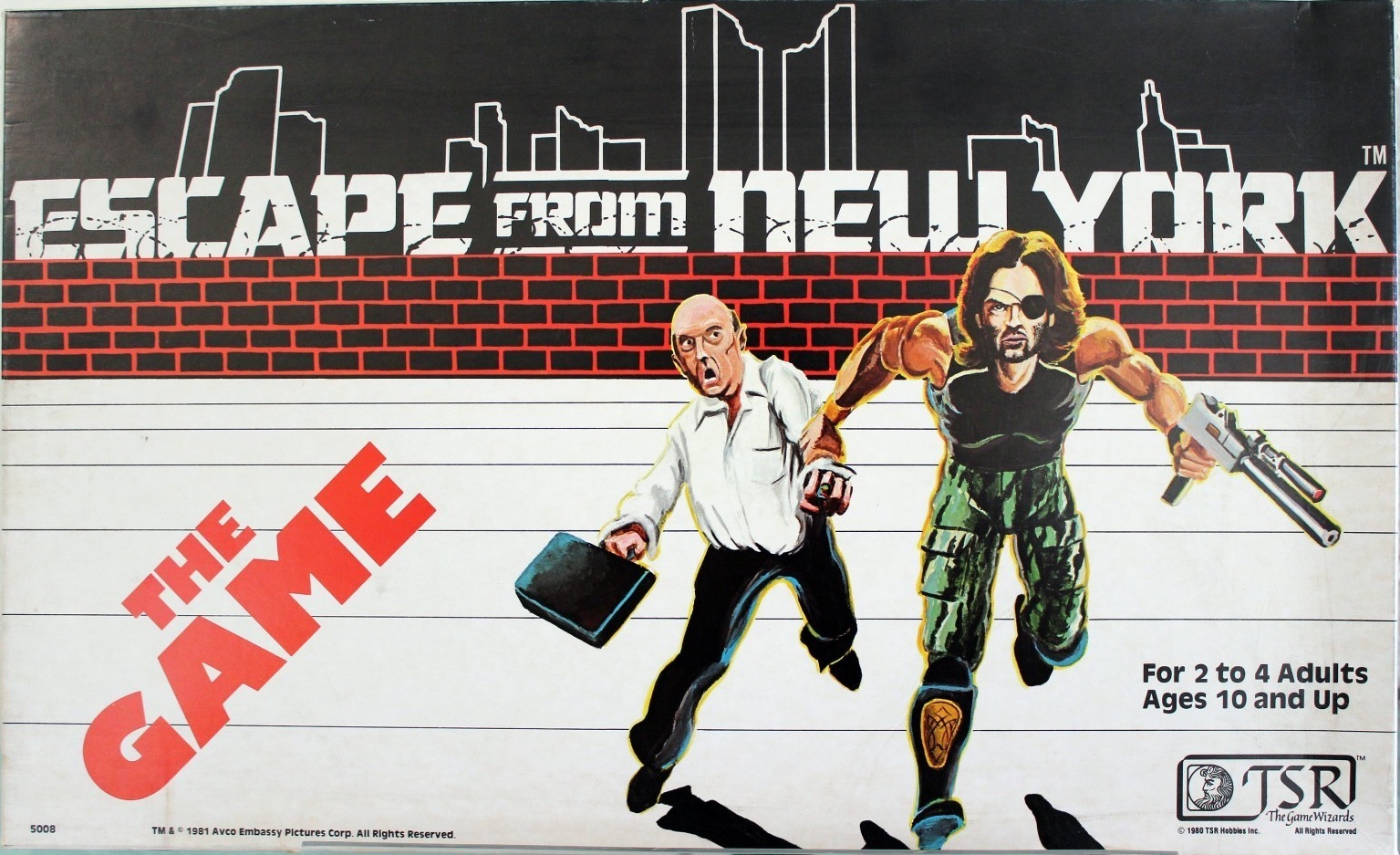
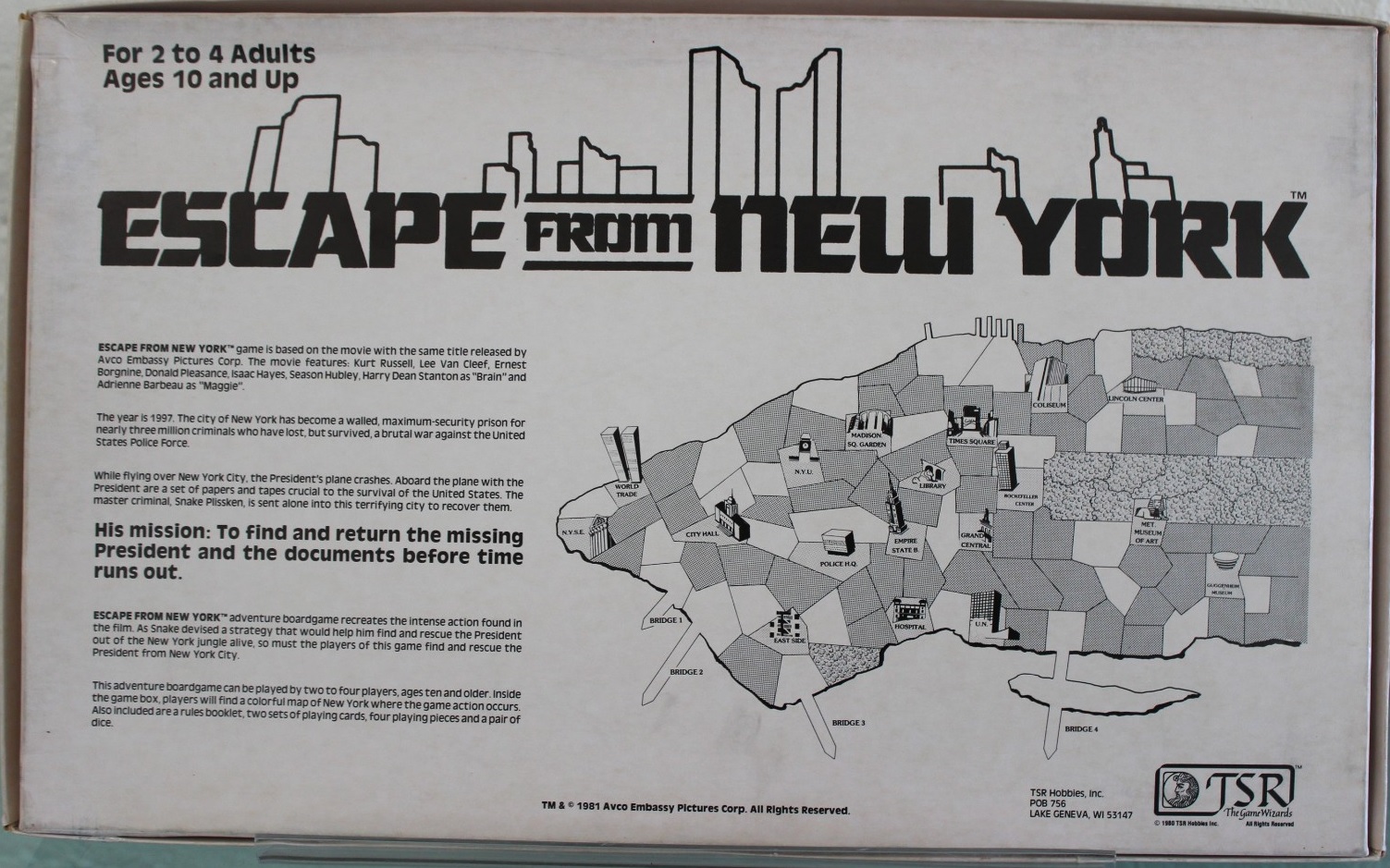
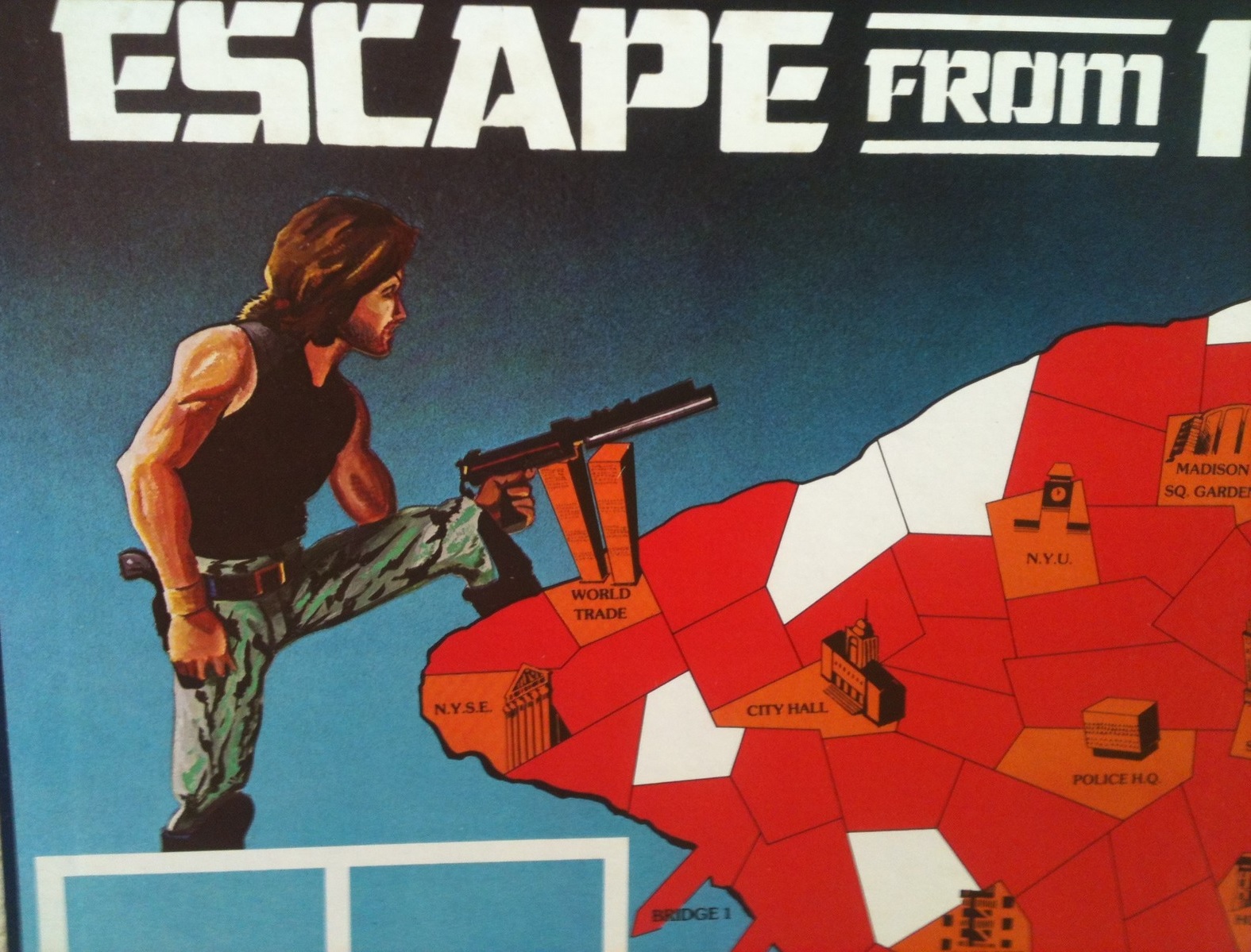
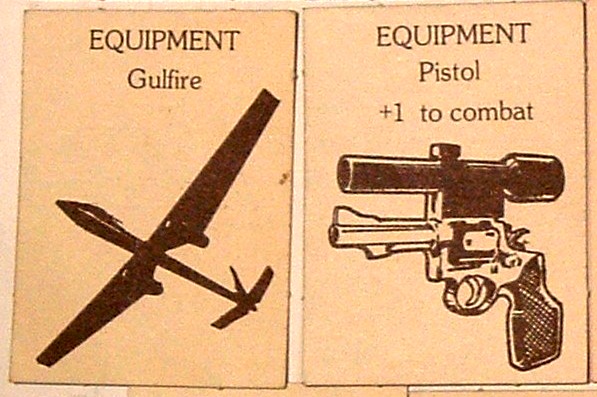
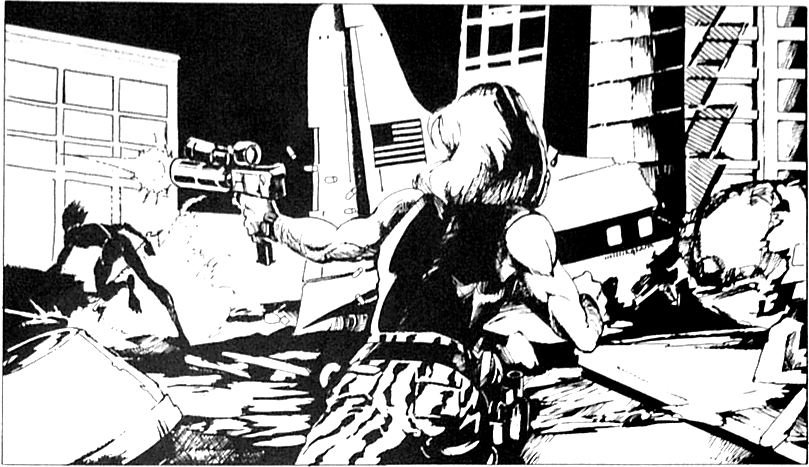
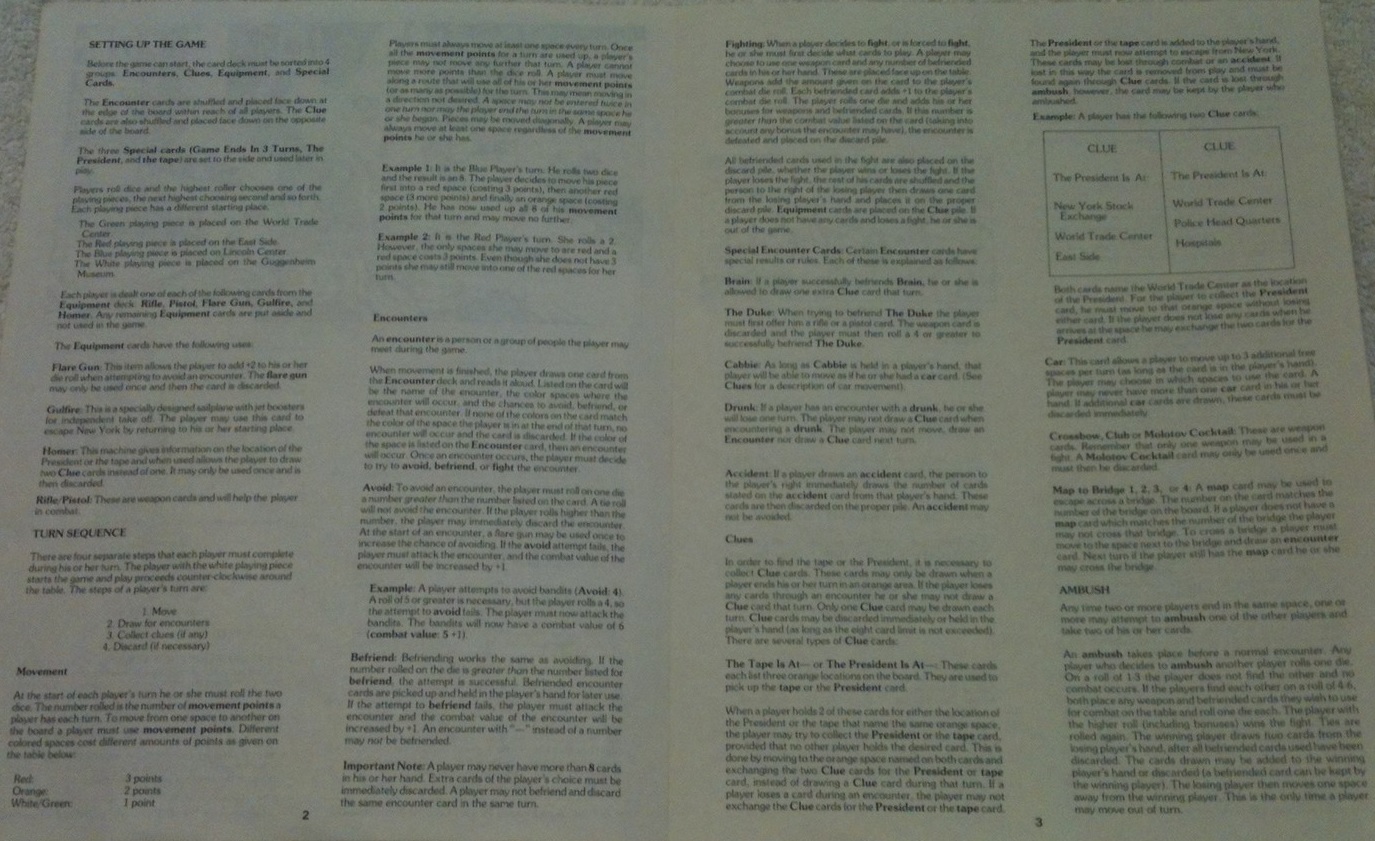
Really? I must have seen this movie a hundred times when it first came out on video (it’s still one of my all-time faves), but I had no idea there was a game. The cool illustration on the instructions title page is by Bill Willingham. You can see his signature on the plane. The second drawing—the “crazies” coming out of the sewer—might be an Erol Otus. Isn’t that an “EO” in the top right corner?

I would love to play this baby.

(Images via Board Game Geek and eBay)

Peaches Records & Tapes, 1979

Peaches Records 1979

Press photo: August 24, 1979

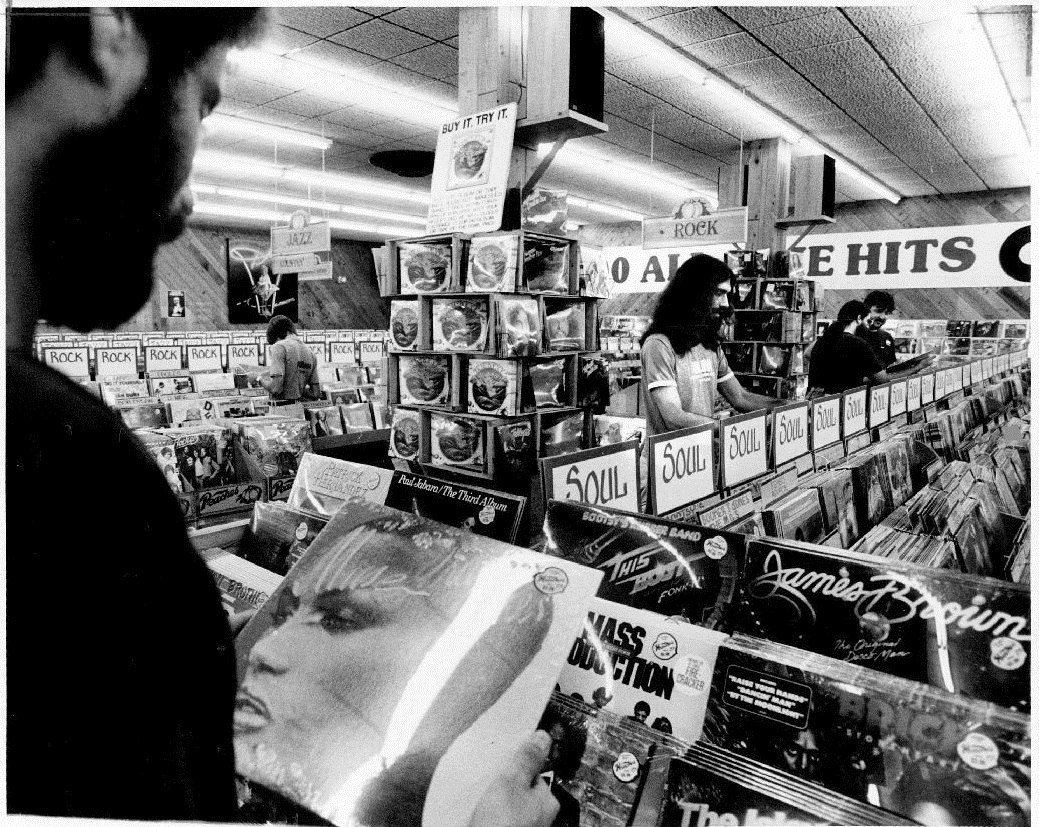
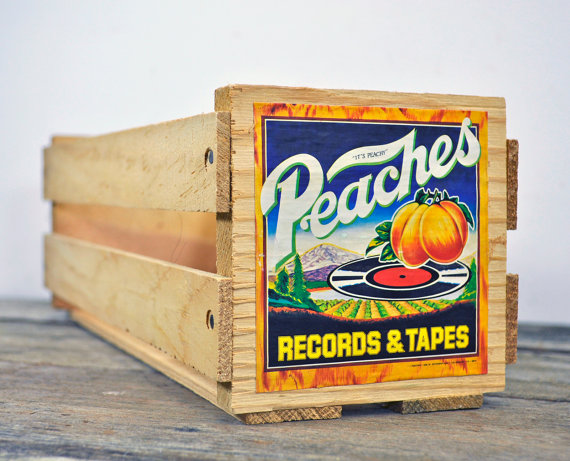
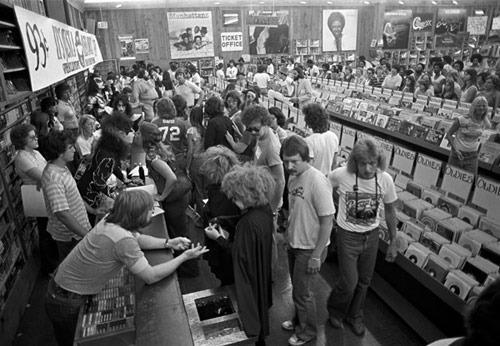
Peaches was the biggest national music chain from the mid-’70s until they went bankrupt in ’81 or ’82. I remember the logo and the distinctive crates, but by the time I became obsessed with music, the place to go in my neighborhood was Tower Records. I also made frequent stops at Music Plus and The Wherehouse.

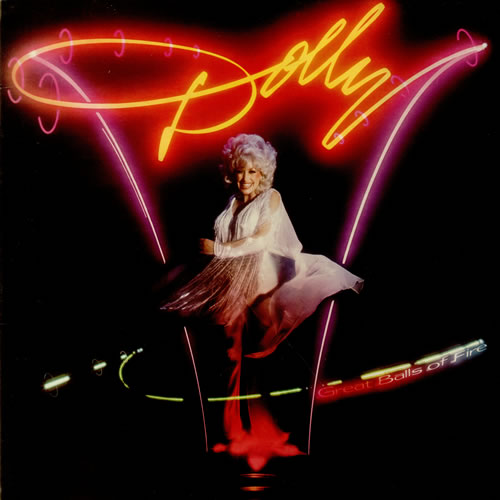
The poster on the left wall is from a 1979 Dolly Parton album, Great Balls of Fire. And check out that gorgeous diagonal wood paneling.

Dolly 1979

Peaches Crate

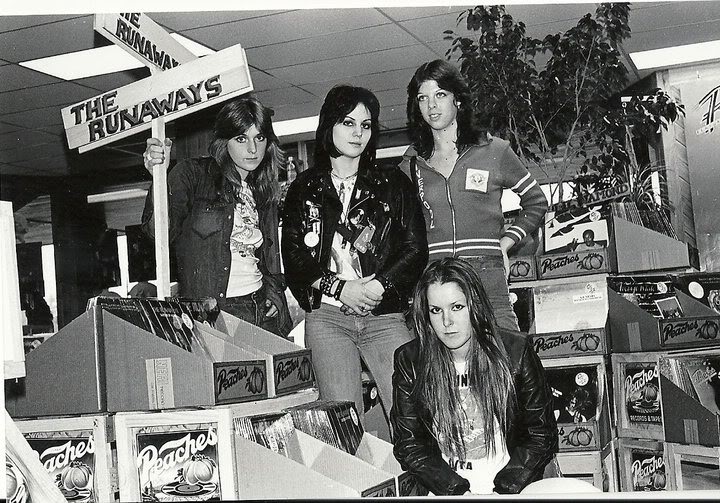
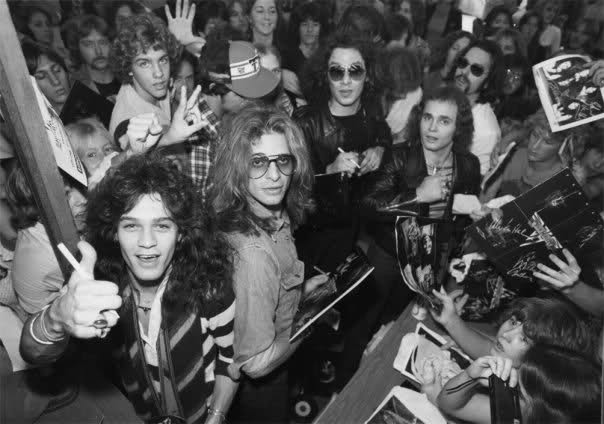
Just for the hell of it, here are some shots of ’70s rockers doing signings in Peaches.

KISS Peaches 76

KISS, 1976

The Runaways Peaches 1977

The Runaways, Circa 1977

Van Halen Peaches 78

Van Halen, 1978

(Photos via Lexibell/eBay, KISS Online, The Runaways Message Board, and The Gear Page)

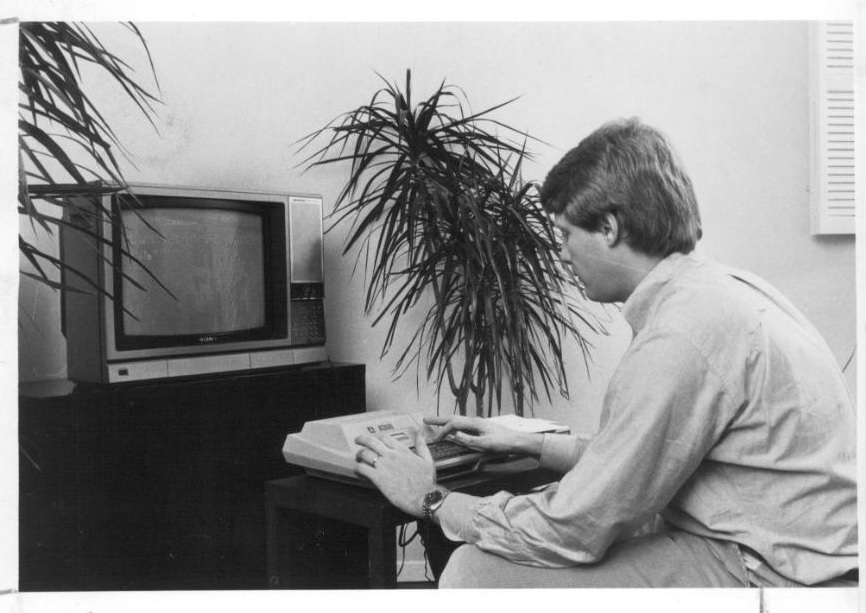
And You Shall Know the Atari 400 by the Awkwardness of Its Keyboard

atari 400 1983

December 26, 1983. (Photo: Denver Post)

Nice ferns?

By the way, true story, there was actually something called a fern bar in the late ’70s and early ’80s: “an upscale or preppy (or yuppie) bar or tavern catering to singles usually decorated with ferns or other `fussy’ plants, as well as such decor as fake Tiffany lamps.”

(Photo via Lexibell/eBay)

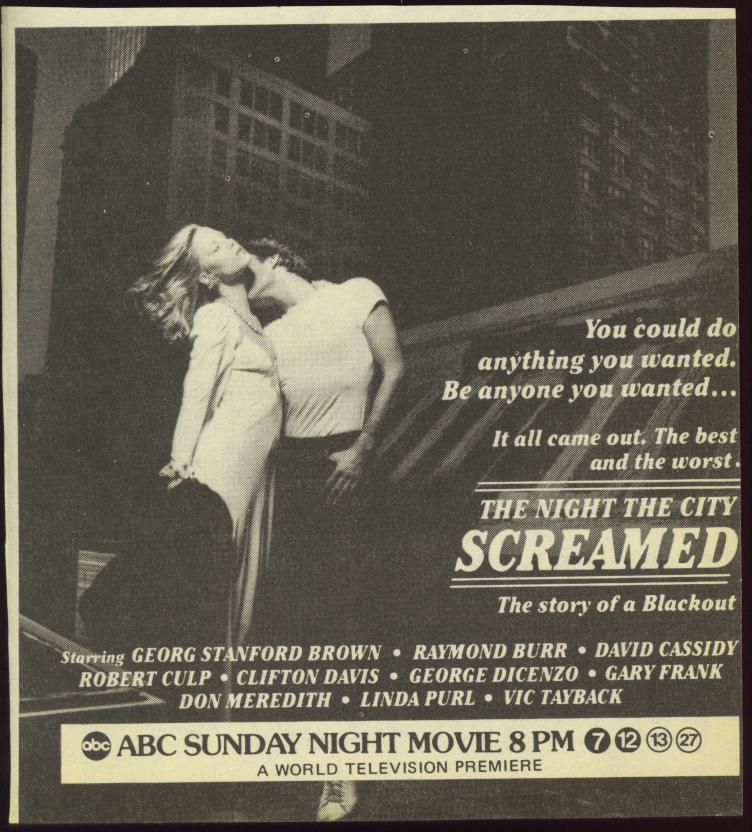
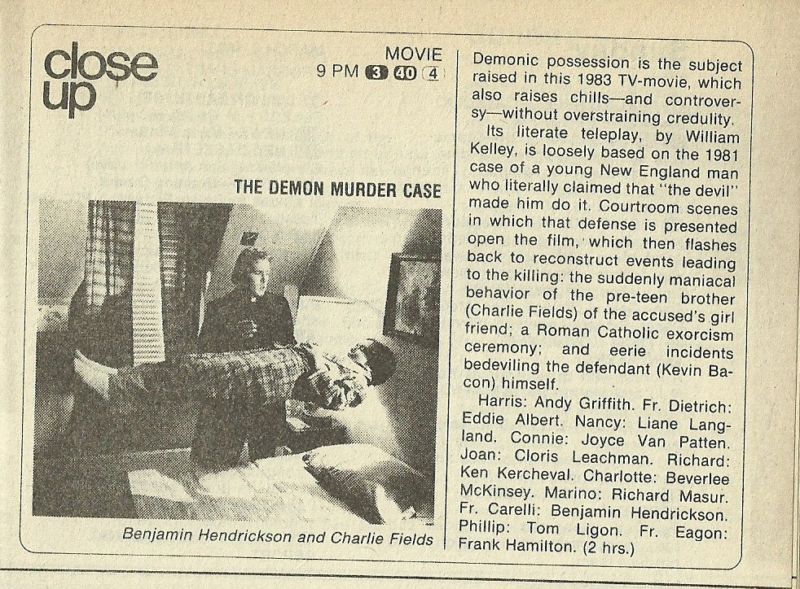
TV Guide Ads for TV Movies (1980 – 1984)

calendar girls 1979

The Night the City Screamed 1980

deadly lessons ad 1983

demon murder case ad 1983

demon murder case ad 1983-2

Calendar Girl Murders premiered on April 8, 1984. So as not to offend friend J., I’ll mention that the guy who played the commander in Space Camp gets first billing. The woman on the bottom right with the poofy hair is Sharon Stone. Robert Beltran (Chakotay in Star Trek: Voyager) and Alan Thicke (Growing Pains) also star.
The Night the City Screamed premiered on December 14, 1980. “A massive blackout plunges an American city into a night of terror.” Raymond Burr is the Mayor. David Cassidy plays somebody. I’m not taking the bullet on this one.

Deadly Lessons premiered on March 7, 1983. The young lady staring out of the window is a pre-Bad Boys, pre-War Games Ally Sheedy. Many movies and TV episodes in the early ’80s featured young women being stalked and killed—“knocked off, one by one”—by various psychos. It’s a variation on the slasher film, and I think a case can be made that the sub-sub-genre was an expression of male anxiety over women becoming increasingly independent. The Howling (1981), adapted by John Sayles, is a brilliant send-up of the morphing sexual politics of the time.

The Demon Murder Case premiered on March 6, 1983. It’s based on the Demon Murder Trial, “the first known court case in the United States of a lawyer claiming his client was innocent due to demonic possession.” The “possessed” killer is played by Kevin Bacon.

(Images via Nostalgic Collections/eBay and Randy Rodman/eBay)

Disney Read-Along #384: Tron

disney tron read-along

TRONBook_05

TRONBook_06

TRONBook_07

TRONBook_12

TRONBook_13

TRONBook_14

disney tron read-along-2

See great scans of the the whole book at Vintage Disneyland Tickets, where I got the images above. Video is via bettyboo705/YouTube.


Pages

Archives

Categories

Donate Button

Join 1,118 other subscribers