(Photo via Dad’s Vintage Store/eBay)
Surveying the Gen X landscape and the origins of geek
(Photo via Dad’s Vintage Store/eBay)


The black and whites are from 1976. The last photo is from a contemporary, retro-ized apartment in Singapore. My dad painted something almost exactly like those stripes, right down to the color scheme, in the first place I remember living, a tiny condo in the San Gabriel Valley.
(Images via Big Ole Photos/eBay, Boston Mass Archive/eBay, and Pagazzi)


Radon is a radioactive element, so that’s kind of scary and cool, but Exceller? Nobody likes an overachiever. I wonder if Exnon comes from Xenon, another element. Switching the ‘x’ and the ‘e’ gives it a crunchier sound, and it’s easier for kids to say. I can just see some guy in a cheap suit looking at his kid’s chemistry textbook and rattling off names for his company’s knockoff robots.
Then again, Avatar is a pretty Hindu word meaning a god who comes to Earth and assumes human form. Too bad Jim Cameron’s shitty movie ruined it forever.
The art on the cards is smart and polished. The robots themselves are not, but they didn’t have to be. Notice the line at the bottom: “Scaled to play with all fantasy figures”. The kids could figure that out from one look at the package, but the parents (and grandparents, etc.) couldn’t. And knockoffs were what the parents brought home either (1) thinking they were the real deal, or more likely (2) as a stop gap measure to keep us from pestering them for the real deal, which was either too expensive, perpetually out of stock, or both.
There was a “battle beast” line in this series as well. I’m keeping an eye out.


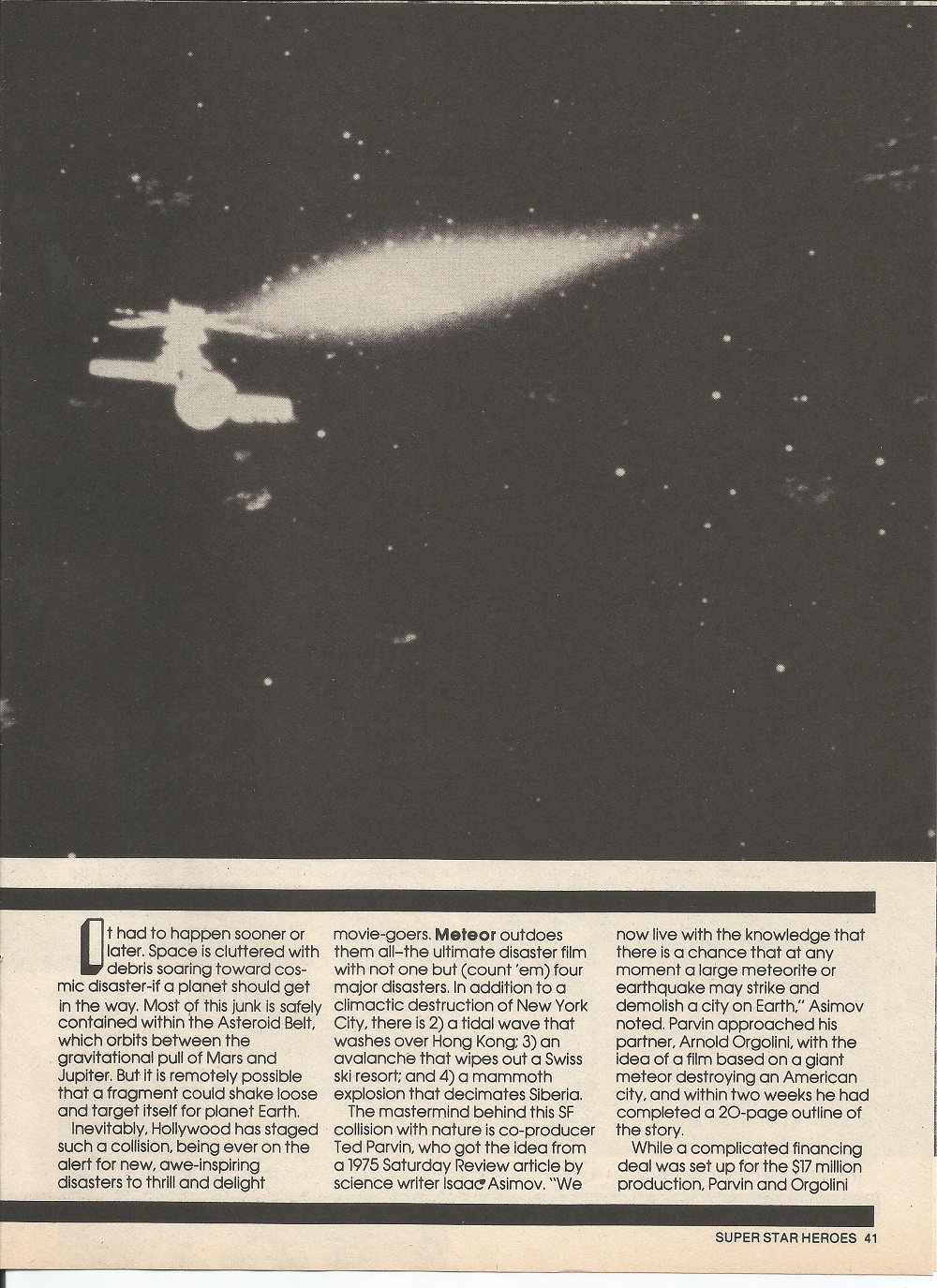

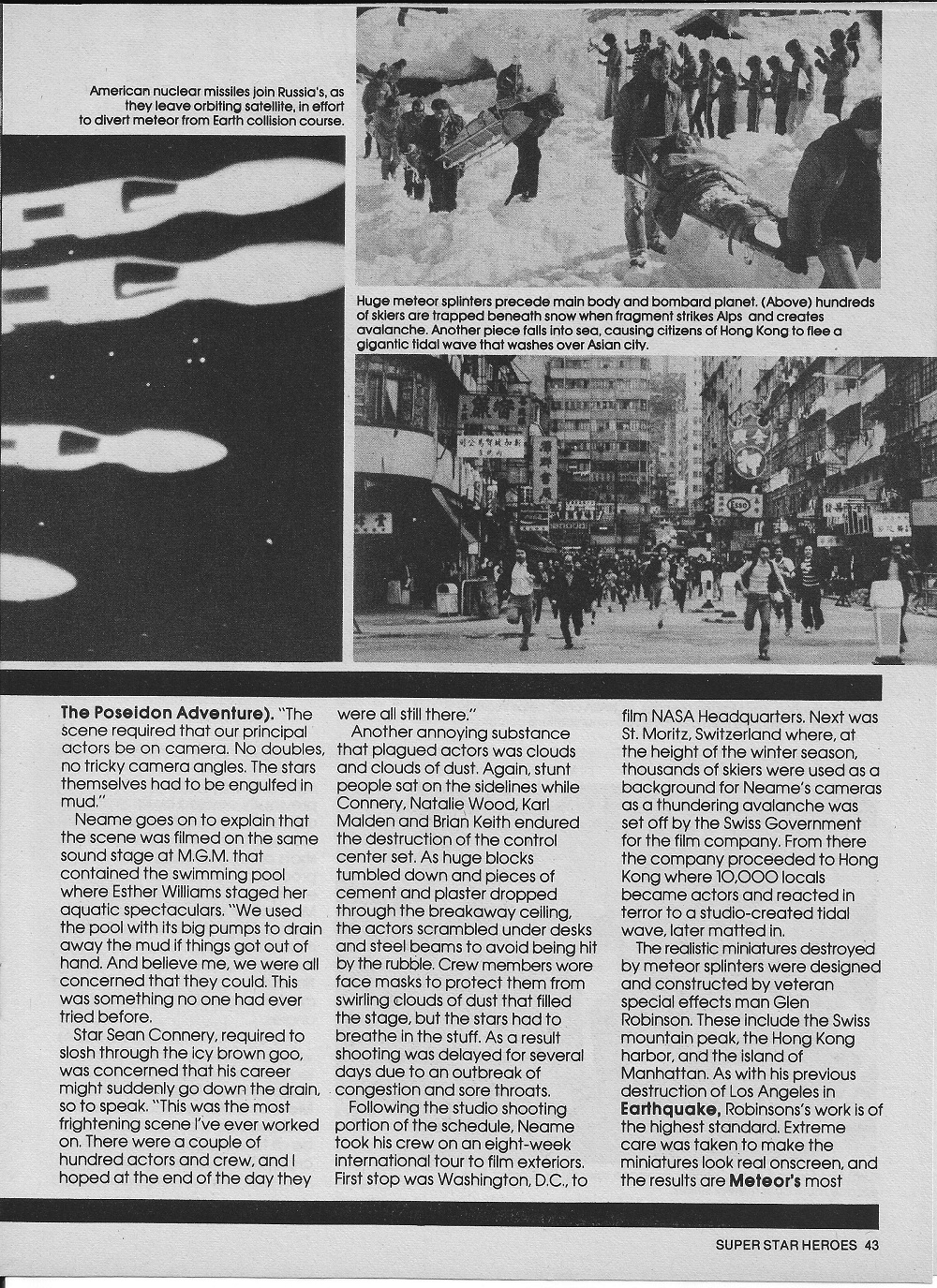


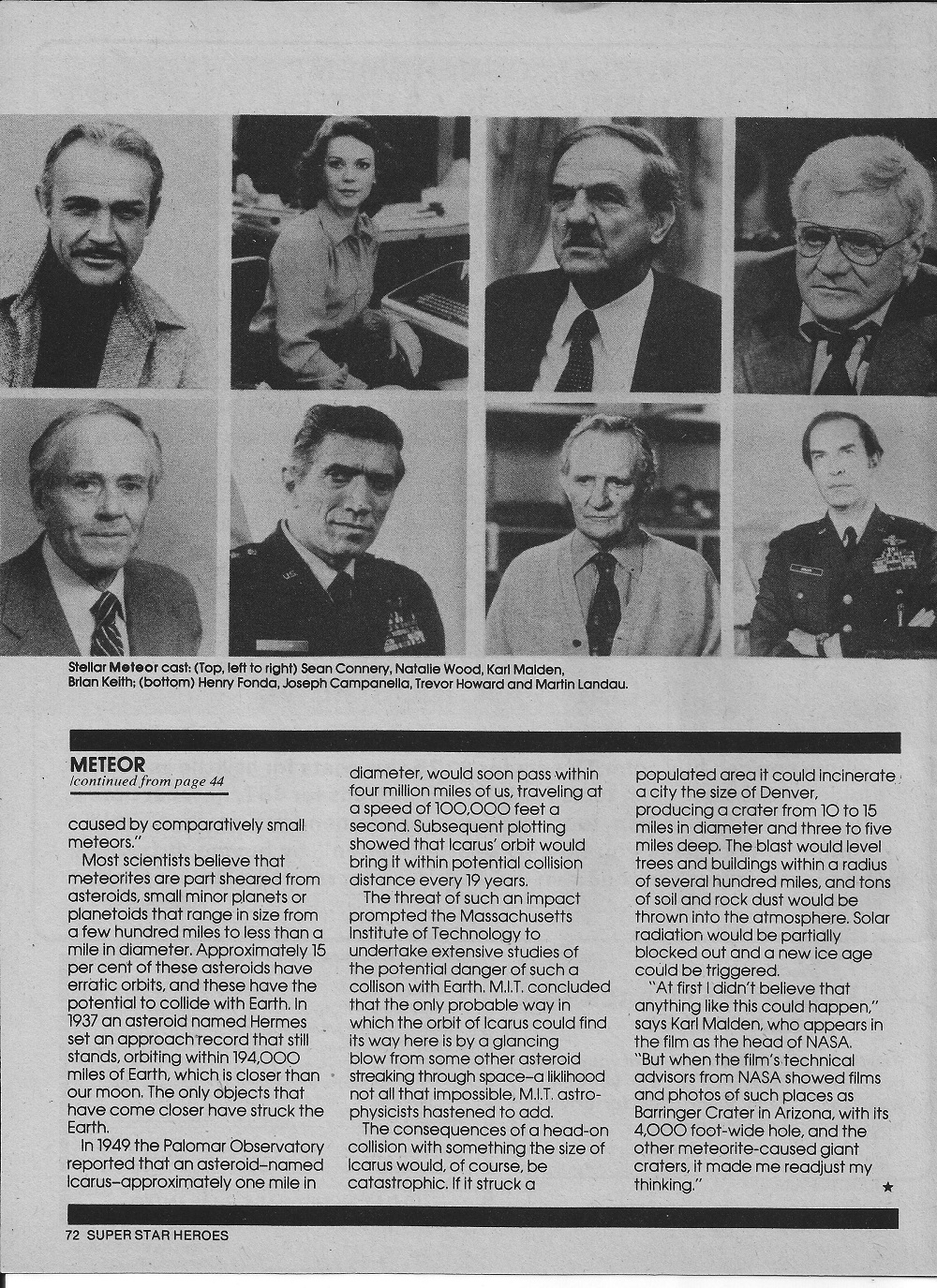


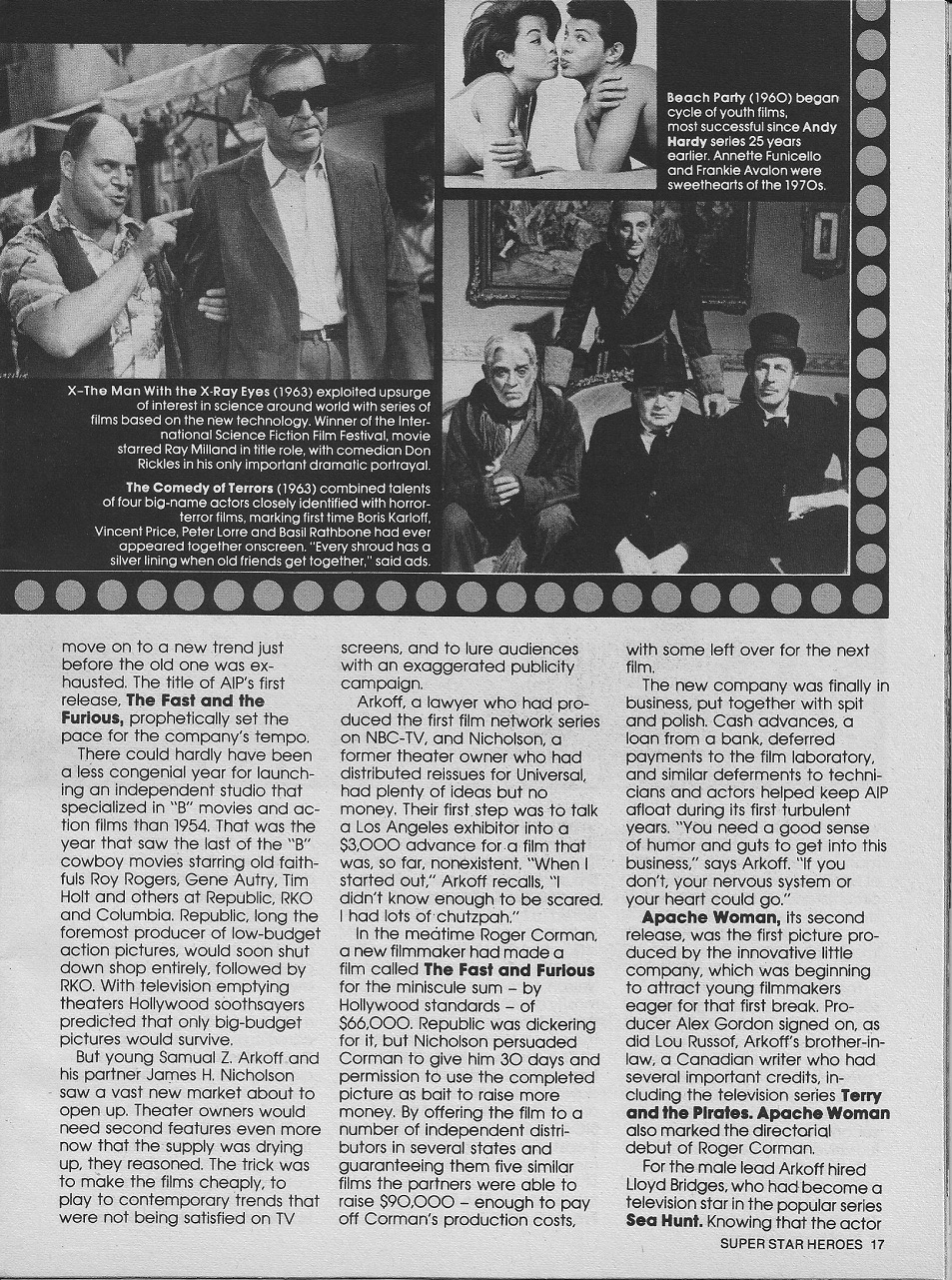
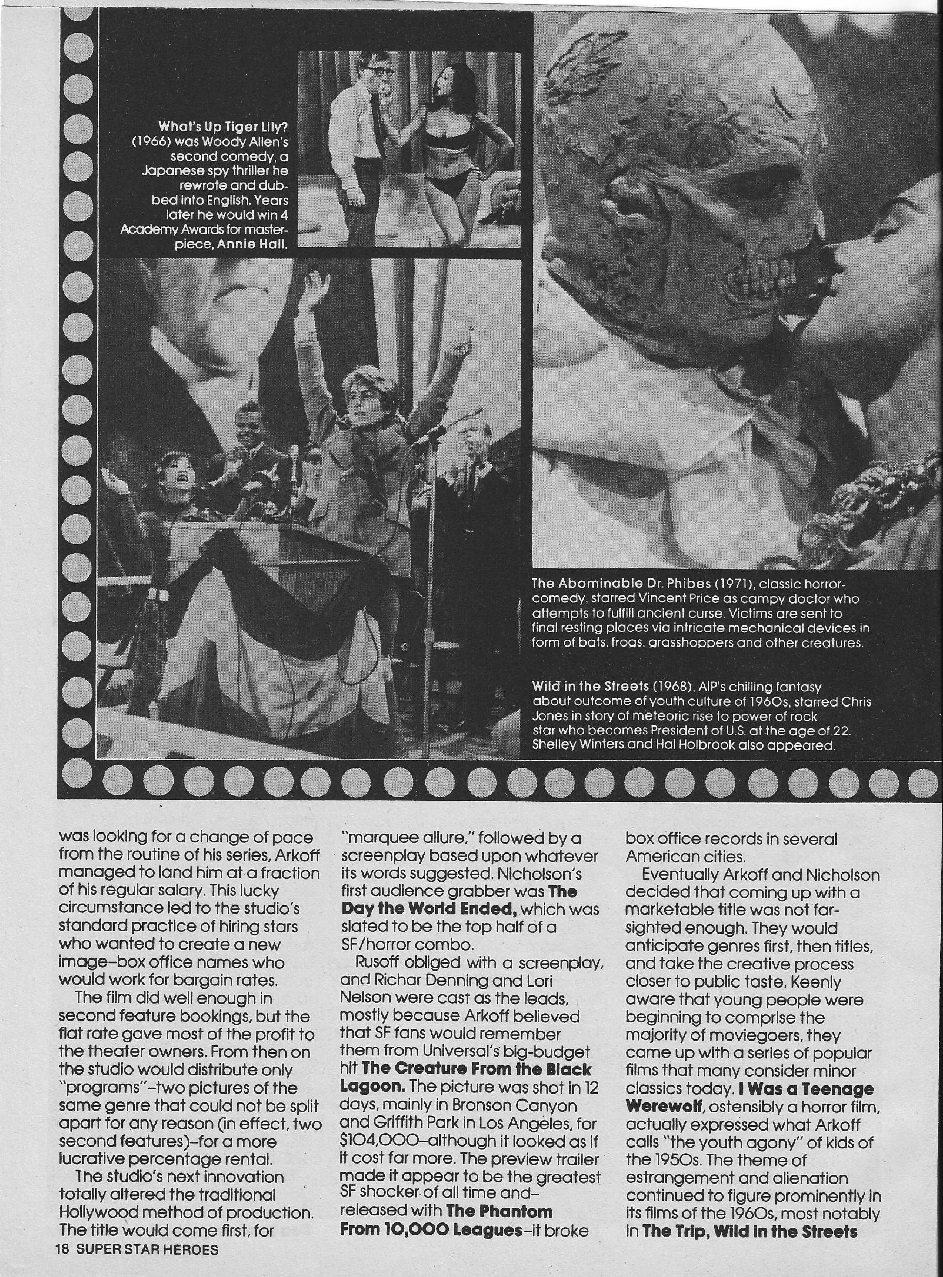

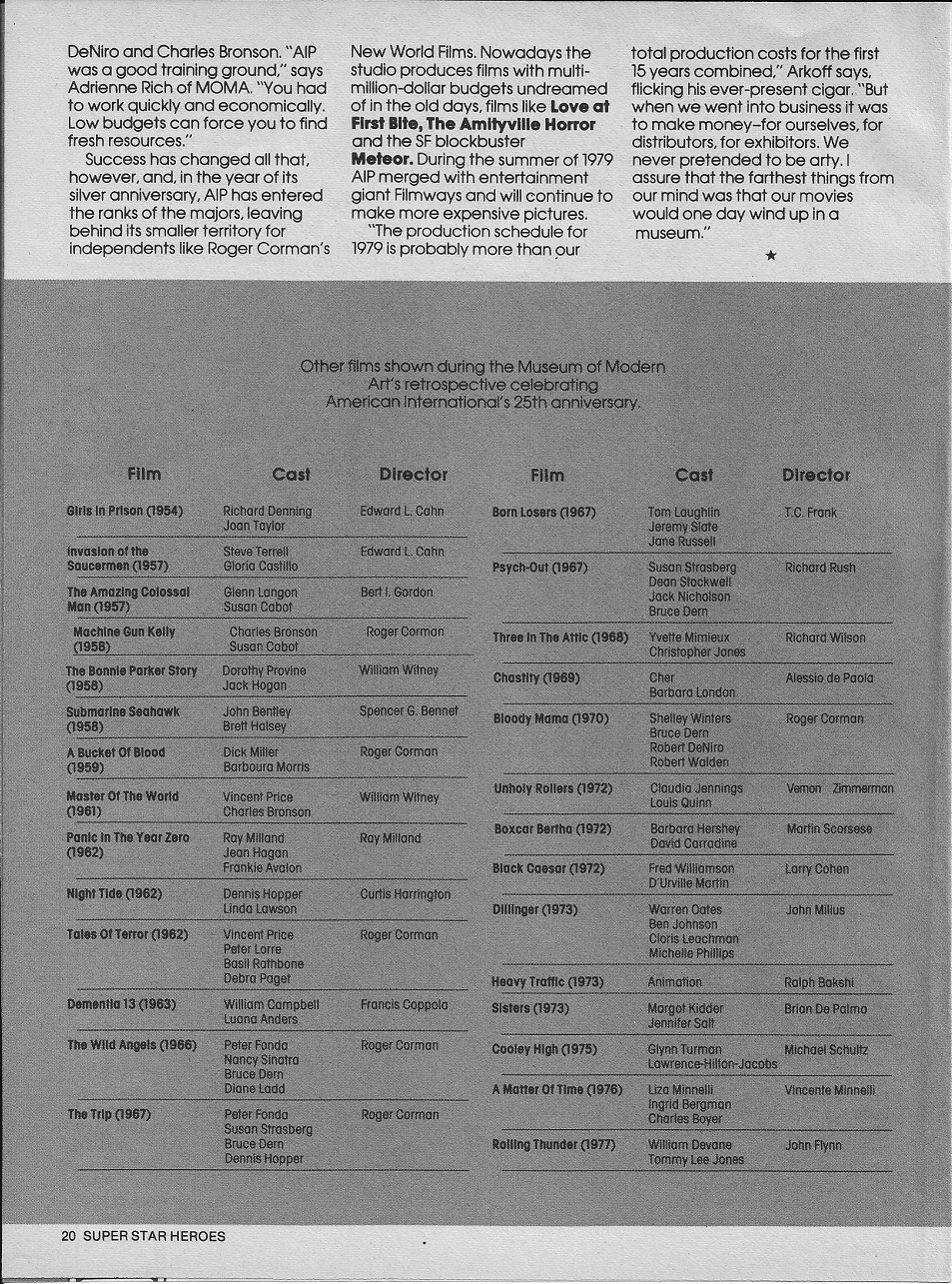
All I know about Super Star Heroes magazine right now is that there are at least 11 issues, and this one is pretty cool. According to my recently established formula, I’ve posted the front cover, inside front cover, table of contents, inside back cover, back cover, and a couple of full articles. (Click pages to enlarge.)
I have a strange fondness for Meteor (1979), a Cold War relic that tried to capitalize on the post-Star Wars sci-fi craze within the disaster picture formula. I find Connery and Wood charming, the script has some moments, and I love the eerie, bombastic music that plays every time the meteor is shown hurtling towards Earth. The special effects sequences by Glen Robinson (Logan’s Run) are abysmal, especially the destruction of Manhattan, but I do like the space nuke miniatures.
American International Pictures (AIP), my favorite studio of all time, produced and distributed the film, and studio head Sam Arkoff was determined to make “the most expensive, most sensational disaster picture of all time.” The budget was $17 million, $10 million more than the 1974 blockbuster Earthquake. Compare that to 1998’s un-dynamic duo, Deep Impact ($75 million) and Armageddon ($140 million).
The AIP article gives a short history of the studio, which at the time was an improbable recipient of a retrospective at New York’s Museum of Modern Art.

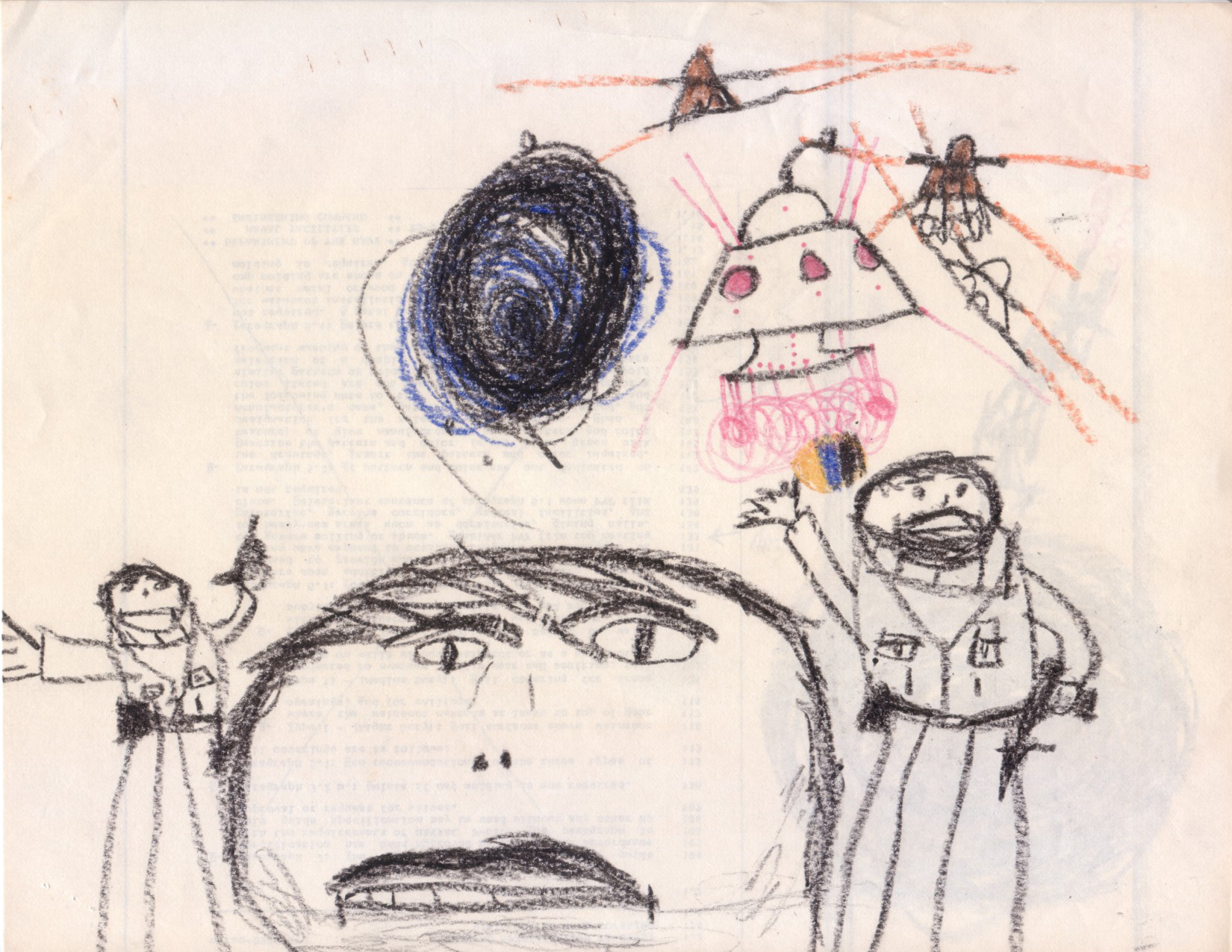


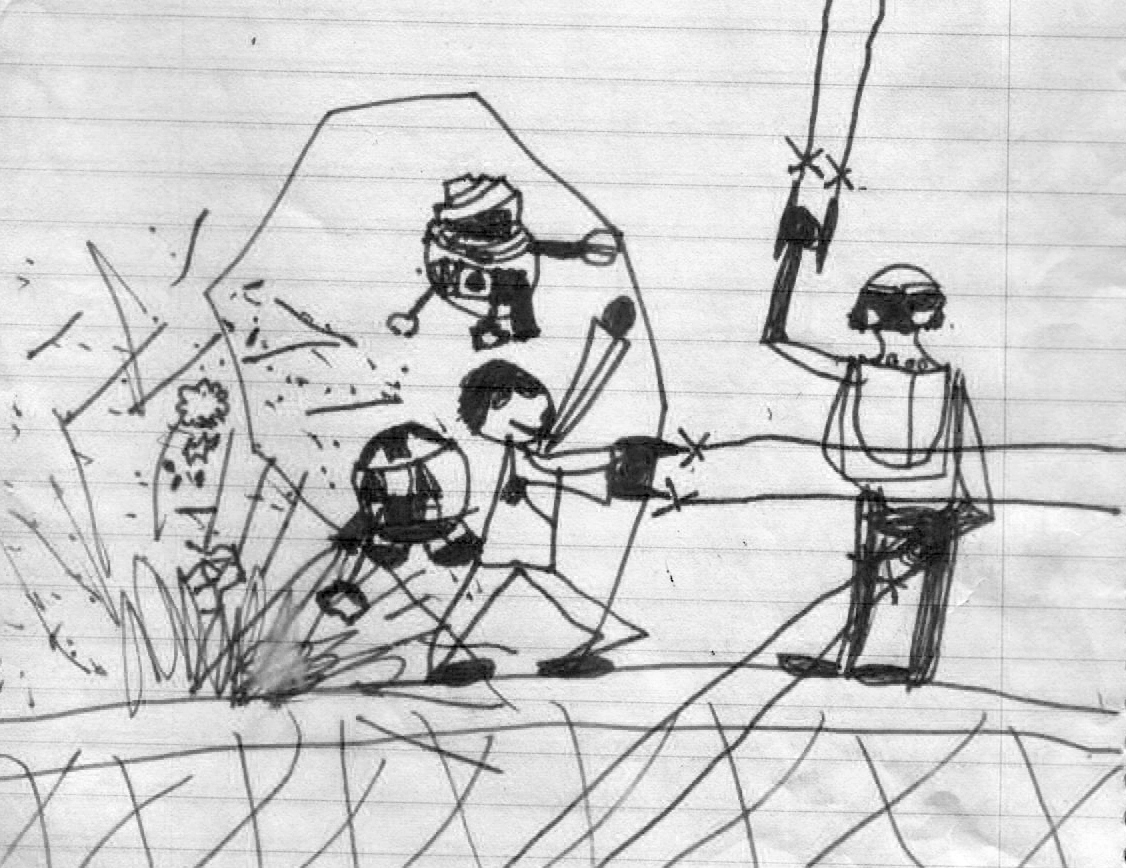


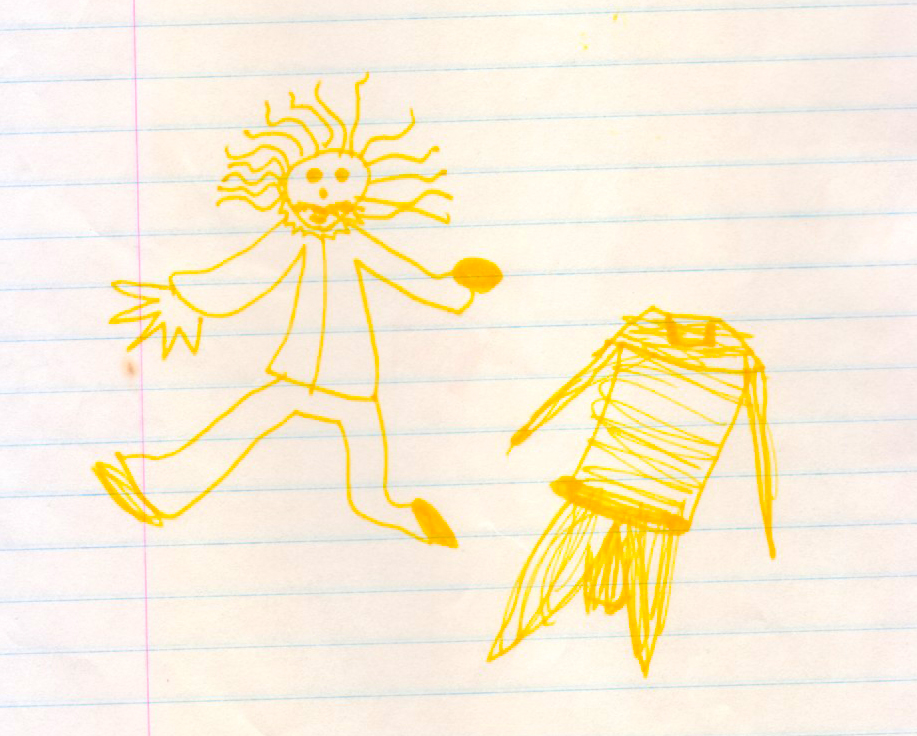
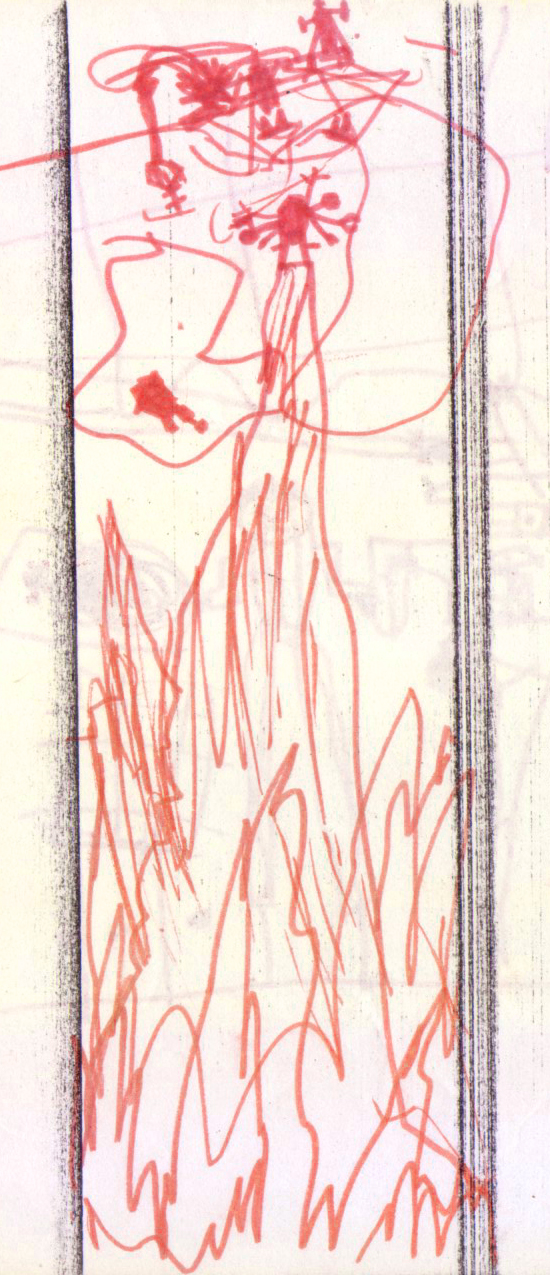
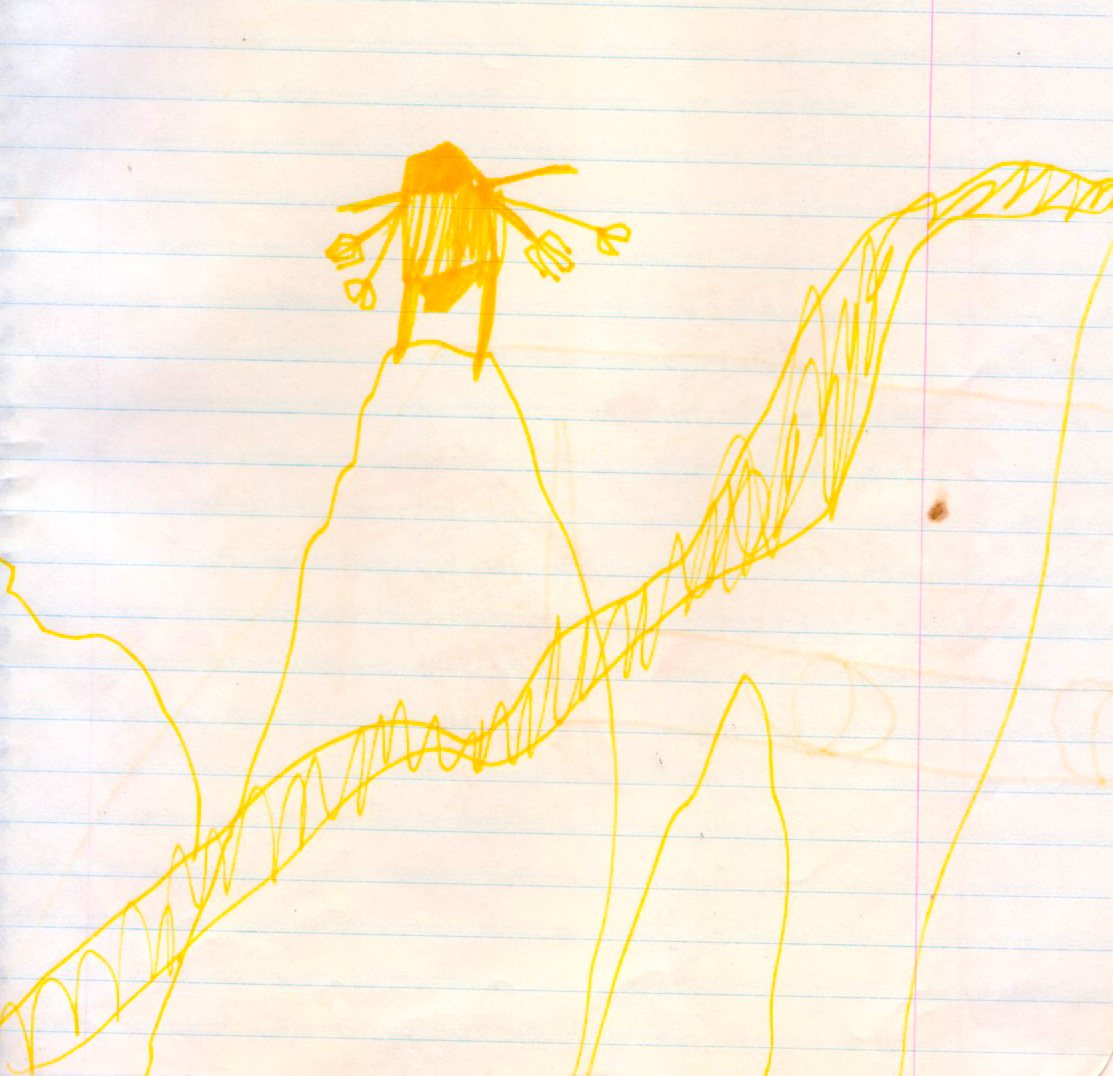
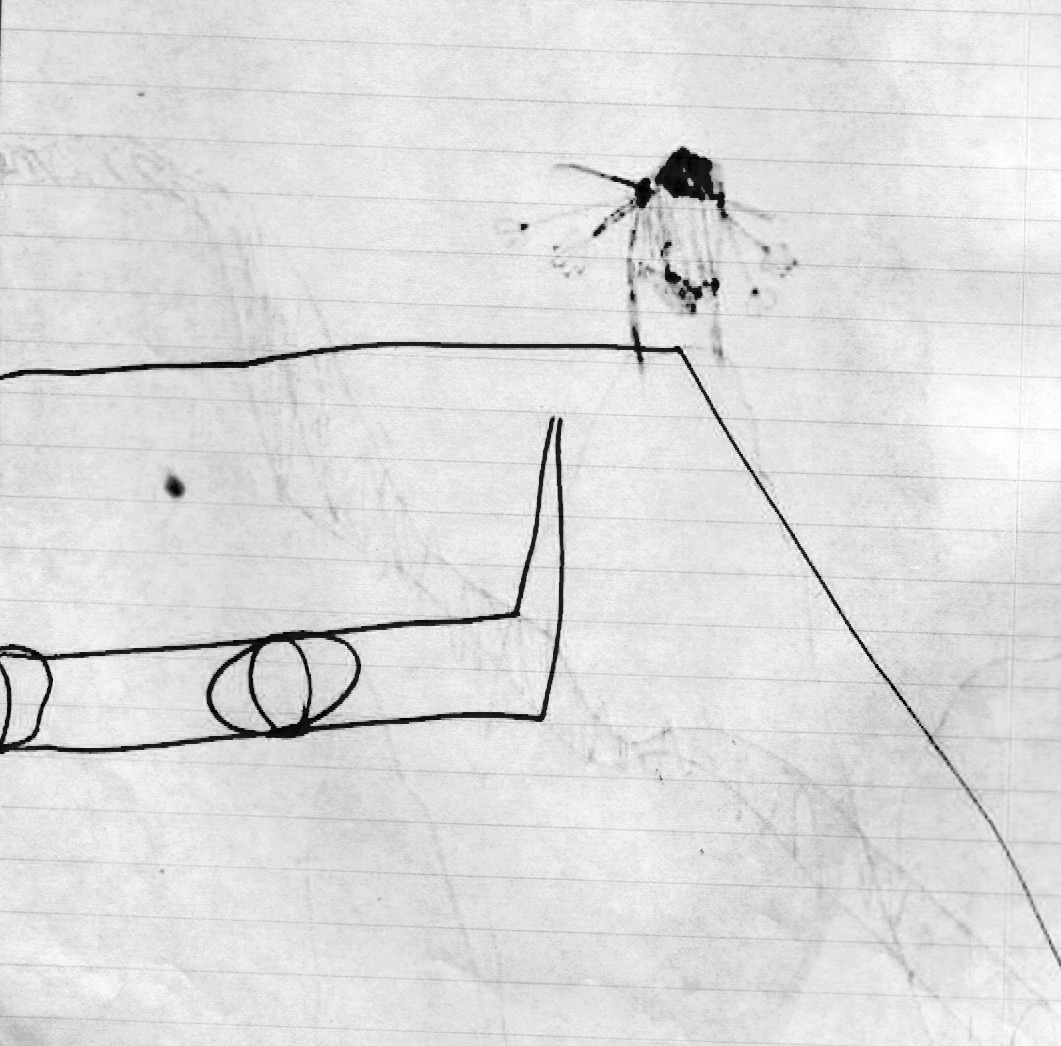
This might be the best thing I’ve ever found on the internet. Ryan Orvis, a musician and pop culture hound, presents these treasures from his (and our) youth on his blog, Blanked as Ordered.
Ryan says of the film and the drawings,
Like many kids, my sister and I went to see the film during its opening week. We returned from the theater in tears. I couldn’t process whether I liked the movie or not. All I knew was that I was upset, but couldn’t stop thinking about it. Eventually we stopped crying, and began the cathartic mission of drawing all the memorable scenes from the film.
I recently found, organized and scanned all the Black Hole drawings we made as kids. I’m not sure how many days we worked on them, but they were created on several different types of paper, using a combination of crayons and ink pens. Amazingly, they pretty much explain the plot of the movie, although it comes across as much more violent and action-packed than it really is.
Then, just as I’m getting all sentimental about how we actually did things like this, and why we did things like this, the drawings take on a significance I can’t even describe.
Sadly, my sister Ginger passed away a few years later, so I am unable to get her thoughts on the experience. I also am not 100% sure how many of these drawings were hers. I think the majority were mine, because even at that age I was a pretty big nerd, and it’s the sort of thing I would do.
Ryan has written about the pictures, pithily and hilariously, in three parts. Go read them. And, according to this post, he has saved all of his and Ginger’s drawings from the days when kid culture inspired this kind of passion, dedication, and attention to detail. (The resemblance of some of the depictions above to their corresponding scenes in the film is un-fucking-canny.)
All of the art posted here is, needless to say, © Ryan Orvis.
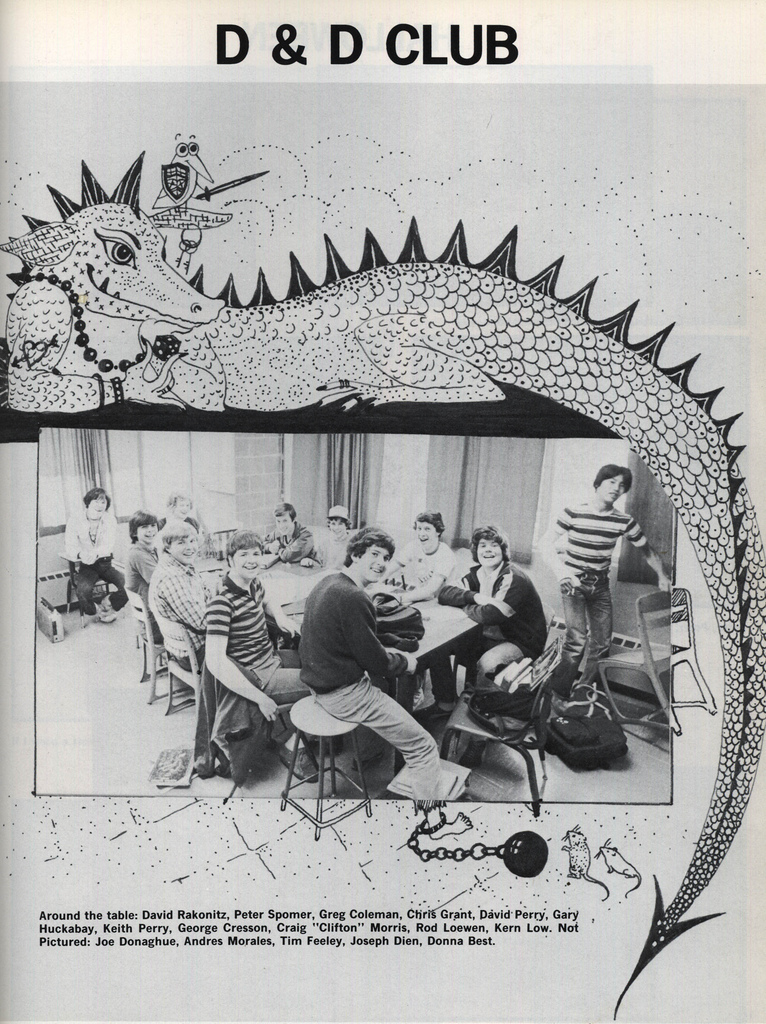
Presumably this shot comes from the Menlo School Yearbook of 1983. Menlo is a middle and high school in Atherton, California. I love the dragon, but shouldn’t he be holding a polyhedral die?
What do we think is playing on that boombox (top left)? Thriller?
(Photo via Menlo Photo Bank/Flickr)
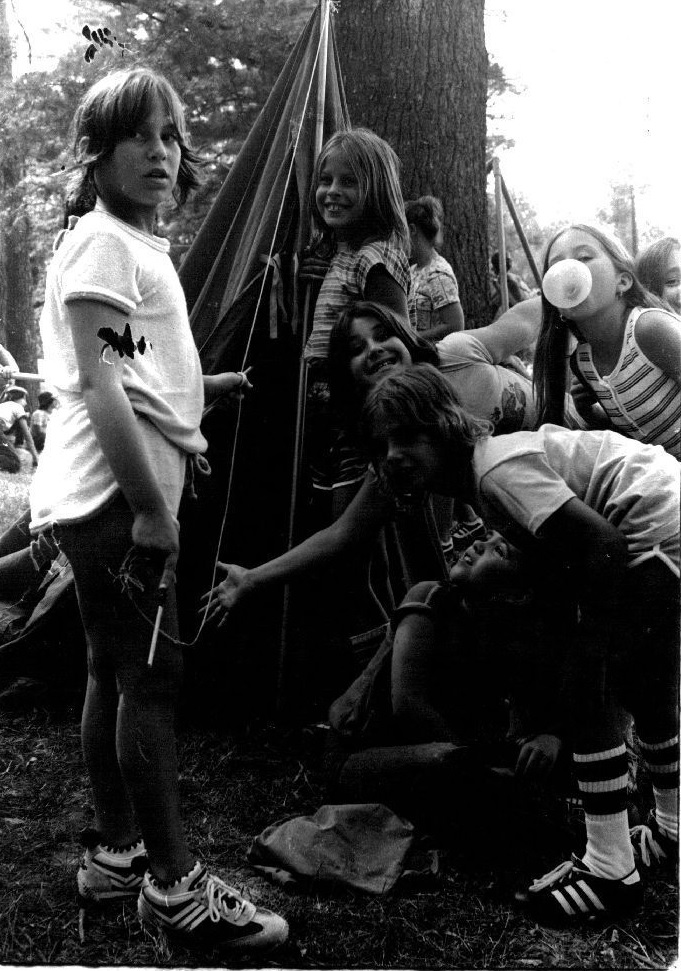
August 15, 1978. (Photo: Lee Mitchel)
The thing about girls in the ’70s is that they would kick your ass, verbally and/or literally, if you gave them any sort of shit whatsoever. Remember Tatum O’Neal’s character in The Bad News Bears? That’s what the girls were like—in my neighborhood, anyway—when I was a boy.
(Photo via Vintage Photos 2012/eBay)

Pacific Science Center, Seattle, Washington, 1980. (Photo: Unknown)
Original caption:
The Pacific Science Center’s PET Computer Lab helps introduce the public to the capabilities and limitations of computers. The Lab features 16 PET microcomputers which are available to Science Center visitors on weekends and weekdays for limited times. Programs run from games to simulations to educational in nature. The Lab is also used for teacher workshops and School for Science classes, as shown in this picture.
What we have here is the Commodore PET (Personal Electronic Transactor), Commodore’s first true PC, released in 1977. The original model (2001) came with 4K RAM, a built-in tape deck, and a “chiclet keyboard,” as seen below.
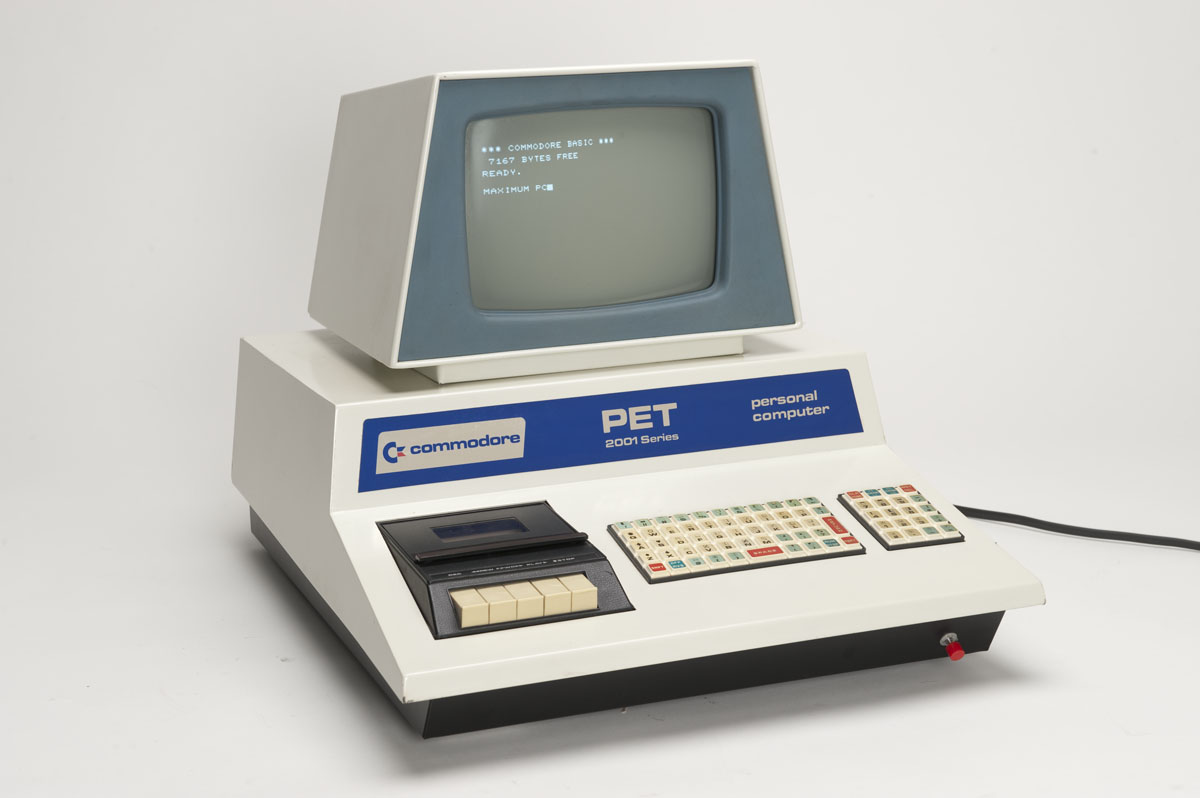
In 1979 the 2001-N was released. 8K, 16K, and 32K models were offered. The tape deck was removed, and a full-sized keyboard was added.
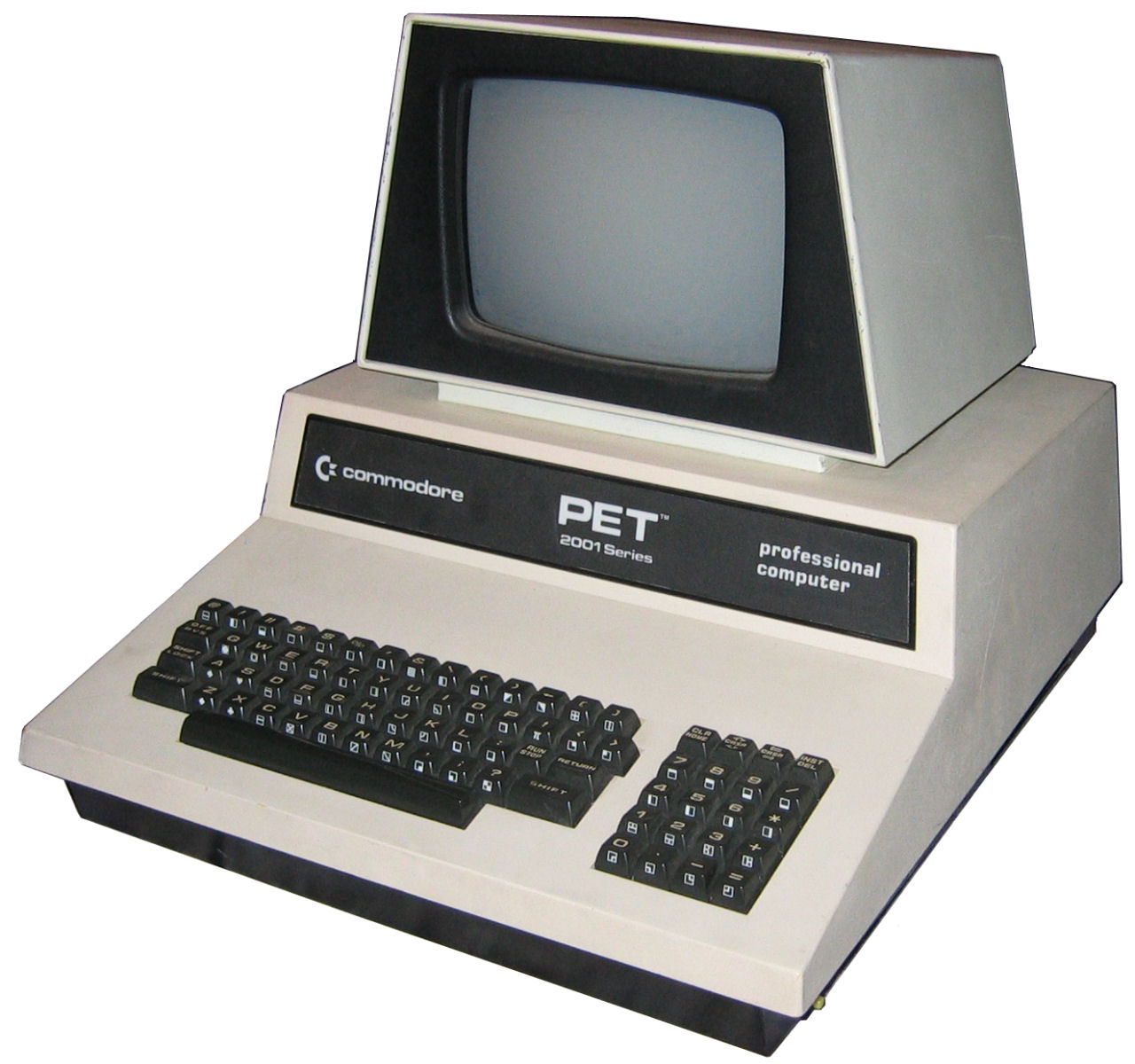
The 2001-N is what the folks are using in the first photo.
(Images via Seattle Washington Archive and cosam.org)

I’m still trying to figure out if these recordings are really what they say they are. Originally released in five volumes in 1989, they were collected in compilation form in 1992. From the back cover of volume one:
Share the journey of a 5 billion mile trek to the outer limits of our solar system. Hear the beautiful songs of the planets. The complex interactions of the cosmic plasma of the universe, charged electromagnetic particles from the solar wind, planetary magnetosphere, rings and moons create vibration “soundscapes” which are at once utterly alien and deeply familiar to the ear. Some of these sounds are hauntingly like human voices singing, giant Tibetan bowls, wind, waves, birds and dolphins. Many are familiar in a way unique for each listener.
Voyager has left our Solar System forever. The sounds on this recording will never be made again in our lifetime.
This sounds like New Age bullshit to me. In fact, the series is licensed by and appears to be copyright of the Center for Neuroacoustic Research (CNR), “dedicated to the healing of the Global Body of the Universe through the healing of individuals of which it is composed.” End of story, right? Well, the “Space Recording Series,” for sale individually (and not cheaply) at the CNR site,
is dedicated to the memory of Fred Scarf, PhD, who developed the acoustic recording project for Voyager and is directly responsible for the sounds you hear on these recordings from space.
Dr. Fred Scarf happens to be the real deal. According to a 1981 Christian Science Monitor article (“Voyager 2 sending back eerie ‘music of the spheres’“), Scarf developed the plasma wave detector on Voyager 2 and “rigged up a microcomputer and music synthesizer to turn the noise of space and planets into a `Star Wars’-style siren song.” His 1988 obituary in the Los Angeles Times confirms this. However, I can’t find any confirmation on NASA’s site or anywhere else that the sounds on Symphonies of the Planets were supplied and/or endorsed by NASA and/or Scarf.
I did find some raw Voyager and Cassini recordings at NASA, prefaced by the remark that “Some spacecraft have instruments capable of capturing radio emissions. When scientists convert these to sound waves, the results are eerie to hear.” So, in theory, the sounds synthesized on the Symphonies disc(s) really could be from Voyager. But are they? I’ve emailed NASA about it via its public inquiry address. We’ll see what happens.
You can listen to the recordings for free if you’re on Spotify. Here’s a taste of what Jupiter “sounds” like:
I do find a starkness and a uniqueness in all of the different “soundscapes,” but that could very well be my mind clinging to the notion that they were captured by 35-year-old probes that have sailed past our solar system and are currently on the verge of interstellar space.

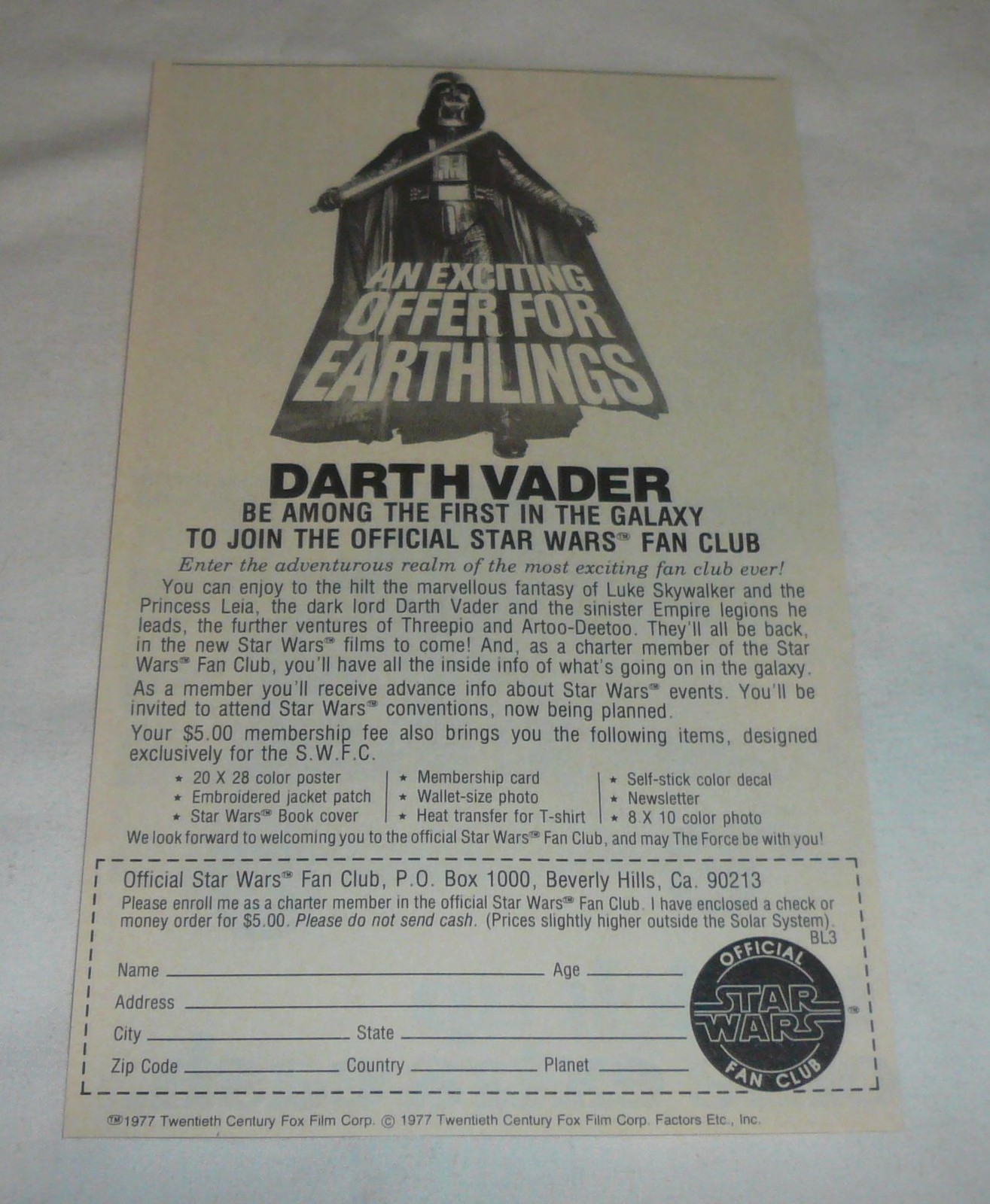

The first two ads are variations of a previous post. The last ad shows pictures of what you get when you send in your five bucks. Not bad.
The full color poster is by the legendary Ralph McQuarrie, production designer and concept artist for the Star Wars trilogy that didn’t suck. McQuarrie passed away last year.

(Ad images via Kenyatabks/eBay)
(Poster image via christophercummings/Flickr)

 2 Warps to Neptune