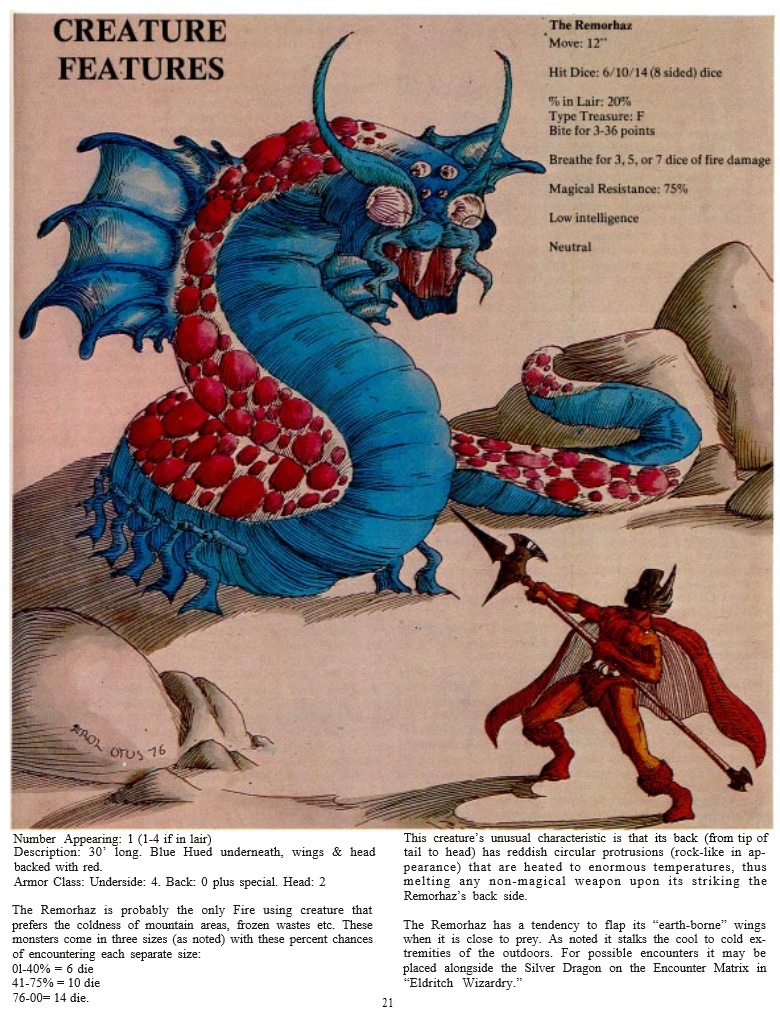


Otus’ “Featured Creatures” from issues #2, #5, #7, and #8, respectively. He’s experimenting with different mediums here, trying to find his style.
More on my persistent admiration of Otus here.
Surveying the Gen X landscape and the origins of geek
Otus’ “Featured Creatures” from issues #2, #5, #7, and #8, respectively. He’s experimenting with different mediums here, trying to find his style.
More on my persistent admiration of Otus here.


Appearing in 1981, one year after Mattel’s Dungeons & Dragons Computer Labyrinth Game, the irresistible handheld actually caused fistfights during recess. I might have started one of them. Watching a demo now, I’m not sure what all the fuss was about. It’s a general indicator of how “in” the portable LCD games were, and how badly we wanted to be doing something D&D-related.
Gygax and co. understood the time constraints involved in role-playing, and they knew that getting a group together could be tough. Both of the Mattel games were quick and allowed solo play. Sometimes, clinging to the fringes of the D&D aura was the best we could do. In the first photo, as if to prove my point, you’ll see the first edition AD&D Monster Manual (1977) lurking in the closet, waiting for a game to show up. (I think the “Tempe North” on the kid’s hat refers to a Little League in Tempe, Arizona.)
See specs and details of the Computer Fantasy Game at the Handheld Games Museum. It appears on the first page of the 1982 Mattel Electronics toy fair catalog.
(Images via eBay and Handheld Games Museum)
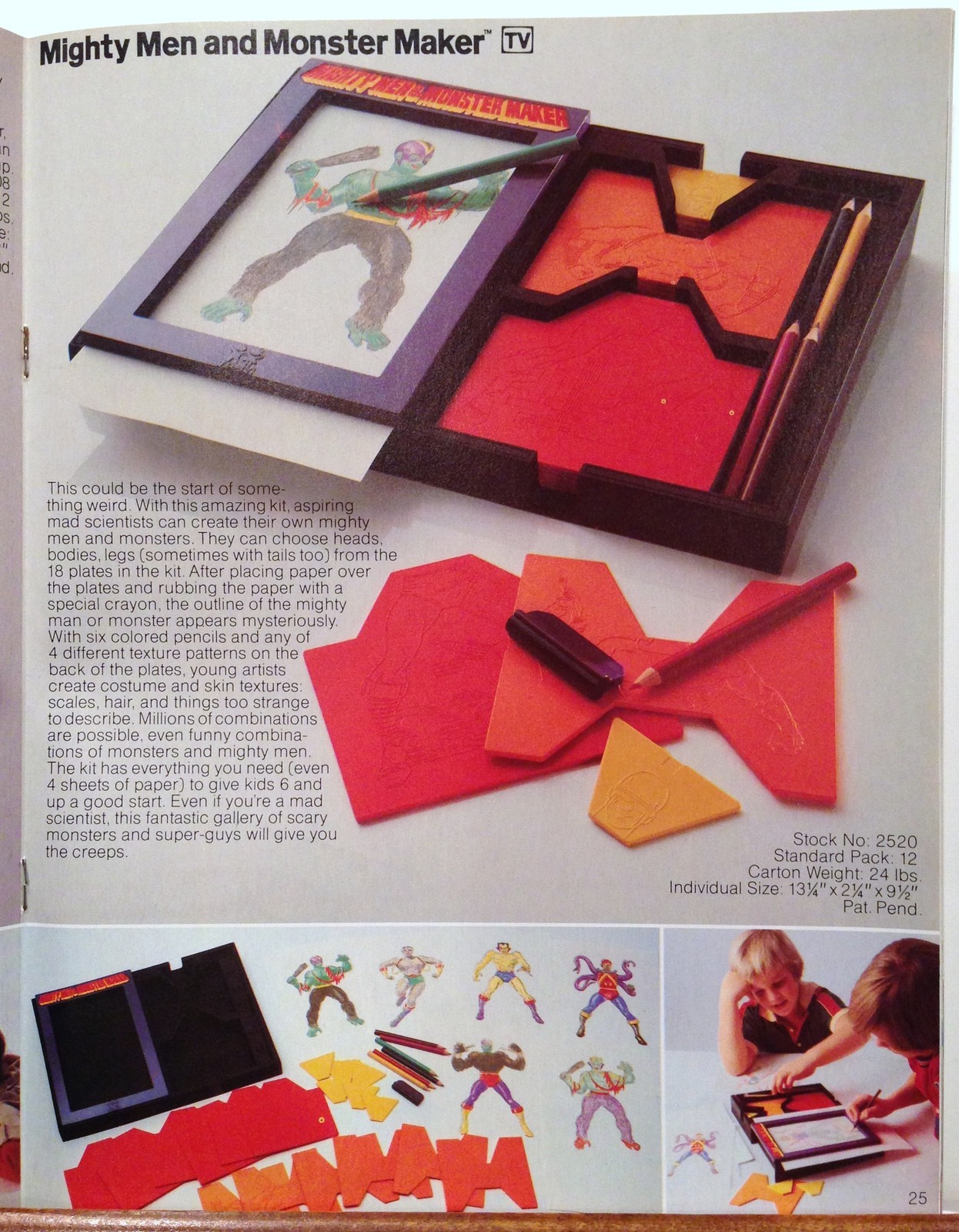
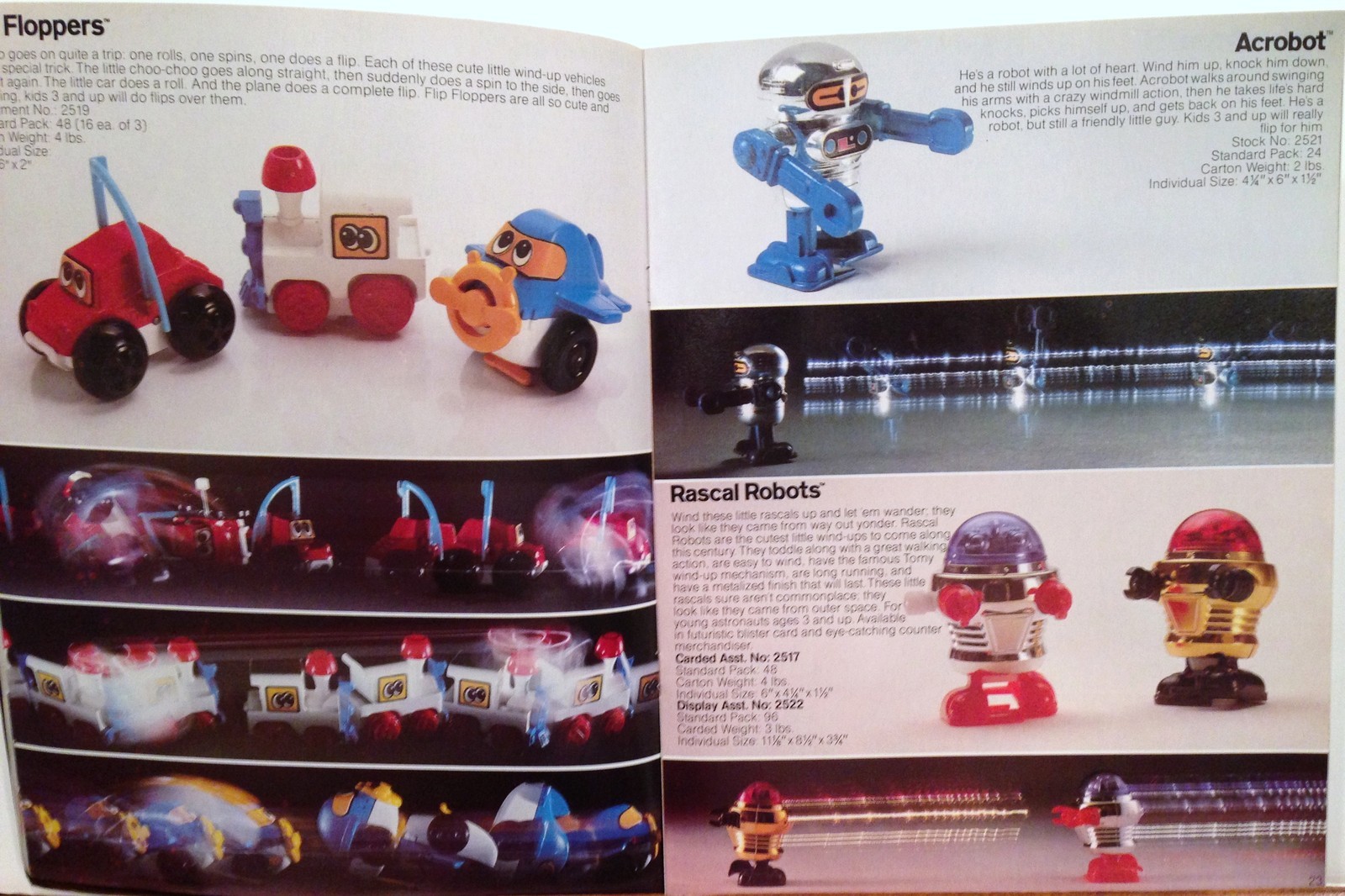
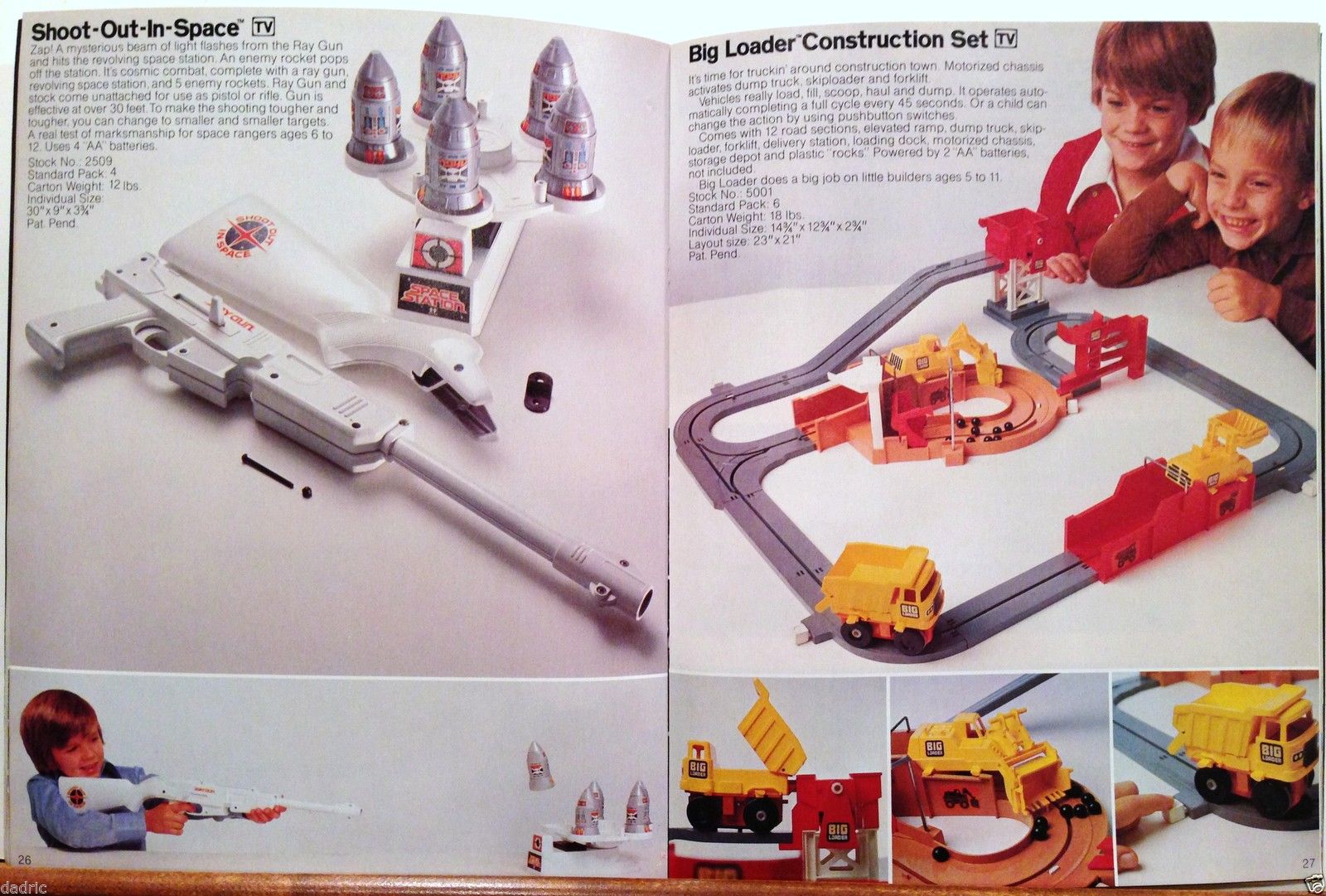
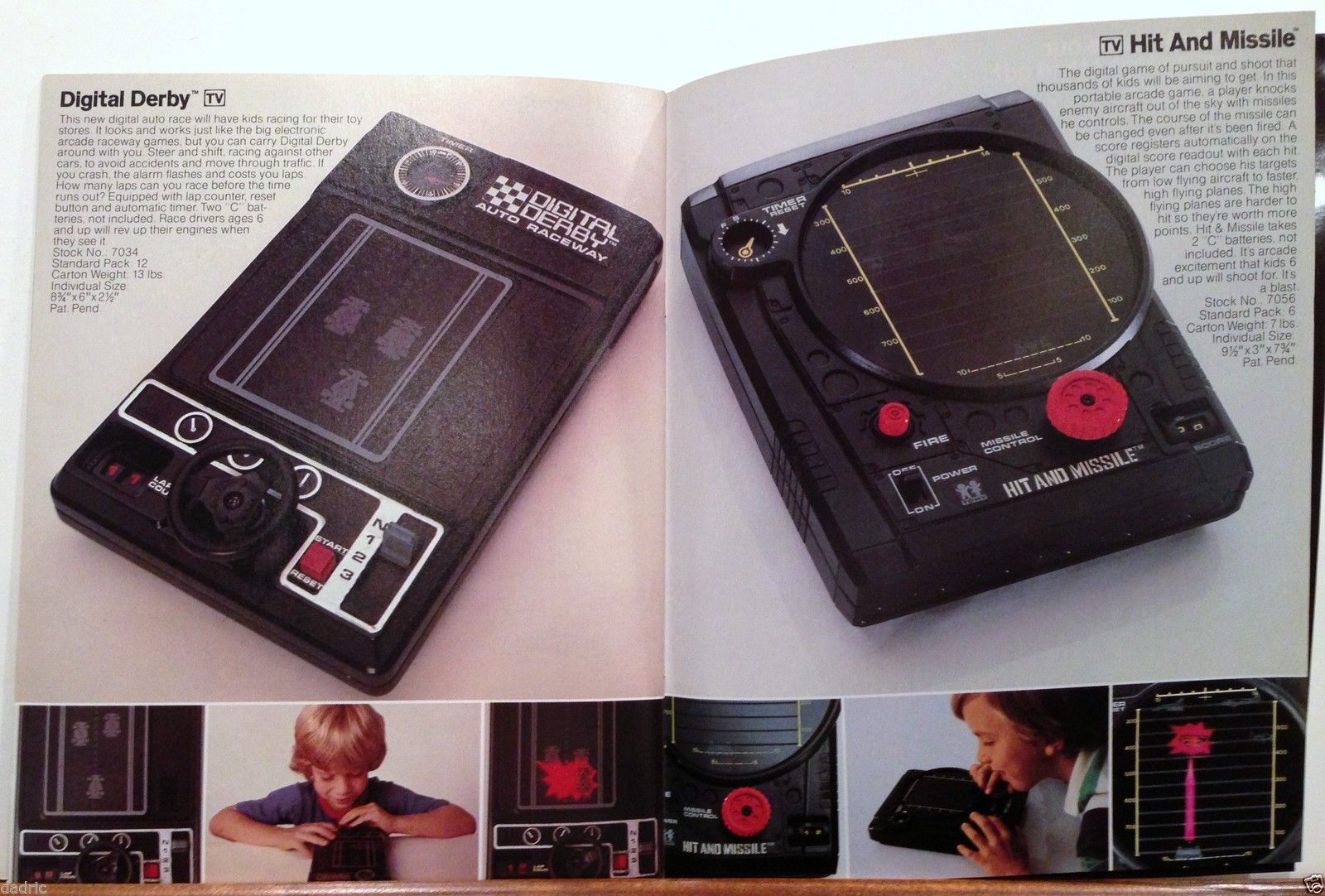
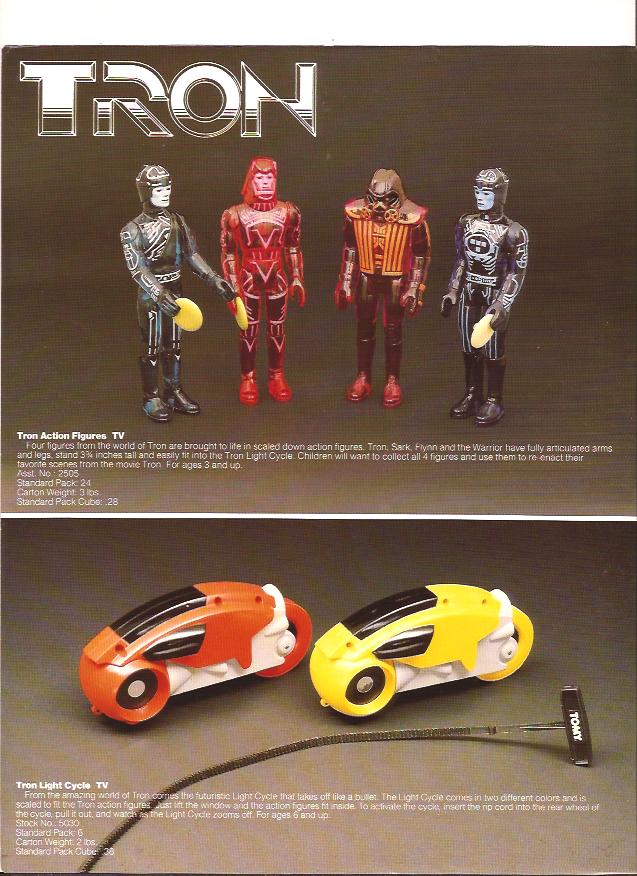
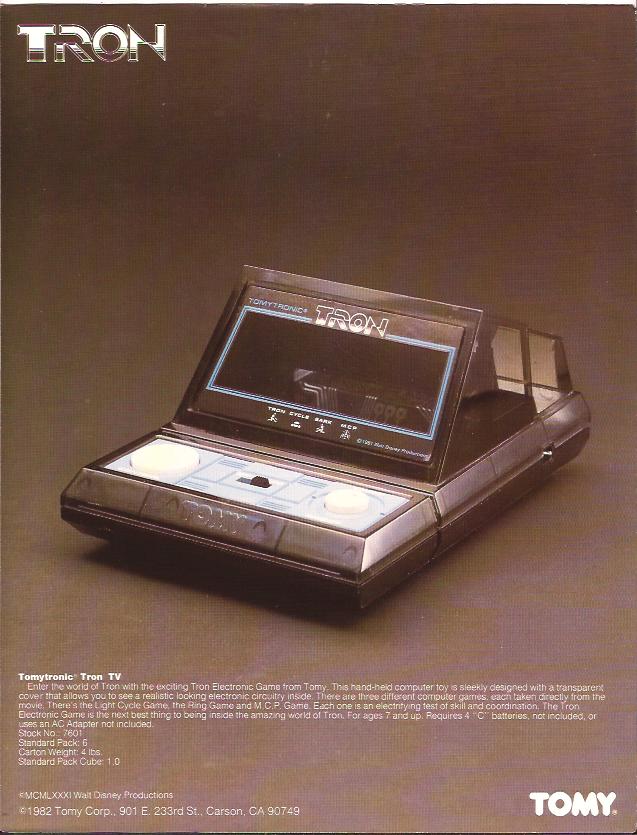
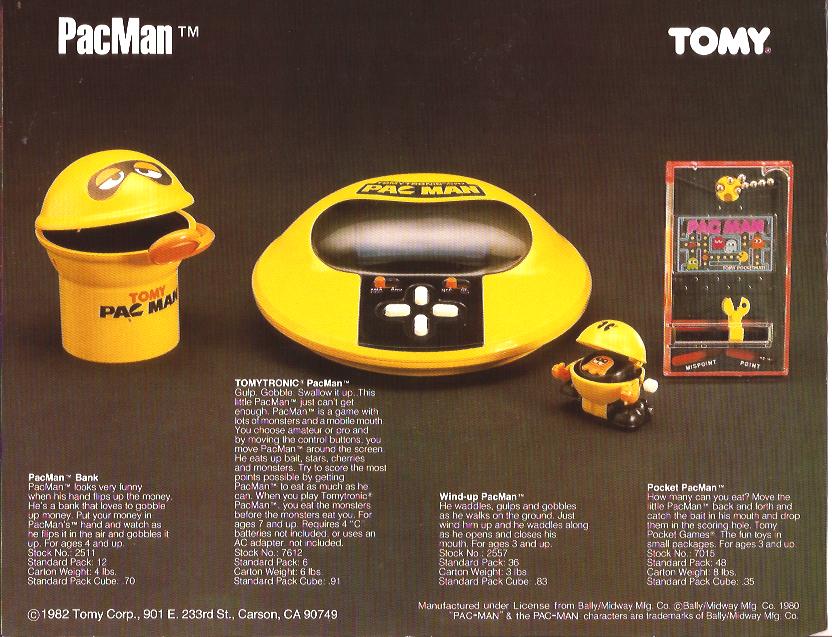
Select pages only. The Mighty Men and Monster Maker commercial is here. Note the creepy painted faces on the Tron figures, making them all look like Michael Myers. Going fully translucent was the lesser of two evils. I wanted that Tomytronic Tron game badly.
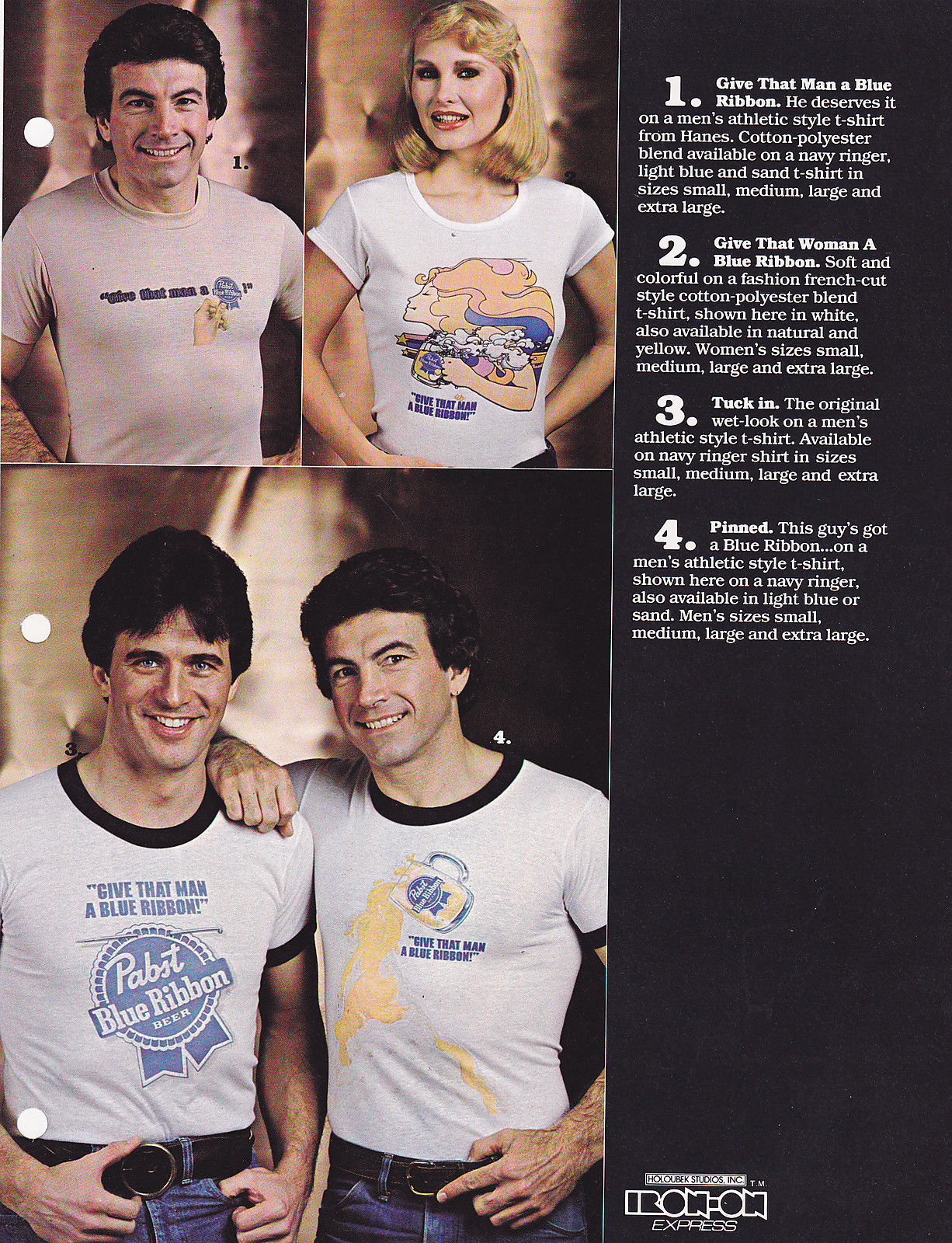
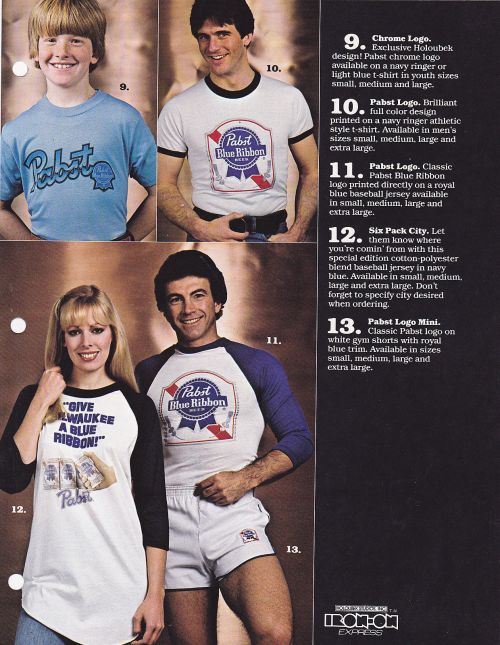
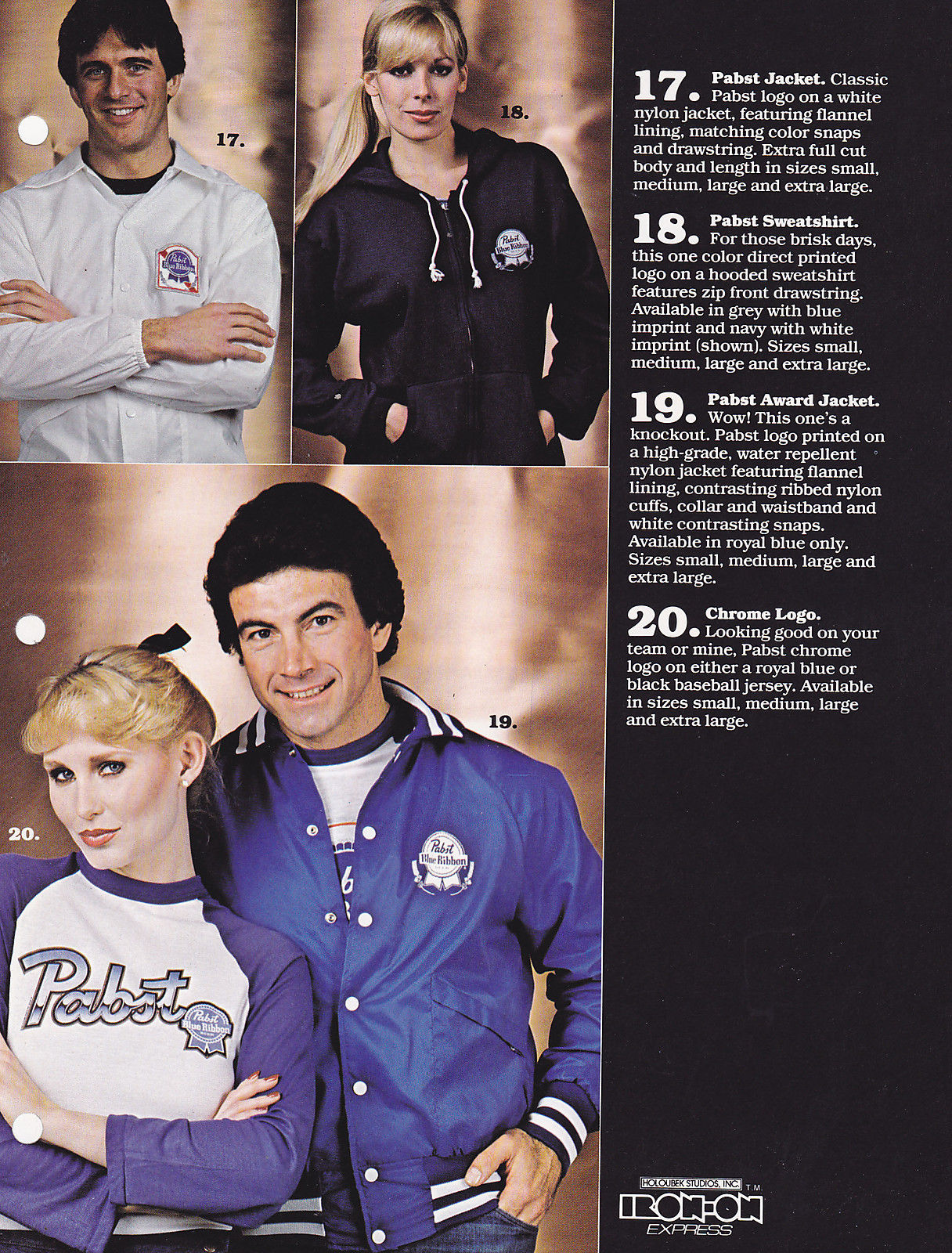
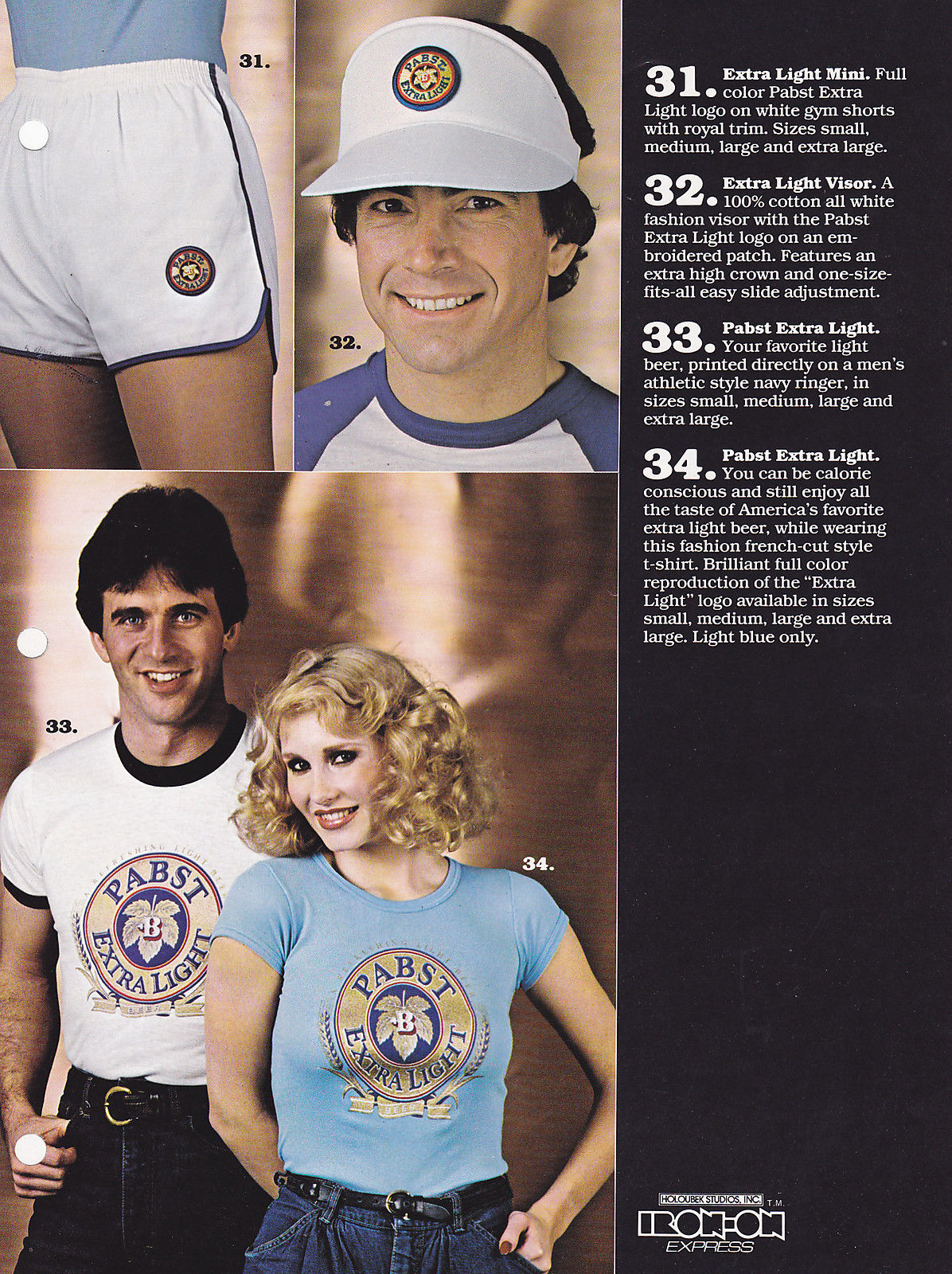
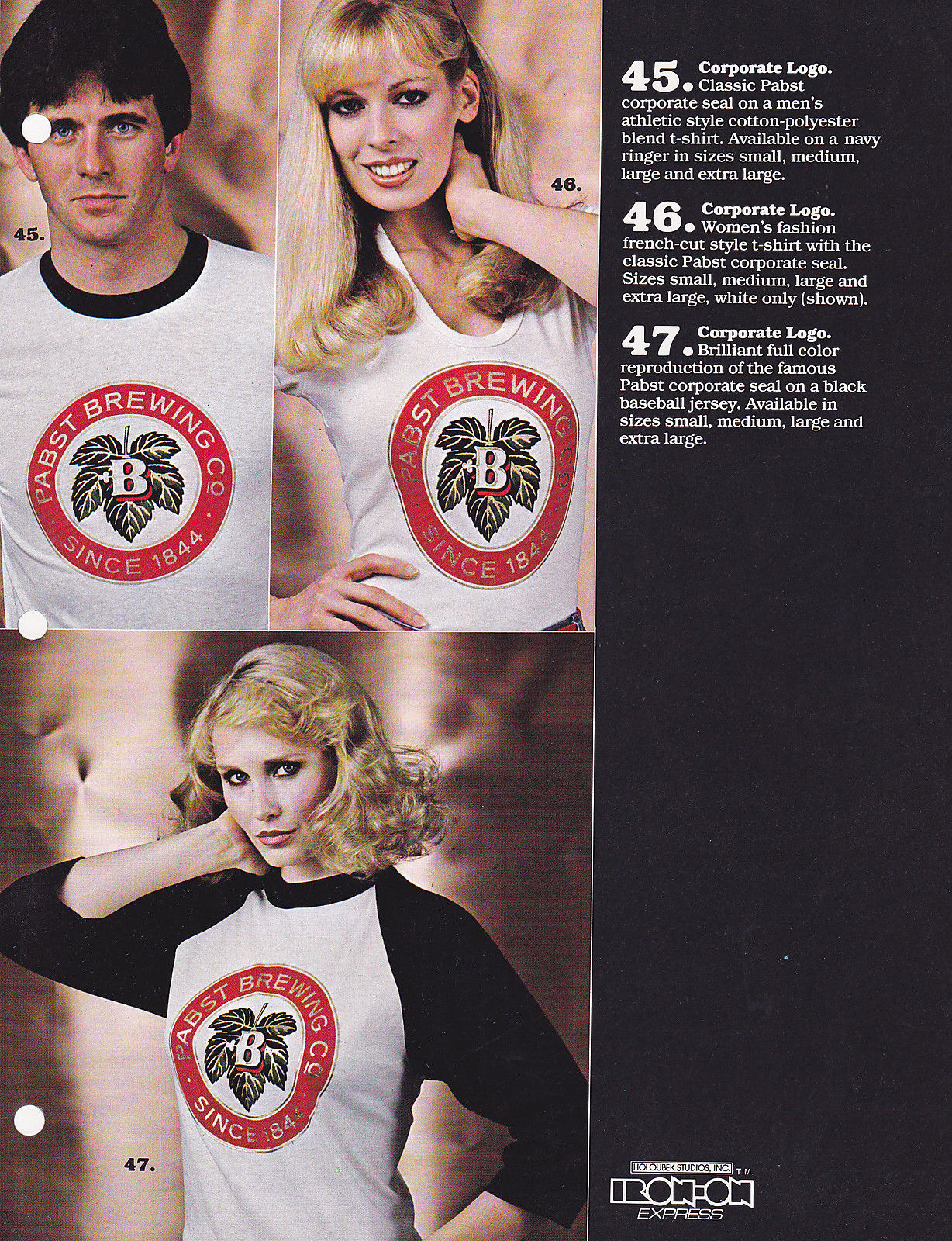
Here’s the irony: Holoubek Studios was a very popular Milwaukee-based t-shirt company throughout the 1970s. In 2005, almost immediately after selling the company, President Brian Holoubek formed a new company called Heavy Rotation. He had decided that “today’s young consumer has a natural affinity for the ‘retro’ look” after spotting one of his father’s old designs selling in a New York boutique for $90.
Drink up.
(Images via Antique Paper Shop/eBay)

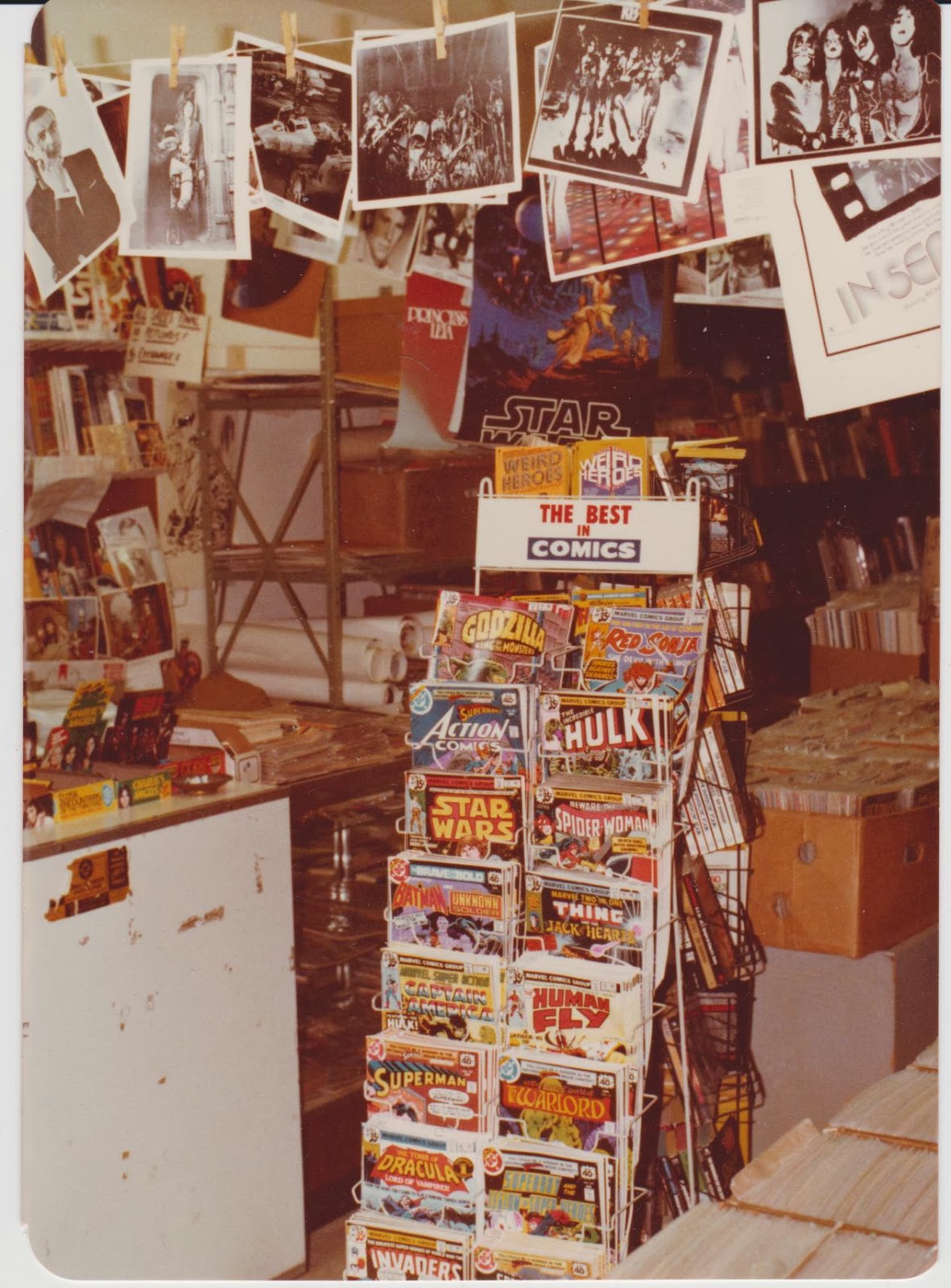
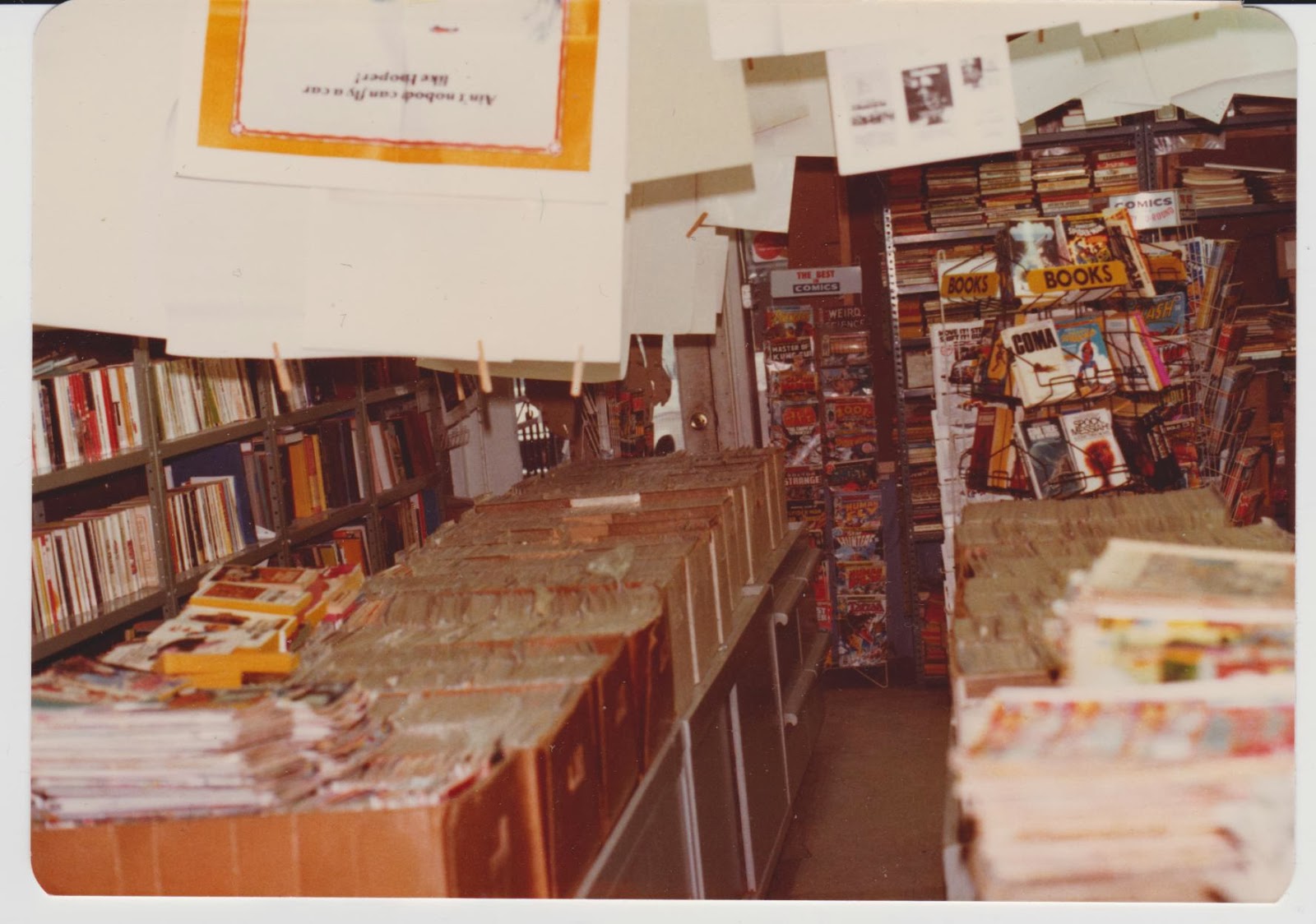
Among the many ruined institutions of post-internet life lies the pulp book shop, where deviant human beings of all ages, nauseated by the mundane modern world and its small-minded minions, once went to find comfort and adventure. My dream is to open one and slowly go broke as three or four or five of us roam the aisles, sifting through and savoring all the accumulating treasure.
A&M stands for owners Arnold and Maxine Square. Pat at Destination Nightmare worked there in the late ’70s and tells the story here.

Los Angeles, June 10. This small group of youths, part of some 150 others who were arrested, stand handcuffed and bound together as they await transportation to the police station Monday night after police broke up a crowd throwing rocks and blocking highways. Note two boys at right, one on his skateboard and the other with the board strapped behind his back.


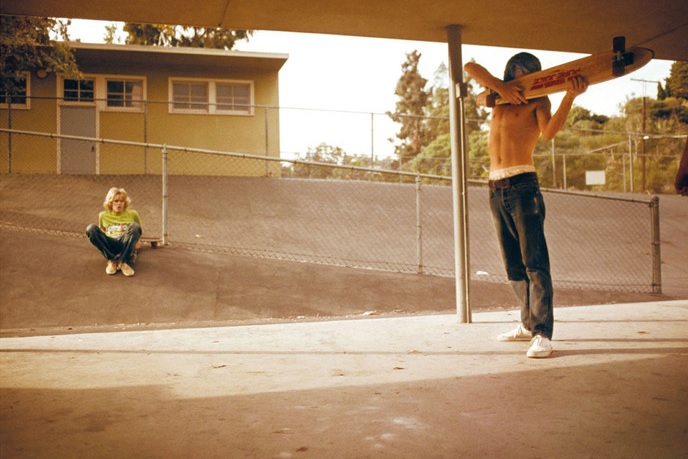


From AMMO publishing:
One afternoon in 1975, a young photographer named Hugh Holland drove up Laurel Canyon Boulevard in Los Angeles and encountered skateboarders carving up the drainage ditches along the side of the canyon. Immediately transfixed by their grace and athleticism, he knew he had found an amazing subject. Although not a skateboarder himself, for the next three years Holland never tired of documenting skateboarders surfing the streets of Los Angeles, parts of the San Fernando Valley, Venice Beach, and as far away as San Francisco and Baja California, Mexico.
During the mid-1970s, Southern California was experiencing a serious drought, leaving an abundance of empty swimming pools available for trespassing skateboarders to practice their tricks. From these suburban backyard haunts to the asphalt streets that connected them, this was the place that created the legendary Dogtown and Z-Boys skateboarders. With their requisite bleached blonde hair, tanned bodies, tube socks and Vans, these young outsiders are masterfully captured against a sometimes harsh but always sunny Southern California landscape in LOCALS ONLY.
Holland’s skateboard photographs were first shown at M+B Gallery in Los Angeles. Following the success of the show, his work has been shown internationally and used in fashion campaigns for American Apparel.
The book is a startlingly definitive record of the dawning of a sport and a subculture that were long ago corporatized, declawed, and sanitized. The working-class kids in these photographs were so hungry for freedom and speed that it absolutely precluded them from giving a fuck about anything else.


The fourth and final installment of the AD&D Characters Coloring Book. My favorite page in this lot: “Mercion is a good cleric. Scary things like skeletons are afraid of her goodness.” I think Zarak looks appropriately sinister, but isn’t he a little short for a half-orc?
Parts one, two, and three of the book are here, here, and here, respectively.








 2 Warps to Neptune