Archive Page 84

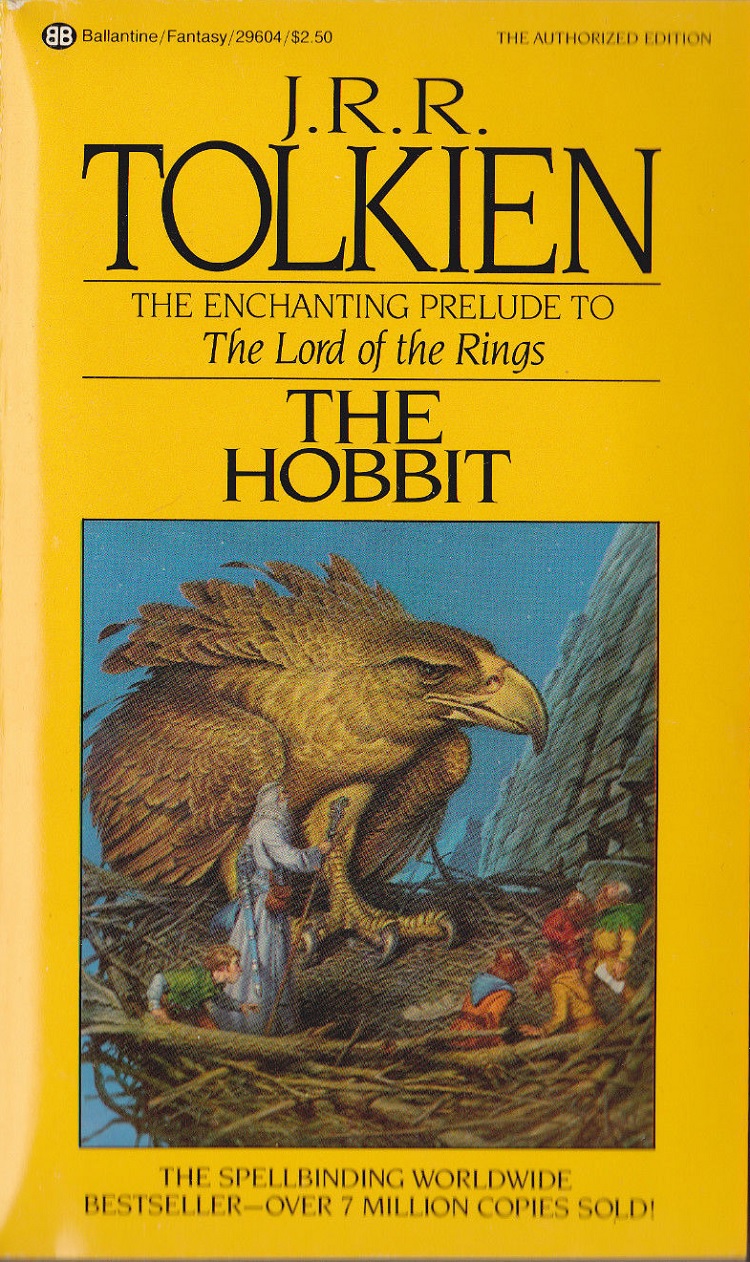
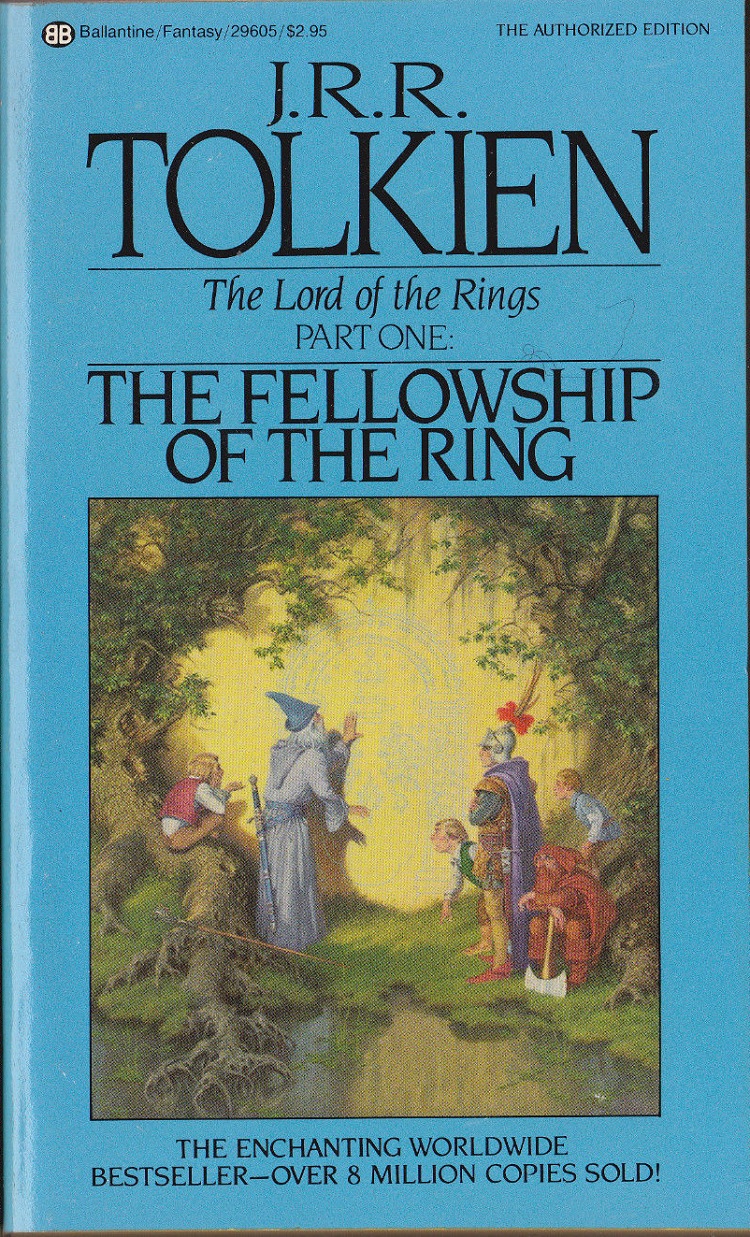
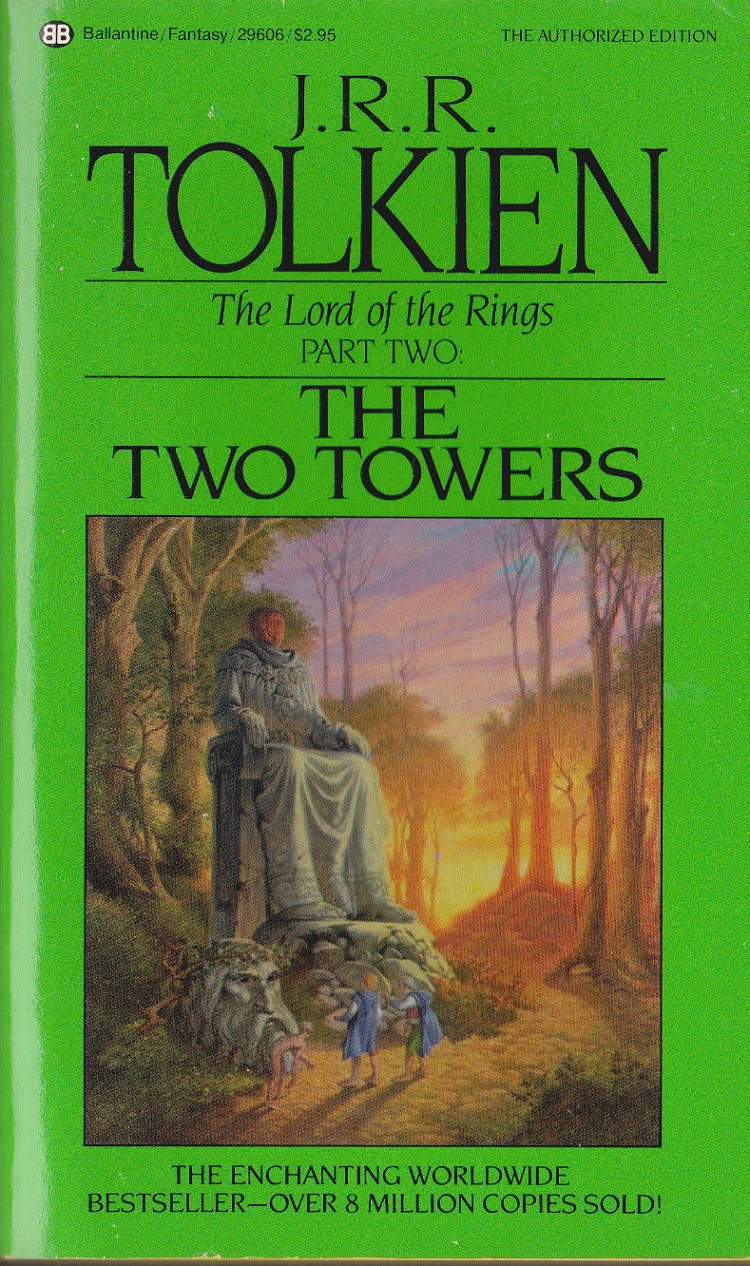
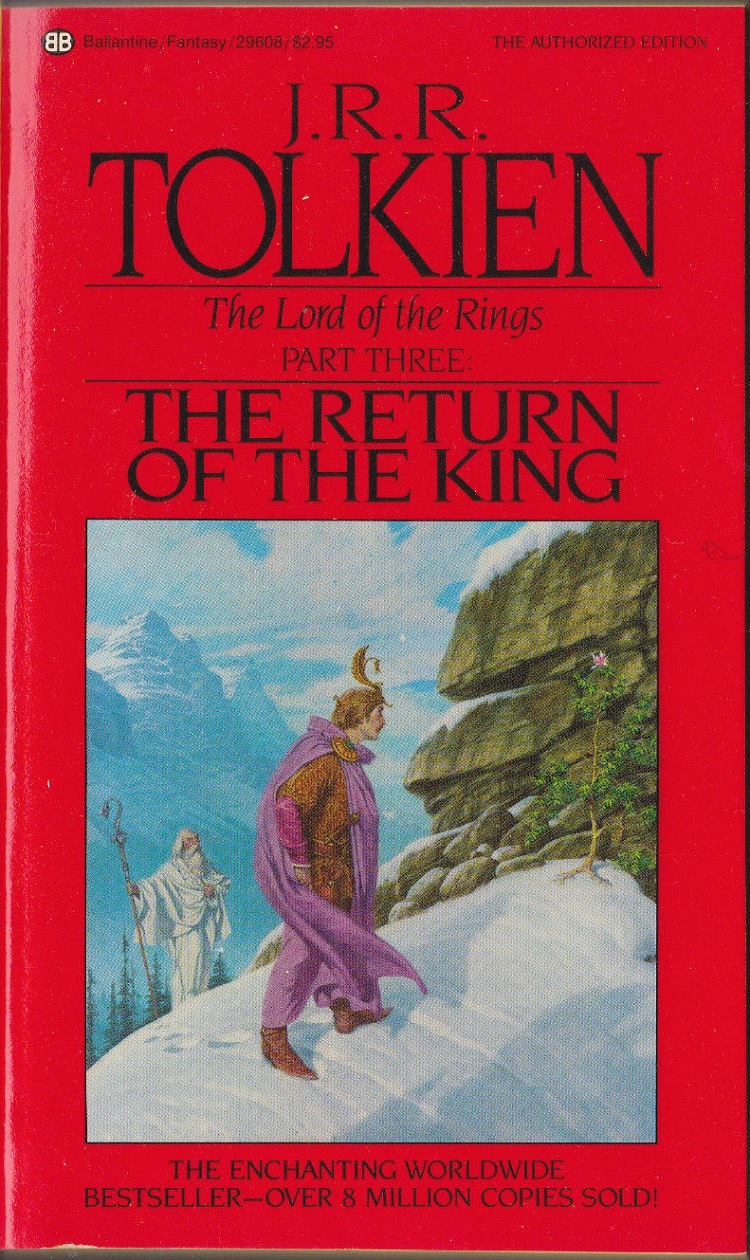
Darrell K. Sweet Cover Art for The Hobbit and The Lord of the Rings (1981)

Hobbit DKS 1981

Fellowship DKS 1981

Towers DKS 1981

King DKS 1981

Ballantine’s Silver Jubilee Edition of The Hobbit and The Lord of the Rings was the first paperback edition to appear after the 1978 animated feature, and the first edition I read. I have very strong memories of reading Fellowship every morning as my dad drove me to school, and, later, ignoring my mom’s calls to dinner as I sat in my room, transfixed by Boromir’s death in The Two Towers.

Sweet’s art was taken from the 1982 LOTR calendar. You can see all the images in high resolution at The One Ring. The Fall of Numenor was used for the cover of Ballantine’s 1982 edition of The Silmarillion. These are still the definitive covers for me, and I think his Fellowship painting is particularly brilliant.

Sweet painted all the covers but one for Robert Jordan’s inexcusably long Wheel of Time series. He passed away in 2011 before he could finish the final piece. Irene Gallo gave him a fine eulogy, featuring some of his outstanding work, at Tor.

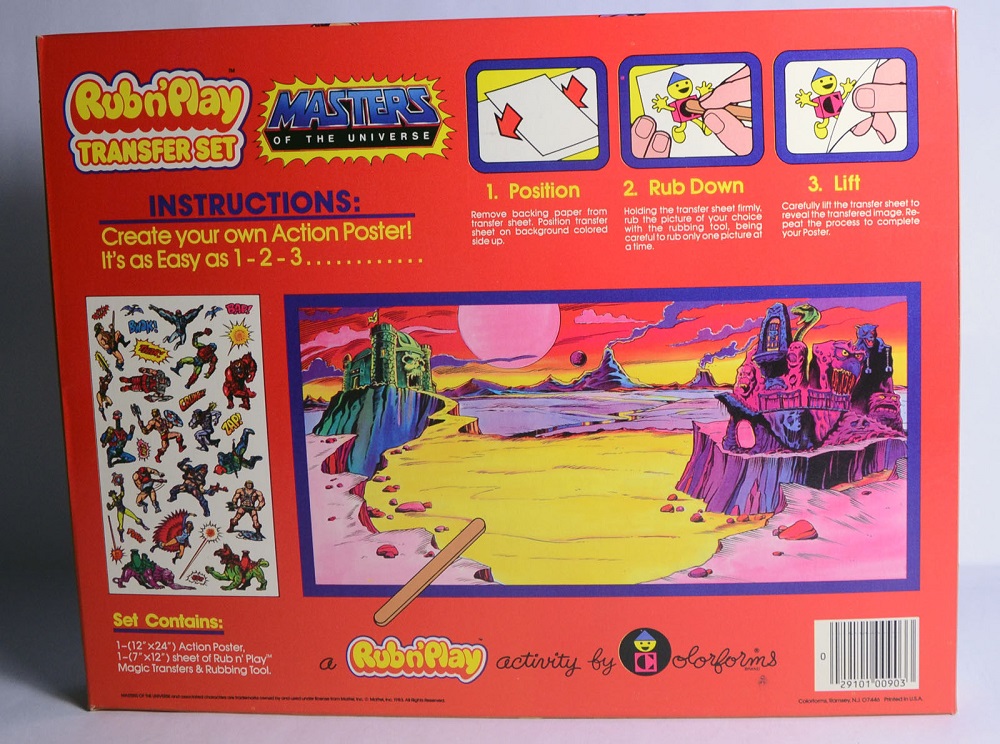
Masters of the Universe Rub n’ Play Transfer Set (Colorforms, 1983)

MOTU 1983

MOTU 1983-2

MOTU not homoerotic enough for you, kids? Well, now you can create your own bare-skinned He-Man action with lots of rubbing and playing, provided you own a “rubbing tool” and are at least four years old! Warning: rubbing action that lasts longer than two hours may cause chafing, cramping, blurred vision and other harmful side effects.

Rub n’ Play was Colorforms’ answer to Presto Magix (though the idea of adhesive figures arranged on a backdrop was developed by Colorforms in 1951). My favorite Presto Magix knock-off is Imperial’s Rub-A-Doos.

(Images via eBay/DIG Auctions)

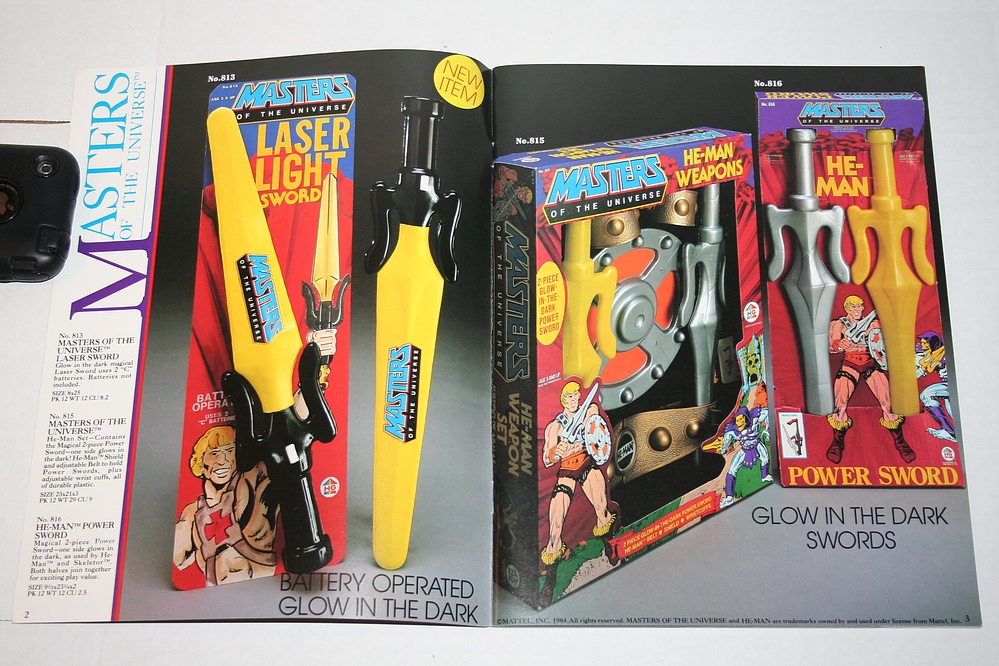
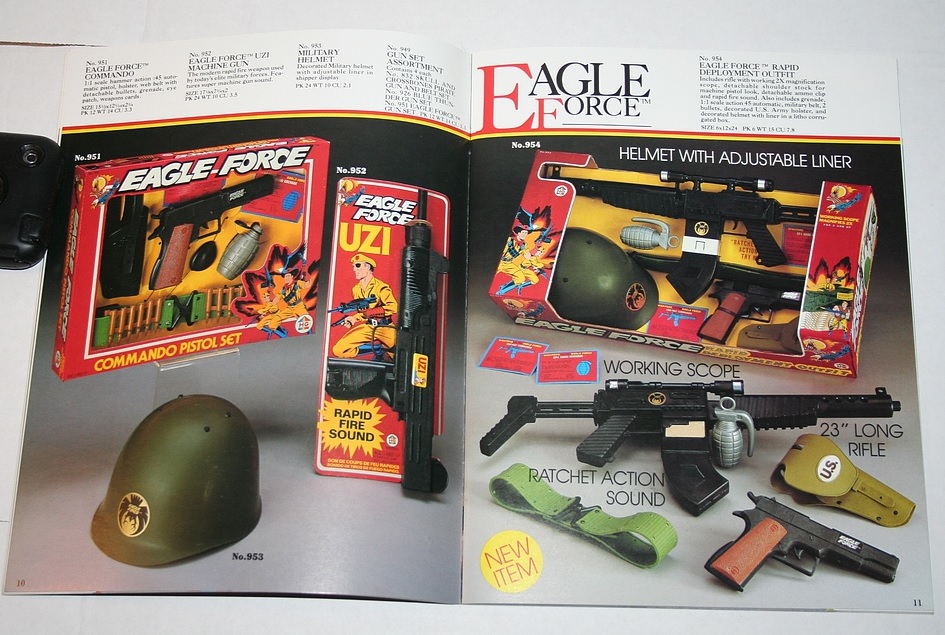
1984 HG Toys Catalog: Masters of the Universe, Blue Thunder, Eagle Force, and The Last Starfighter

HG-1

HG-4

HG-8

HG-5

I think the Masters of the Universe franchise stinks. To me, it’s just a dumbed down mash-up of D&D and Star Wars. Still, there’s no denying its overwhelming impact on the kid world at the time. Do I happen to have an awesome photo of a youngster holding the sword and shield (and wearing the belt) from one of these HG sets? I do.

There was a Blue Thunder toy line produced by Multi-Toys, for some reason, but I believe only the helicopter made it to the shelves. Leave it to HG to jump on the scraps: Blue Thunder Dress Up Helmet Set?

Eagle Force was an action figure line released by Mego in 1982, the same year G.I. Joe: A Real American Hero premiered. (I’ll delve into the two lines at some point, because it’s clear that Hasbro ripped off some of Mego’s designs). Mego shut down operations in 1982, and Eagle Force was done, so it’s curious to see the name still being used in ’84.

The Last Starfighter Target Set is so incompetent that I sort of adore it. Is that supposed to be Grig on the right? Mercy.

(Images via Parry Game Preserve)

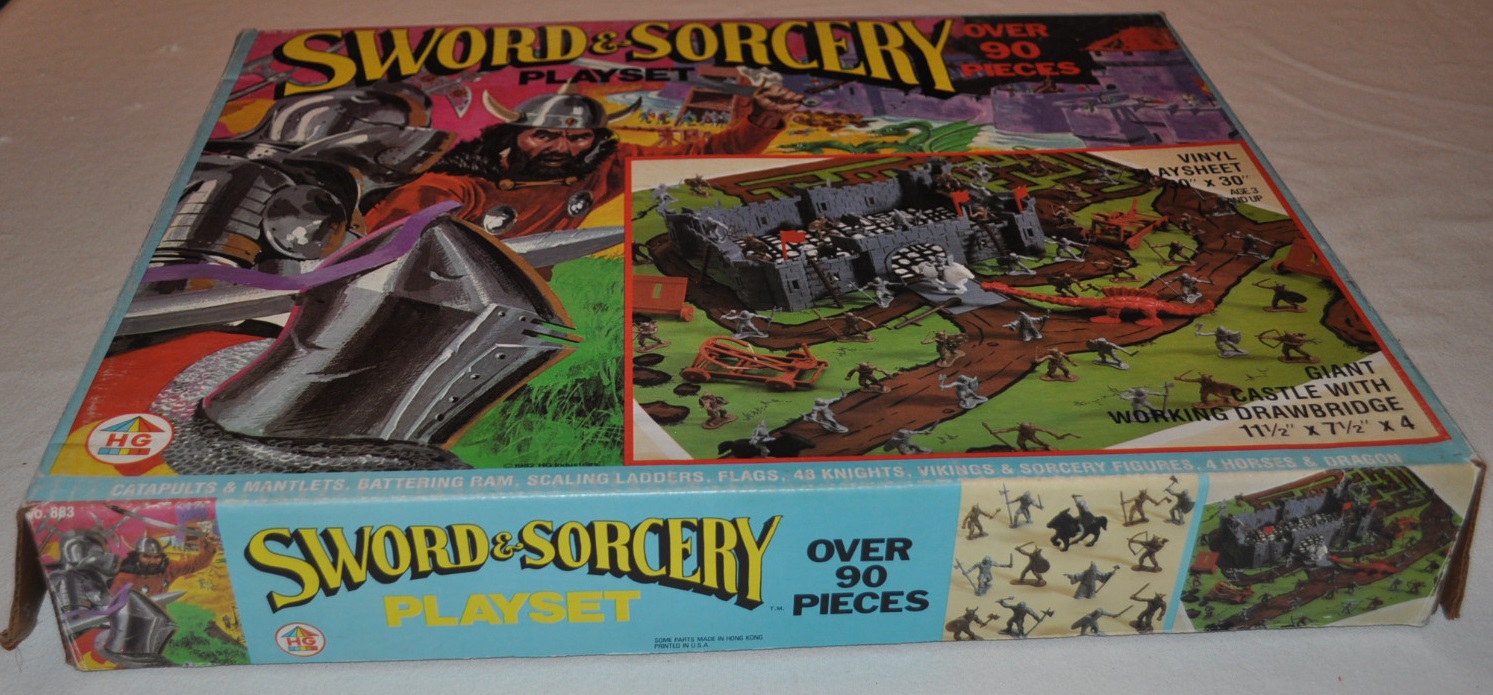
HG Toys: Sword & Sorcery Playset (1982) and Weapon Sets (1983/1984)

HG Sword & Sorcery 1982

HG Sword & Sorcery 1982-2

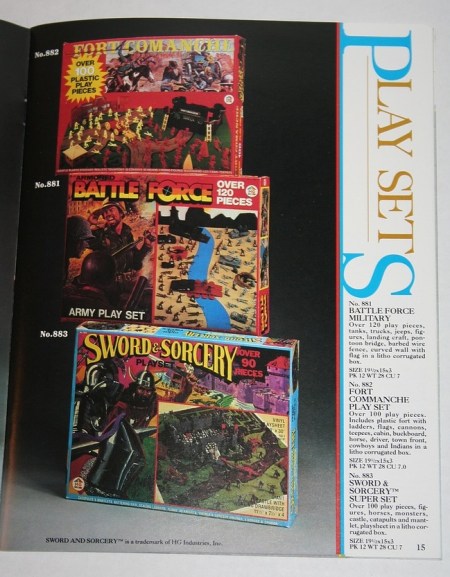
The set seems to be a rip-off of both DFC’s Dragonriders of the Styx (1981) and Miner’s Dragon Crest/Mysterious Castle (1982) Playsets. HG also made a Sword & Sorcery Castle Mountain Playset, which looks as flimsy as it is massive. The base set first appeared in 1982. Here are both sets in the 1984 HG catalog.

HG-6

HG-7

HG had a Sword & Sorcery line that included weapon sets—very similar to Placo’s 1984 AD&D weapon sets. The Power Bow is listed as a new item in the catalog, so it’s possible HG beat Placo to the market. Neither line sold well.

It’s hard to believe HG managed to trademark the name “Sword and Sorcery,” a phrase coined in 1961 by Fritz Leiber to describe Robert E. Howard’s Conan stories and the genre they spawned.

HG-2

HG-3

(Catalog images via Parry Game Preserve)

Hot Wheels Scene Machines (1979)

Scene Machines Ad 1979

Scene Machines Spidey 1979

Scene Machines Spidey 1979-2

I’d completely forgotten about these. I had the cleverly named Space Van (on the package it was called Space Vehicle). You looked through a viewer in the back of the van and saw what was going on inside—the Hulk, for instance, was smashing stuff. It doesn’t sound like much, but it was a cool illusion, a momentary voyeuristic satisfaction. It’s not like we’d ever find out what was going on inside the real vans the older kids inhabited.

The scene on the card is what you saw inside the van. Here’s the Space Vehicle card and actual viewer image, the latter via Hobby Talk. (Click link for more viewer images.)

Scene Machines Space 1979

Scene Machines Space Image 1979

The Scene Machines were released in ’79 and continued to be produced until at least ’81. You can see some later models (Thor and the Human Torch included) at Plaid Stallions.

(Images via Hot Wheels Wikia, eBay, and Hobby Talk Forums)

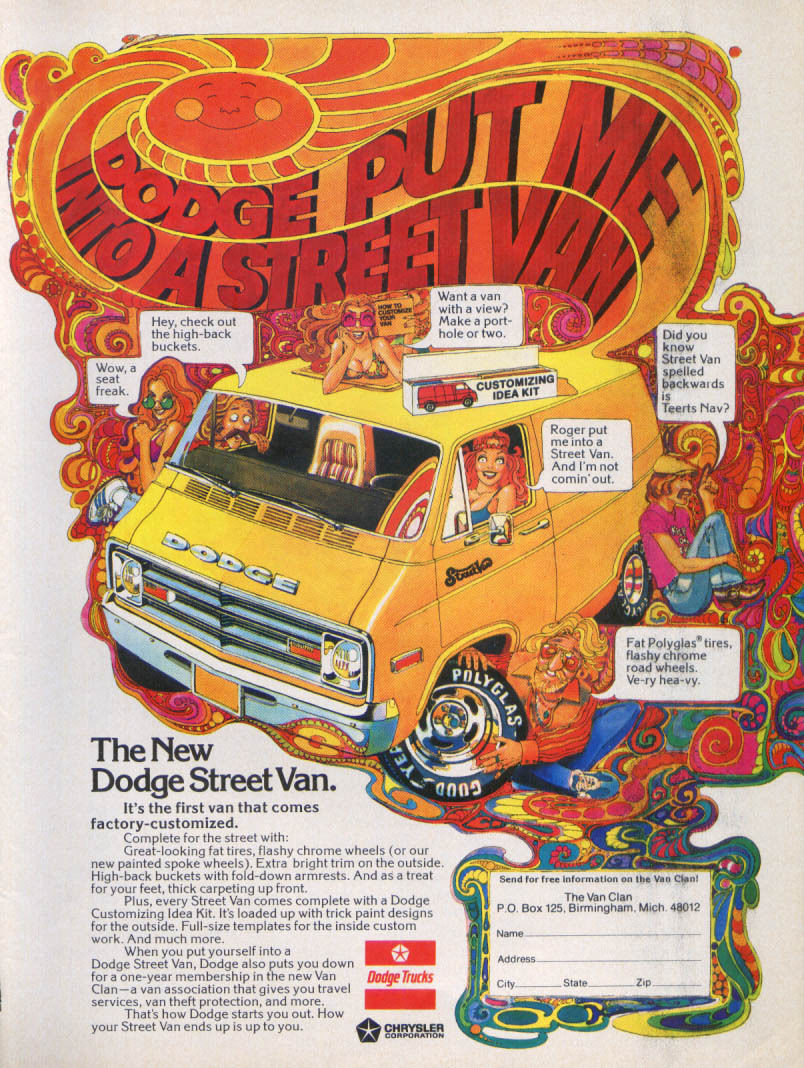
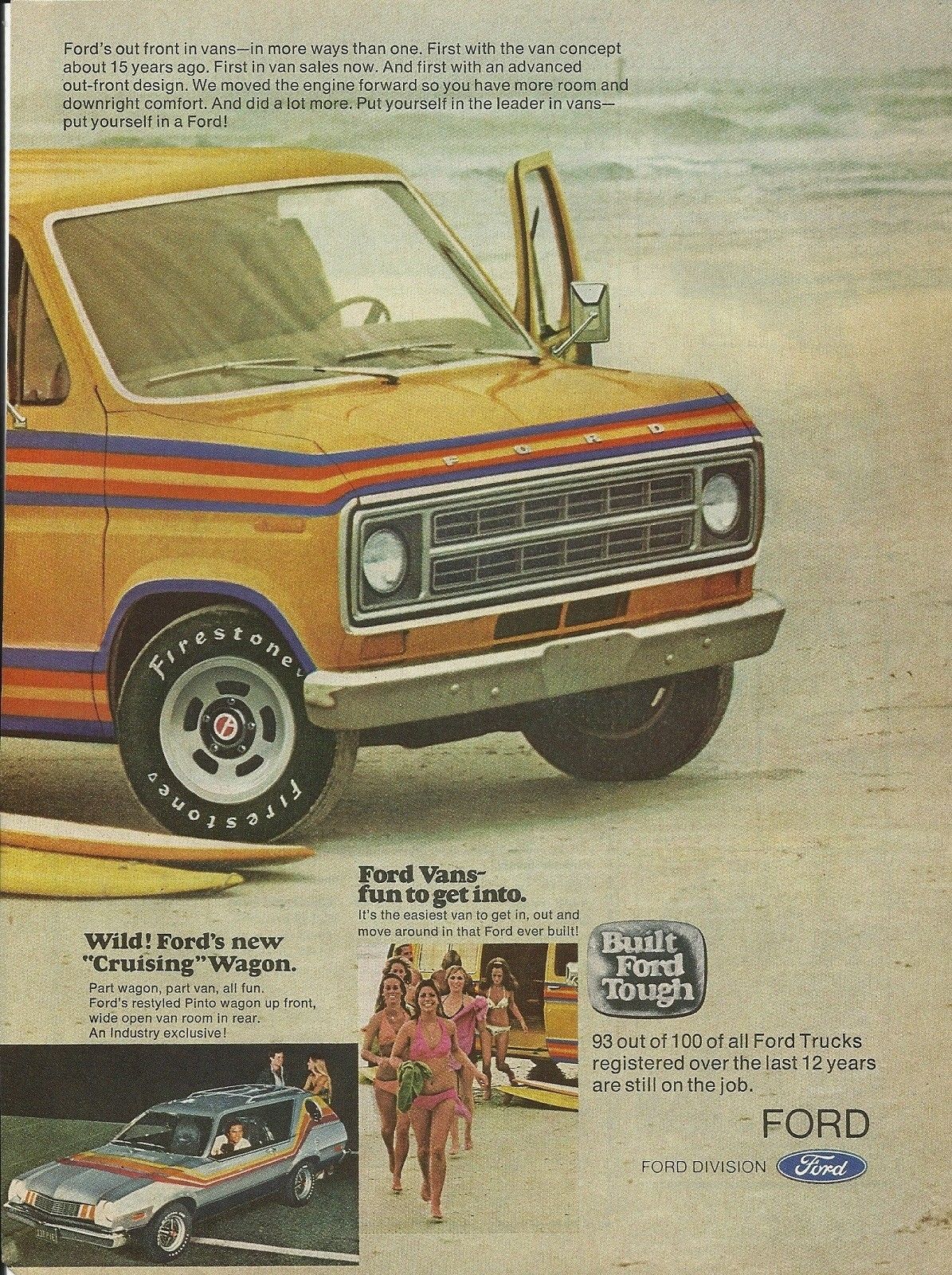
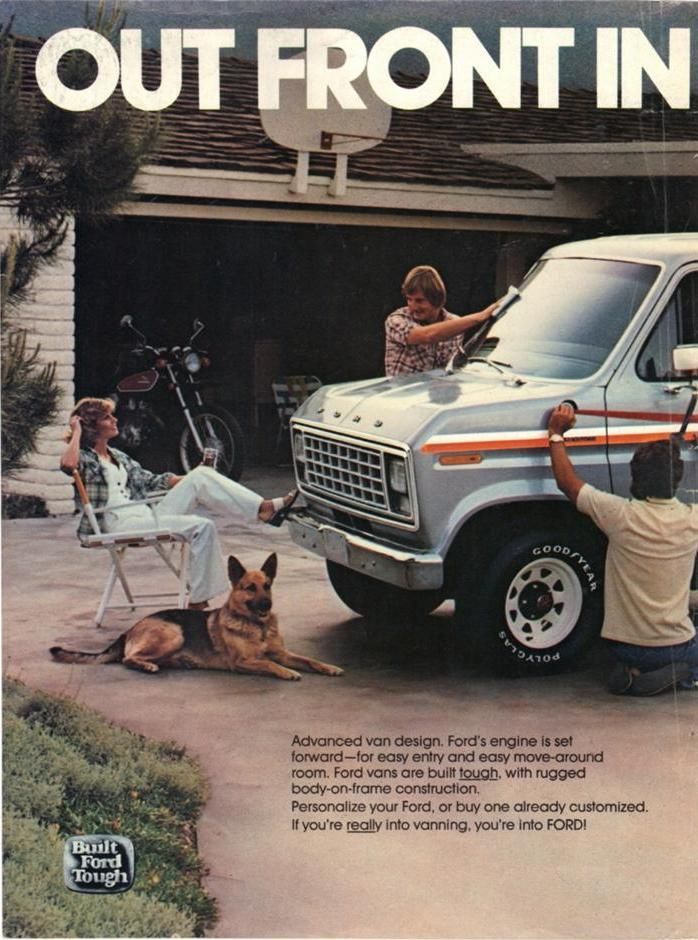
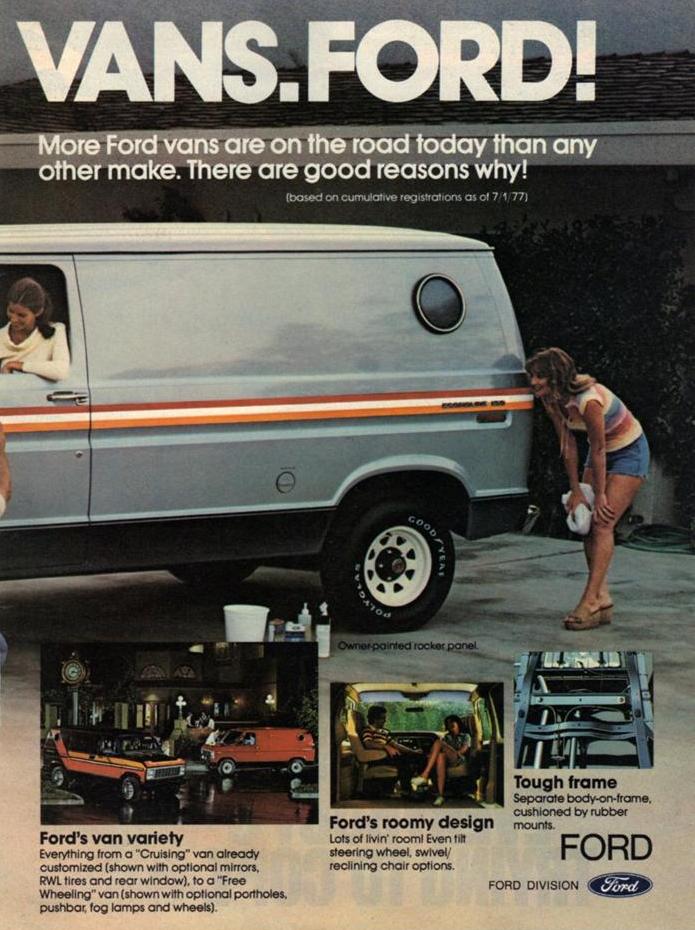
‘Loads of Livin’ Room!’: Custom Van Ads (1975 – 1980)

Van 1975

Van 1976-2

Van 1976

Van 1976-3

Van 1978

Van 1976-4Van 1976-5

Van 1979-1Van 1979-2

Van 1980

From the GMC ad:

You’re a vanner.

Which all by itself tells us something very important about you: You’re an individualist. A free thinker. And you absolutely abhor the idea of driving what everybody else does.

(Images via eBay)

Love in a Van, Circa 1976

Van 1976

A found photo that defines ’70s youth culture more poignantly than eight years of a certain TV show that shall not be named. What a beauty, in every sense.

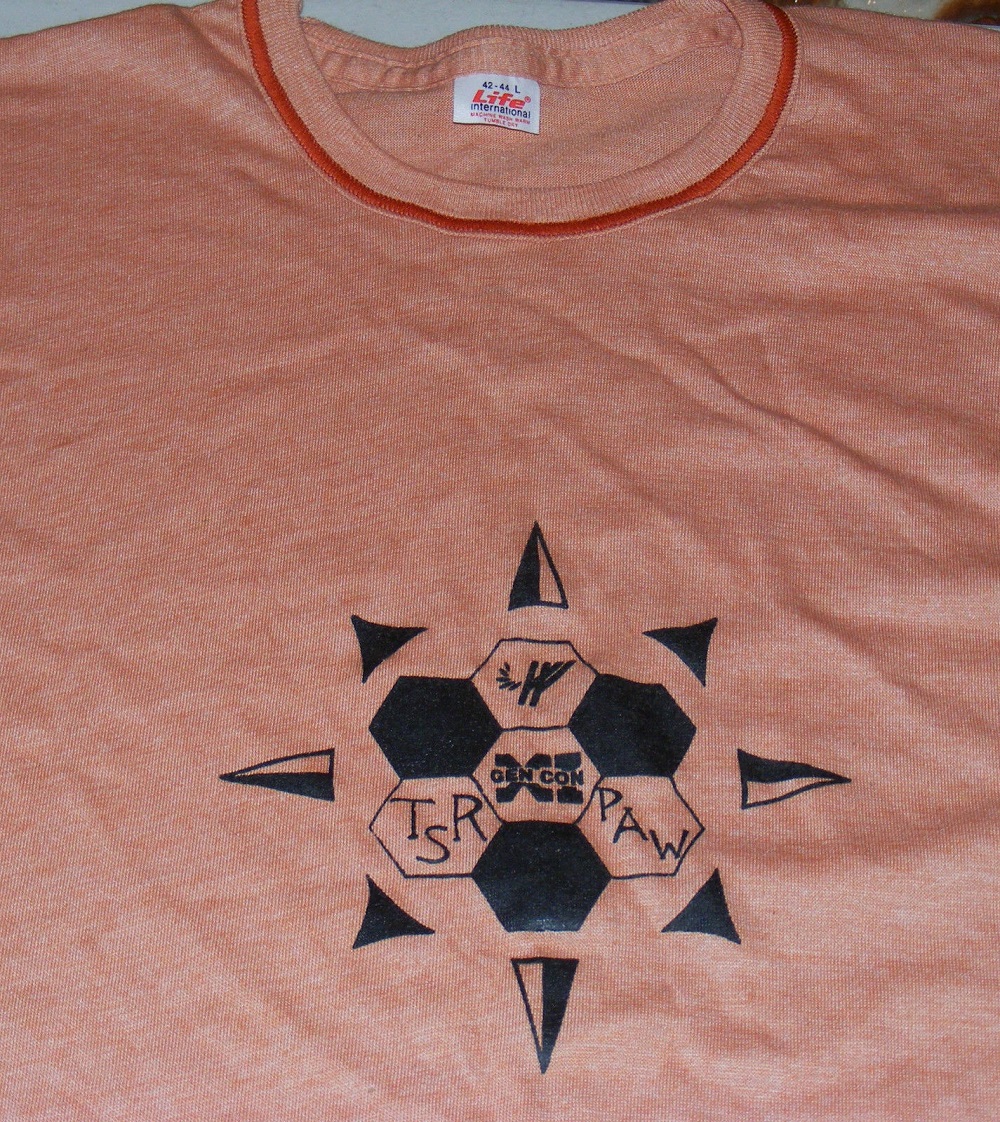
Can anyone figure out what’s on her shirt?

(Photo via The Kat’s Meow Antiques/eBay)

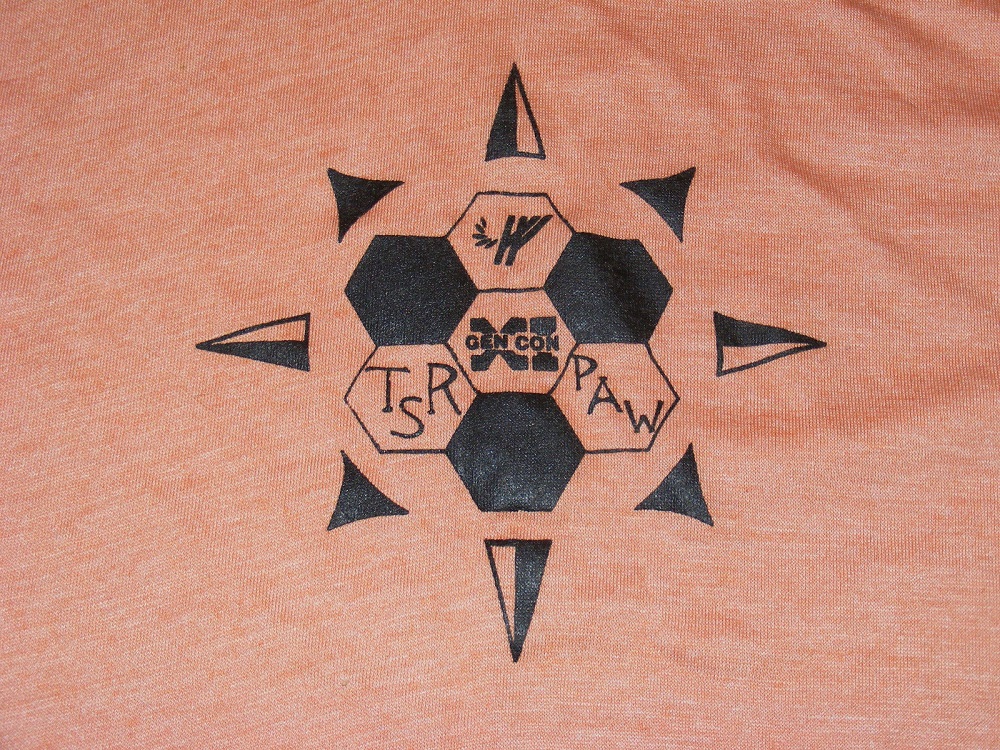
Gen Con XI Ringer T-Shirt (1978)

Gen Con T-1

Gen Con T-2

TSR and the Parkside Association of Wargamers (PAW) co-hosted Gen Con XI at the University of Wisconsin-Parkside. See an ad for the convention at Zenopus Archives. Can someone tell me what the symbol in the top grid stands for?

The shirt sold for $41 on eBay.

Only Nerds GOTO Computer Camp (1979)

Computers 1979

Computer 1979

Computers 1979-5

Computers 1979-7

Computers 1979-2

Computers 1979-6

Computers 1979-3

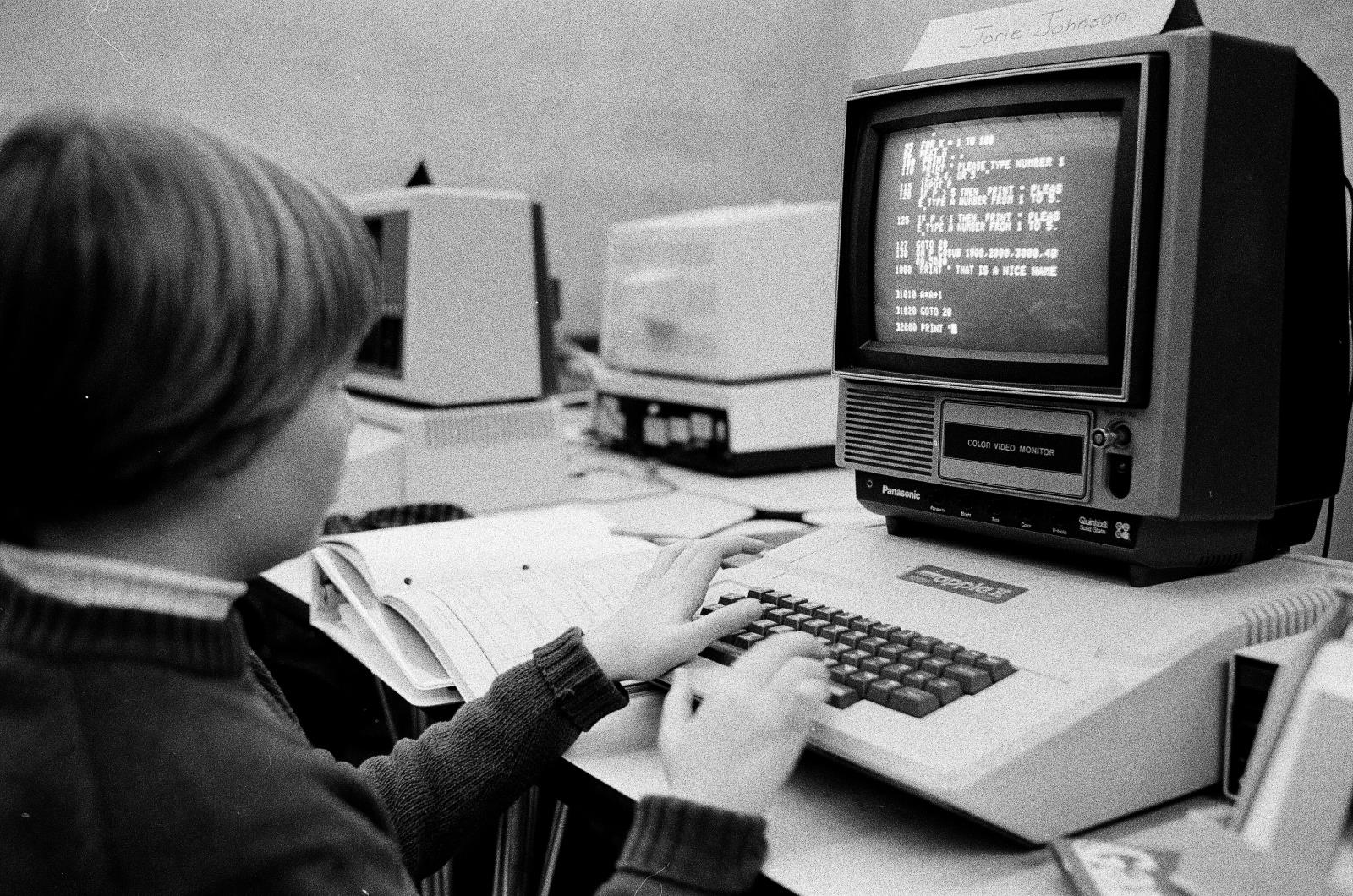
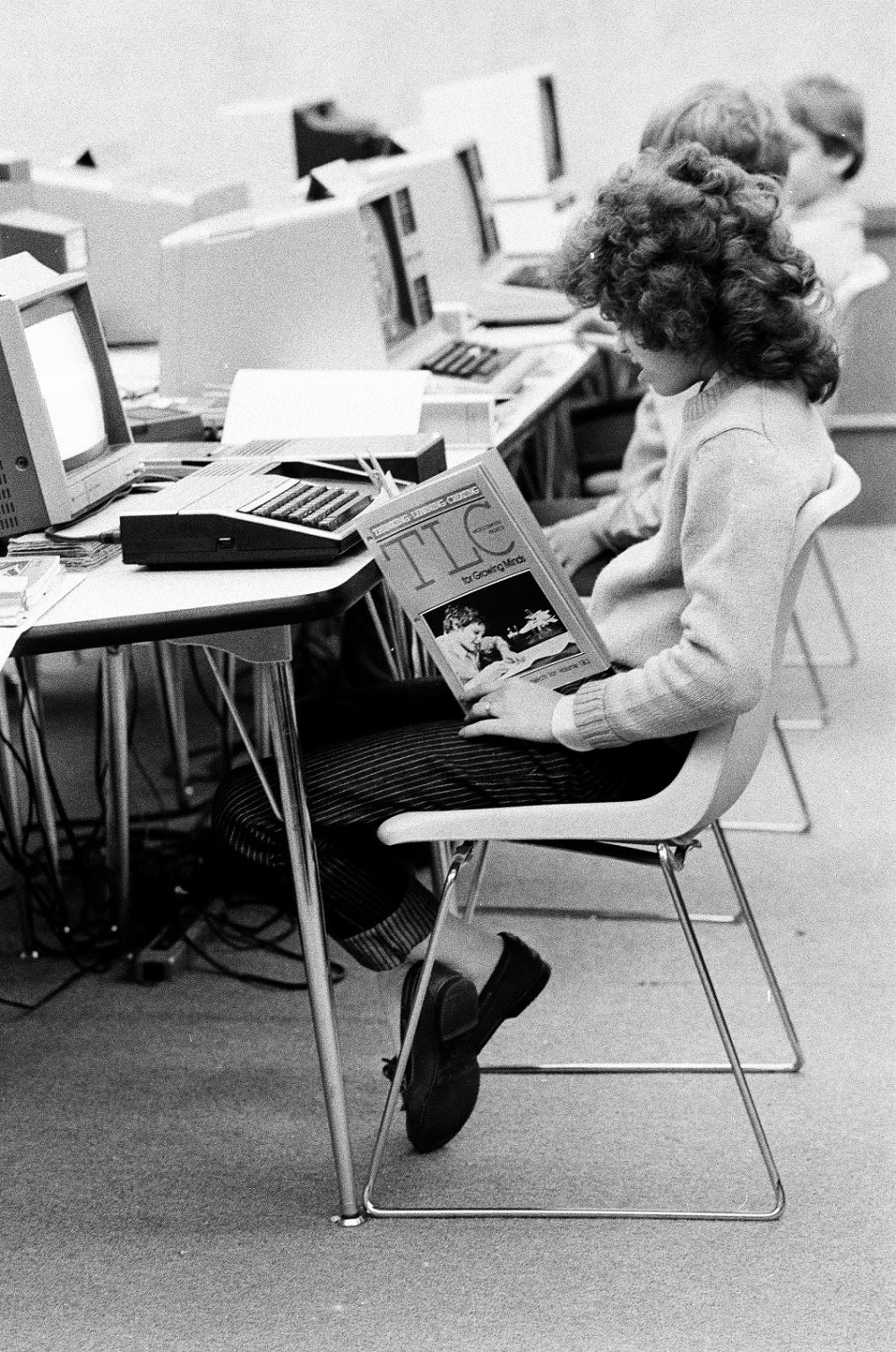
A computer day camp in Chicago, December, 1979. PCs on display include the Apple II, the TRS-80, and the TI-99/4. The latter was brand new at the time. There’s another one I can’t identify to the right of the kid raising his hand. It looks a little like a Commodore PET.

Note the Garfield notebook in the first shot, and the BASIC code in the second. The kid typing the code (you can read all of it starting with line 95) is wearing an Izod sweater.

Terrific all-around coverage of an early lab and the kids who got to use it.

(Photos via eBay seller Historical Images)

Patrick Swayze’s Roller Disco Routine in Skatetown U.S.A. (1979)

True: Skatetown U.S.A. was Swayze’s film debut. He played Ace, the bad boy.

  1. See Ace chuck his gum at the crowd before he starts his routine. Ace is pissed! Ace is a bad boy!
  2. See Ace remove his tiny belt and whip it around in a frenzy of bad boy rage! Ace will cut you, man (with roller disco choreography)!
  3. See Ace move very slowly around the rink for what seems like an eternity, rubbing his belt on himself, trying to look tough while doing pirouettes on skates, and so on.
  4. Suddenly, Ace drops the belt and pulls off some disco moves I recognize from Saturday Night Fever. Ace picks up speed, hops onto the Skatetown U.S.A. stage, hurls himself off in slow motion, picks up the belt again, and finishes his bad boy routine with a Zorro-esque flourish! Breathe, people. Breathe.

Need more Patrick Swayze on roller skates? Here he is (red suspenders) in a 1981 A&W Root Beer commercial.


Pages

Archives

Categories

Donate Button

Join 1,118 other subscribers