Archive for the 'Atari' Category


Pool Hall with Pong Cabinet, 1973

Pool Pong 1973

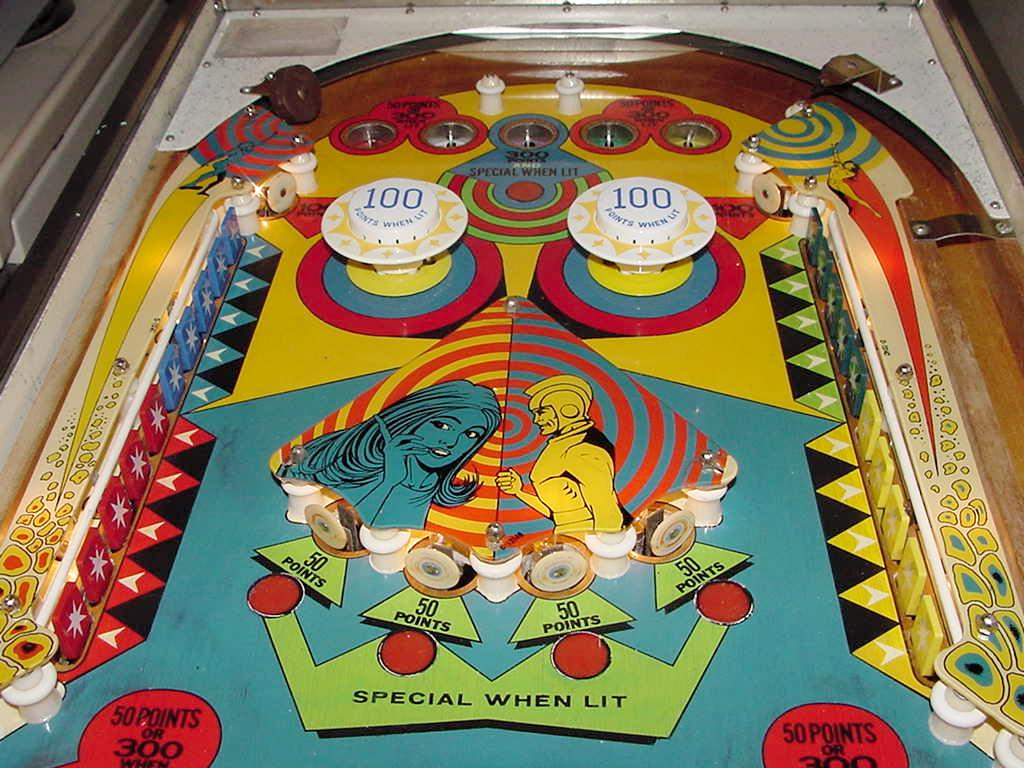
SS Billiards in Hopkins, Minnesota. The gentleman on the right is playing Gottlieb’s 2001, released in 1971. Like Atari’s Middle Earth, the title cashes in on a popular cultural event, but the game itself slyly avoids any direct allusion to that event—and any resulting copyright infringement.

The 2001 artist is prolific Gordon Morison, who also worked on the Close Encounters of the Third Kind (1978) machine, Orbit (1971), and The Incredible Hulk (1979), among many others.

UPDATE: I’m pretty sure the sign on the wall reads: “Any games on machines at closing time will be forfeited”.

2001 BG 1971

2001 PF 1971-3

2001 PF 1971-2

(Original photo via pinrepair.com; 2001 photos via pinrepair.com and The Internet Pinball Database)

Atari’s Middle Earth Pinball (1978)

Atari ME BG 1978

Atari ME Playfield 1978

Atari ME Pinball 1978

Atari ME Flyer 1978

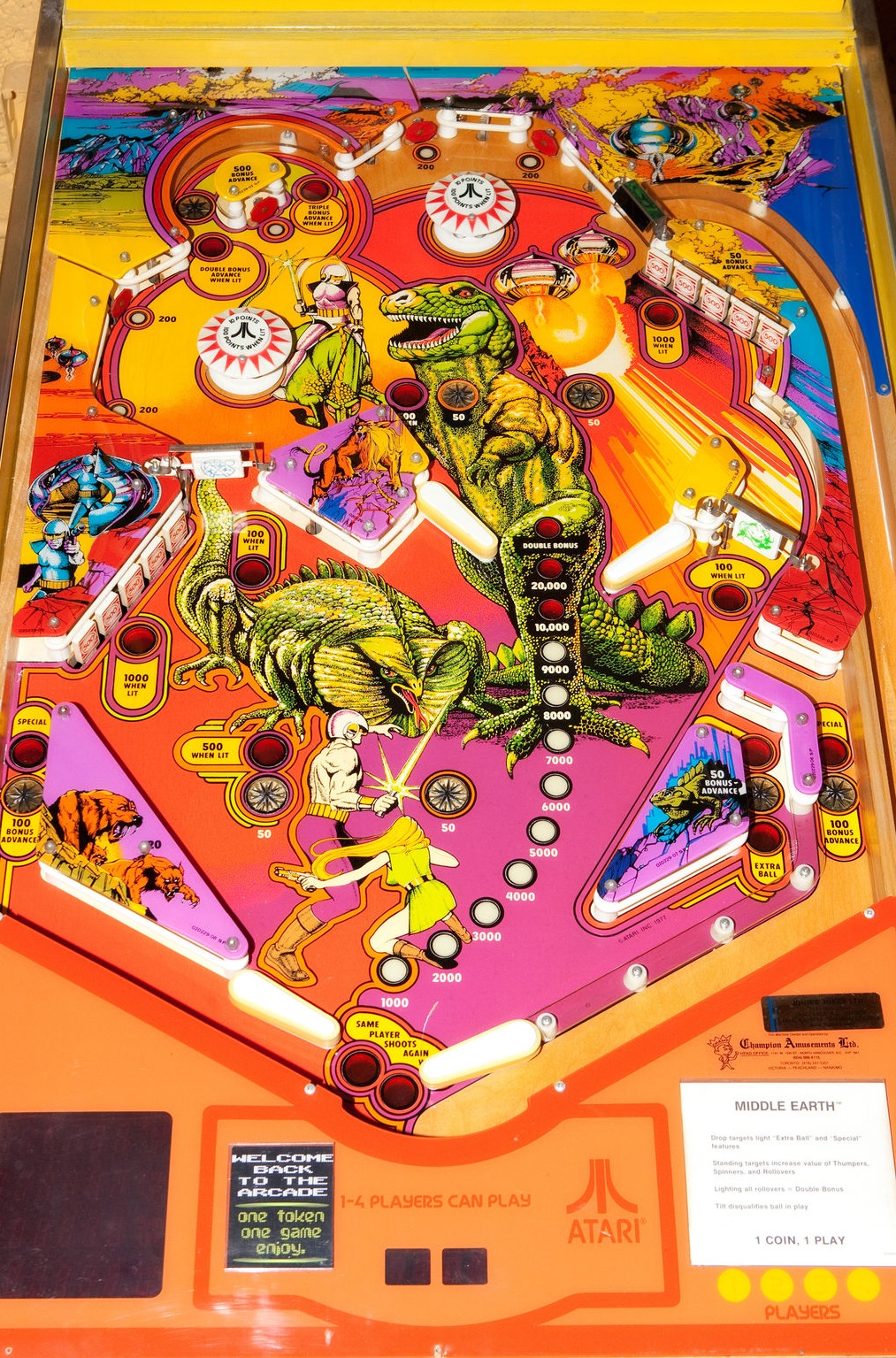
Middle Earth was released in February of 1978. I’m not sure how early in development it was named, but I bet Atari was banking on the fanfare surrounding the upcoming LOTR animated feature. The Rankin-Bass Hobbit TV special had aired the previous year.

The theme has nothing to do with Tolkien, obviously. What we’re seeing is a futuristic Lost World scenario, which is why Atari could get away with using `Middle Earth’ without any copyright issues. The concept also plays off of Dino De Laurentiis’ King Kong (December 1976) and the Godzilla-mania of the late ’70s.

The spectacular art is by George Opperman, who created the Atari logo.

(Images via the Internet Pinball Machine Database, where you can find more views of the game, and The Arcade Flyer Archive)

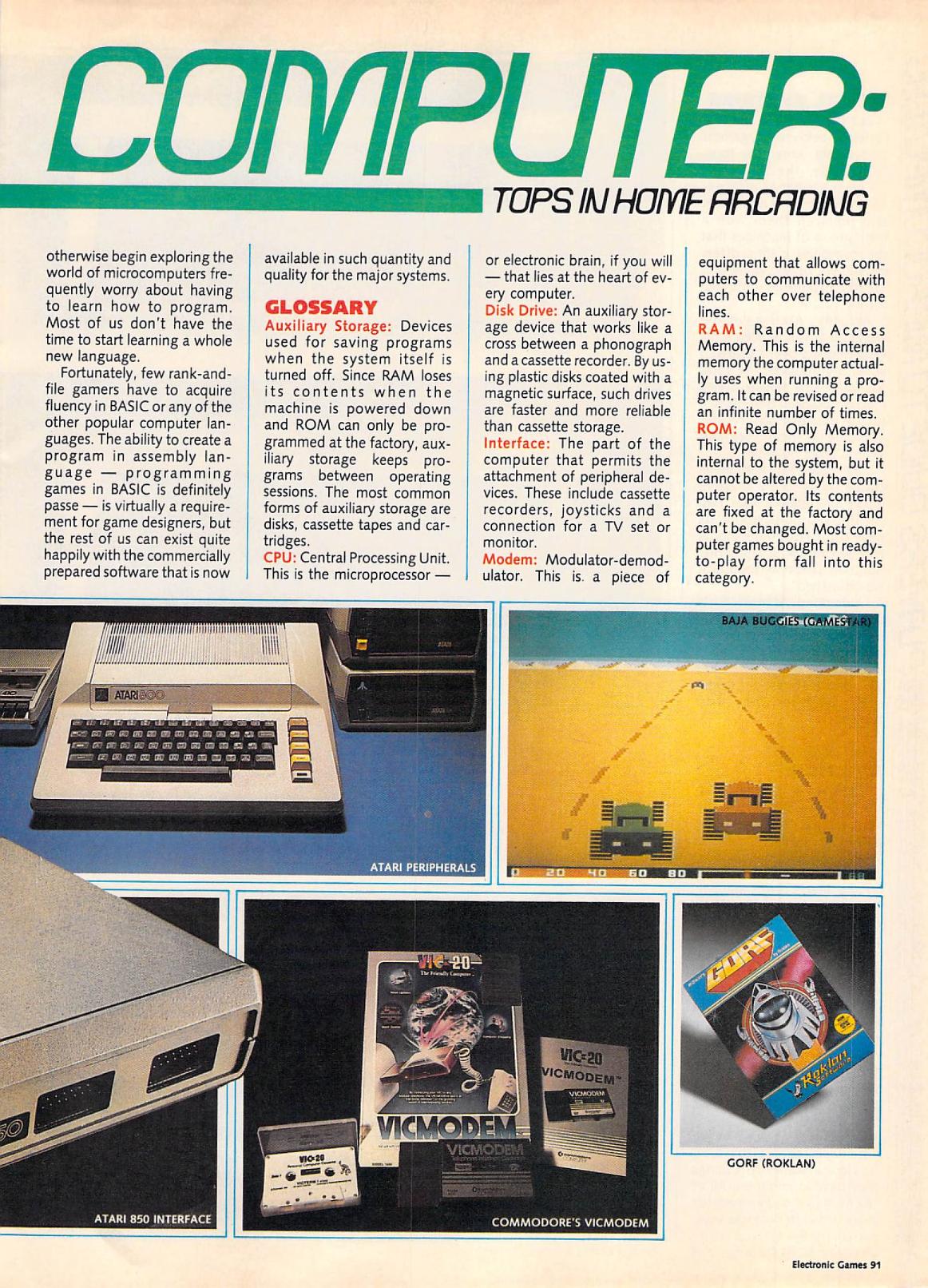
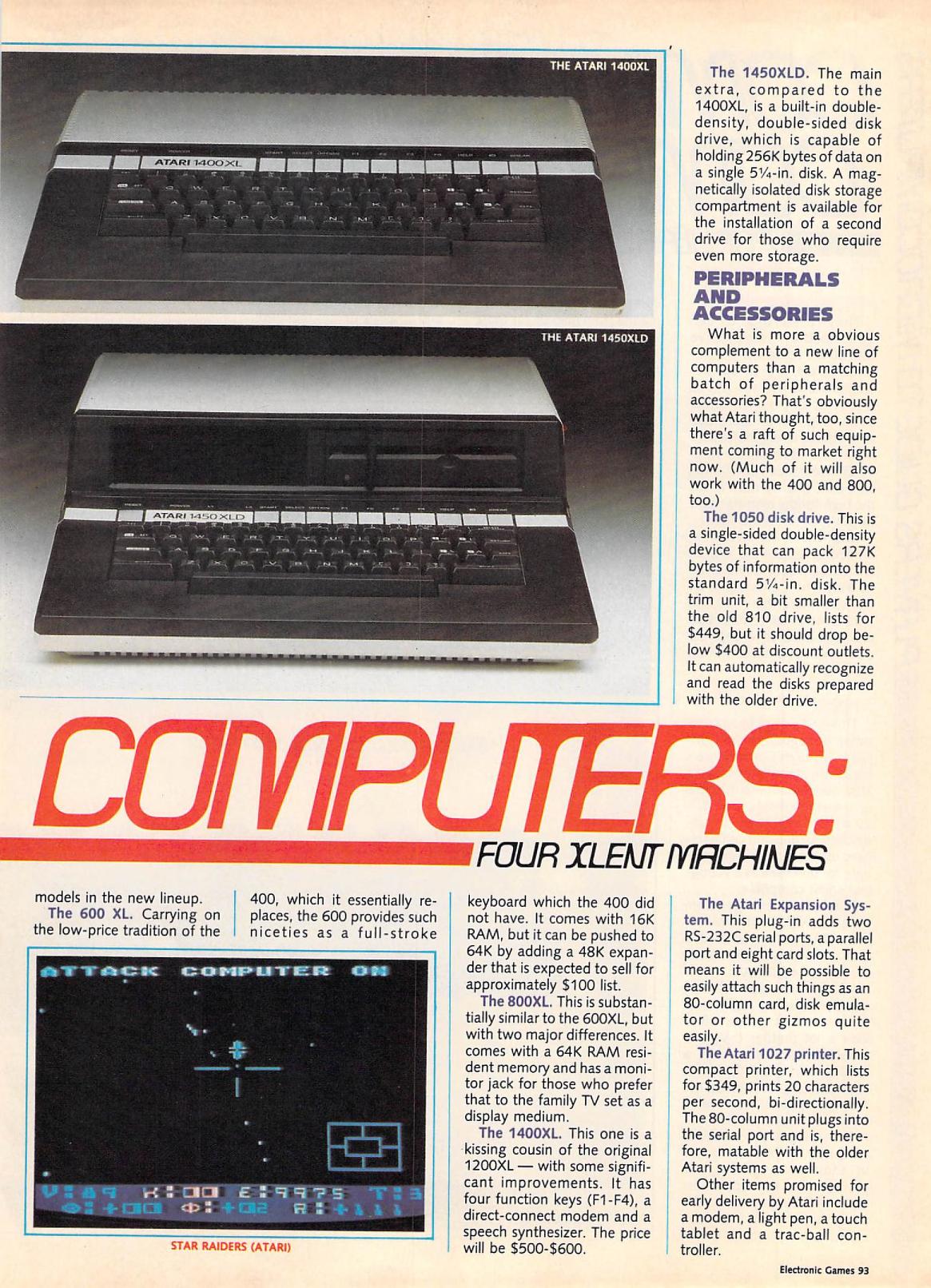
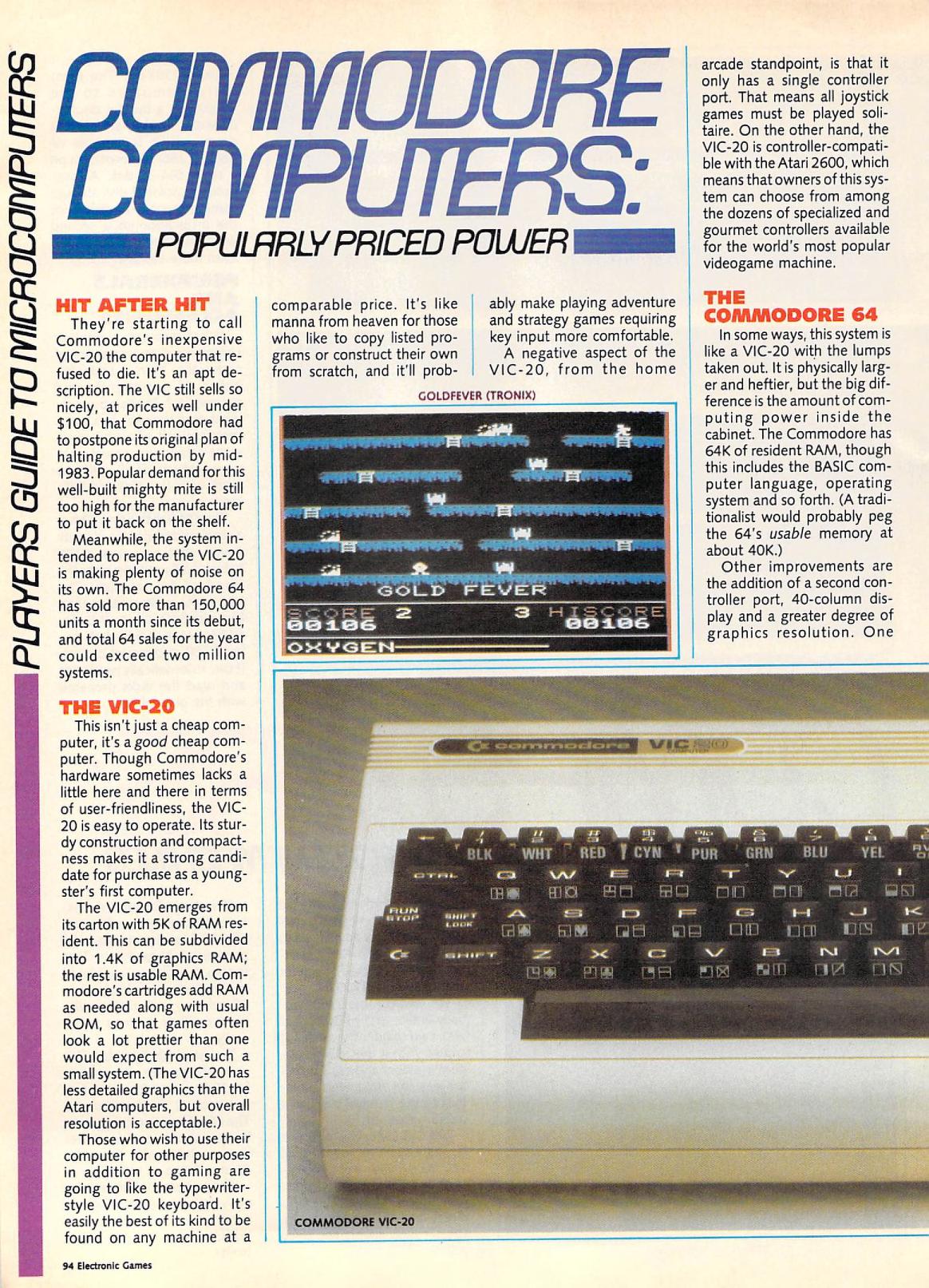
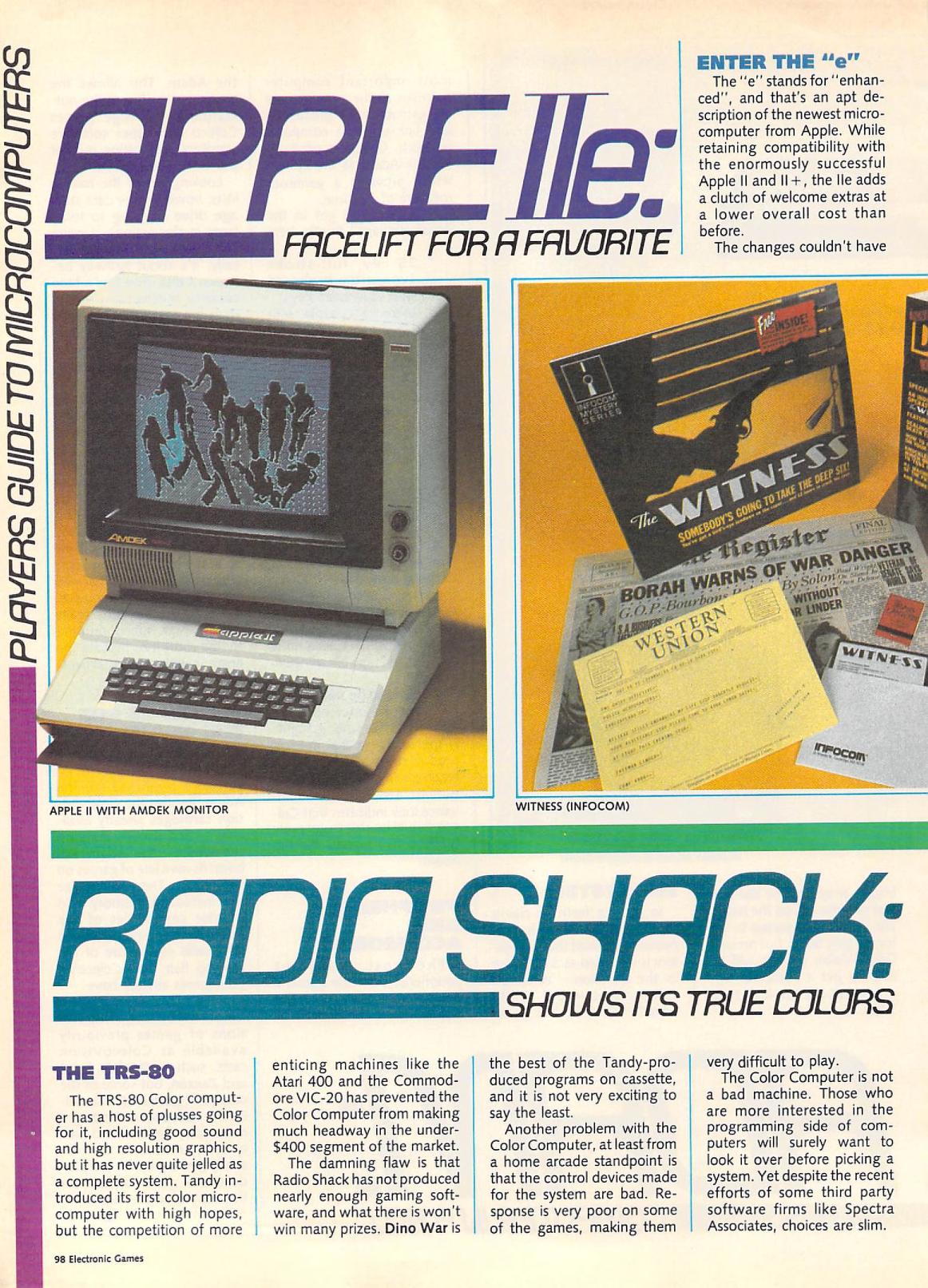
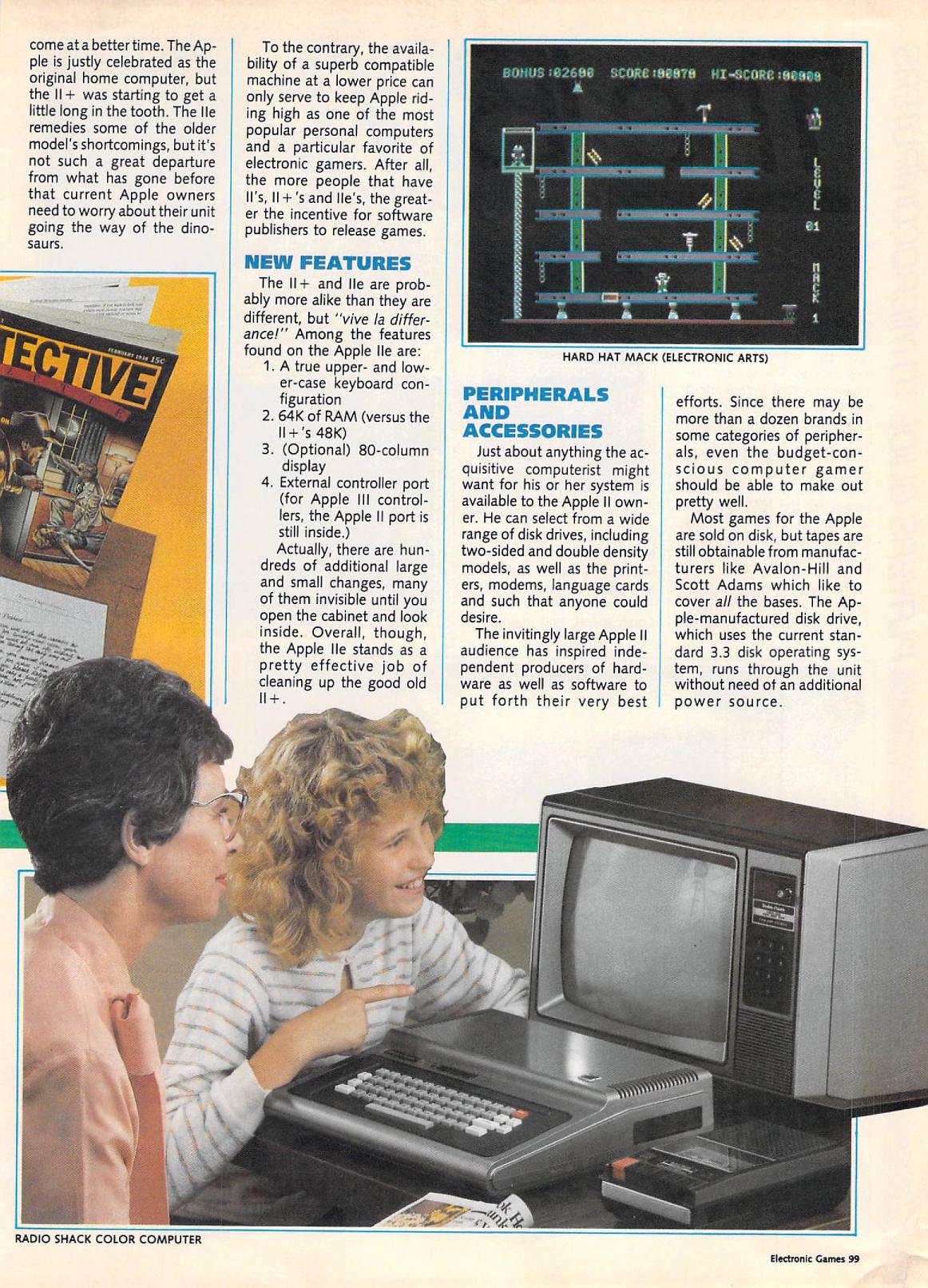
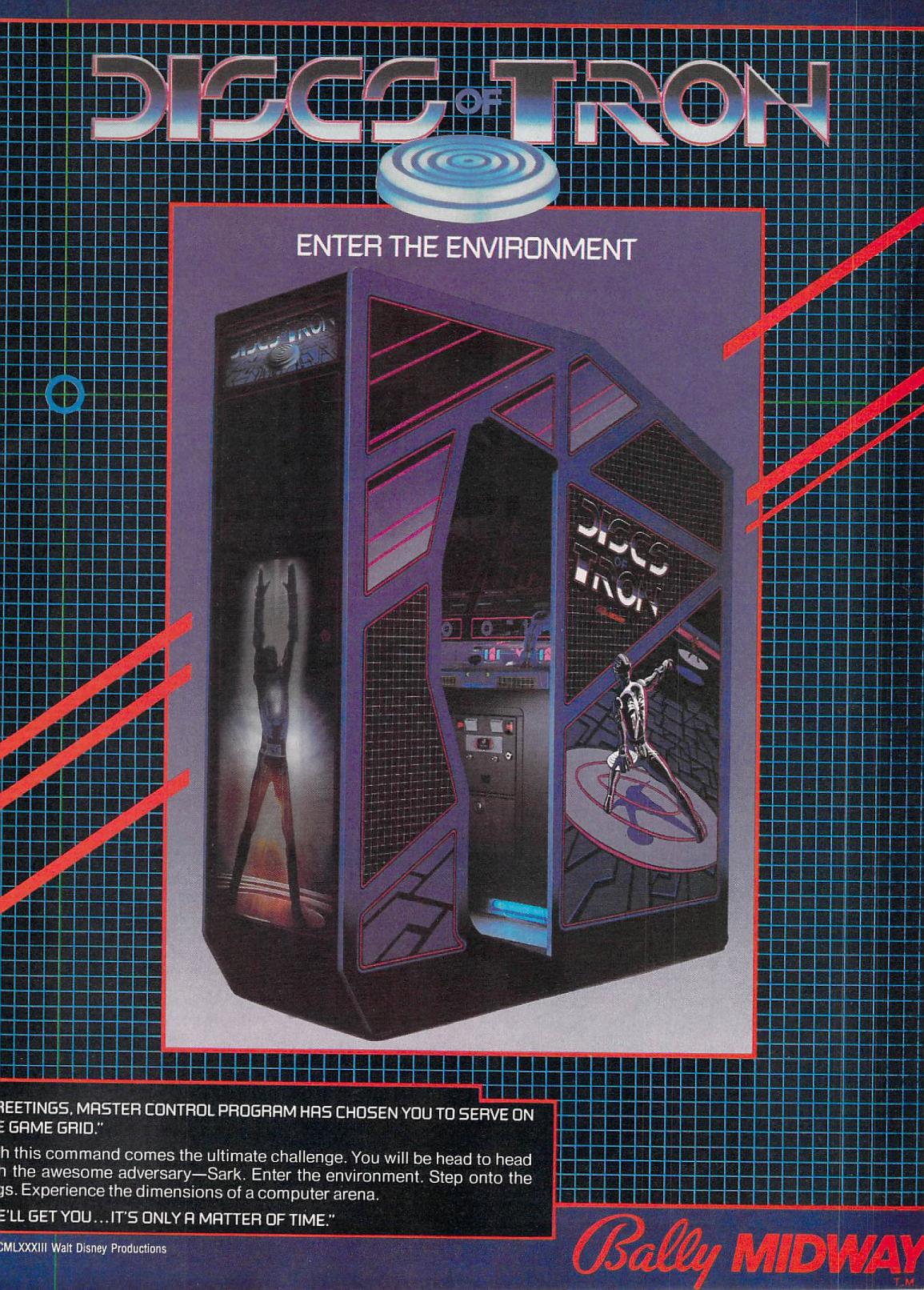
Electronic Games #22 (December, 1983): ‘Players Guide to Microcomputers’, Discs of Tron

EG #22 1983-1

EG #22 1983-2

EG #22 1983-3

EG #22 1983-4EG #22 1983-5

EG #22 1983-6EG #22 1983-7

EG #22 1983-8EG #22 1983-9

EG #22 1983-10EG #22 1983-11

EG #22 1983-12

Interesting that Coleco’s Adam, which I’d totally forgotten about, comes in ahead of Apple and the TRS-80. The first computer I got was my beloved Atari 800. That was about 1983. The first “family” computer we got was an IBM PS/2 in ’87 or ’88. My parents got a substantial discount through my high school. By that time, I had realized that learning how to program and “hack” was hard work, and the games for IBM were pretty lousy. My attention had shifted to Nintendo and my electric guitar—and girls.

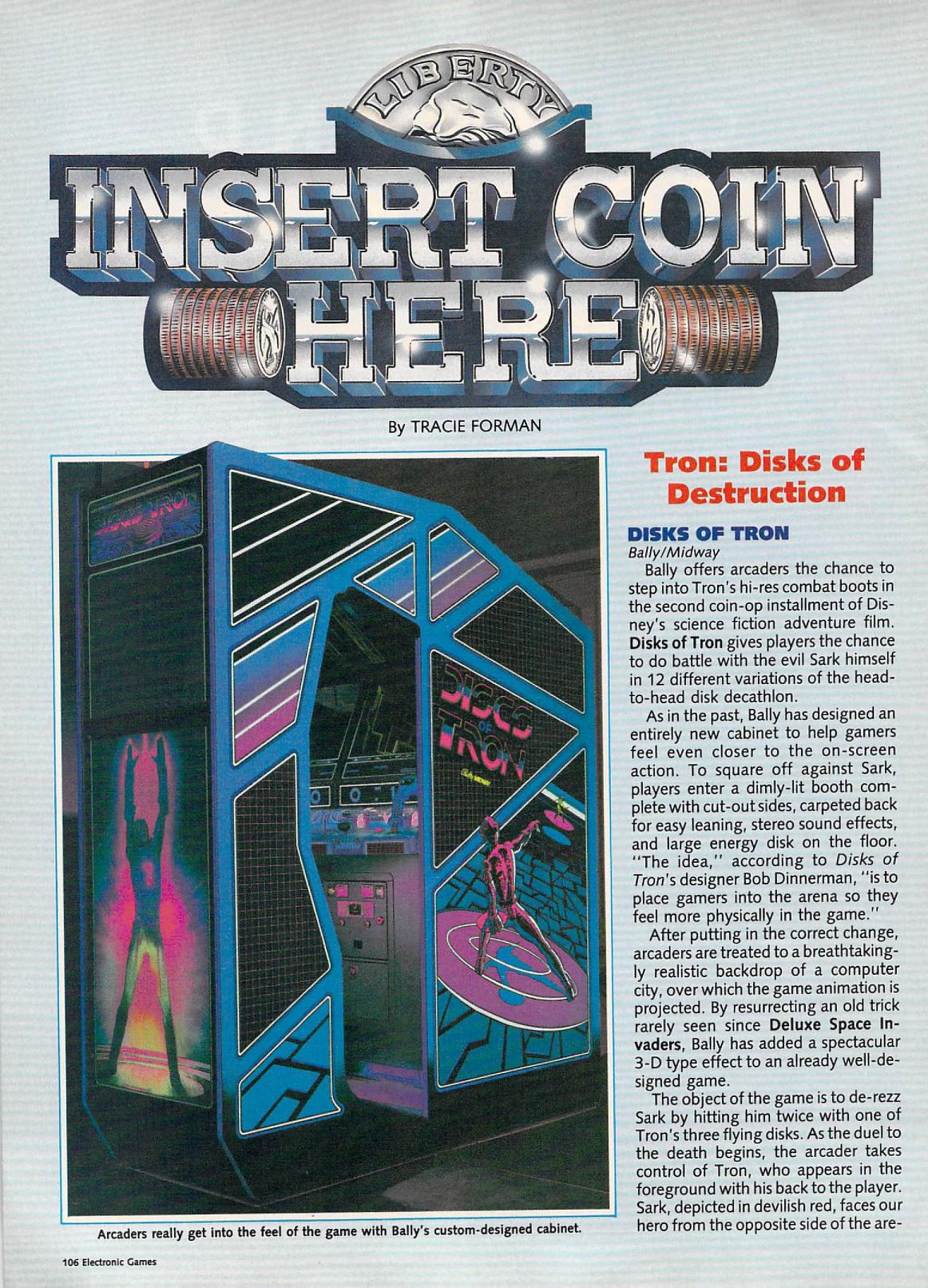
Below is a quick, fun review of my favorite video game ever, Discs of Tron, from the same issue. Read the whole magazine at archive.org.


Electronic_Games_Issue_22_Vol_02_10_1983_Dec_0105

Electronic_Games_Issue_22_Vol_02_10_1983_Dec_0106

Electronic_Games_Issue_22_Vol_02_10_1983_Dec_0107

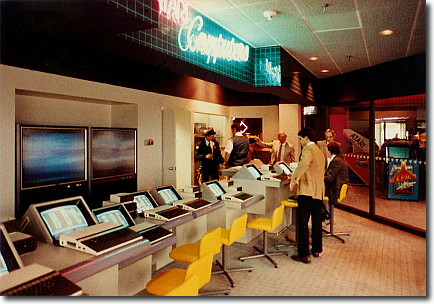
Atari Computer Demonstration Center, Circa 1980

Atari Center 1980

Everything points to 1980 except for Pac-Man, which came out for the 400/800 in 1982. Atari’s probably cheating a little. I don’t see a Pac-Man box. In fact, the only game boxes I see are Super Breakout and Kingdom. The screenshots on both sides of the TV fall under different headings. I think the one in the middle is “entertainment.”

I don’t remember seeing the display. It’s possible I blocked it out—there’s no way I would’ve been able to push my way to the front of the line for a chance to play. The big kids ruled the demo units. And by big kids I don’t mean the well-dressed, well-mannered couple in the ad.

The image is from James Vaughan, who has some of the coolest sets on Flickr, including one called Retro Tech.

Christmas Morning, Circa 1981: Home Video of Kid Opening Atari 2600

Kid: “Asteroids! Atari Asteroids! Except… Dad, dad, we don’t have Atari.”

Mom: “What’s Atari?”

So classic.

(Technically, it’s not a 2600. It’s an Atari Video Computer System. Relax, nerds.)

(Via The GeoffMan/YouTube)

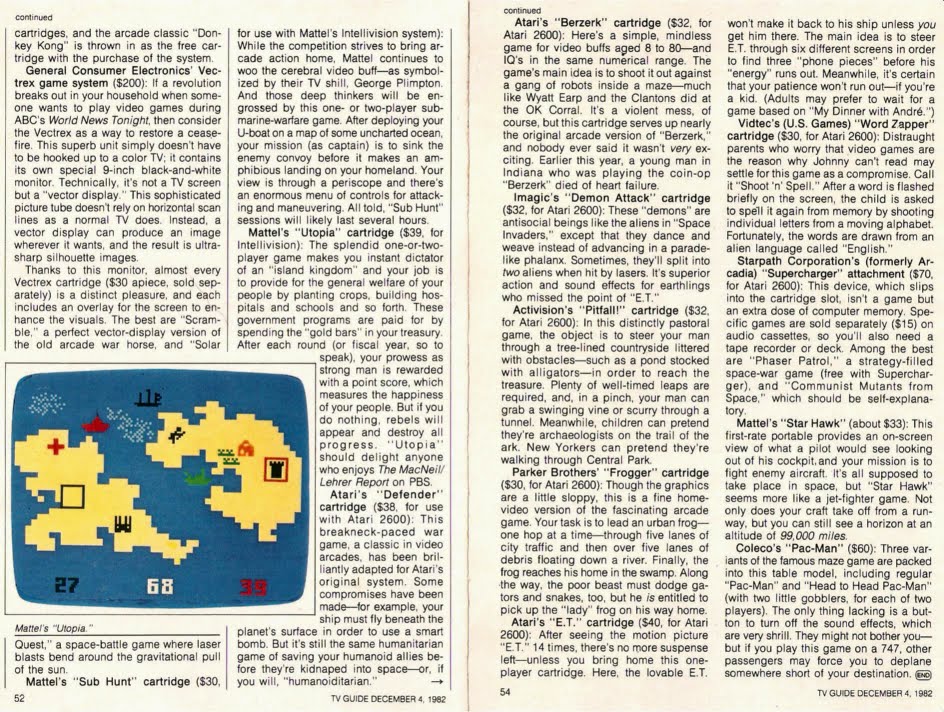
A Holiday Shopping Guide: `The Best Video Games of 1982′

intellivision-atari-best-video-games-of-1982-tv-guide-ad

intellivision-atari-best-video-games-of-1982-tv-guide-page-2-ad

It’s interesting how the author defines video games as “mindless entertainment” and “cheap thrills” on the one hand, but props them up as “sophisticated” and “cerebral” at the same time.

His description of Intellivision is right on, though: “While the competition strives to bring arcade action home, Mattel continues to woo the cerebral video buff—as symbolized by their TV shill, George Plimpton.” (See Plimpton “shilling” here.) Sub Hunt and Utopia are two of the best games I’ve ever played. If I get another game system, it’ll be an Intellivision.

The Vectrex system also gets a rave review. Sort of like Tomytronic 3D, but with vector graphics, I remember playing a display unit a few times at Sears. Here it is in the 1983 Sears Wishbook. Note the price slashed in half because of the video game crash.

Vectrex Sears Wishbook 1983

I thought this part might have been urban legend: “Earlier this year, a young man in Indiana who was playing the coin-op `Berserk’ died of heart failure.” Turns out it’s true.

Atari’s E.T. is one of the best games of 1982? Somebody paid him to say that.

(Article via Intellivision Revolution)

Atari Adventure Family Entertainment Centers, 1983

Atari Adventure Disneyland

Atari Adventure Disneyland-2

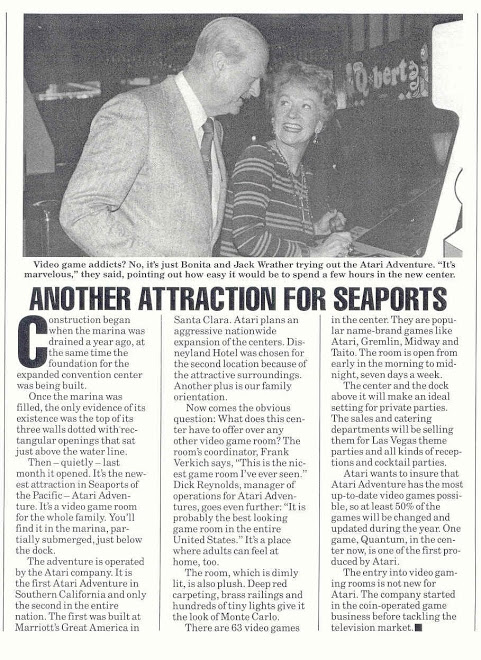
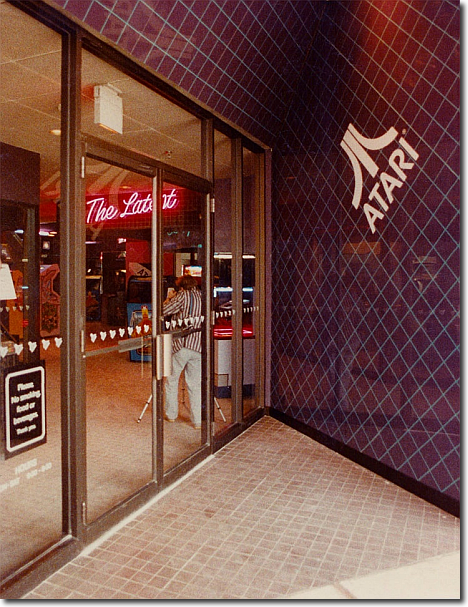
Continuing my earlier post, above you see the entrance to the Atari Adventure location at the Disneyland Hotel. The photos are from Mice Chat. The exact year is unknown, but the Atari name is gone, so it’s after ’85. You can see the original ‘Atari Adventure’ signage at The Original Disneyland Hotel. At the same site, there’s a 1983 article about the opening of the game room.

Focus Atari 1983

“The room, which is dimly lit, is also plush. Deep red carpeting, brass railings and hundreds of tiny lights give it the look of Monte Carlo.” If that doesn’t sound awesome enough for you, Atari Adventure was on the marina of the Seaports of the Pacific attraction, partially submerged—it’s remembered as the underwater arcade. Hours? “Early in the morning to midnight, seven days a week.”

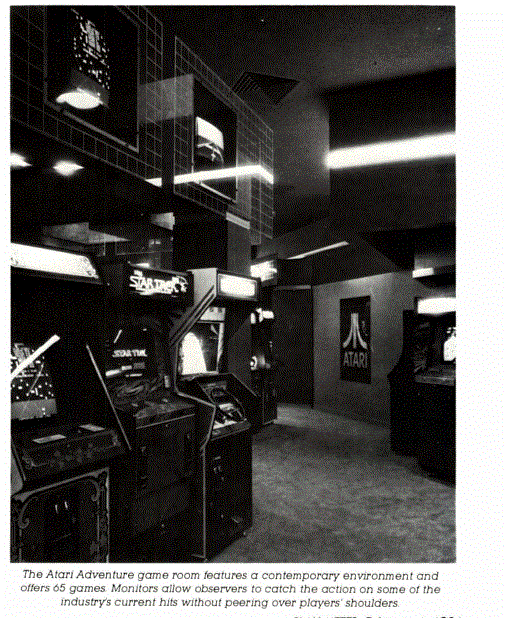
Below are several more photos—interiors, this time—of the Atari Adventure in Northwest Plaza Mall, St. Louis. The black and white is from the The Golden Age Arcade Historian, and the rest are from the Bill Poon Company, the architecture firm that designed the space. All are from 1983.

The Atari Adventure mission was supposed to include hands-on computer instruction, but it sounds like the Disneyland location was just a giant, dark, gnarly, submarine arcade.

Atari Adventure St. Louis-4

Atari Adventure St. Louis

Atari Adventure St. Louis-2

Atari Adventure St. Louis-3

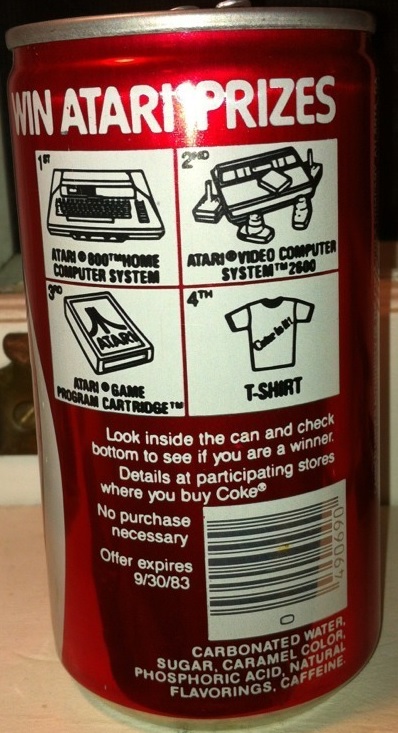
Coke Can, 1983

Atari Can 1983-2

Atari Can 1983

I don’t remember if it was this particular contest, but I sure as hell remember peering into Coke cans on numerous occasions to see if I’d won anything. The light had to hit it just right.

Coke is it!

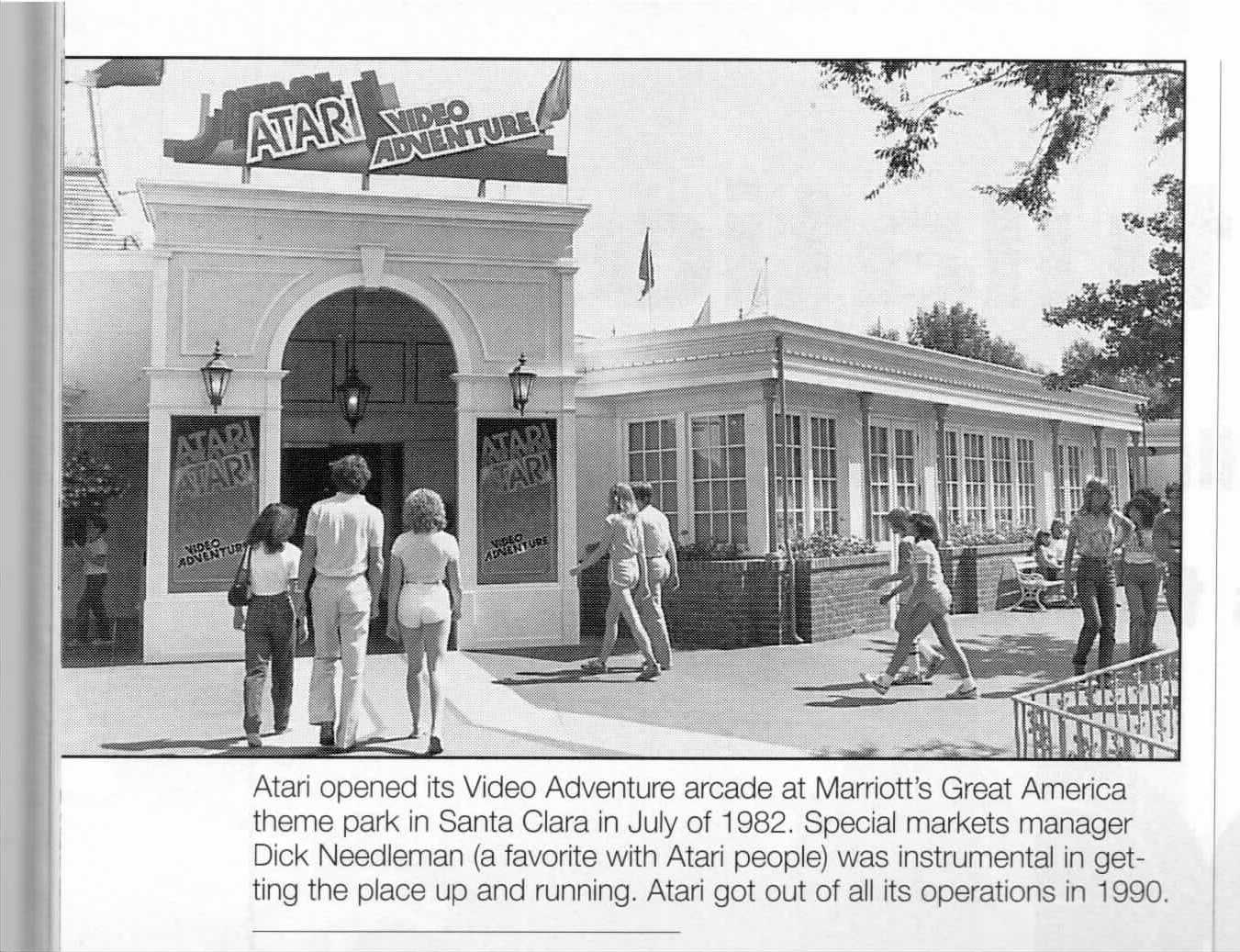
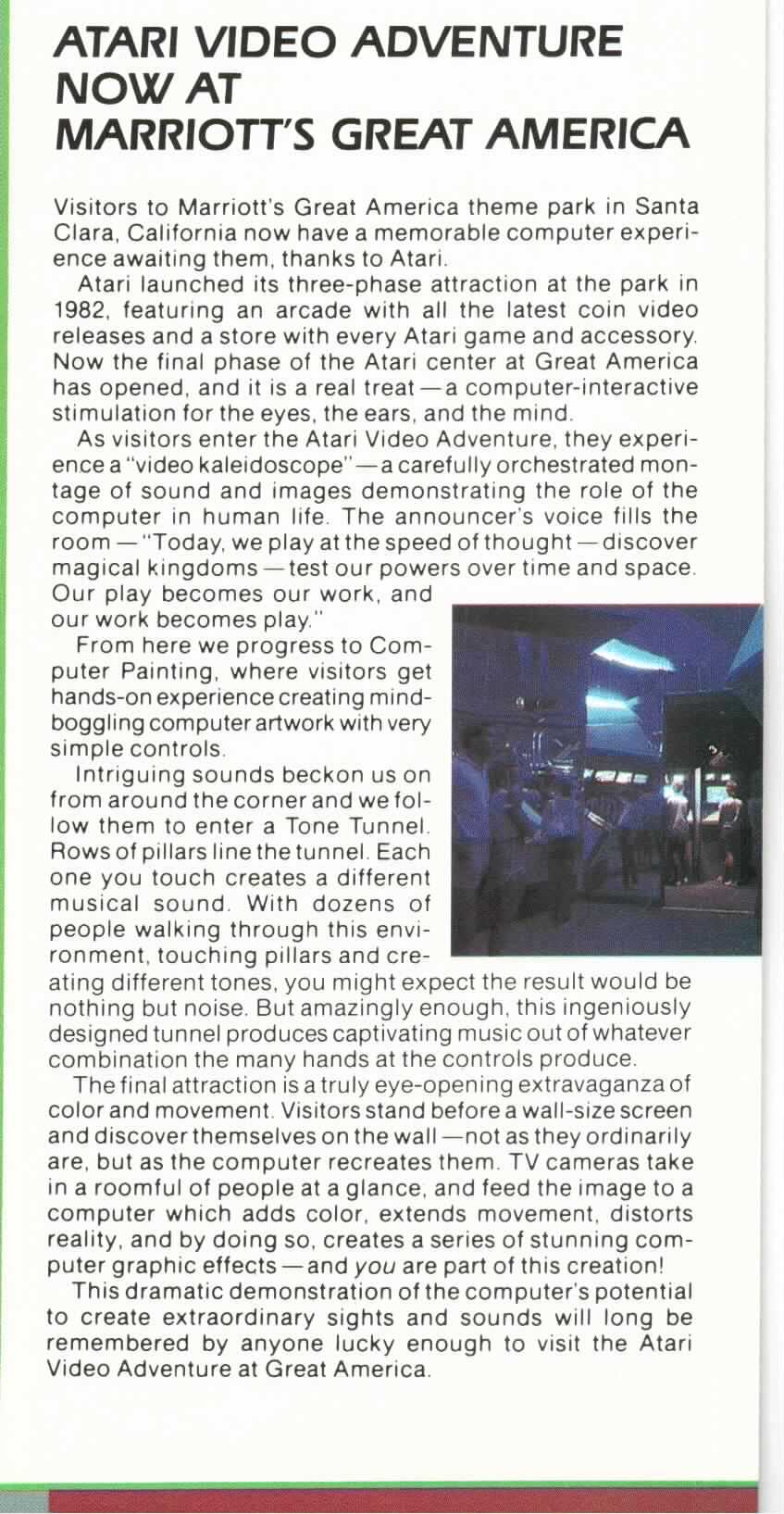
Atari Video Adventure (1982 – 1990)

Great America Atari Adventure

Atari Video Adventure, “the premier showcase for the newest innovations in computer learning and video excitement,” was a multi-stage attraction at Marriott’s Great America amusement park in Santa Clara, California. It opened in July 1982 and was completed in 1983. The photo is from a 1997 RePlay Magazine scan provided by Michael Current. (Current’s site is the most comprehensive web-based historical resource on Atari.) Here’s a description and walk-through, also via Current.

Atari Video Adventure

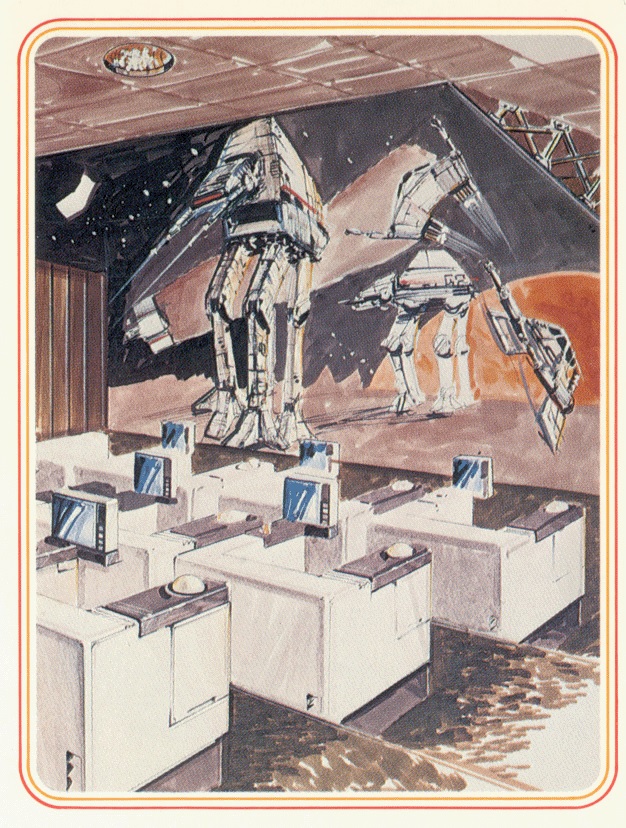
And here are some illustrations, probably concept art, from the Atari Museum.

Atari Adventure-1Atari Adventure-2Atari Adventure-3

I’m guessing the Hoth mural/scene is in the Computer Painting room. That looks like a trakball on the arm of the chair.

Atari Video Adventure was the first of several similar locations that opened across the U.S. in 1983. The others were called simply Atari Adventure. I’ll post some photos later this week.

British Kids Using Computers, 1980 – 1981

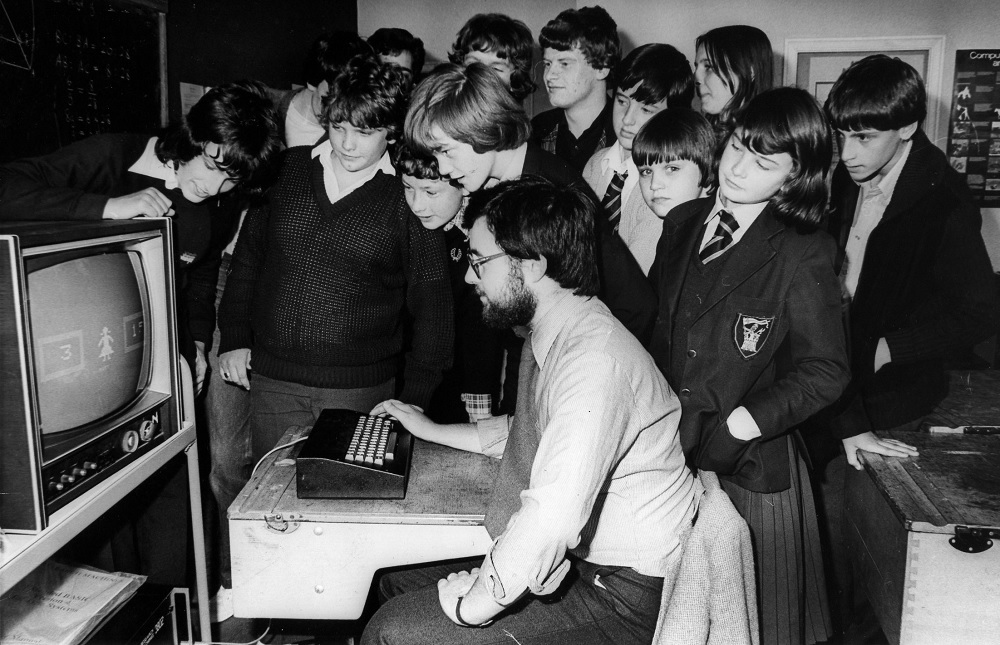
Mirror-2 1981

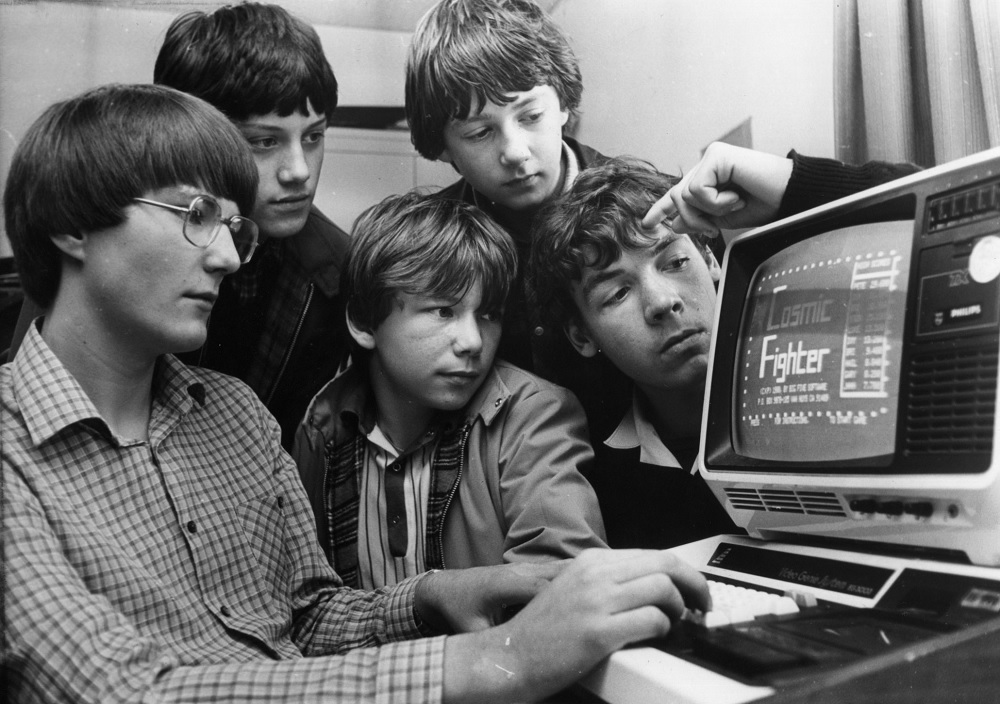
Slatyford Comprehensive School, 1981. Photo: The Mirror

All of the photos shown here are from The Mirror/Daily Mirror archives and collected by Us Vs Th3m. Click the link to see more.

The first one shows the lads on a Video Genie, known as the Dick Smith (of Dick Smith Electronics) System 80 in Australia and New Zealand, where it was important as an alternative to the scarce and largely unaffordable TRS-80. It appeared briefly in North America as the PMC-80.
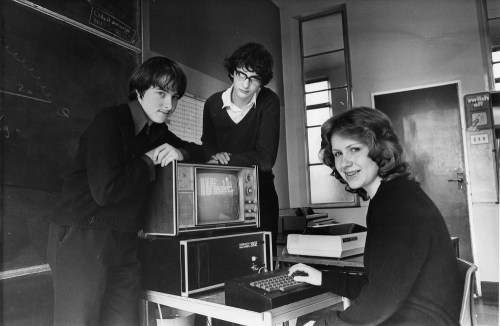
Mirror-3 1981

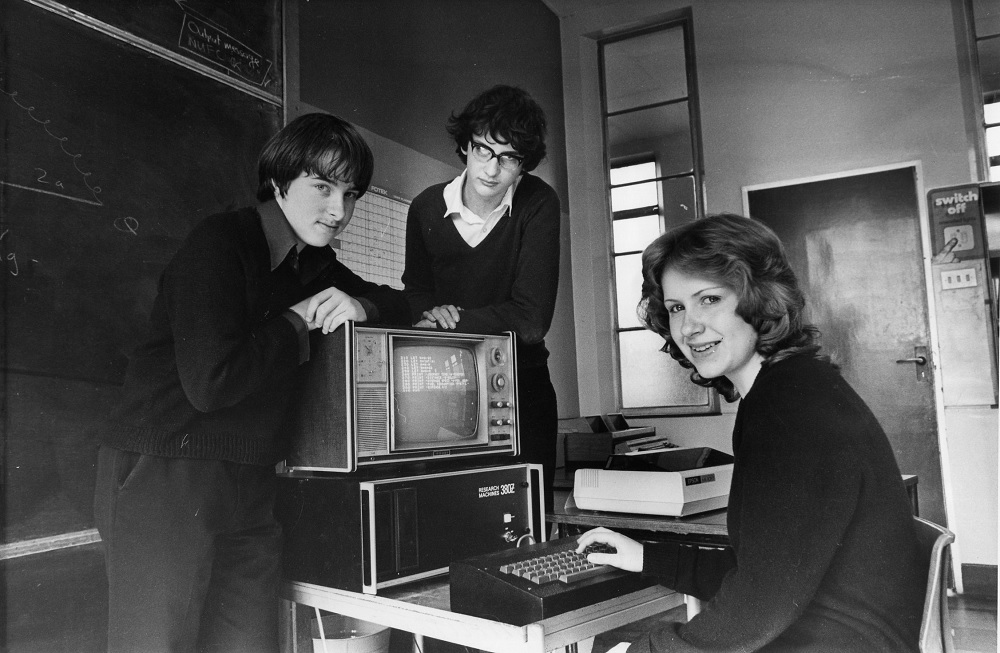
Longbenton High School, Newcastle, 1981. Photo: The Mirror

The Research Machines 380Z was developed and produced in Oxford for the education market starting in 1977. It was succeeded in 1981 by the Link 480Z, although the 380Z continued to be produced until 1985.
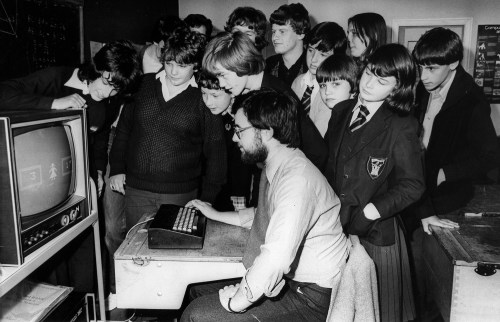
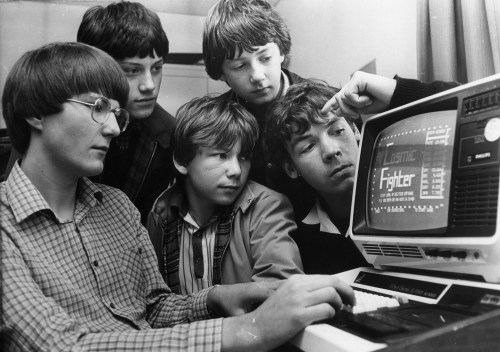
Mirror-4 1980

Benfield Road High School, 1980. Photo: The Mirror

Another 380Z (the CPU is under the TV). The aloof pose of the young lady on the right reminds me of the young lady in this photo. Not everyone found the new technology thrilling, or even interesting.
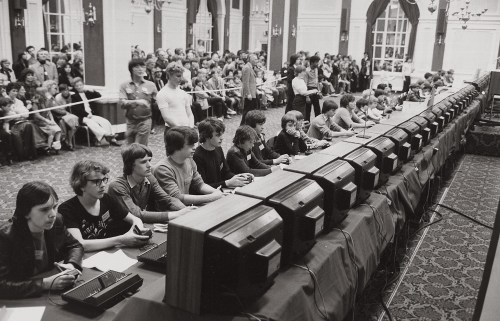
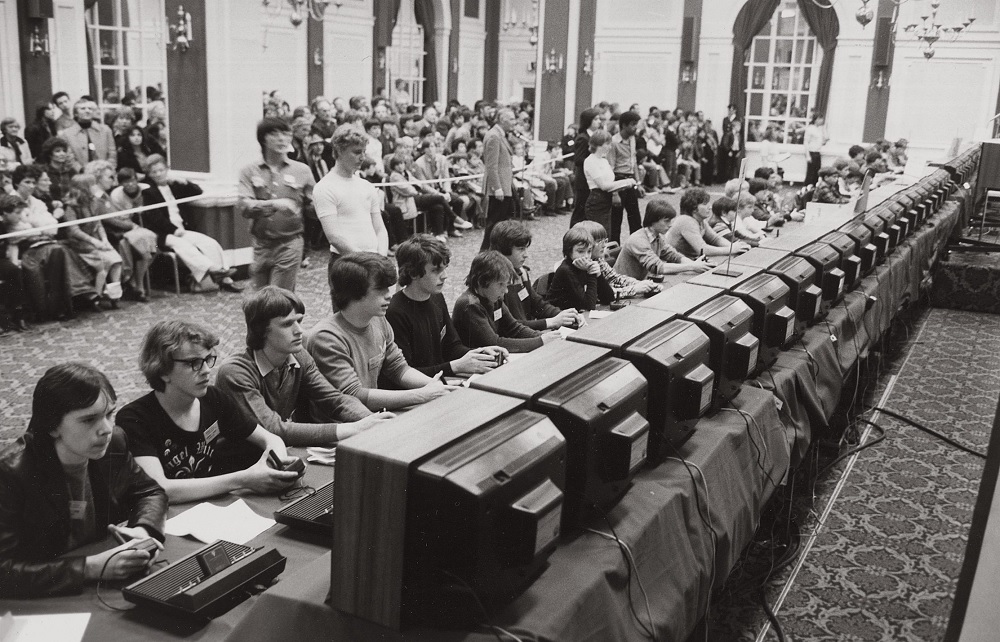
Mirror-1 1980

Space Invaders World Championship, 1981. Photo: The Mirror

Okay, so the kids aren’t really “computing,” but it’s a beautiful shot. The description identifies the scene as the “National Space Invaders Championship” of 1981, but that event, probably the most famous video game tournament in history, took place in late 1980, and it was exclusive to the U.S. (The Golden Age Arcade Historian talks about it here.) The Space Invaders World Championship was held in 1981.


Pages

Archives

Categories

Donate Button

Join 1,118 other subscribers