Archive Page 78

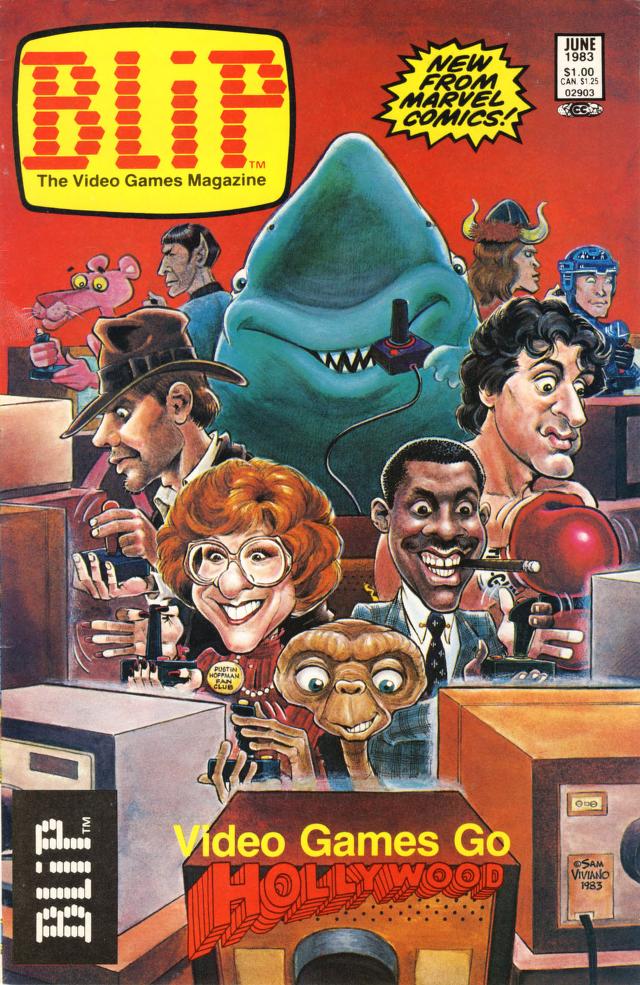
Blip #5 (June, 1983): ‘Technology + Tradition = Summer Fun’

Blip #5 1983-1

Blip #5 1983-8

Blip #5 1983-5

Blip #5 1983-6

Blip #5 1983-7


Blip #5 1983-2

Blip #5 1983-3

Blip #5 1983-4

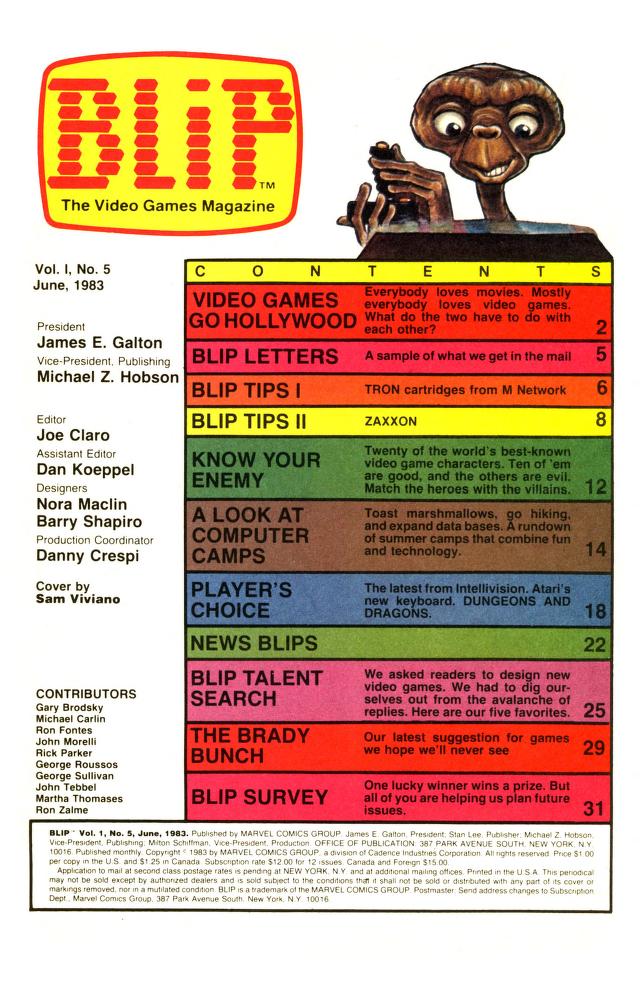
Blip was Marvel’s short-lived—seven issues only—foray into the video game world. It was colorful but silly, printed on comic stock and marketed to younger kids.

Page two talks about the development of Atari’s E.T., and refers to TRON (the movie) as a “flop.” Ripping every gamer’s favorite flick was probably not a good idea.

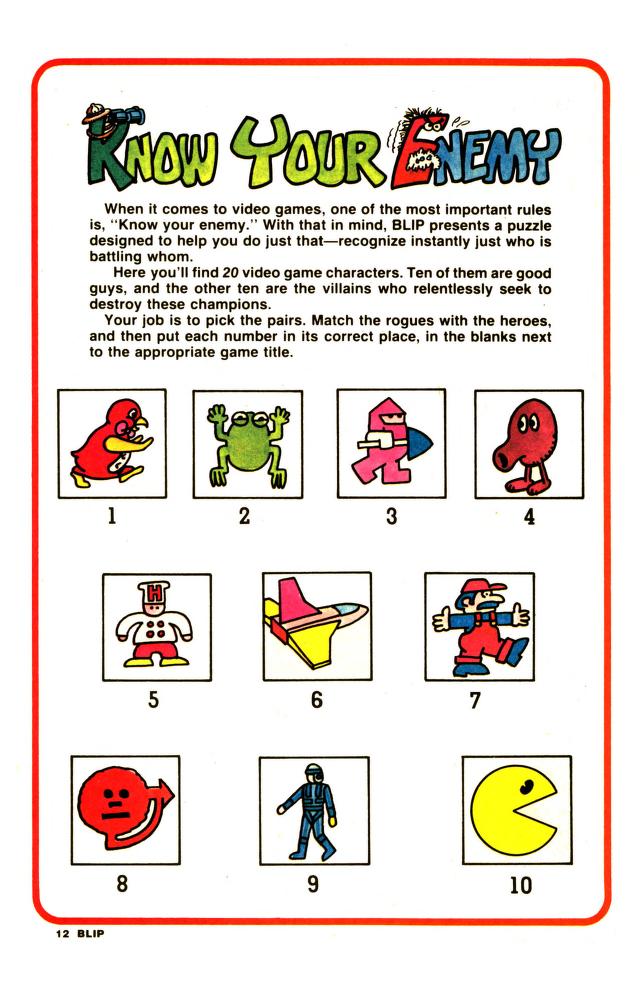
The activity on pages 12 and 13 is representative of the entire run. Kids of every age would have found it condescending.

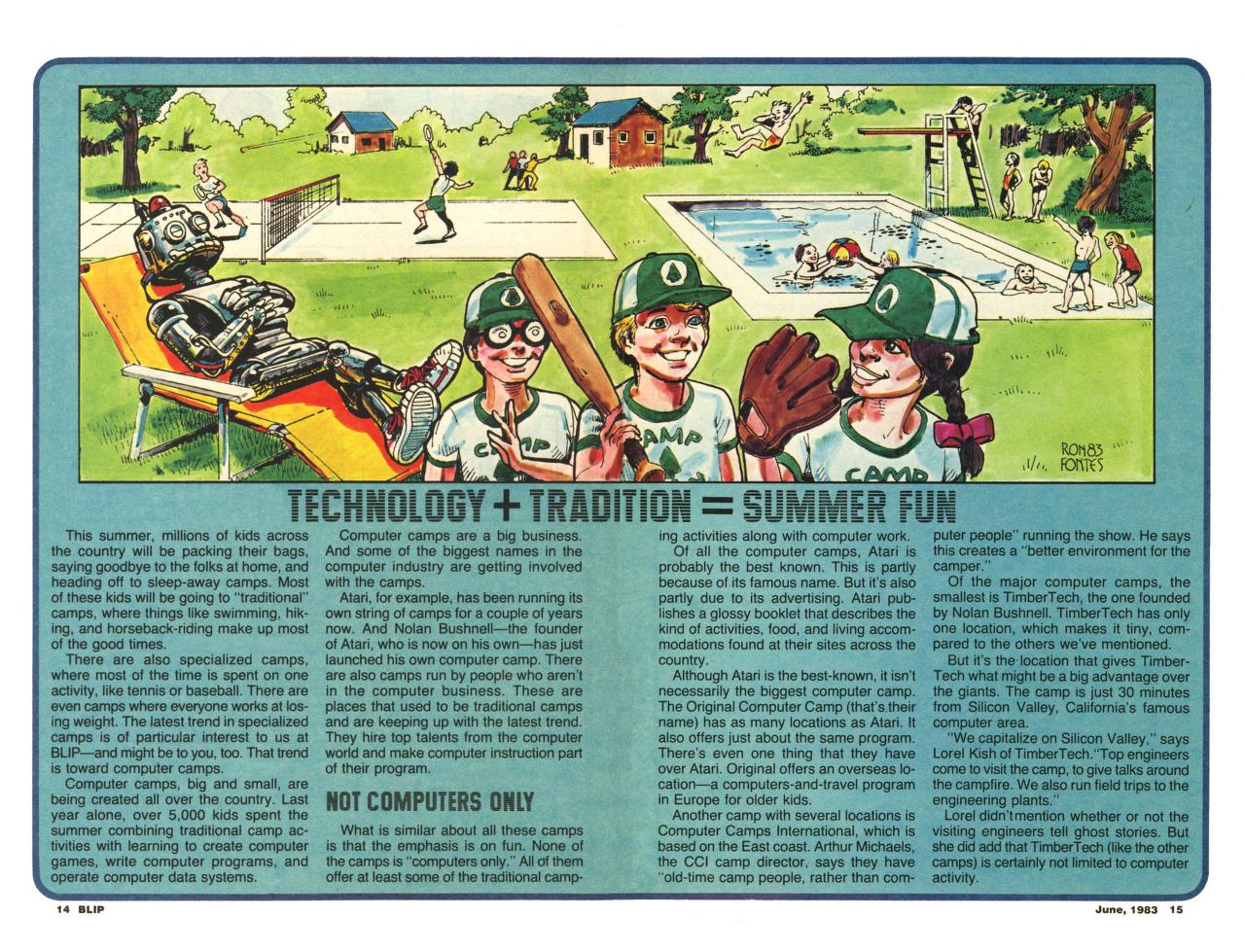
Pages 14 and 16 are about computer camp, one of my favorite subjects. I wrote about the Atari camp here. I love the robot on the lawn chair, even though it’s a clunky (pun intended) metaphor.

And, if you weren’t feeling old enough already, how about the “News Blips” on page 23?

The most amazing feature of the Concept 100 is its satellite hookup. That’s right—this car will actually have a computer that is tuned in to a satellite orbiting in space. What good is this? One big advantage is tracking. If you ever get lost, just order up a map and the satellite will find your car…

Read the whole issue, and the whole run, at archive.org.

Board Games: Dragonmaster (Milton Bradley, 1981)

Dragonmaster 1981

Dragonmaster 1981-2

Dragonmaster 1981-4

Dragonmaster 1981-3

Dragonmaster is a straightforward, trick-taking card game with a sword and sorcery theme. What makes it interesting is the spectacular art, which resembles that of another, better known Milton Bradley game from the same year, Dark Tower. Here’s a shot of the different screens in Dark Tower for comparison:

Dark Tower 1981

The same talented gent, Bob Pepper, illustrated both games. Pepper is probably most famous for his kaleidoscopic cover art for Forever Changes (1967), one of the greatest rock albums of all time. He also did numerous, ultra-stylized sci-fi/fantasy paperback covers from the late 1960s until the early 1980s, including a series of unforgettable Philip K. Dick covers for DAW. Less well known are his beautiful classical album covers—for Bartok, Schubert, Puccini, Bach. I’ll feature more from Pepper soon.

Once again we see the influence of the psychedelic movement of the 1960s on the fantasy renaissance of 1975 – 1985.

You can read a short interview with Pepper at Well of Souls, a Dark Tower fan site.

UPDATE: See a complete set of Pepper’s Dragonmaster cards here.

(Images via Board Game Geek)

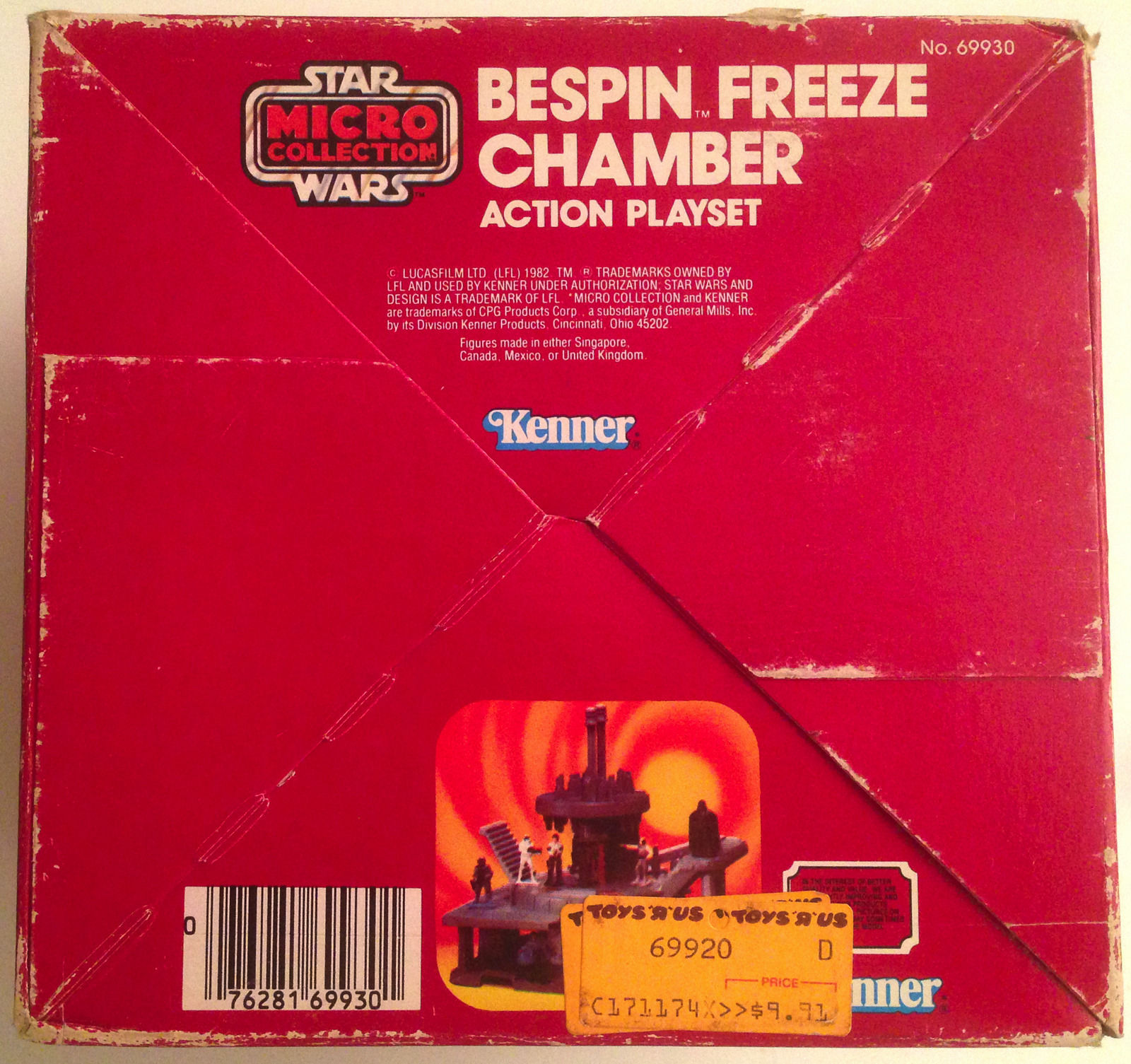
Star Wars Micro Collection: Bespin Freeze Chamber Action Playset (Kenner, 1982)

SW Bespin Micro 1982

SW Bespin Micro 1982-2

SW Bespin Micro 1982-3

SW Bespin Micro 1982-4

SW Bespin Micro 1982-5

SW Bespin Micro 1982-6

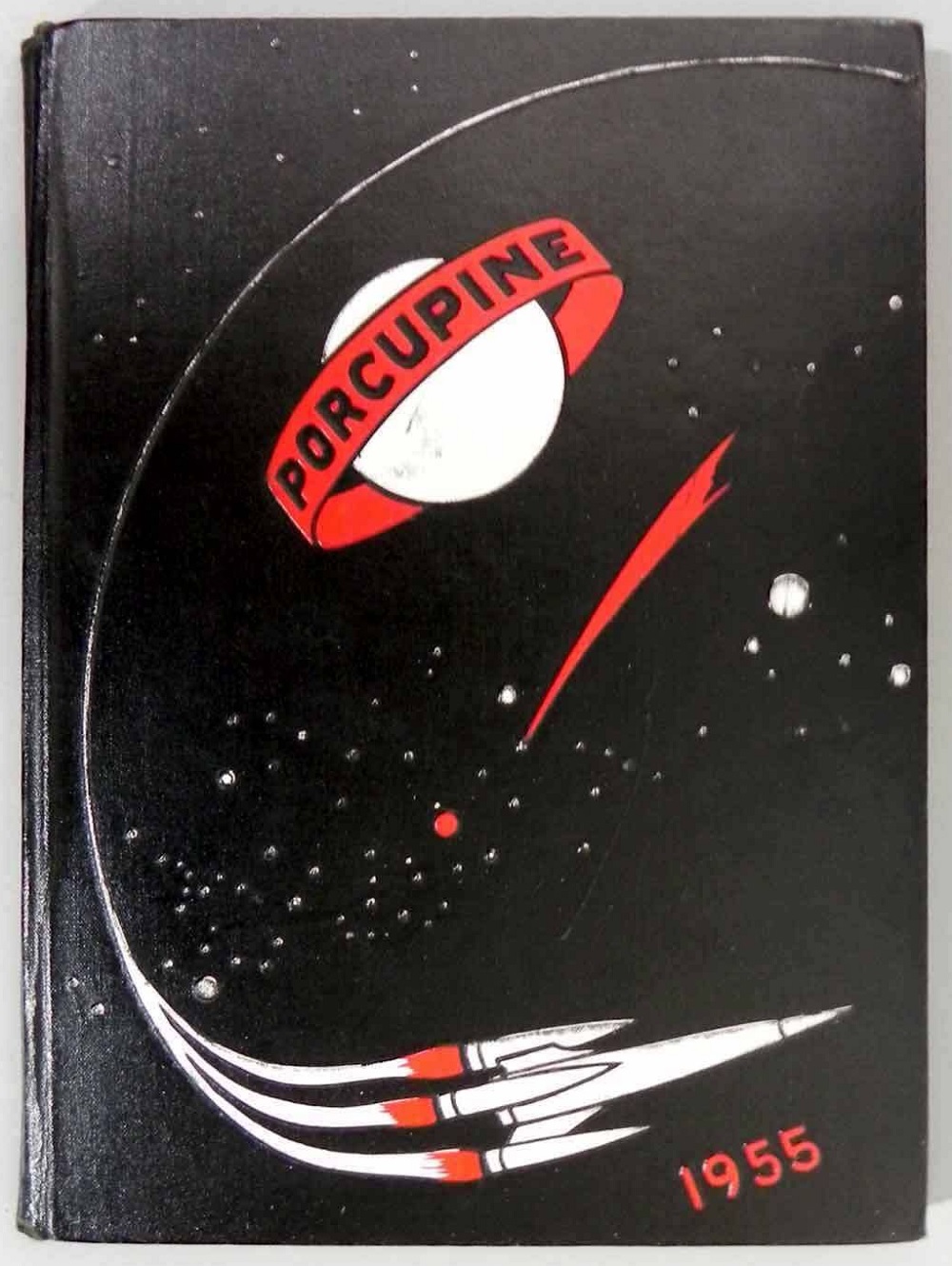
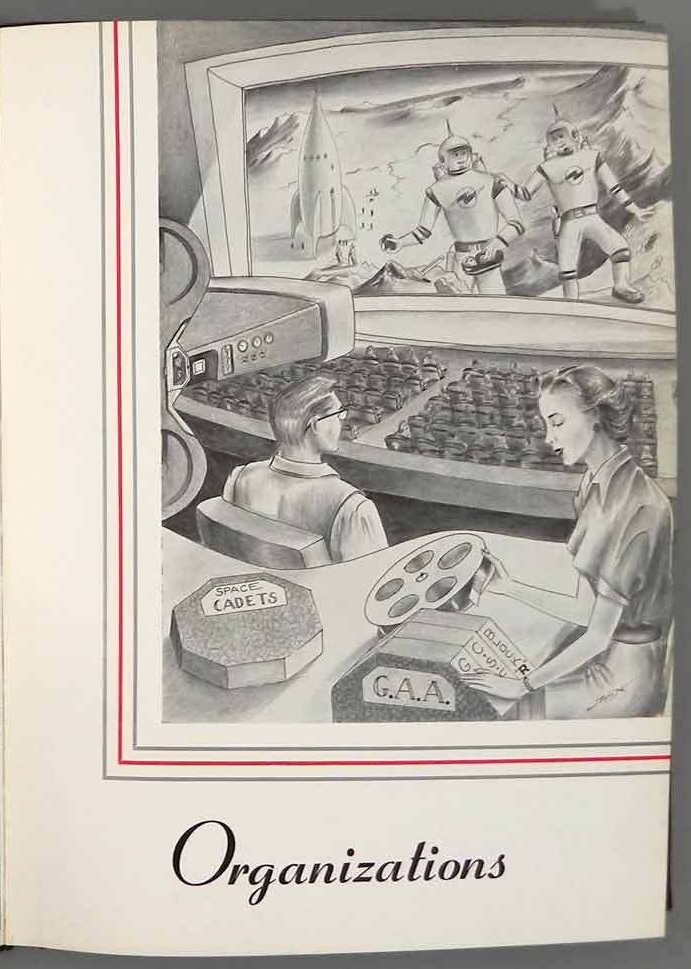
Reedley High School Yearbook, 1955

Reedley 1955

Reedley 1955-2

Reedley 1955-3

Reedley 1955-4

Reedley 1955-5

Reedley 1955-6

Reedley 1955-7

Reedley High School (public) is in Fresno County, California. The illustrations are gorgeous, and telling. Historians generally cite 1955 as the year the Space Race began, and the phrase “flying saucer” dates to 1947 (“UFO” was officially adopted by the U.S. Air Force in 1952). The futuristic Reedley is a great example of the Mid-Century modern aesthetic.

Take some time to read some of the notes when you can. Here’s one from the first page:

I hope you get cheer leader, at least I voted for you. You’re a real cute kid with a personality to match keep it up – don’t get to conceited – have much fun

lots of luck

“Real cute kid” and “real swell girl” come up often, and both sexes use it.

(Photos via eileensbooks/eBay)

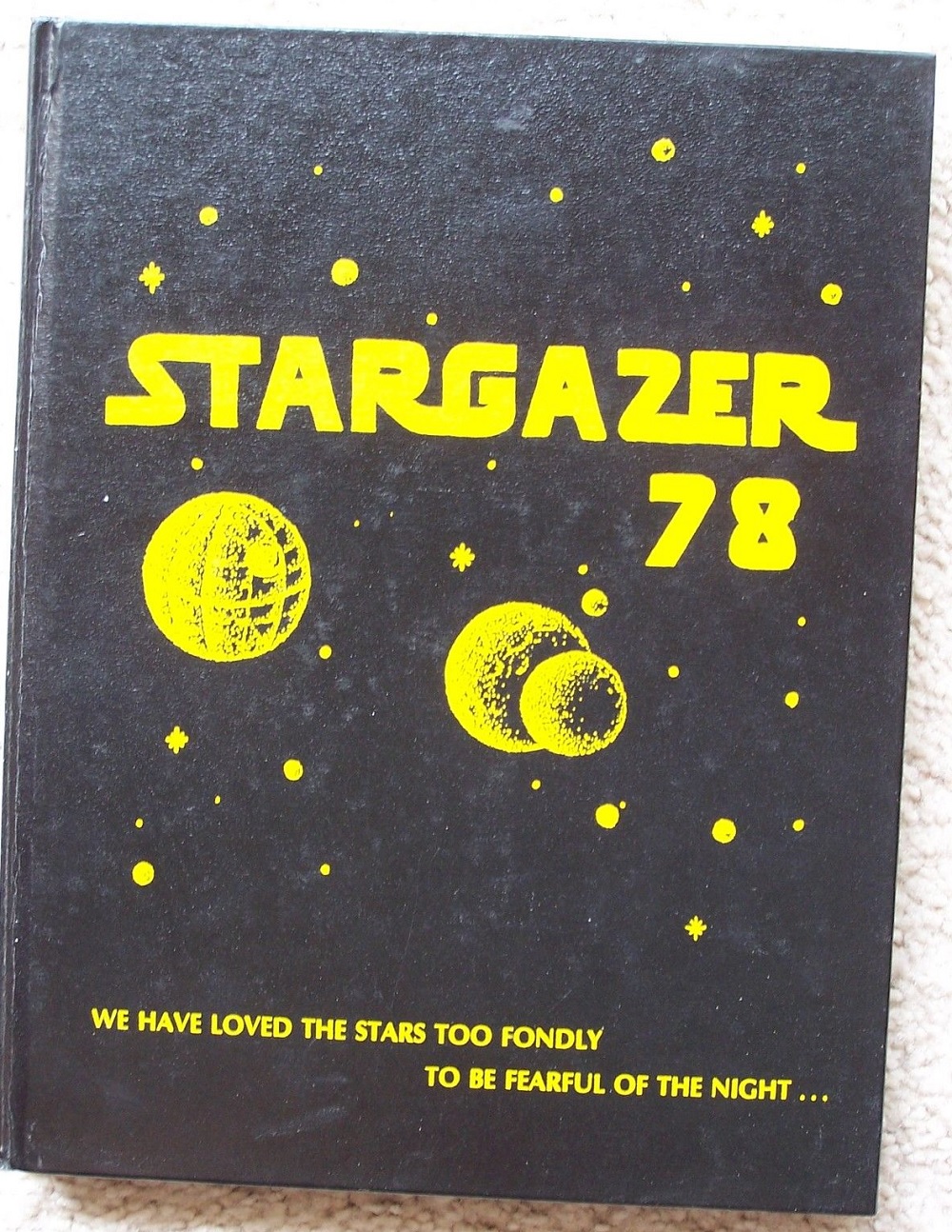
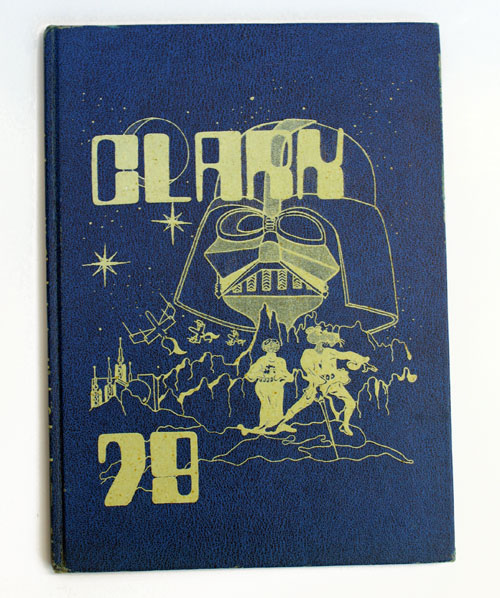
High School Yearbook Covers, 1978 – 1979 (Part One)

1978-6

1978-5

1978-1

1978-4

1978-2

1979-1

1979-6

1979-4

1979-3

1979-5

1979-6

1979-2

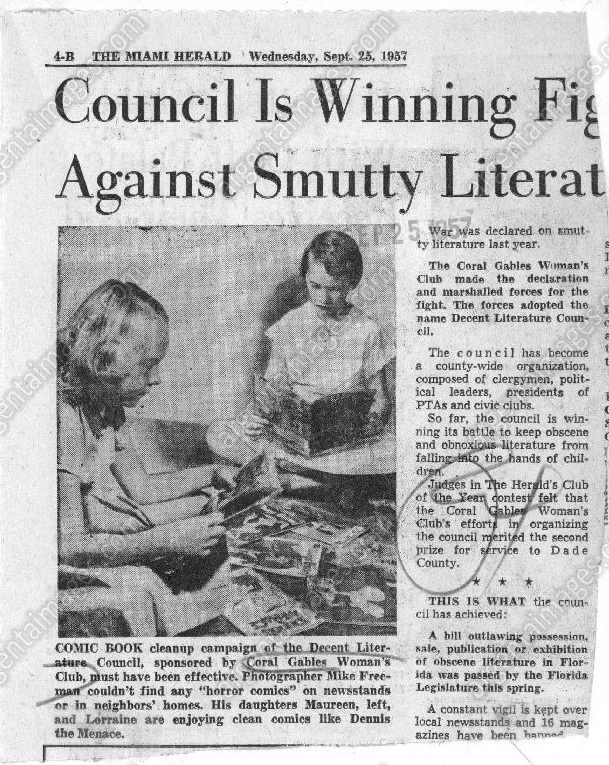
Girls Reading Comic Books, 1957

Girls Reading Comics 1957

September 25, 1957. (Photo: Miami Herald)

Girls Reading Comics 1957-2

The Decent Literature Council, established in 1956, was active well into the 1960s. Its mission was “to protect youth from obscenity and pornography.” Here’s one of the directors, from a 1961 Miami News story:

We have found from resource reading… that pornographic literature becomes like a drug. As a child reads, he requires stronger doses, and it finally becomes destructive.

And here’s Charles Keating, Chairman of Citizens for Decent Literature (est. 1958), speaking to the Decent Literature Council in 1964:

The material constitutes a detailed course of instruction in perversion…

These sex-mad magazines are creating criminals faster than we can build jails to house them.

The publications provide youngsters with an entry to the world of lesbians, homosexuals, sadists, and other deviates whose names and actions are unknown to most decent people of this country.

If Keating’s name sounds familiar, it’s because he was at the center of the Savings and Loan Crisis of the late 1980s. He was convicted of fraud, racketeering, and conspiracy, and went to jail. (Luckily, we still had one to house him.)

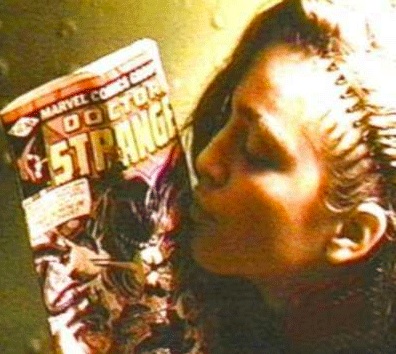
Madonna Kissing Dr. Strange #45, Circa 1981

Madonna Strange

So says Rob Kelly, author of a book I would like to read called Hey Kids, Comics!: True Life Tales from the Spinner Rack.

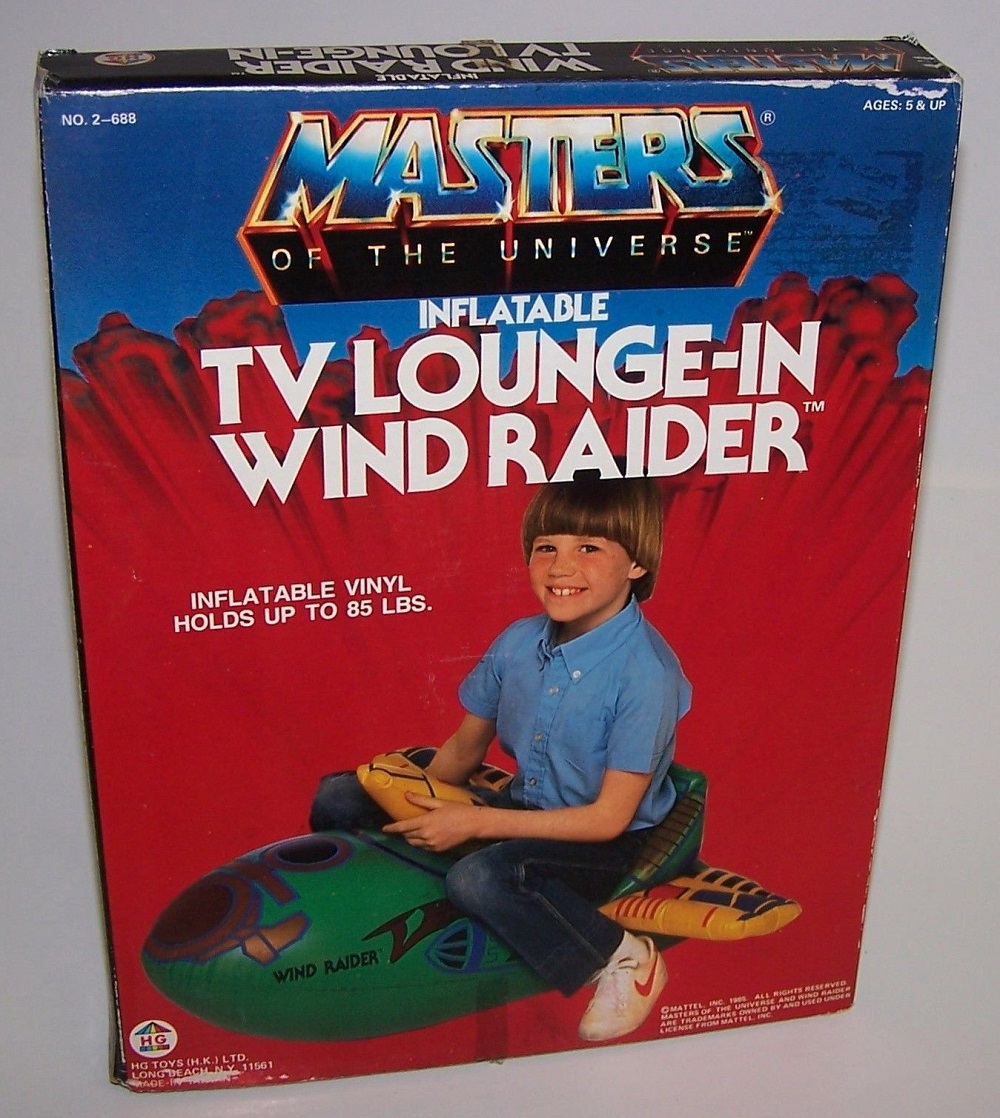
HG Toys: Masters of the Universe Inflatable Wind Raider (1985)

MOTU Wind Raider 1985

MOTU Wind Raider 1985-2

You guys are on your own. I’m all out of clever this morning.

(Images via Toyhelper/eBay)

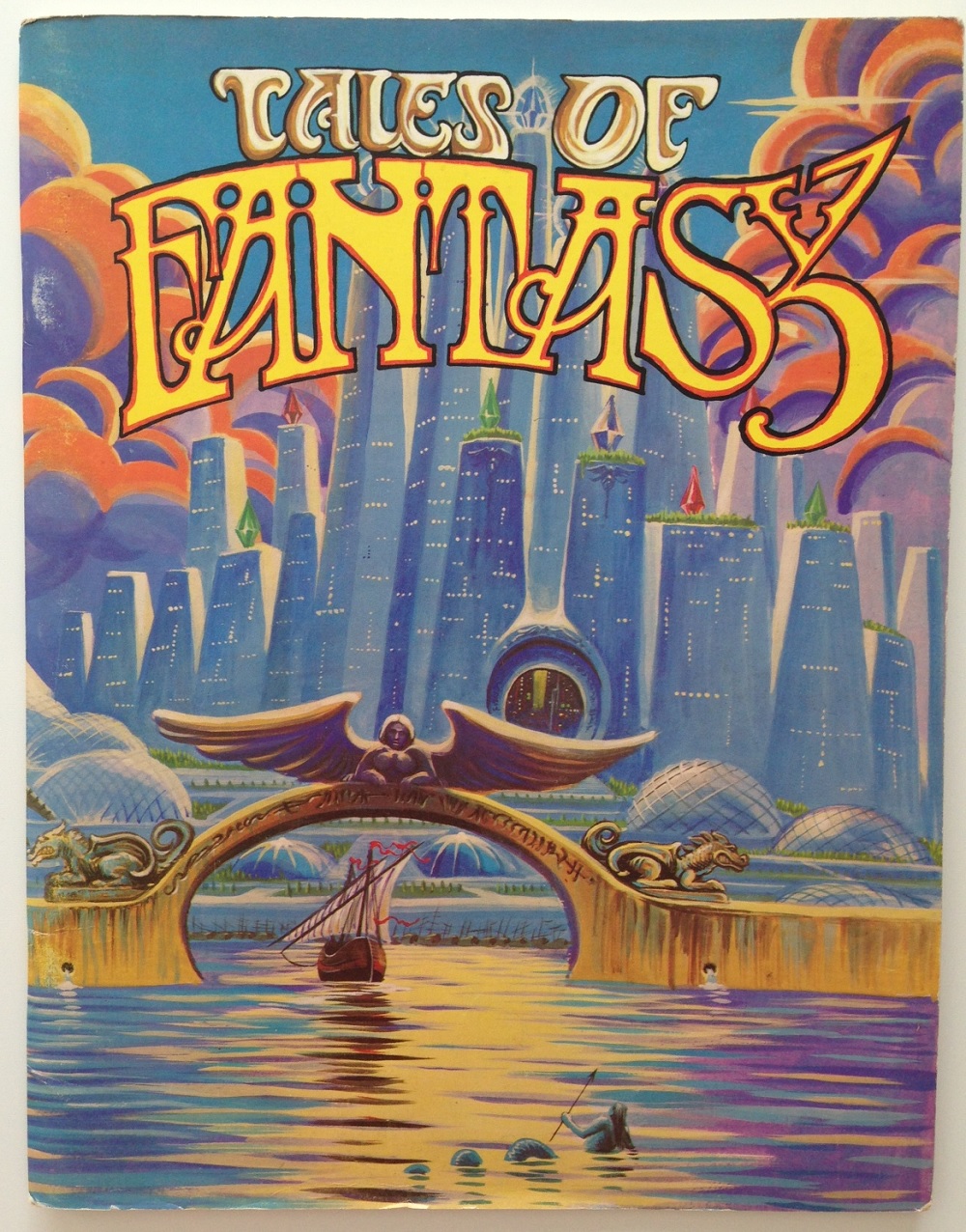
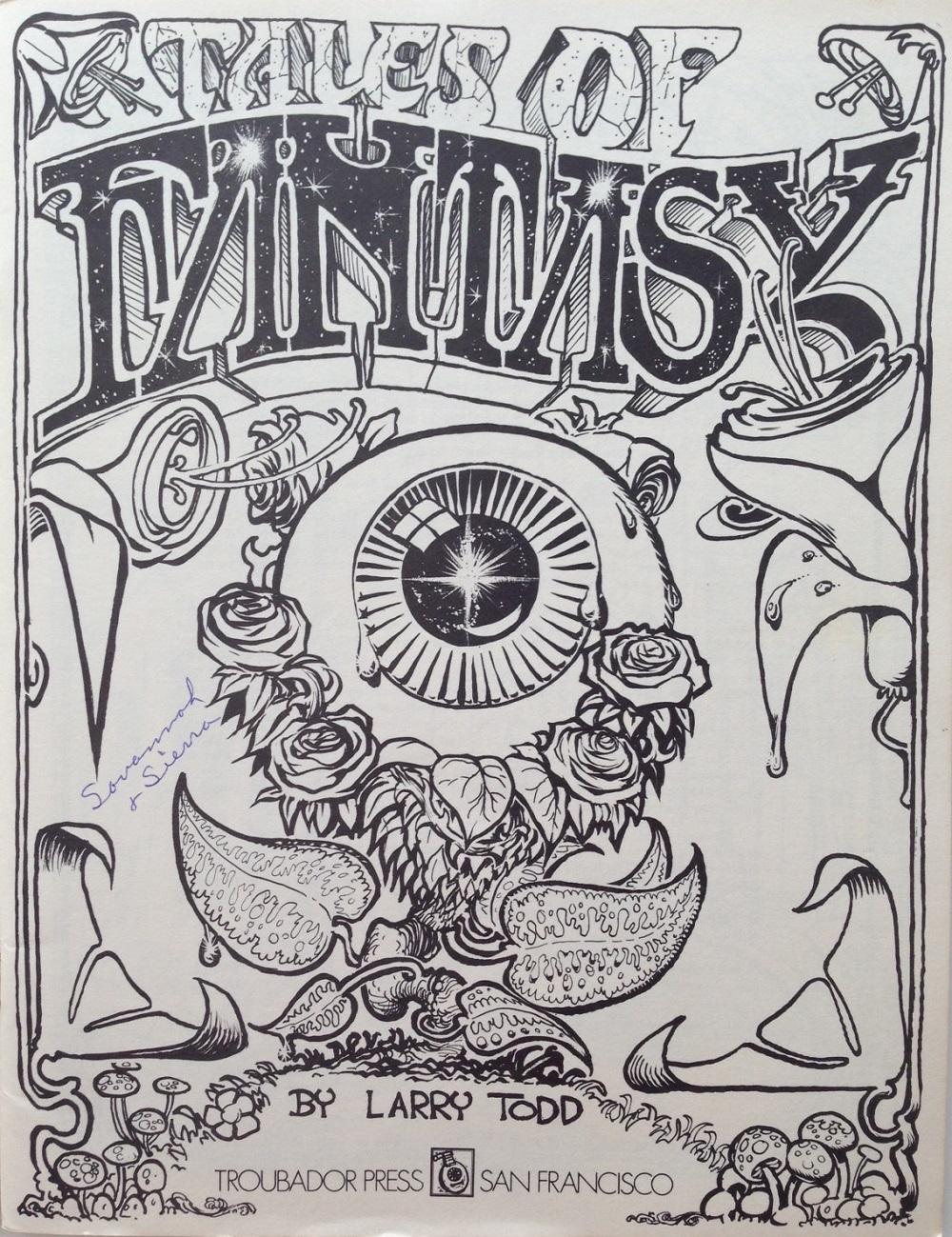
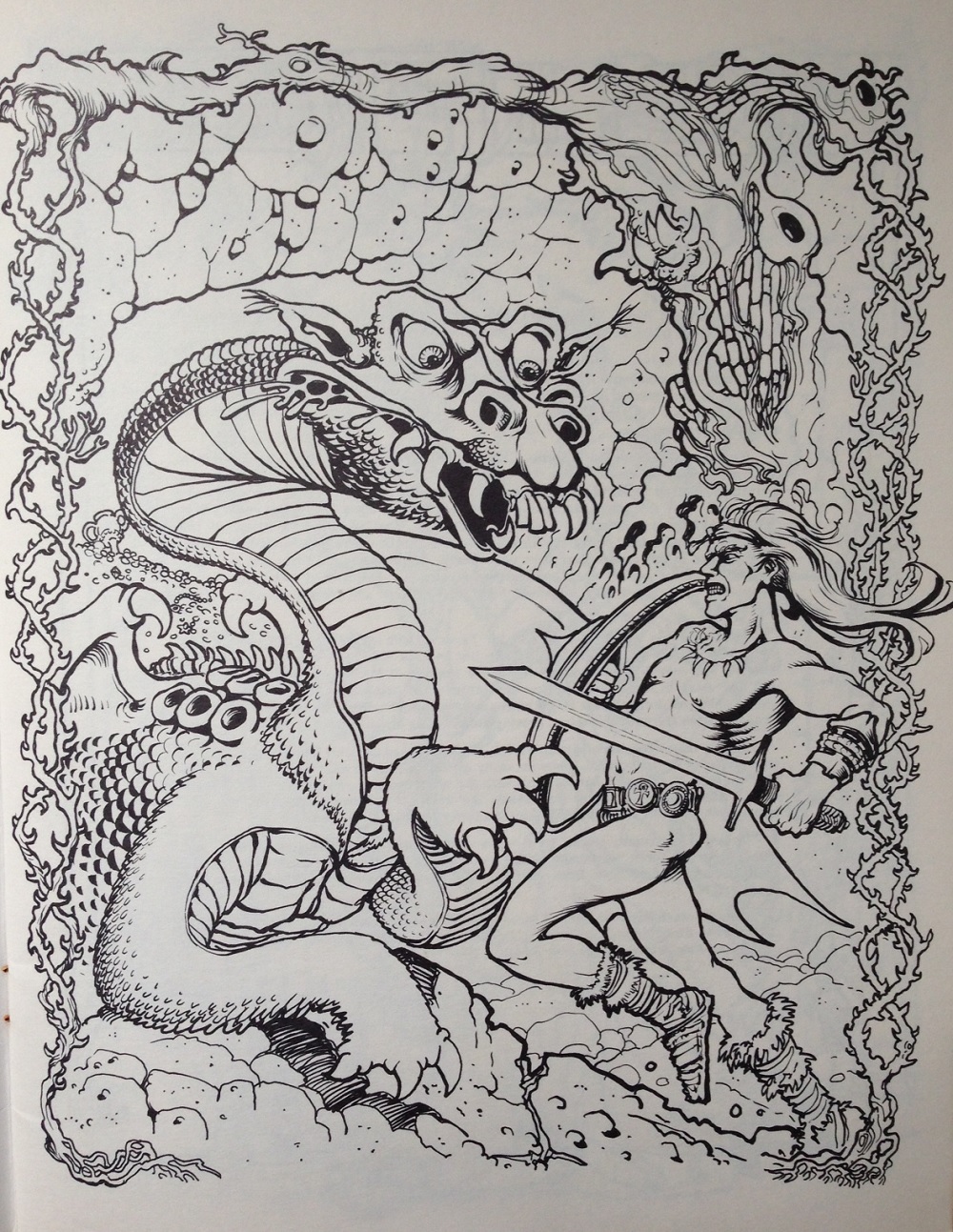
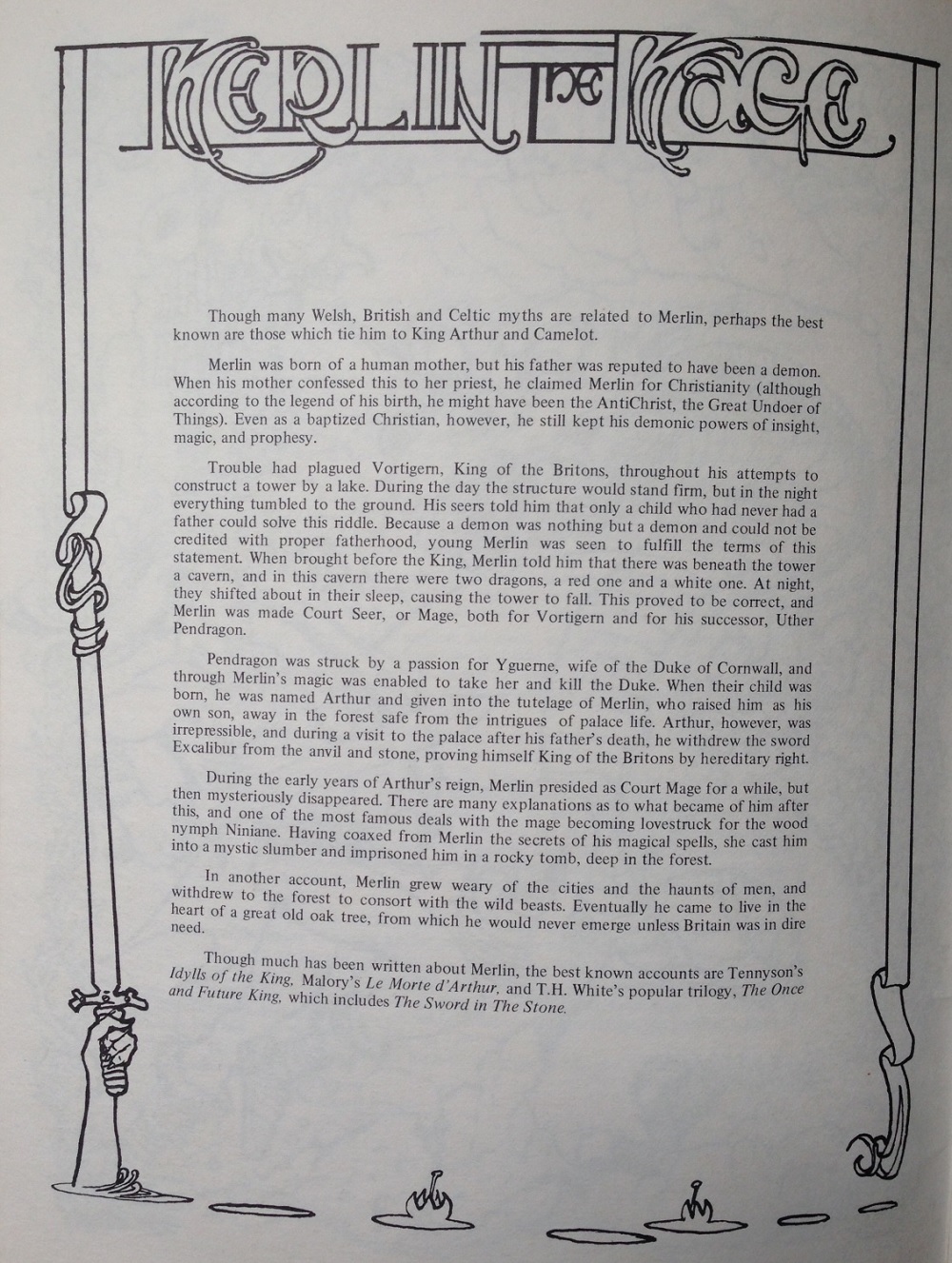
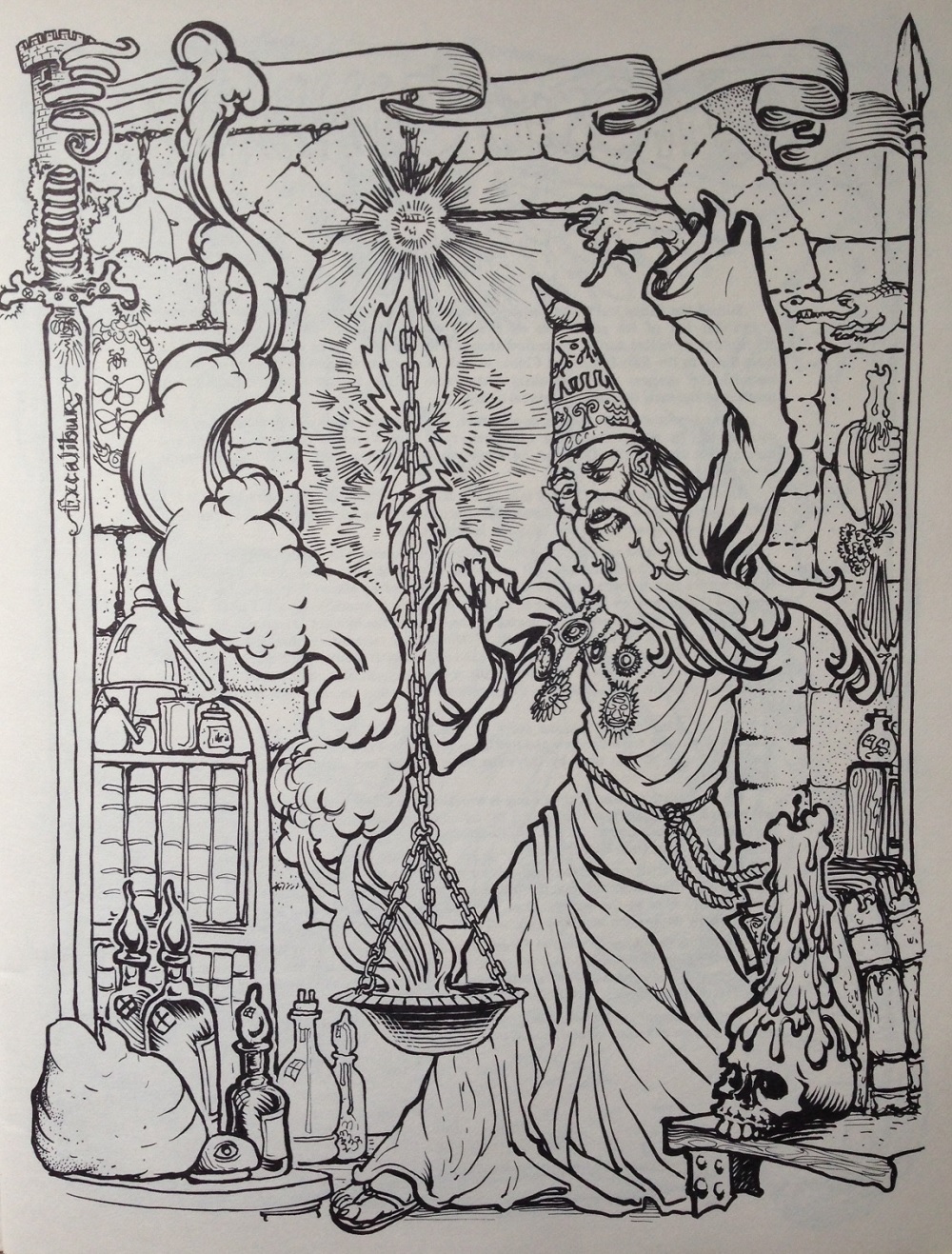
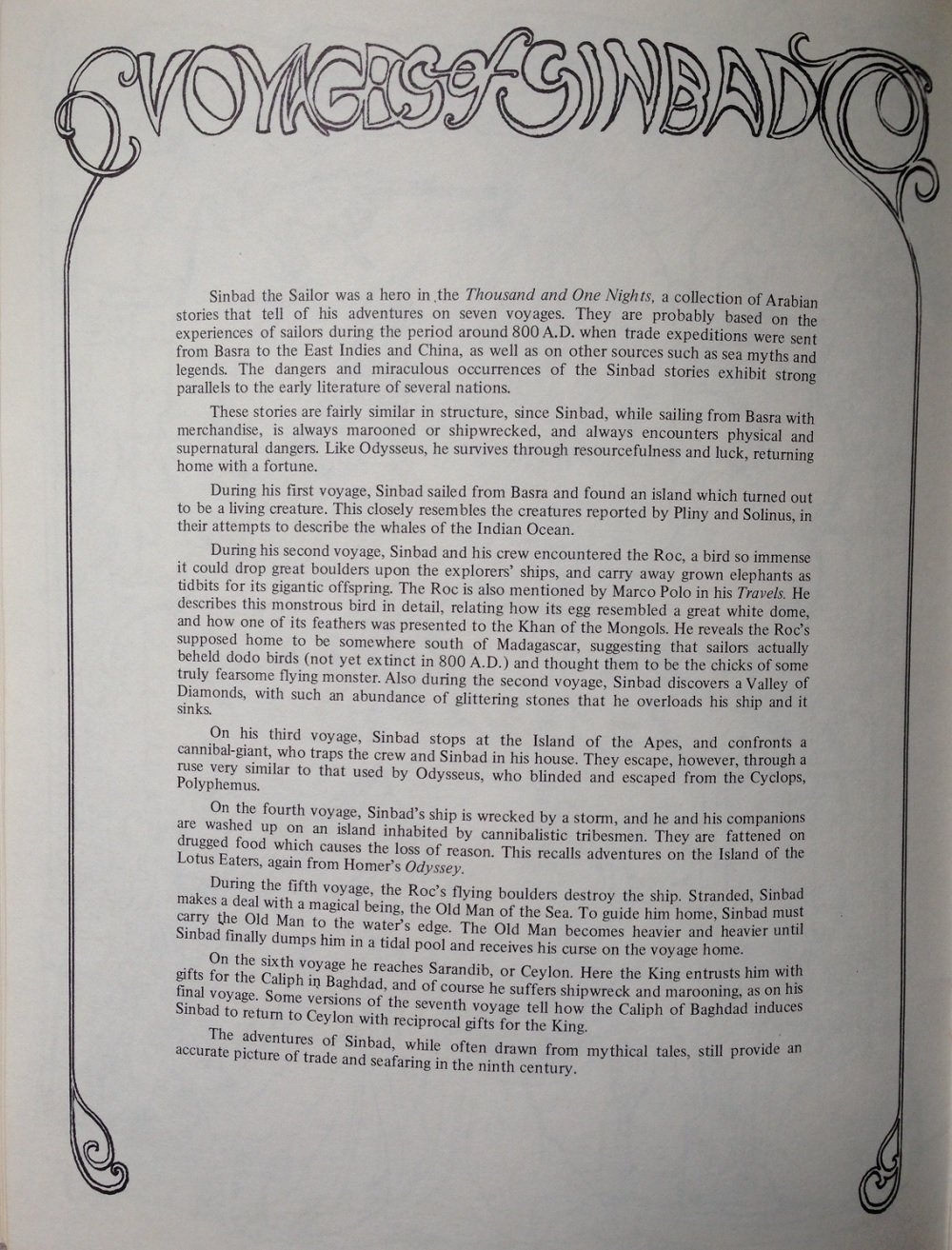
Tales of Fantasy by Larry Todd (Troubador Press, 1975) (Part One)

TOF FC 1975

TOF TP 1975

TOF-1TOF-2

TOF-3

TOF-4

TOF-5TOF-6

TOF-7

TOF-8

TOF-9TOF-10

TOF-11TOF-12

TOF-13

TOF-14

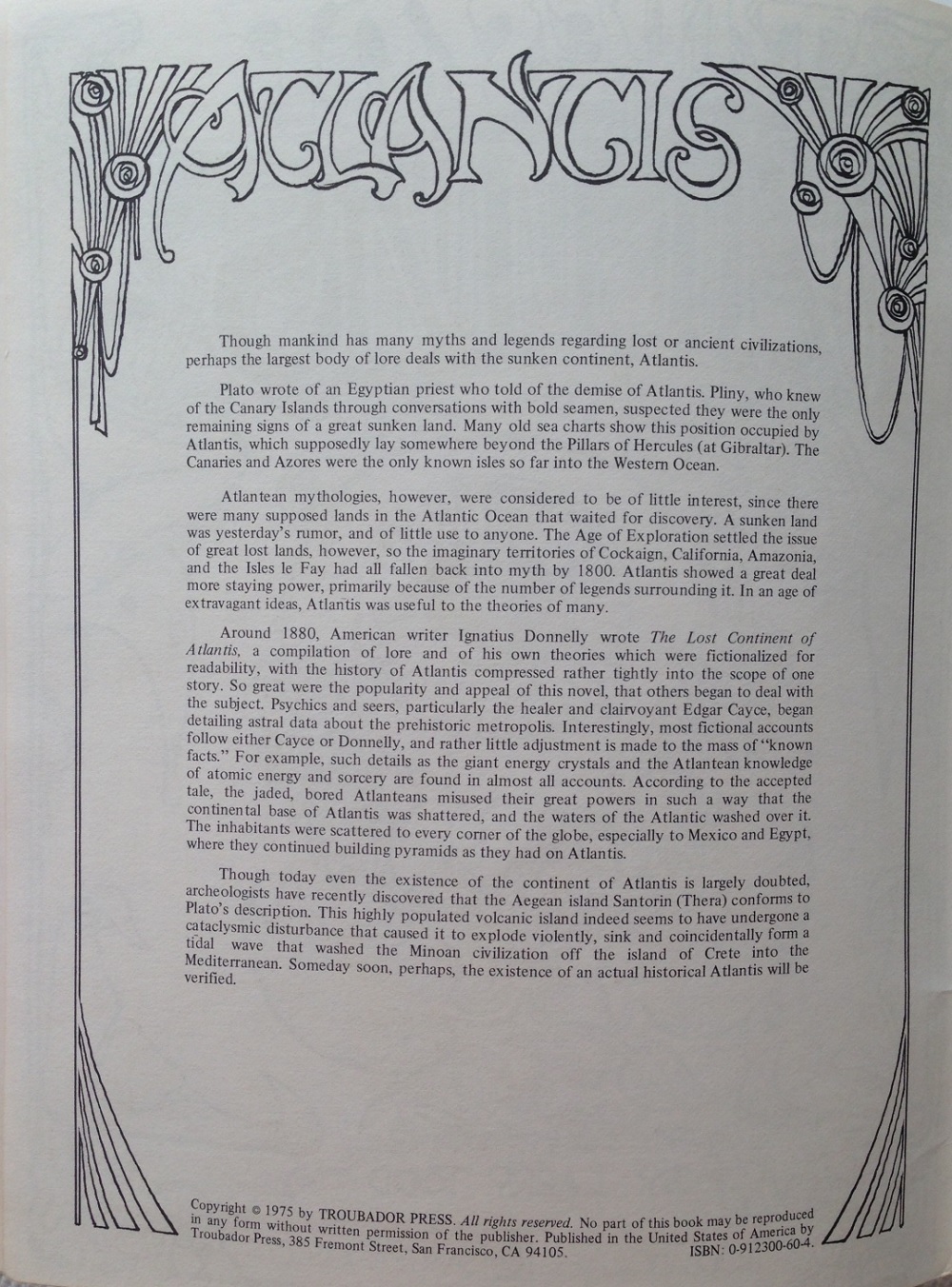
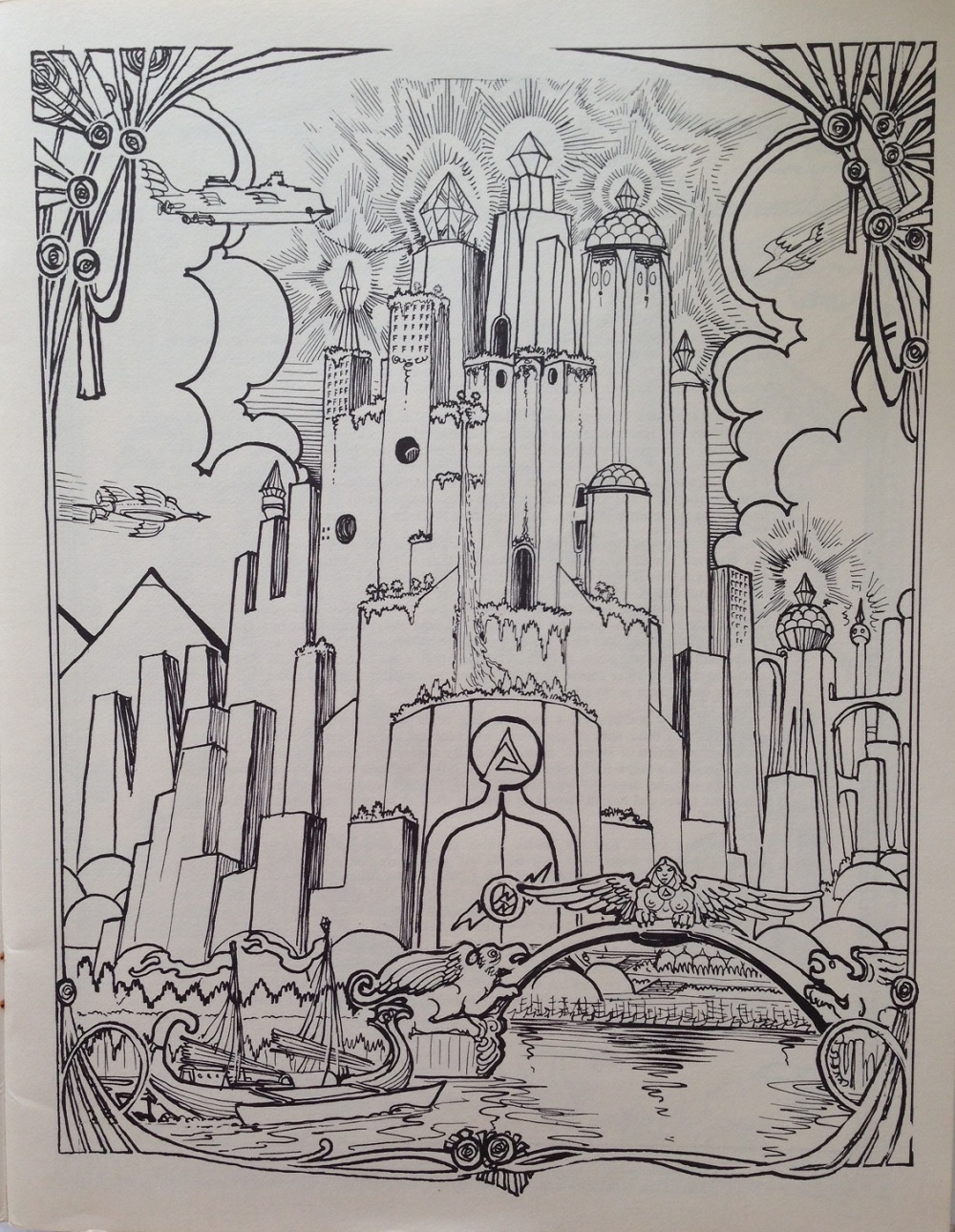
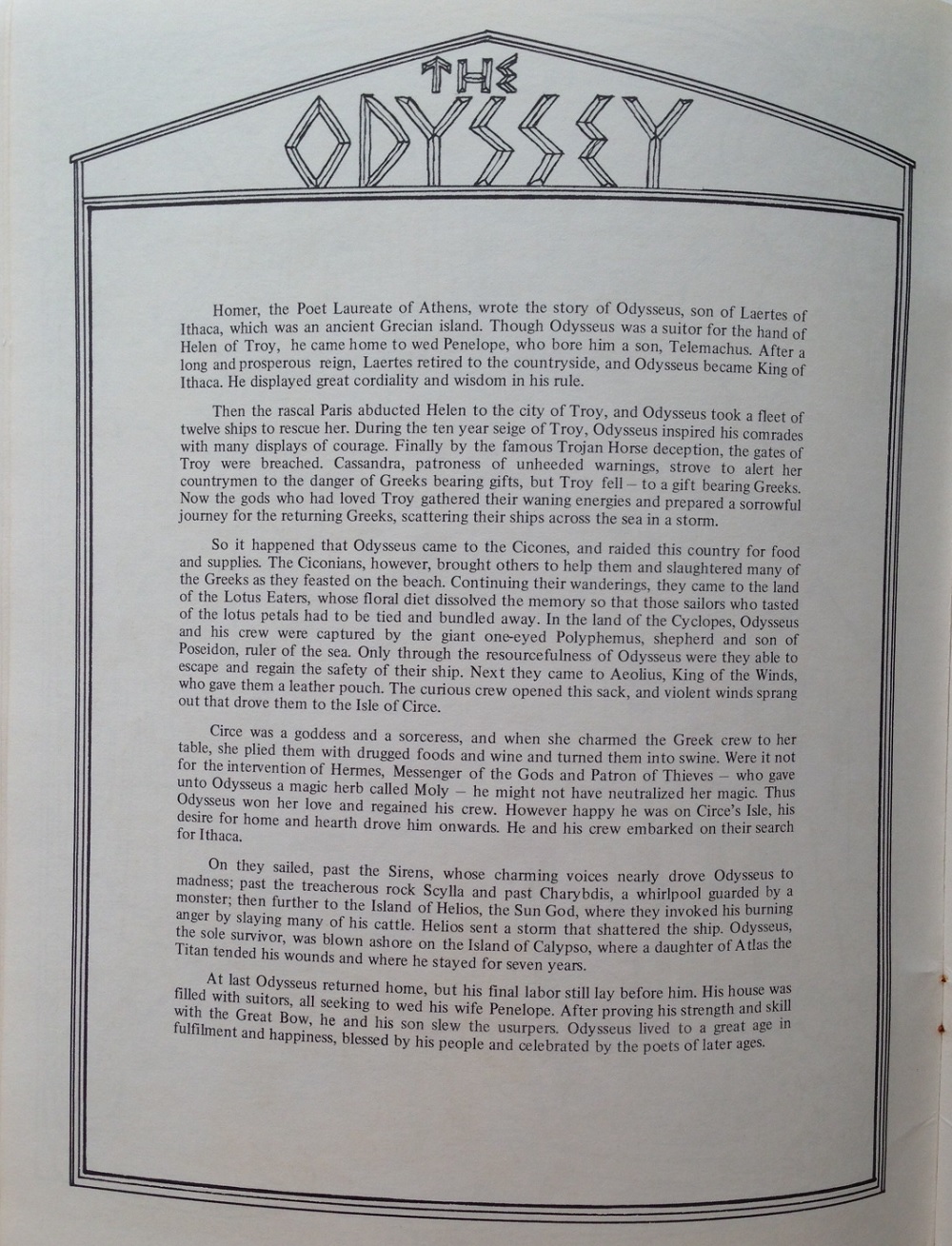
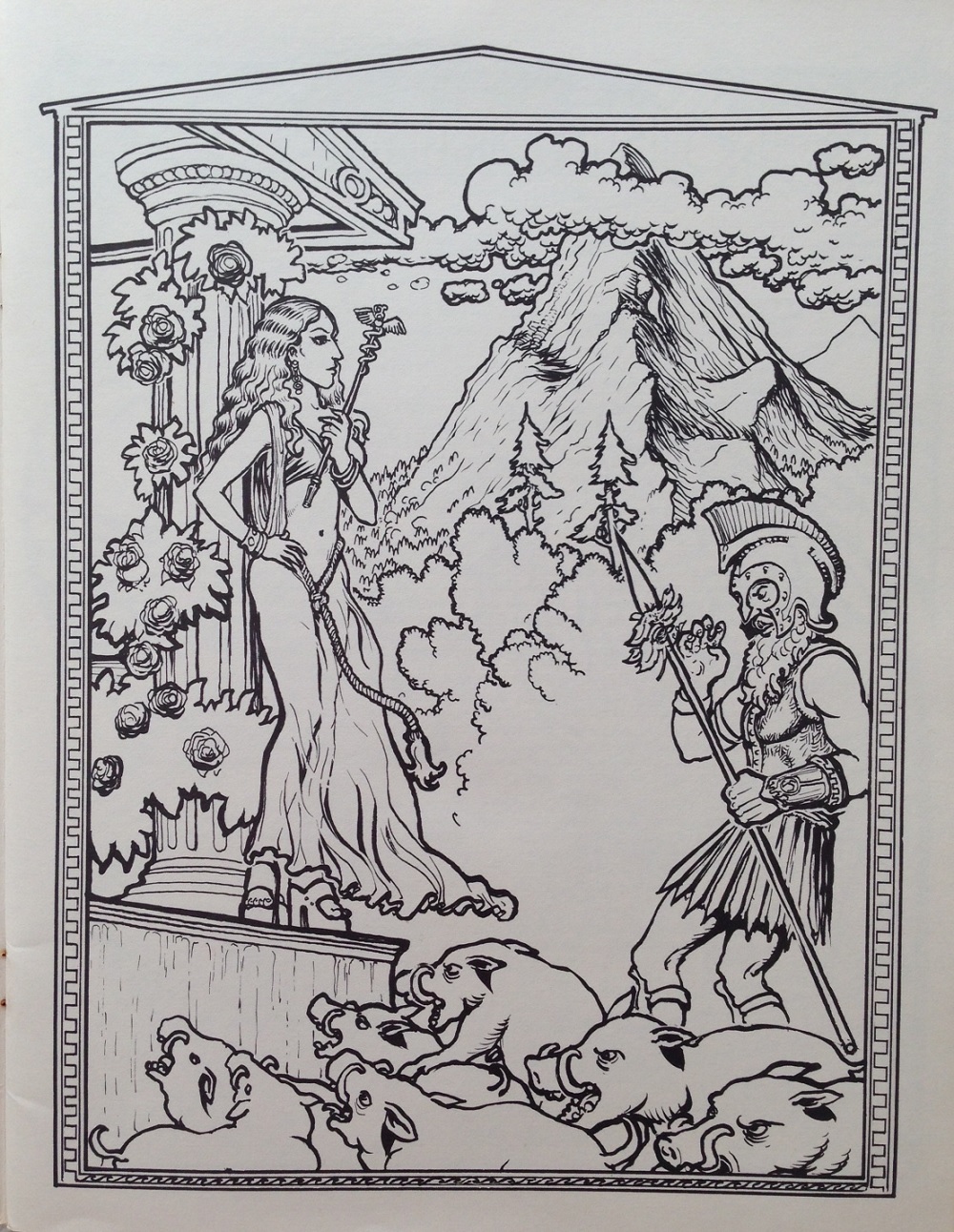
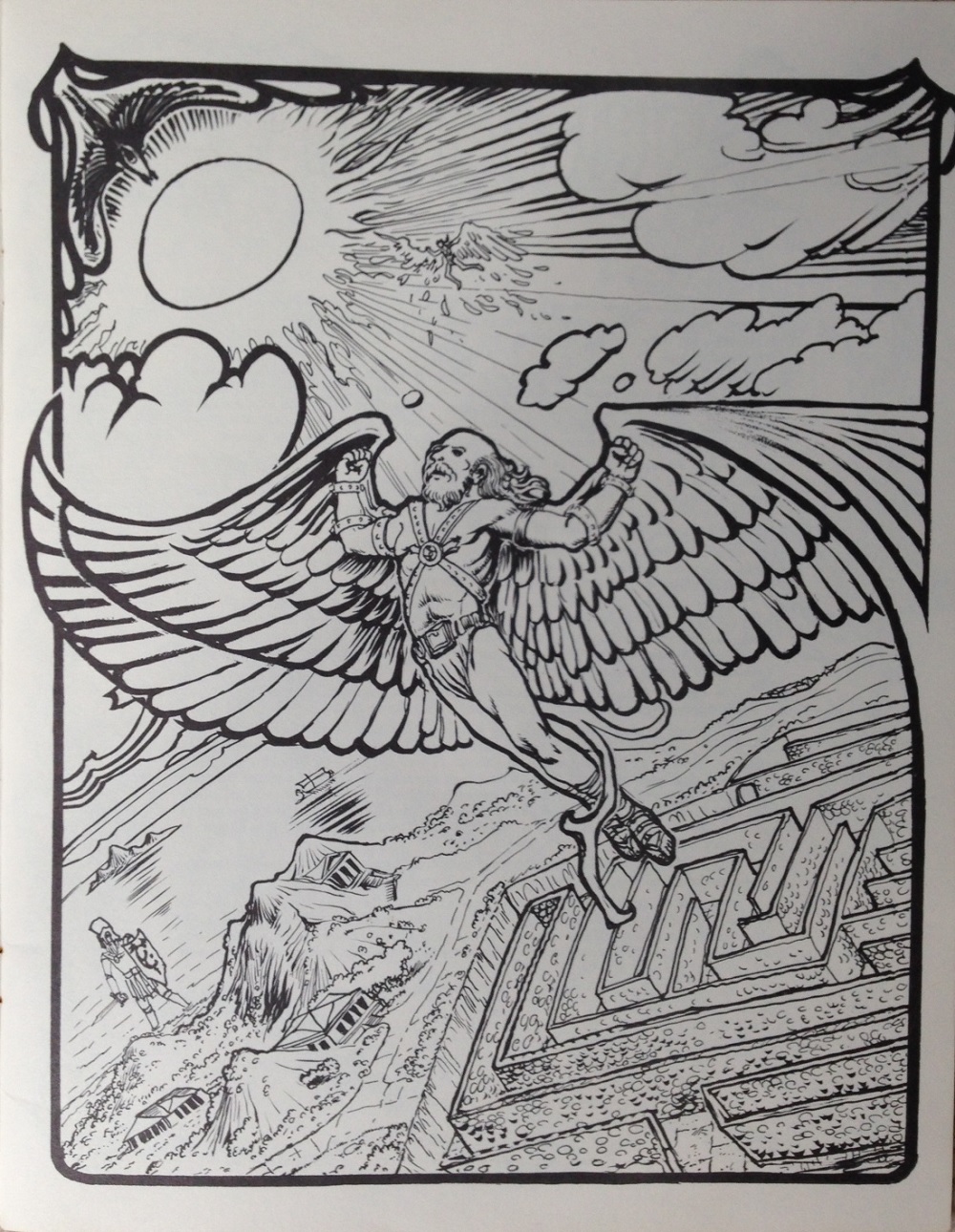
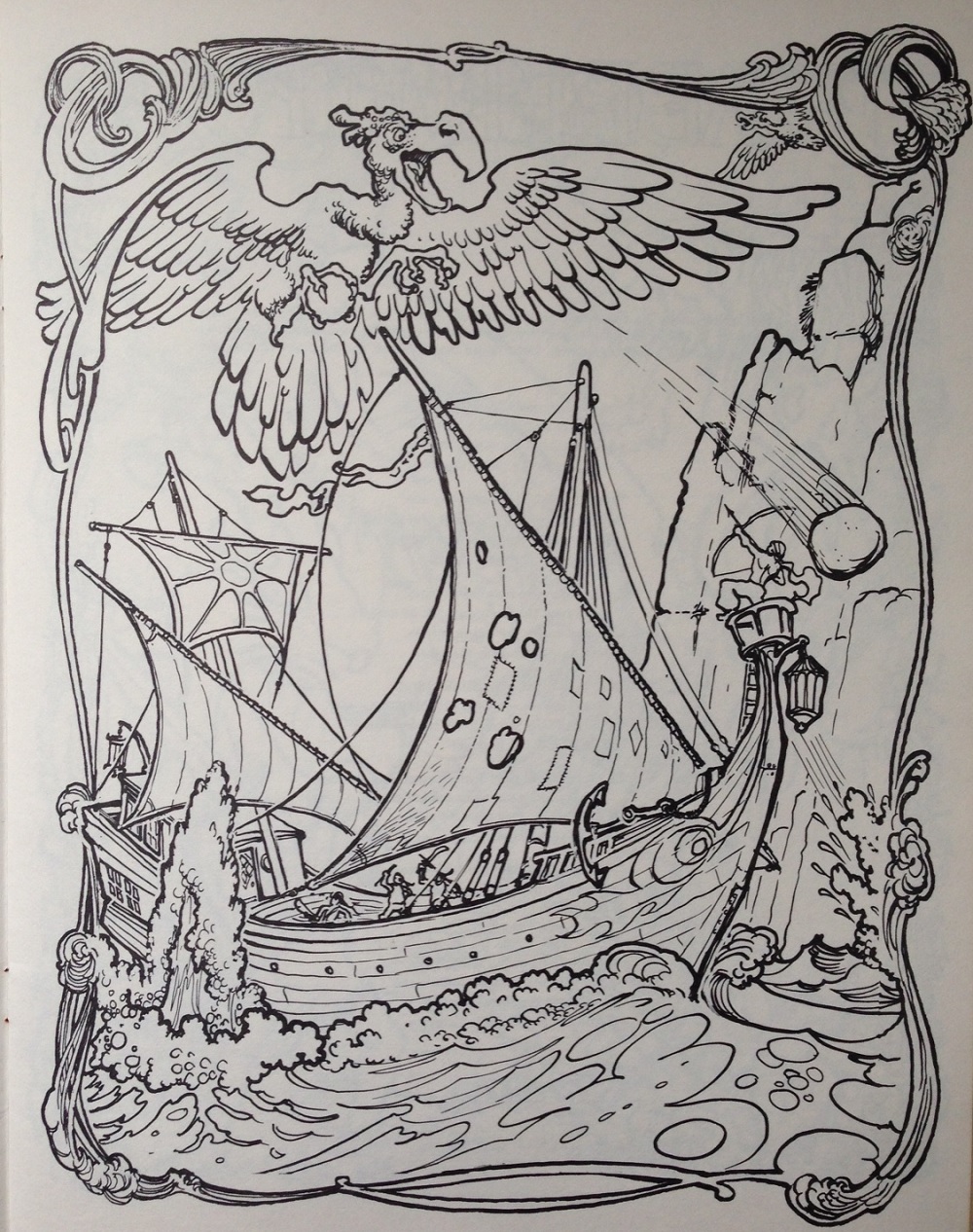
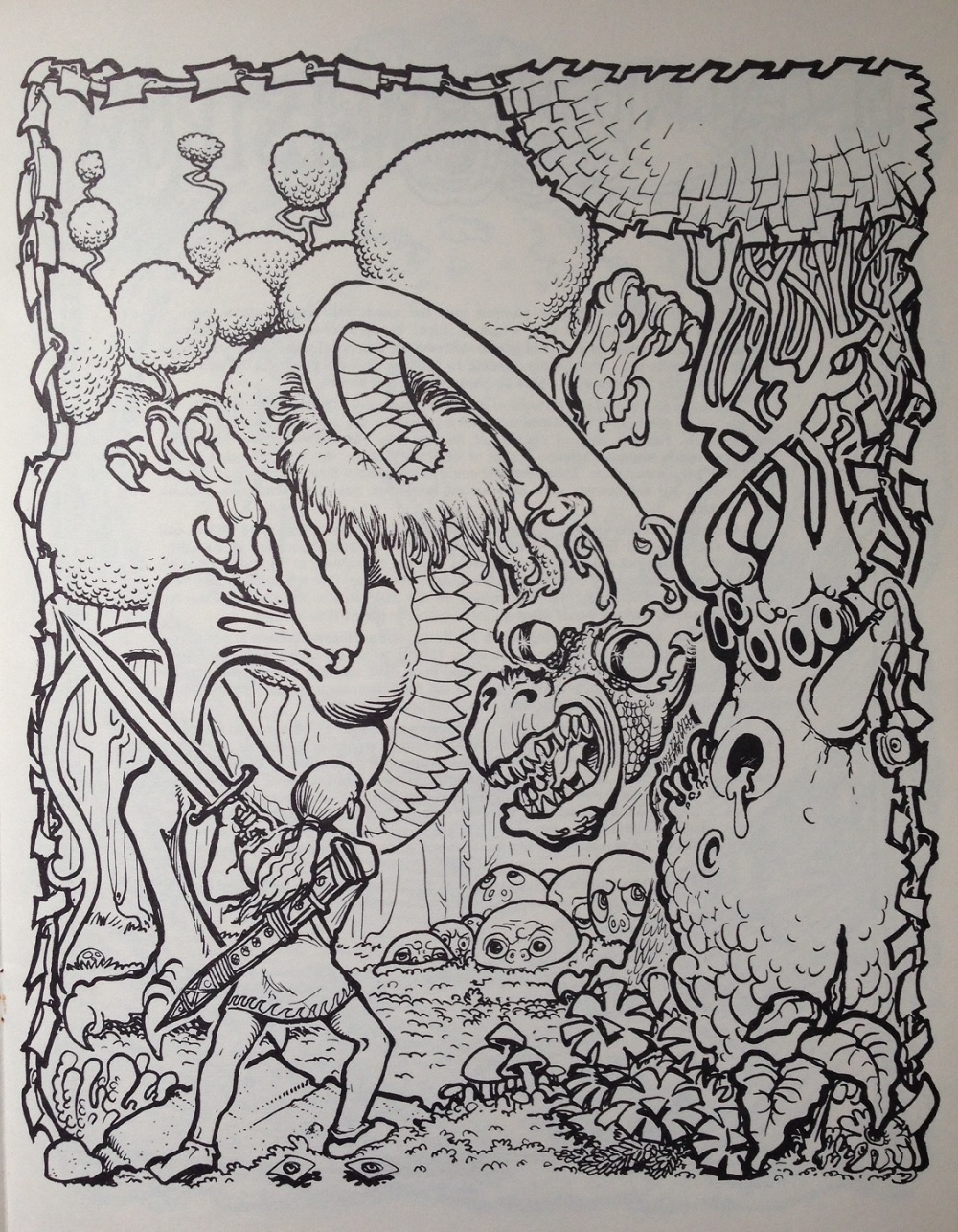
I’ve briefly talked about Tales of Fantasy before. It’s one of the formative books of my youth, and I was very fortunate to find a copy in good condition. I asked Malcolm Whyte, founder and longtime director of Troubador Press, whose idea it was and how the project came together, and here’s what he said:

Tales of Fantasy was my idea. I wanted to round out a trilogy—a fantasy trilogy—that started with Monster Gallery (1973) and included Science Fiction Anthology (1974). All three books were then marketed as a set: if someone had one of the books, he must have the other two. I was also interested in having some of the underground cartoonists illustrate Troubador books. I knew of Larry Todd’s interest in science fiction from the underground comix he wrote for and especially his wonderful Dr. Atomic character, and signed him up for Tales of Fantasy.

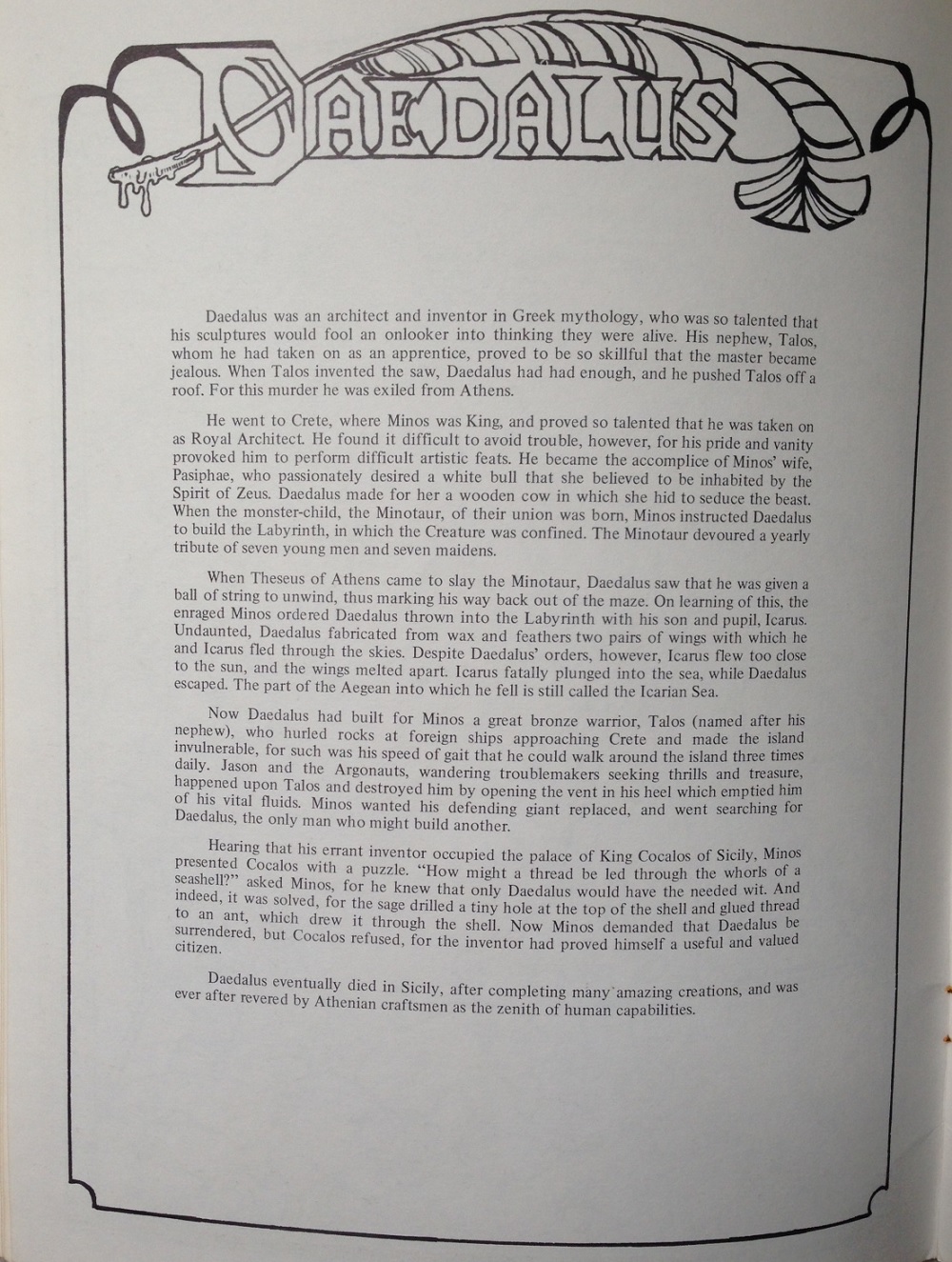
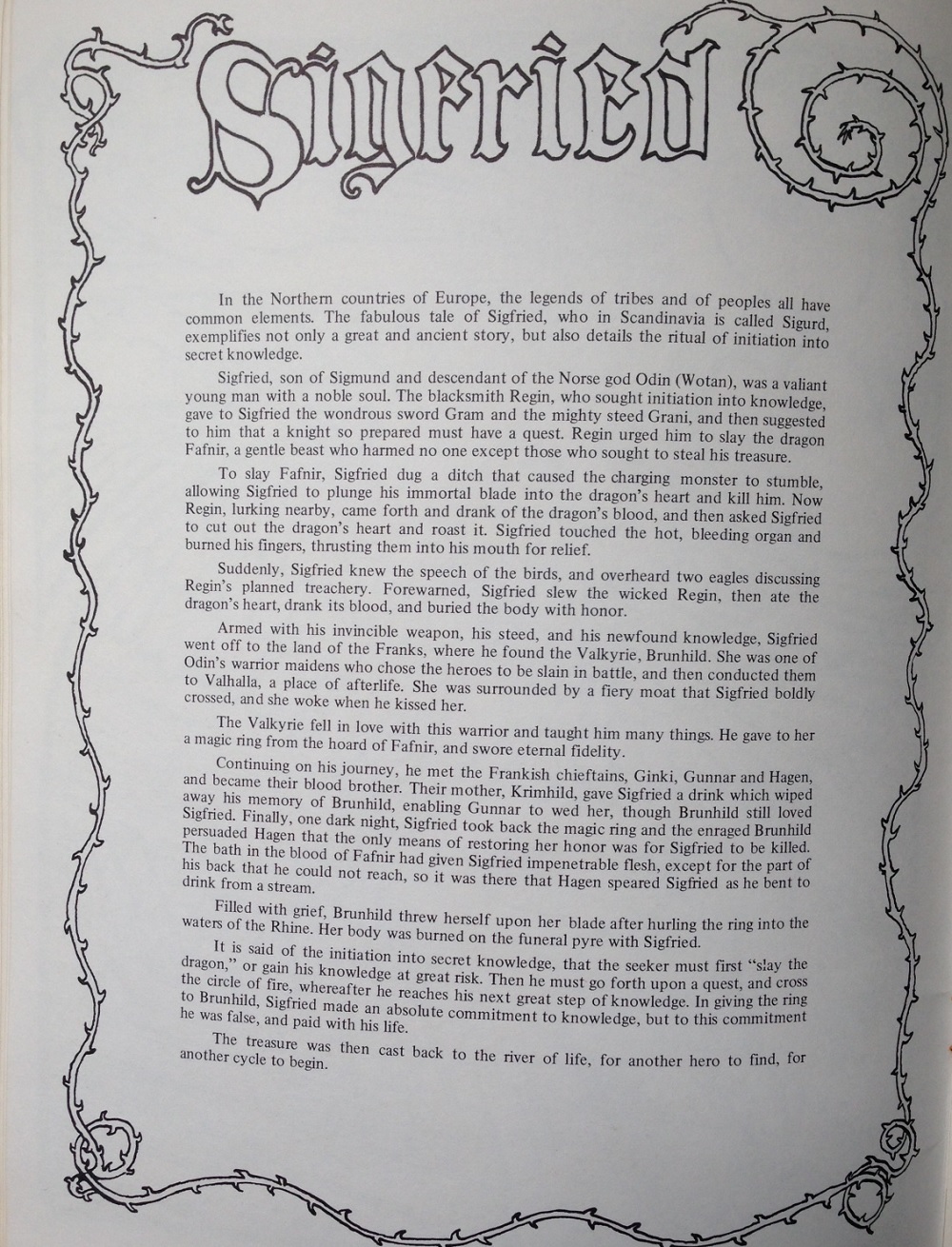
As we were discussing which tales to include in the book, I was astounded by Larry’s depth of knowledge of great fantasy authors and realized that he had to write the book as well as illustrate it. Tales of Fantasy has more text than most of the other Troubador coloring albums.

Larry is a sweet, engaging, literate, post-hippy eccentric… Last I knew he was one of the few of a dying breed of hand-done sign painters.

Troubador’s `fantasy trilogy’ marks a high point not only in coloring books (fine art coloring albums, actually), but in the kind of intelligent entertainment publishers and culture creators once offered young people. Todd’s descriptions of the various tales are exciting and comprehensive, and his art is as enthralling today as it was then.

Fantasy became a genre proper when the young people of the 1960s embraced and popularized The Lord of the Rings. In fact, there’s an important passage about Tolkien’s influence in Theodore Roszak’s definitive analysis of the `youth opposition’, The Making of a Counter Culture (1969):

The hippy, real or as imagined, now seems to stand as one of the few images toward which the very young can grow without having to give up the childish sense of enchantment and playfulness, perhaps because the hippy keeps one foot in his childhood. Hippies who may be pushing thirty wear buttons that read “Frodo Lives” and decorate their pads with maps of Middle Earth (which happens to be the name of one of London’s current rock clubs). Is it any wonder that the best and brightest youngsters at Berkeley High School… are already coming to class barefoot, with flowers in their hair, and ringing with cowbells?

The allure of fantasy literature was (and still is, to many) that it offers a vision of “the days when the world was uncrowded and unregulated and ‘natural’ man flourished.” Emulating Middle Earth and its intrepid adventurers—even channeling the Cthulhu mythos of H.P. Lovecraft—was a form of protest against the crass industrial establishment, which Roczak called the ‘technocracy’.

Most of the territory geeks claim today was inherited from literate post-hippies like Larry Todd, thanks in part to literate, daring publishers like Malcolm Whyte.

Destroy All Computer Generated Monsters (Part Four): Mikey Walters’ Top Five ‘Guilty Pleasure’ Kaiju Films

1. King Kong Escapes (1967)
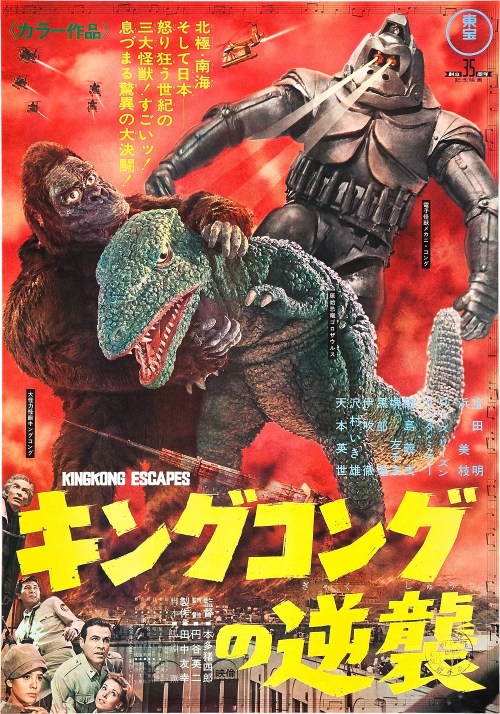
King Kong 1967

Japanese theatrical poster

What It’s About: An evil genius has trouble getting his giant mechanical ape to dig for Element X, so he decides to capture the real King Kong to do the job.

Why It’s Unique: I can’t help it, Mechani-Kong is just fantastic.

Favorite Scene: Kong’s battle with Gorosaurus is fun, but I also like the effective Tokyo Tower close-ups of girders crushing as Kong and Mechani-Kong climb and fight.

Watch the English trailer here.

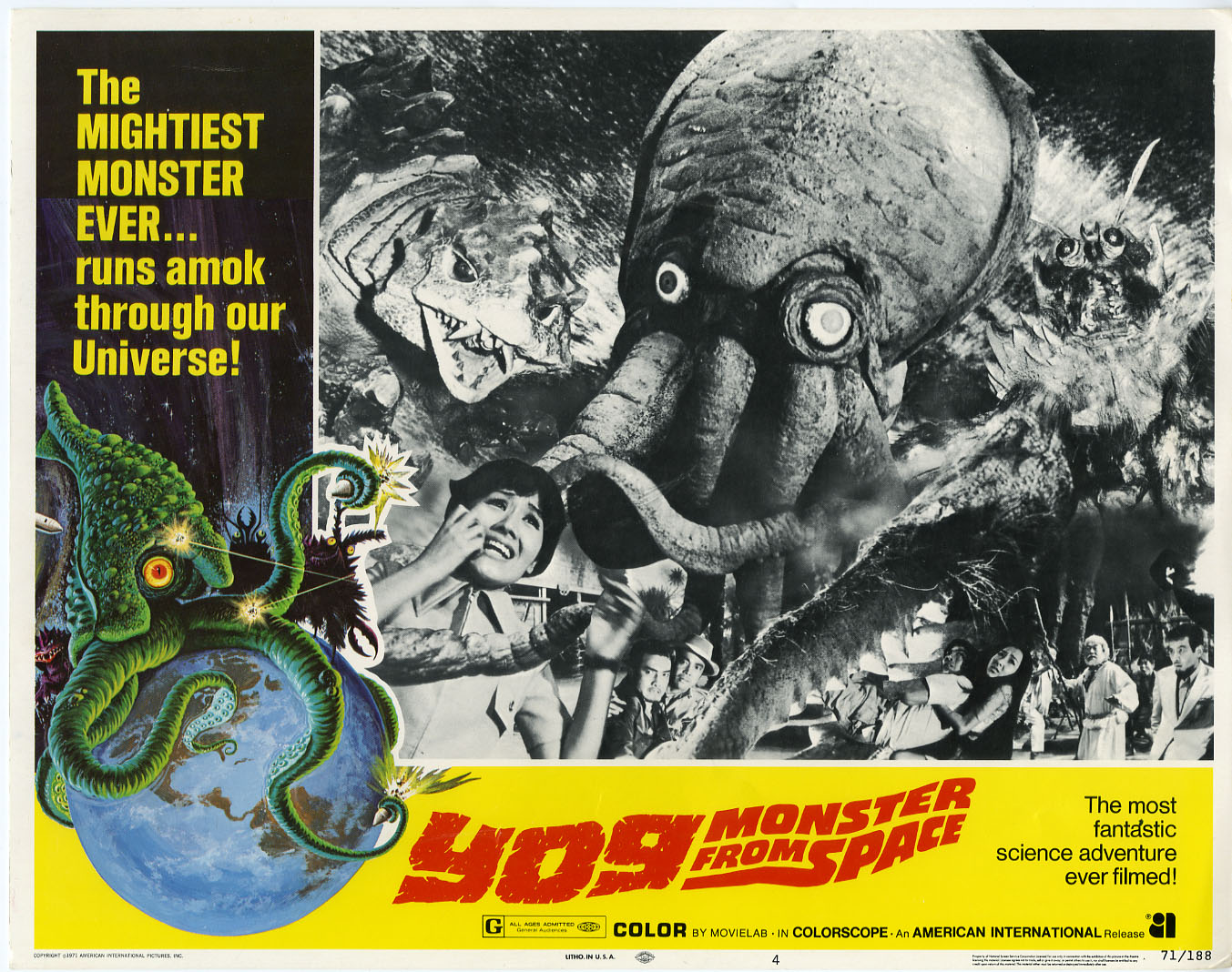
2. Space Amoeba (1970)

Yog Lobby 1971

American lobby card, 1971

What It’s About: An extraterrestrial amoeba inhabits various Earth creatures and mutates them into kaiju.

Why It’s Unique: This is a super fun triple kaiju (giant squid, giant crab, and giant turtle) film, and just thinking about it makes me wish I had a toy Gezora.

Favorite Scene: Gezora’s huge eyes and floppy tentacles are so much fun to watch moving upright on land!

Watch the original trailer here.

3. Latitude Zero (1969)

Latitude 1969

American theatrical poster illustrated by Jack Thurston

What It’s About: Rival super-scientists pit their super-submarines against one another over a super-utopia at the intersection of the Equator and the International Date Line.

Why It’s Unique: Truthfully, this is more of a straight tokusatsu film than a kaiju movie, but at least there’s a giant flying lion, and everyone needs to see Cesar Romero’s performance.

Favorite Scene: Malic (Romero) is deliciously insane as he uses a rotating saw and a hand drill to perform a human-lion brain transplant.

Watch the English trailer here.

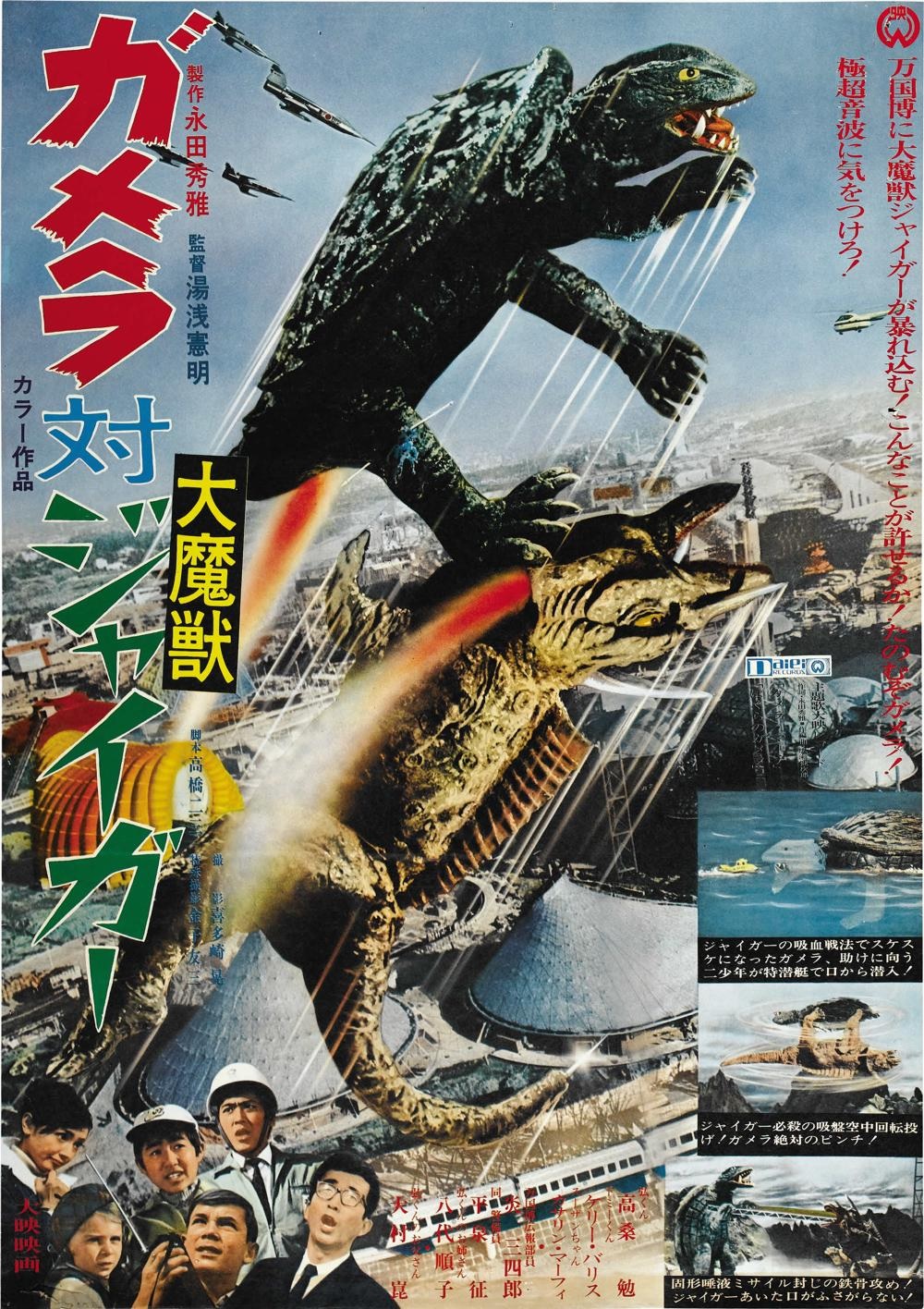
4. Gamera vs. Guiron (1969)

Gamera Guiron 1969

Japanese theatrical poster

What It’s About: Gamera saves children from alien cannibals on another planet.

Why It’s Unique: Guiron is a giant knife who slices up his enemies, and he also shoots throwing stars out of the side of his head just for fun.

Favorite Scene: Guiron is introduced by defeating a Space Gyaos, and after the battle he proceeds to sushi-fy the dead creature!

Watch the original trailer here.

5. Gamera vs. Jiger (1970)
Gamera Jiger 1970

Japanese theatrical poster

What It’s About: Gamera meets Fantastic Voyage as kids pilot a small sub into the giant turtle’s body to save him from a baby kaiju.

Why It’s Unique: Jiger essential lays an egg inside Gamera, a pretty unique method of attack!

Favorite Scene: Pre-teen boys show absolutely no fear entering Gamera’s huge mouth. “Wow, a big tonsil!”

Watch the trailer here.

___________________________________

Parts one through three of Destroy All Computer Generated Monsters are here, here, and here, respectively.

Movie poster image credits: Wrong Side of the Art (x3), Lost Video Archive, and Godzilla Wikia

Pages

Archives

Categories

Donate Button

Join 1,118 other subscribers