Archive Page 87

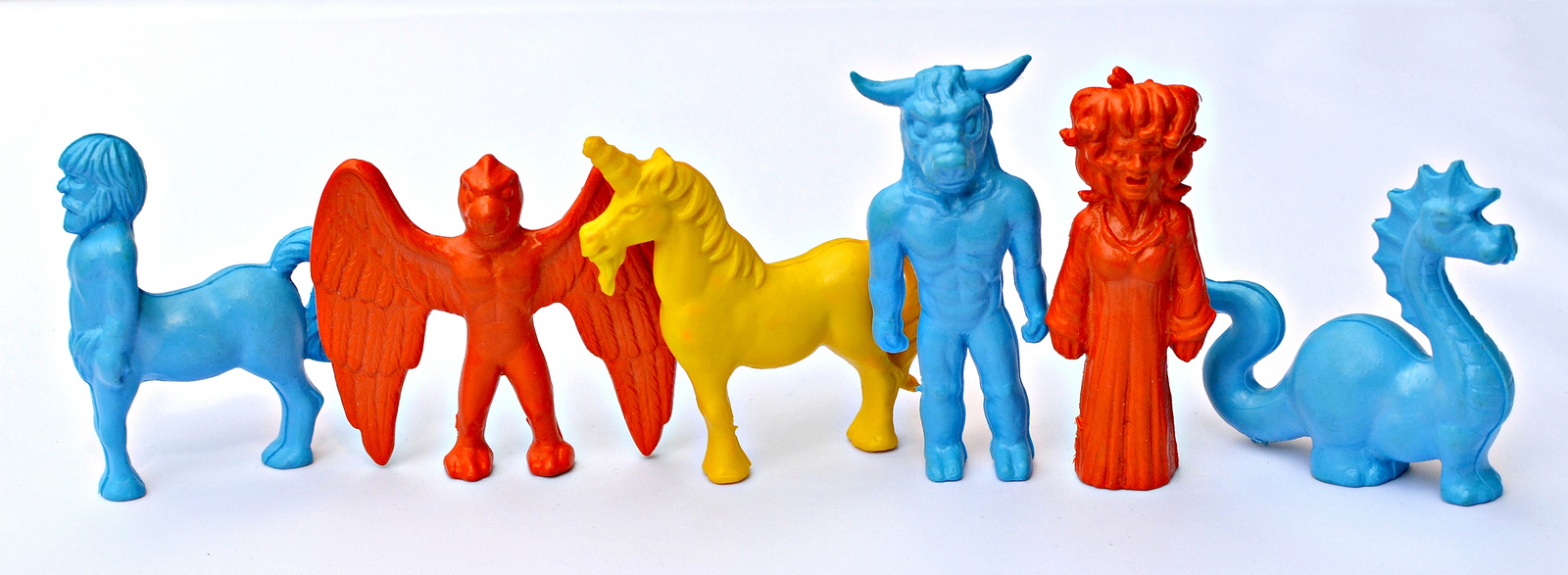
Diener Industries: Mythological Creatures (Circa 1980)

Diener Mythical Creatures

Diener Medusa

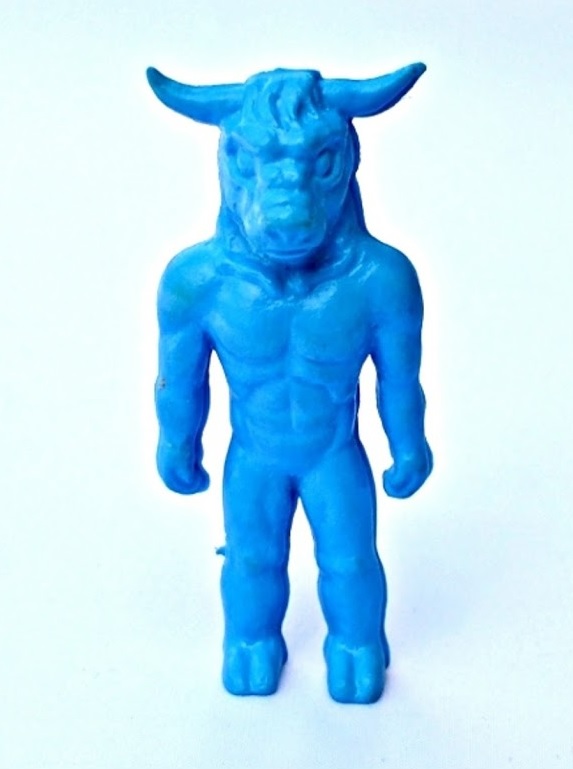
Diener Minotaur

All of the info I have on the set, as well as the photos, come from Little Weirdos, a cool site focusing on mini monster figures.

We don’t know when they were first produced. I suspect they were a response to the popularity of Bakshi’s The Lord of the Rings and D&D, which would put them around ’79/’80, same as the Space Raiders and Space Creatures figures.

Does anyone remember them? Is the Medusa wearing a bra?

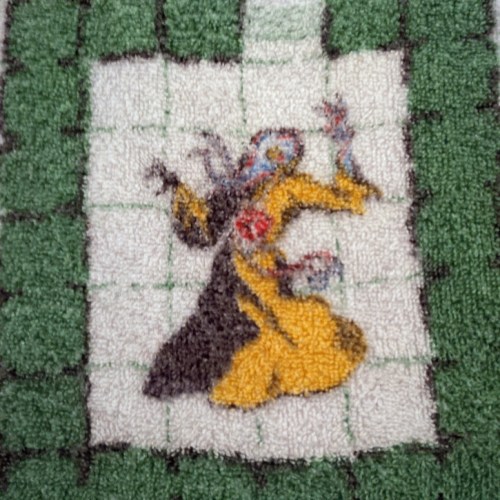
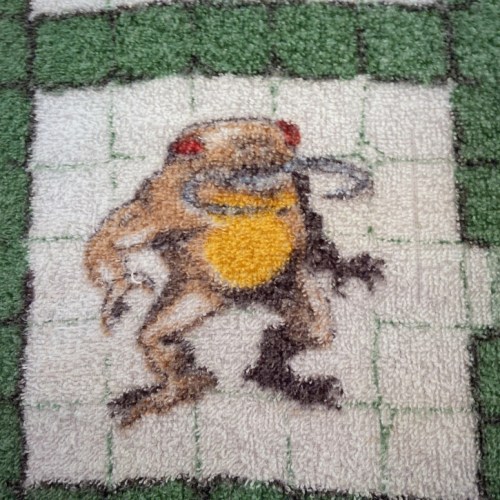
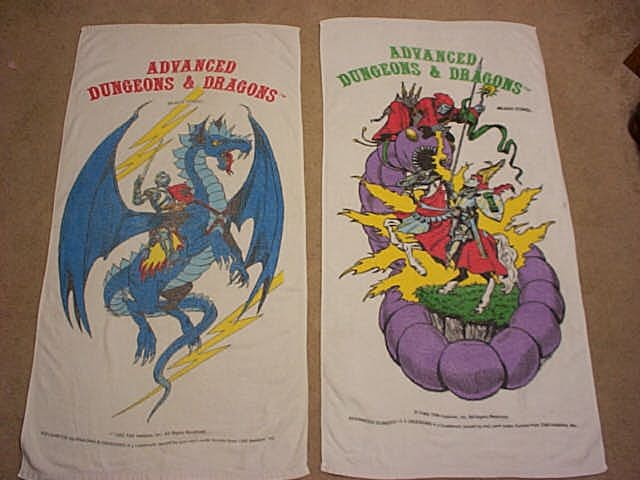
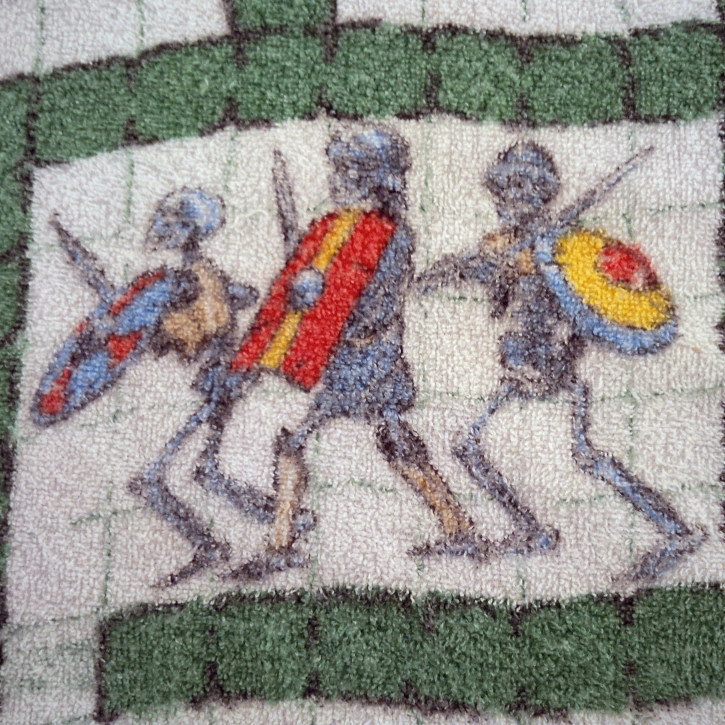
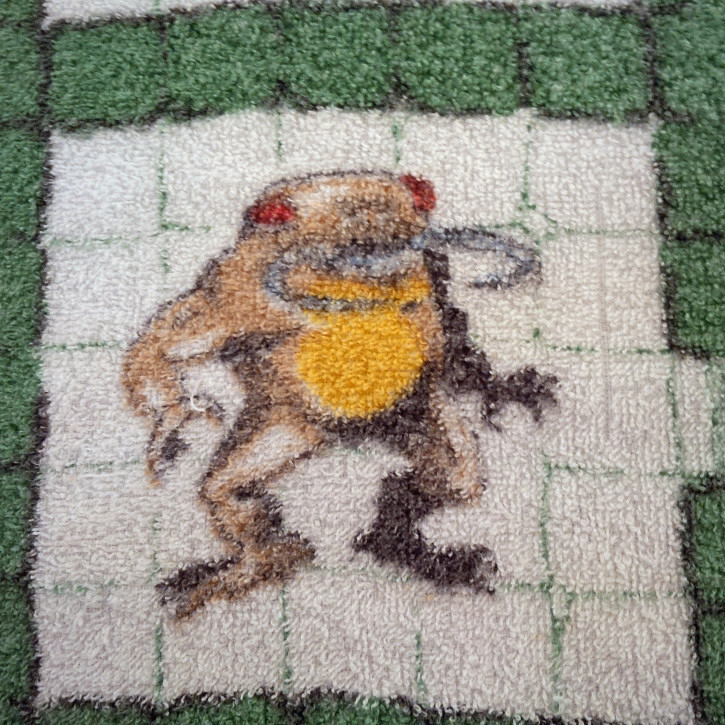
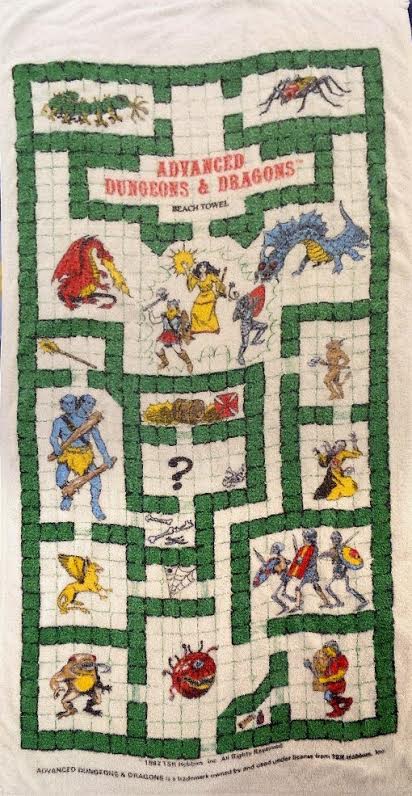
Advanced Dungeons & Dragons Beach Towels (1982)

AD&D Towels 1982

AD&D Beach Towel 1982

AD&D Beach Towel 1982-2

Because if there’s two things that go together, it’s AD&D and the beach. And the towels must be used at the beach, because “beach towel” is printed right there at the top. Try not to lose your dice in the sand, gamers.

David Sutherland art appears on both towels. In fact, the two in the first photo belonged to Sutherland and appear at The Collector’s Trove. The second and third images are via eBay.

UPDATE: Zenopus (of Zenopus Archives) kindly sent in this photo of a third towel. (Thanks again, Z.)

AD&D Beach Towel 1982-3

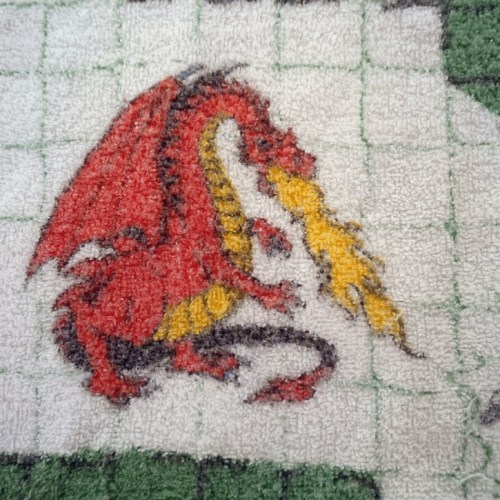
It’s definitely from the same series, but I can’t tell who the artist is. I don’t recall seeing the design anywhere else. What monster do you think is guarding the treasure (‘X’ marks the spot), considering the adventurers are already tackling a red dragon?

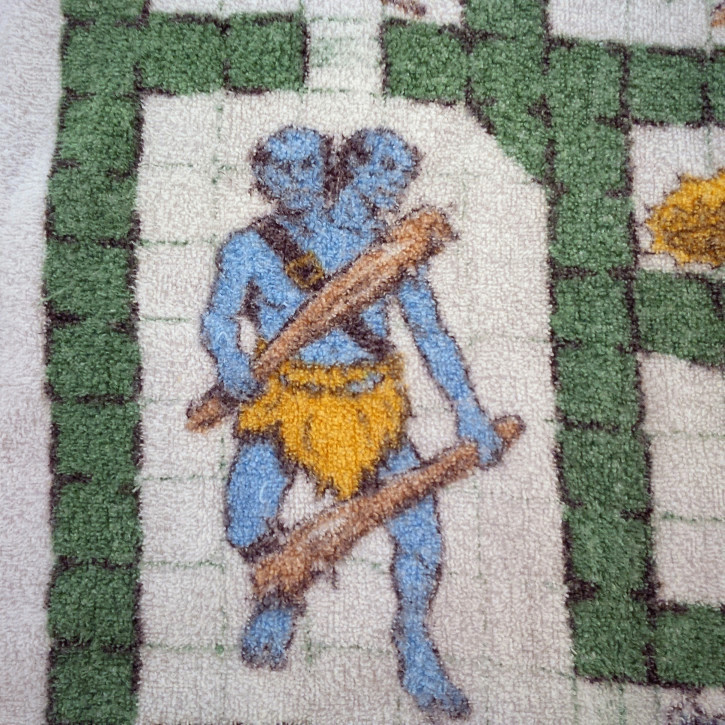
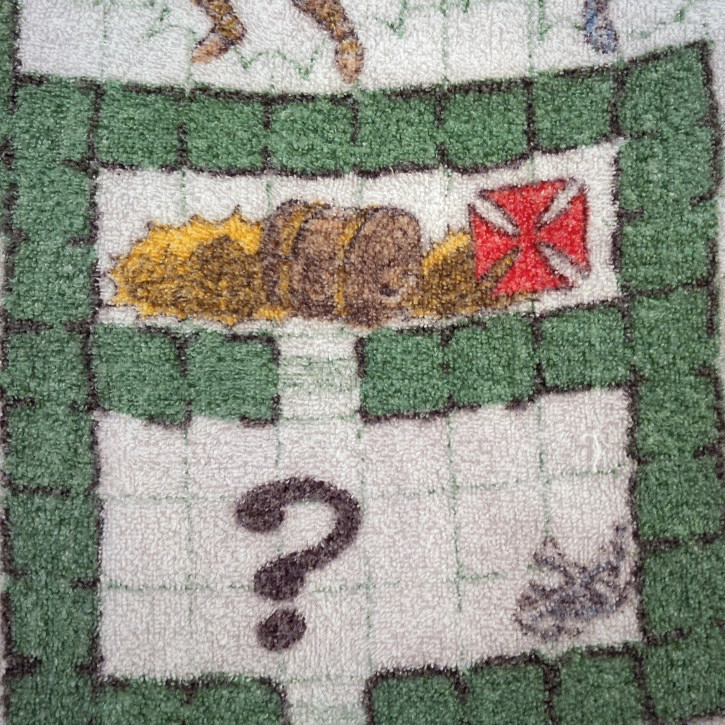
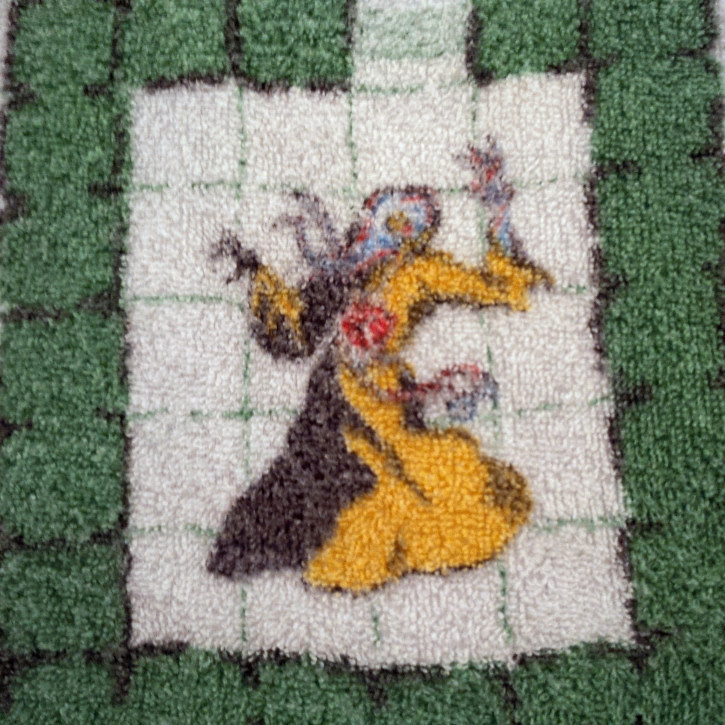
Please contact me (2warpstoneptune@gmail.com) if you spot a different towel, or if you find close-ups of the giant centipede/dungeon towels.

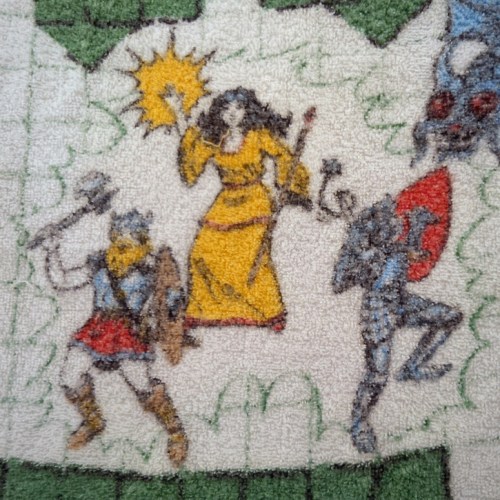
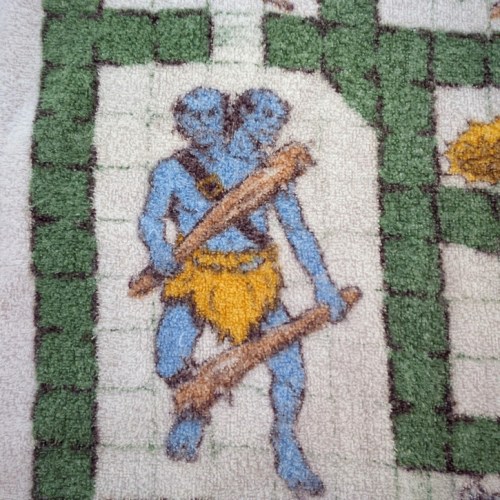
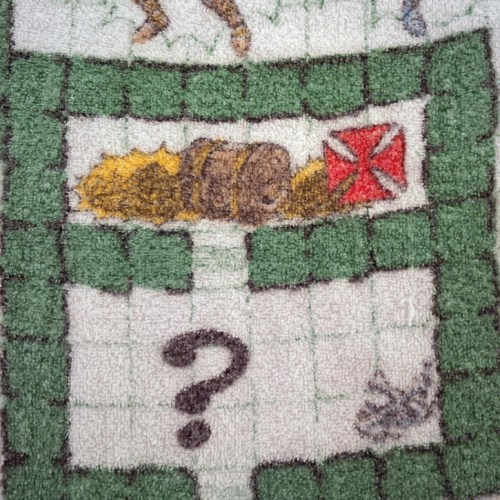
UPDATE (6/30/14): The righteous “Mr. D.” sent in these detailed views of the dungeon crawl towel seen above. Great stuff.
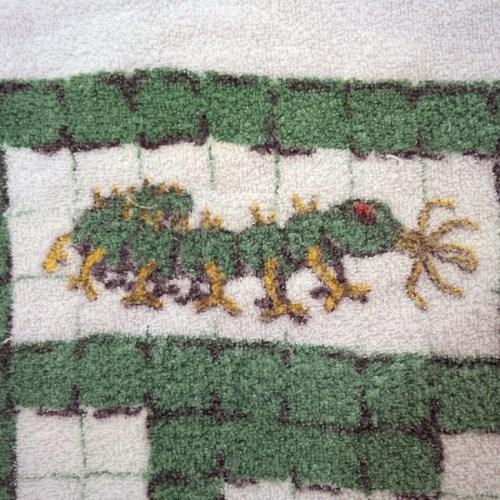
T-1

T-1.5

T-2

T-3

T-4

T-5

T-6

T-7

T-8

T-9

T-10

T-11

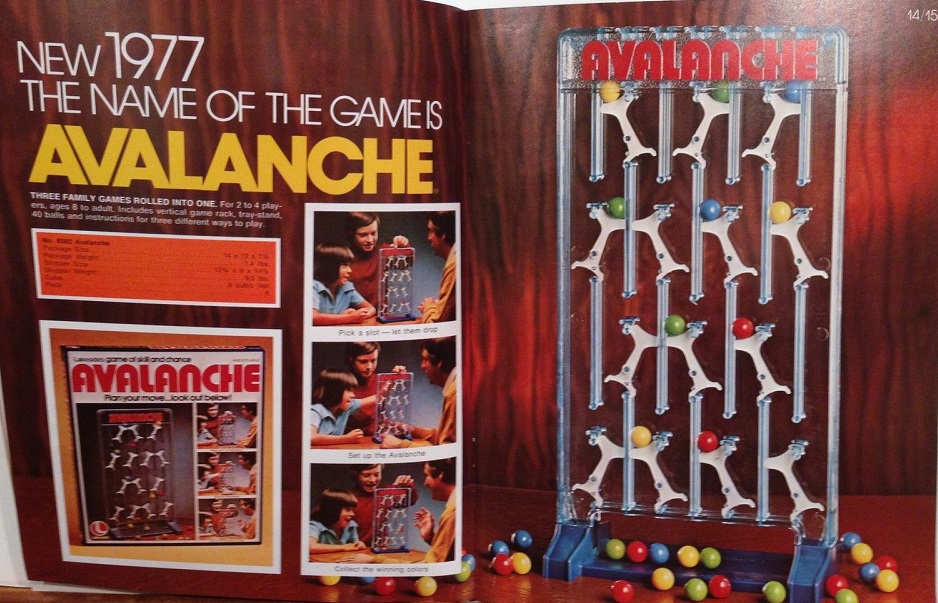
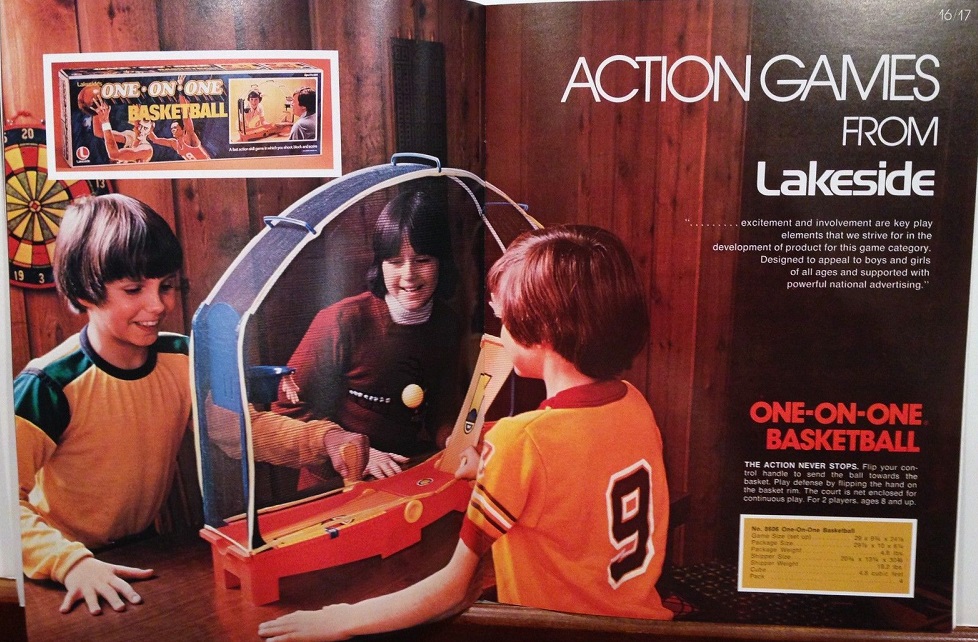
1977 Lakeside Toys Catalog

Lakeside Catalog 1977

Lakeside Catalog 1977-7

Lakeside Catalog 1977-2

Lakeside Catalog 1977-3

Lakeside Catalog 1977-4

Lakeside Catalog 1977-5

Lakeside Catalog 1977-6

I would like to play these games. I’d also like to know how staged these photo shoots were. Did they just tell the kids to play and start taking pictures? The scene with the adults was obviously forced.
Lakeside published Crossbows and Catapults in 1983 and Immortals of Change in 1985.

(Images via Dadric’s Attic/eBay)

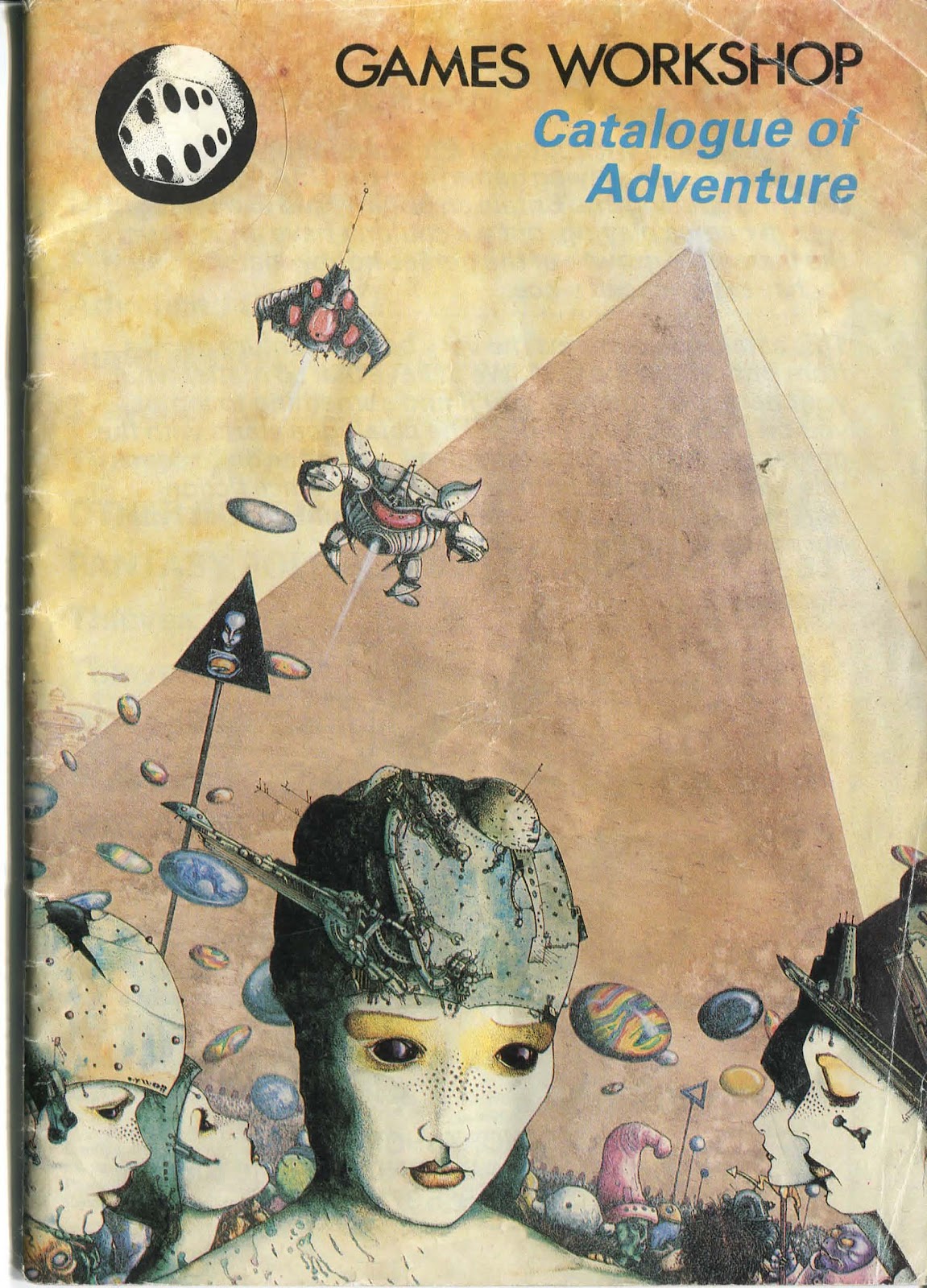
1983 Games Workshop `Catalogue of Adventure’

GW 1983

GW 1983-2

GW 1983-8

GW 1983-3

GW 1983-4

GW 1983-5

GW 1983-6

GW 1983-7

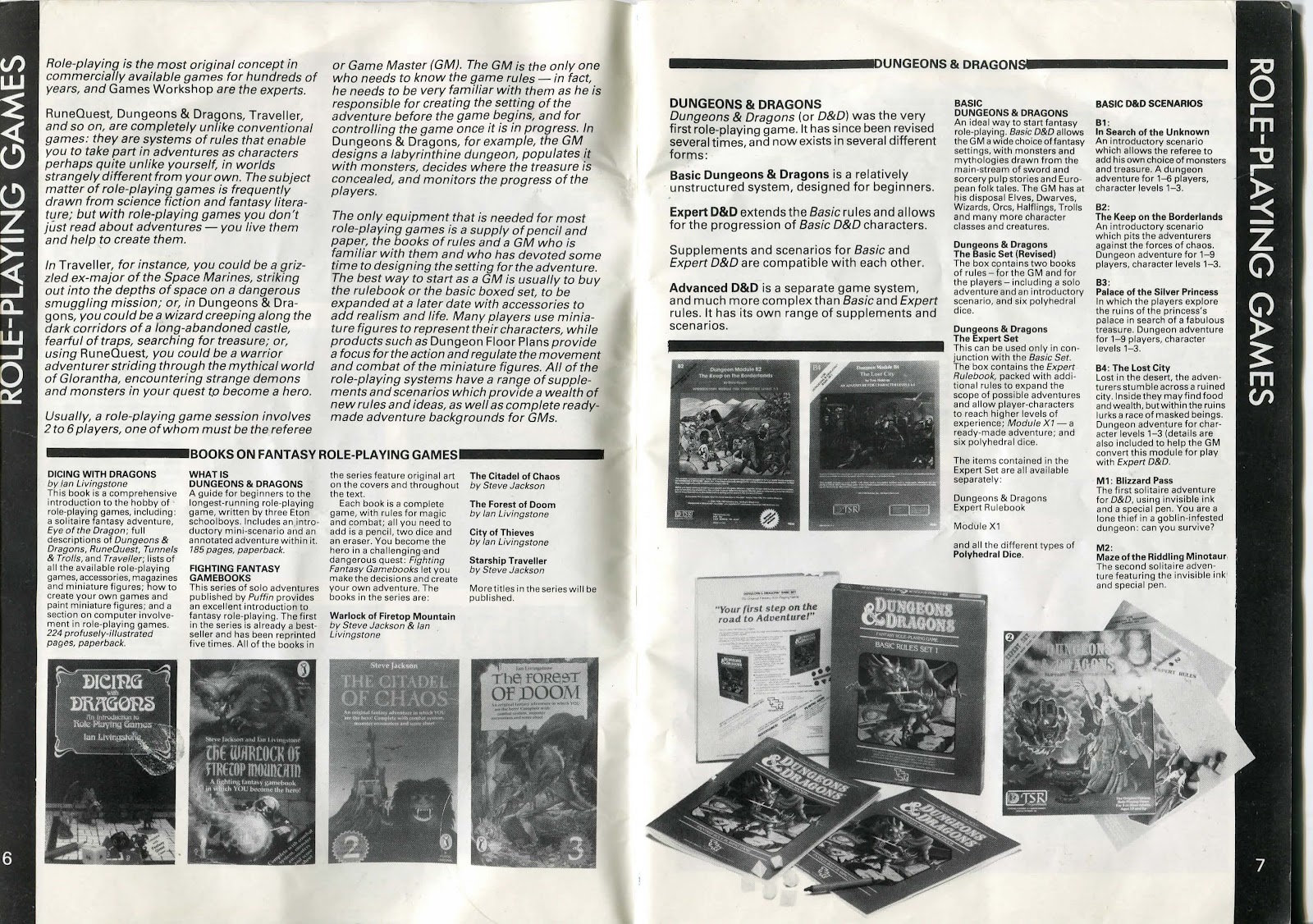
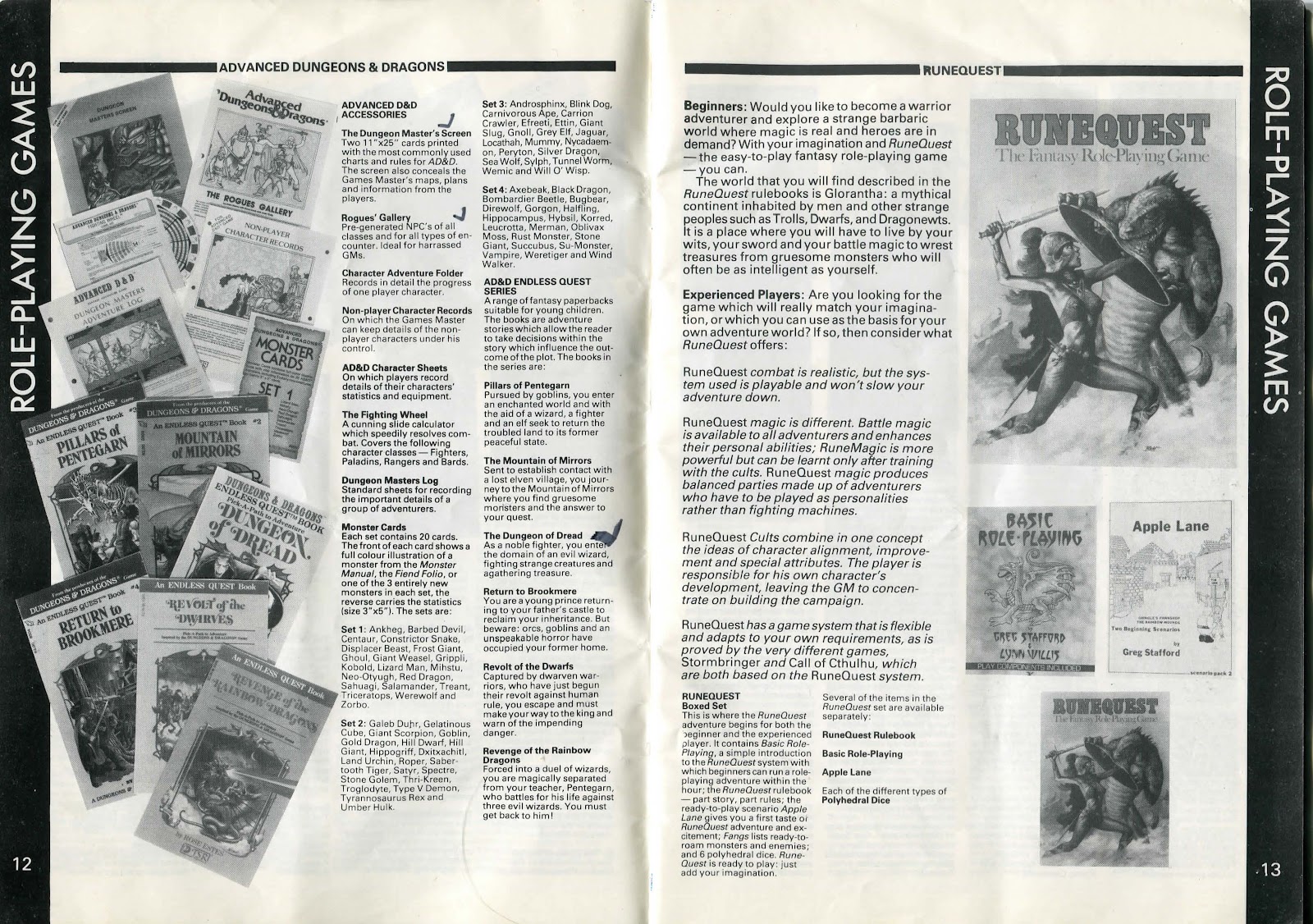
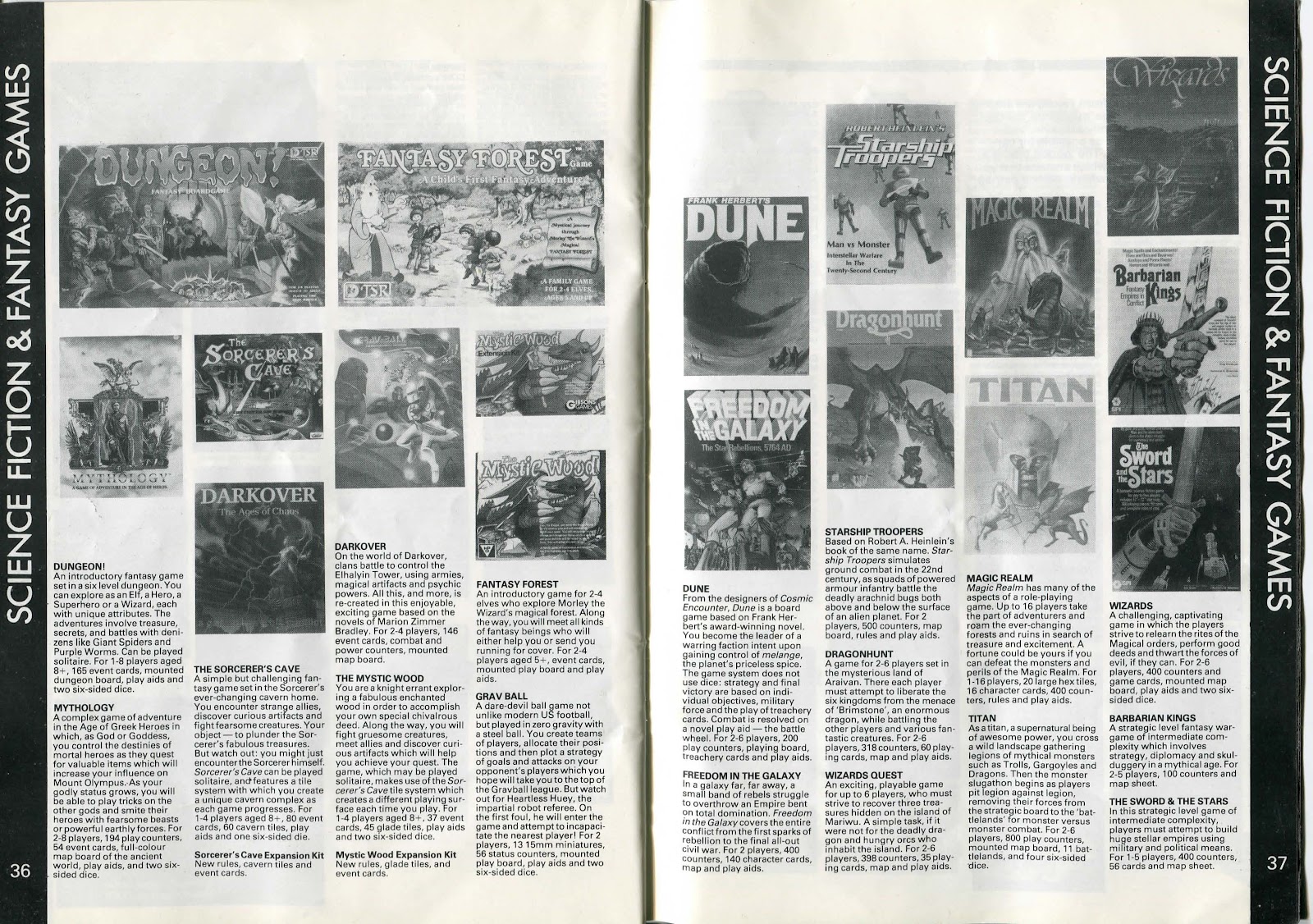
Thank you, Pitch & Putt, for posting the whole catalog. It’s glorious. The number of role-playing games and non-traditional board games available by 1983 is incredible, as Livingstone and Jackson admit in their introductory note. The games are based on every genre, and nearly every workable property (Judge Dredd, Dune, Starship Troopers, Watership Down, The Road Warrior).

As I mentioned here, GW’s approach was much more cerebral than TSR’s. They focus on the novelty and sophistication of role-playing (“the most original concept in commercially available games for hundreds of years”), diversity of rules systems, and sheer range of game titles.

Compare the GW catalog to this 1981 TSR catalog.

Play Make Toys: Robotech SDF-1 Battle Fortress (1985)

Robotech SDF-1 1986

Robotech SDF-1 1986-2

It’s a giant, cardboard SDF-1! Assembly damn well required. The Evil King Macrocranios takes us through all the steps here.

The Empire Strikes Back Home Video Reservation Brochure (1984)

EHB Res 1984

EHB Res 1984-2

EHB Res 1984-3

The Empire Strikes Back was released on home video, LaserDisc, and CED in November 1984. CED stands for Capacitance Electronic Disc (catchy, no?), basically a phonograph that played back audio and video. The format was discontinued in 1986, having lost RCA a reported $600 million.

Star Wars was released on video, for rental only, in 1982, although you could pay a small fortune for a “lifetime rental.” Some sources say the movie was released for true purchase later in ’82; other sources say 1984. The brochure leads me to believe it had been available before 1984, but possibly discontinued after a certain period of time.

The Empire tape cost $79.98 upon release and sold a record 400,000 copies. Rambo beat it in 1986, selling 425,000 copies at the same price.

(Images via Star Wars Seller/eBay)

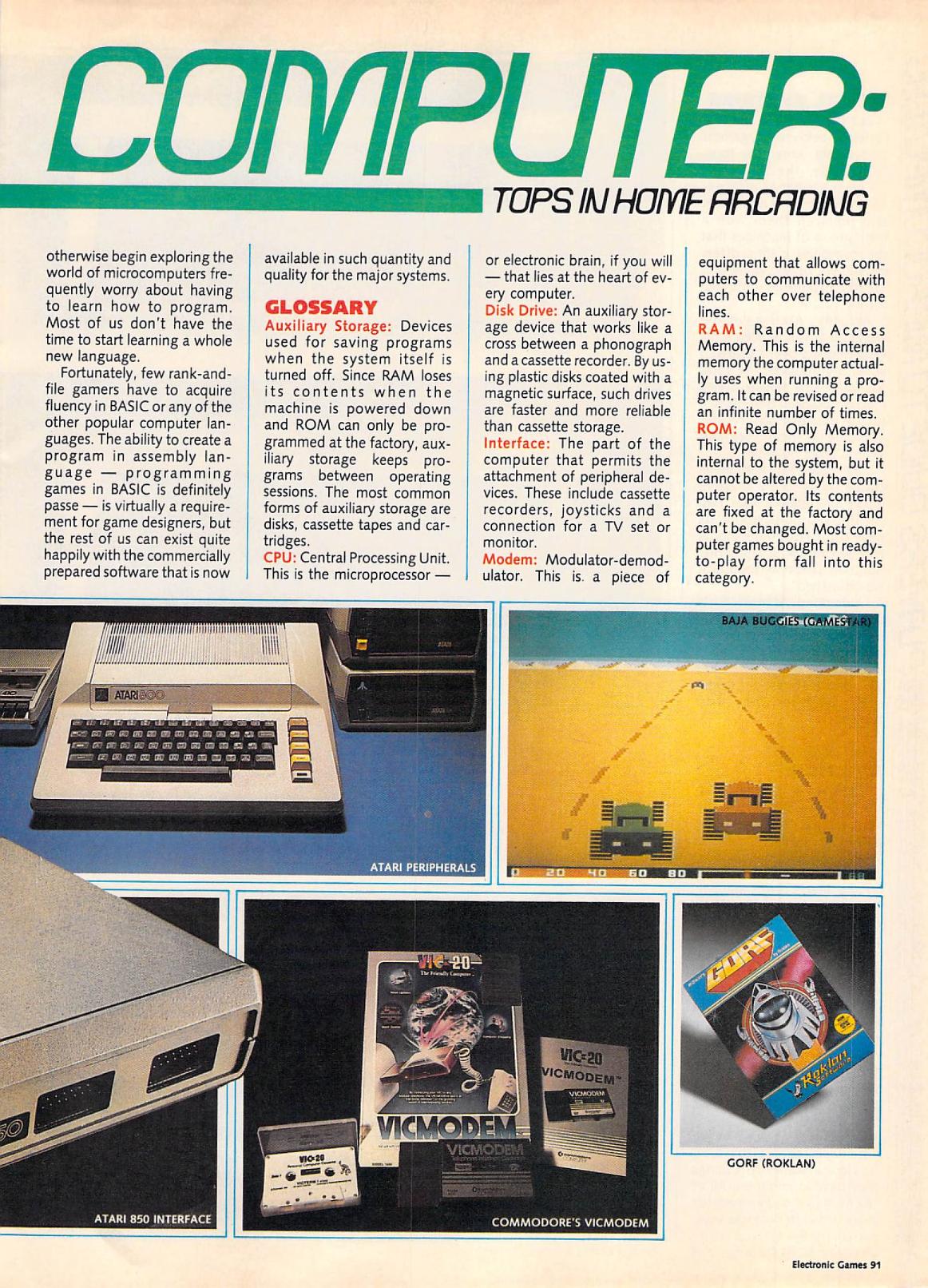
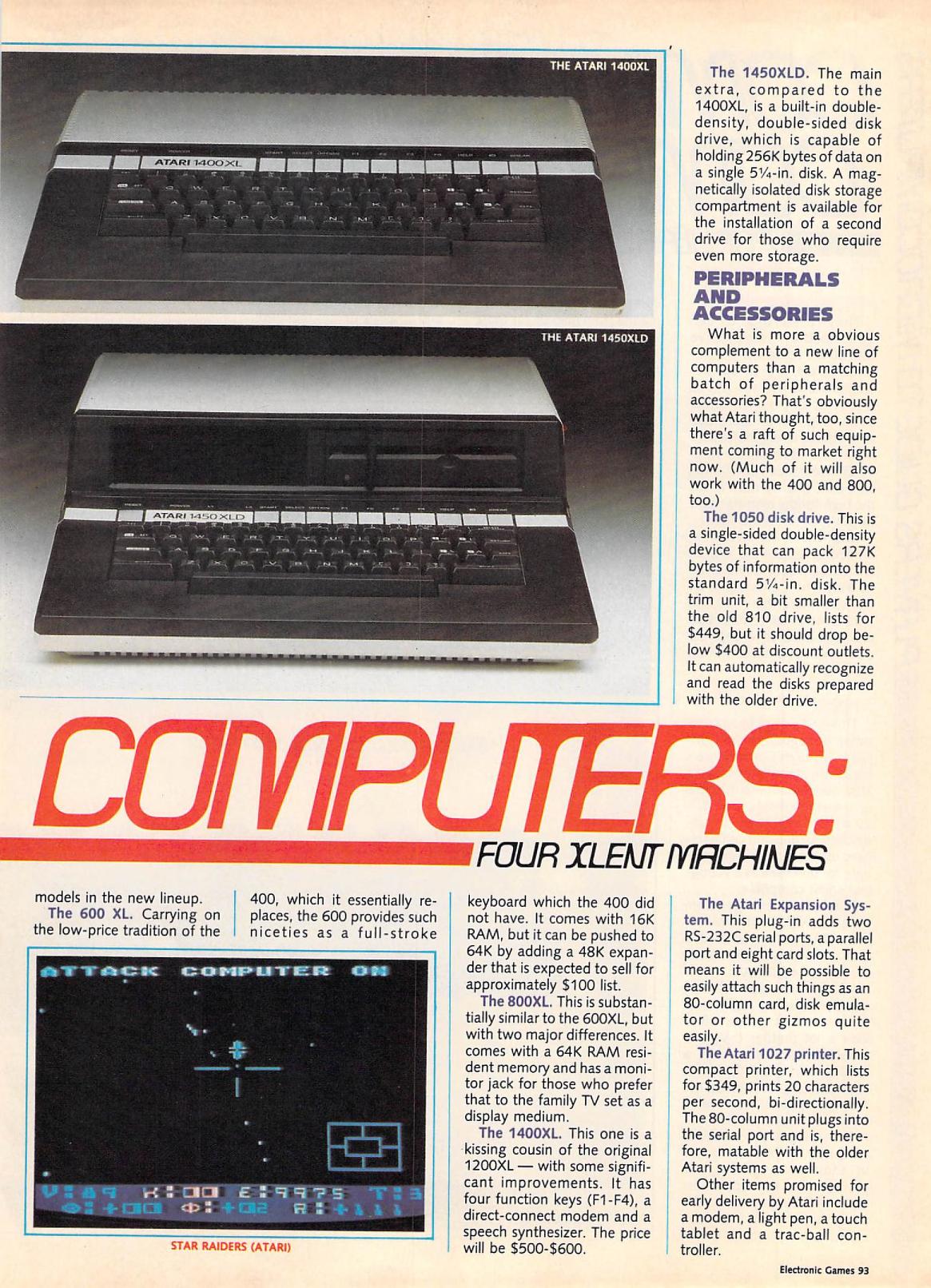
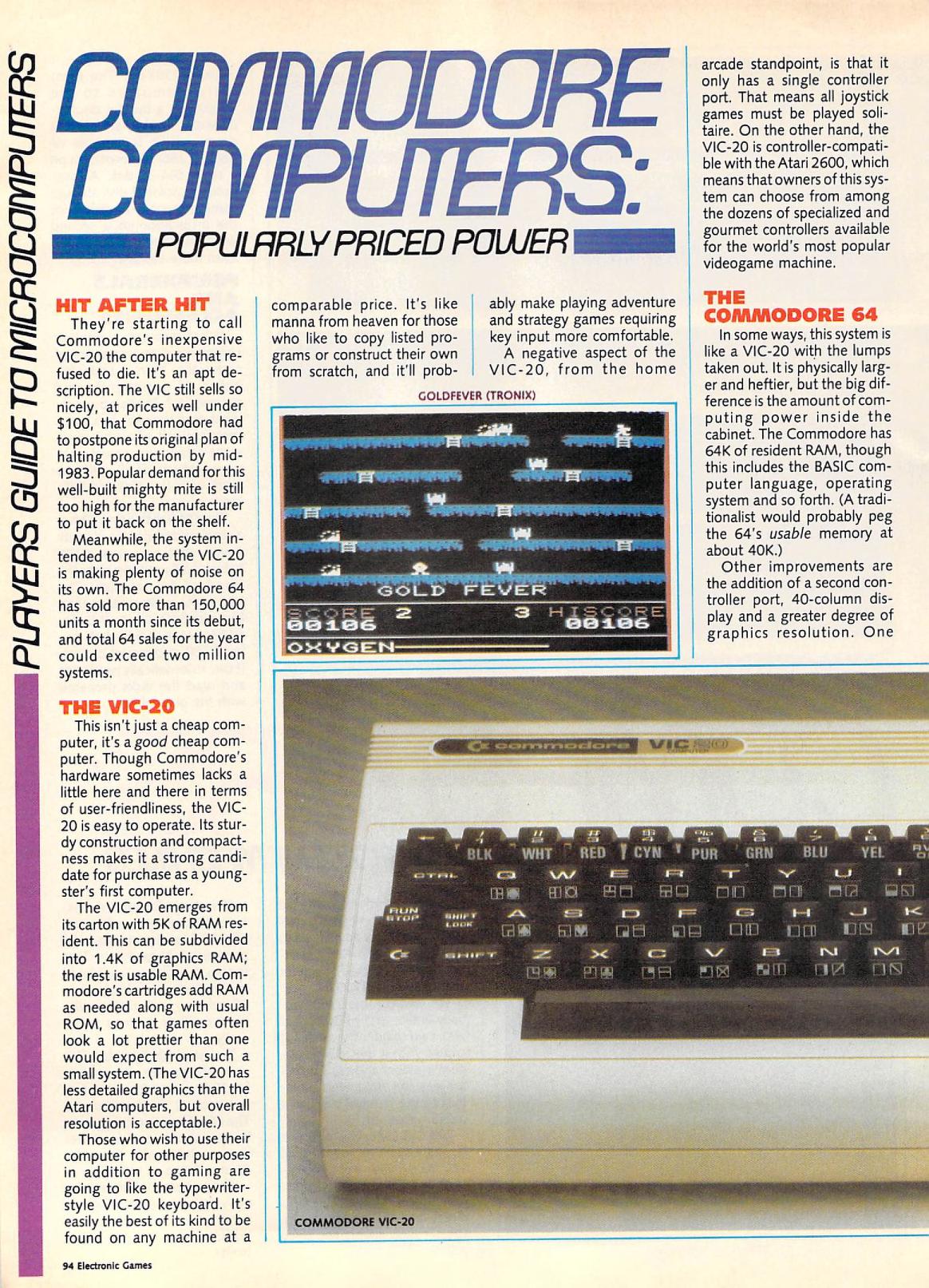
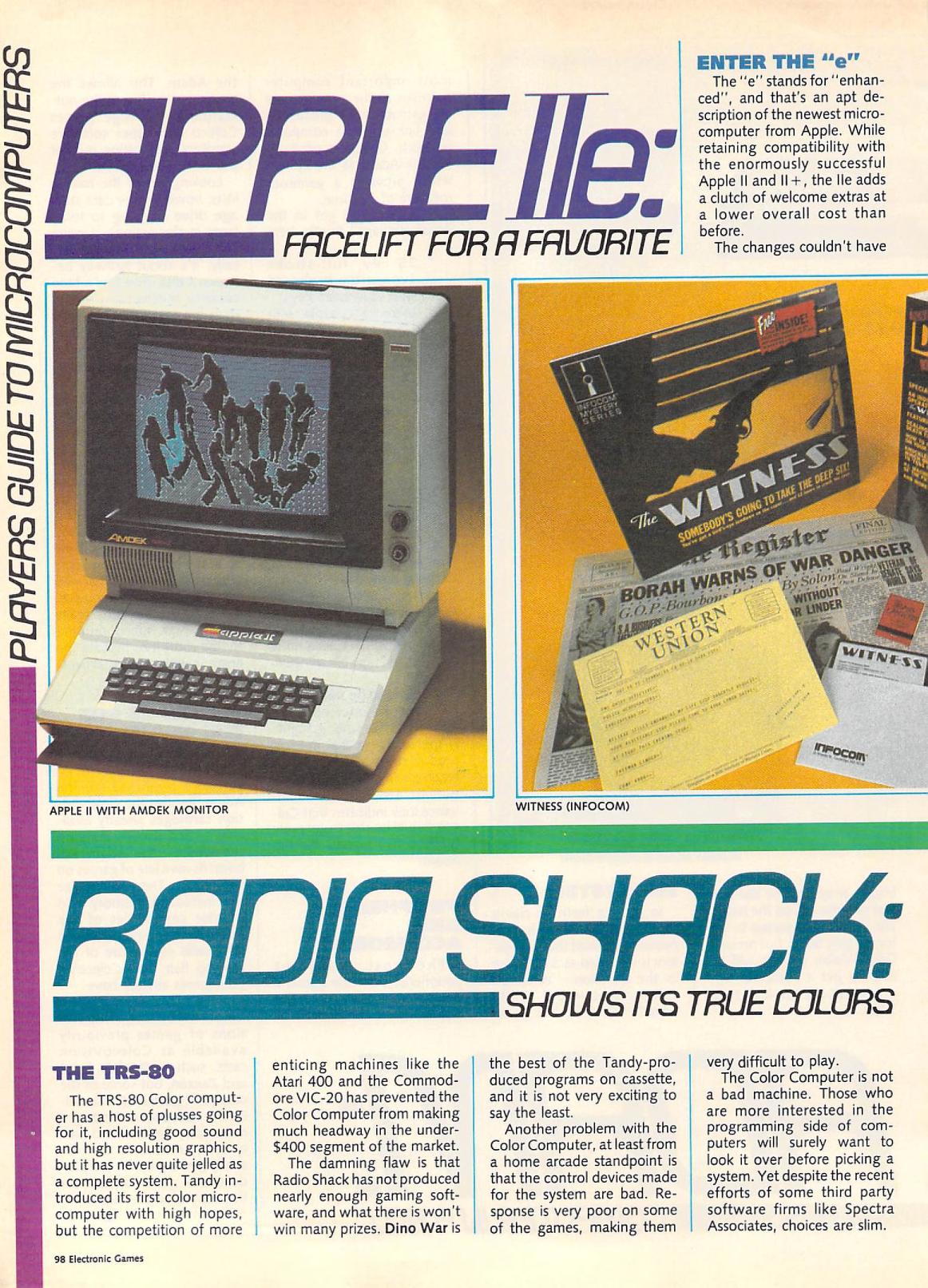
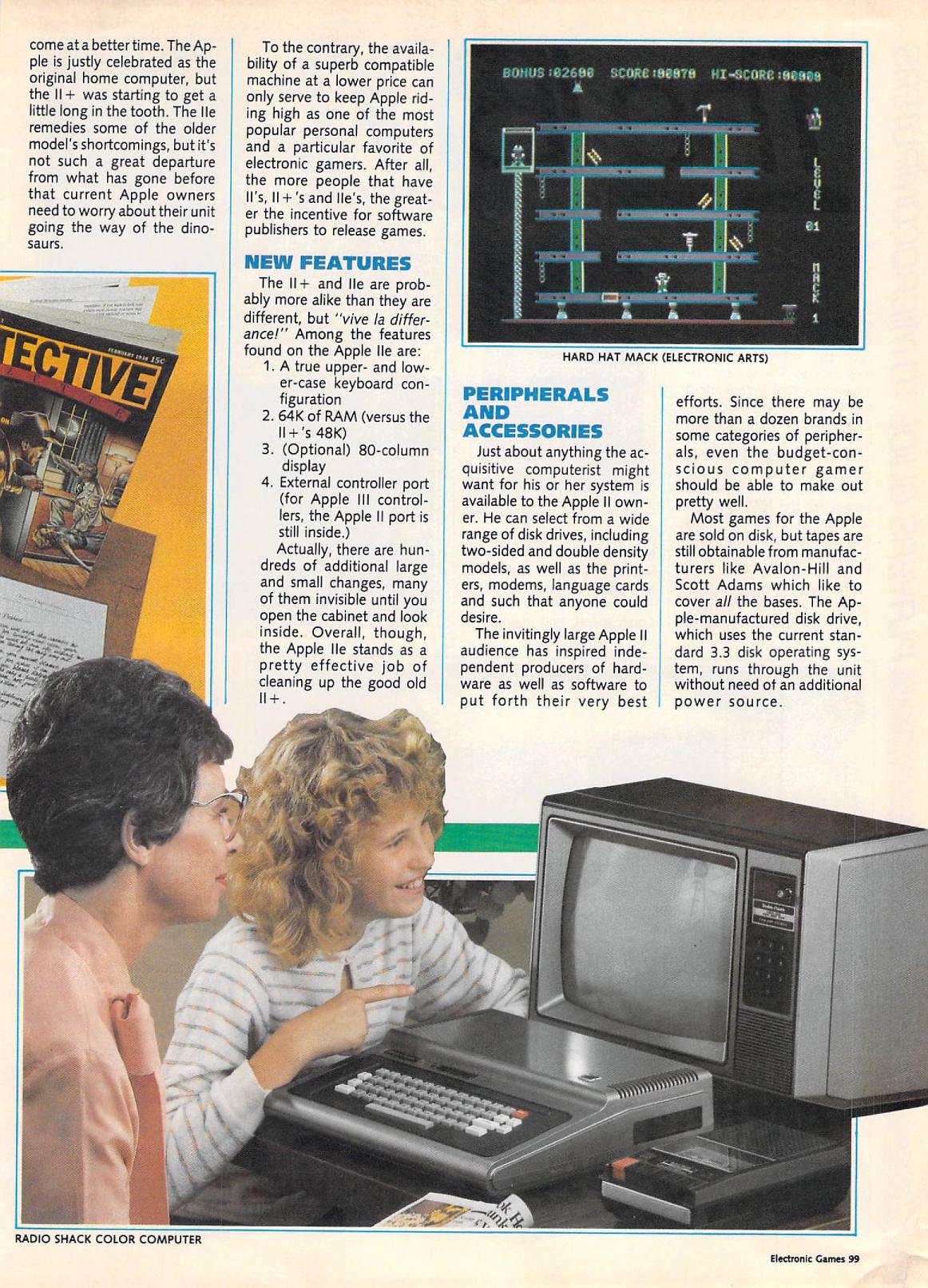
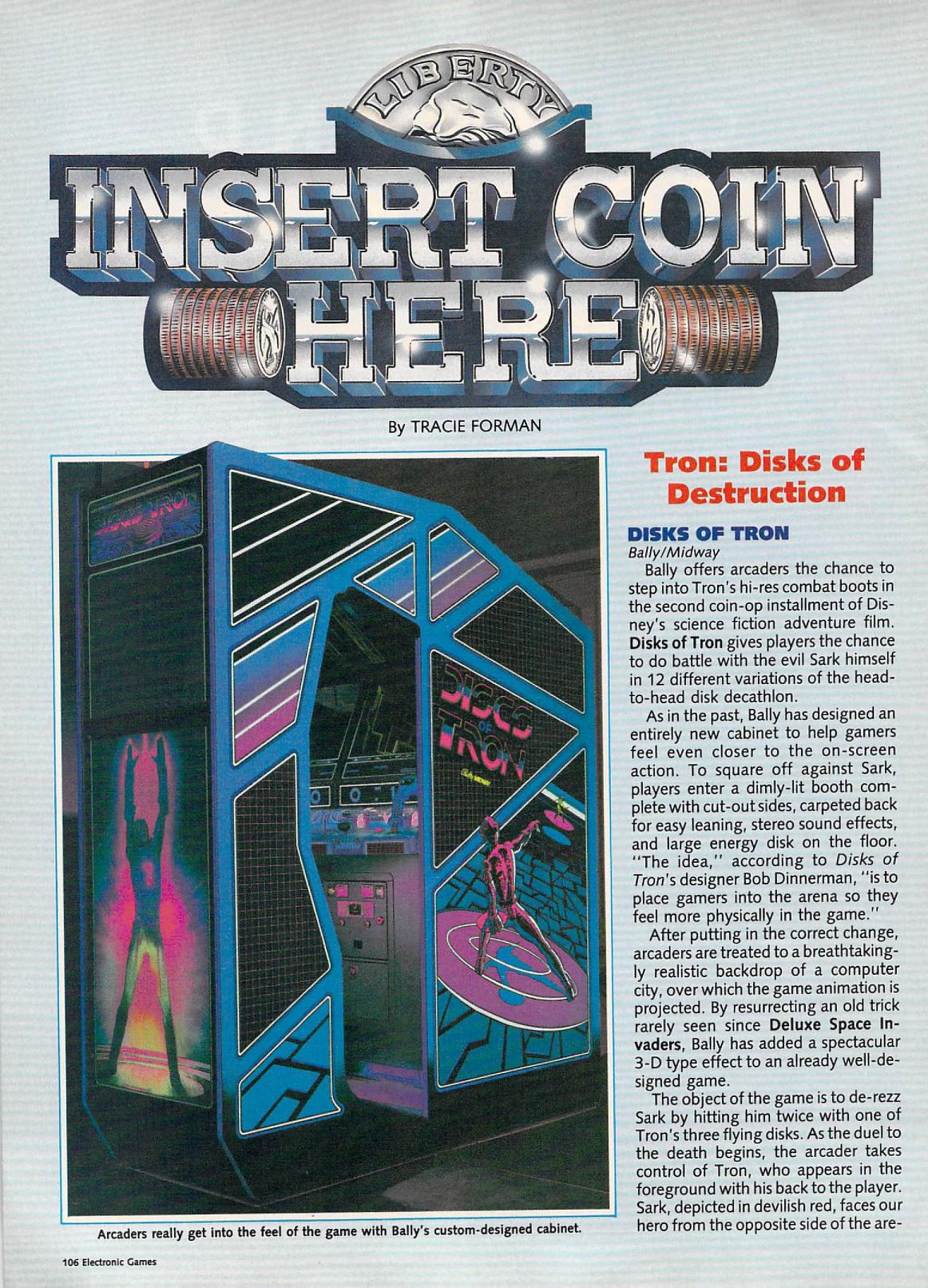
Electronic Games #22 (December, 1983): ‘Players Guide to Microcomputers’, Discs of Tron

EG #22 1983-1

EG #22 1983-2

EG #22 1983-3

EG #22 1983-4EG #22 1983-5

EG #22 1983-6EG #22 1983-7

EG #22 1983-8EG #22 1983-9

EG #22 1983-10EG #22 1983-11

EG #22 1983-12

Interesting that Coleco’s Adam, which I’d totally forgotten about, comes in ahead of Apple and the TRS-80. The first computer I got was my beloved Atari 800. That was about 1983. The first “family” computer we got was an IBM PS/2 in ’87 or ’88. My parents got a substantial discount through my high school. By that time, I had realized that learning how to program and “hack” was hard work, and the games for IBM were pretty lousy. My attention had shifted to Nintendo and my electric guitar—and girls.

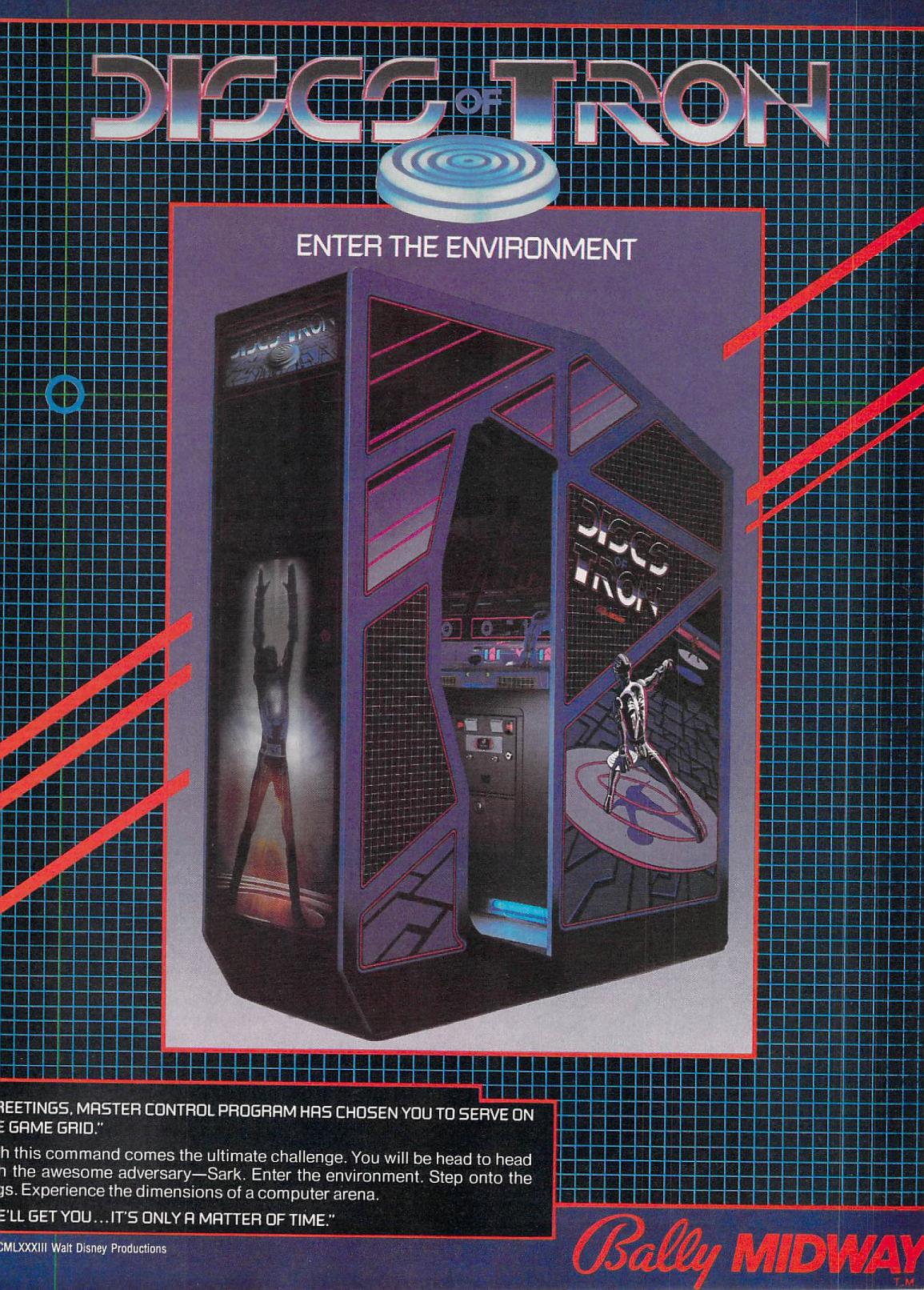
Below is a quick, fun review of my favorite video game ever, Discs of Tron, from the same issue. Read the whole magazine at archive.org.


Electronic_Games_Issue_22_Vol_02_10_1983_Dec_0105

Electronic_Games_Issue_22_Vol_02_10_1983_Dec_0106

Electronic_Games_Issue_22_Vol_02_10_1983_Dec_0107

Kid Working on Commodore 64, 1987

Commodore 64 1987

October 18, 1987. (Photo: Lyn Alweis/Denver Post)

Did his parents lock him in the basement, or what? At least he’s got his fish to keep him company.

That little keyboard appears to be a Casio VL-Tone clone. The only thing I can make out on the CompuCamp diskette is the Denver area code, 303.

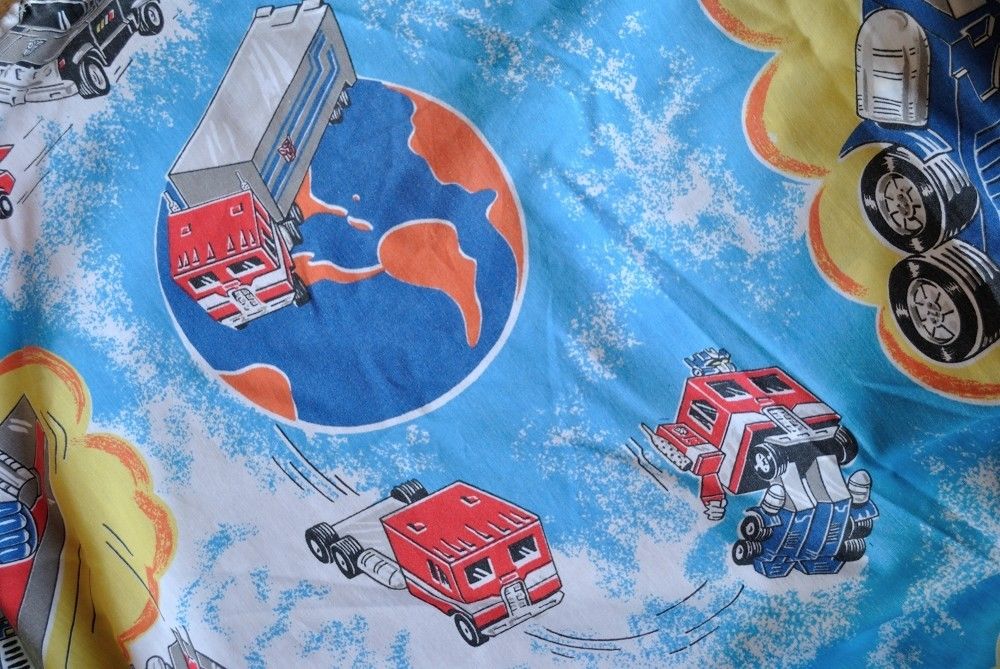
Transformers Bed Sheet (1984)

Transformers Sheet 1984

Transformers Sheet 1984-2

Transformers Sheet 1984-3

Transformers Sheet 1984-4

Transformers Sheet 1984-5

Transformers Sheet 1984-6

Transformers Sheet 1984-7

Giorgio Moroder’s Music from “Battlestar Galactica” and Other Original Compositions (1978)

BSG Moroder 1978

The collision of silver age sci-fi and disco was either Western civilization’s final, total surrender to decadence, or one of our finest moments. Or was it both?

Listen to side one—all the BSG music—here. Side two—“Evolution,” a Moroder classic—is here.

The LP cover artist is Winston Taylor.

(Image via Tuk Tuk)


Pages

Archives

Categories

Donate Button

Join 1,118 other subscribers